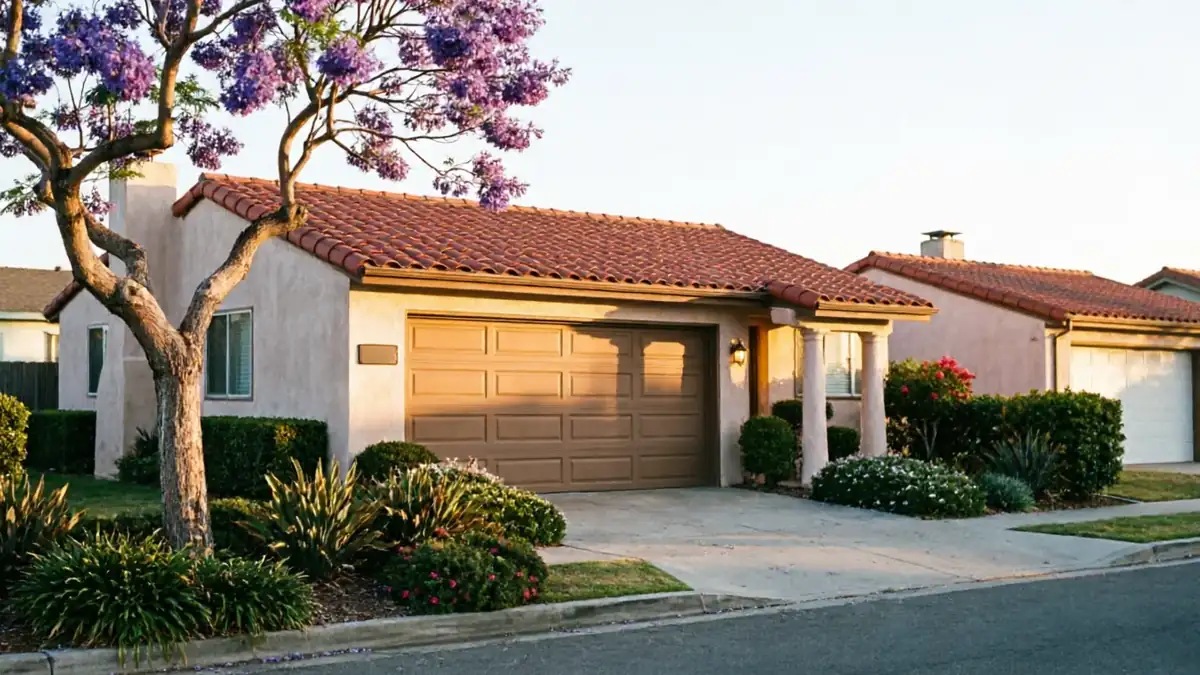
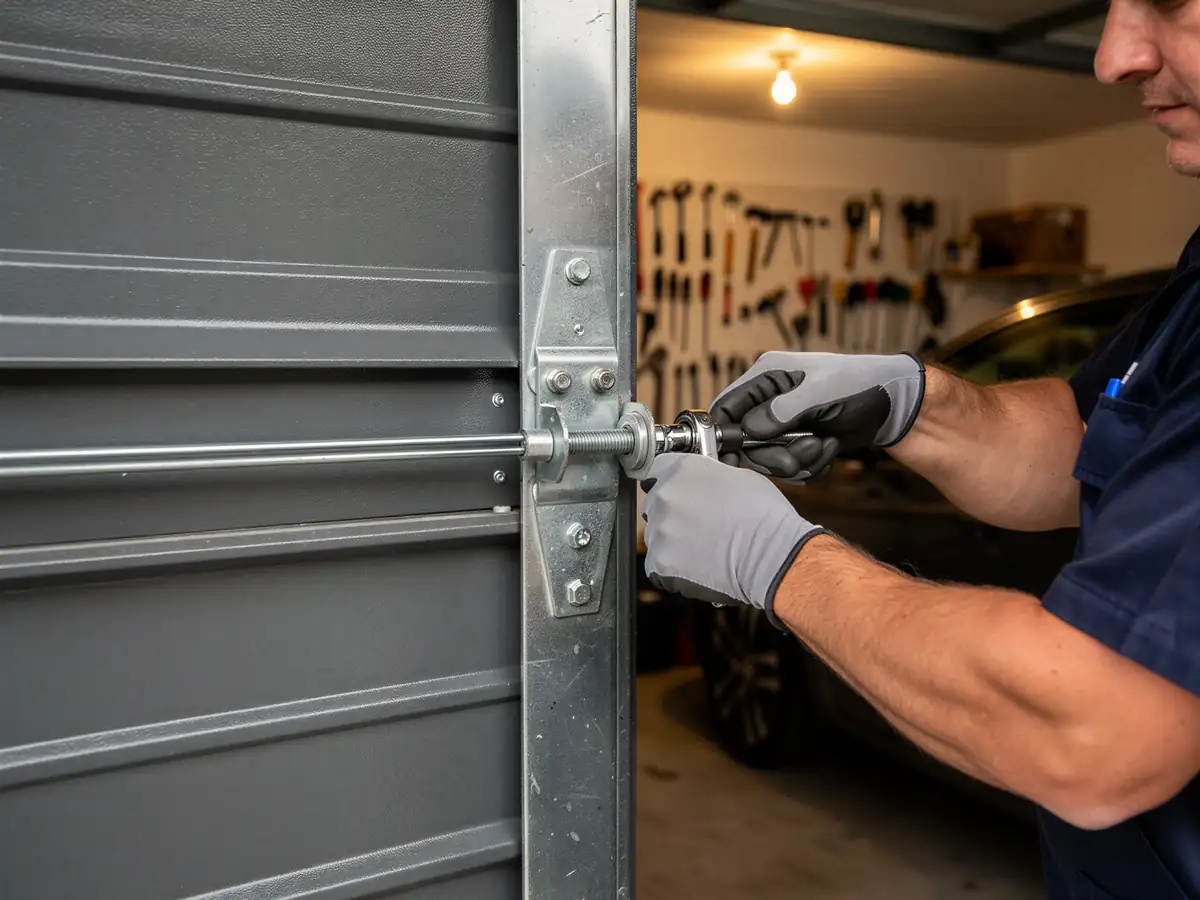
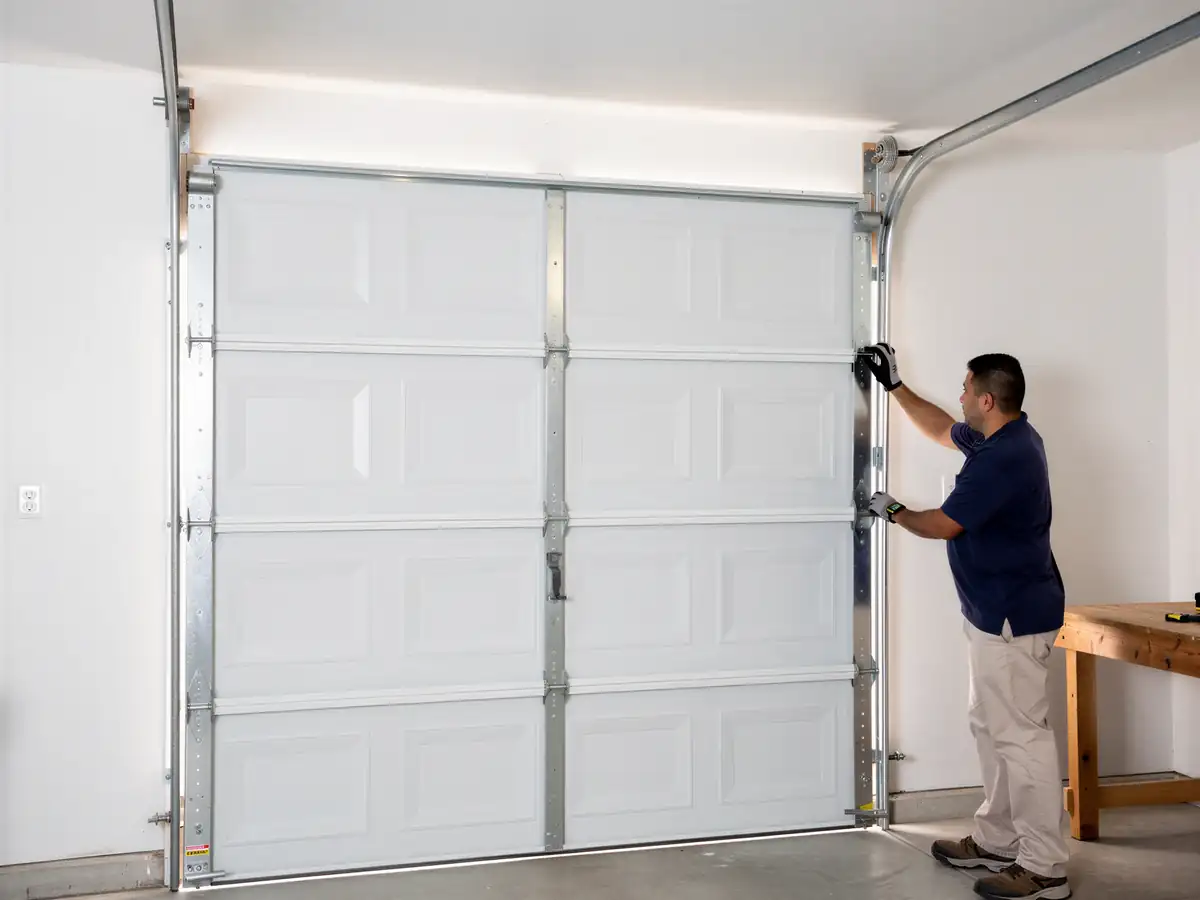
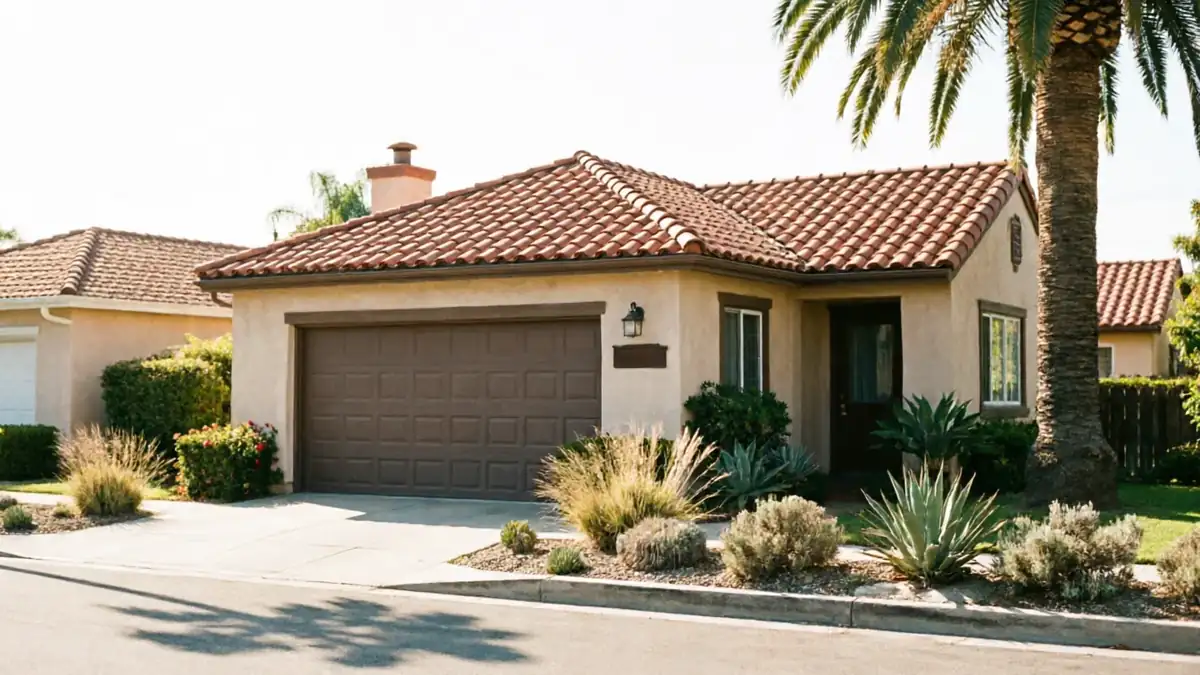
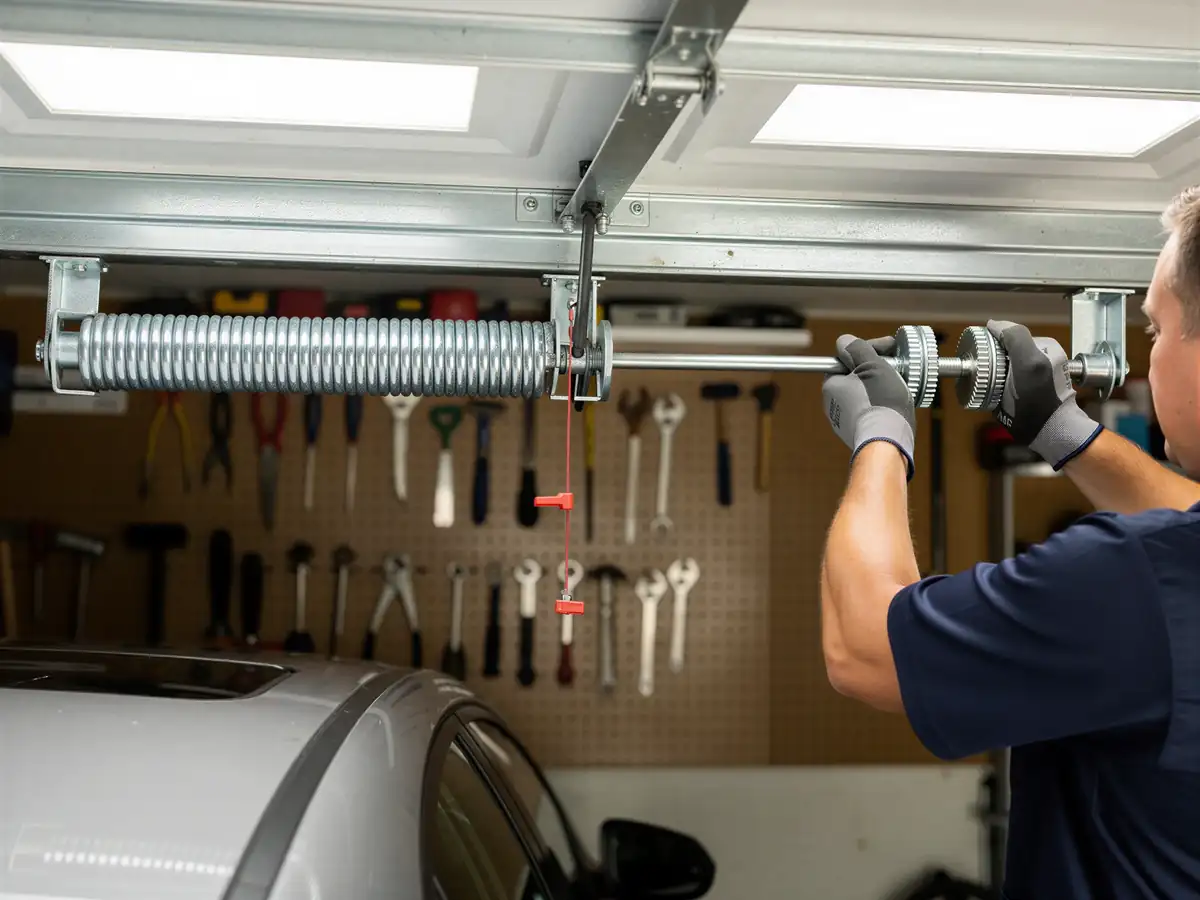
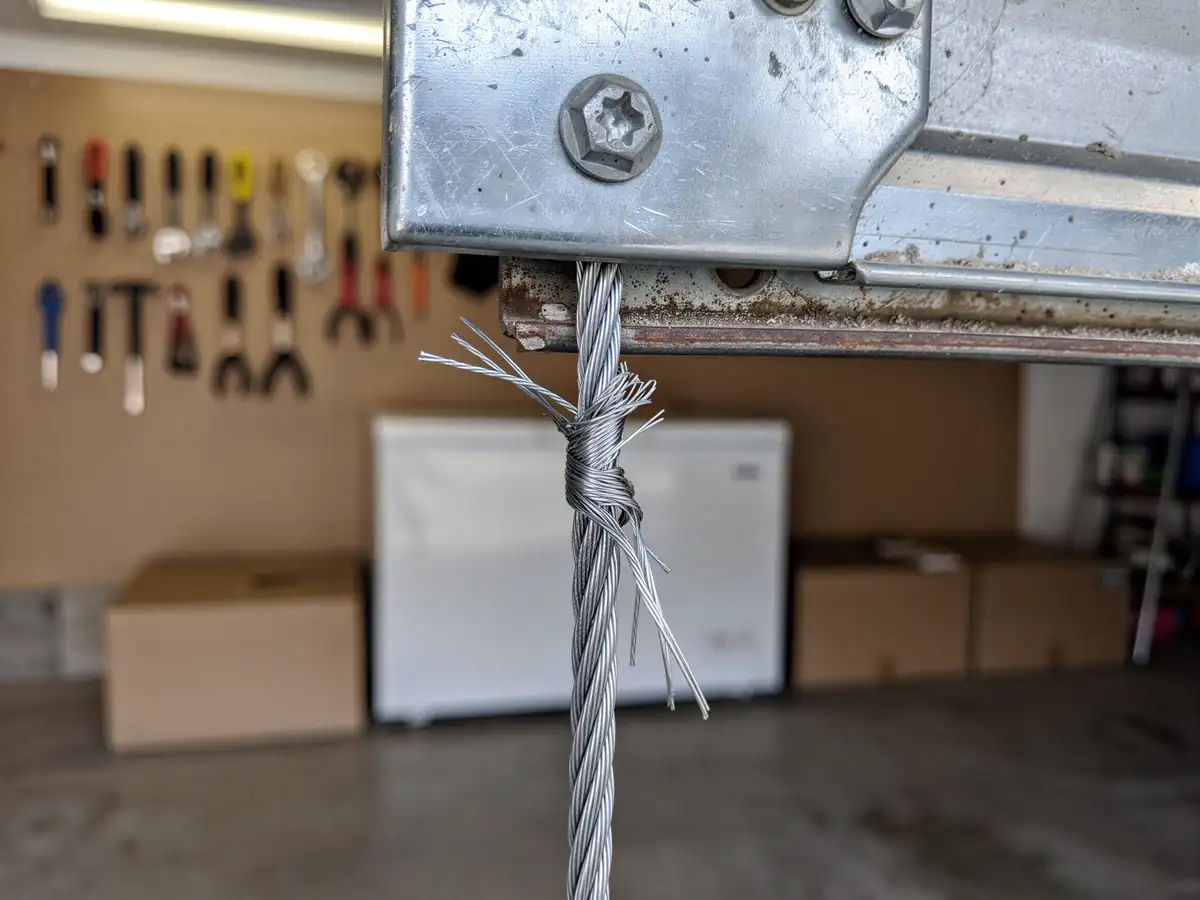
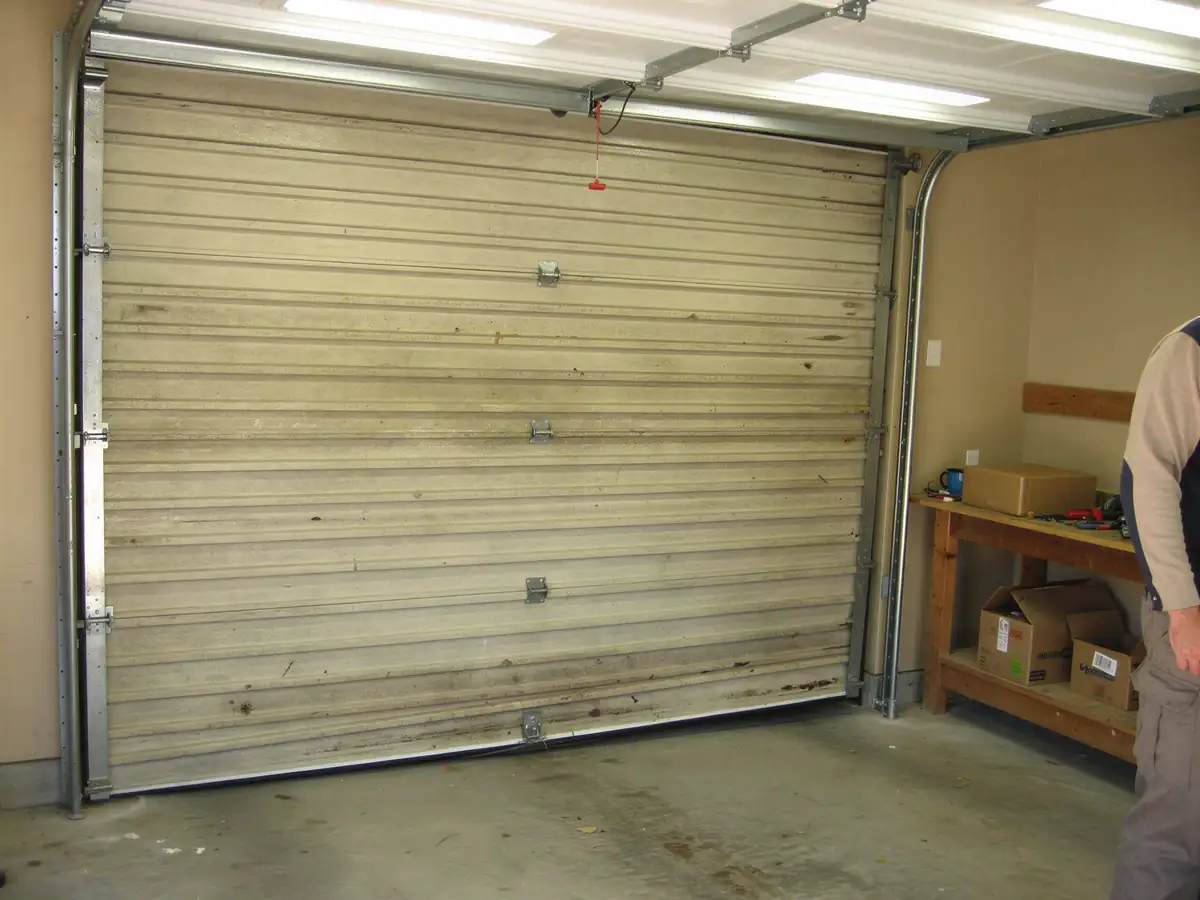
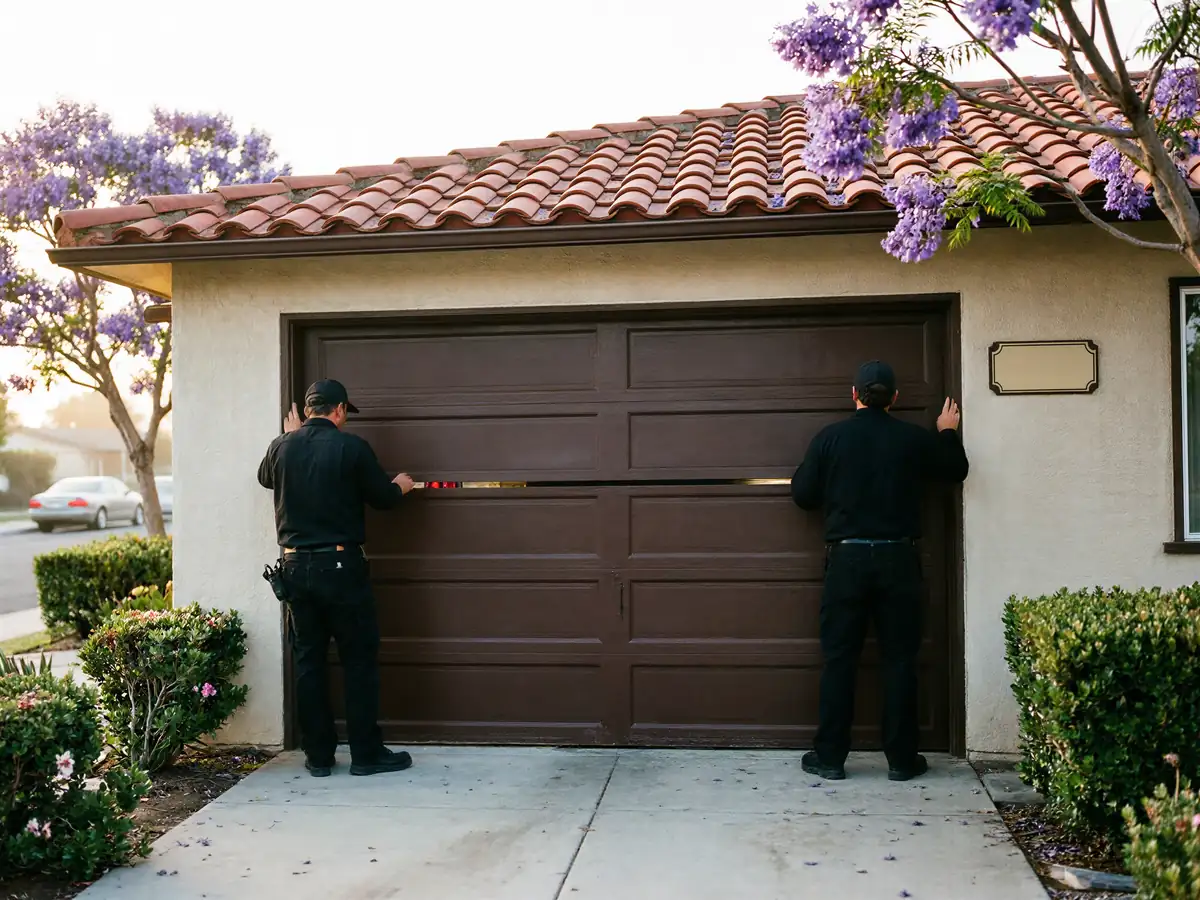
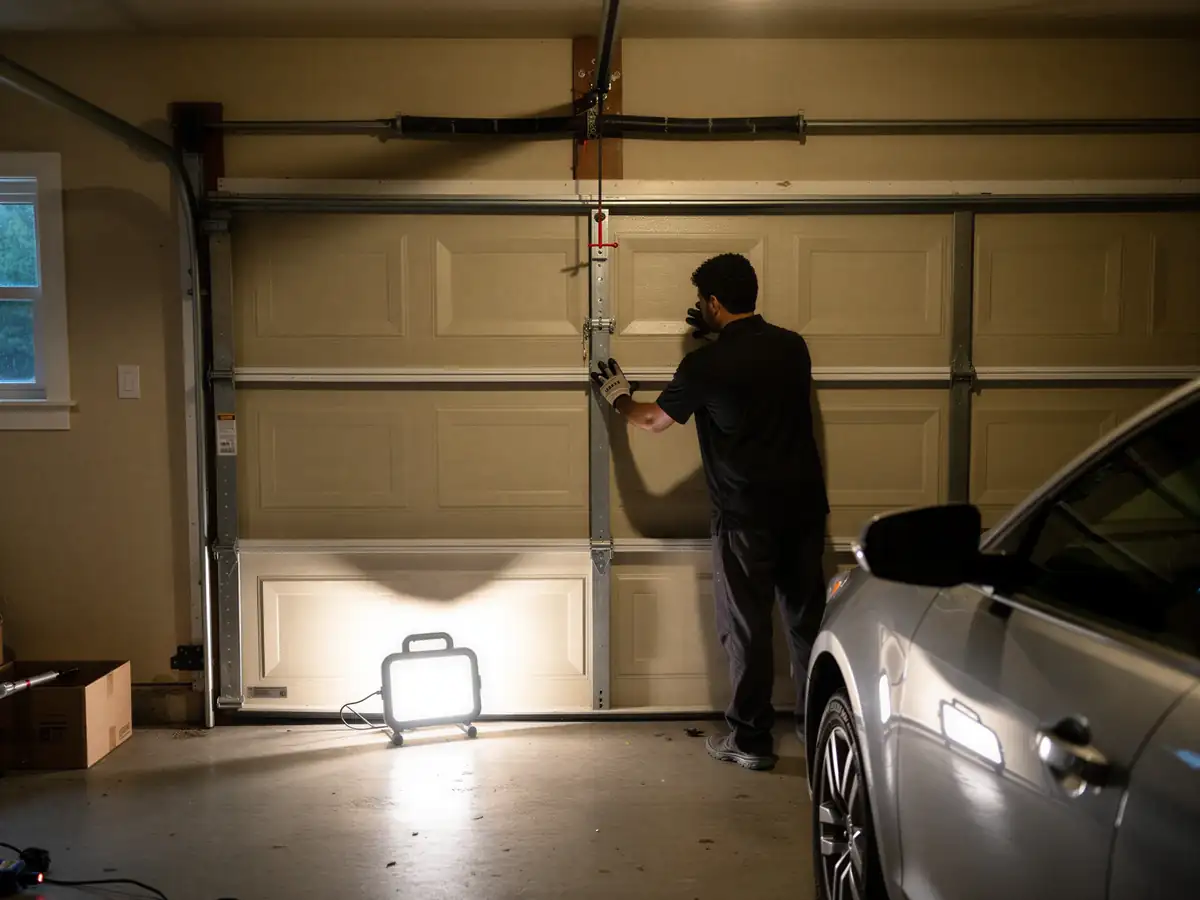
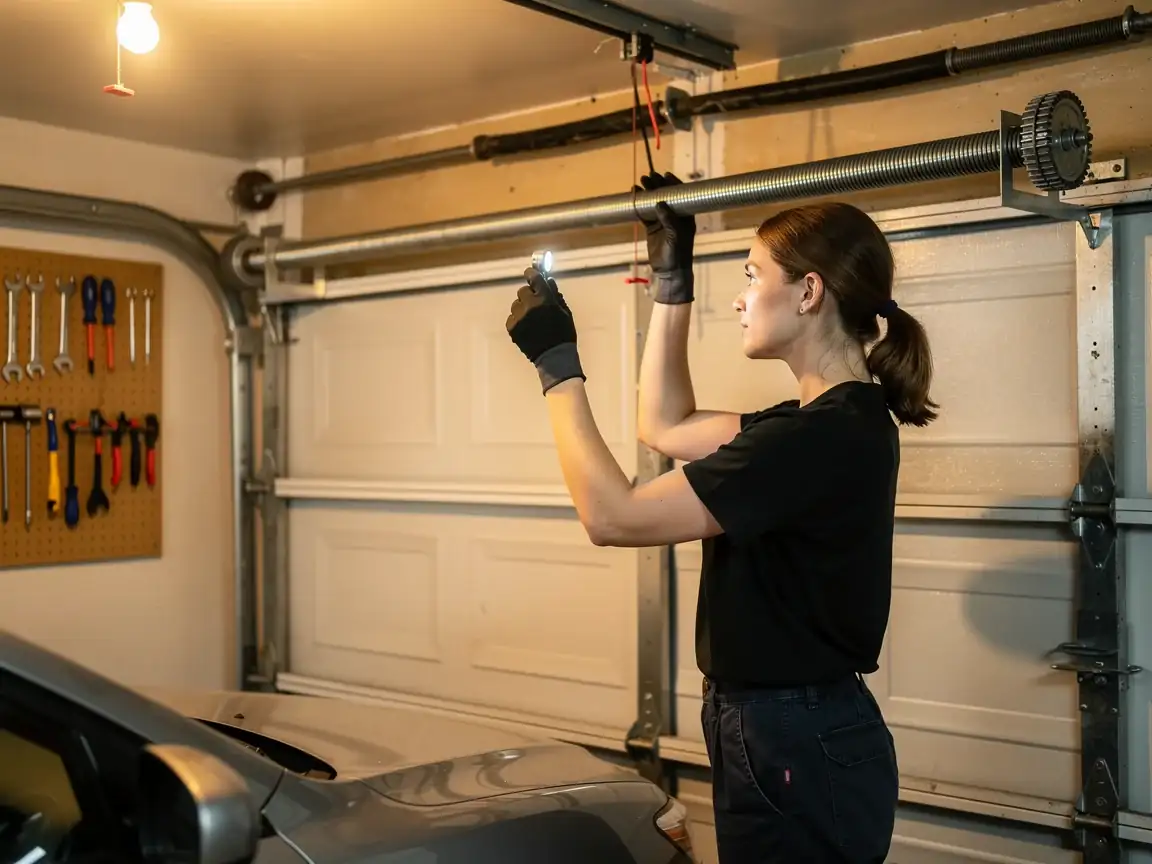
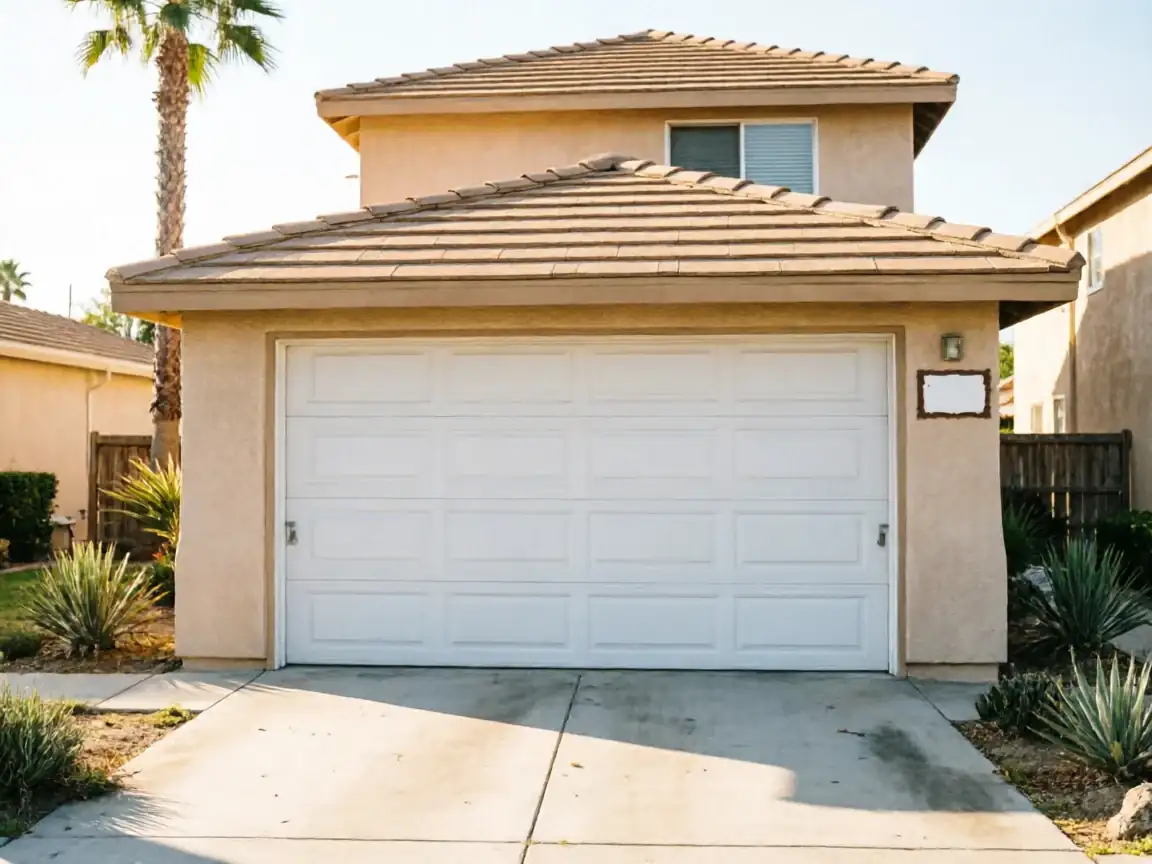
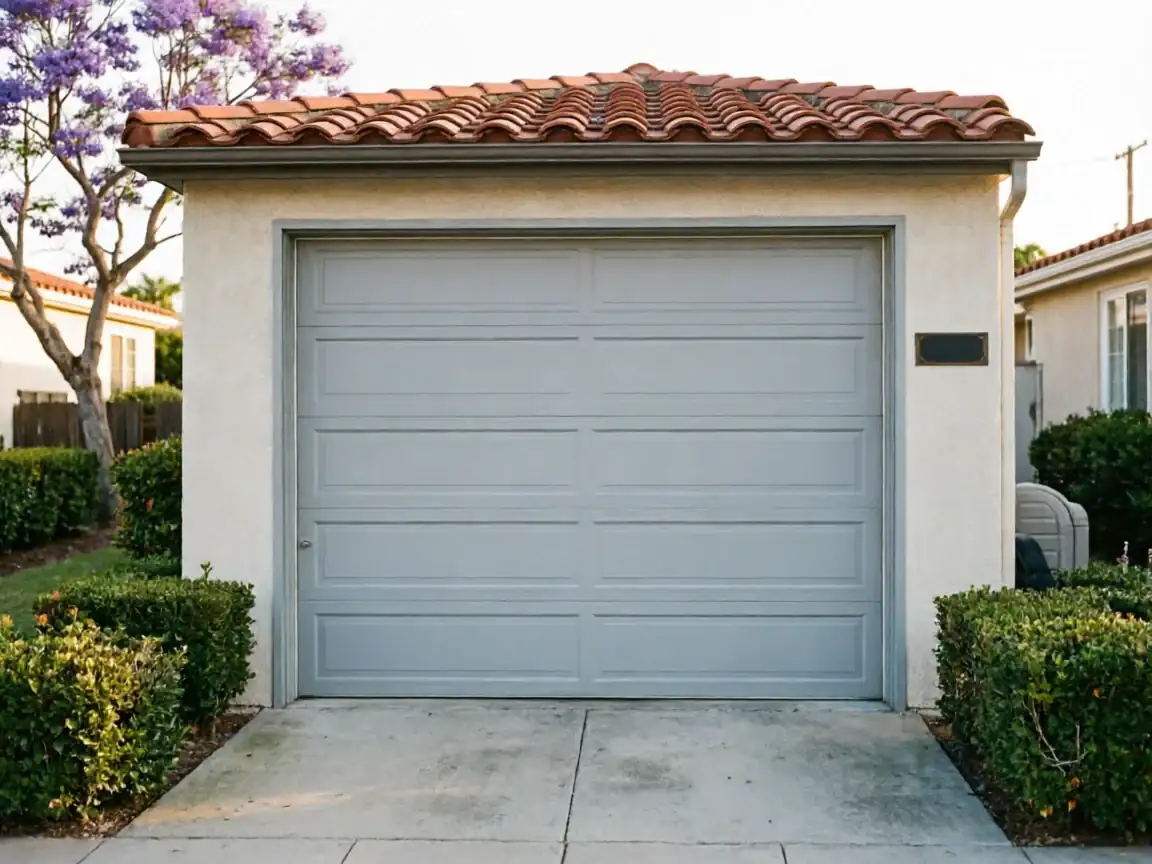
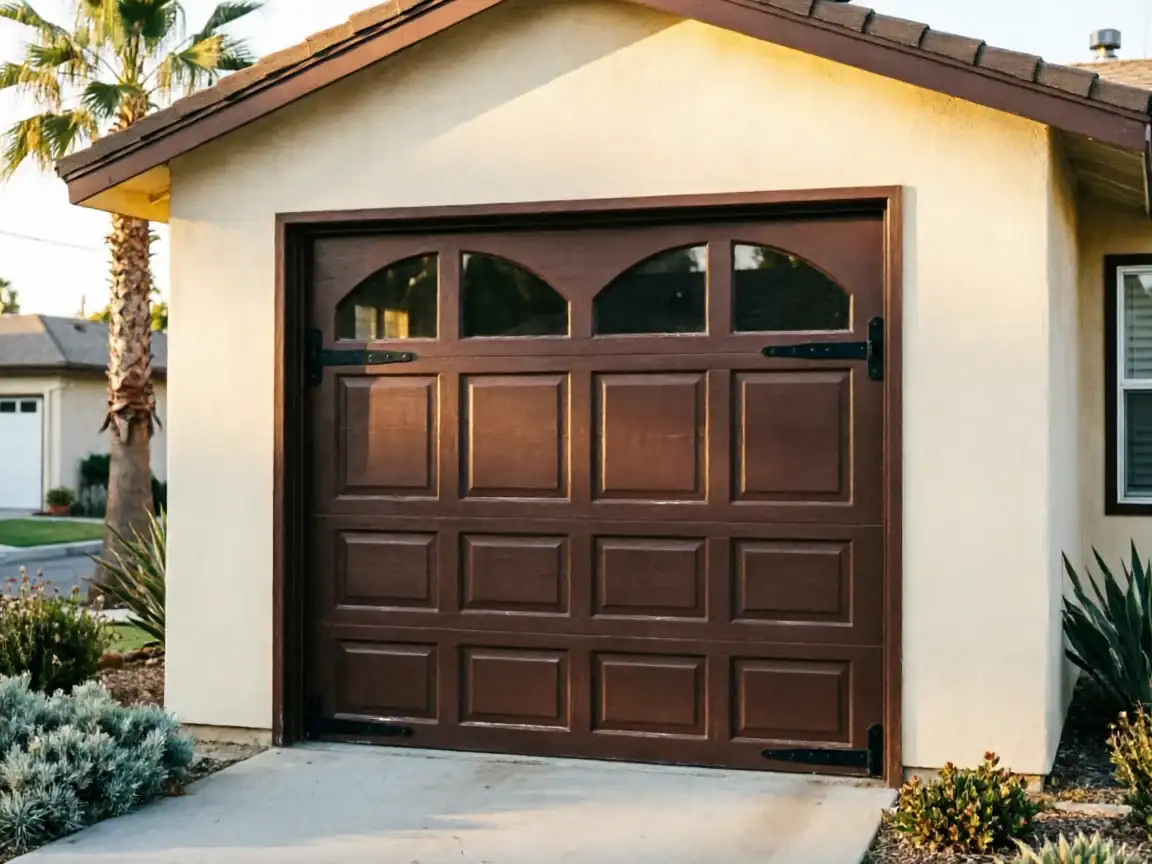
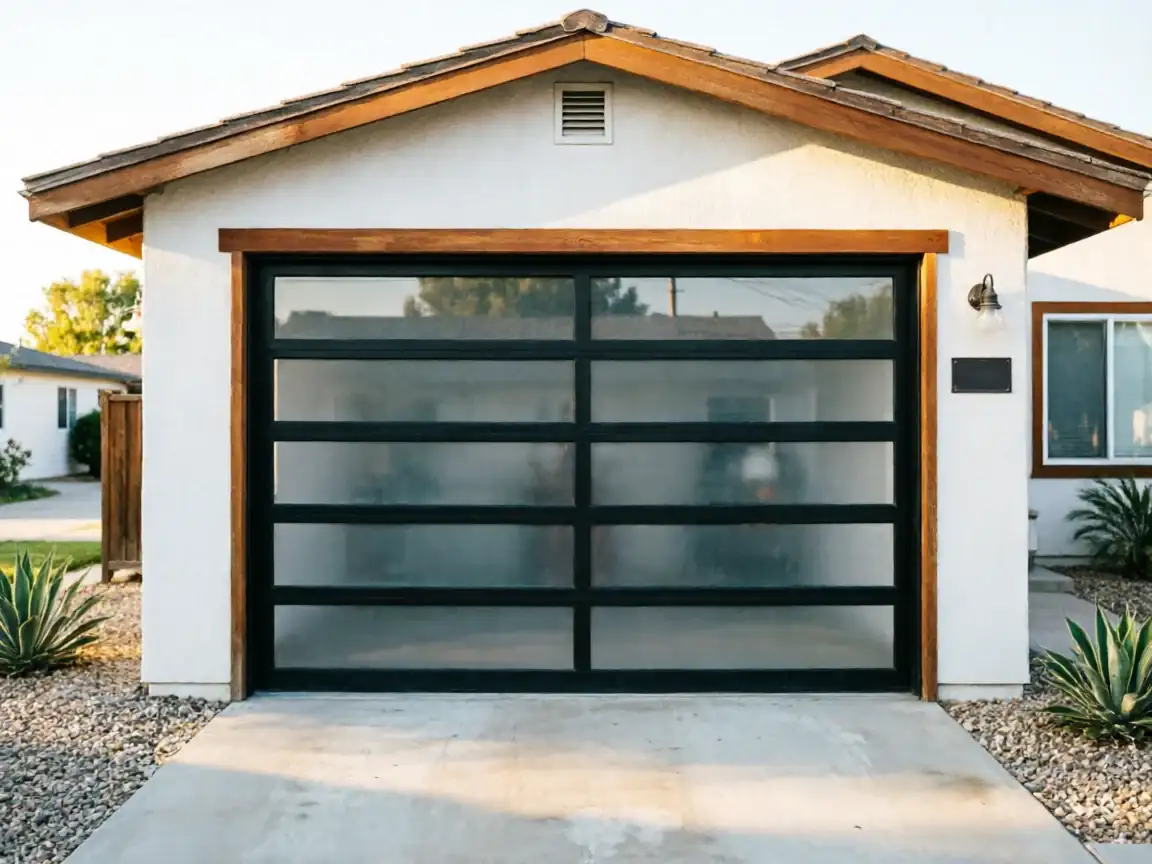
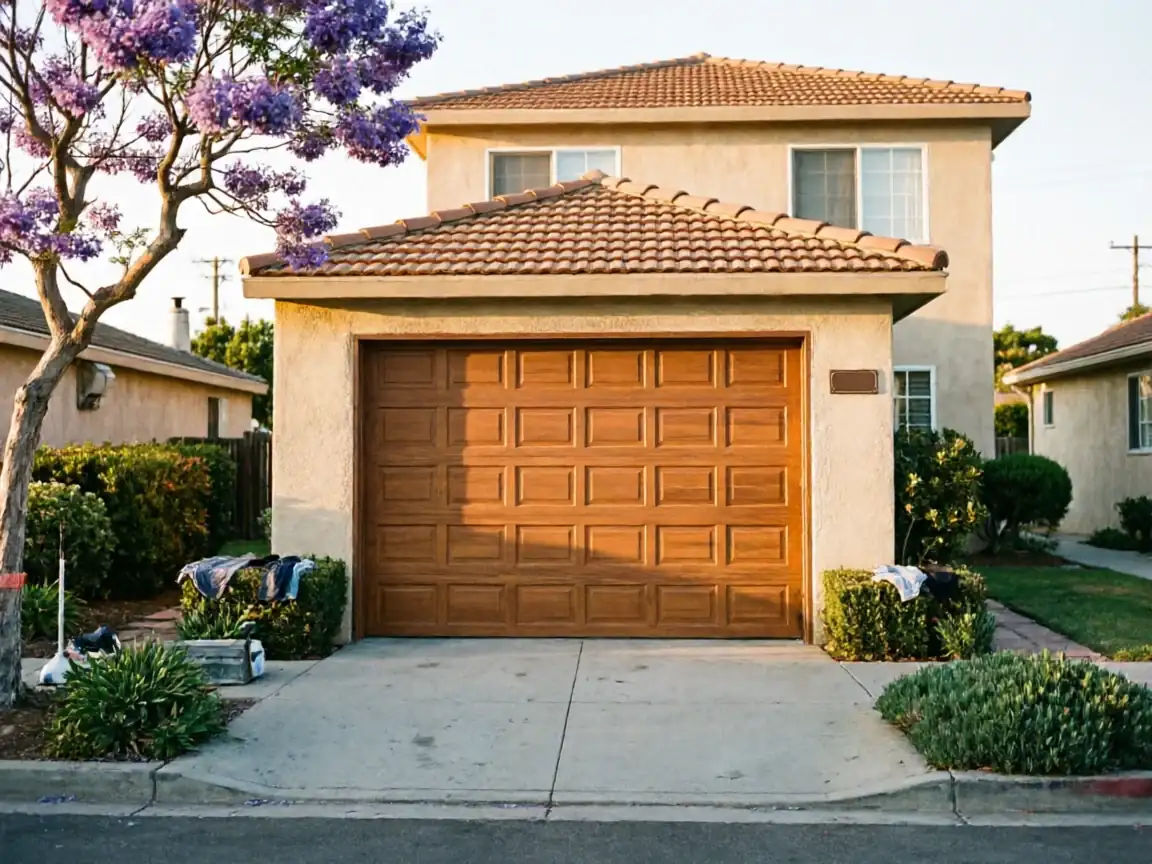
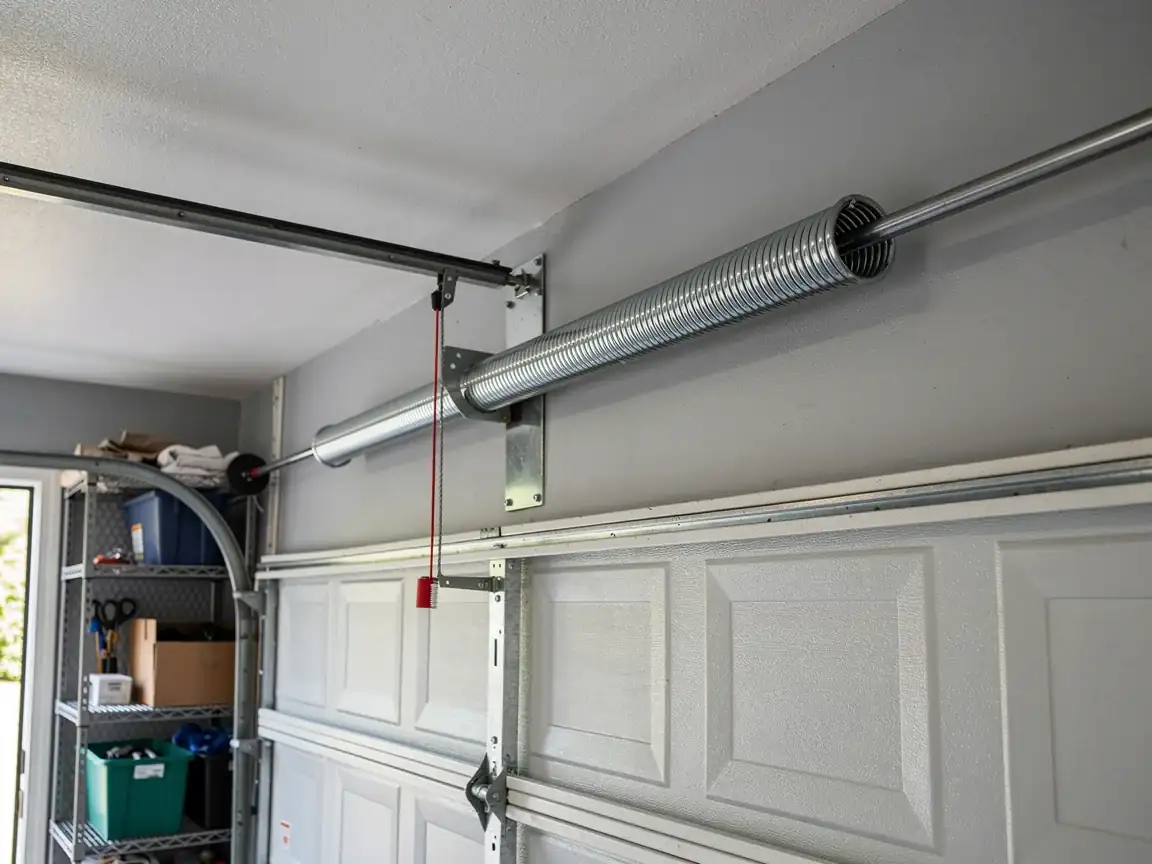
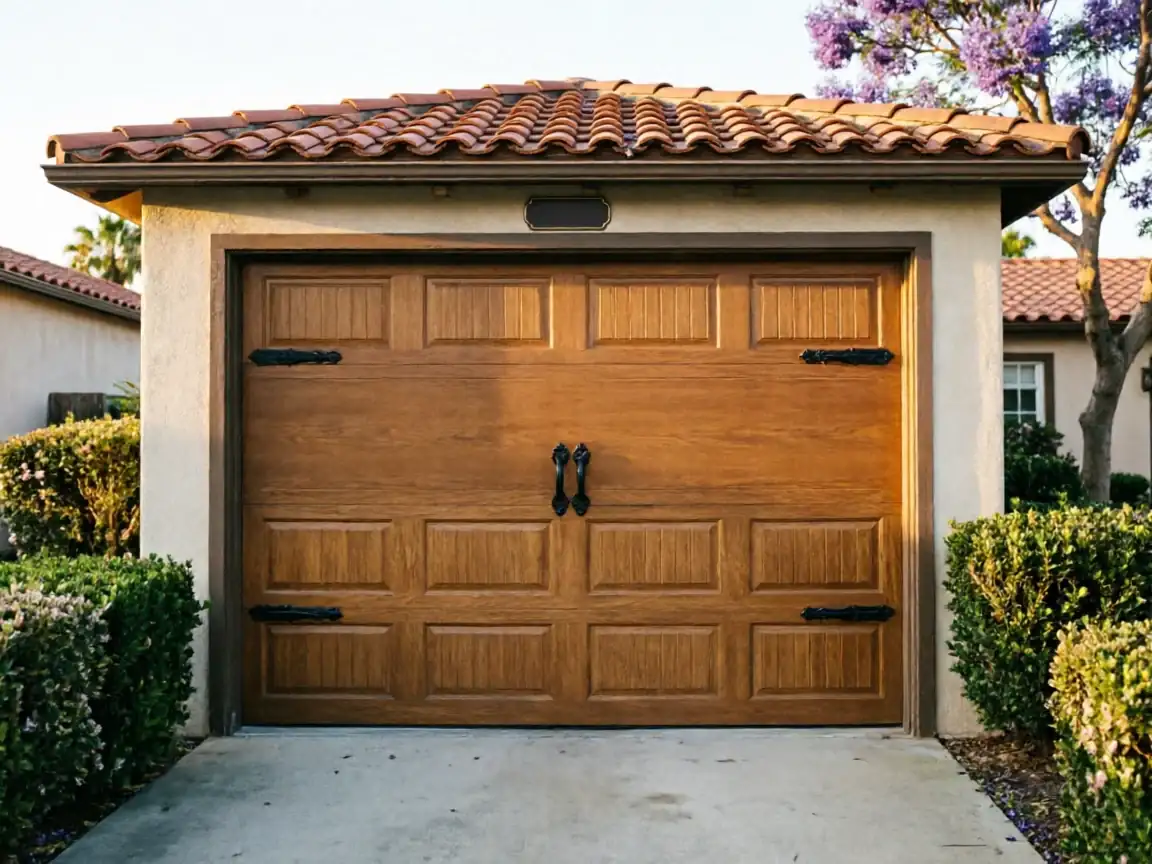
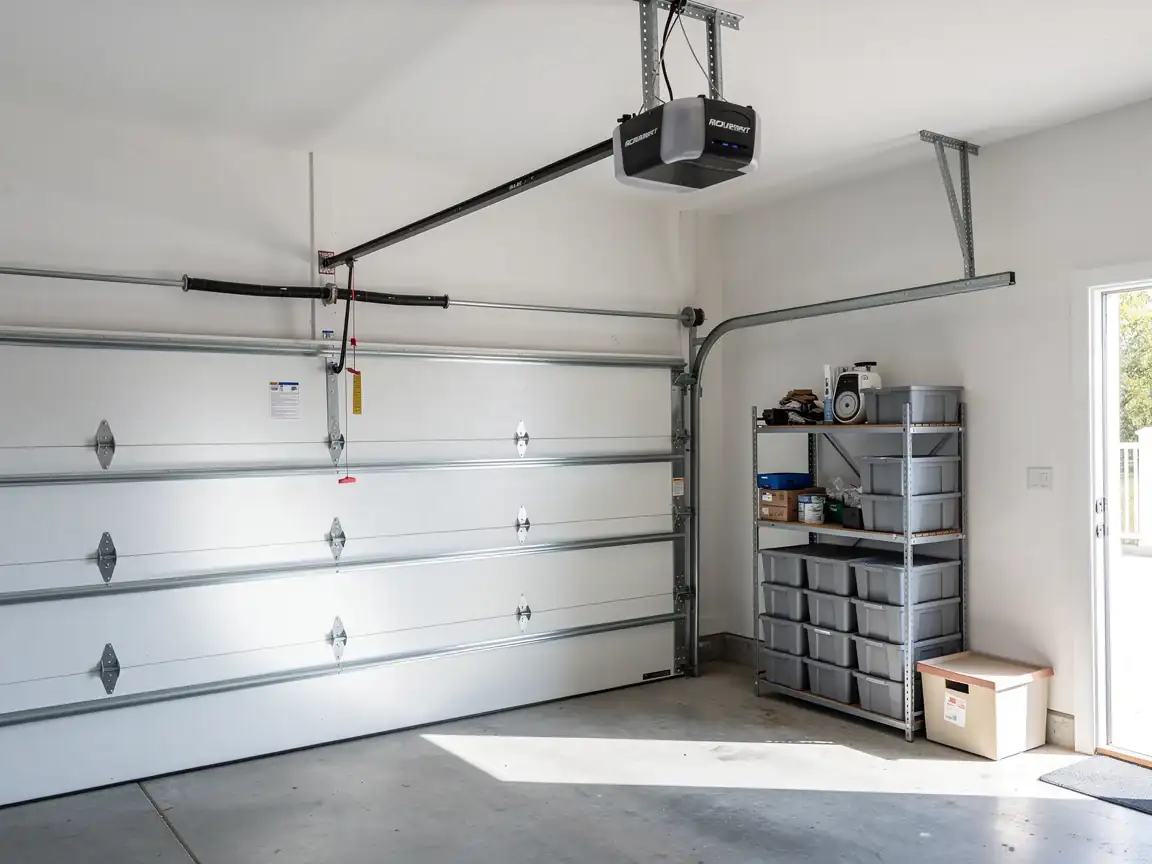
Piedmont's housing stock runs older than most of the territory we cover out of Oakland - the median build year here is 1938, well ahead of the 1965 median across the wider service area. That matters more than people think. A door installed on a house built in the late 1930s or 1940s was very likely retrofitted at some point, which means you can have a newer door panel sitting on an older jamb, or original wood jambs that were never squared for modern track. We see more custom width openings in Piedmont than in newer tracts, because a lot of these garages were built before anyone standardized a bay size. Torsion springs on these older setups are often side-mounted rather than center-mounted, and that hardware isn't something every supplier keeps on the shelf. If your opener is a later addition bolted onto original wood framing, the mounting points can work loose in ways you don't see on newer construction. None of this is a problem a truck can't handle - it just means the fix usually starts with figuring out what generation of hardware you're actually dealing with before ordering parts, not after.
This Area's Housing
Piedmont has about 3,737 households, a small, tight number compared to the roughly 211,657 owner-occupied houses across the full service area - this is a dense, built-out hillside community, not a spread-out suburb still adding new stock. Median household income here runs $250,001, well above the $148,801 median for the service area overall, and that shows up in the kind of door work we get called for: full replacements with insulated steel or wood-composite panels, quiet-drive opener upgrades, and custom-sized doors to match openings that were never standard width to begin with. The climate band is mild temperate, same as the rest of the territory, so you're not fighting the extreme temperature swings that crack seals or warp wood doors in other parts of the country. What you are fighting is age. A door that's 50, 60, 70 years old has had multiple owners, multiple partial repairs, and sometimes parts from three different decades on the same track.
What We Do Not Do
We don't keep a depot or a crew stationed in Piedmont - we run out of Oakland, about 4 miles away, and that's the honest answer if you're wondering why we're not listed as a local business here. We also don't try to force a same-day fix on a door that's structurally not worth fixing. If the jamb is rotted or the track has been bent and rebent past true, replacing the opener or spring on top of that is just spending money on a door that'll fail again in a year. On older Piedmont garages especially, we'll tell you flat out when a full replacement beats another patch repair, even if that's not the answer you called for.
Timing on This Area
Piedmont is a short run from our Oakland base - 4 miles - so getting a truck out isn't the issue. The timing variable is usually parts, not distance. Side-mounted torsion springs and non-standard width panels common on 1938-era construction aren't something every supplier stocks, so a repair on an original-era door can take longer to source than a repair on a 1970s tract-built door elsewhere in the territory. We'd rather tell you that up front than promise a turnaround we can't back up once we're standing in your garage looking at the actual hardware.
How it works
From “it’s stuck” to “it’s fixed”
01
Tell us what’s wrong
Describe the symptom - won’t open, loud bang, opener runs but the door won’t move.
02
On-site diagnosis
A technician tests the door under power and by hand and finds what actually failed.
03
Clear, up-front plan
You get the fix that’s needed and what drives the cost - before any work starts.
04
Repaired & tested
The repair is done, the door is set true and tested, and the work area left clean.
Not sure which repair your door needs in Oakland, CA? Describe what it’s doing - every job starts with a diagnosis.
Straight answers about garage door repair in Oakland. Still unsure? Ask us directly.
Why doesn't my opener fit the original garage opening right?
A lot of Piedmont garages date to the late 1930s and 40s, before standard door widths were common. If an opener or track was added later, it was fitted to whatever width the original builder used, which can be narrower or wider than today's standard doors. That mismatch is normal here, not a sign something was installed wrong.
Do you have a shop in Piedmont?
No. We run out of Oakland, about 4 miles away, and cover Piedmont from there. We don't claim a local depot or a guaranteed response window we can't back up.
Is it worth repairing a door from the 1940s instead of replacing it?
Sometimes. It depends on whether the jamb and track are still square and sound. If the frame has shifted or rotted, a new spring or opener on top of it won't hold. We'll look at the actual opening before telling you which way makes sense financially.