Broken or frayed garage door cables are common on Oakland's older housing stock. We explain why, what it looks like, and what a cable repair job actually costs.
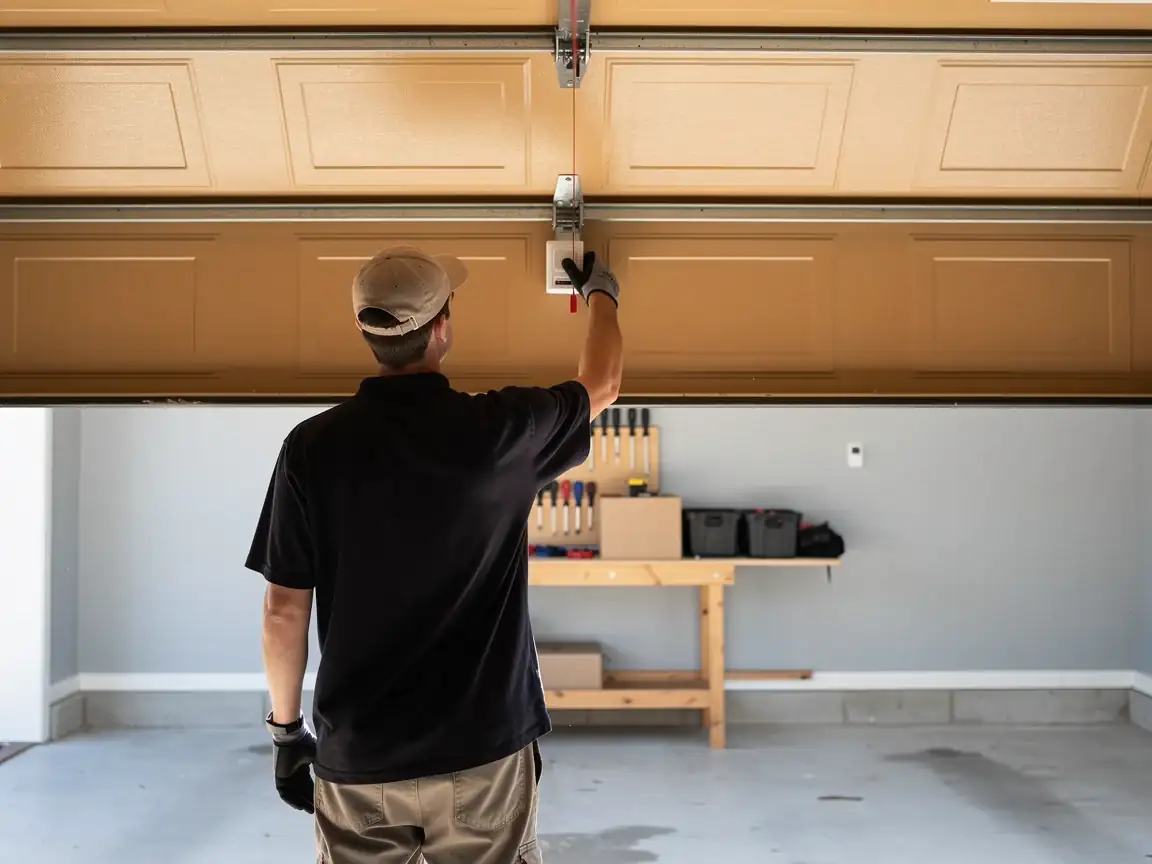
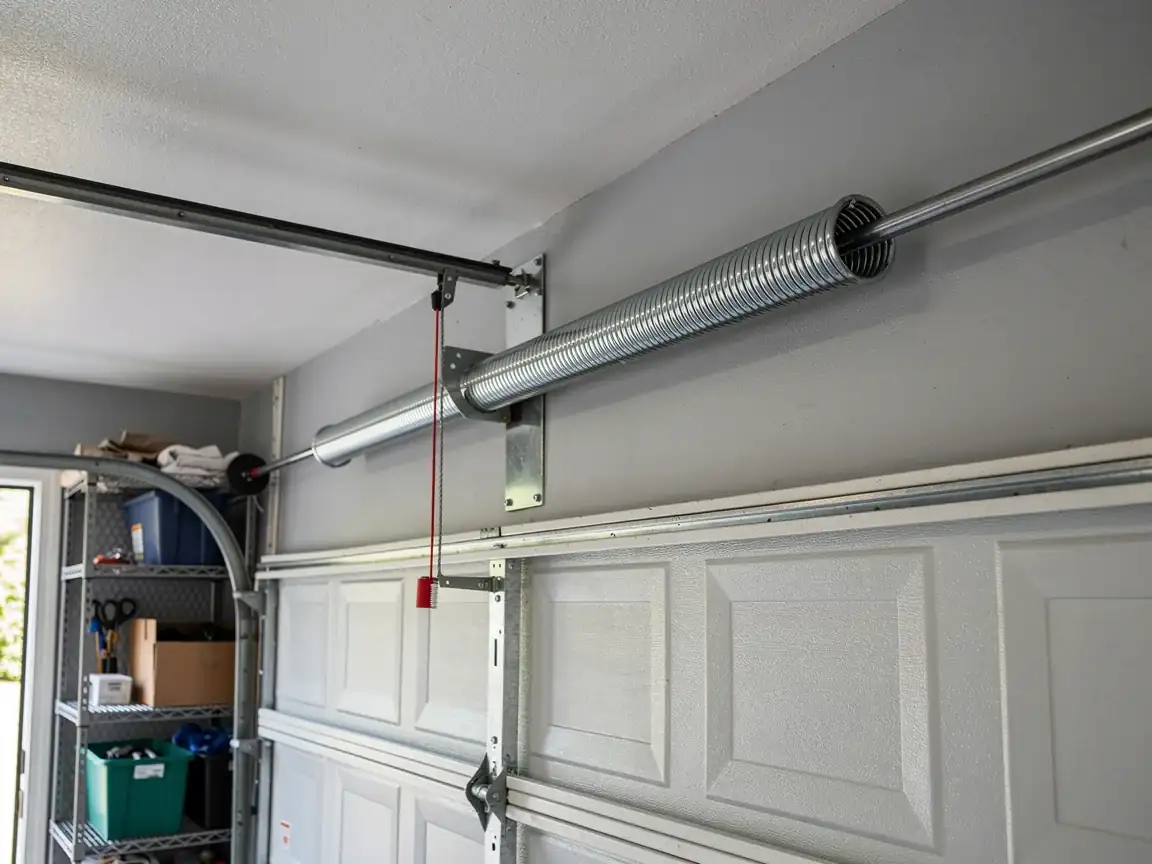
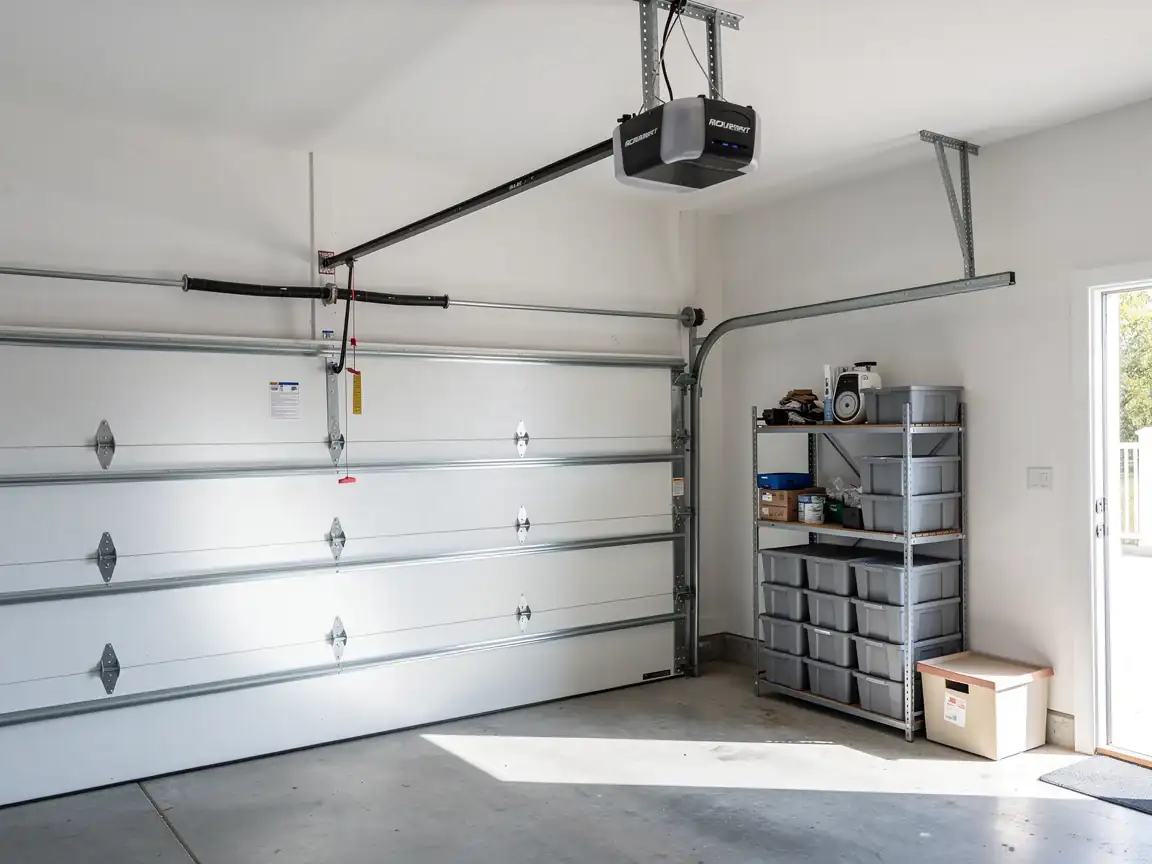
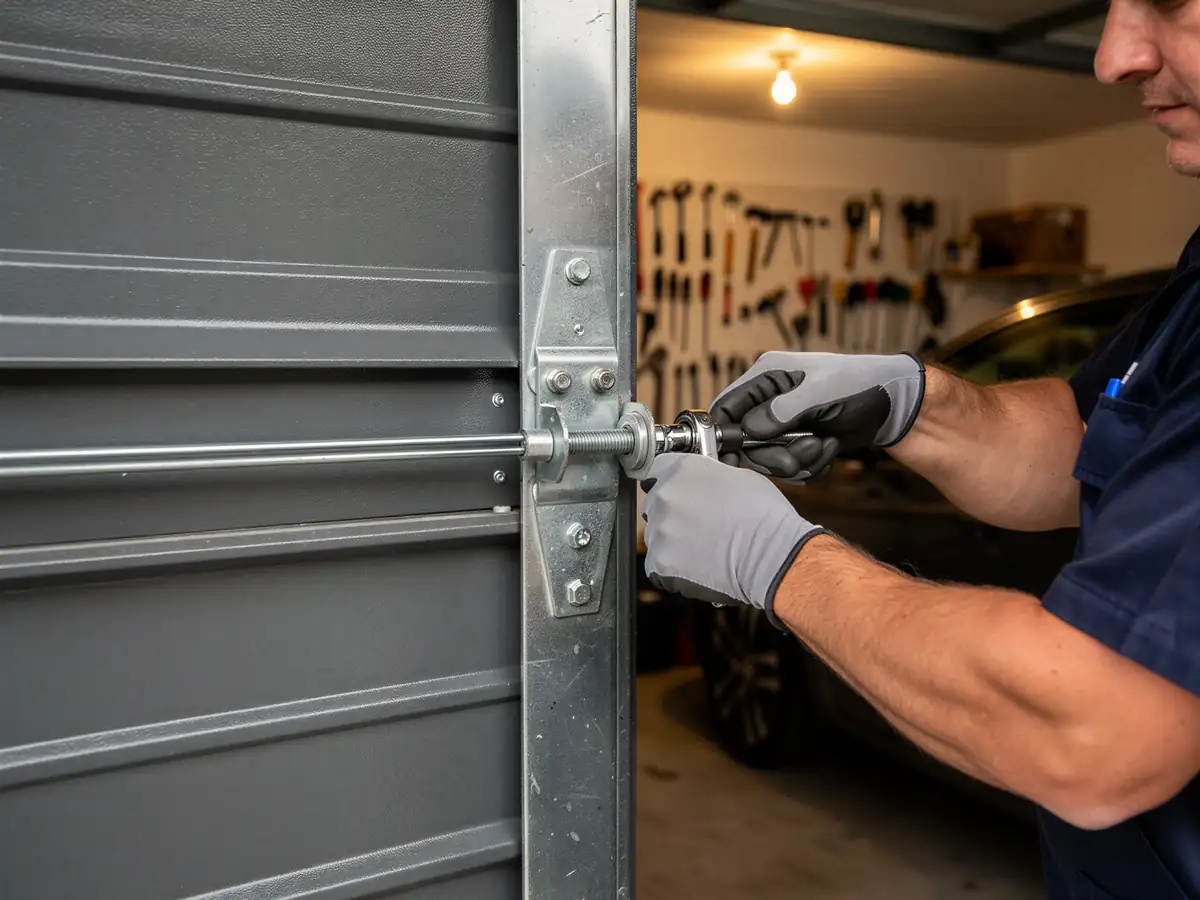
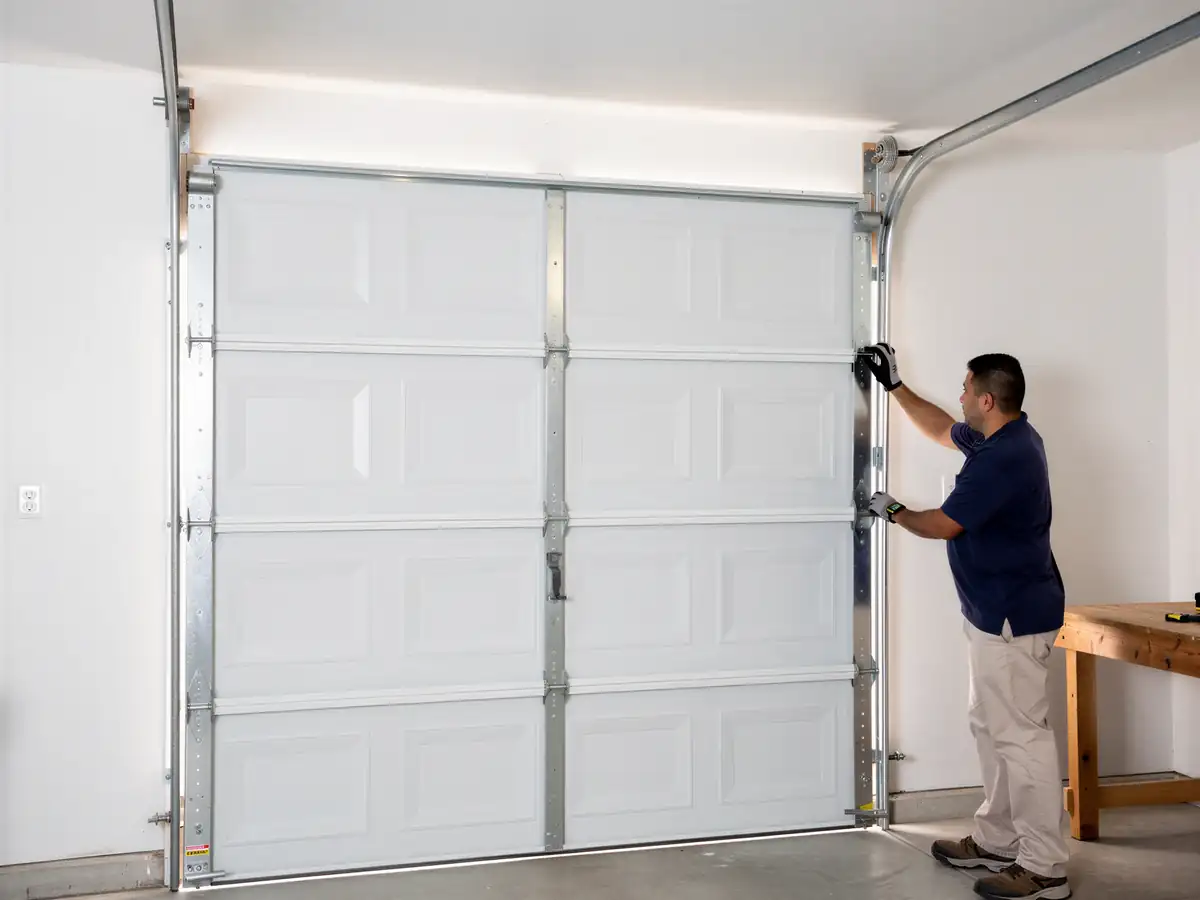
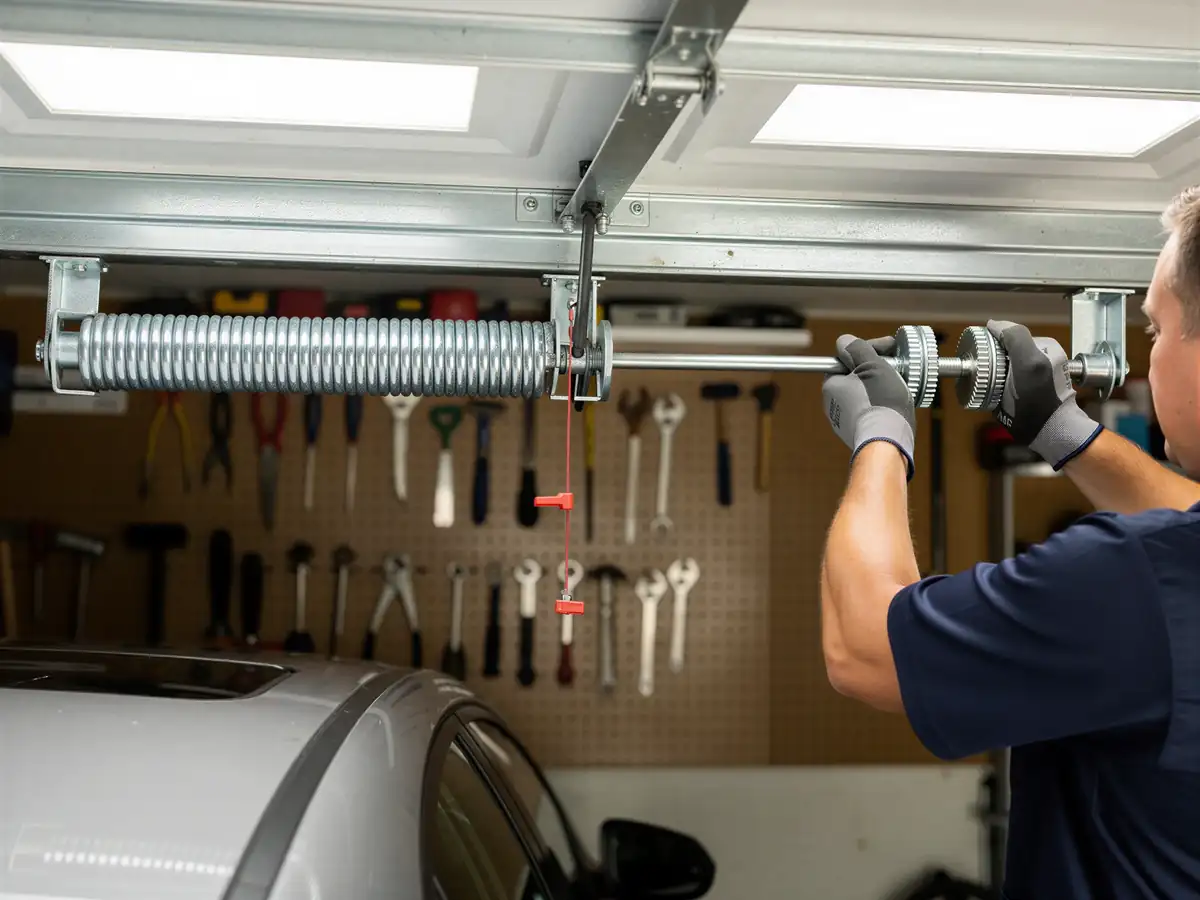
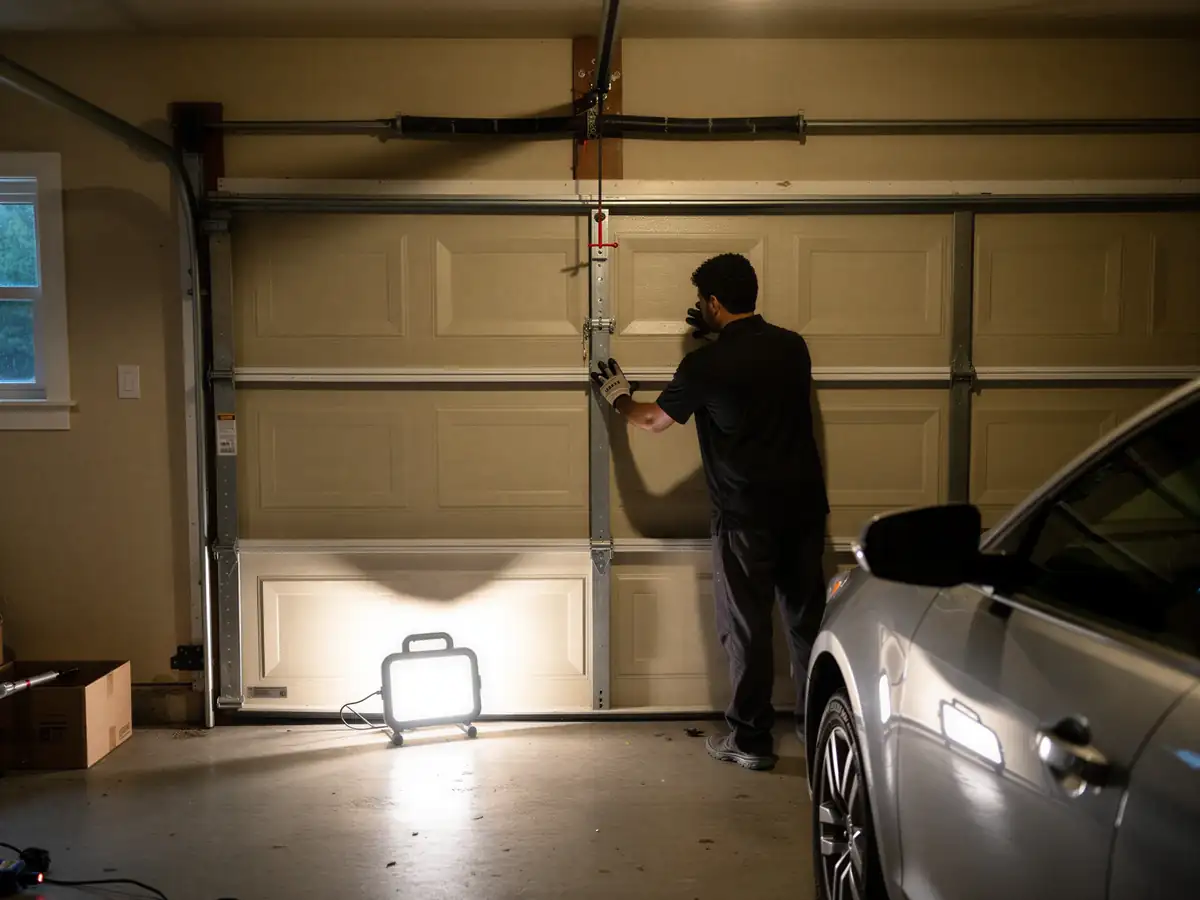
A garage door cable runs under real tension, wound around a drum at the top of the track and anchored to the bottom bracket. If one has snapped or frayed, the door is holding its weight on a spring and a single remaining cable, if it's a two-cable system, or on nothing at all. That is not a bolt-and-wrench fix for a Saturday afternoon. The drum has to come off the shaft, the cable has to be cut to length and seated correctly in the groove, and the whole thing re-tensioned against a spring that can take a finger off if it lets go wrong. We've been called to jobs where someone tried to loop a frayed cable back onto the drum by hand to get one more use out of the door before a repair, and it held until it didn't. If the door won't open, won't close evenly, or hangs crooked on one side, leave it down, unplug the opener, and call someone who does this daily. This is one of the few garage door jobs where we'd tell you flatly: don't.
Why It Happens Here
A lot of the housing across Oakland's neighborhoods, from out to dates to the 1938-2008 window, with the bulk of that stock going up in the 1960s and 70s. Garage doors and their cable systems from that era, or replacements installed decades ago on the original hardware, are well past the point where galvanized cable resists corrosion the way it did when new. Oakland's climate is mild and temperate rather than extreme, so you don't get the freeze-thaw cycling that snaps cables outright in colder regions. What you get instead is slow fatigue: years of marine-layer humidity rolling in off the bay working into the strands at the drum and the bottom bracket, where cable flexes every single cycle. On an older door that's opened and closed tens of thousands of times, that's where the wear concentrates. Houses in the area and the flatter sections nearer the estuary tend to see this a bit earlier than homes up in the hills, simply from more moisture exposure at ground level.
The Symptom
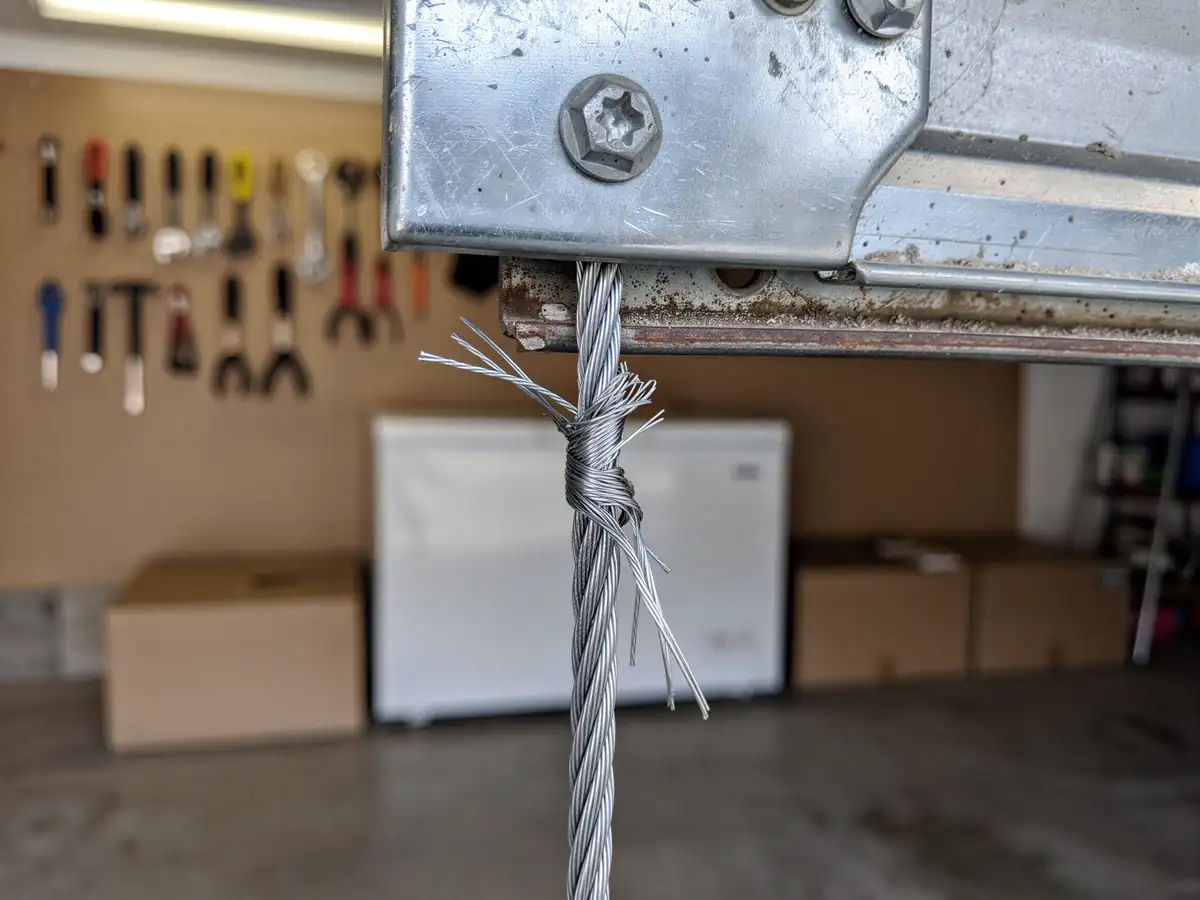
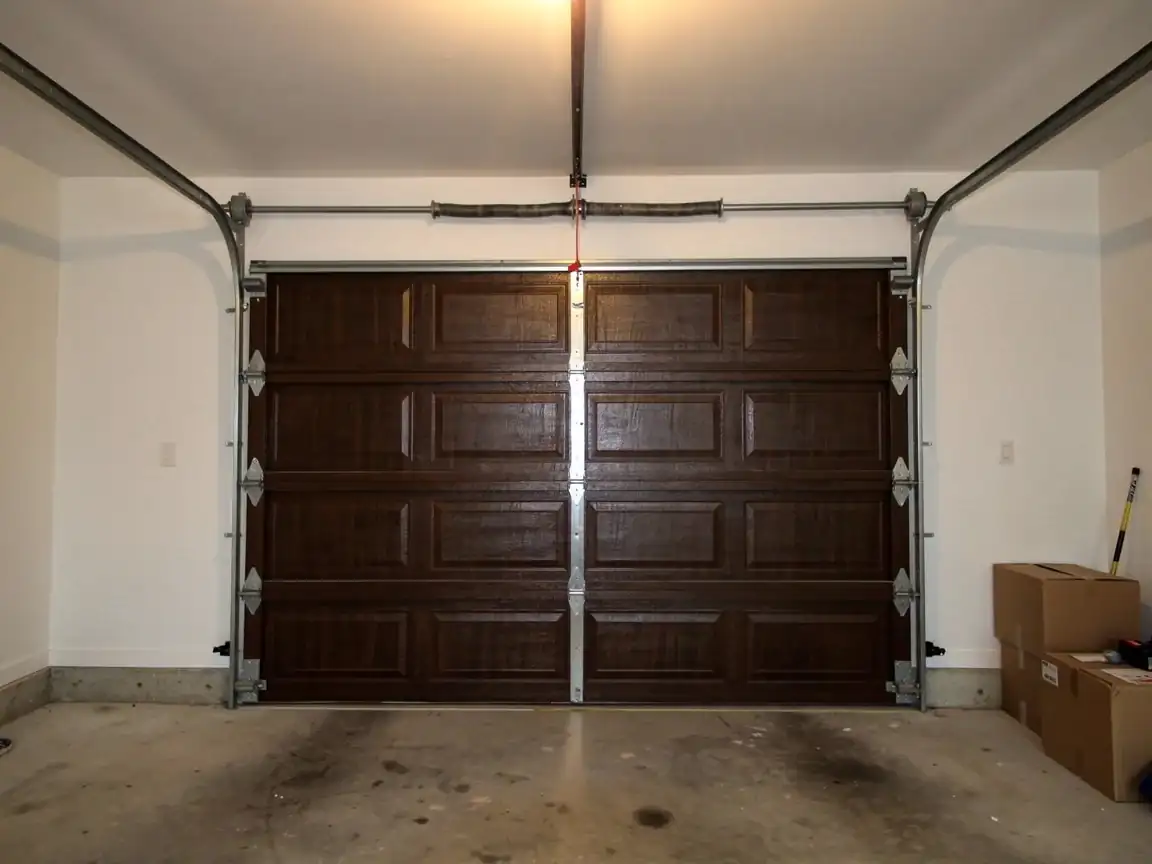
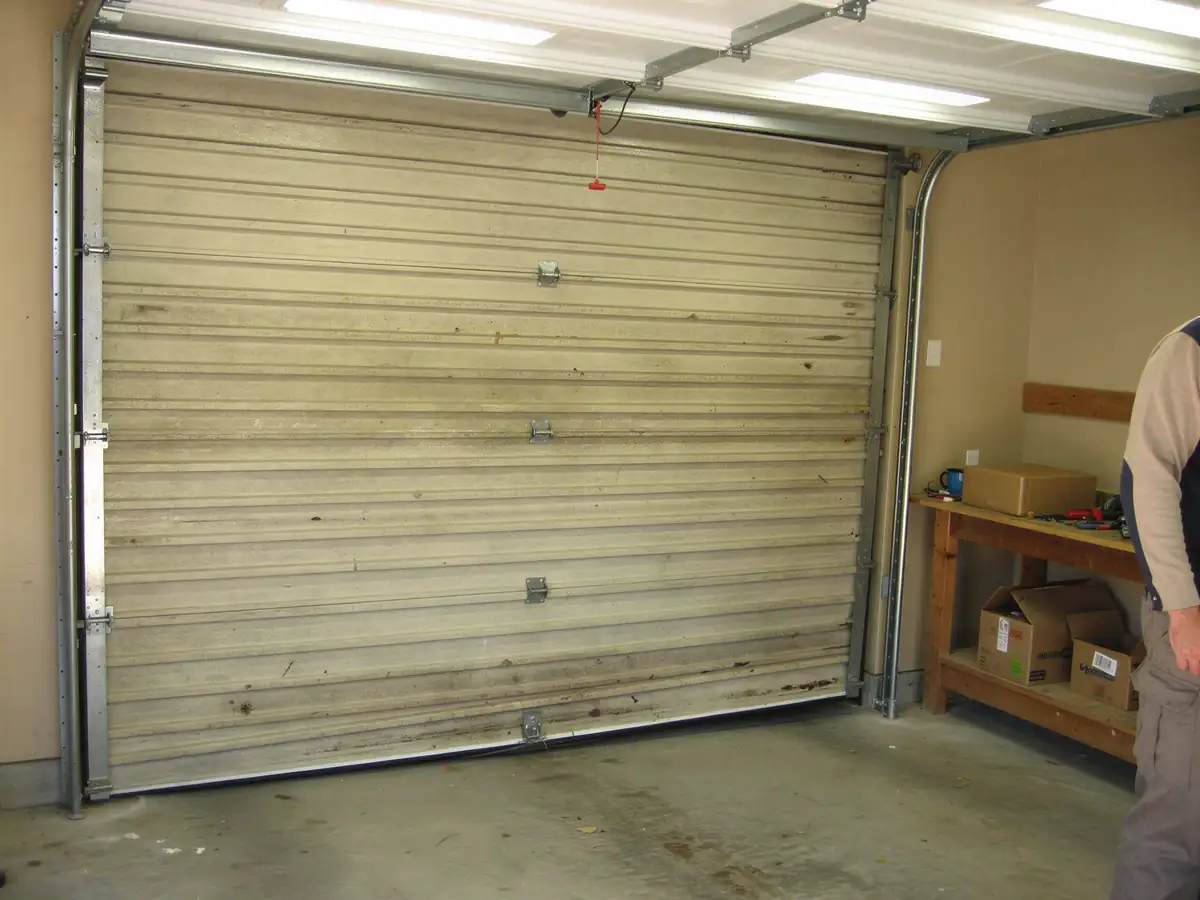
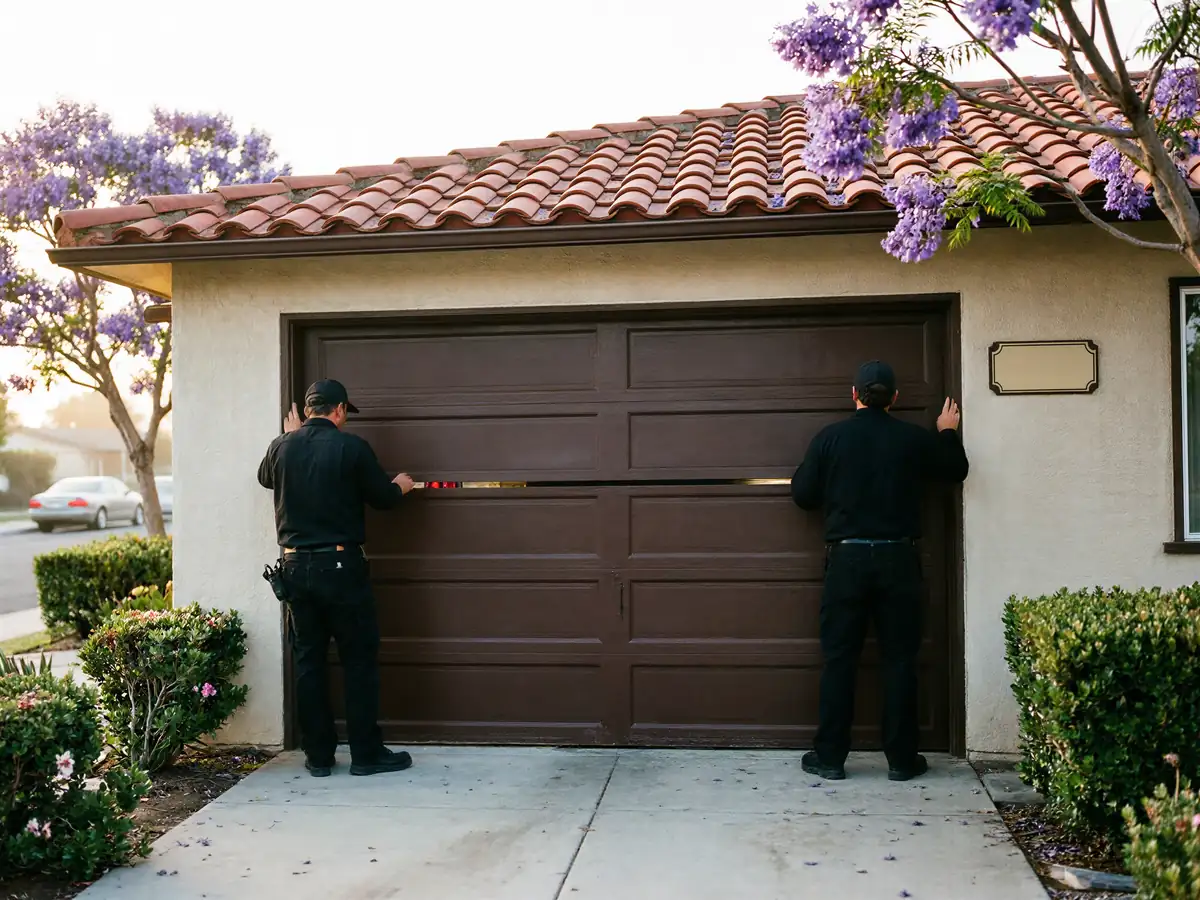
A failing cable rarely gives you clean warning. The most common sign is a door that hangs crooked, noticeably lower on one side, because one cable has slipped off the drum or started to unwind. You might hear a loud bang as a cable snaps under tension, followed by the door dropping hard or jamming halfway. Fraying shows up as visible wire strands poking out near the bottom bracket or the drum, sometimes catching and shredding further each time the door cycles. On older doors built on the torsion hardware common to that 1960s-70s stock, a cable that's slipped its groove can also jam the whole assembly, so the opener strains and clicks without moving the door at all. If you see the cable looks loose, slack, or bunched at the bottom corner of the door rather than running taut up to the drum, that's a cable off-track, not a spring problem, and it needs a different fix.
What You Pay
Cable repair pricing depends on a few things we check on site: whether one cable needs replacing or both, whether the drums or bottom brackets were damaged when the cable let go, and whether the door is a single or double. A single snapped cable on an otherwise sound door is a more contained job than one where the door dropped hard enough to bend a track or crack a panel on the way down. We don't quote a cable repair over the phone without seeing the door, because a damaged drum or a bent track changes the job completely, and guessing a number up front just means a surprise later. What we can tell you is that cable work on its own, without secondary damage, is one of the more straightforward repairs we do, and it's rarely worth replacing the whole door for a cable problem alone.
How it works
From “it’s stuck” to “it’s fixed”
01
Tell us what’s wrong
Describe the symptom - won’t open, loud bang, opener runs but the door won’t move.
02
On-site diagnosis
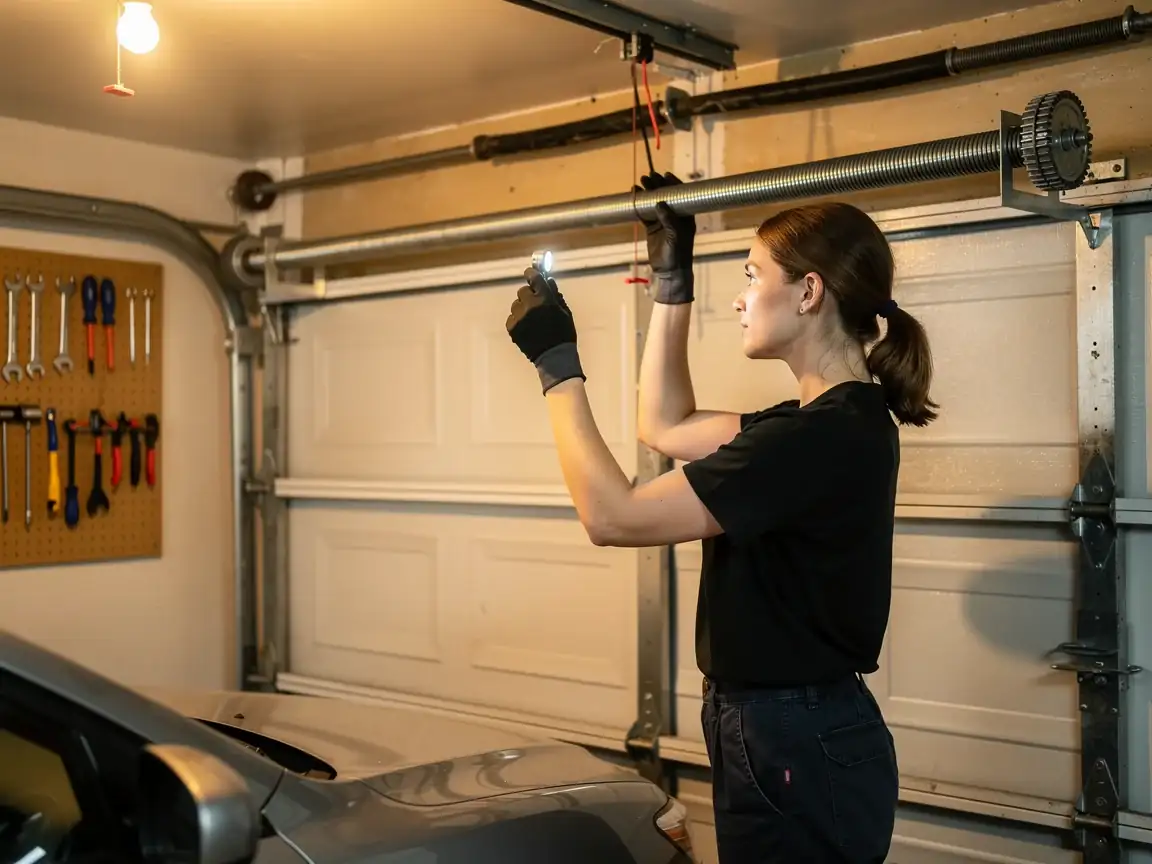
A technician tests the door under power and by hand and finds what actually failed.
03
Clear, up-front plan
You get the fix that’s needed and what drives the cost - before any work starts.
04
Repaired & tested
The repair is done, the door is set true and tested, and the work area left clean.
Not sure which repair your door needs in Oakland, CA? Describe what it’s doing - every job starts with a diagnosis.
Straight answers about garage door repair in Oakland. Still unsure? Ask us directly.
Can I just replace one cable myself if the other side still looks fine?
We don't recommend it. Garage door cables are almost always sold and installed as a matched pair because they wear at the same rate under the same tension. Replacing one side on an older door means the other, likely close to the same age, is probably not far behind. Doing both at once also means we're only working under the drum and spring once, not twice.
Is a frayed cable an emergency or can it wait?
Treat it as urgent, not necessarily an emergency. A frayed cable under tension can snap at any time, and when it does, the door can drop suddenly. Leave the door closed, don't force the opener, and get it looked at as soon as you can rather than waiting for it to fail completely.
Why does my garage door look crooked on one side instead of just not opening?
That uneven hang is the classic sign a cable has slipped off its drum or snapped on one side only. The door is now hanging unevenly off the remaining cable and spring tension, which also puts extra strain on the track and rollers on that side until it's fixed.