Do you have a shop or crew based in Albany?
No. Oakland Garage Door Co operates out of Oakland, about 10 miles away, and we schedule trips out to Albany rather than keeping a local crew or depot there. Service is by appointment, not walk-in.
Garage door repair and spring service for Albany, CA homes, most built around 1951. Oakland Garage Door Co travels the 10 miles out to handle the older hardware.
Each of these covers what the work involves for Albany specifically - the housing stock, the common failures, and what drives the cost.
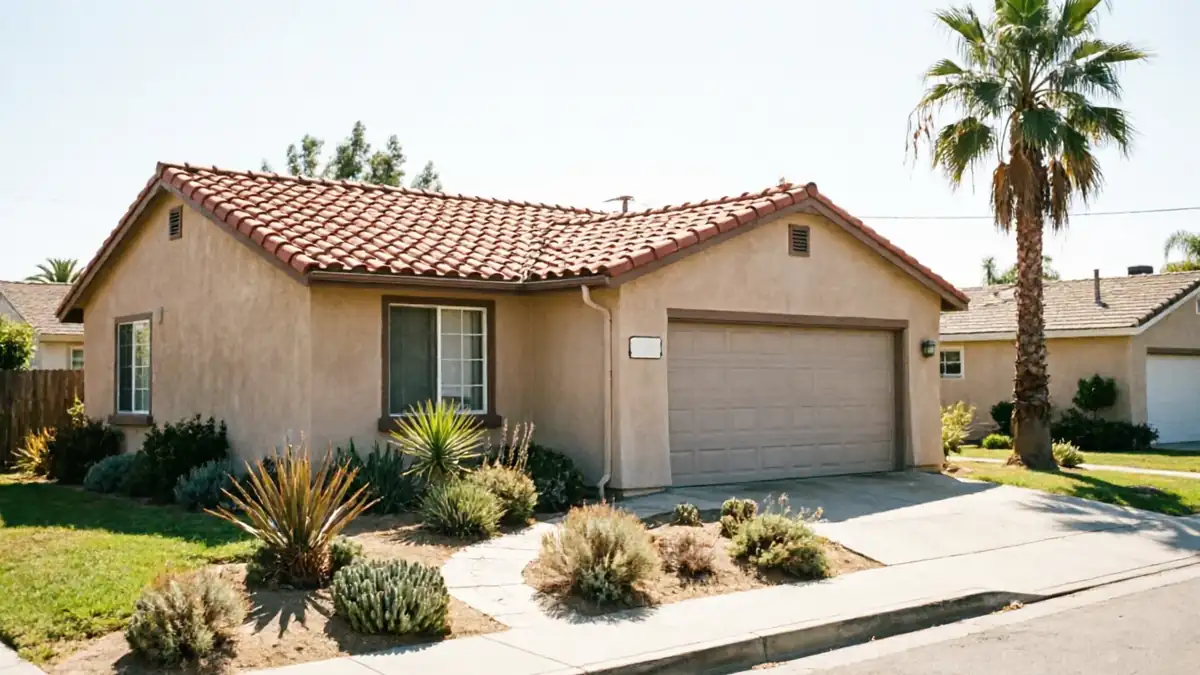
Albany, CA homes mostly date to 1951, a decade ahead of the area's 1960s-70s wave. Oakland Garage Door Co repairs the springs, tracks, and openers that era put in.
Learn more
Albany homes date mostly to 1951, well before Oakland's 1965 median - new installs mean matching openings framed decades ago, not a modern standard size.
Learn more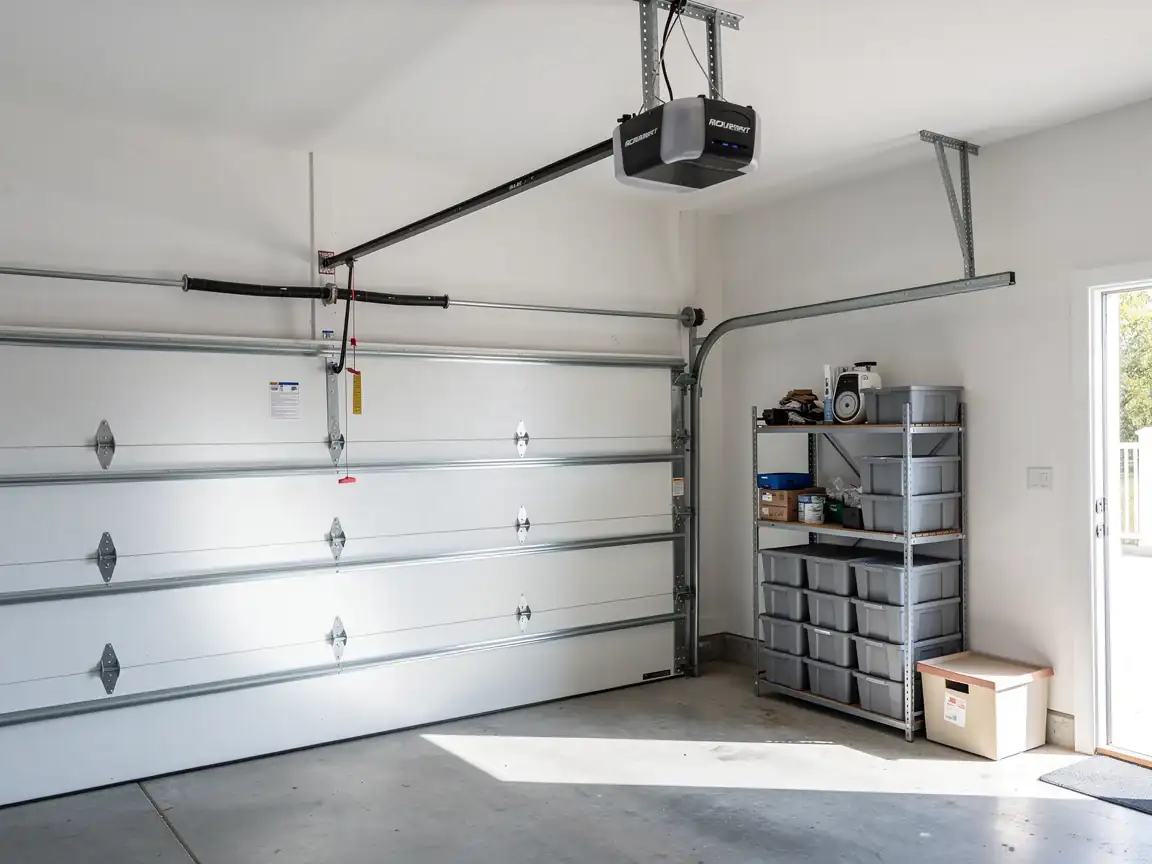
Albany homes average a 1951 build year, older than the area's 1965 median. See why that changes the repair-or-replace math and what the fix actually involves.
Learn more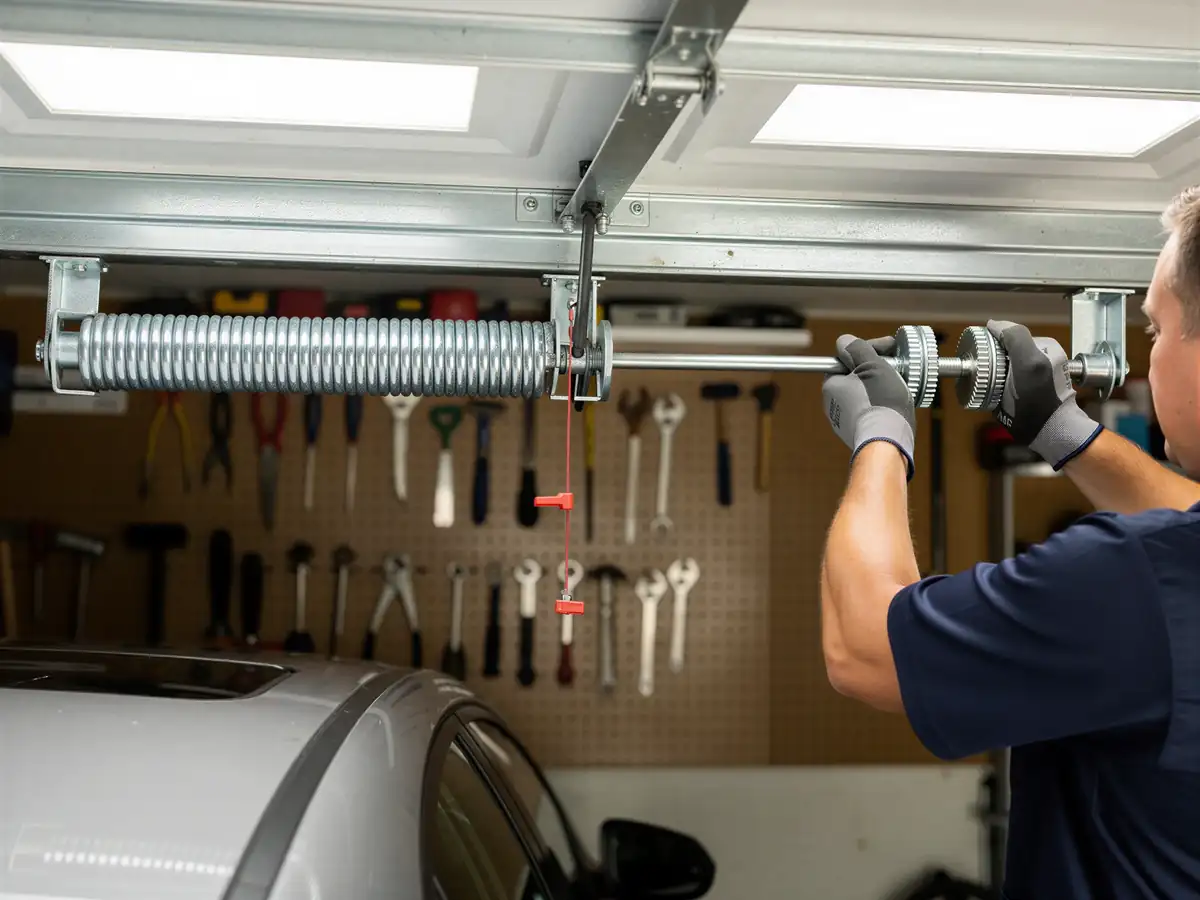
Most Albany garage doors date to the early 1950s, so original torsion springs are overdue. Oakland Garage Door Co drives 10 miles in for spring repair.
Learn more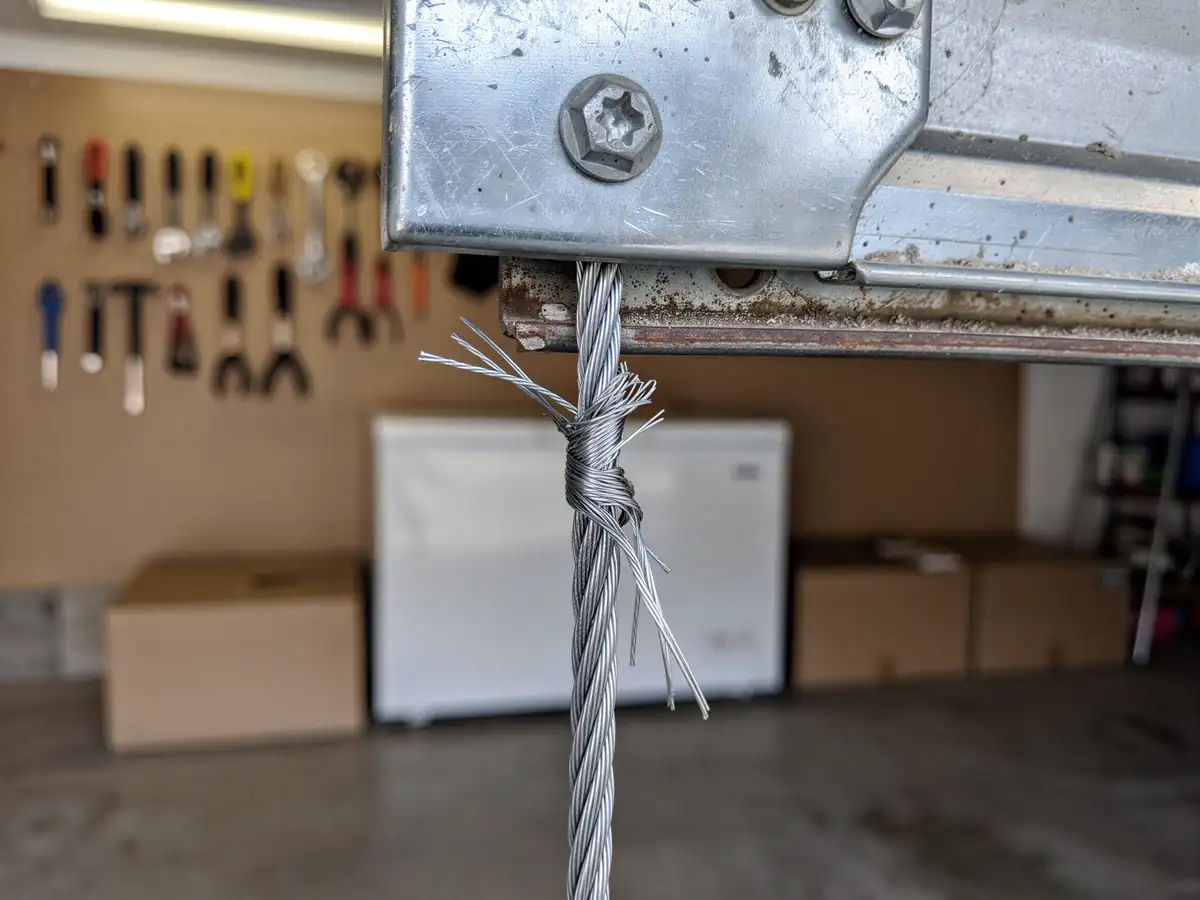
Frayed or snapped cables on Albany's 1950s-era doors need parts matched to original track hardware. Oakland Garage Door Co travels 10 miles to fix them right.
Learn more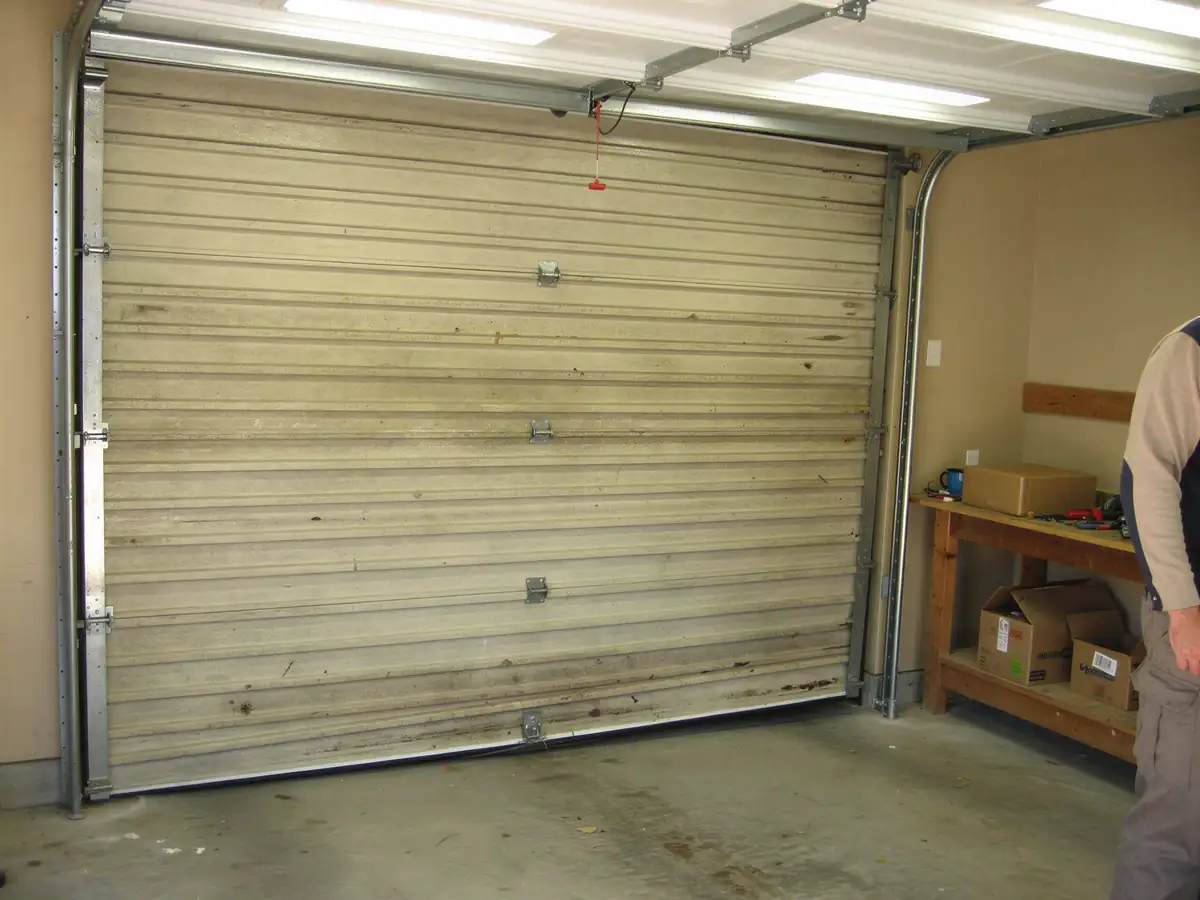
Albany's 1951-median housing means narrow single-car garages with older track hardware. We explain why doors jump track here and what the fix actually takes.
Learn more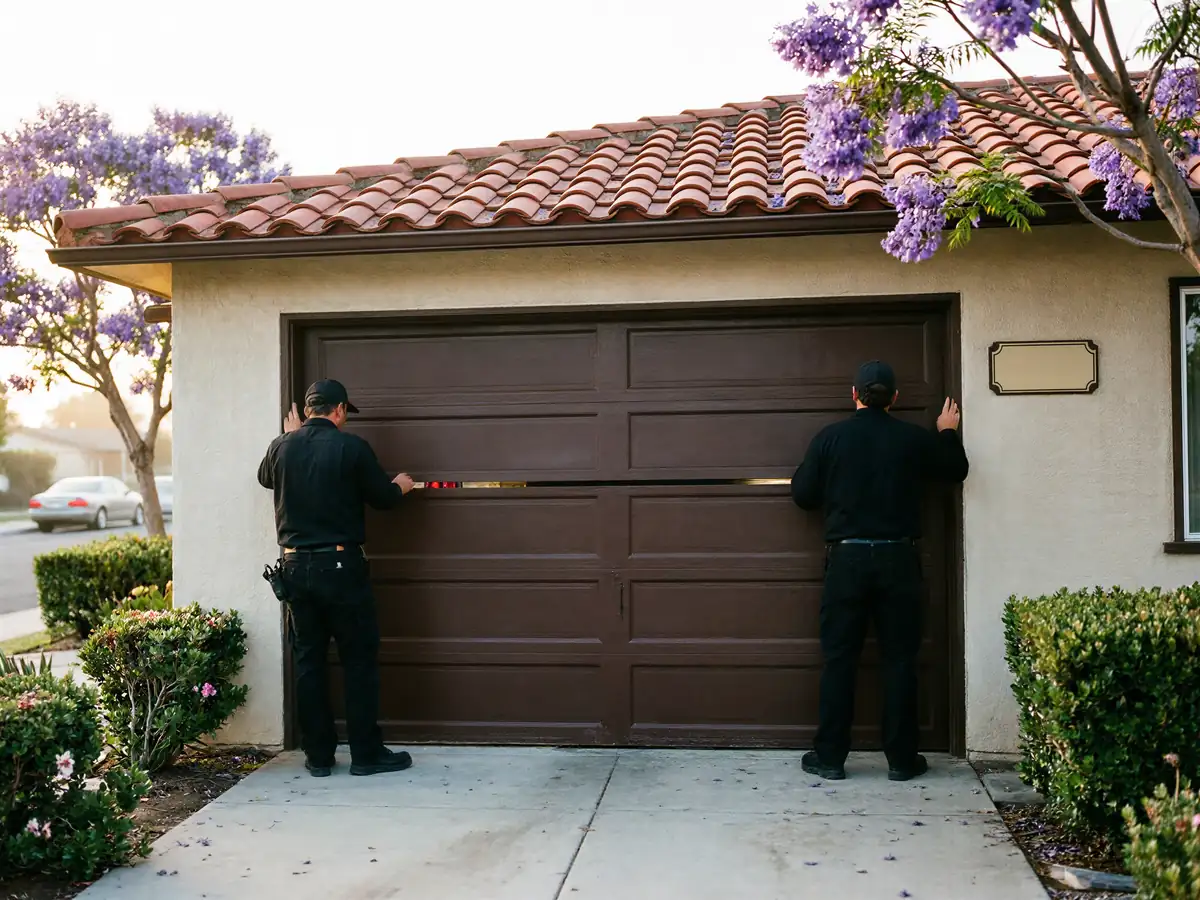
Albany homes mostly went up around 1951, years before Oakland's median 1965 stock. We replace mismatched or dented panels on that older hardware, traveling the 10 miles from our Oakland shop.
Learn more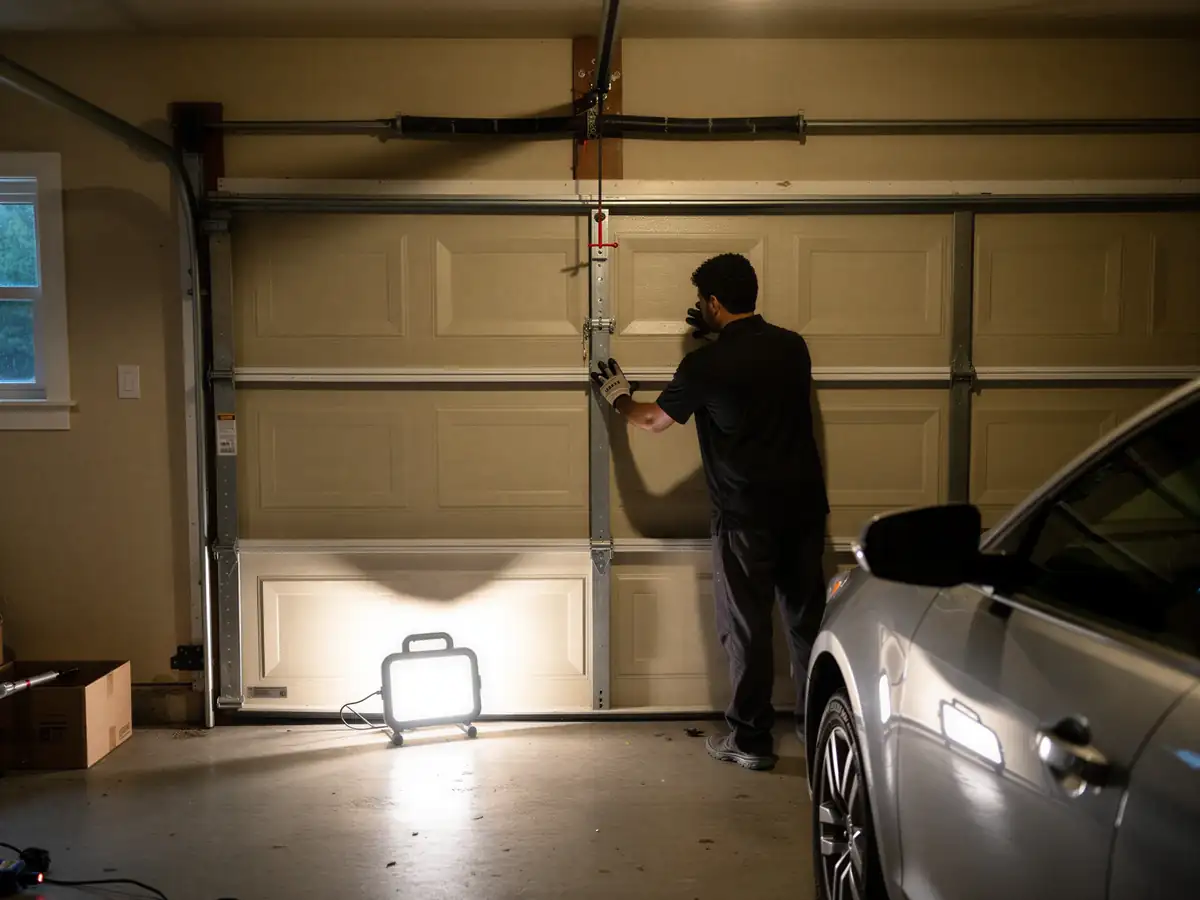
Albany homes mostly date to 1951, so the spring and track hardware failing today is often original. We run the call 10 miles from Oakland.
Learn moreAlbany's housing stock centers on 1951, which puts it ahead of a lot of the broader Oakland service area where the median build year runs closer to 1965. That gap matters more than it sounds. A house built in 1951 usually got its garage added or retrofitted with hardware from a different era than a 1965 tract house - older extension springs instead of torsion, lighter steel sections, and in some cases a header that was never sized for a modern insulated door. We see more of the early-era steel sectional doors here than we do in the newer pockets of the area, and the openers bolted onto them have often been swapped two or three times while the door itself never changed.
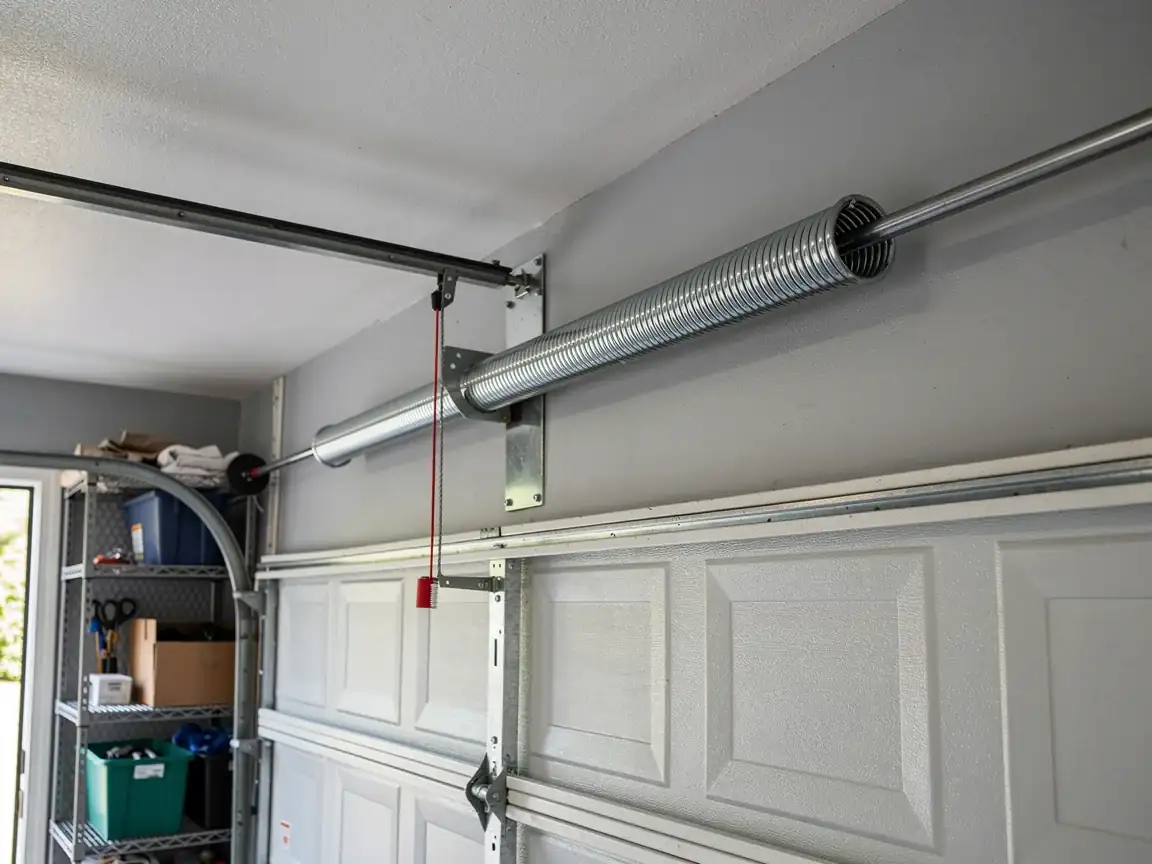
If your door still has the spring stretched along the horizontal track rather than wound on a shaft above the opening, that's original to houses from this period, and it's a different repair than the torsion work we do on newer stock. Parts for that older style aren't always sitting on the truck - sometimes we're ordering a replacement extension spring rather than grabbing one off the shelf, so a same-day fix isn't guaranteed on that specific part.
And most of the homes going up for service calls were already standing before 1960 given that 1951 median. Household income here runs around $135,927, a bit below the wider service area's $148,801, which doesn't change the repair but it does shape what we quote - we see more requests to repair a spring or roller rather than replace a whole door outright, where budget allows the choice.
That's good news for the door itself: no freeze-thaw cracking the panels, no extreme heat warping the track. What it doesn't protect against is age. Weatherstripping on a door that's been there since the Eisenhower administration has usually hardened and cracked regardless of the mild weather, and the bottom seal is one of the most common small jobs we run into on this side of the area.
We don't keep a crew or a depot in Albany. Oakland Garage Door Co runs out of Oakland and makes the drive in for scheduled work, which means we're not a walk-in operation and we're not going to tell you we have someone five minutes away. We also don't replace an entire door when a spring, cable, or roller repair will get a 1950s-era door running safely for years longer - if the track is straight and the frame is sound, tearing the whole thing out rarely makes sense, even though a full replacement is sometimes the right call on a door that's rusted through or been hit one too many times.
One more limit worth naming: some of the original extension-spring hardware on these older Albany houses is no longer a stock part. When that happens, we tell you straight that the repair may need an order, rather than promising a fix we can't actually do that day.
Albany sits about 10 miles from our Oakland base, so a service call here is a scheduled trip, not a drop-in. We plan the route around the day's other jobs rather than treating it as a standalone run, which is standard for how we cover the wider area rather than something specific to Albany's distance alone.
Because a good share of the doors in this area date back to 1951, we try to get a sense of the door's age and spring type before the truck heads out - torsion versus extension changes what's loaded on board. If you can tell us whether the spring sits above the door on a shaft or stretched along the horizontal tracks when you call, it saves a second trip for the right part.
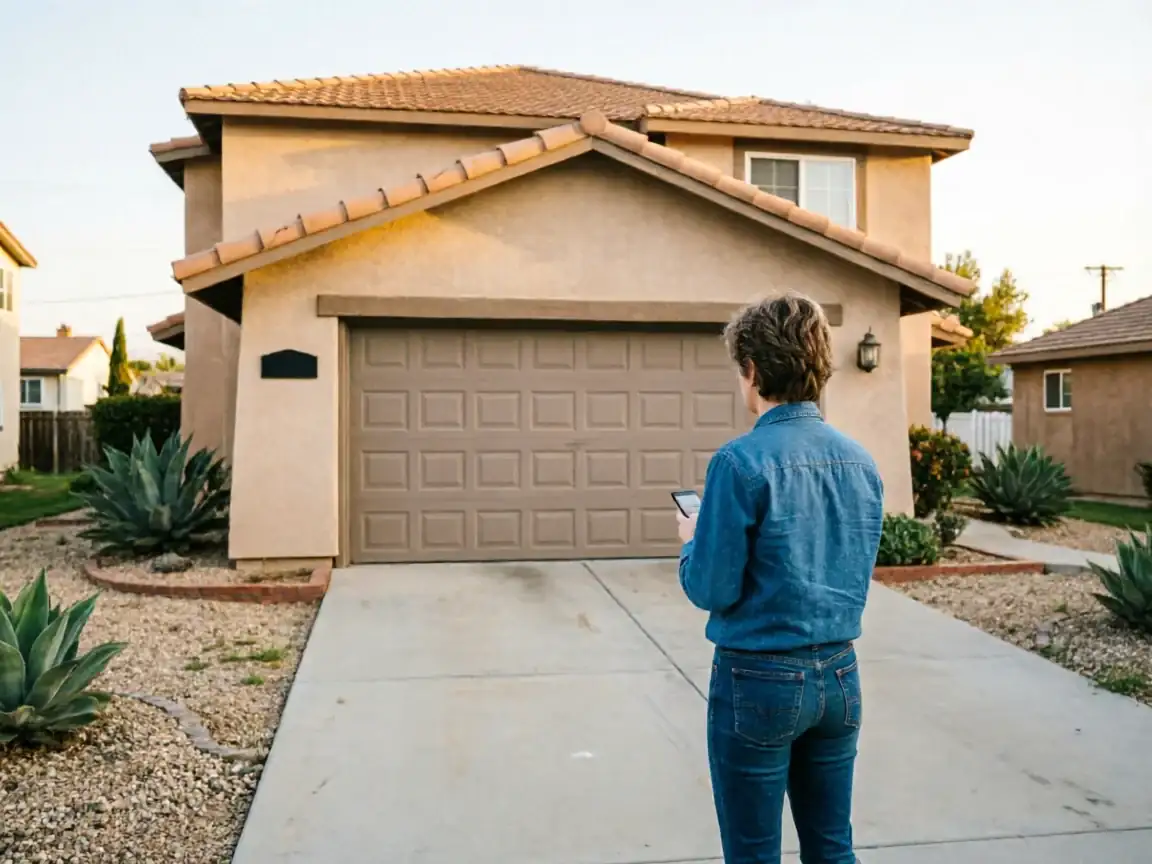
Describe the symptom - won’t open, loud bang, opener runs but the door won’t move.
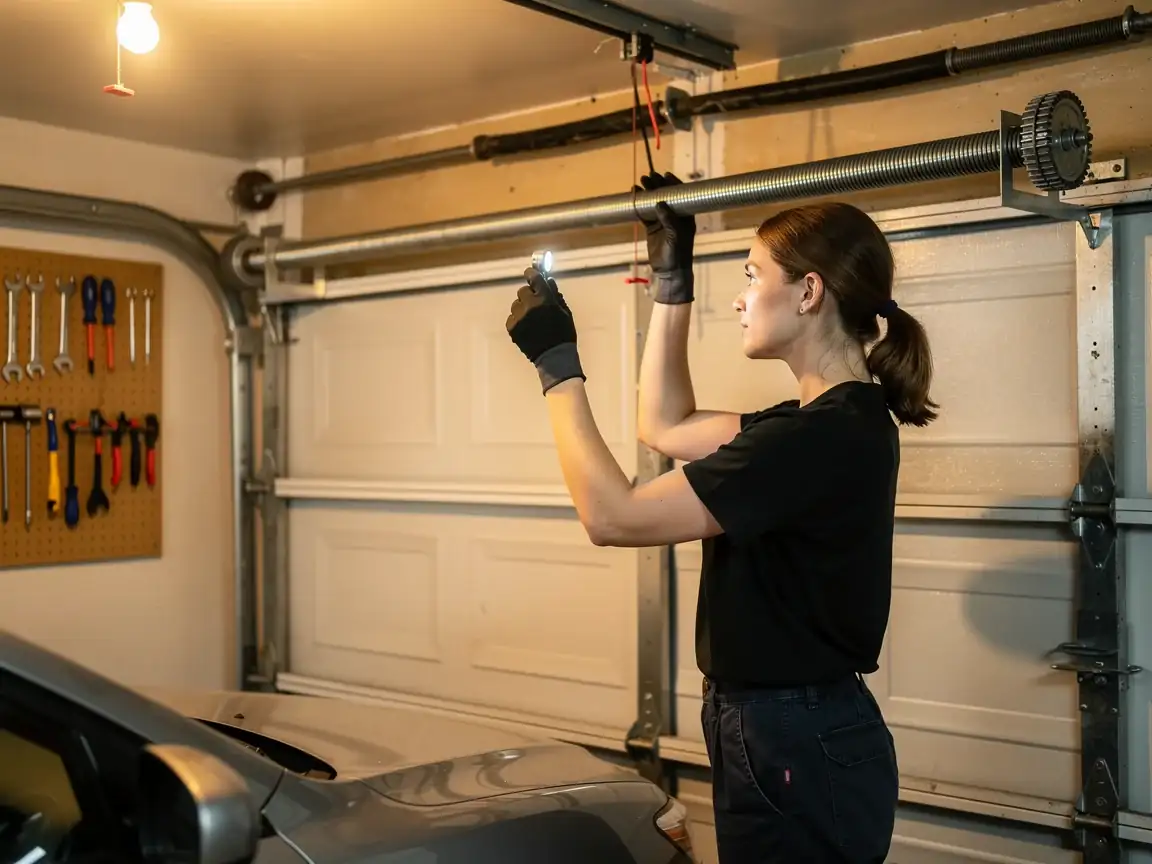
A technician tests the door under power and by hand and finds what actually failed.
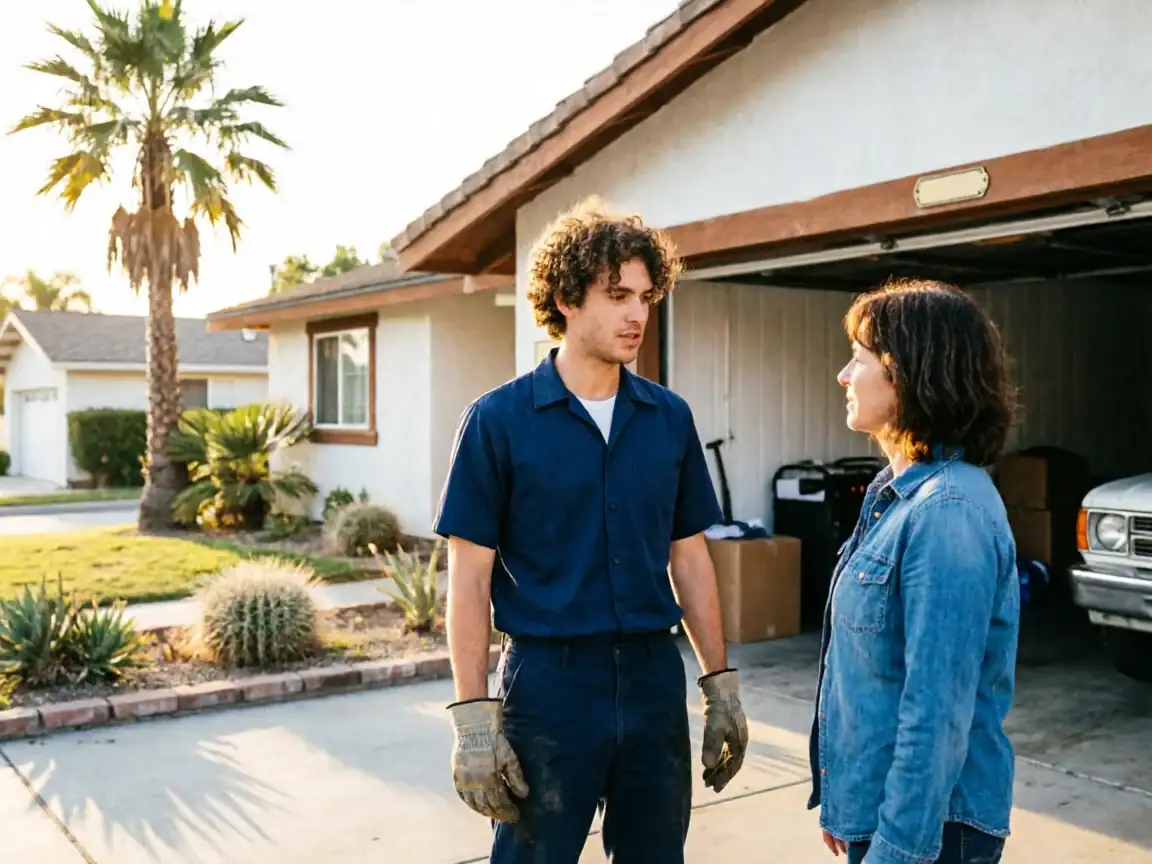
You get the fix that’s needed and what drives the cost - before any work starts.
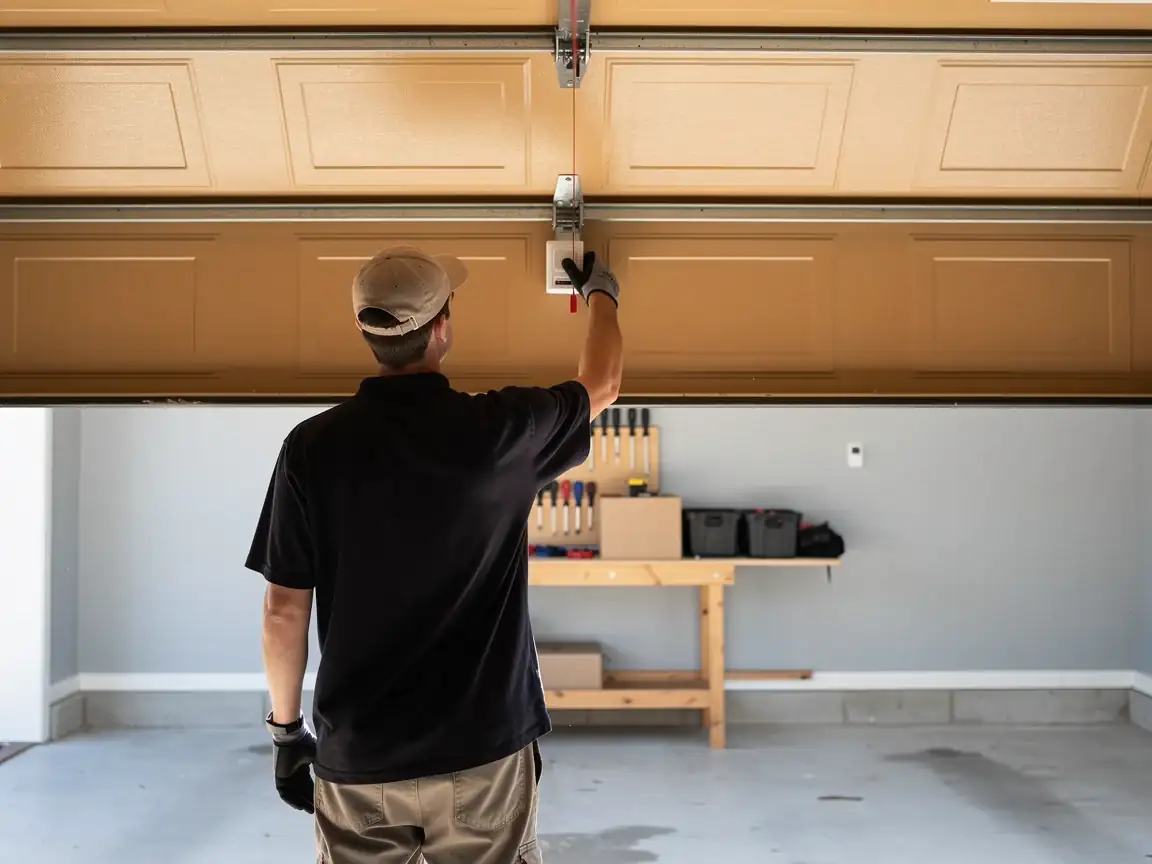
The repair is done, the door is set true and tested, and the work area left clean.
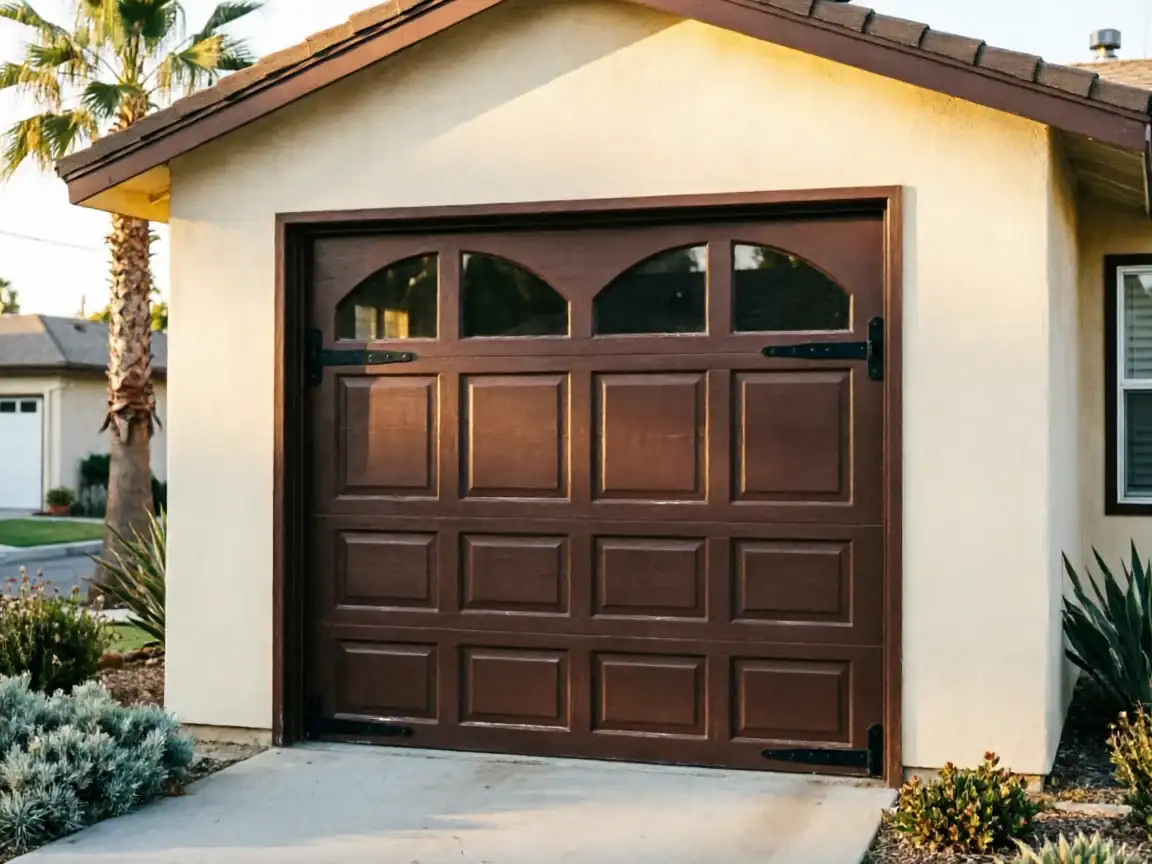
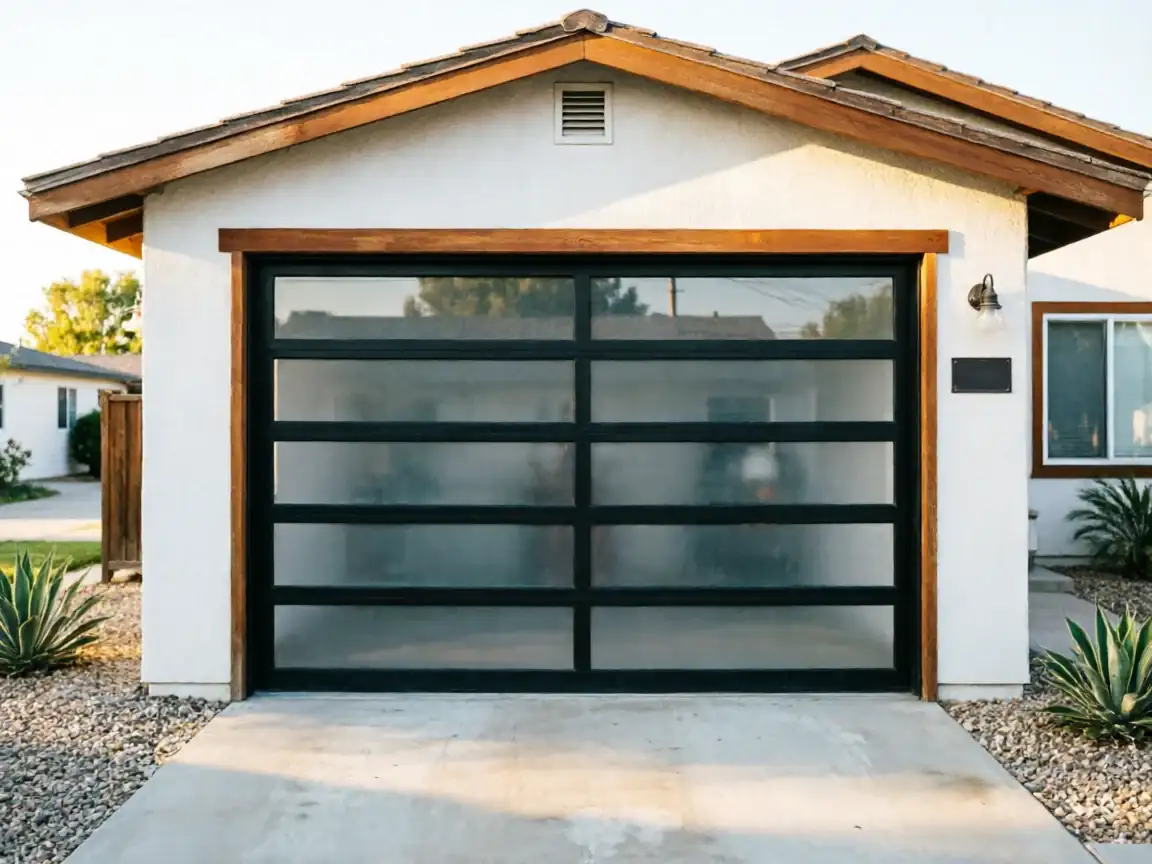
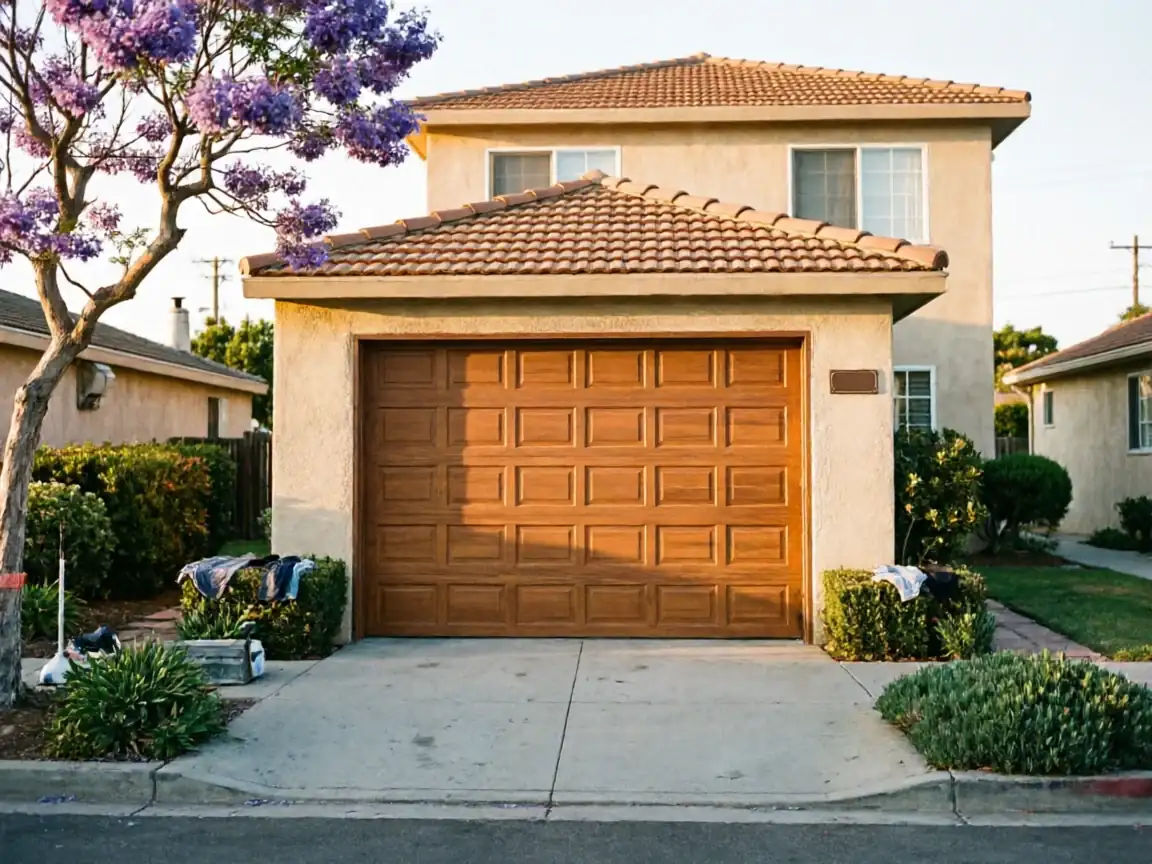
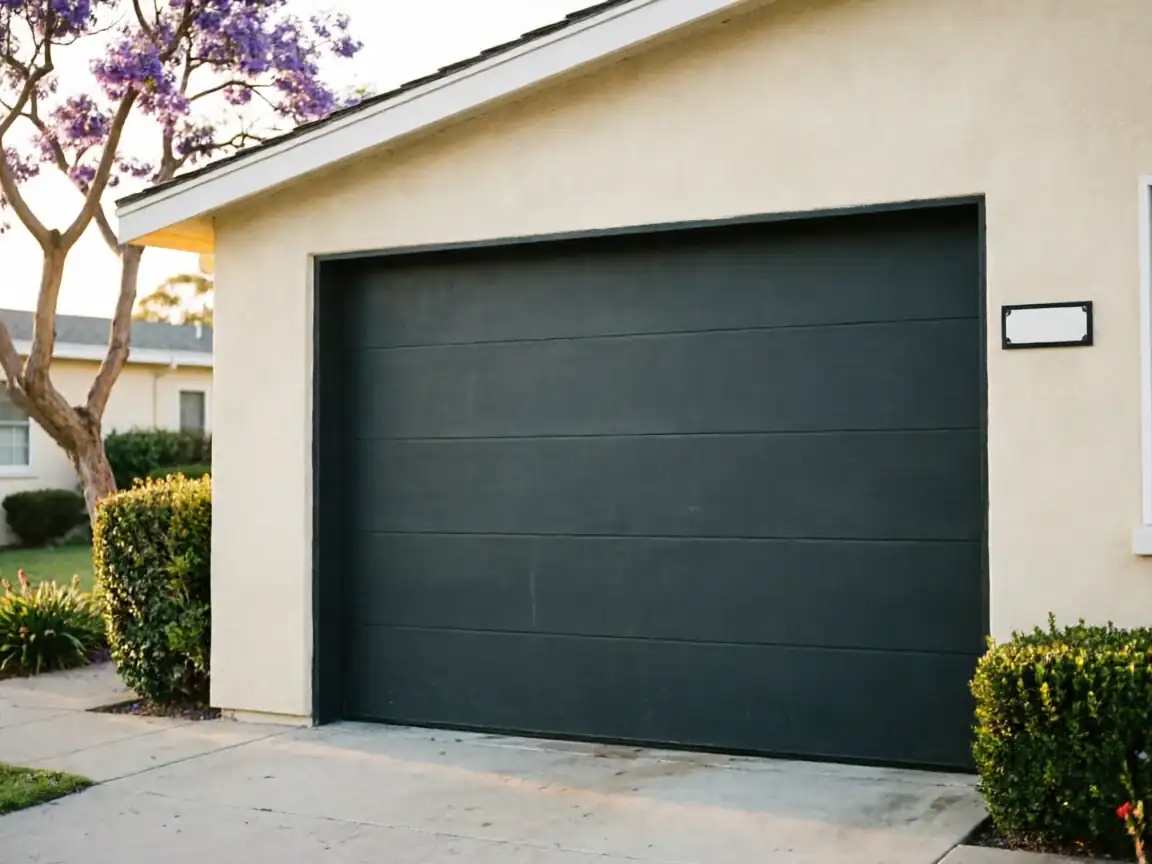
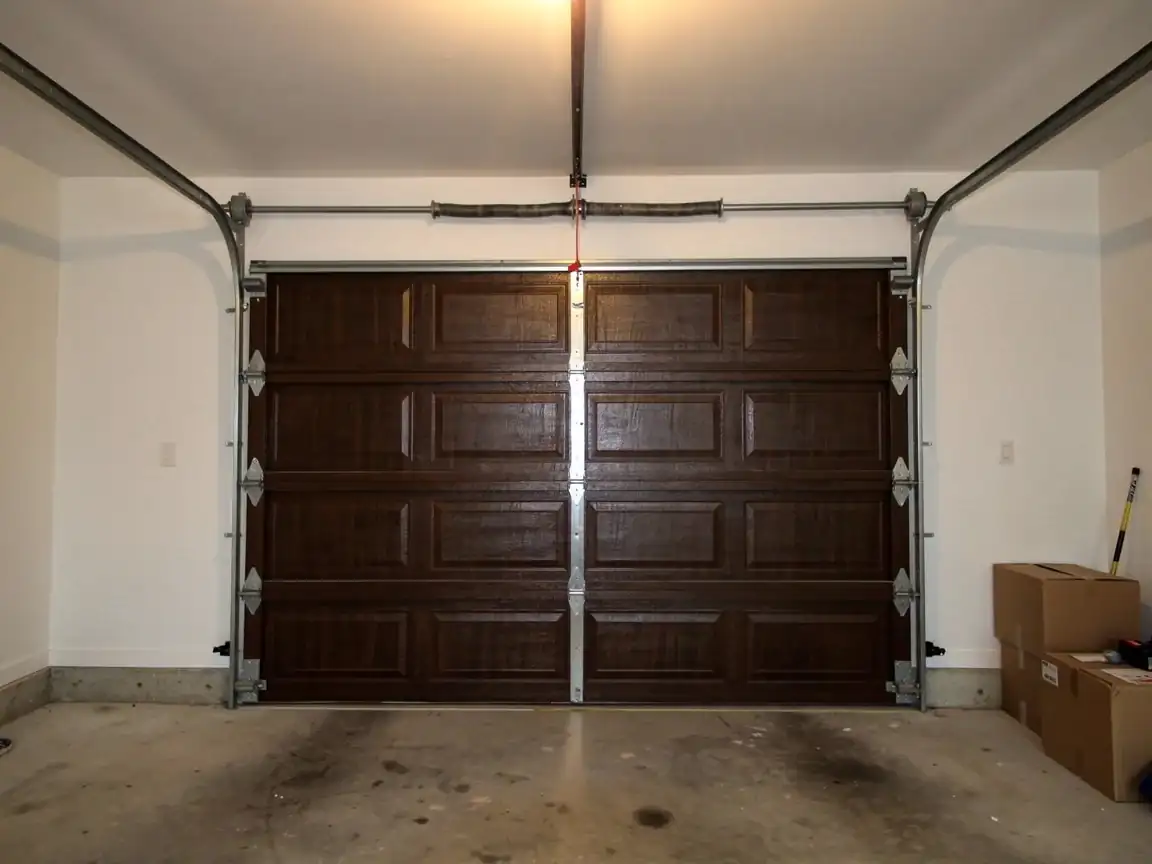
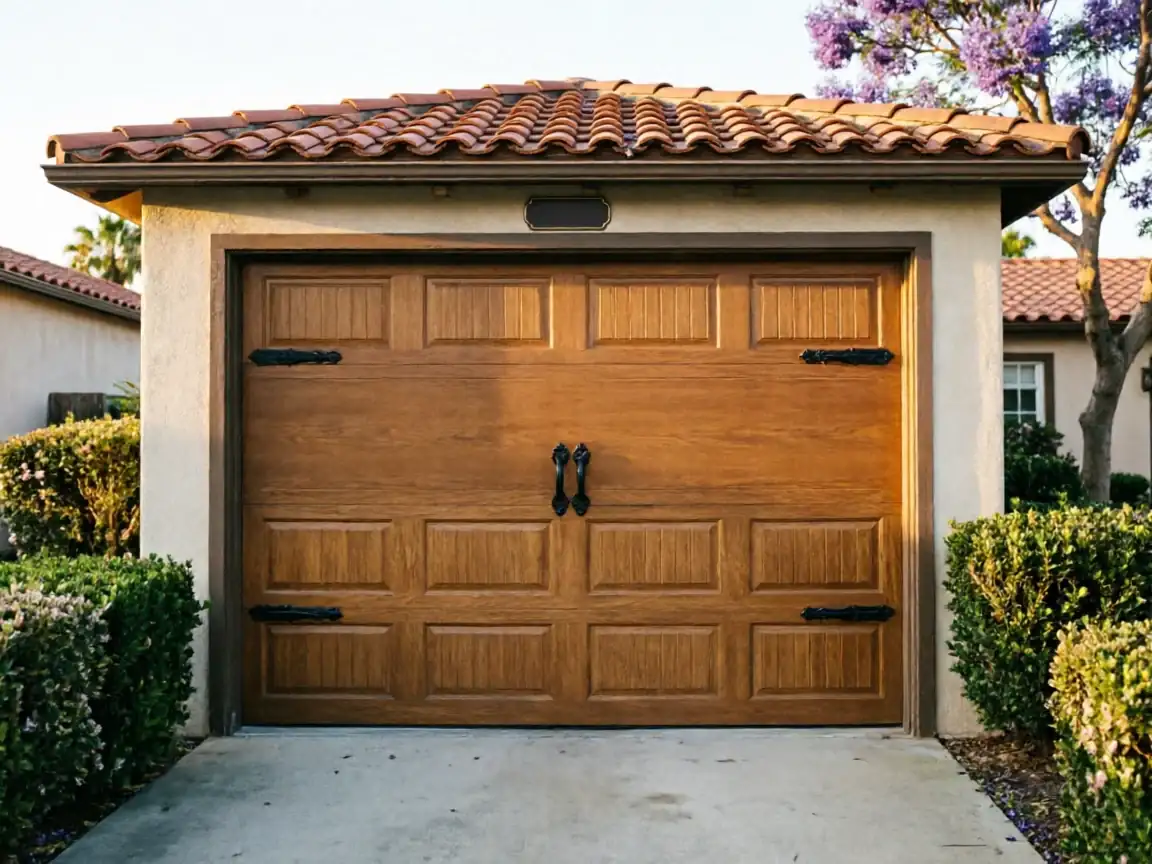
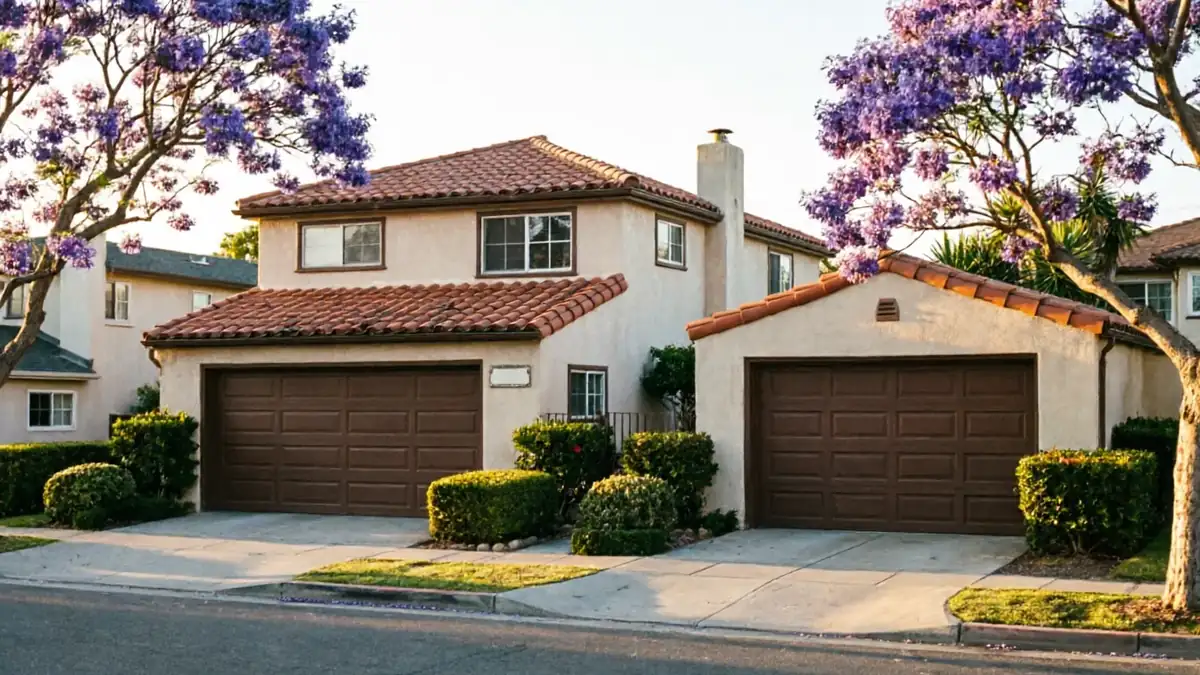
Illustrative styles - sectional, insulated steel, carriage, and commercial doors.
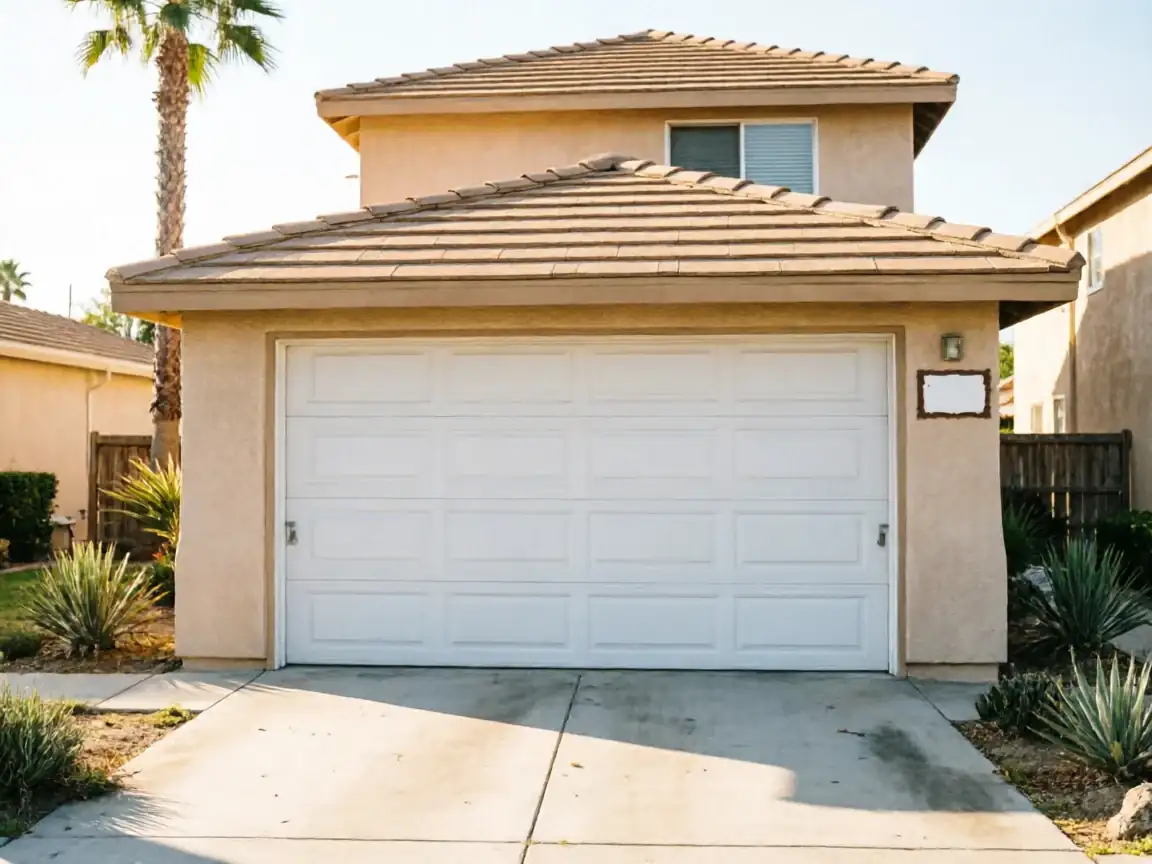
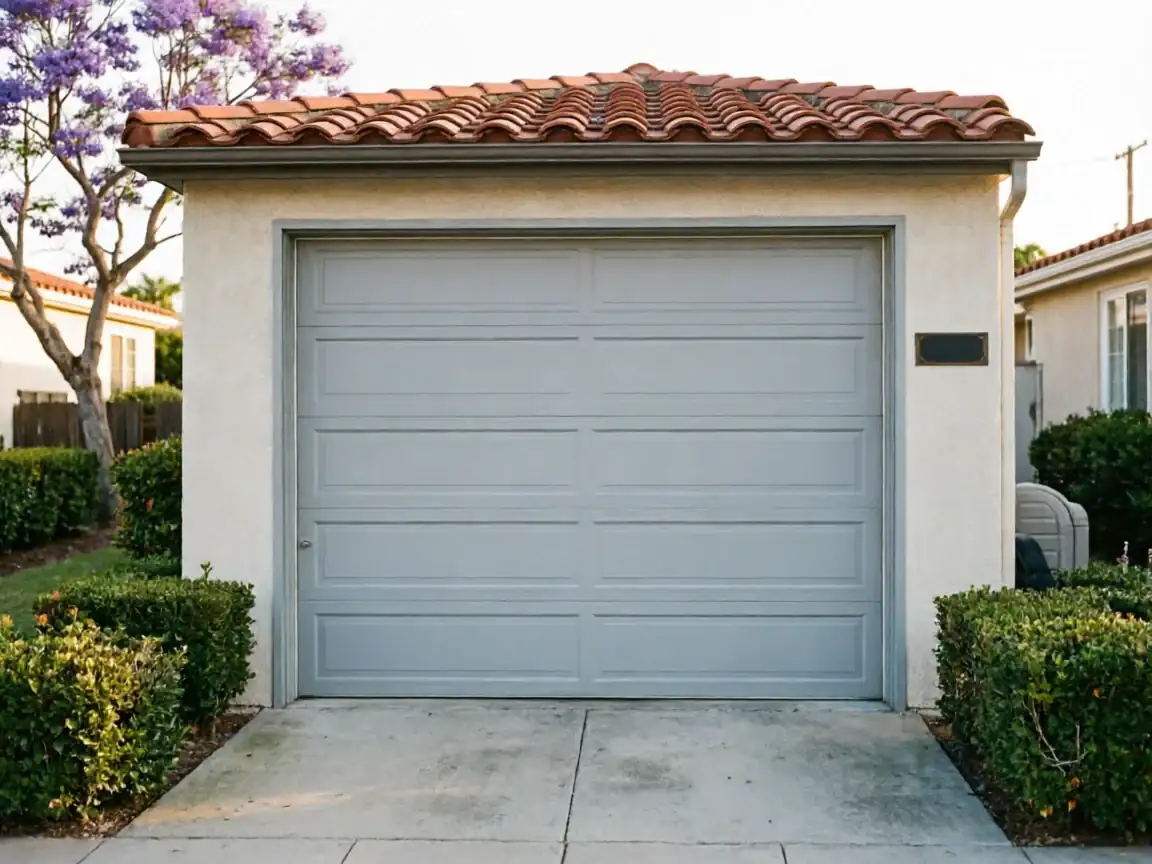
Straight answers about garage door repair in Oakland. Still unsure? Ask us directly.
No. Oakland Garage Door Co operates out of Oakland, about 10 miles away, and we schedule trips out to Albany rather than keeping a local crew or depot there. Service is by appointment, not walk-in.
Albany's median home dates to around 1951, and houses from that period commonly used extension springs stretched along the horizontal track rather than the torsion springs wound on a shaft that became standard on later construction. The two systems fail differently and need different parts and repair approaches.
Sometimes, but not always. Some extension-spring hardware from this era isn't a part we always carry stocked on the truck, since most newer homes in the broader area use torsion systems. If that's your situation, we'll tell you upfront whether it needs to be ordered.
The mild temperate climate across the service area helps avoid the panel warping and freeze cracking you'd see in harsher climates, but it doesn't stop age-related wear. Weatherstripping and seals on a door from the early 1950s still harden and crack over decades regardless of mild weather.
Tell us what it’s doing and where you are in Oakland - we’ll take it from there.