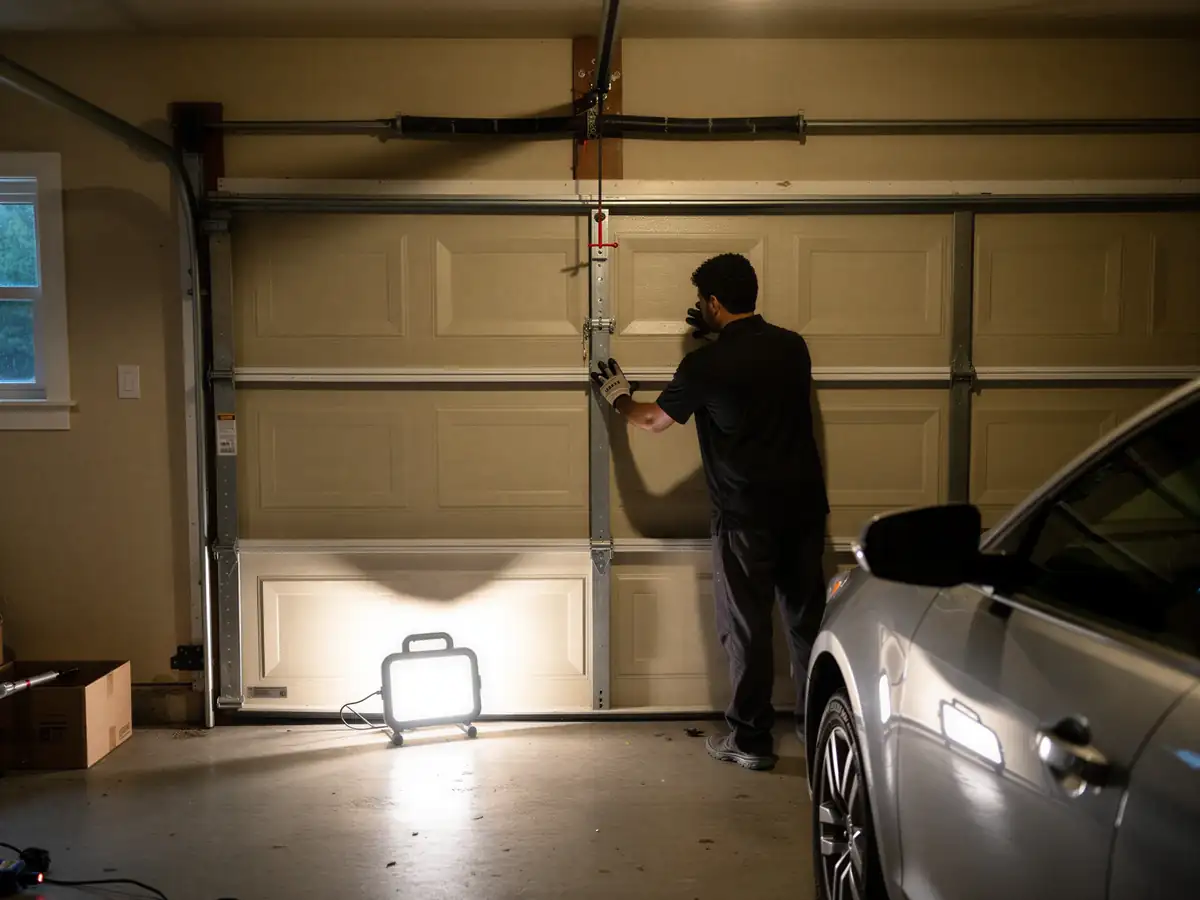
Albany's 1951-median housing means narrow single-car garages with older track hardware. We explain why doors jump track here and what the fix actually takes.
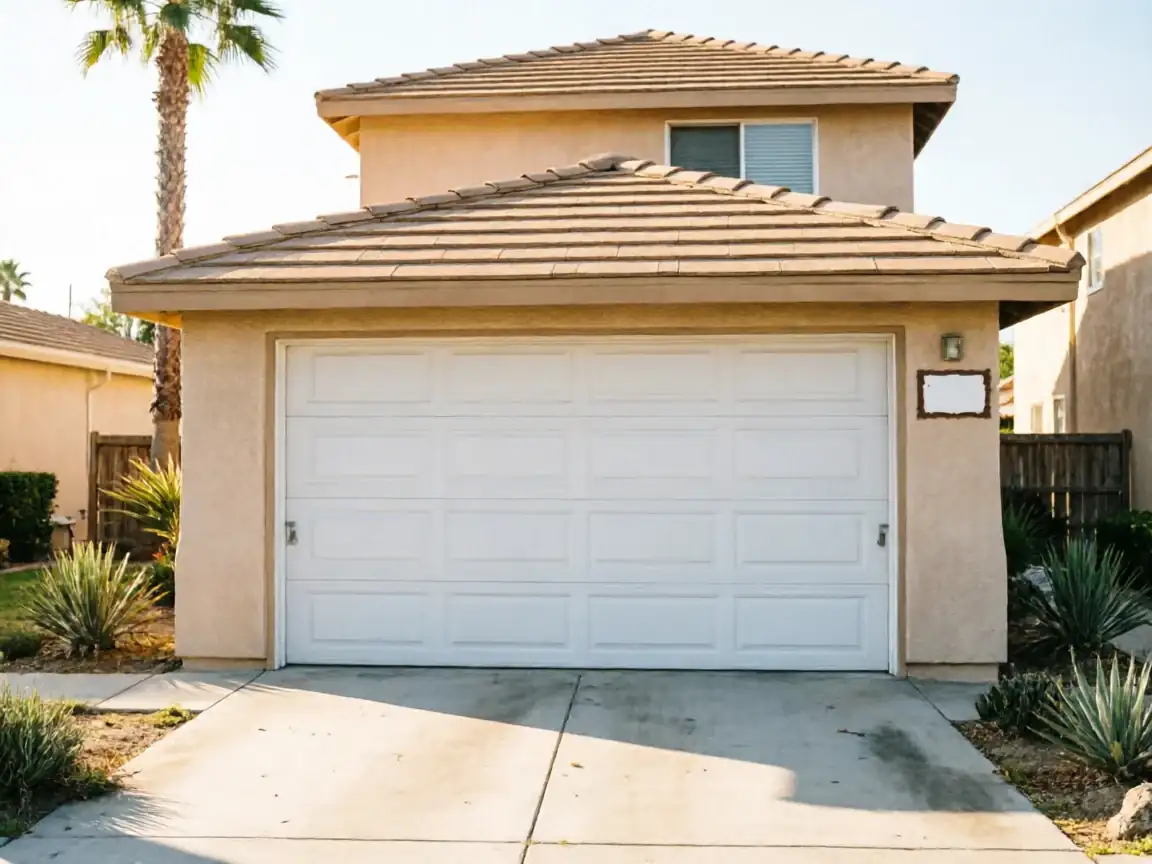
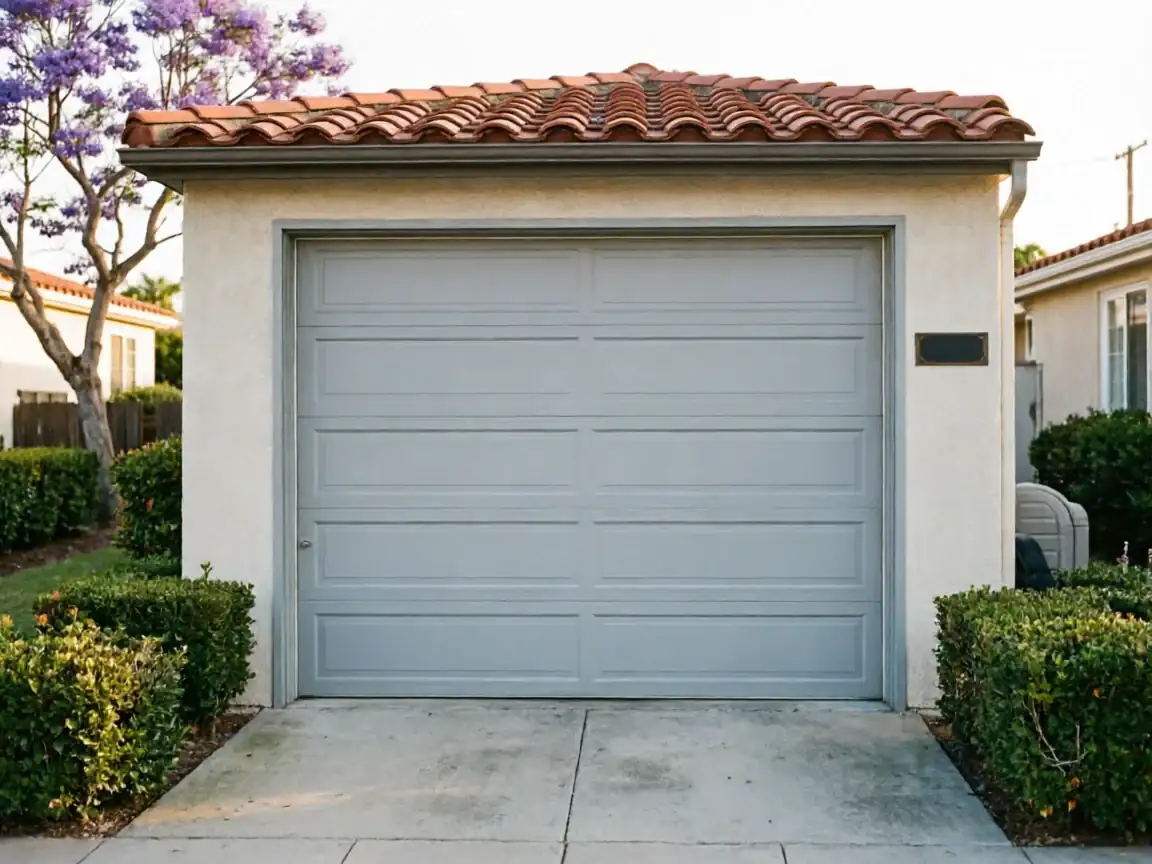
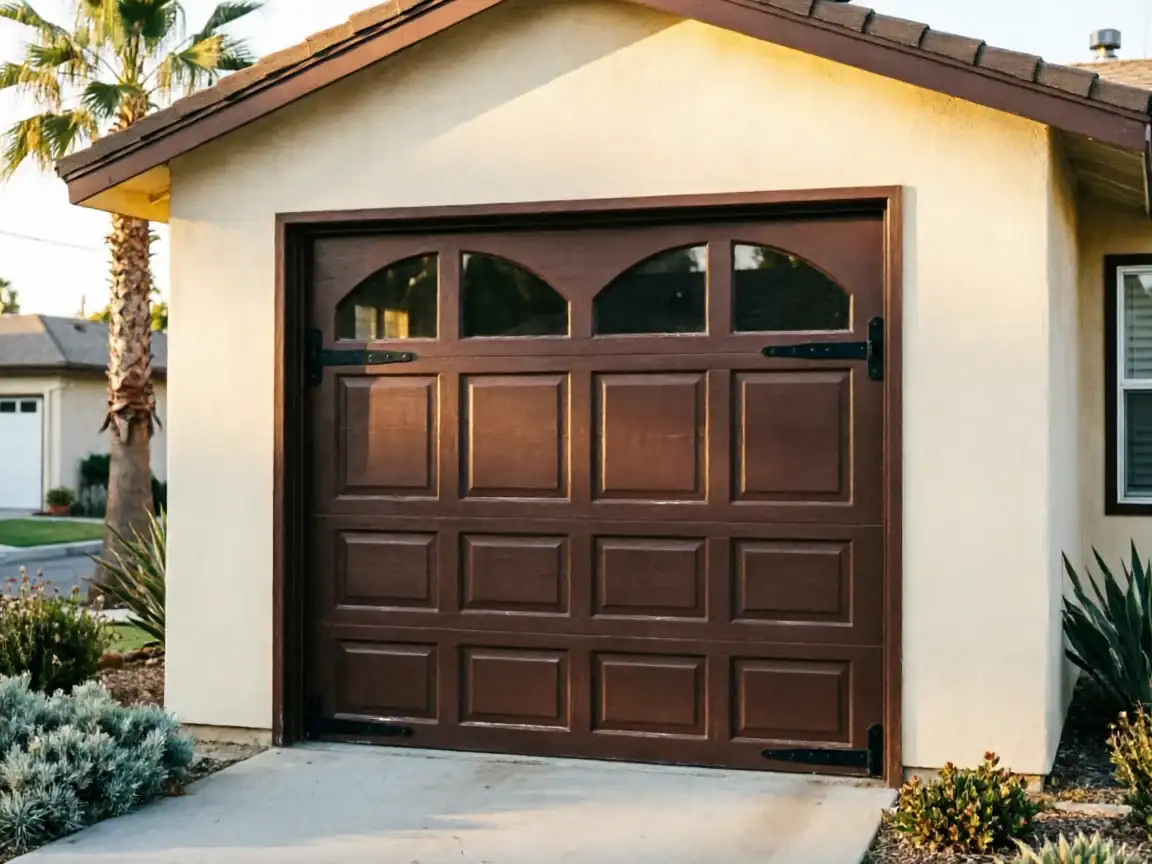
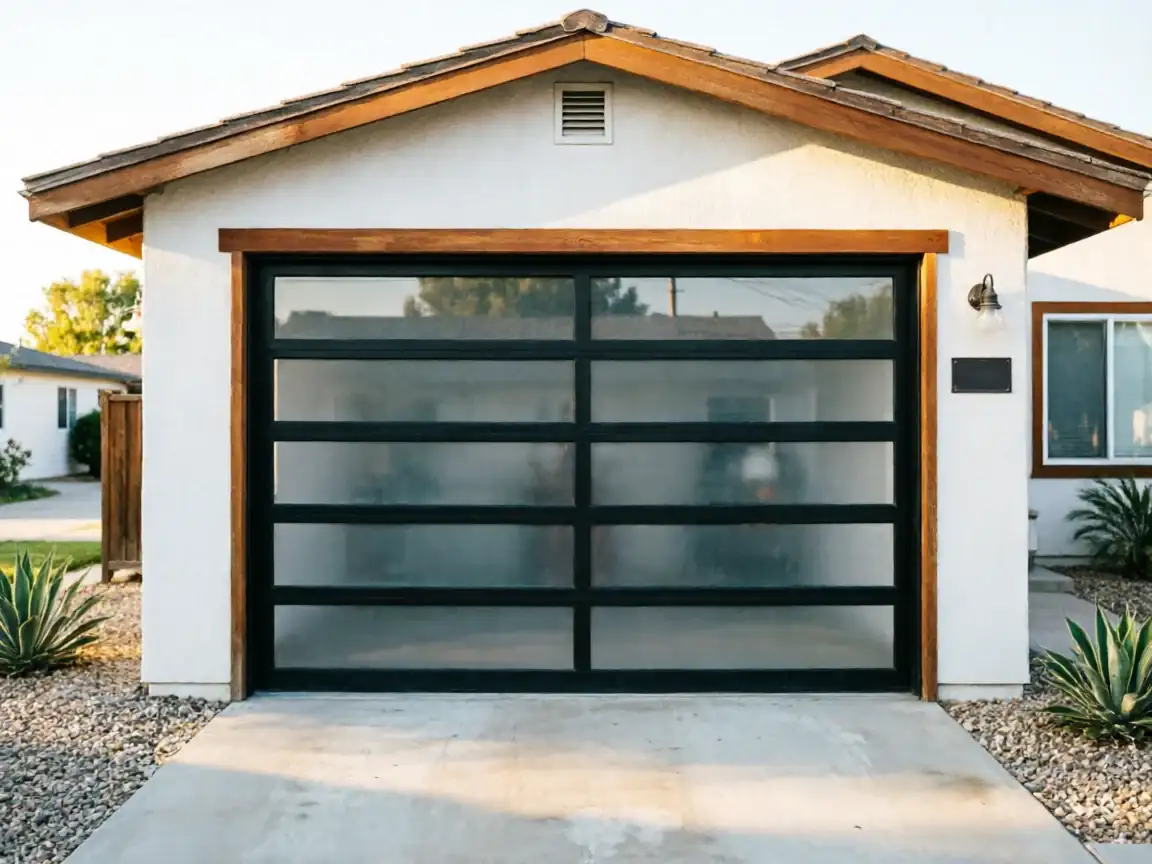
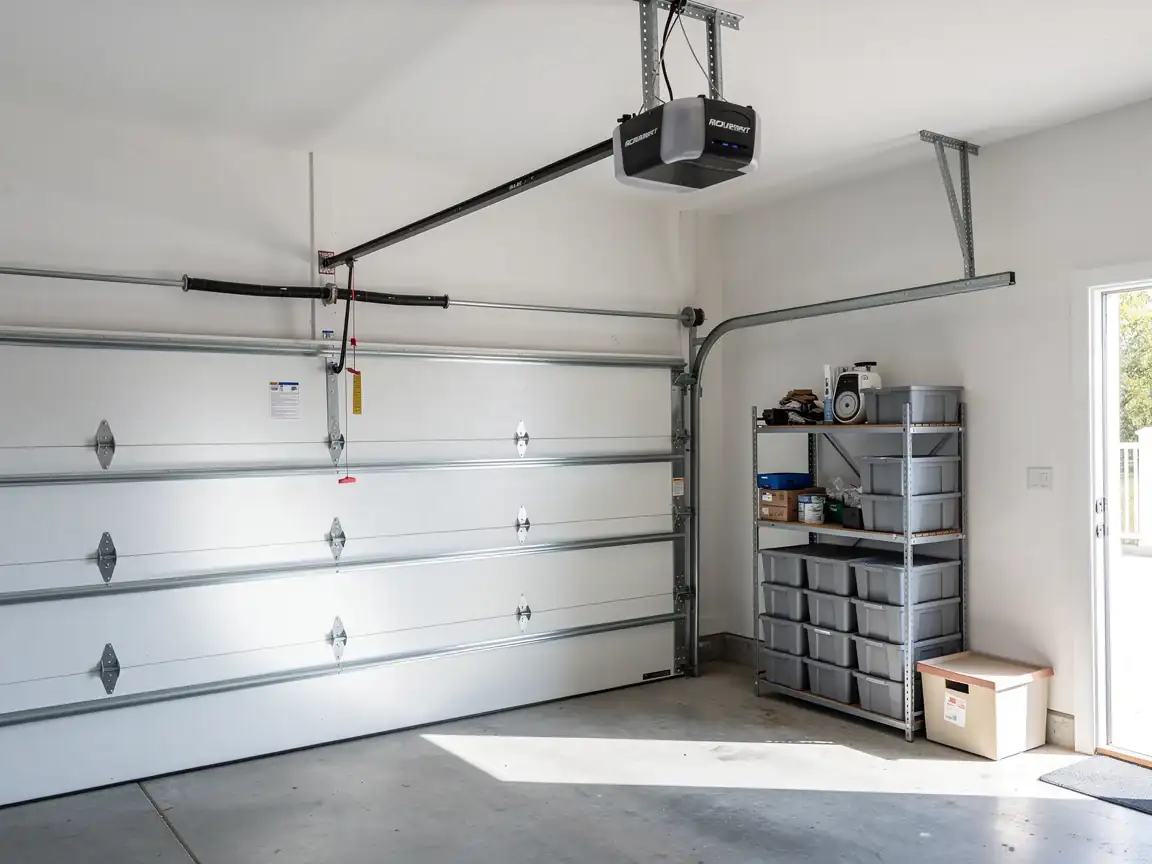
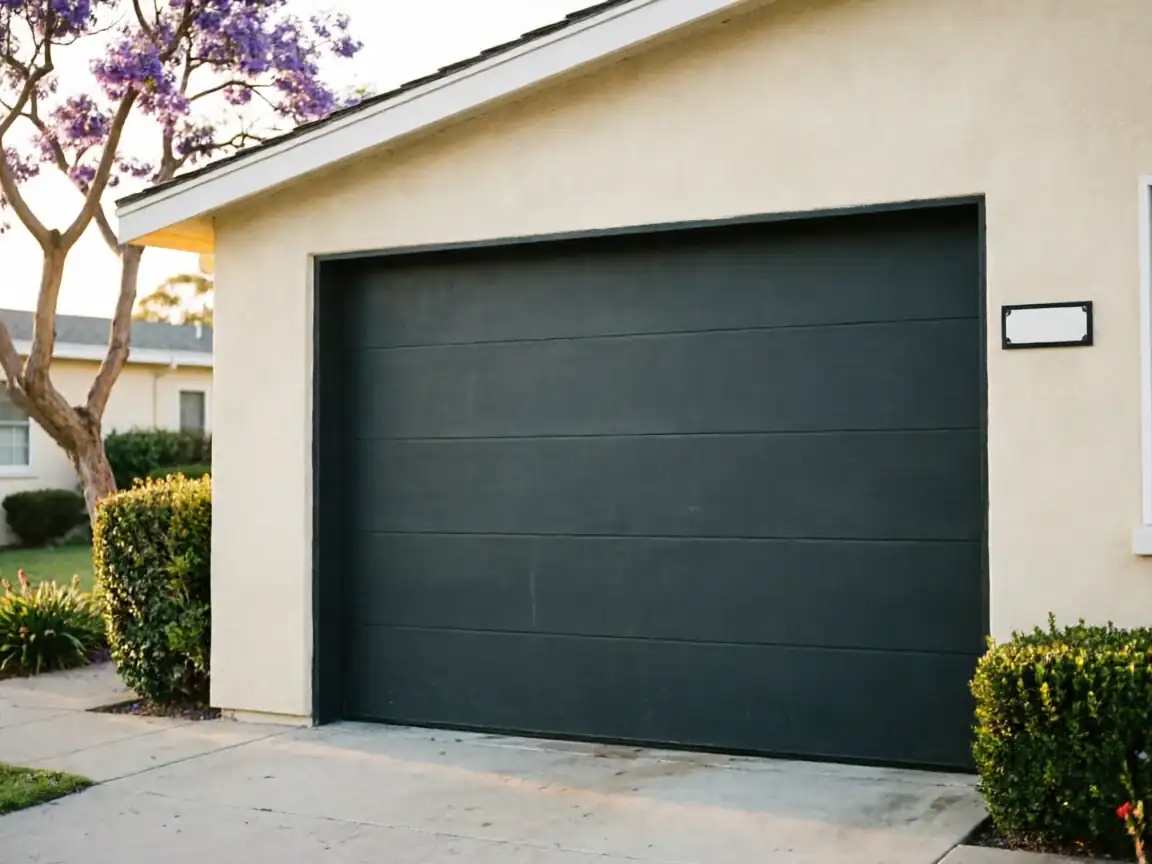
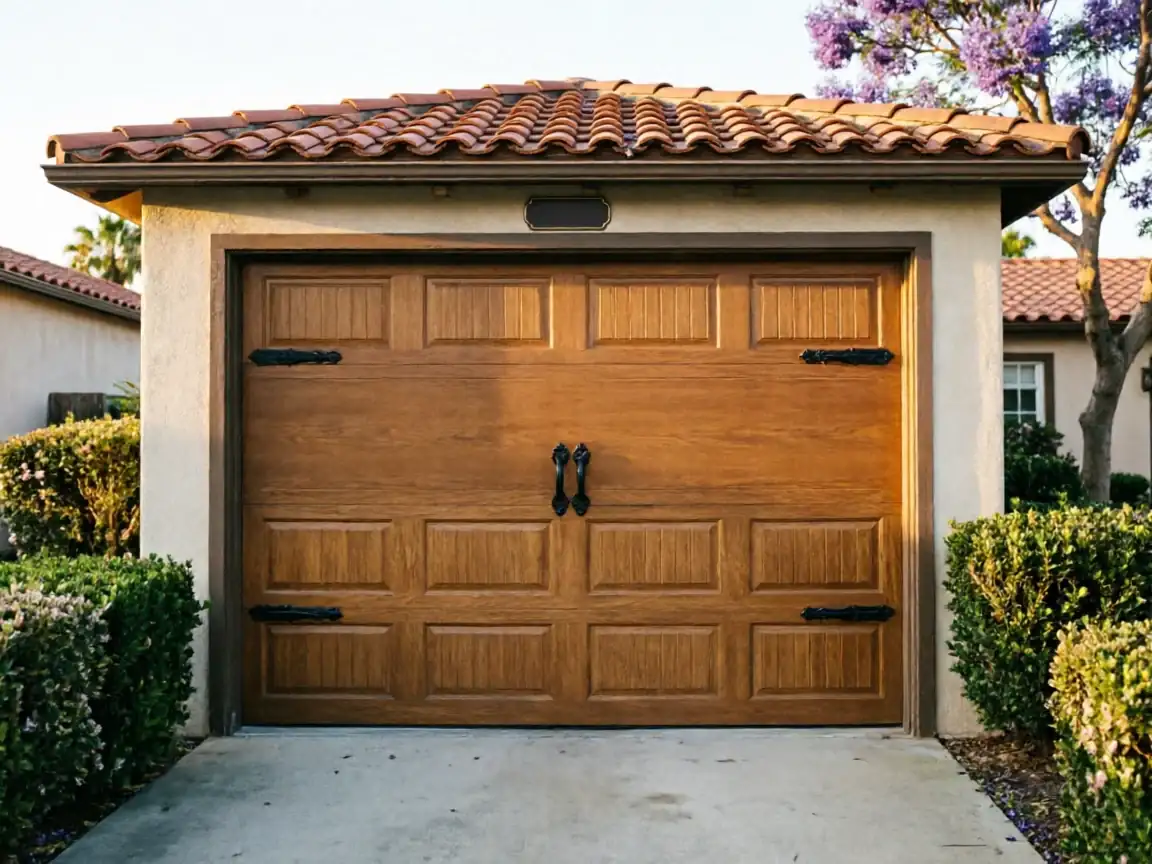
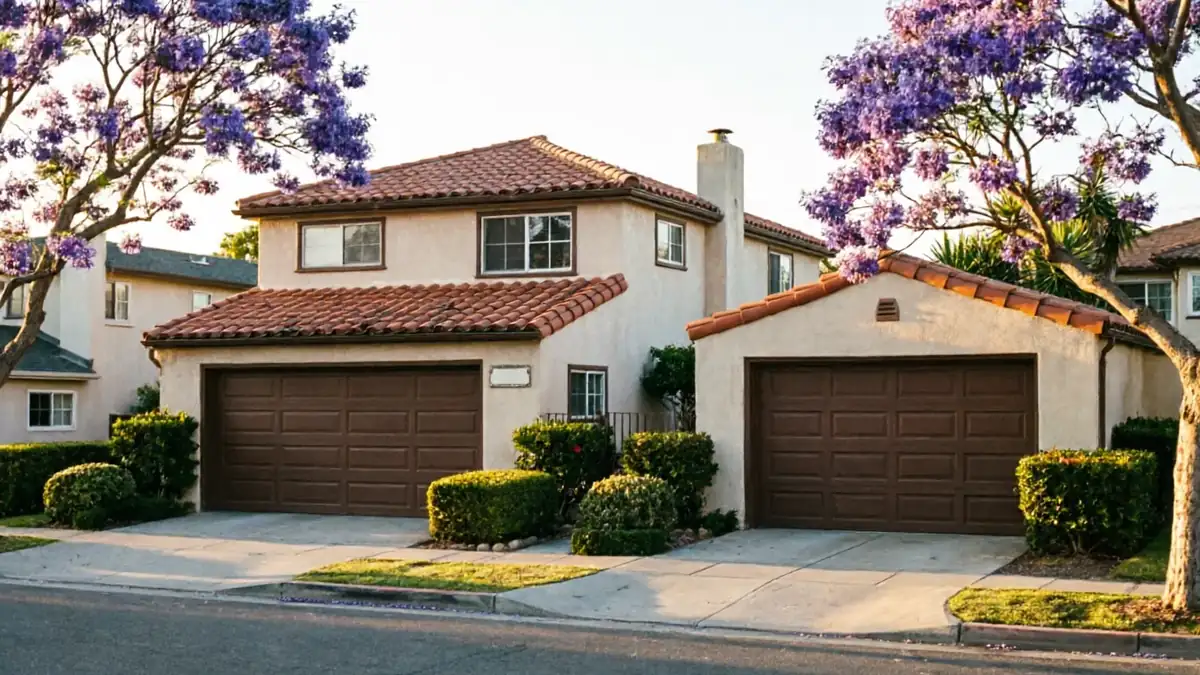
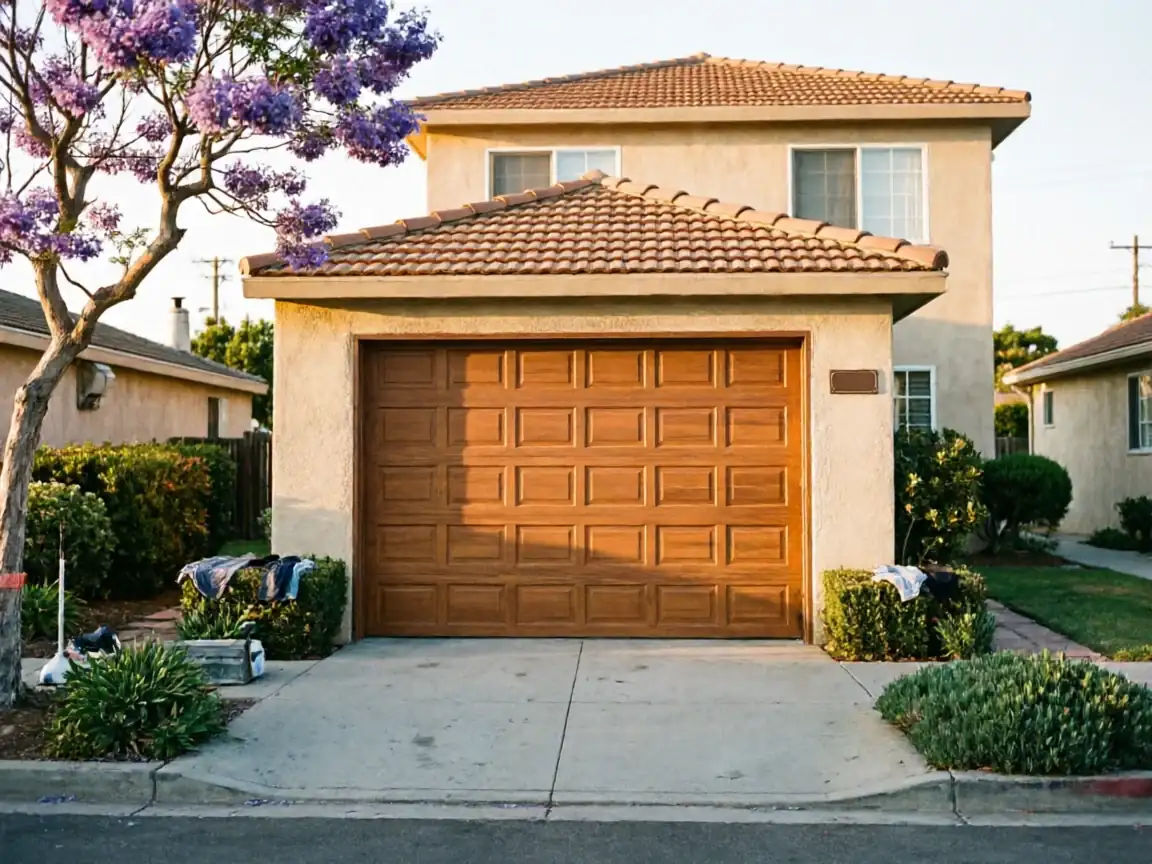
Albany's housing stock centers on a median build year of 1951, which means a lot of these garages were built for one car, not two. The doors are narrower than what you'd find on a 1970s tract house, often eight feet wide instead of the modern sixteen, and they hang on tracks that were sized for a lighter, single-panel door. Over seven decades those brackets loosen, the track bends a little from decades of a car bumper nudging it, or someone leaning a ladder against it, and the rollers start riding the edge of the rail instead of sitting inside it. With 7,673 households in Albany, a good number of them are living with this exact setup: original narrow opening, replaced door panel at some point, original track geometry that was never rechecked for square. That mismatch is what pushes a door off its track more than age alone does. The mild climate here doesn't warp wood panels the way a hot interior valley would, so when an Albany door jumps track, it's almost always a hardware and alignment problem, not a material failure from heat or swelling.
The Symptom
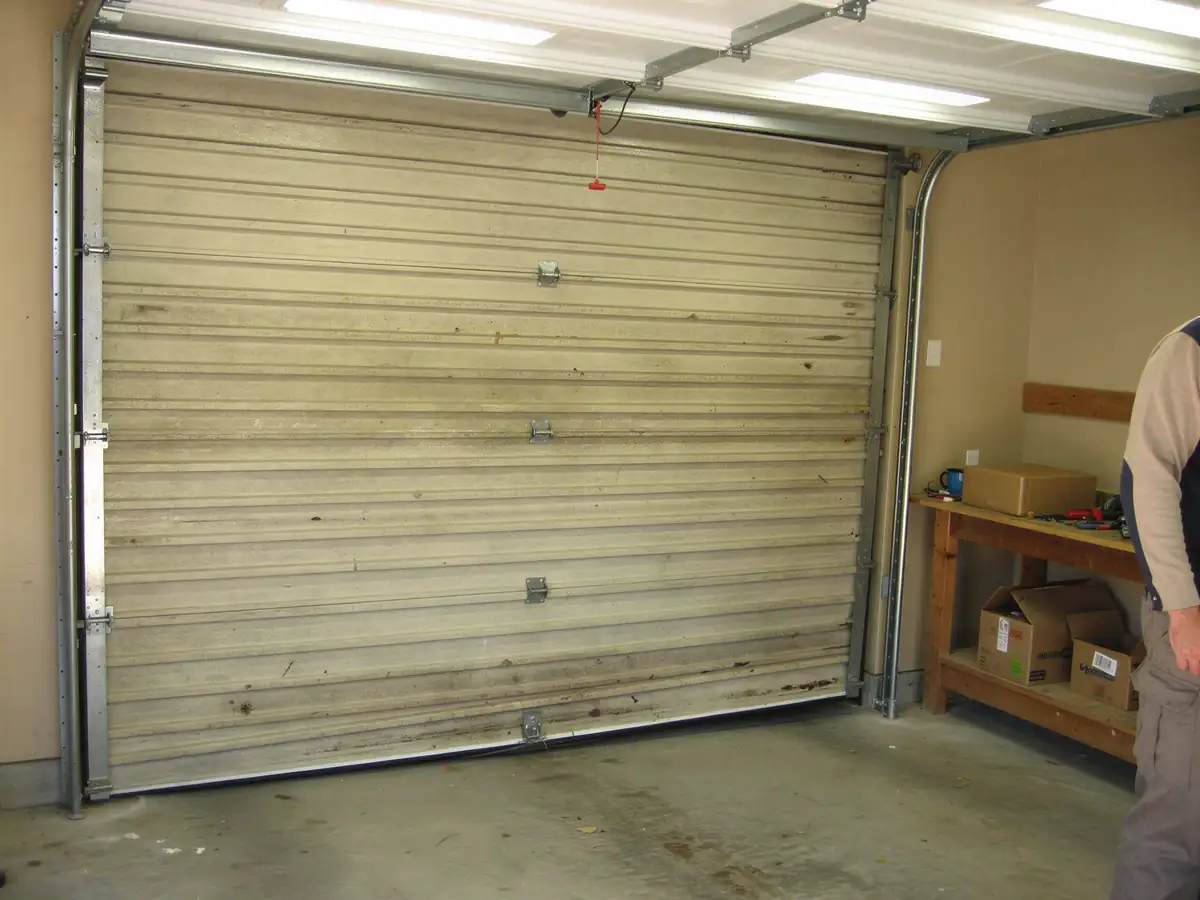
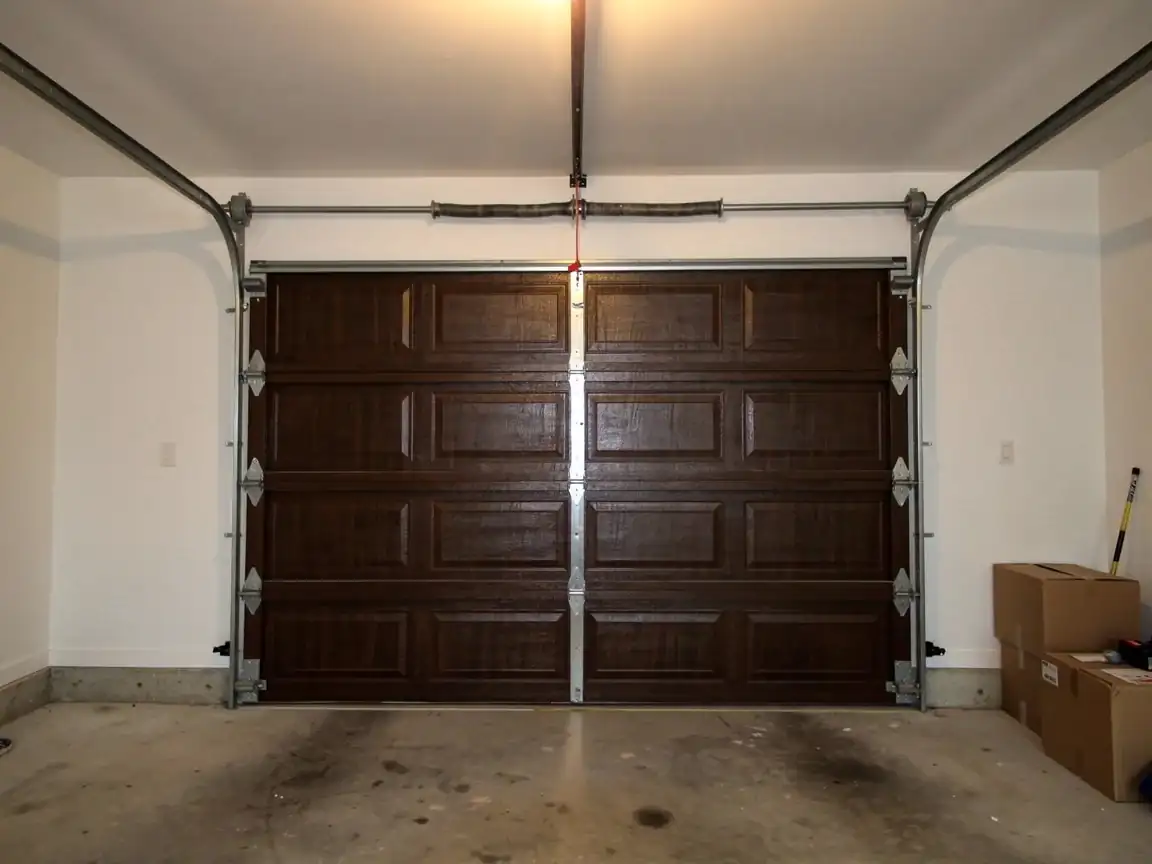
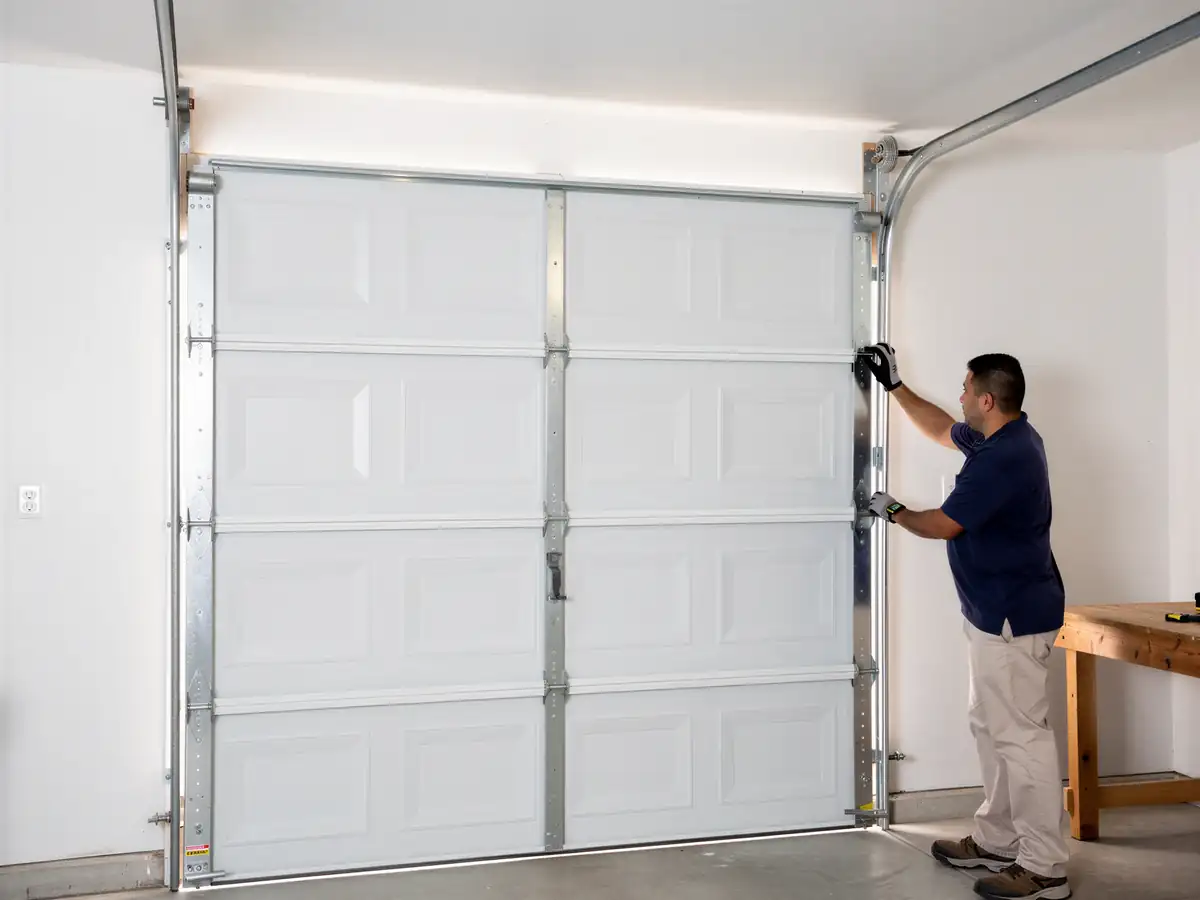
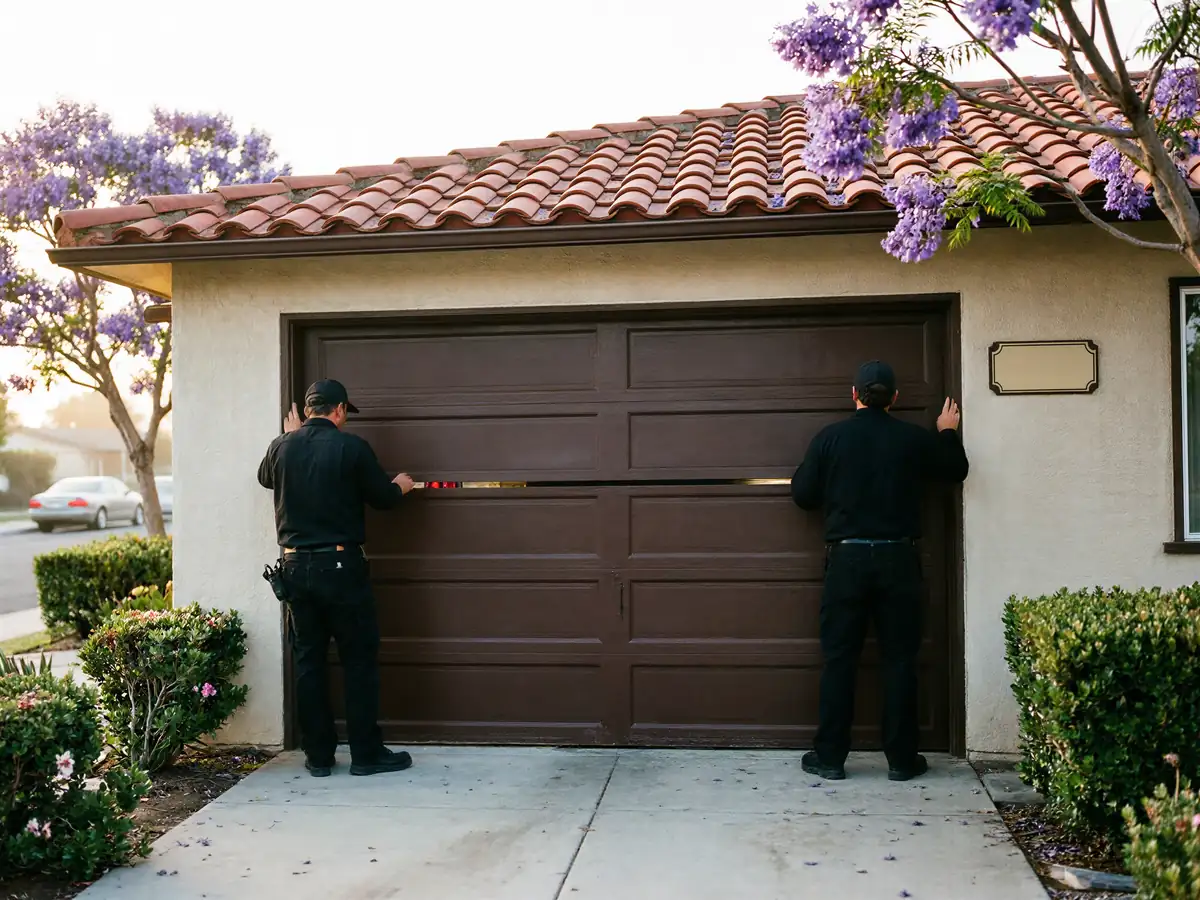
You'll usually see it before you hear it: the door sits crooked in the opening, tilted a few inches at one corner, or it stops partway up and won't go further without grinding. On the narrower single-car doors common in Albany's 1951-era garages, one roller popping loose from a bent track section can throw the whole panel off square almost immediately, since there's less width to absorb the lean. Sometimes it's subtler - the door closes but leaves a gap along one side where it used to seal flush. That gap is the track, not the weatherstrip. Don't keep running the opener once you see the lean. Forcing a narrow door through a track that's already bent widens the bend and can crack the bottom panel corner, which turns a bracket fix into a panel replacement.
What the Repair Takes
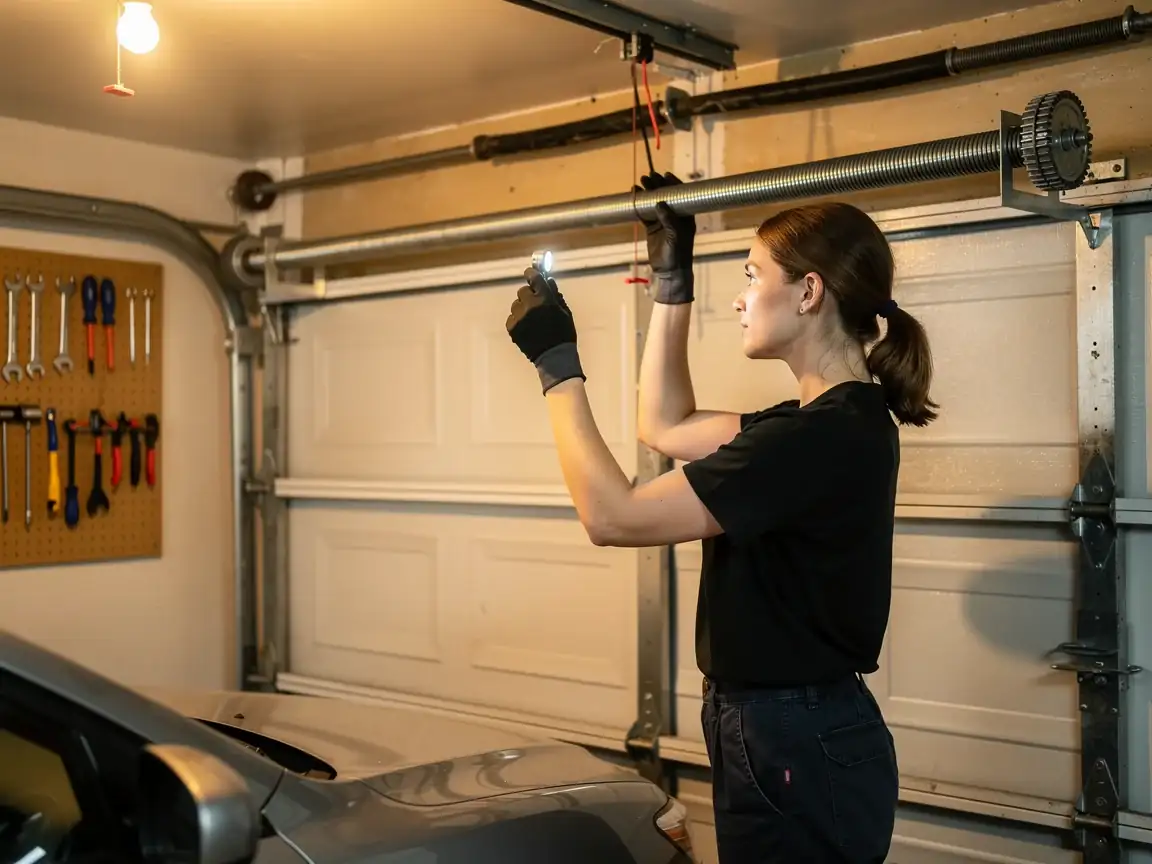
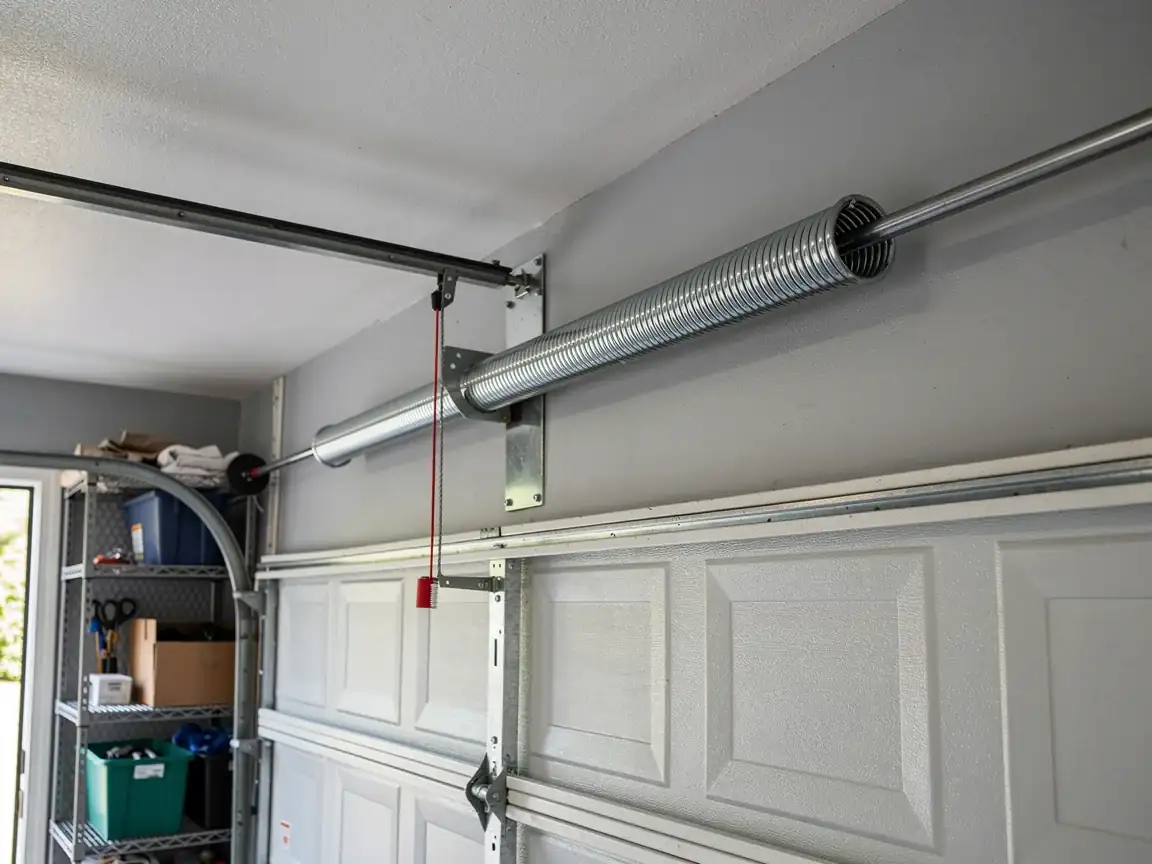
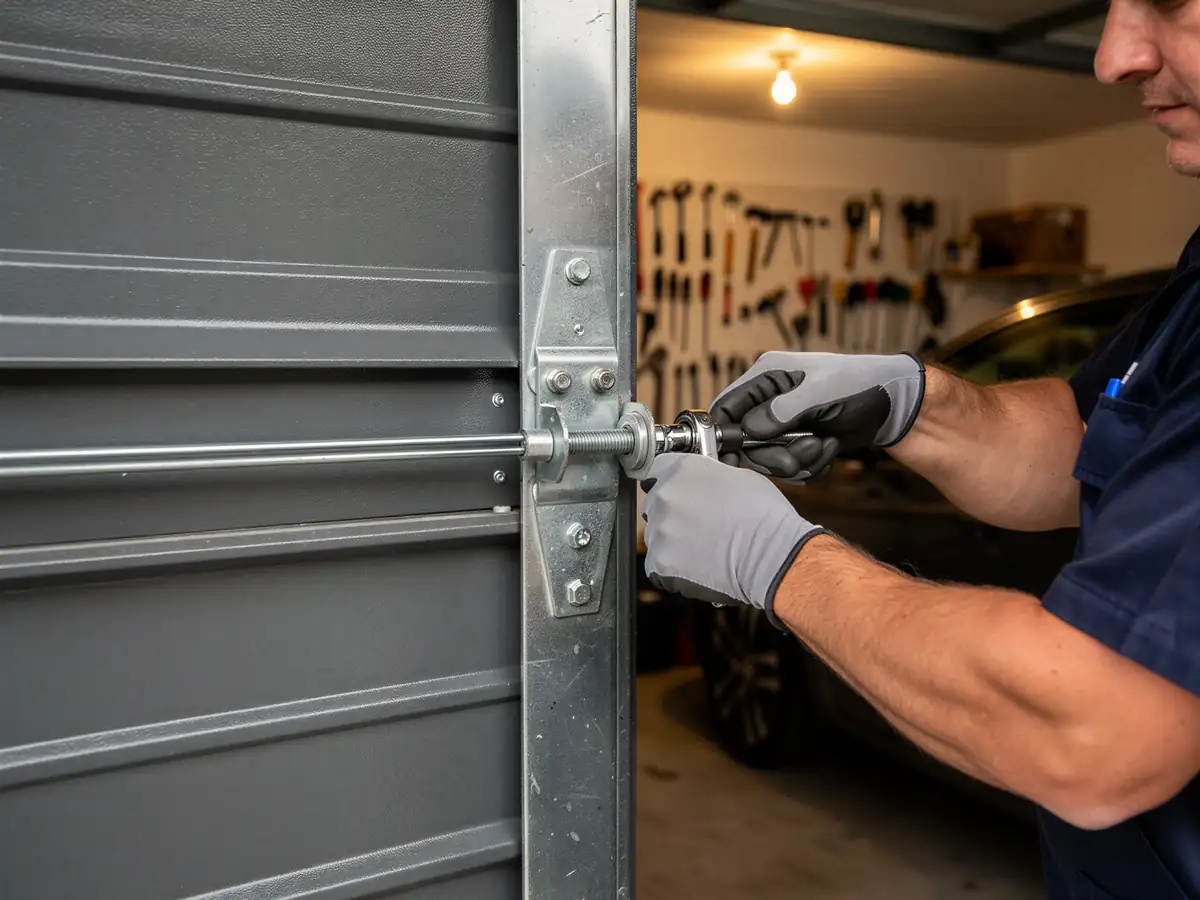
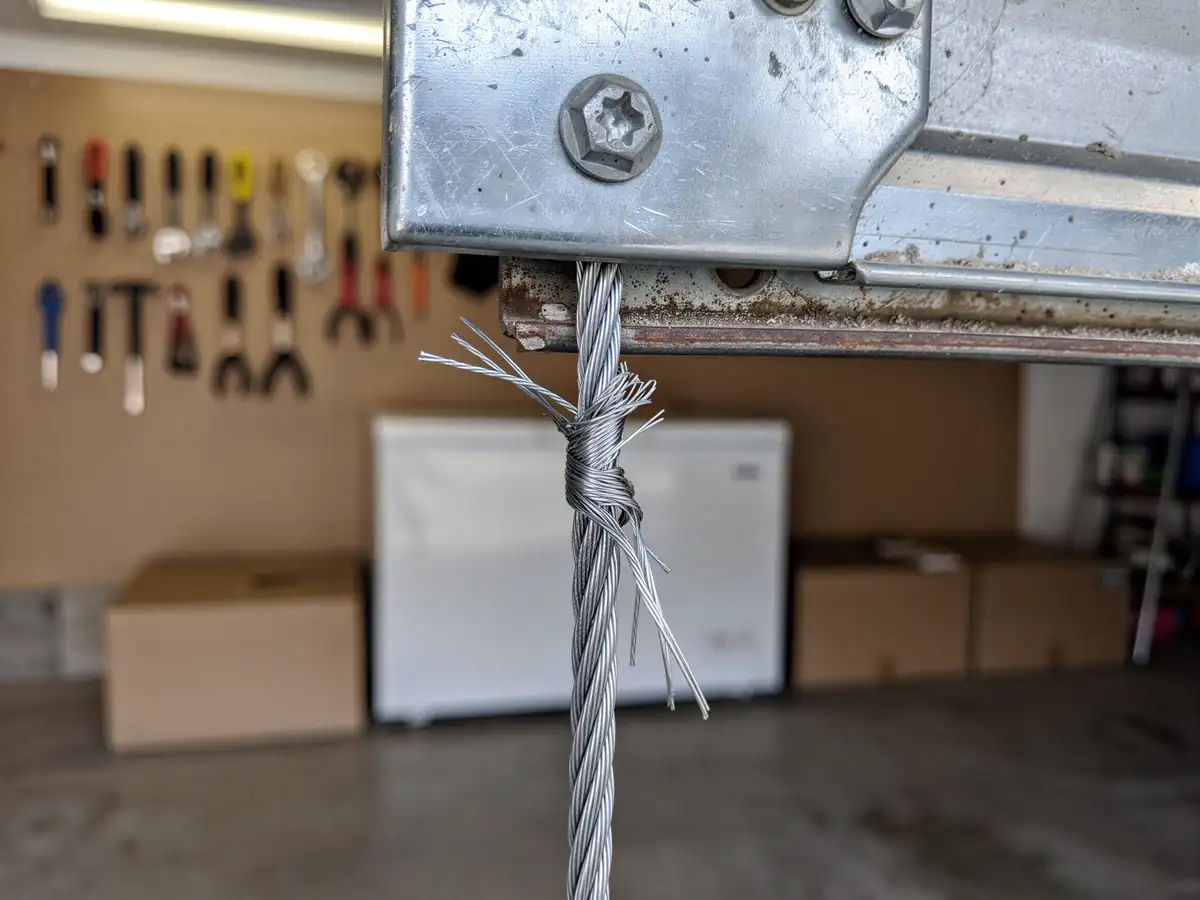
For most of these jobs, the fix is realigning the track and resetting the roller brackets to the original spacing, then checking that the track is still plumb against the frame - which on a 1951 opening sometimes means shimming, since the framing itself has settled over seventy years. If a roller has worn down or a bracket has bent past the point of resetting, those get swapped rather than bent back. We travel to Albany from Oakland, about 10 miles, so we schedule the visit rather than offer a same-day drop-in; bring us the make and rough age of the door when you call so we can bring the right roller and bracket stock for an opening that size instead of discovering on site that the hardware doesn't match anything newer.
Can You Do This Yourself
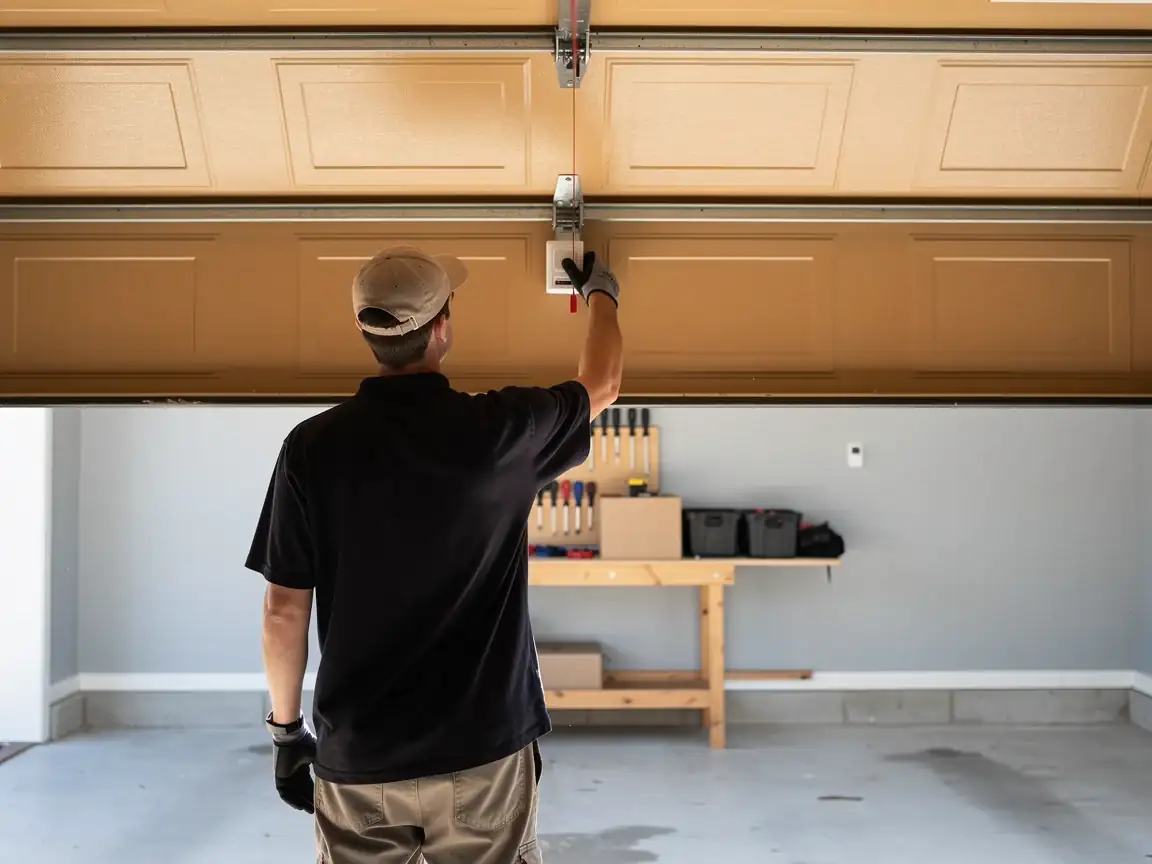
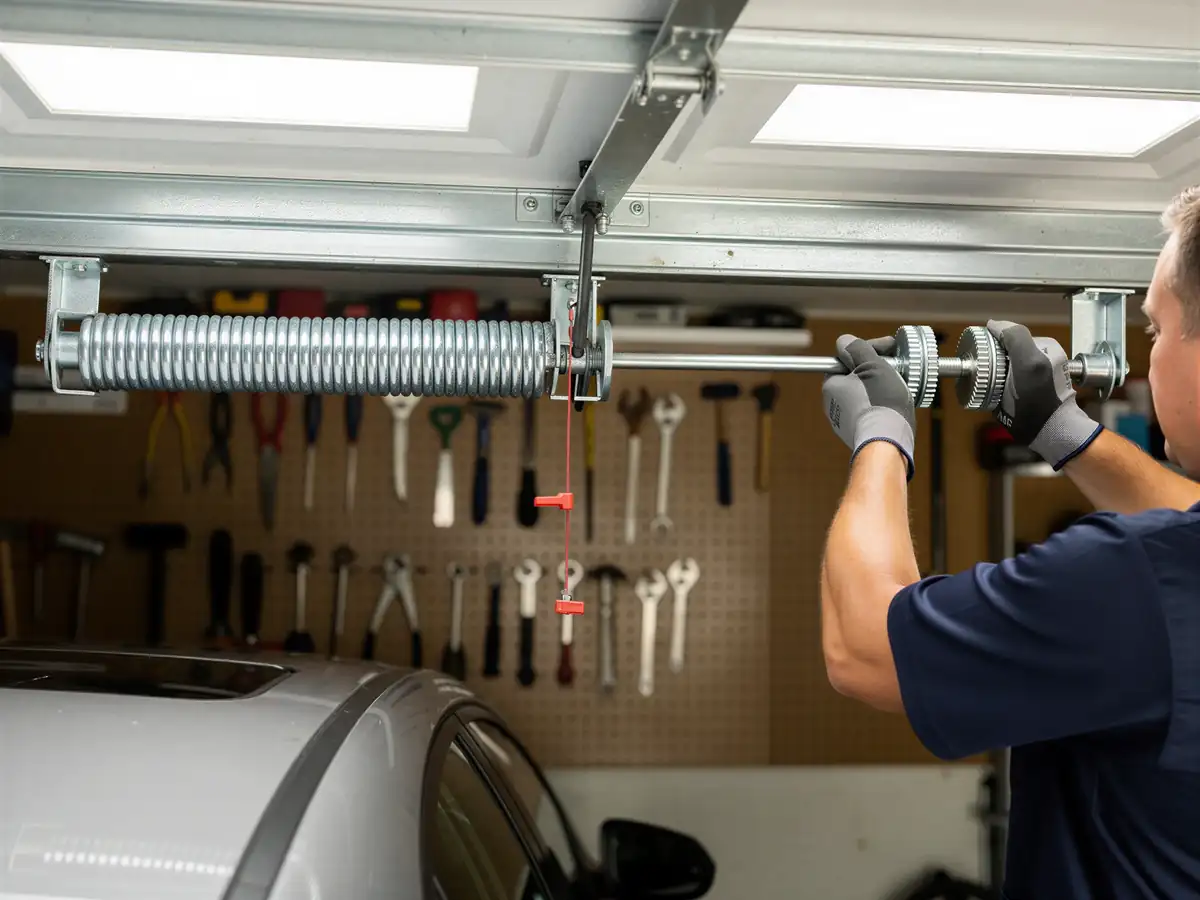
If the door is only slightly off and still moves by hand with the opener disconnected, you can sometimes walk the roller back into the track yourself - pull the release cord, lift the door manually, and guide the wheel back onto the rail while it's unweighted. What you should not do is try to bend a track back into shape with a crowbar or pliers while the door is still under spring tension; on an eight-foot door that tension is lower than a double-wide, but it's still enough to put the panel into you or the wall if the track lets go while you're working on it. If the door won't move at all, or it's binding partway, stop and call. That's a sign the track damage is further along than a roller popped loose, and working it by hand risks turning a bracket job into a cracked panel.
How it works
From “it’s stuck” to “it’s fixed”
01
Tell us what’s wrong
Describe the symptom - won’t open, loud bang, opener runs but the door won’t move.
02
On-site diagnosis
A technician tests the door under power and by hand and finds what actually failed.
03
Clear, up-front plan
You get the fix that’s needed and what drives the cost - before any work starts.
04
Repaired & tested
The repair is done, the door is set true and tested, and the work area left clean.
Not sure which repair your door needs in Oakland, CA? Describe what it’s doing - every job starts with a diagnosis.
Straight answers about garage door repair in Oakland. Still unsure? Ask us directly.
Why does my garage door only come off track on one side?
On the narrower single-car doors common in Albany's older homes, uneven wear on one roller or a slight bend in one track rail throws that side off first. Because the door is narrower than a two-car door, there's less width to mask the lean, so you notice it fast - usually as a visible tilt or a gap along one edge of the frame.
Is it the track or the door itself that's bent?
Usually the track. On homes built around 1951 the door panel itself is often the original lightweight material, but the track and brackets have taken seventy years of bumps and settling. We check both on site, but track misalignment is the more common cause we find in this part of the service area.
Do you come out to Albany the same day?
We work out of Oakland, about 10 miles from Albany, so visits here are scheduled rather than same-day drop-ins. Call ahead with the door's size and rough age so we bring matching roller and bracket stock for an older, narrower opening.
Can I just push the door back onto the track myself?
Only if the opener is disconnected and the door is unweighted enough to move by hand without resistance. Never force a door back onto a bent track while it's under spring tension - on these older single-car setups the spring is lighter than a double door's, but it can still cause injury if the track gives way mid-repair.