Oakland garage door service for houses built 1938-2008, median 1965 - torsion springs, openers, and track repair across and the flatlands to the hills.
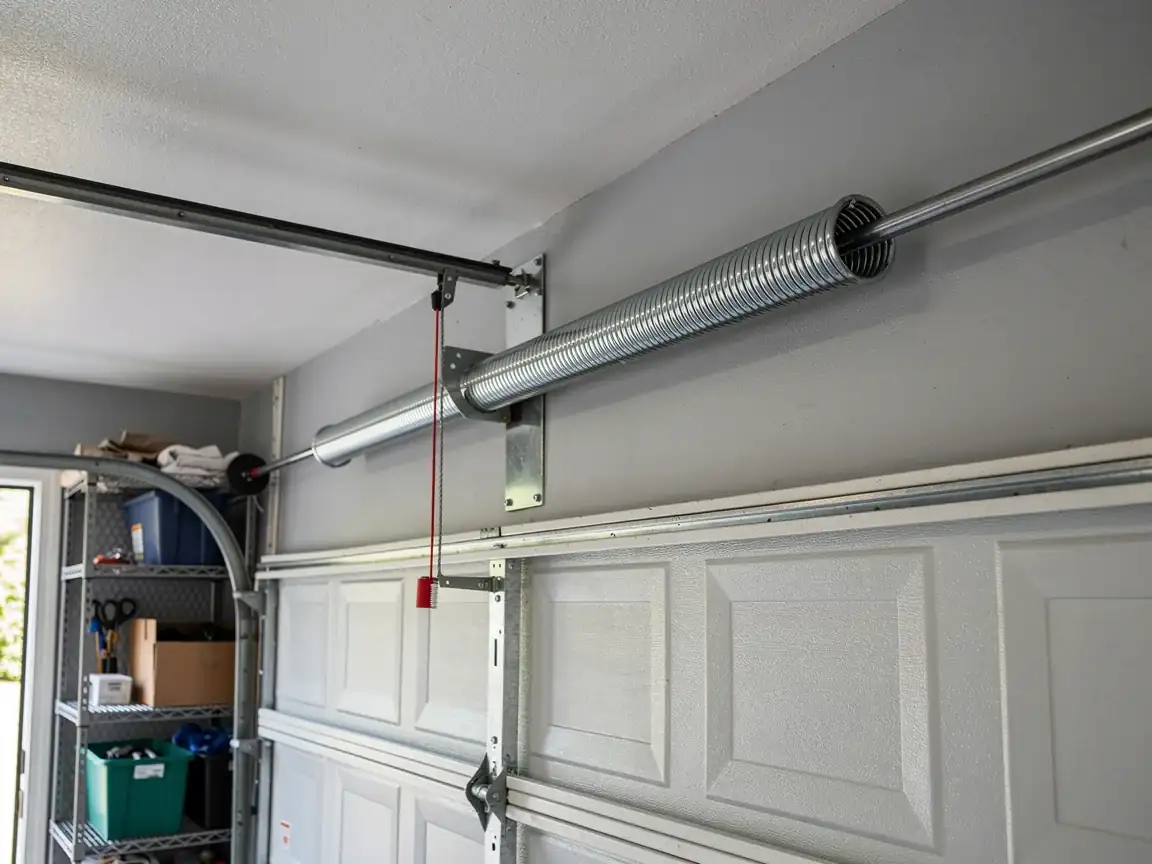
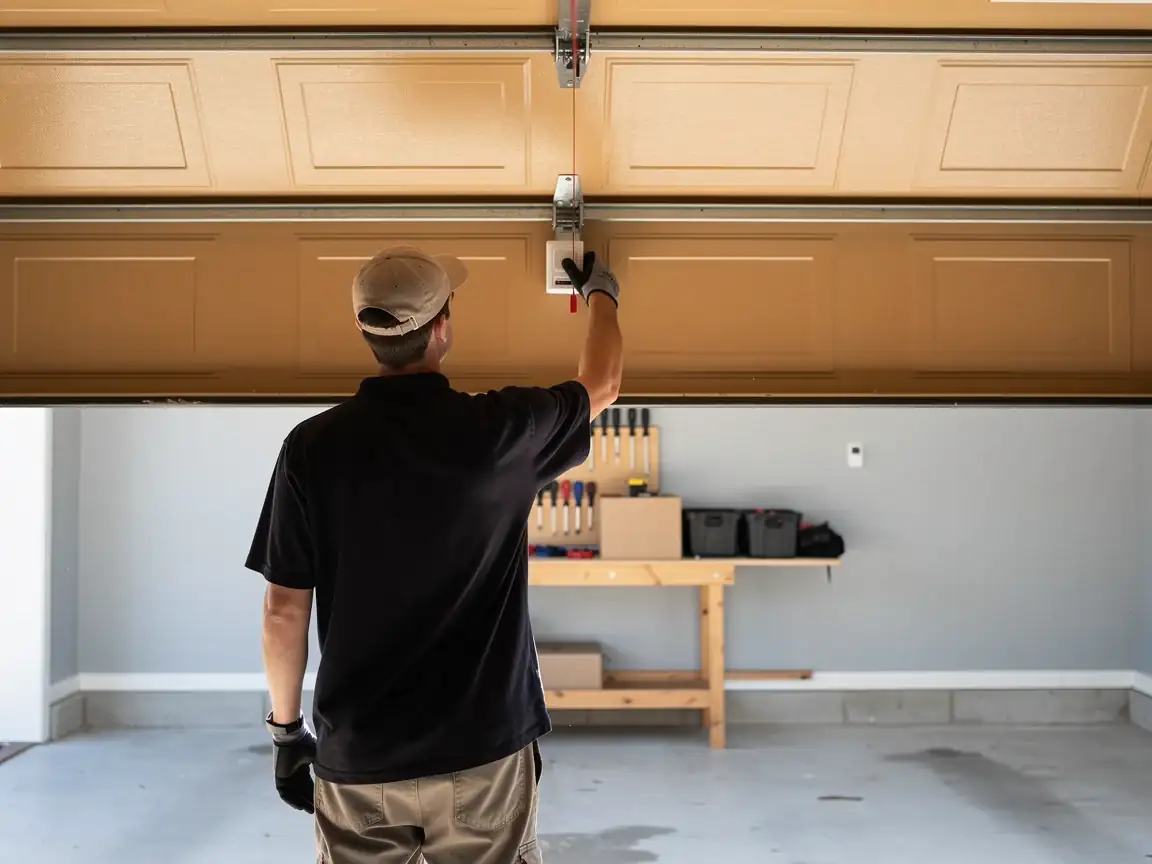
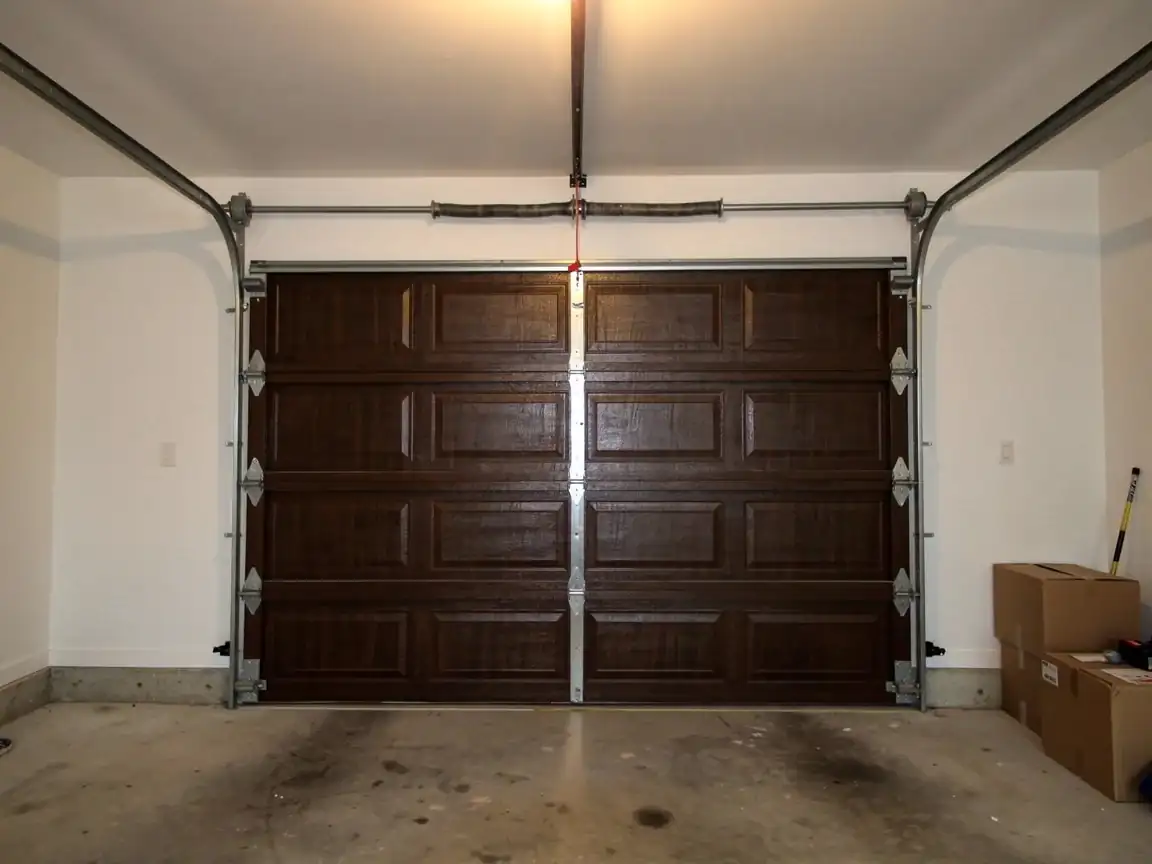
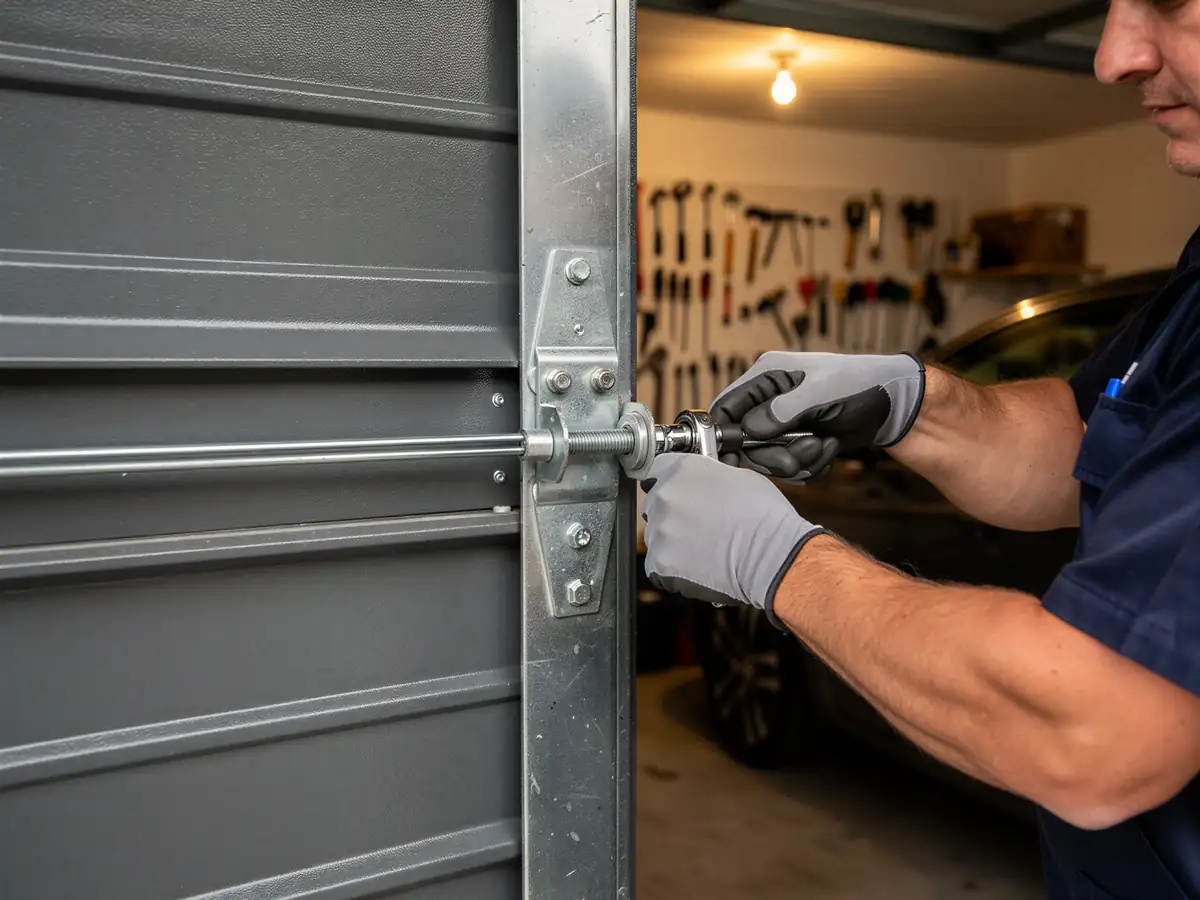
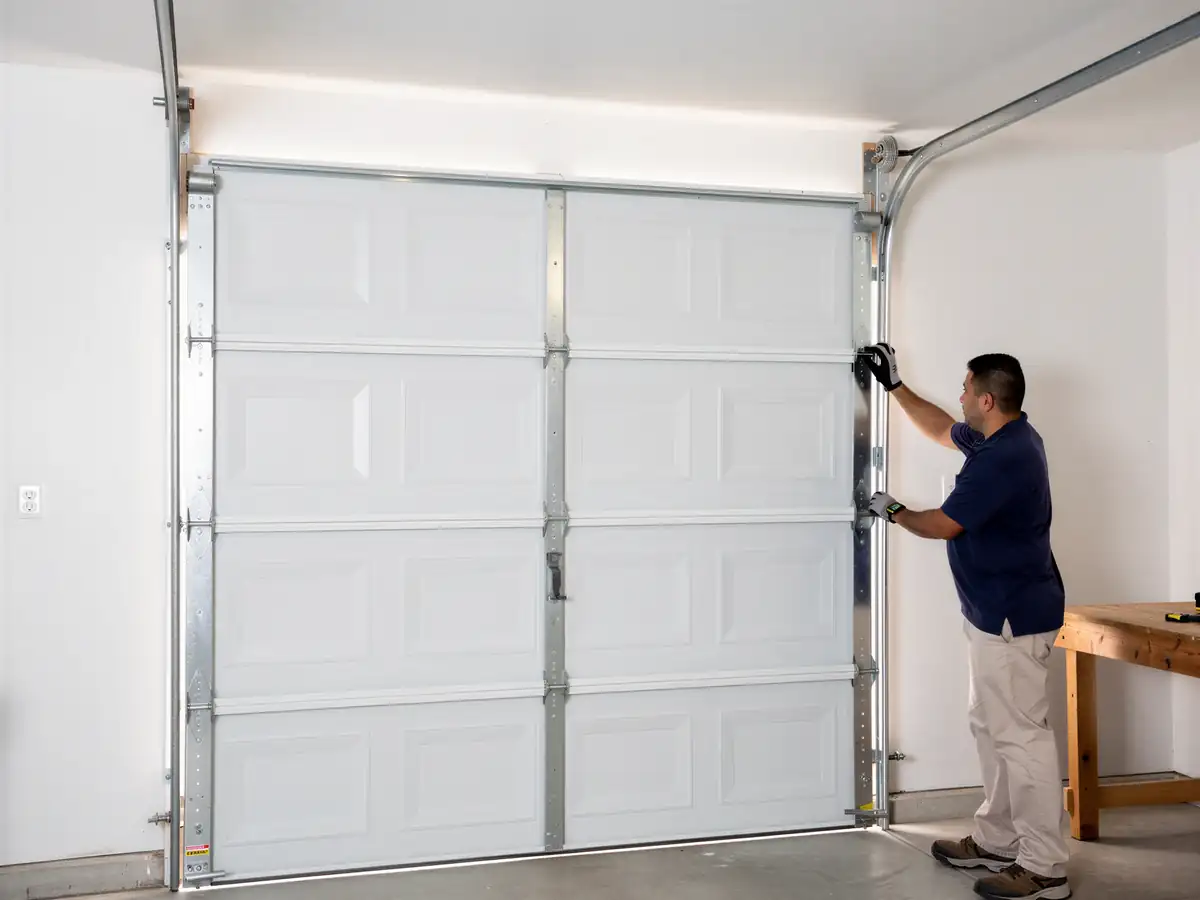
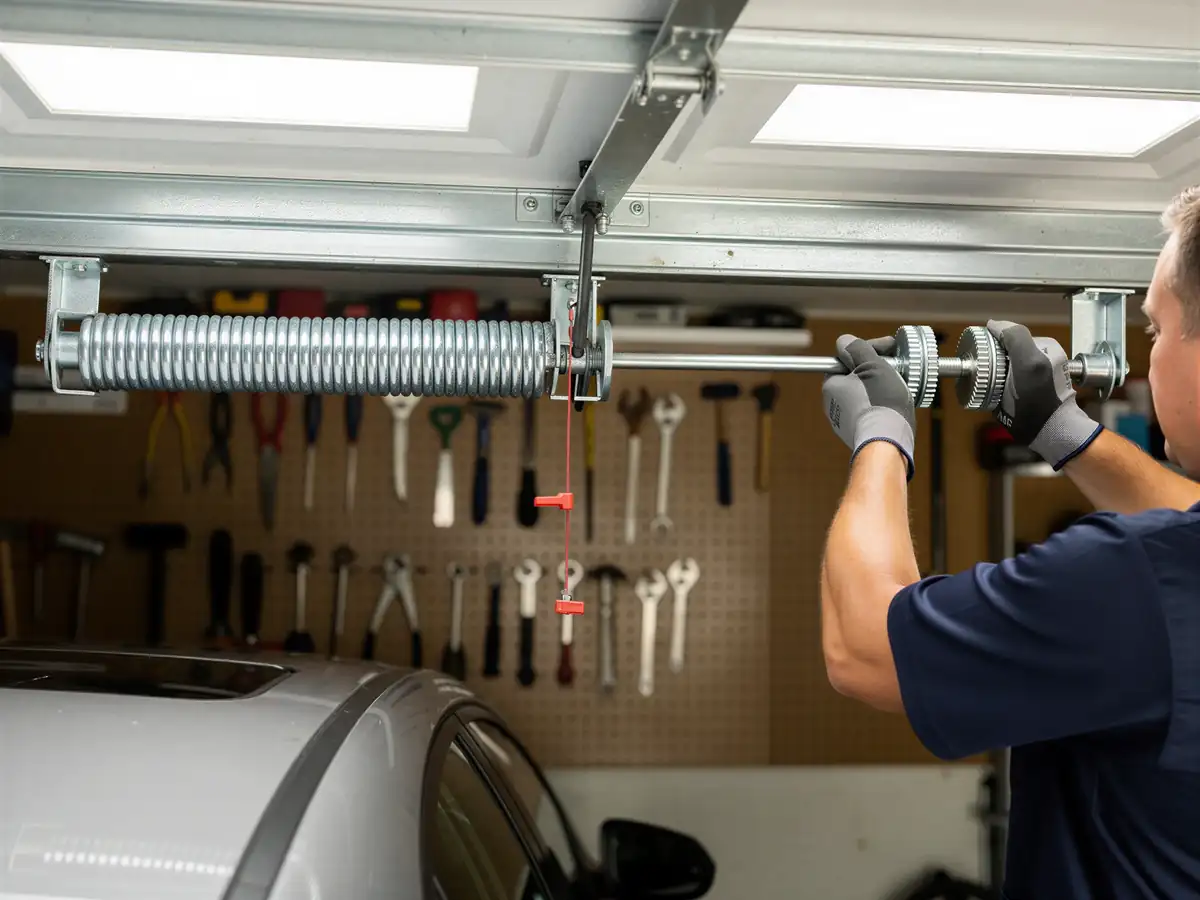
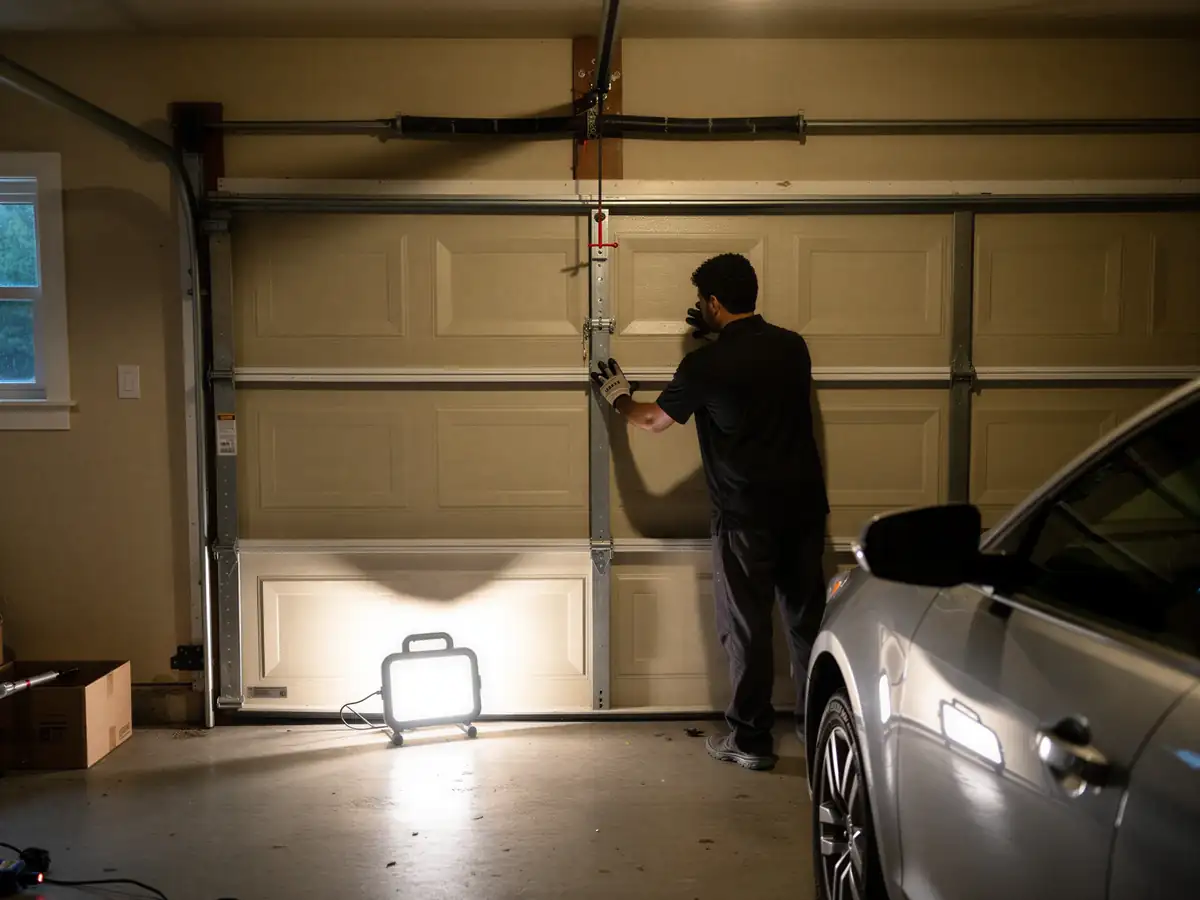
A lot of what goes wrong with a garage door in Oakland is a torsion spring job, and torsion springs are not a weekend project. The spring is wound under enough tension to break a wrist or worse if the winding bars slip, and on houses here that date back to 1965 on median, you're often dealing with original hardware - a drum and shaft sized to specs nobody stocks on a shelf anymore. You can safely handle some things yourself: tightening loose hinge bolts, lubricating rollers and the track, replacing weatherstripping along the bottom panel, or swapping a dead remote battery. Those are low-risk and worth doing before you call anyone.
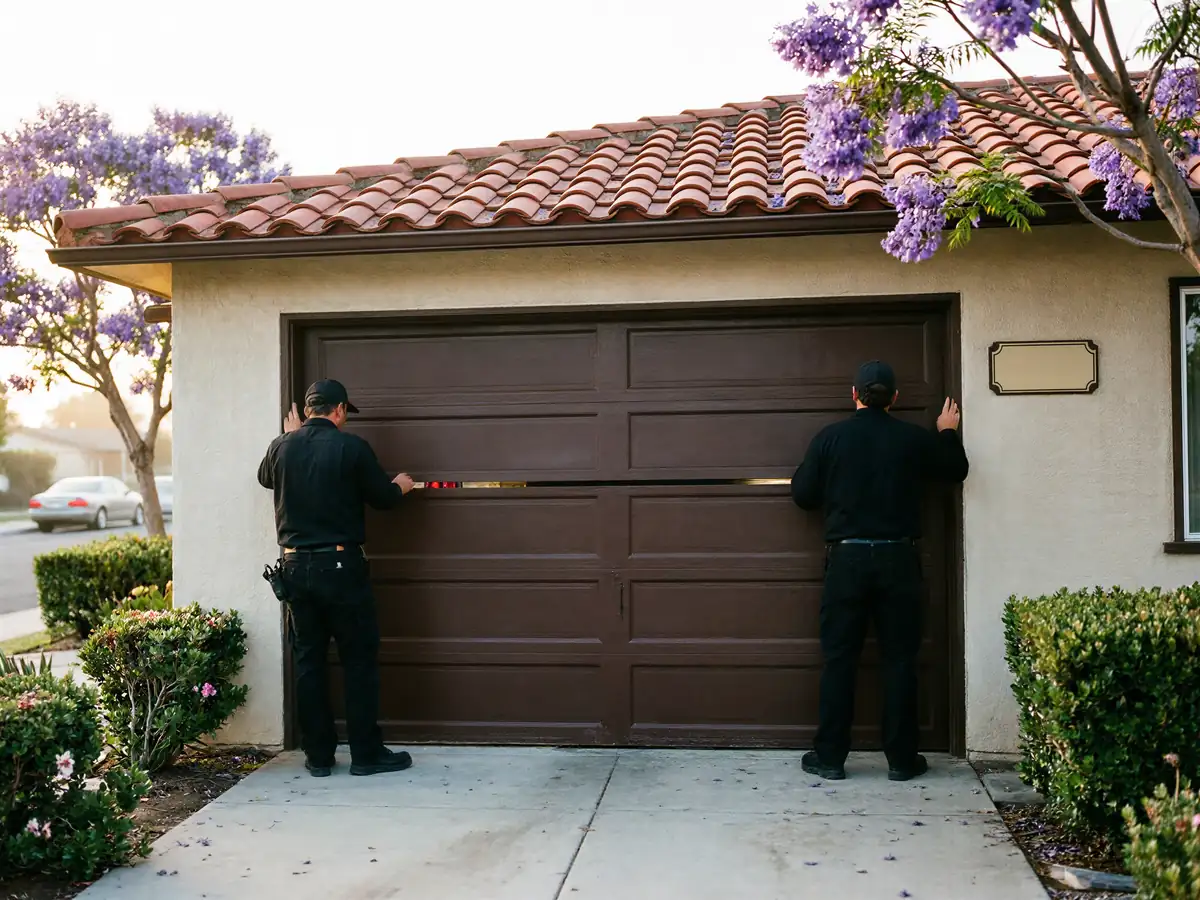
What you shouldn't touch is the spring itself, the cables under tension, or anything that requires disconnecting the opener from a loaded door. If the door won't move and you hear a bang before it stopped working, that's almost always a broken spring - leave the door down, unplug the opener so it doesn't keep trying, and don't force the panel up manually. We'll say it plainly: we'd rather talk you out of a DIY spring swap on an older torsion setup than show up to a hospital-bound job later.
Why It Happens Here
01
Oakland's climate is mild temperate
No hard freeze-thaw cycle to shock-harden steel or crack a spring overnight the way it does in colder parts of the country. So when a spring fails here, it's almost always plain fatigue: the coil has run out of cycles, not cold-snapped. That matters because it means failure is predictable by age and use, not by weather event, and a lot of Oakland doors are well past the point where fatigue is the likely cause.
02
The housing stock backs this up
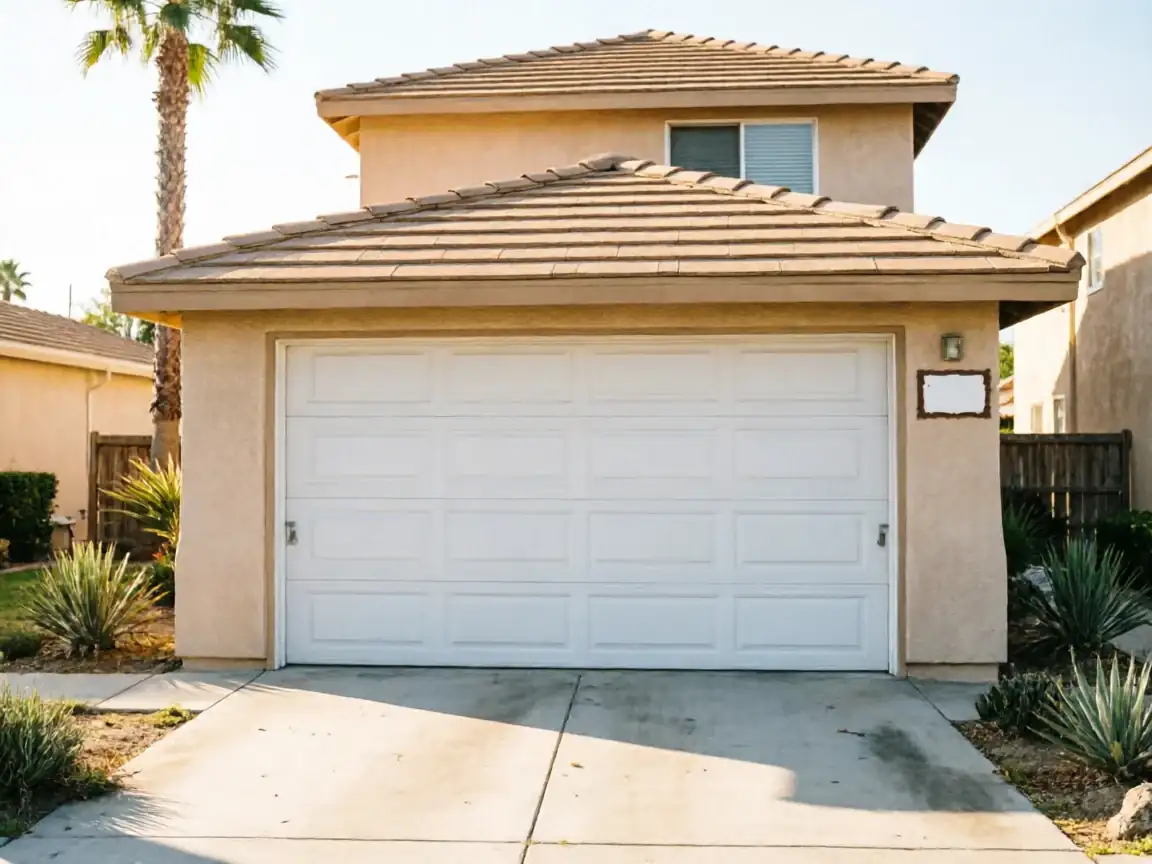
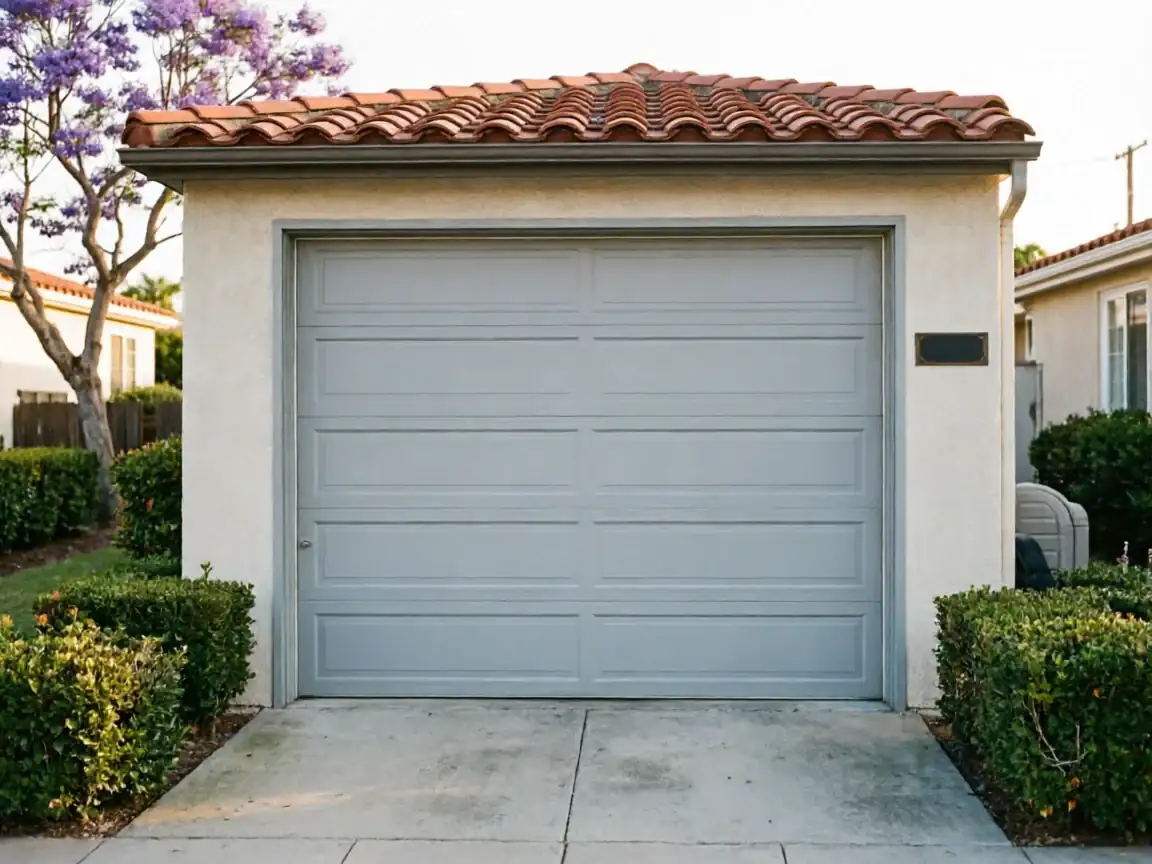
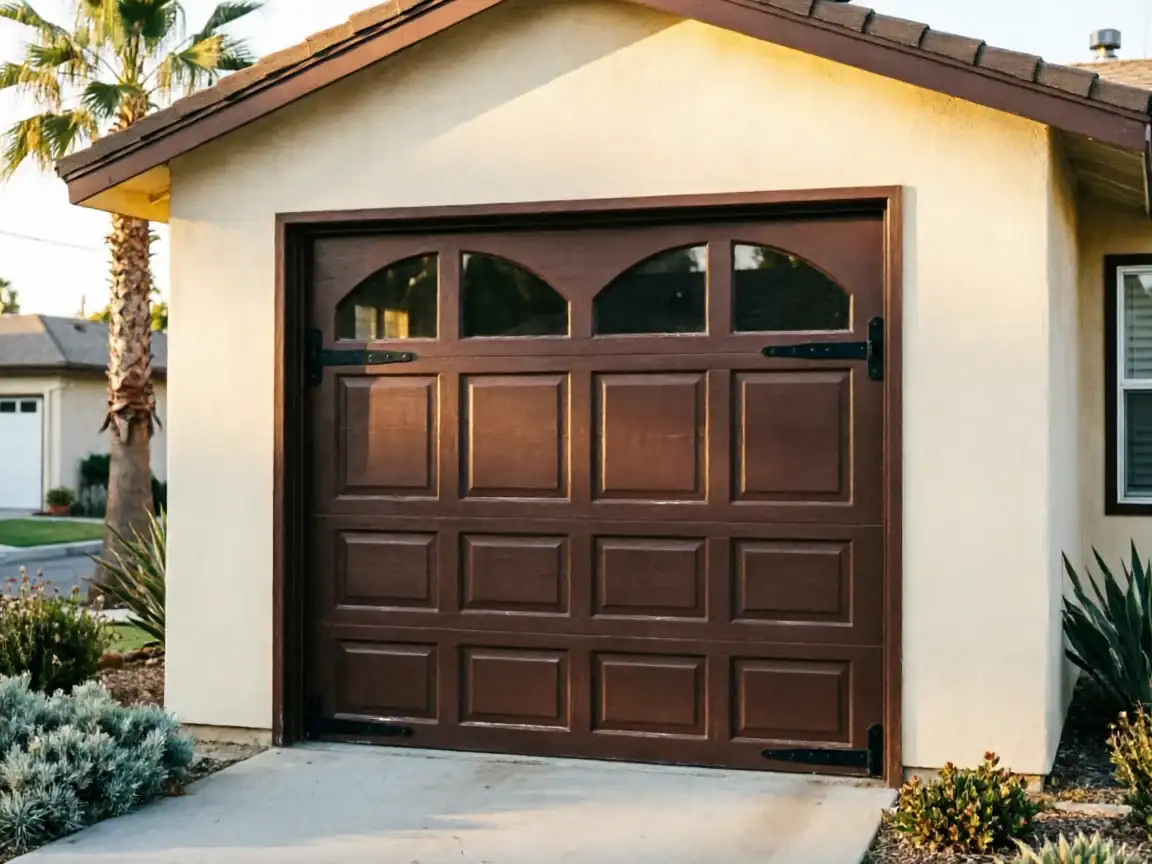
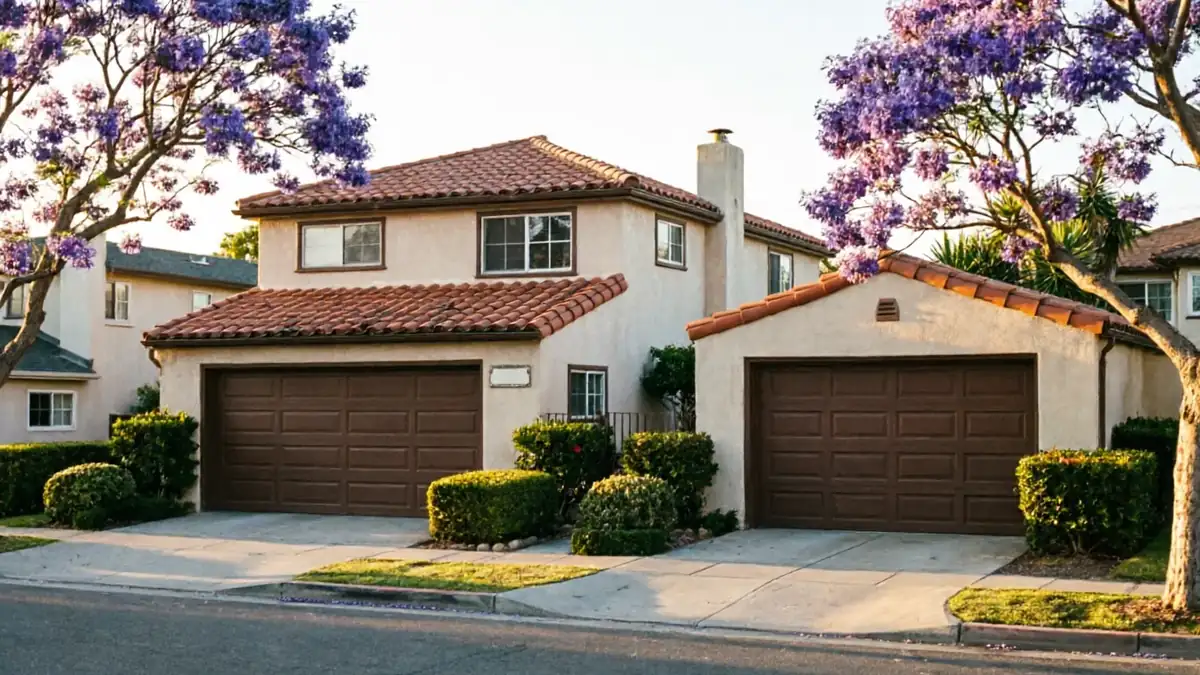
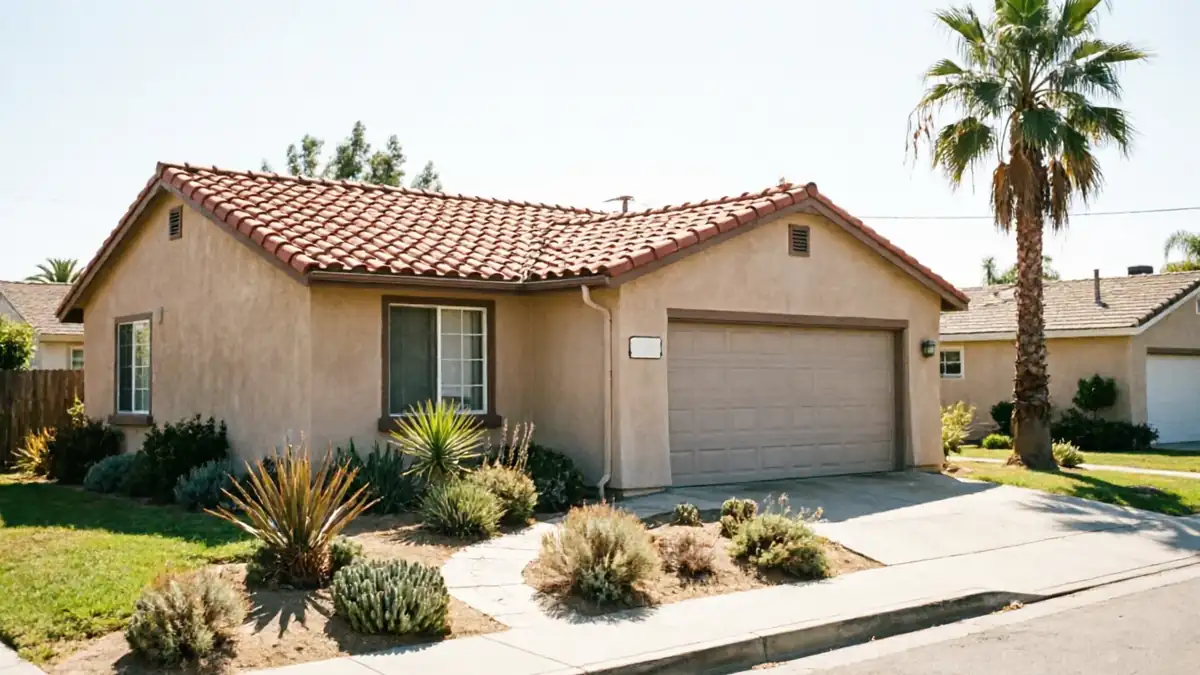
Across the 59 named areas this company covers - from near the flats to up toward the hills - most homes went up between 1938 and 2008, with the bulk of that from the 1960s and 70s. A door and opener installed when a house was built in 1965 has had sixty years to accumulate open-close cycles. With 211,657 owner-occupied houses in the service area carrying that kind of age, worn torsion springs, dried-out rollers, and tired opener gears aren't the exception - they're the baseline condition for a big share of garages here.
211,657 owner-occupied
The Symptom
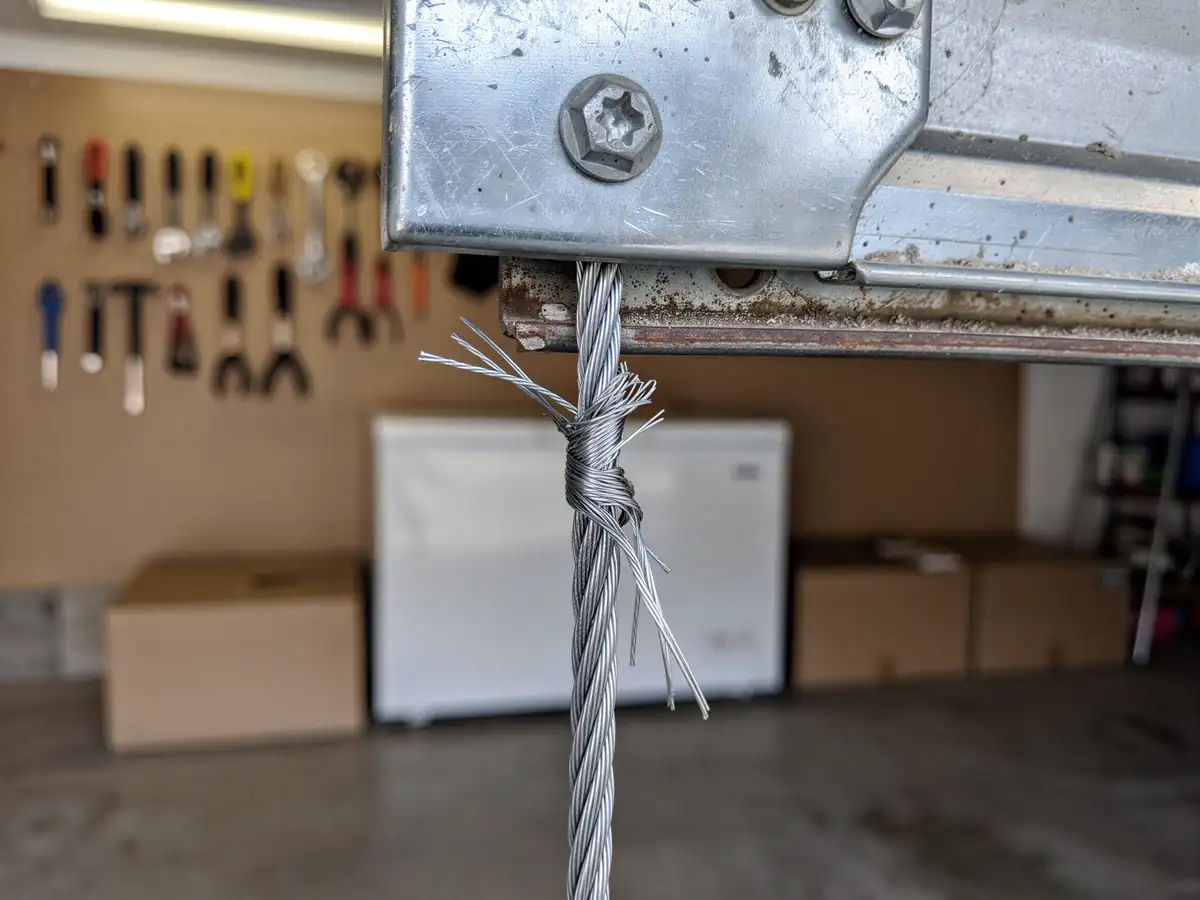
The most common call is a door that won't open at all, usually after a loud bang from the garage the night before - that's a torsion spring letting go. Close behind it: a door that opens partway and reverses, which usually means the opener's travel or force settings have drifted, or a safety sensor is knocked out of alignment. If the door closes unevenly, dropping faster on one side, look at the cables and the bottom rollers before you assume it's the spring.
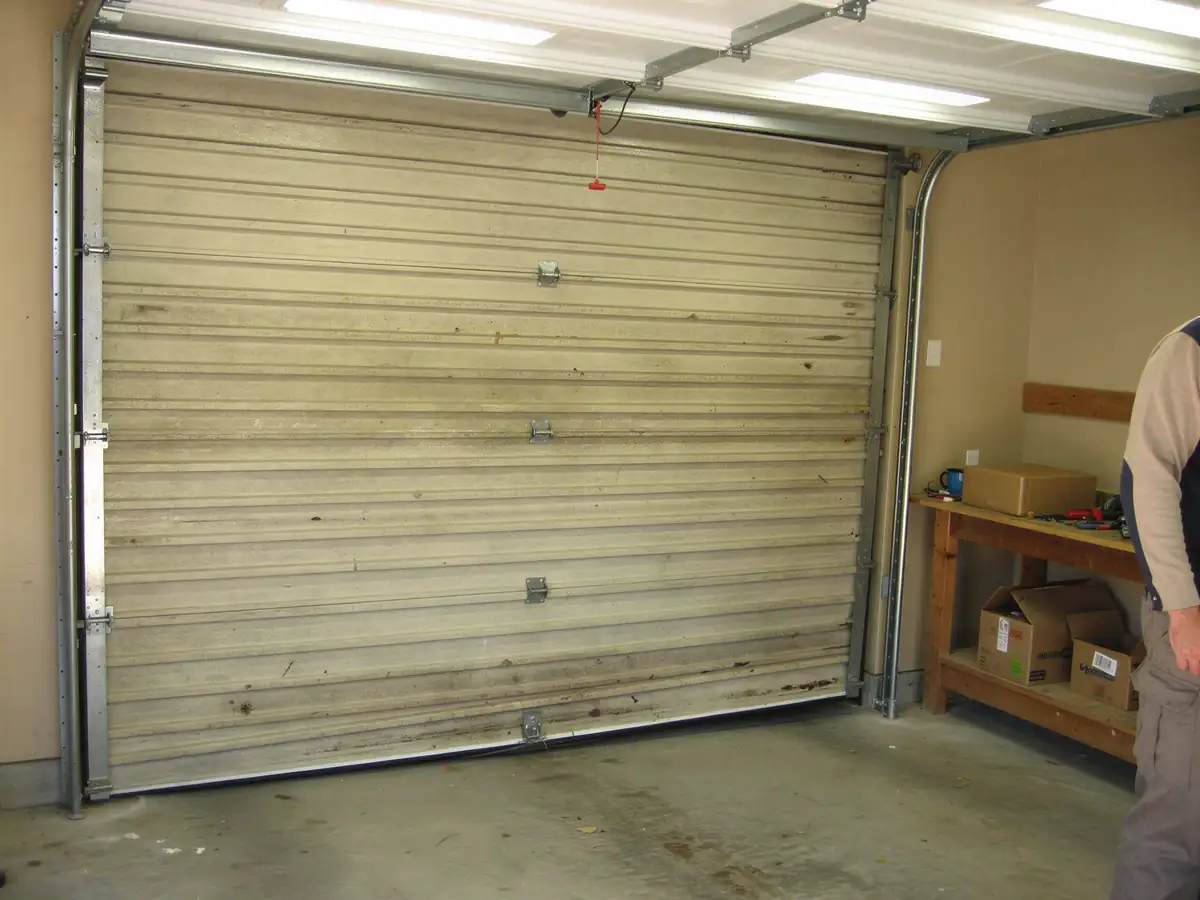
A door that's noticeably heavier to lift by hand than it used to be, even slowly, points to spring fatigue before it snaps completely - this is the stage where a service call is cheaper than waiting for the full break. Grinding or stalling from the opener motor without the door moving much is usually a gear or capacity issue, more common on original units from the 1960s-70s era that are still running on hardware built for a lighter door than what's hanging on the track now. If you're hearing the motor strain and watching the door barely move, don't keep hitting the button - it burns out the motor faster.
What You Pay
We're not going to put a number here that doesn't hold up once a technician is standing in front of your actual door, because what you pay depends on what's on the house, not on the zip code. Oakland's median household income runs around $148,801 across the service area, but that figure says nothing about whether your spring is a standard size or a special-order one - and on houses built decades ago, special-order is common.
The honest factors: whether the spring, drum, or shaft is a size still made today or something a supplier has to source; whether the opener is old enough that replacement parts are discontinued, pushing you toward a new unit instead of a repair; and how much of the track, cable, and roller assembly has aged out alongside the spring. A door from a 1960s or 70s build is more likely to need more than one part replaced in the same visit, simply because everything on it is the same age. We'll always tell you upfront if a repair isn't worth it compared to replacing the door - fixing a forty-year-old door piece by piece sometimes costs more over a year than putting in a new one.
How it works
From “it’s stuck” to “it’s fixed”
01
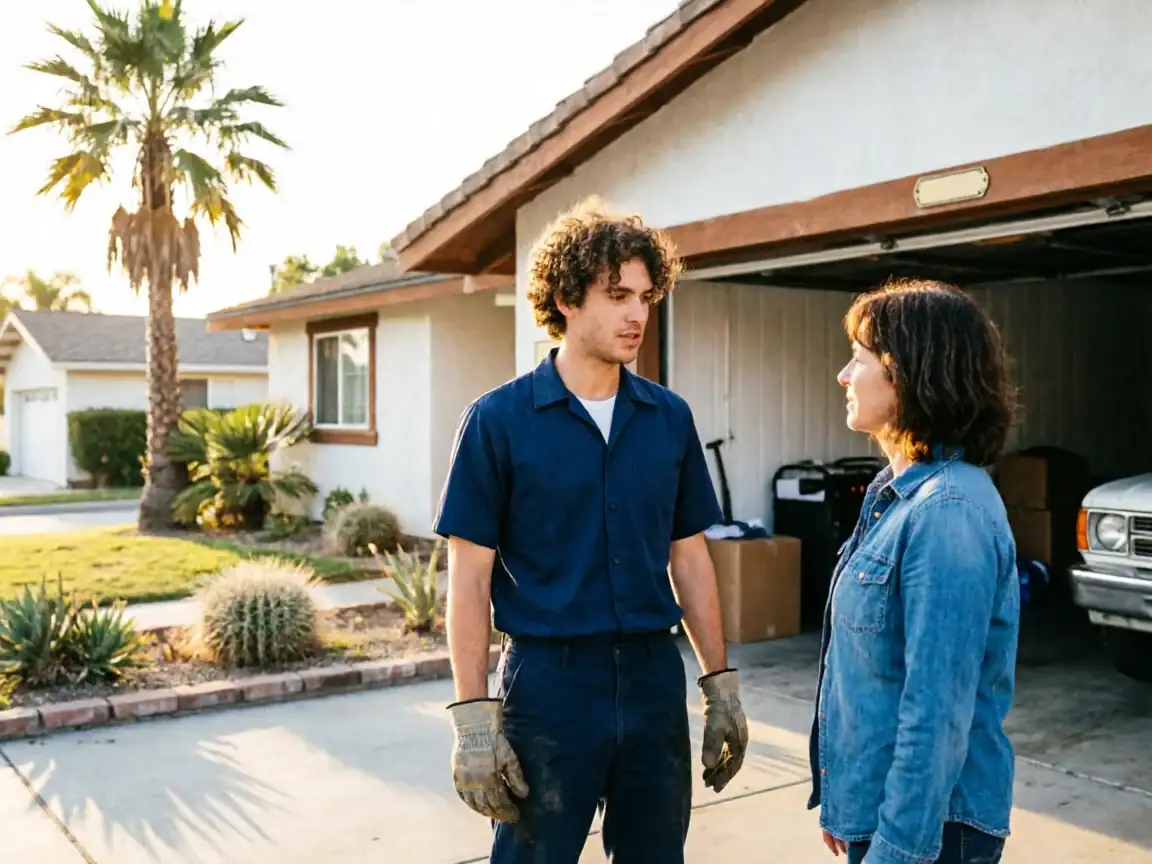
Tell us what’s wrong
Describe the symptom - won’t open, loud bang, opener runs but the door won’t move.
02
On-site diagnosis
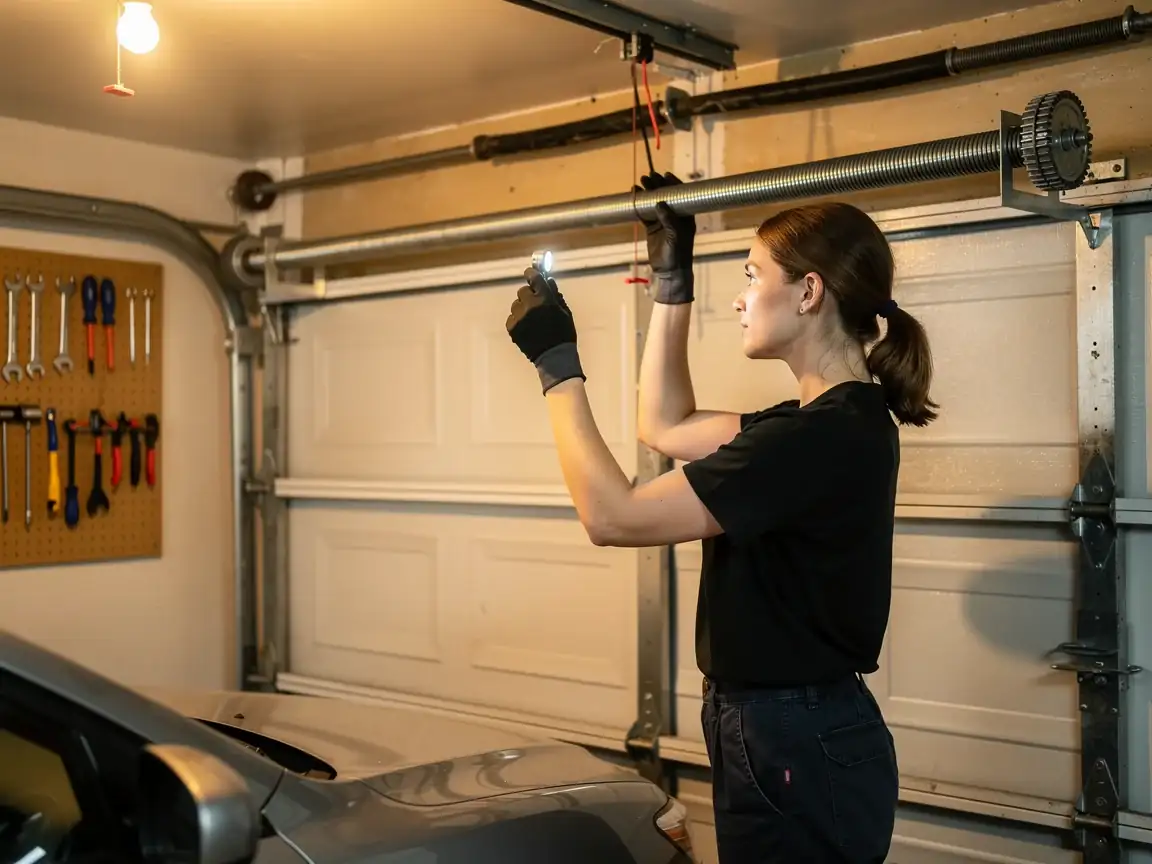
A technician tests the door under power and by hand and finds what actually failed.
03
Clear, up-front plan
You get the fix that’s needed and what drives the cost - before any work starts.
04
Repaired & tested
The repair is done, the door is set true and tested, and the work area left clean.
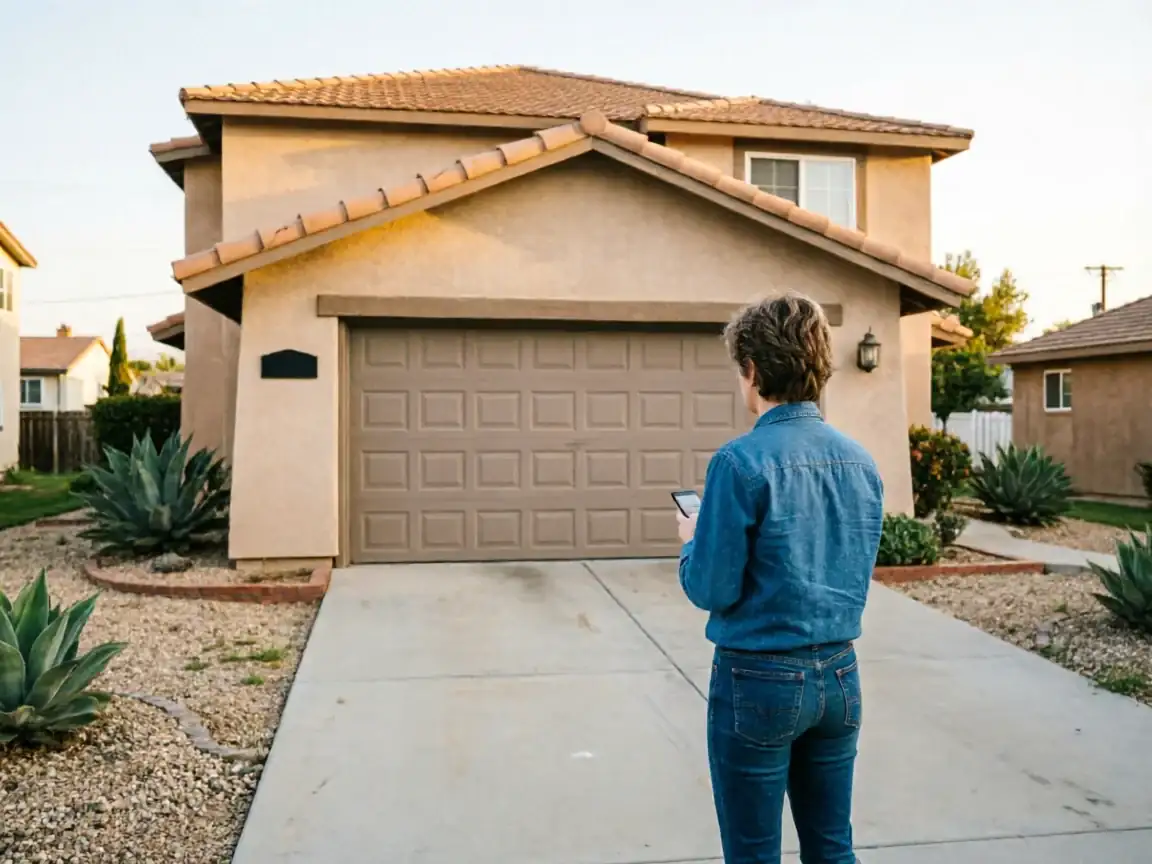
Not sure which repair your door needs in Oakland, CA? Describe what it’s doing - every job starts with a diagnosis.
Straight answers about garage door repair in Oakland. Still unsure? Ask us directly.
How old does a garage door spring usually get before it breaks in Oakland?
There's no fixed number - it comes down to cycles, not years. But a lot of Oakland houses were built between 1938 and 2008, median around 1965, so plenty of springs out there are original or close to it and well past typical fatigue life. If your door feels heavier than it used to, that's the spring telling you before it breaks.
Why did my spring just snap with no warning?
Springs rarely snap with zero warning - the warning is usually a door that's gotten harder to lift by hand over weeks or months. Oakland's mild climate means it's not a cold-weather shock event; it's fatigue from thousands of open-close cycles finally catching up, often on hardware that's decades old.
Do you work on older torsion setups, not just newer doors?
Yes - a large share of the calls in this service area are exactly that, given how much of Oakland's housing dates to the 1960s and 70s. Some older torsion drums and shafts aren't a size carried on the truck and need to be sourced, which we'll tell you about before starting the job.
Is it ever not worth repairing the door?
Sometimes, yes. If the track, cables, rollers, and spring are all original and all aging out around the same time, replacing the whole door can cost less over the next few years than repairing it piece by piece. We'll say so plainly if that's the case rather than stack repairs on an old door.