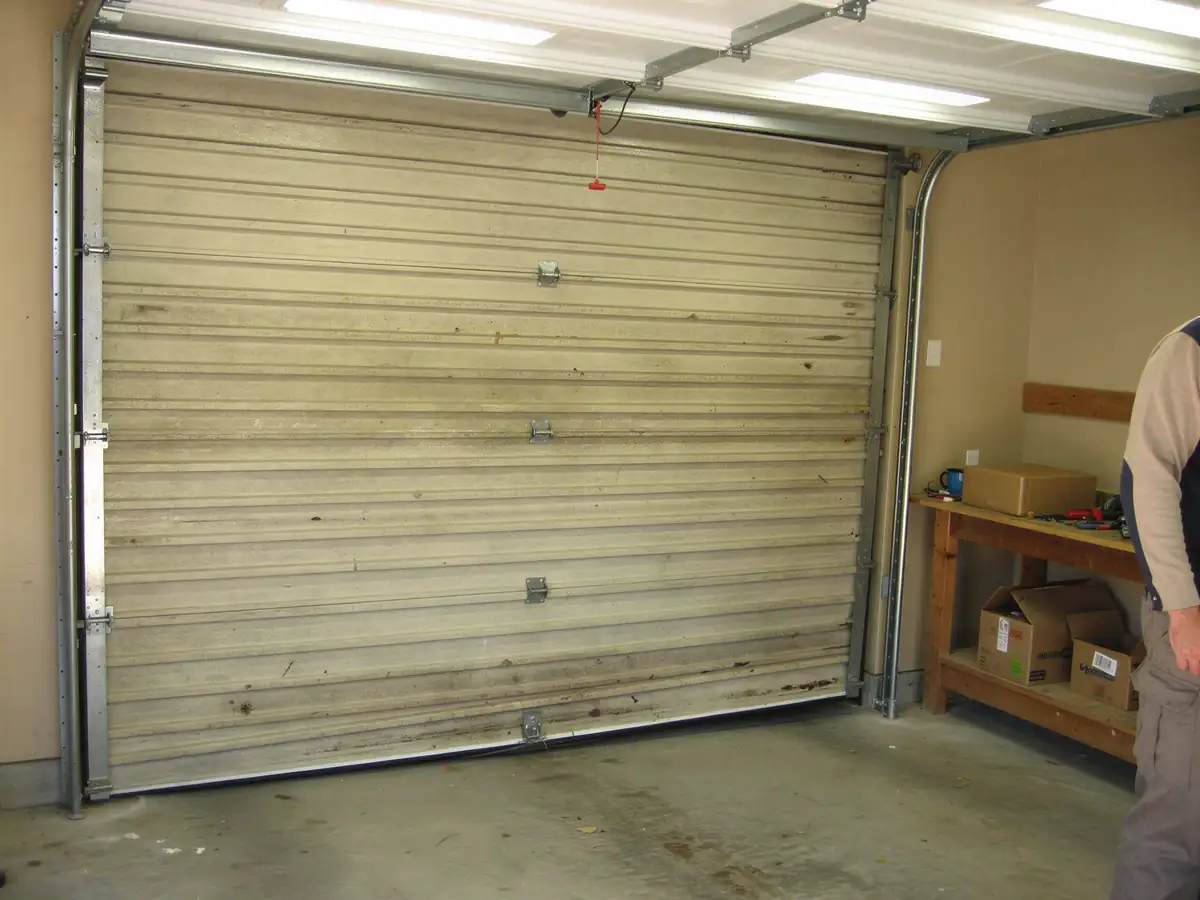
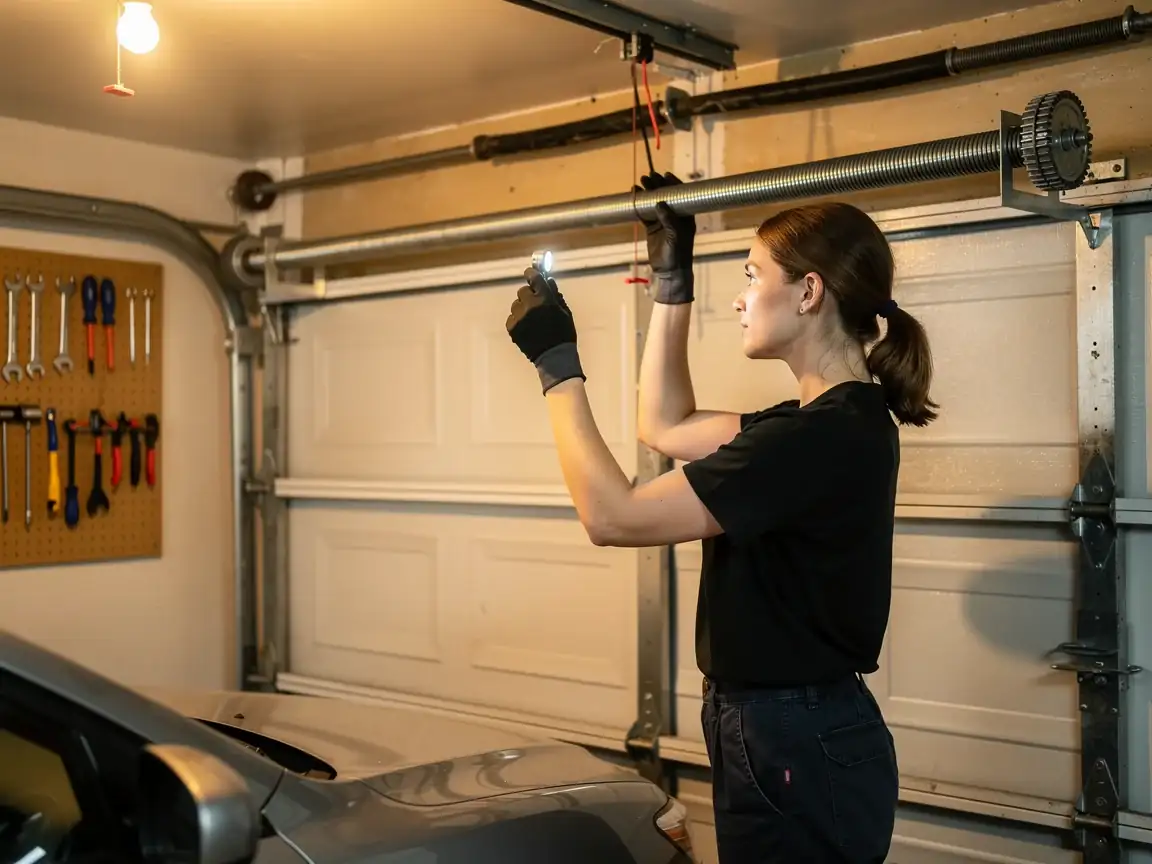
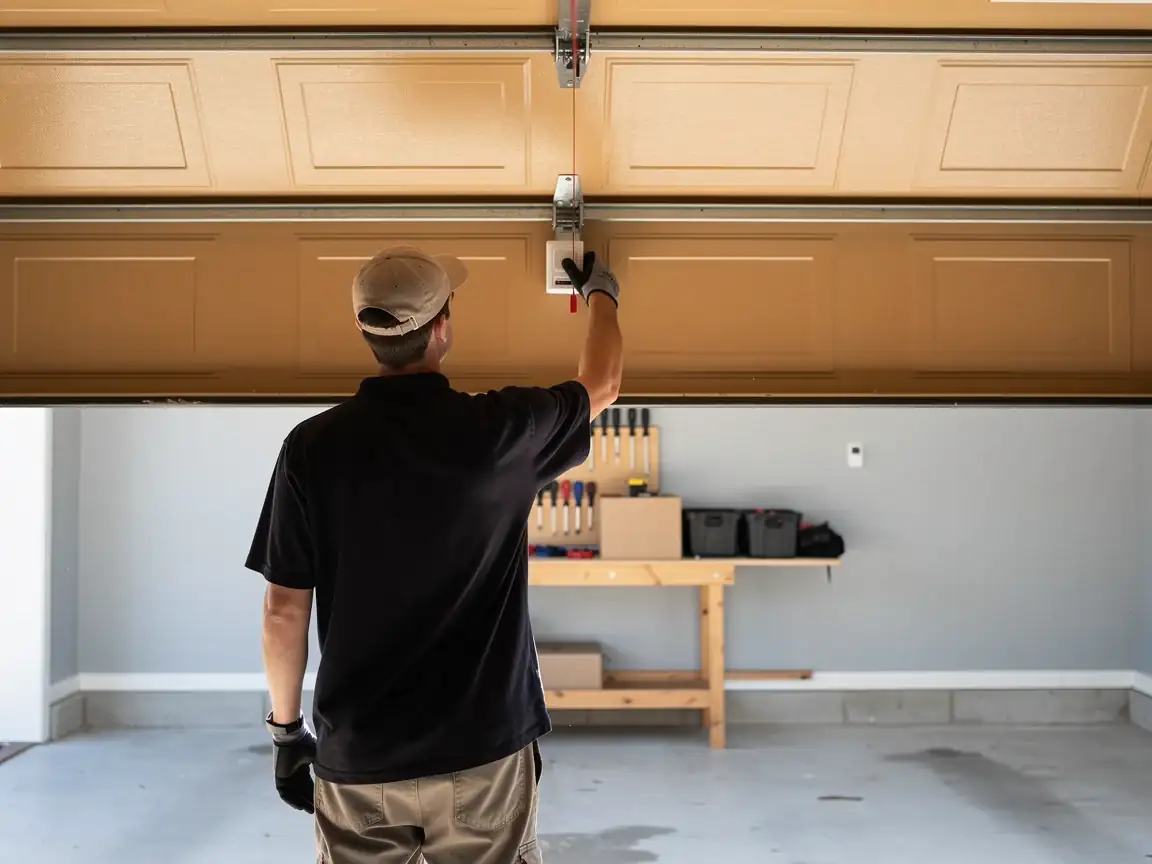
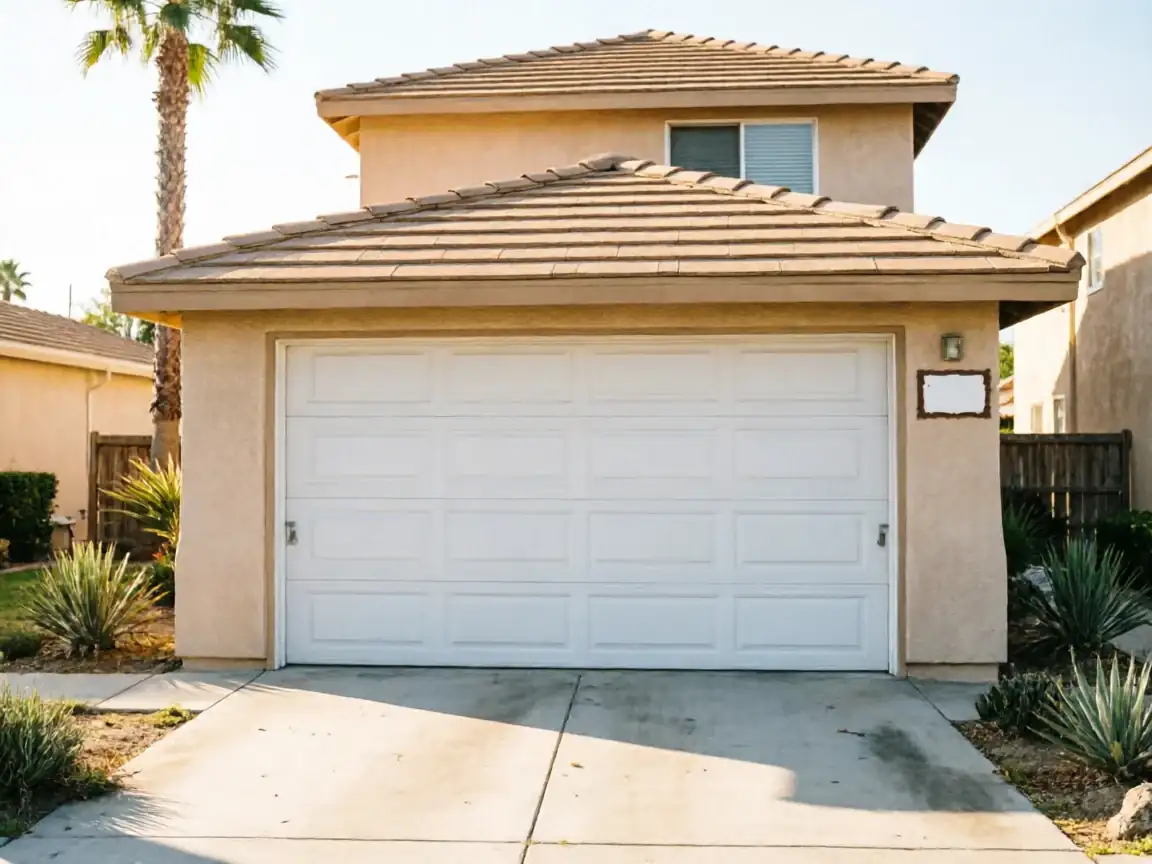
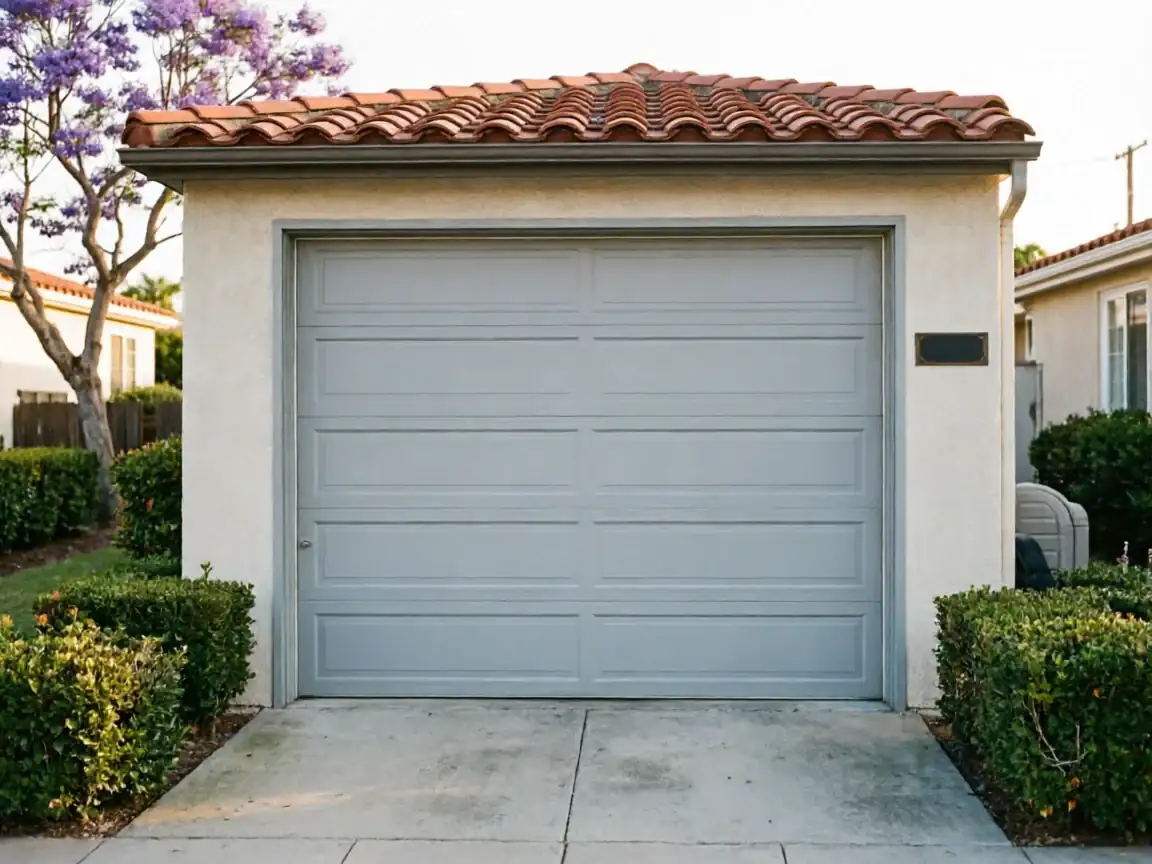
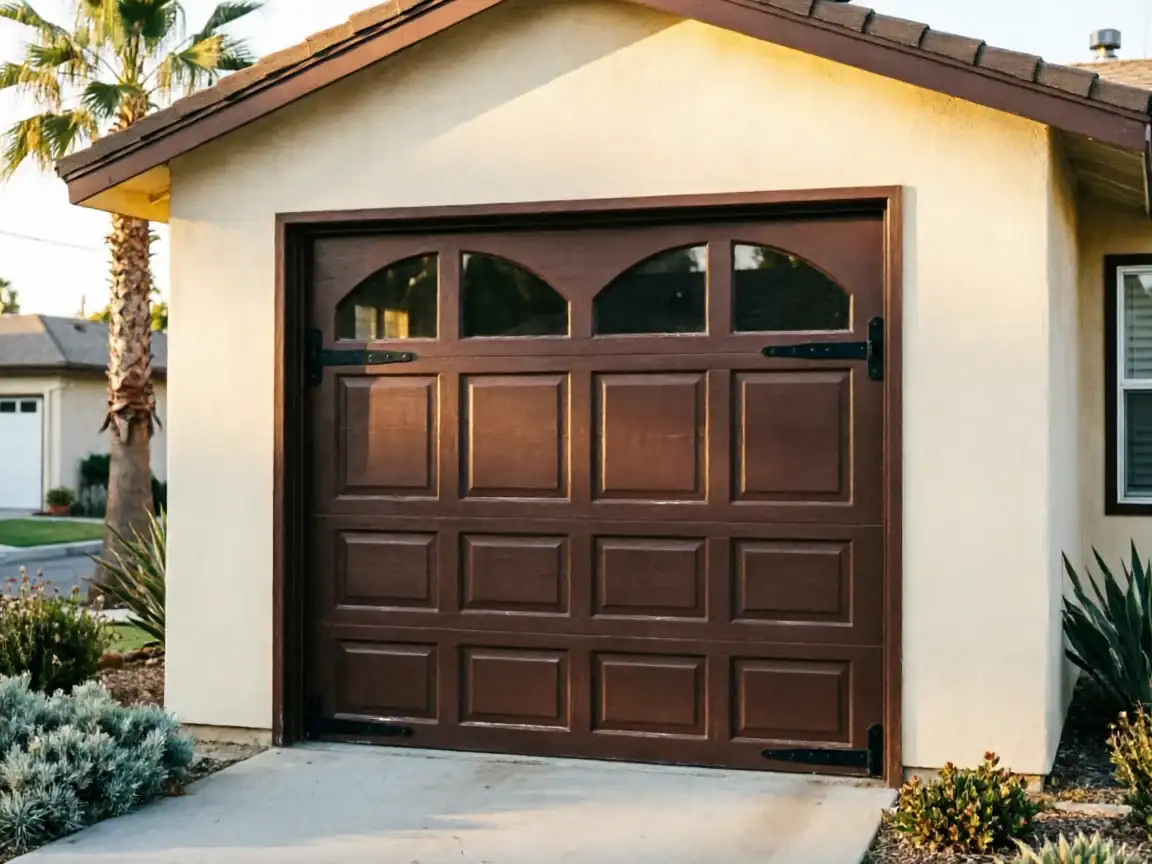
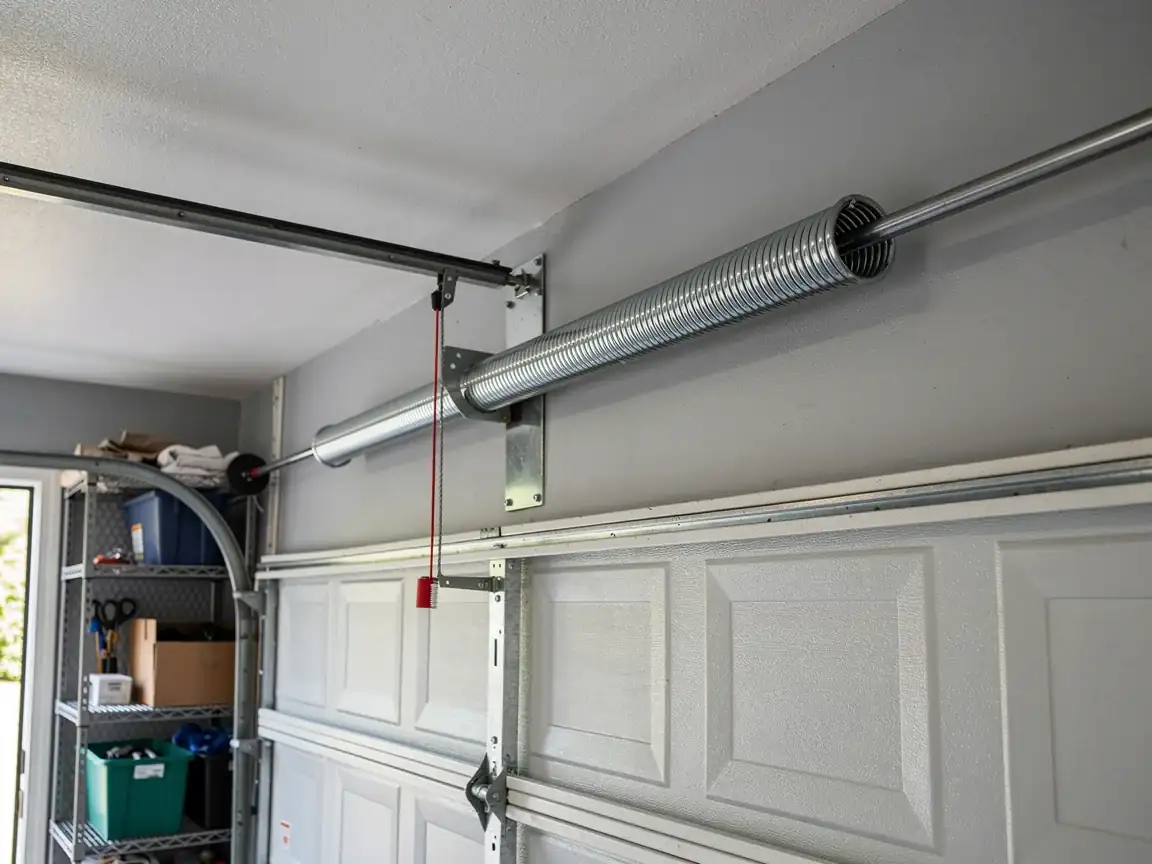
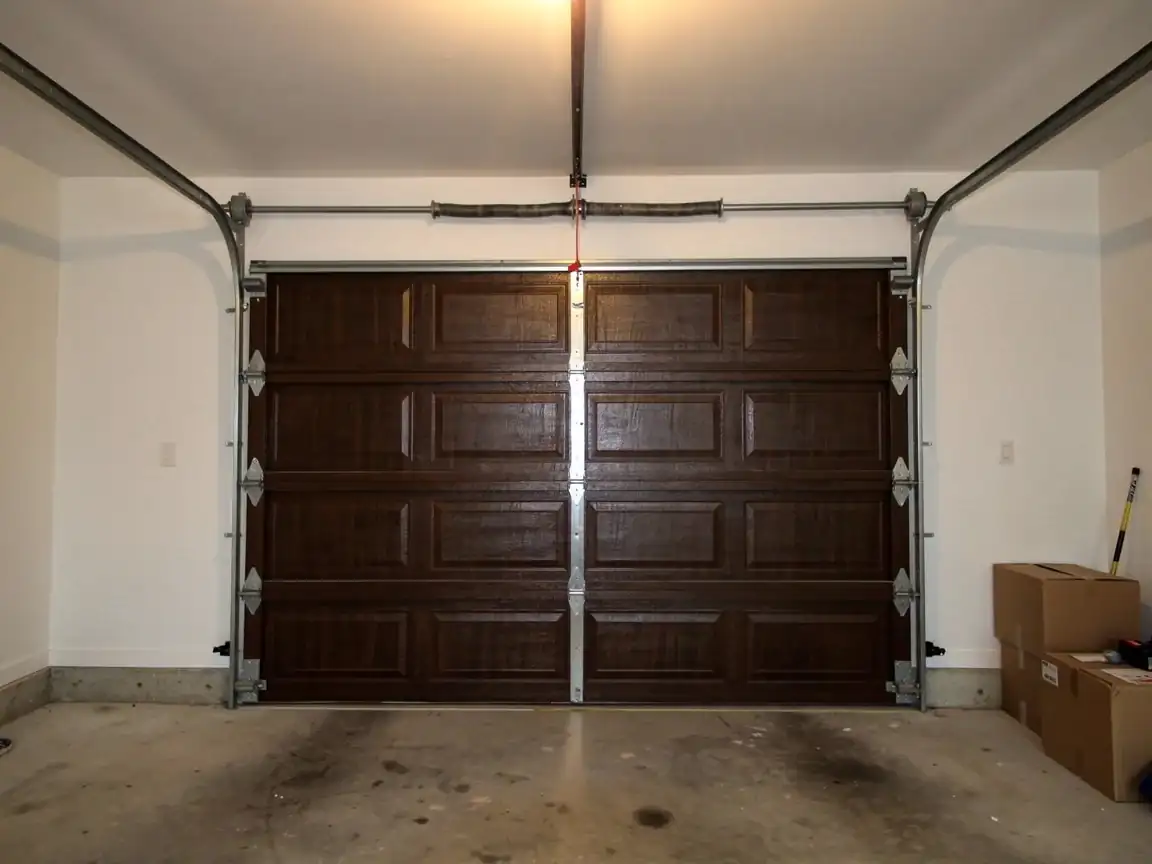
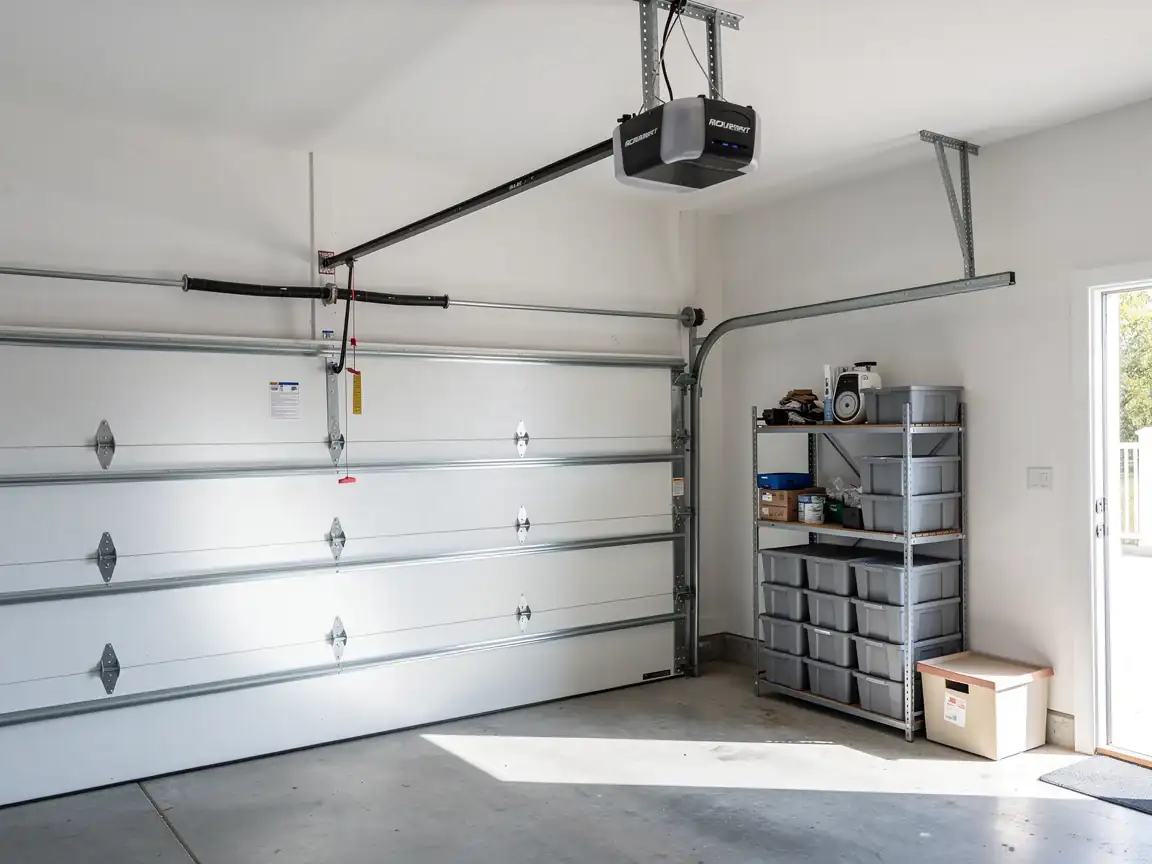
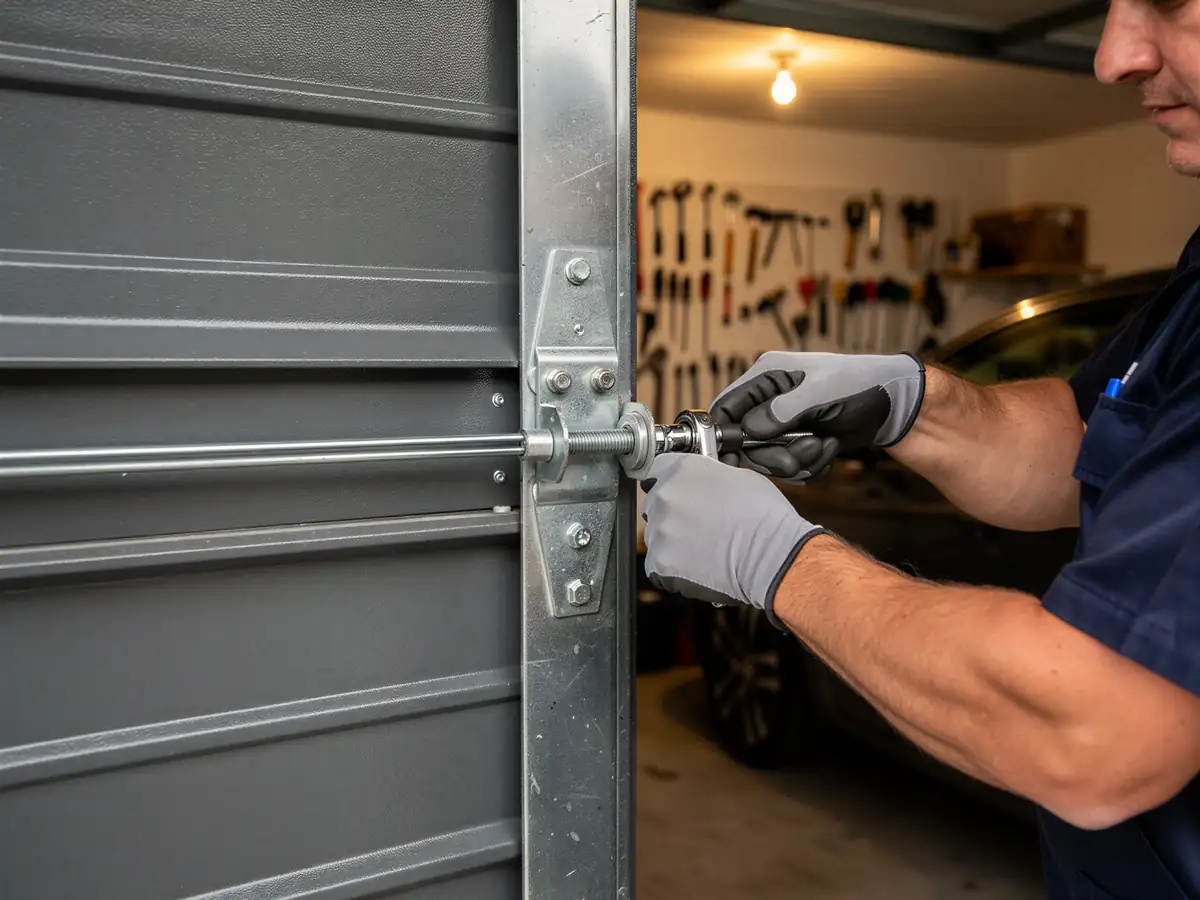
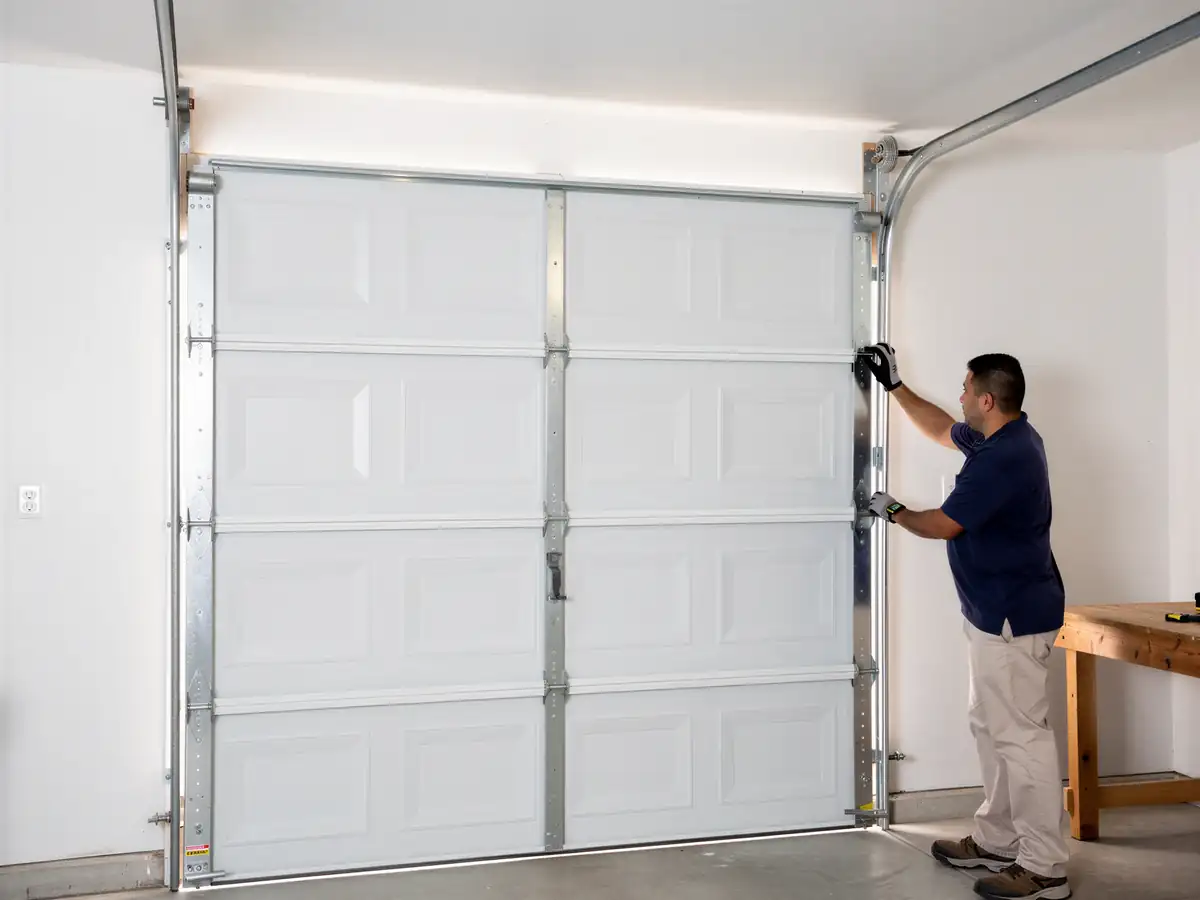
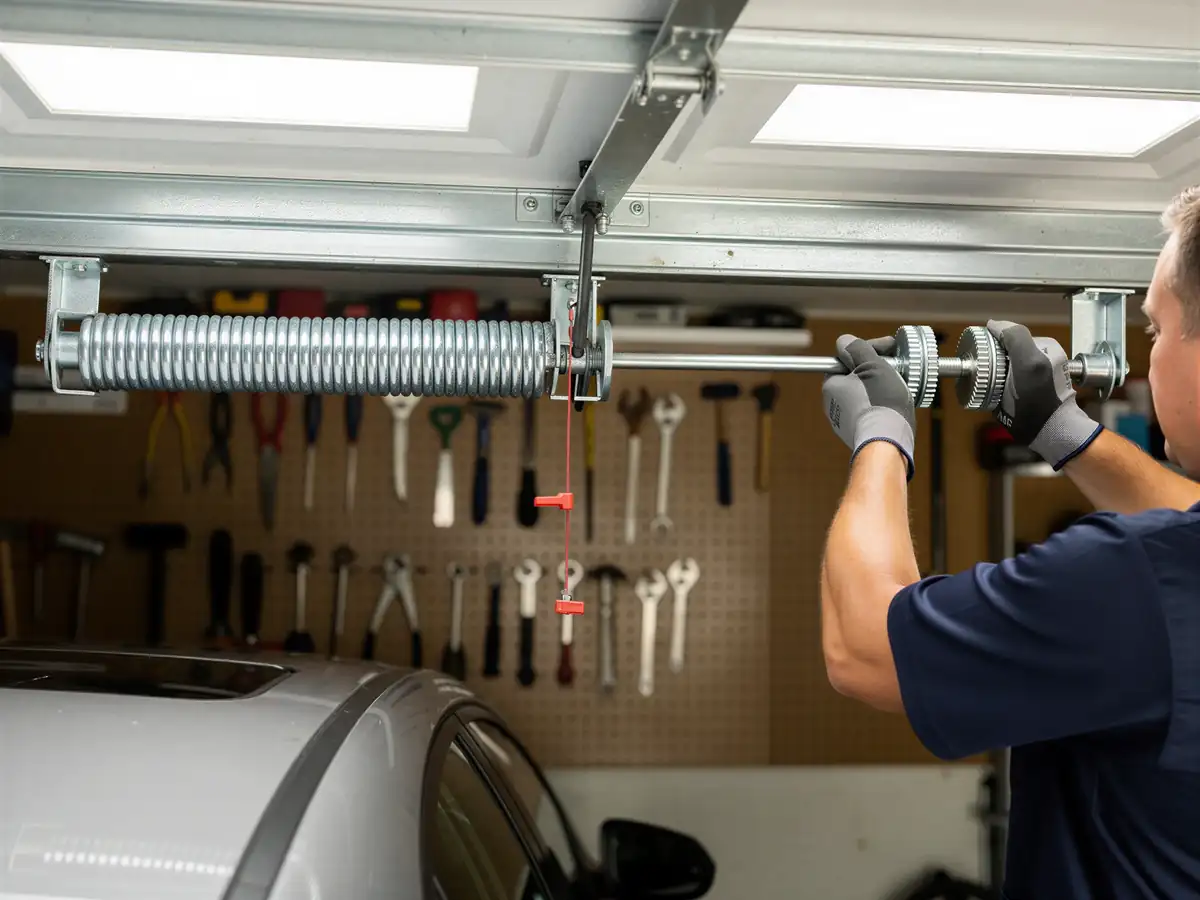
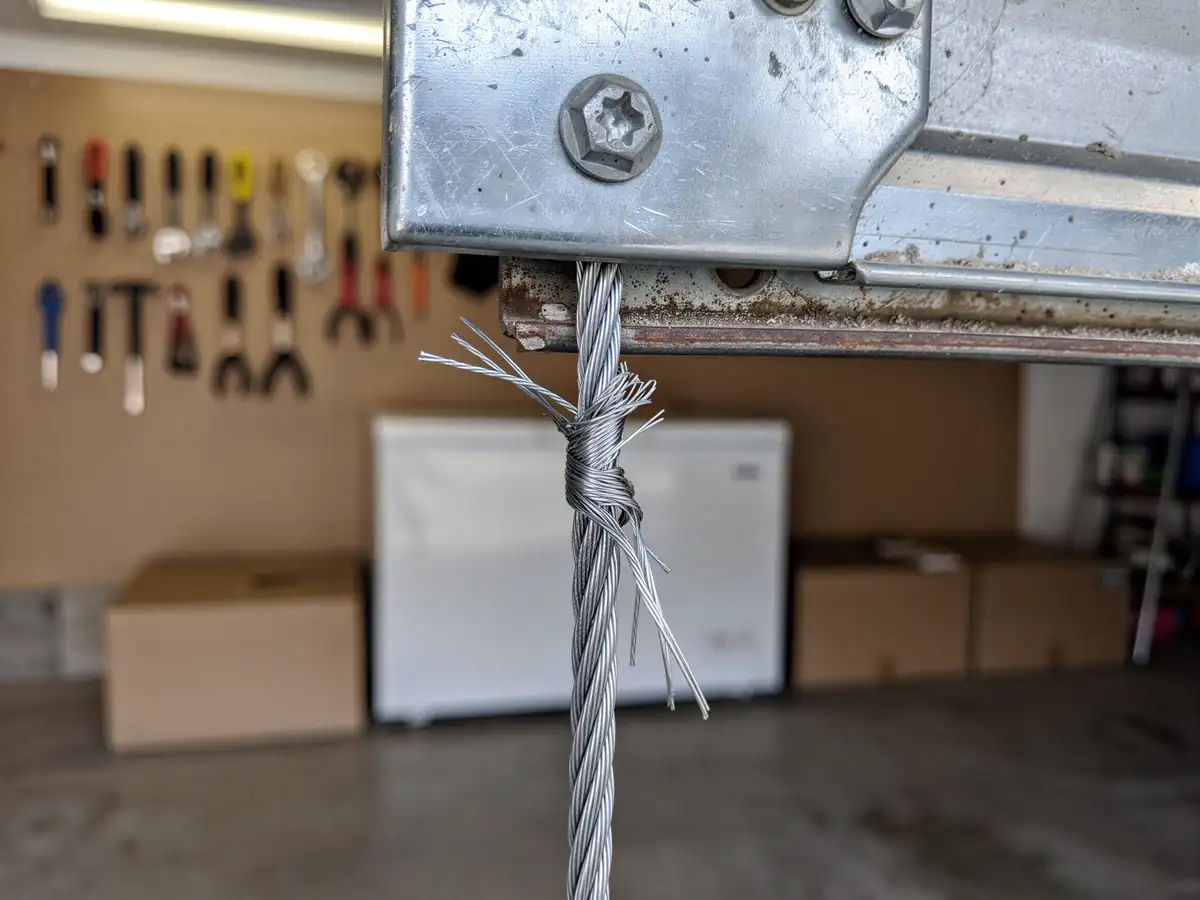
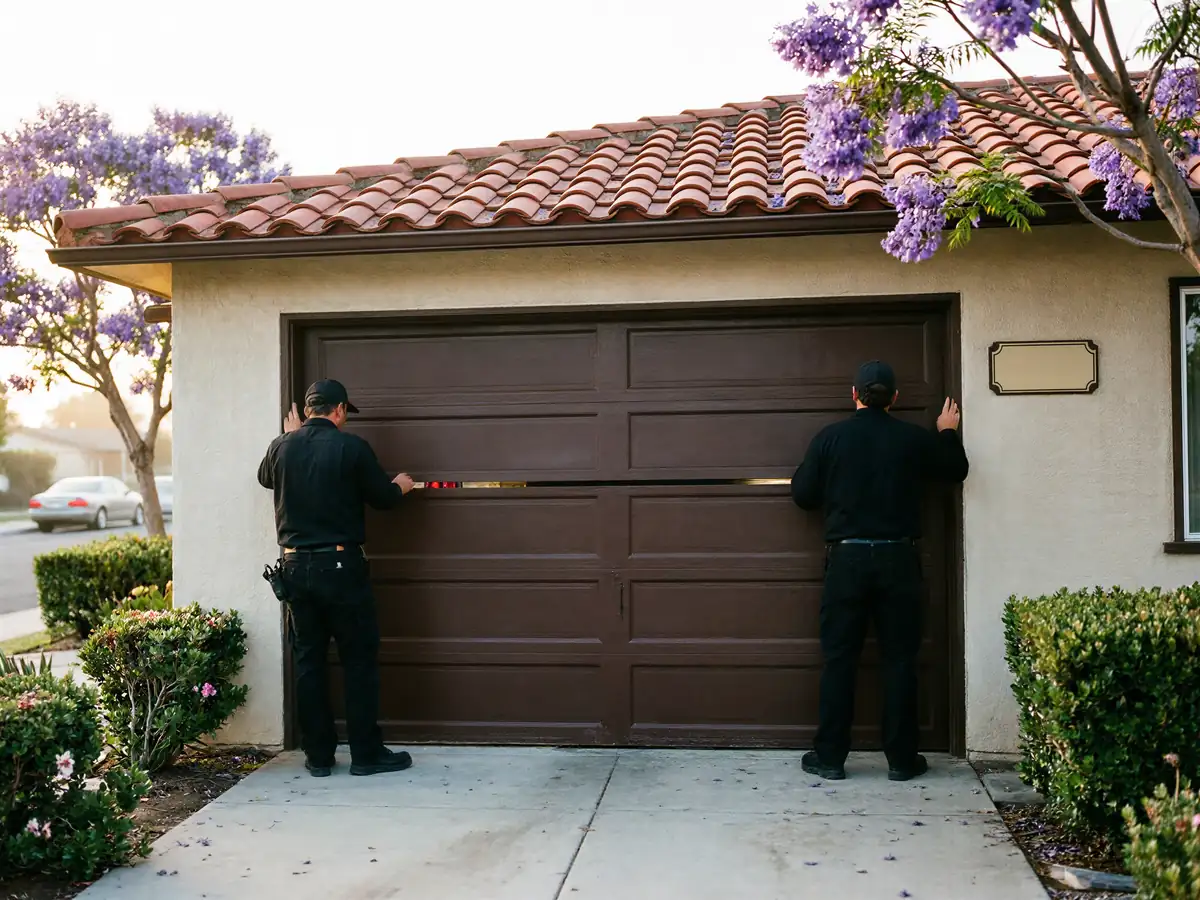
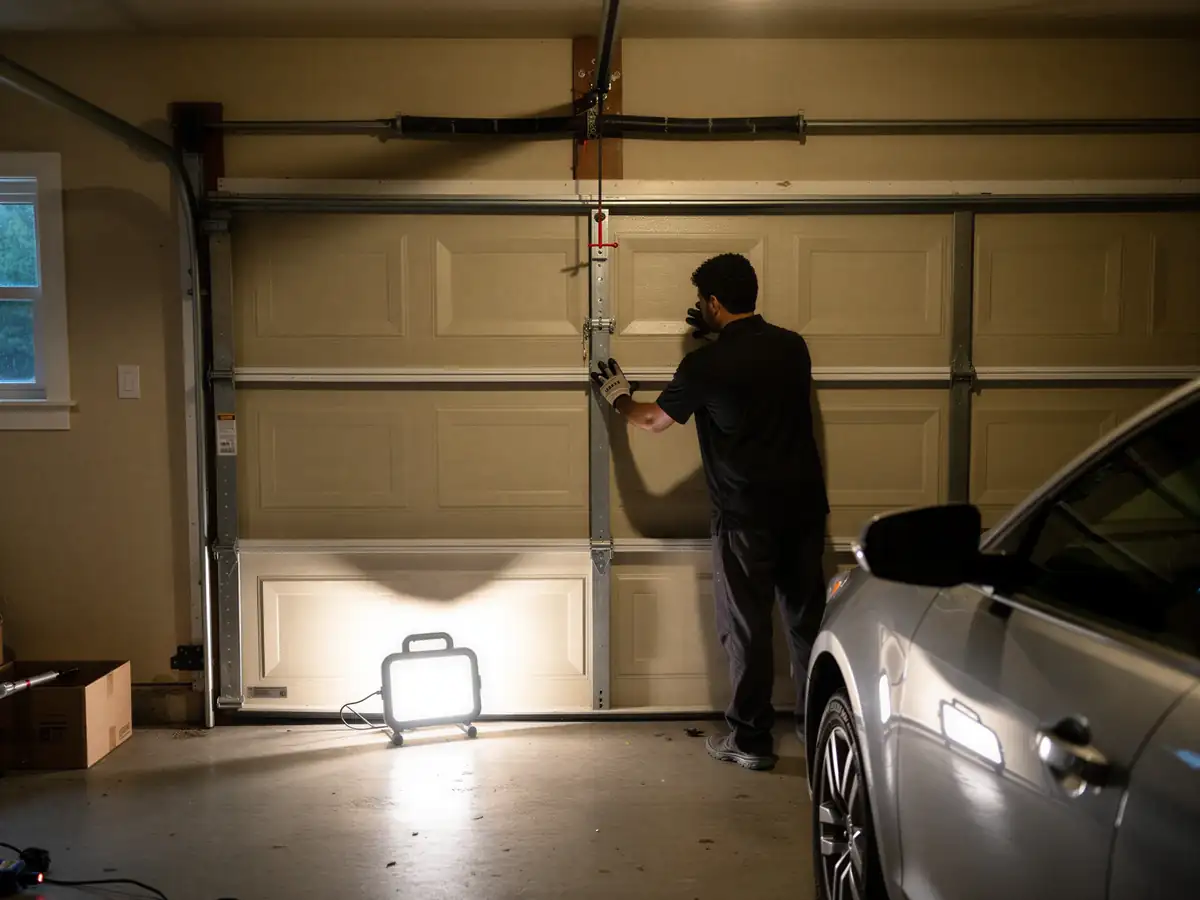
If the door is only partly off the track and the opener is disconnected, you can sometimes walk the panel back into the track by hand, but only if there's no visible cable slack or bent track section. Pull the release cord first, every time, so the opener doesn't fight you. If a spring is broken, if a cable has jumped the drum, or if the track itself is bent or pulled away from the jamb, stop. Those jobs put the door's full weight on whoever is holding it, and a torsion spring under tension has enough force to break fingers or worse. We'd rather you call before you pull a muscle than after.
A quick way to tell the difference: stand to the side, not in front, and look at the rollers. If they've simply popped out of the track channel but the track is straight, that's often a bent bracket or a roller that's worn thin - common on the older torsion setups still running on houses from Oakland's 1960s and 70s building wave. If the track is visibly bowed or the door hangs crooked, that's a structural problem, not an alignment one, and DIY makes it worse, not better.
Why It Happens Here
01
Housing in the service area was mostly built between 1938 and 2008
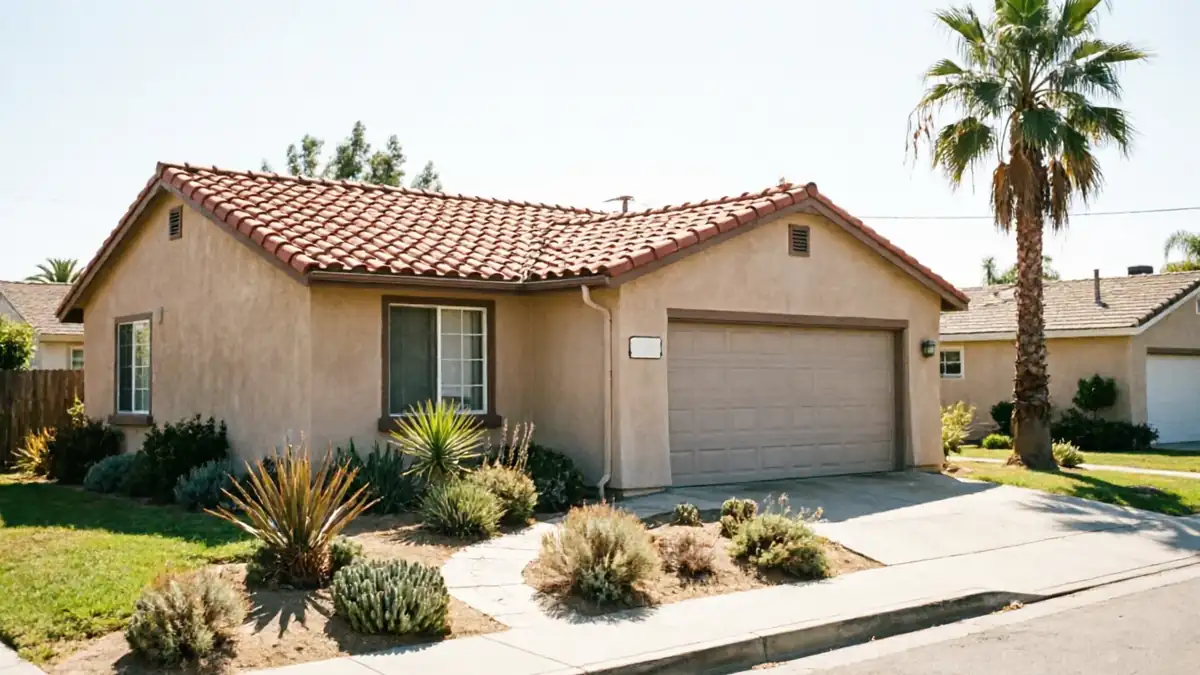
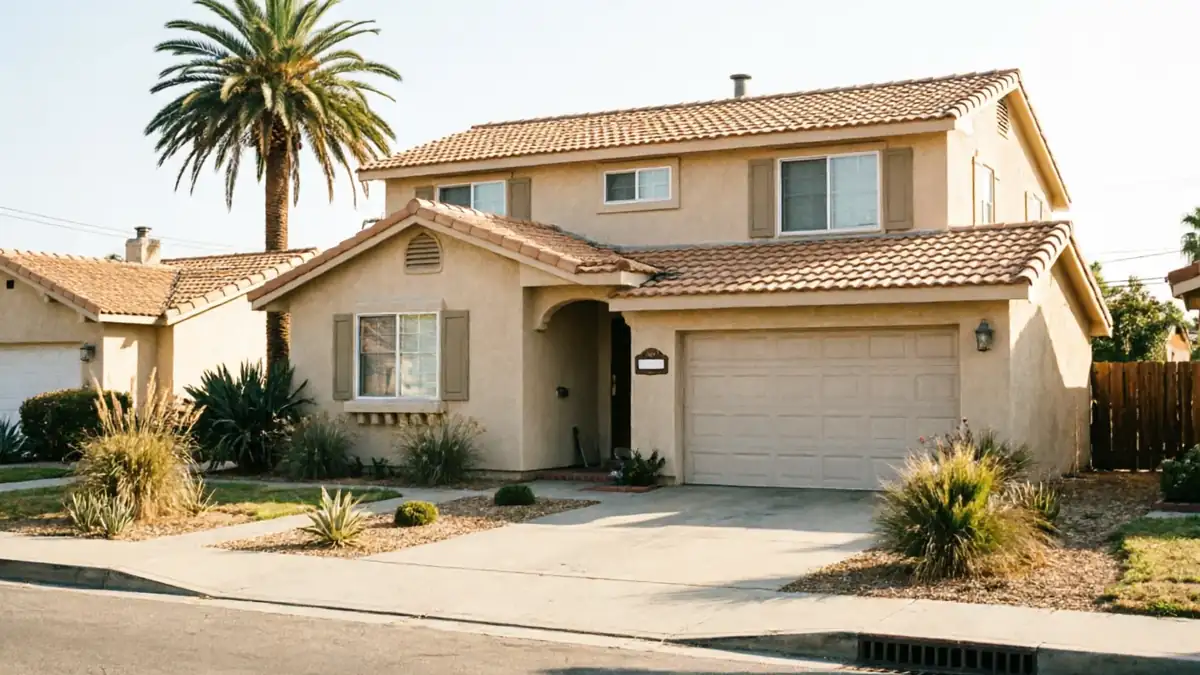
With the median landing around 1965, and most of the 59 named neighborhoods and nearby towns we cover share that same mid-century build pattern. Garages from that era were framed for lighter wood doors on simple track hardware, and decades of panel replacements, opener upgrades, and heavier insulated doors have put more load on brackets and track that were never rated for it. Original jamb brackets loosen, track pulls a few degrees out of plumb, and the rollers start riding the edge instead of the channel.
02
The mild temperate climate here doesn't put the same freeze-thaw stress on hardware that colder regions see
So when a track goes crooked in this area it's almost always wear, a loose bracket, or an impact - someone backing a car into the door, a roller finally giving out after years of riding dry - rather than weather-driven metal fatigue. That's actually good news: it means most off-track calls here are fixable hardware problems, not warped-track replacements.
The Symptom
The door looks tilted in the opening, one side riding higher than the other, or it's stuck a few inches up with a visible gap between the roller and the track channel. Sometimes you'll hear a bang or scrape right as it happens - that's usually the moment a roller jumps the rail or a bracket lets go. Other times it's gradual: the door's been running rough for weeks, catching slightly on the way down, until one day it finally pops loose.
If the opener keeps trying to close a door that's off track, it will usually reverse on its own safety sensor, or it'll grind and stop partway. Don't keep hitting the button hoping it'll sort itself out - that's how a minor bracket issue turns into a bent track or a torn panel seam.
What You Pay
We don't have a flat number to quote here since the fix depends on what's actually wrong - a bent bracket and a popped roller is a short call, while a bowed track section usually means replacing that whole run of track rather than trying to hammer it straight. What we can tell you is that straightening track instead of replacing it is rarely worth it once it's visibly bent; it'll just walk out of alignment again in a few months. Ask for the specific parts being replaced, not just a labor number, so you know what you're paying for.
How it works
From “it’s stuck” to “it’s fixed”
01
Tell us what’s wrong
Describe the symptom - won’t open, loud bang, opener runs but the door won’t move.
02
On-site diagnosis
A technician tests the door under power and by hand and finds what actually failed.
03
Clear, up-front plan
You get the fix that’s needed and what drives the cost - before any work starts.
04
Repaired & tested
The repair is done, the door is set true and tested, and the work area left clean.
Not sure which repair your door needs in Oakland, CA? Describe what it’s doing - every job starts with a diagnosis.
Straight answers about garage door repair in Oakland. Still unsure? Ask us directly.
Why does my garage door keep coming off track in Oakland?
Most of the time it's worn rollers or a loosened bracket on hardware that's older than the door itself - common in houses from the area's 1960s-70s building stock. It's rarely weather-related here given the mild climate; it's wear, age, or an impact.
Is it safe to push the door back on the track myself?
Only if the opener is disconnected and the track itself is straight. If a spring is broken, a cable's off the drum, or the track is visibly bent, don't try it - the door's full weight is unsupported and that's how people get hurt.
Can a bent track be straightened instead of replaced?
Sometimes for a minor bow, but we generally don't recommend it. A track that's been bent once tends to drift out of alignment again within months. Replacing the bent section is usually the more durable fix.