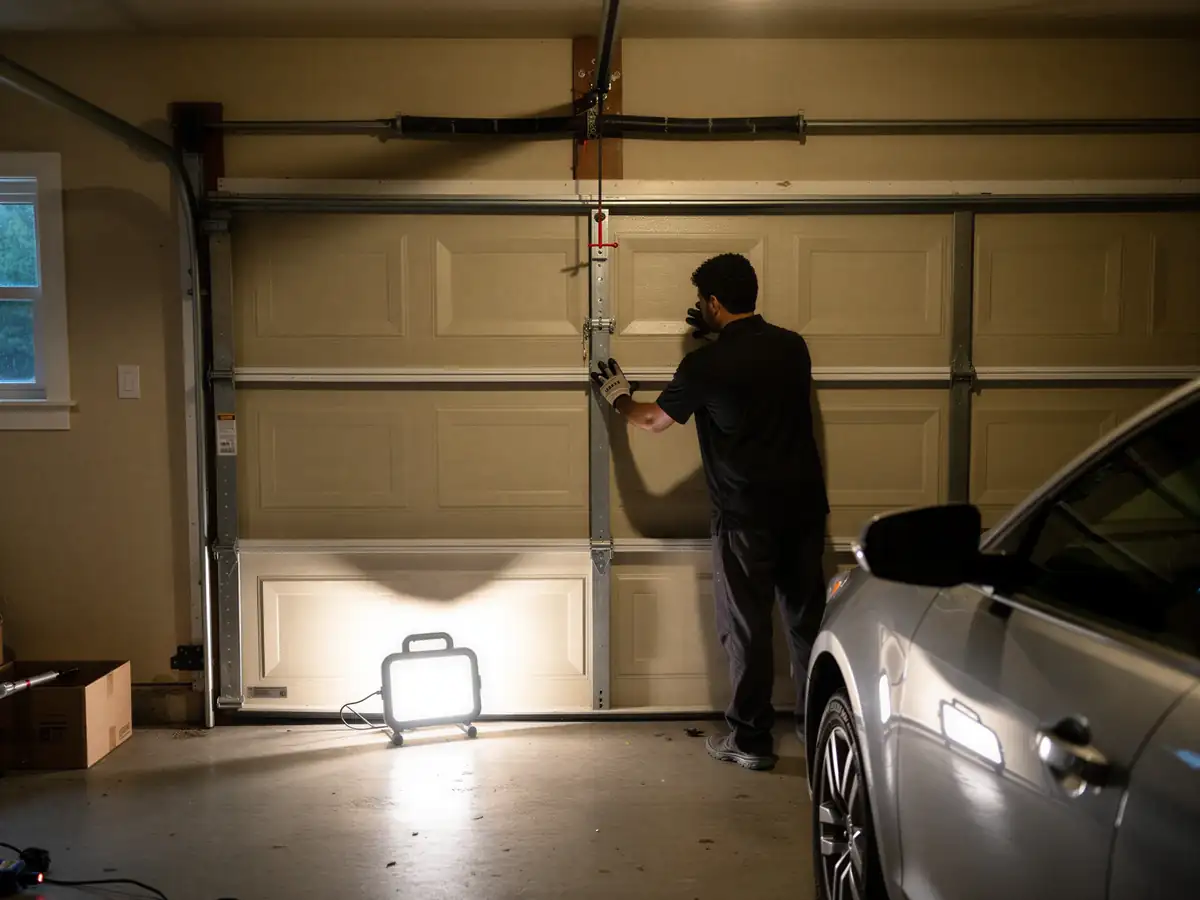
Why Oakland Garage Doors Let in Weather Seals and Draughts
Oakland's garage doors mostly date to the 1960s and 70s. Here's why the weather seals on those original doors fail and what it actually costs to fix the draughts.
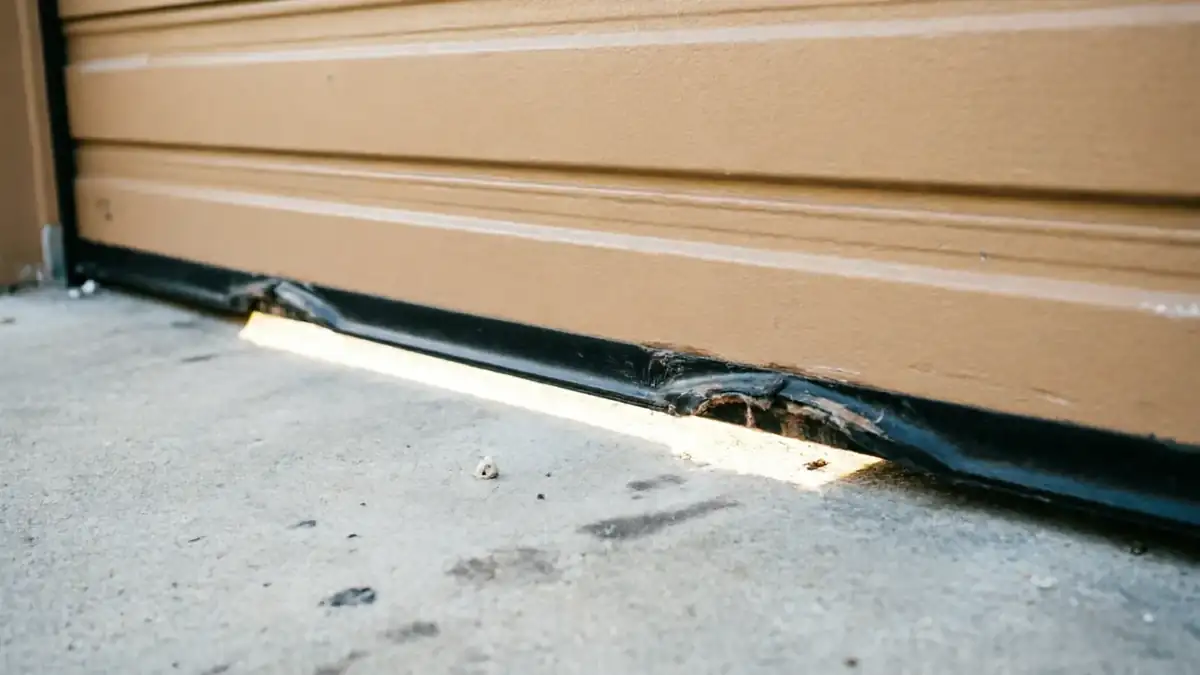
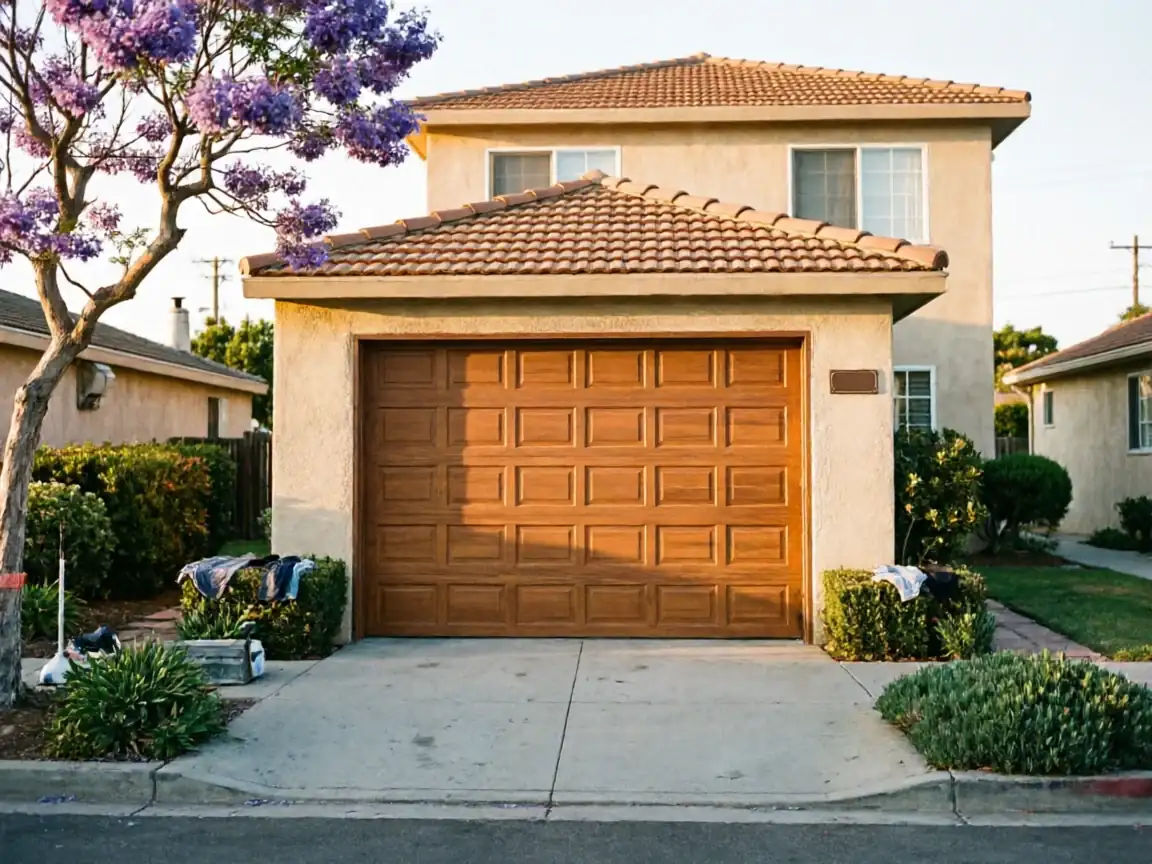
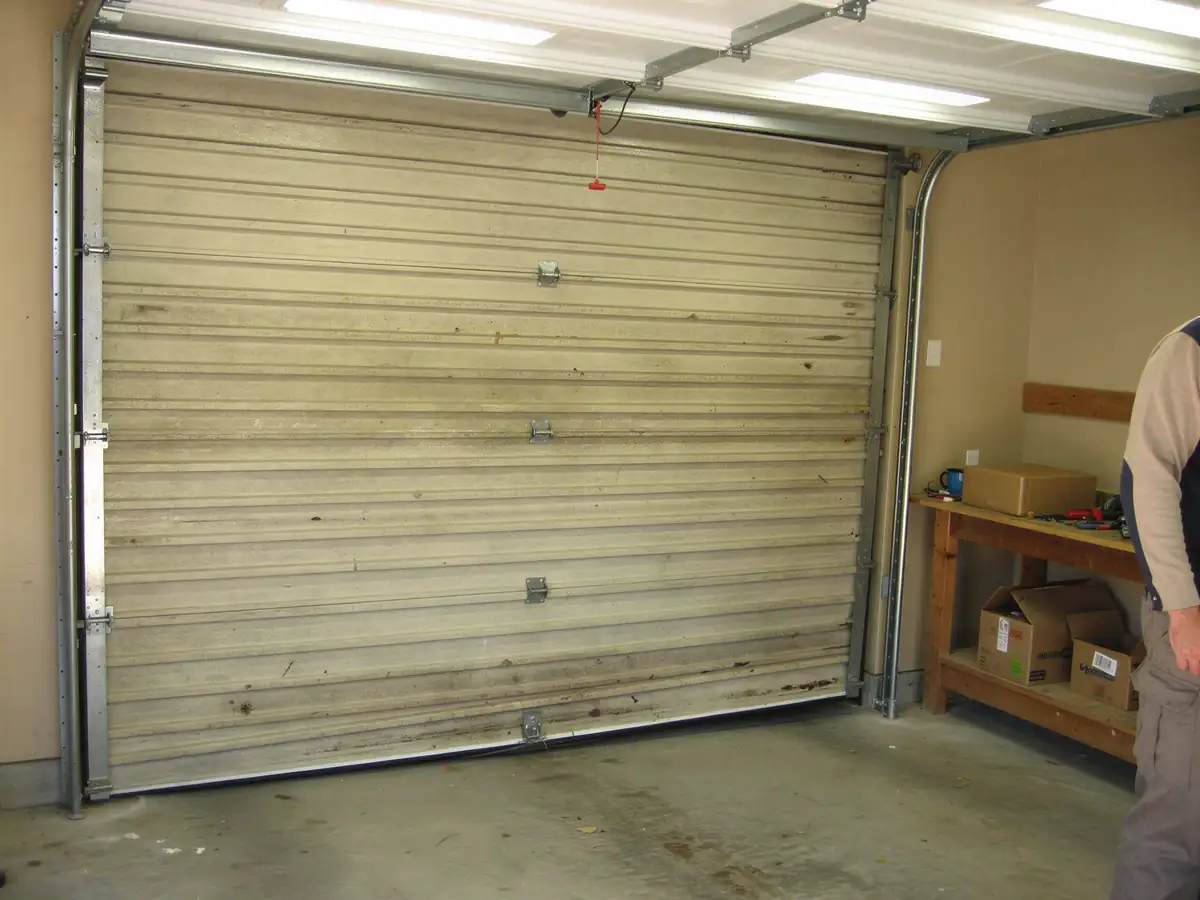
Walk through or up toward you'll find a lot of garage doors that haven't had their weatherstripping touched since the house was built. Housing stock across the service area runs from 1938 to 2008, with a median build year around 1965, and most of the 59 named areas we work in are solidly 1960s-70s construction. That means the bottom seal is often the original rubber gasket, brittle and split at the corners, and the side seals are whatever thin vinyl strip got nailed on decades ago. The symptom is simple: wind comes under the door, and you can feel a line of cold air along the slab on a winter morning. It isn't a sign the door is broken. It's a sign the seal has outlived its rubber. The honest limitation here: if the bottom panel itself has rusted or bowed where the seal sits, a new seal won't seat right and you're better off replacing that panel instead of chasing a draught with more weatherstripping. We'll tell you straight if that's what's going on before we sell you a seal kit that won't hold.
What You Pay
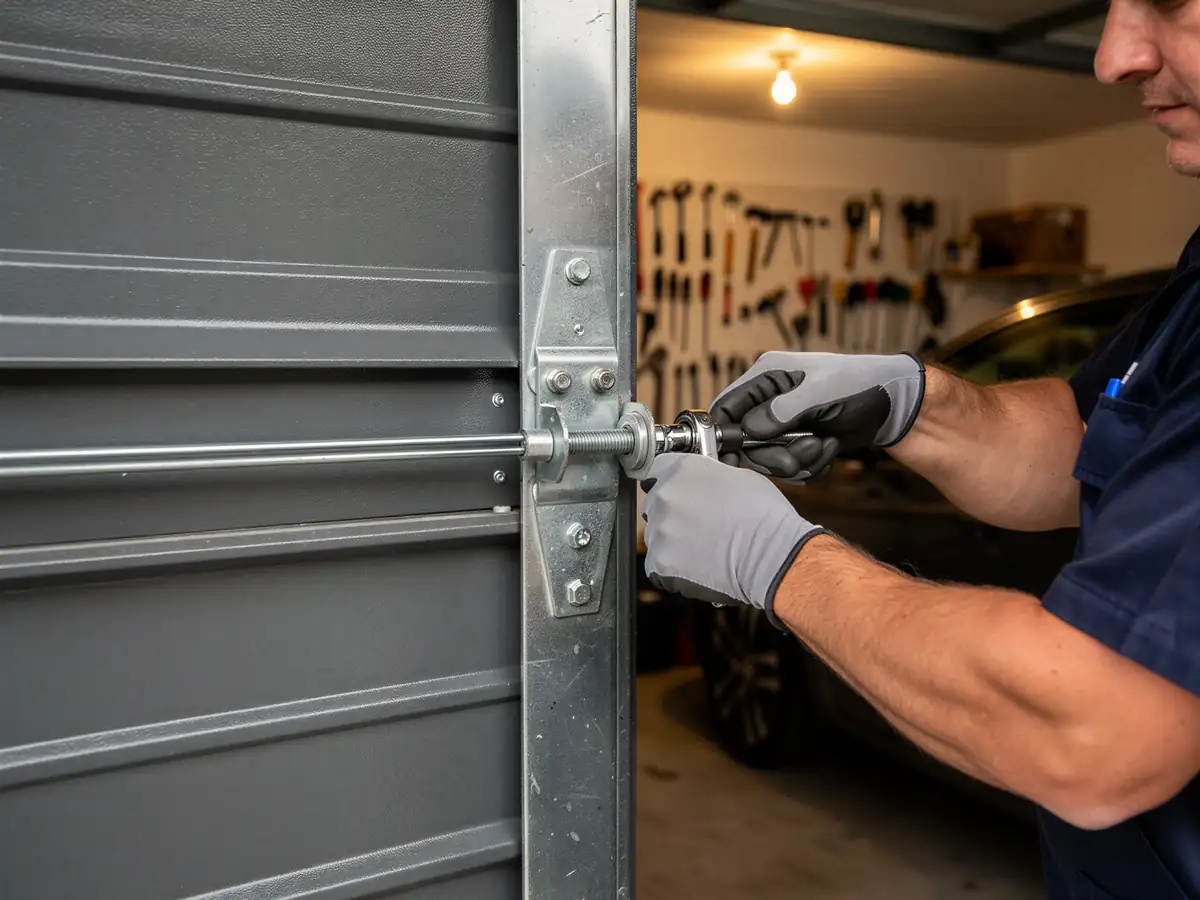
We don't quote a number without seeing the door, so nothing here is a price promise. What we can tell you is what drives the job. A bottom seal swap on a standard door is a small parts cost and an hour of labor. Side and top seals, called the flush-mount or J-seal depending on your track style, run longer if the house is from the older end of that 1938-1965 range, since those openings were often framed a touch out of square and need more trimming to fit tight. Across the 211,657 owner-occupied houses in the service area, median household income sits at $148,801, which is part of why we see more full-perimeter seal replacements than patch jobs out here. Most owners would rather do it once and be done than keep buying a $12 strip every two winters. If your opener and springs are sound, sealing the draught is a cheap fix relative to anything involving the door's moving parts. If the panel's rusted through, that's a different conversation.
What Changes With the Season
Oakland sits in a mild temperate climate band, which means your seals aren't fighting the freeze-thaw cycle that cracks rubber apart in colder parts of the country. That's the good news. The bad news is that mild and stable doesn't mean static. Seals here degrade slowly from UV exposure and daily temperature swing rather than from ice, so the failure mode is gradual hardening and shrinkage rather than sudden cracking. You won't notice it in August. You notice it the first cool, damp morning of the season when the gap under the door is suddenly a quarter inch wider than it was, because the rubber has pulled back from the slab over months of slow contraction. Nothing dramatic happens overnight here. It's cumulative, and it tends to get noticed at exactly the point in the year when a draught actually matters for the first time since spring.
What the Weather Here Does to It
A mild temperate climate is easy on a lot of building materials, but garage door seals still take a beating from two things it doesn't spare you: sun and moisture cycling. Rubber and vinyl seals exposed to direct sun on a west-facing door harden faster than ones in shade, regardless of how mild the air temperature stays. And because this climate band doesn't dry things out hard the way a desert would, moisture sits in the seal's pores longer between cycles, which speeds up the breakdown compared to drier regions even without the daily swings those places get. The upshot for a 1960s-era door in this area: the seal often looks fine from the driveway and is still letting air and water through at the bottom corners, because that's where UV and standing moisture concentrate first. We check those corners first on any service call here, since that's where the data from doors we've actually opened up tends to show wear before the rest of the strip does.
How it works
From “it’s stuck” to “it’s fixed”
01
Tell us what’s wrong
Describe the symptom - won’t open, loud bang, opener runs but the door won’t move.
02
On-site diagnosis
A technician tests the door under power and by hand and finds what actually failed.
03
Clear, up-front plan
You get the fix that’s needed and what drives the cost - before any work starts.
04
Repaired & tested
The repair is done, the door is set true and tested, and the work area left clean.
Not sure which repair your door needs in Oakland, CA? Describe what it’s doing - every job starts with a diagnosis.
Straight answers about garage door repair in Oakland. Still unsure? Ask us directly.
Is a draught under my garage door actually a seal problem or something bigger?
Usually it's the seal. If the bottom rubber is cracked, flattened, or pulled away from the slab, that's a straightforward swap. If the panel underneath it is bent, rusted, or the slab itself has settled unevenly, a new seal won't fix the gap and you're looking at panel work instead.
Why does my seal look fine but I still feel cold air?
UV and moisture break down rubber from the inside before it looks cracked from a few feet away. On older Oakland doors, the corners usually go first because that's where water sits longest after the mild, damp stretches of the year. Run a hand along the full length, not just a glance.
Do I need different seals because of the climate here?
Not a different product, but the climate band here means freeze cracking isn't your main enemy, UV and slow moisture cycling are. A standard bottom astragal and side seal hold up fine; what matters more is catching the wear before the gap gets wide enough to let water pool on the slab.