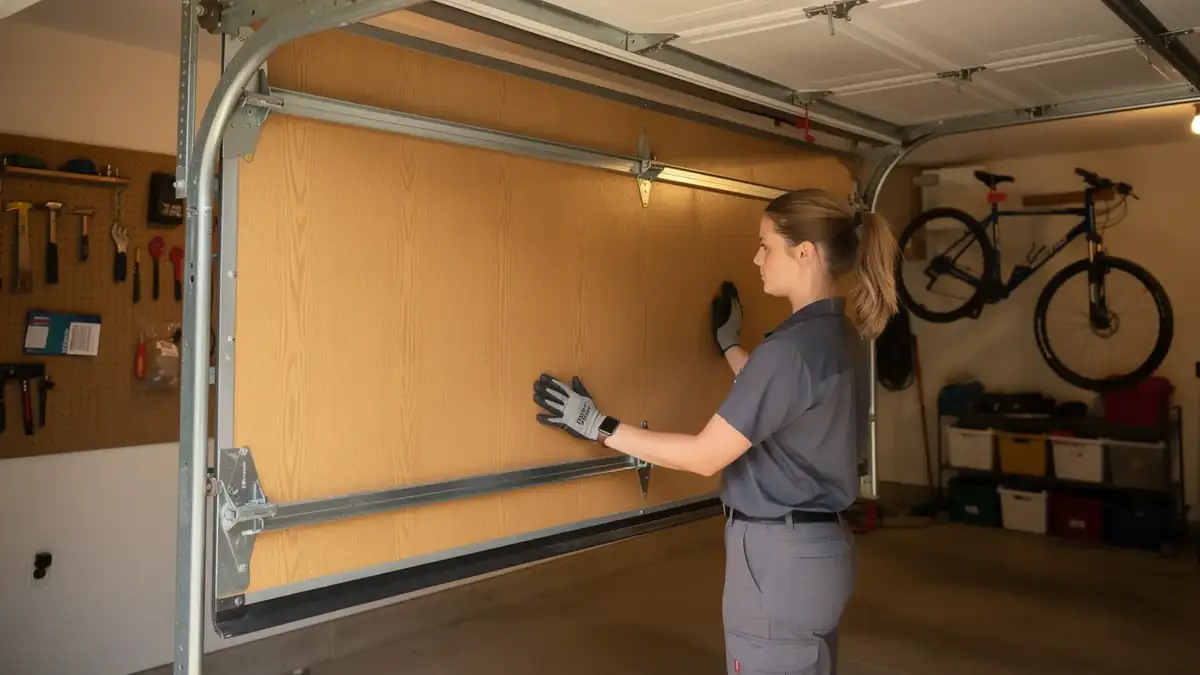
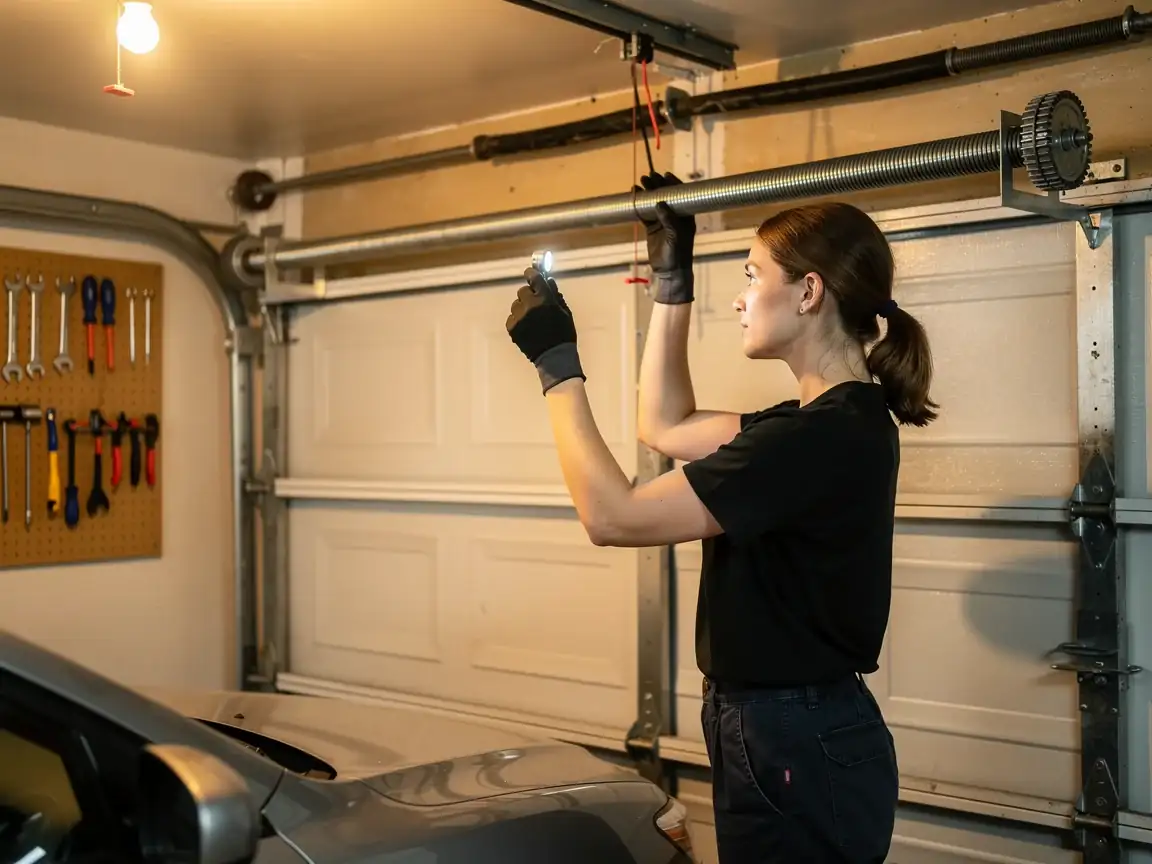
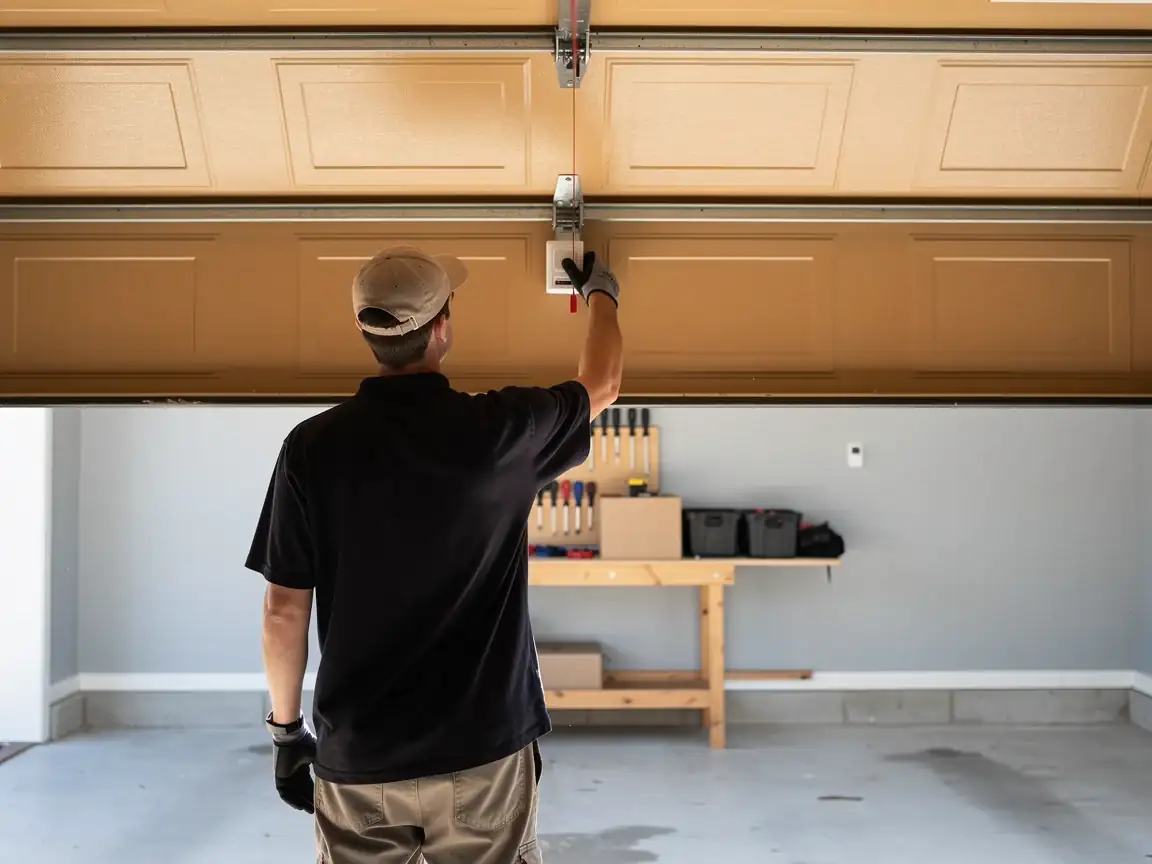
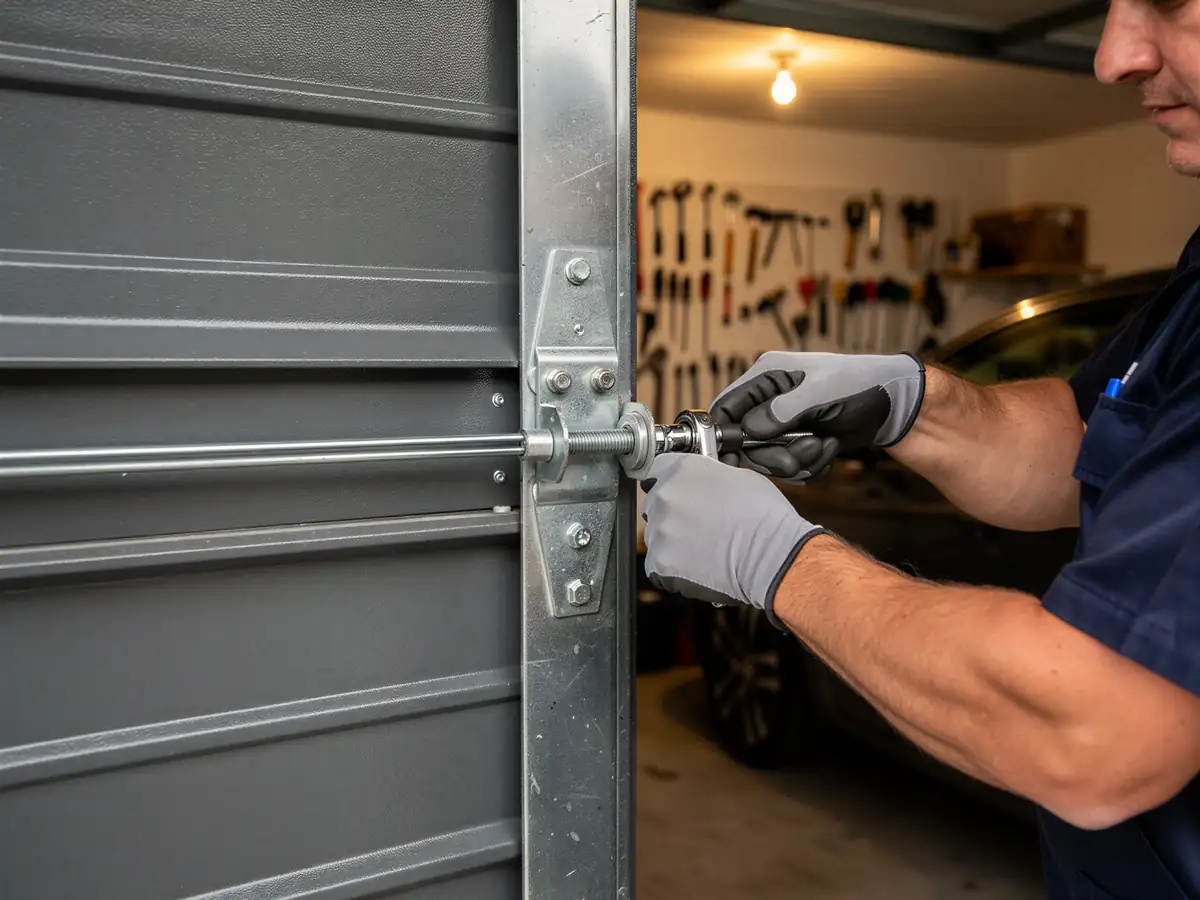
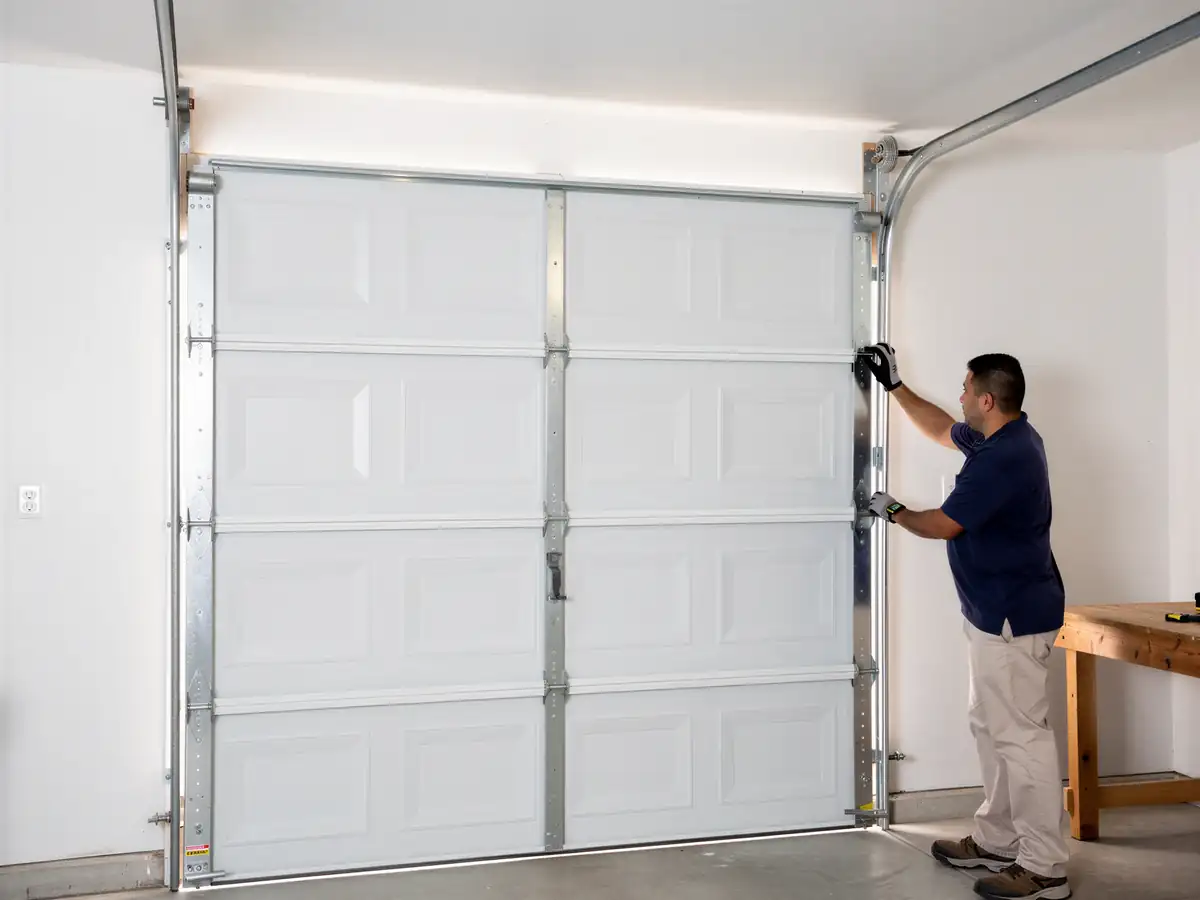
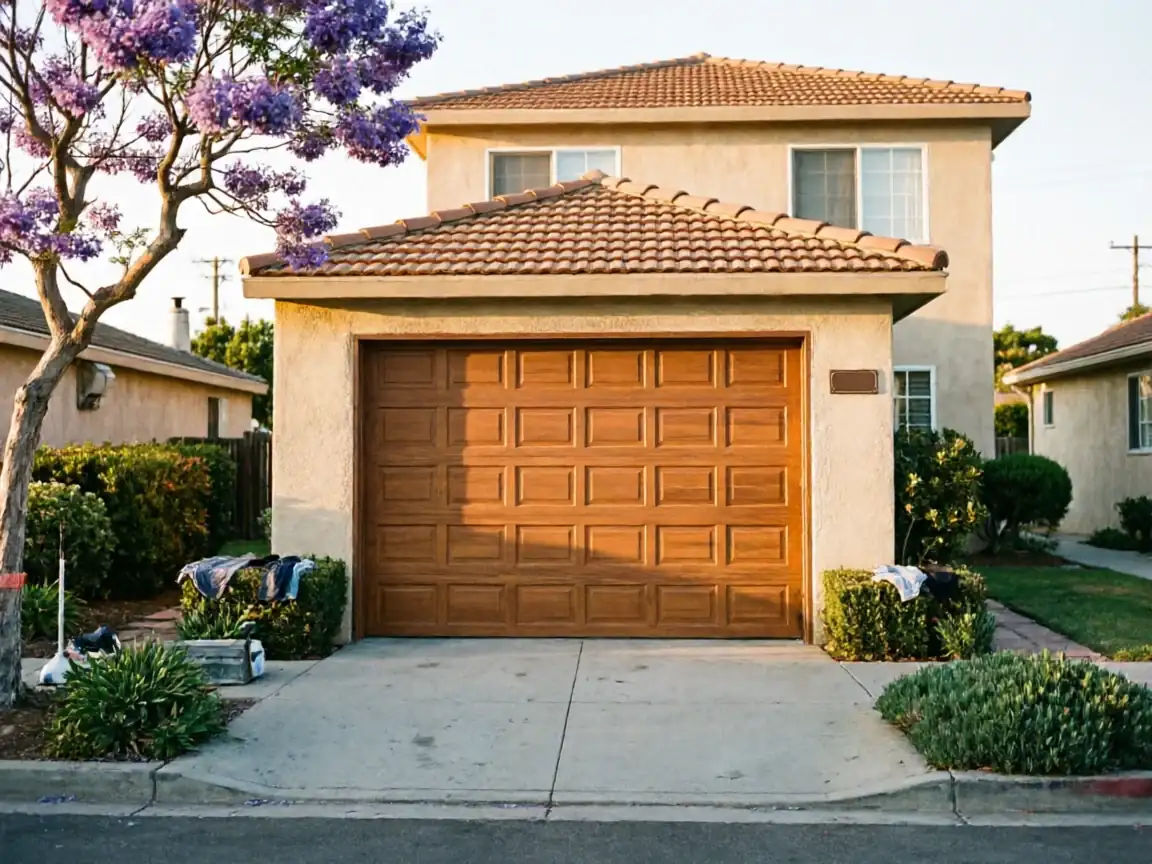
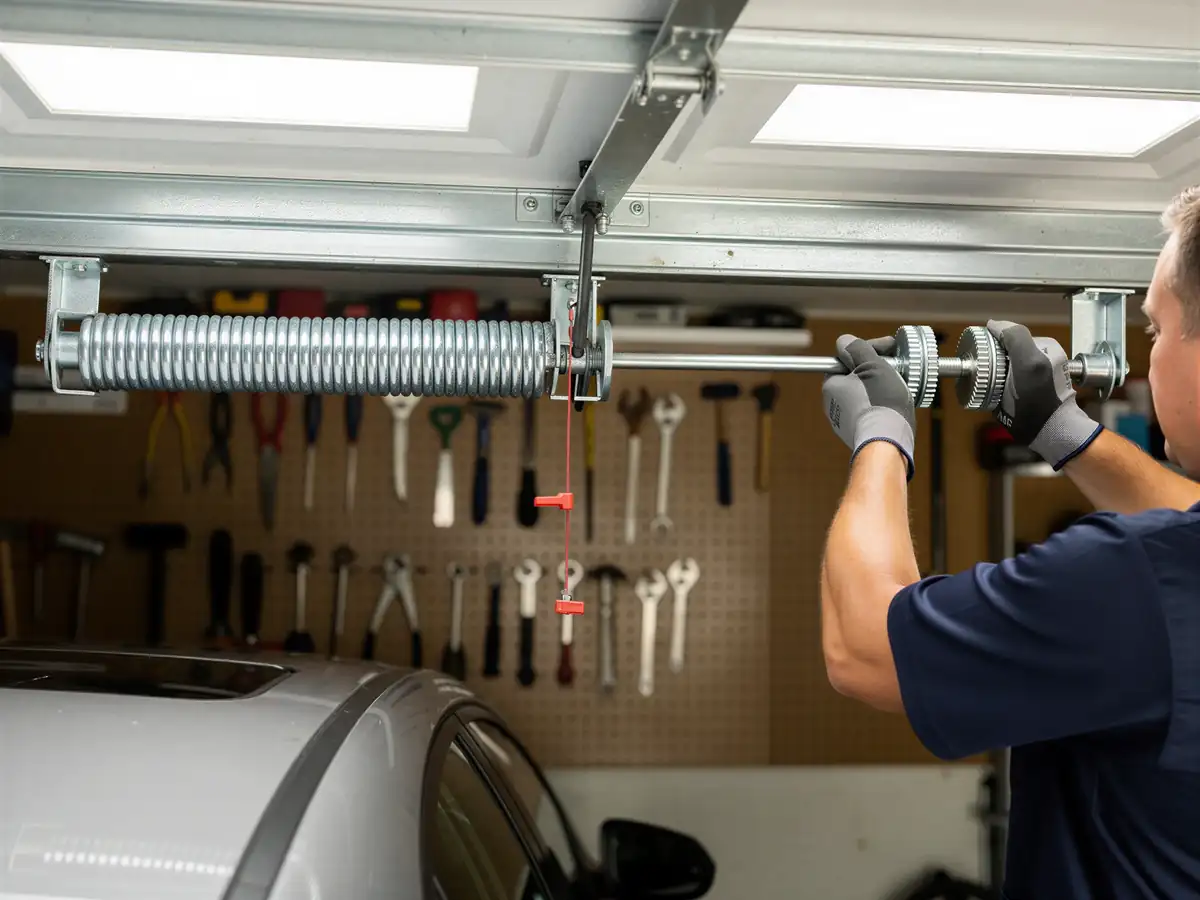
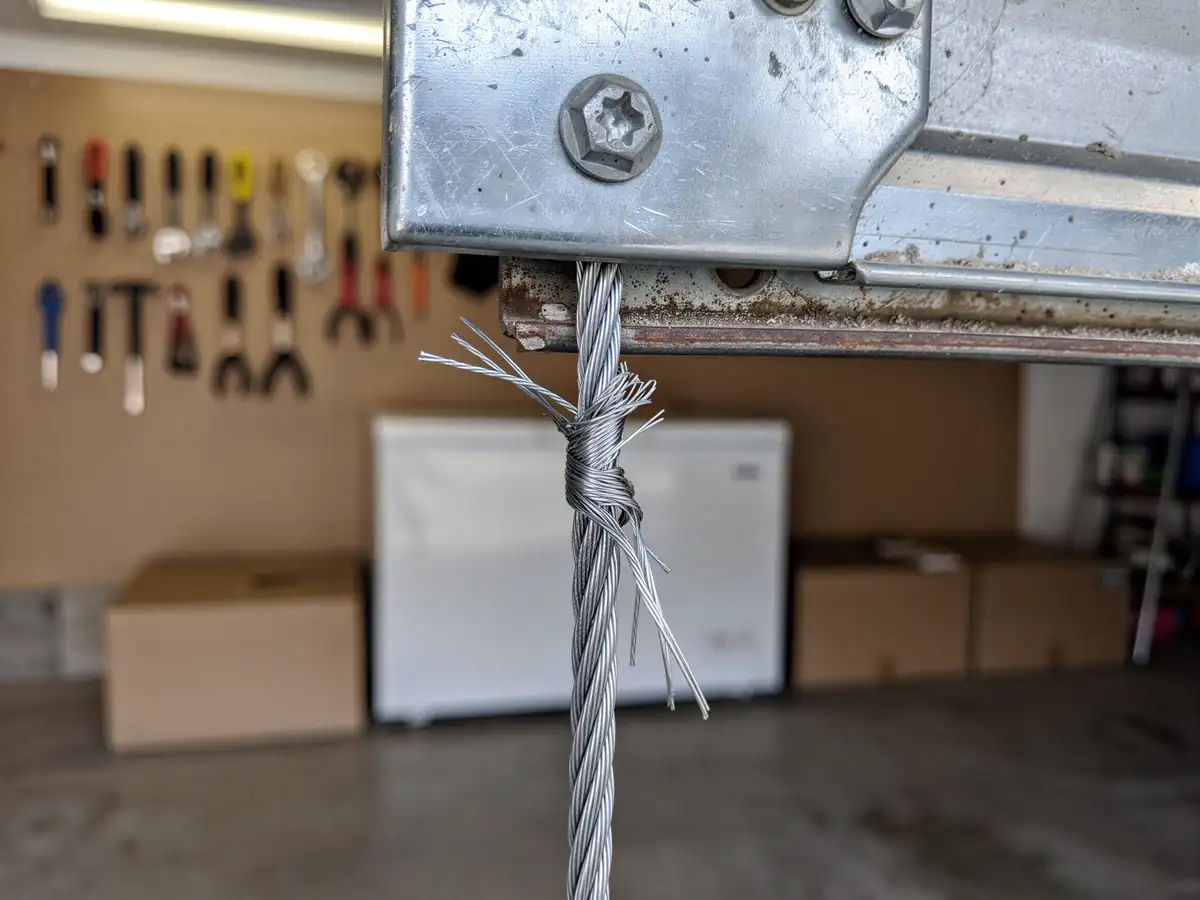
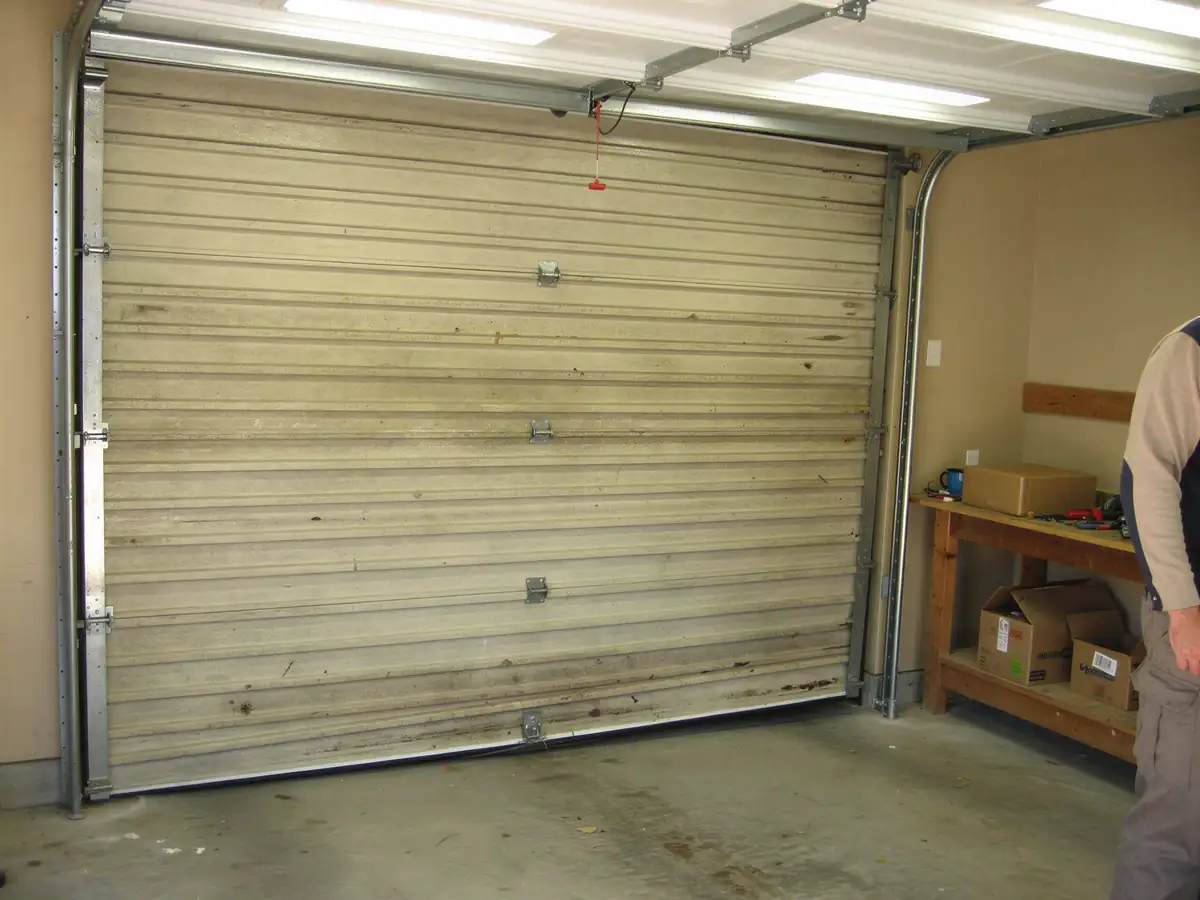
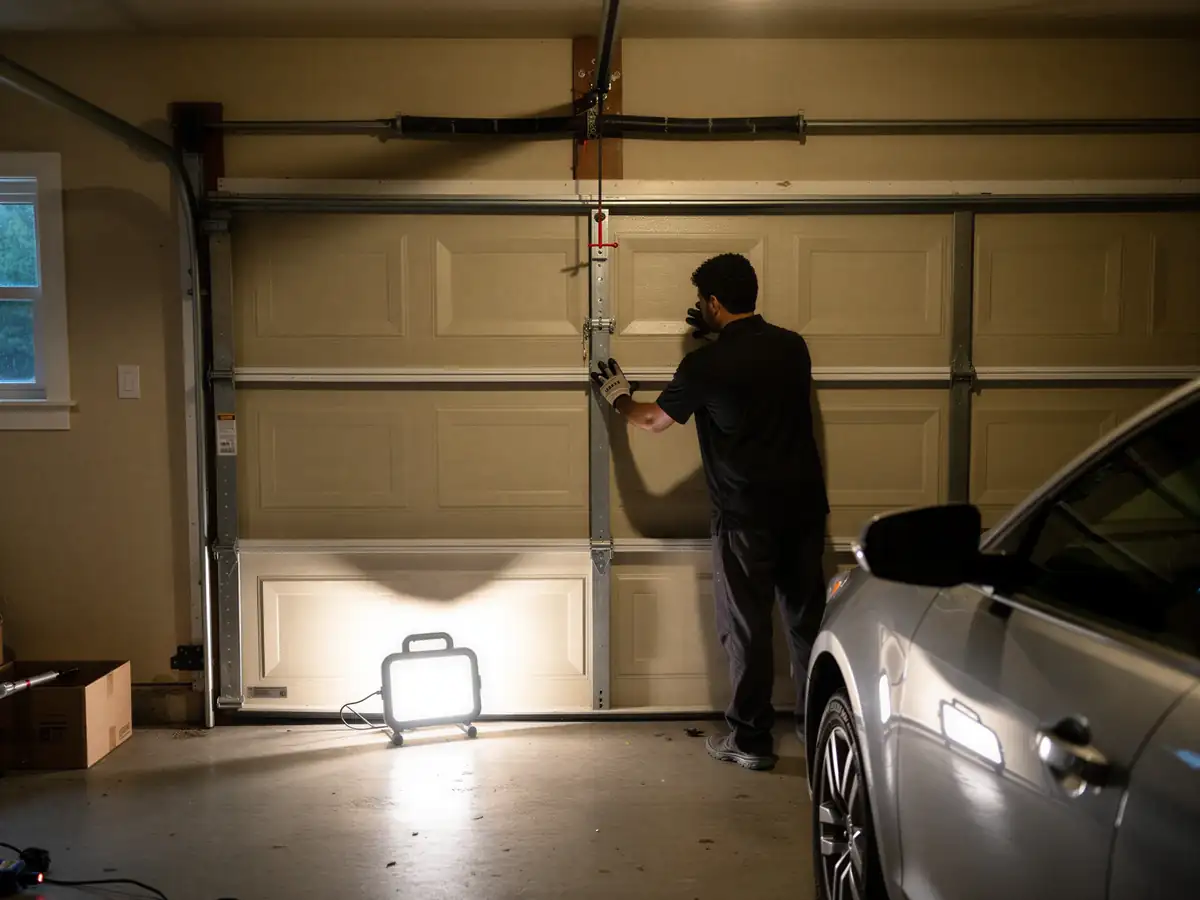
Most calls start the same way: a door that's slow, loud, or stuck, and an owner who assumes it's the opener. It usually isn't. Oakland's housing stock runs from 1938 up through 2008, with the bulk of it going up in the 1960s and 70s across the named areas we work in. That means a lot of original torsion hardware that's never been touched, mounted to framing that's settled over fifty-plus years. Before we open a toolbox, we look at the track alignment against the jamb, because a door that's fought uneven framing for decades wears unevenly too - rollers on one side go before the other, cables fray at a single drum, and the opener just ends up straining against a mechanical problem it can't fix. We check the spring winding cone for rust pitting, the cable drums for grooving, and whether the panels are original steel or a later aluminum replacement, since that changes what's actually wrong and what it takes to put right.
What You Pay
We don't have a flat number to hand you here, and we're not going to make one up. What drives cost on a given job is almost always tied to age: a 1960s double-car door with its original torsion spring and non-insulated steel panels costs differently to fix than a 2005-built door with a factory extension spring setup. Older hardware sometimes needs a part that isn't made anymore, which means replacement instead of repair - we'll tell you straight if that's where your door is at rather than billing you for a patch that won't hold. We'll give you a number after we've actually looked at the spring type, drum wear, and panel material, not before.
What Changes With the Season
Oakland sits in a mild temperate band, so we don't get the freeze-thaw cycles that crack slabs or swell wood jambs the way colder regions do. That actually works in your favor on most mechanical issues - metal doesn't contract and seize the way it does somewhere with hard winters. What we do see shift seasonally is lubrication breakdown: grease on rollers and hinges that's gone tacky with age dries out faster during the drier stretches of the year, and that's when squealing and roller binding show up most. We check lubrication condition on every call regardless of season, but it's the first thing we look at on an older door that's gone quiet for years and suddenly started complaining.
What the Weather Here Does to It
Because the climate here stays mild rather than swinging to extremes, the weather itself isn't usually the reason a door fails - age and original hardware are the bigger factors in this housing stock. That said, we still check weatherstripping and bottom seals on every job, since a worn seal on a decades-old door lets in drafts and moisture even without a hard winter to blame. On homes from the 1960s and 70s era that make up most of what we see, the seal is often original or a single past replacement, and it's usually brittle enough to crack when we press on it. We note it even when it's not why you called, because it's a cheap fix next to a spring or cable job and it's easy to miss if nobody's looking for it.
How it works
From “it’s stuck” to “it’s fixed”
01
Tell us what’s wrong
Describe the symptom - won’t open, loud bang, opener runs but the door won’t move.
02
On-site diagnosis
A technician tests the door under power and by hand and finds what actually failed.
03
Clear, up-front plan
You get the fix that’s needed and what drives the cost - before any work starts.
04
Repaired & tested
The repair is done, the door is set true and tested, and the work area left clean.
Not sure which repair your door needs in Oakland, CA? Describe what it’s doing - every job starts with a diagnosis.
Straight answers about garage door repair in Oakland. Still unsure? Ask us directly.
Why does my garage door only make noise now and not before?
On the older doors common across Oakland's 1960s and 70s housing, lubrication on rollers and hinges breaks down gradually. It often goes unnoticed until it's dry enough to squeal or bind, which can happen well after the door was installed with no obvious trigger.
Is it the spring or the opener?
Usually the spring, the cable, or the track - the opener just reacts to whatever resistance those create. We check the mechanical side first, especially on original hardware from older Oakland homes, before we ever look at the opener's logic board.
Do you repair or replace old torsion springs?
Depends on the hardware. Some older torsion setups use parts that aren't made anymore, in which case repair isn't realistic and we'll say so rather than patch something that won't last.
Does Oakland's weather cause garage door problems?
Not directly - the mild temperate climate here doesn't put doors through the freeze-thaw stress colder regions see. Most issues we find trace back to age and original hardware rather than weather.