Off-Track Doors in Oakland: What's Actually Happening
Oakland homes built between 1938 and 2008 often have track hardware that's shifted over decades. See why doors go off track and what fixing it involves.
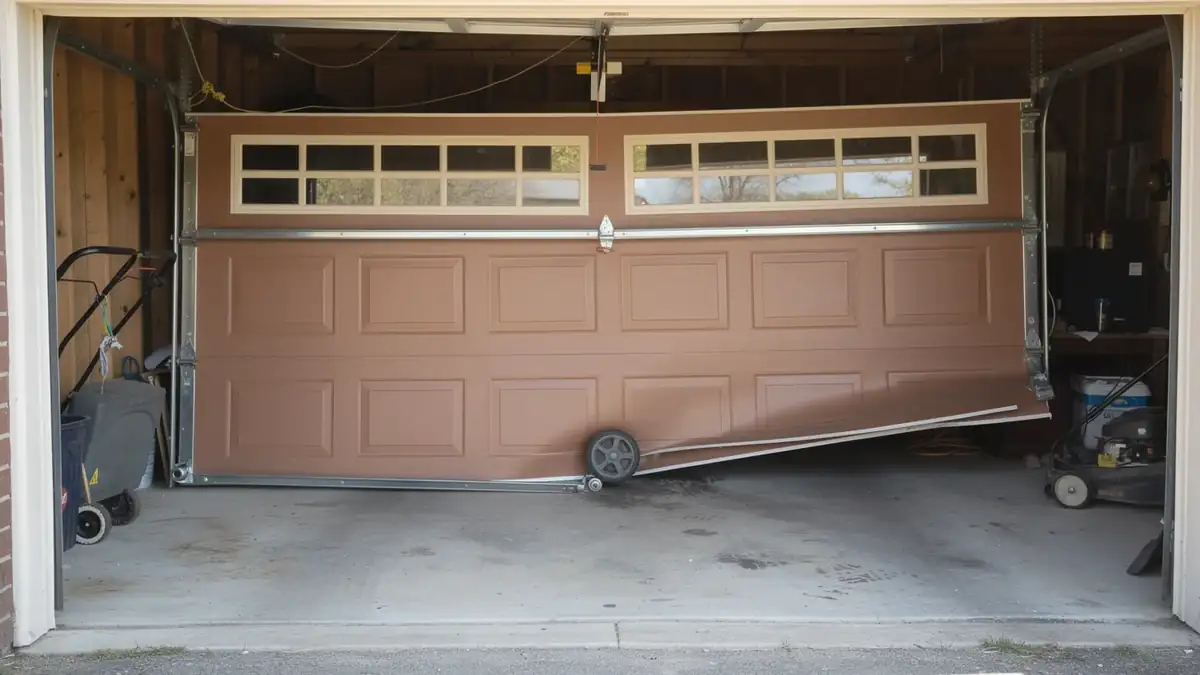
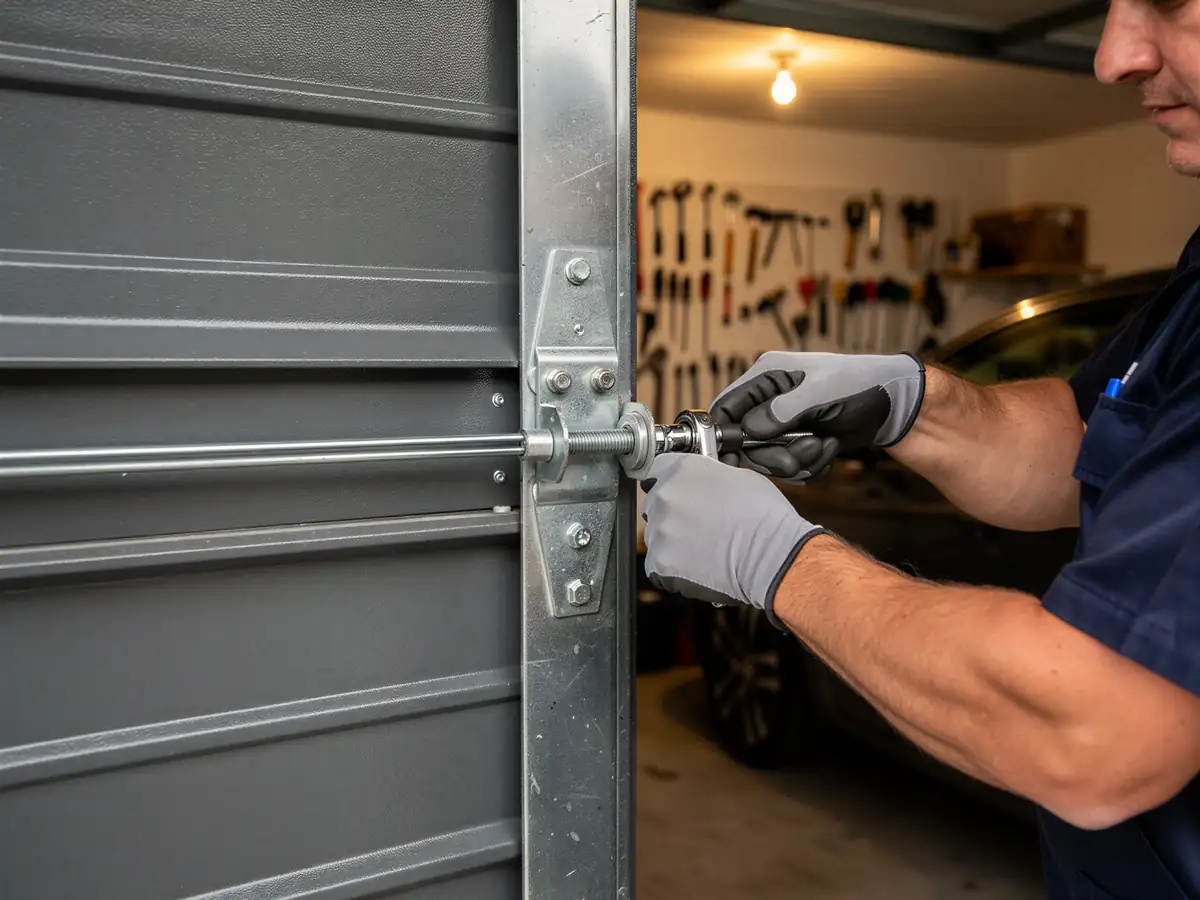
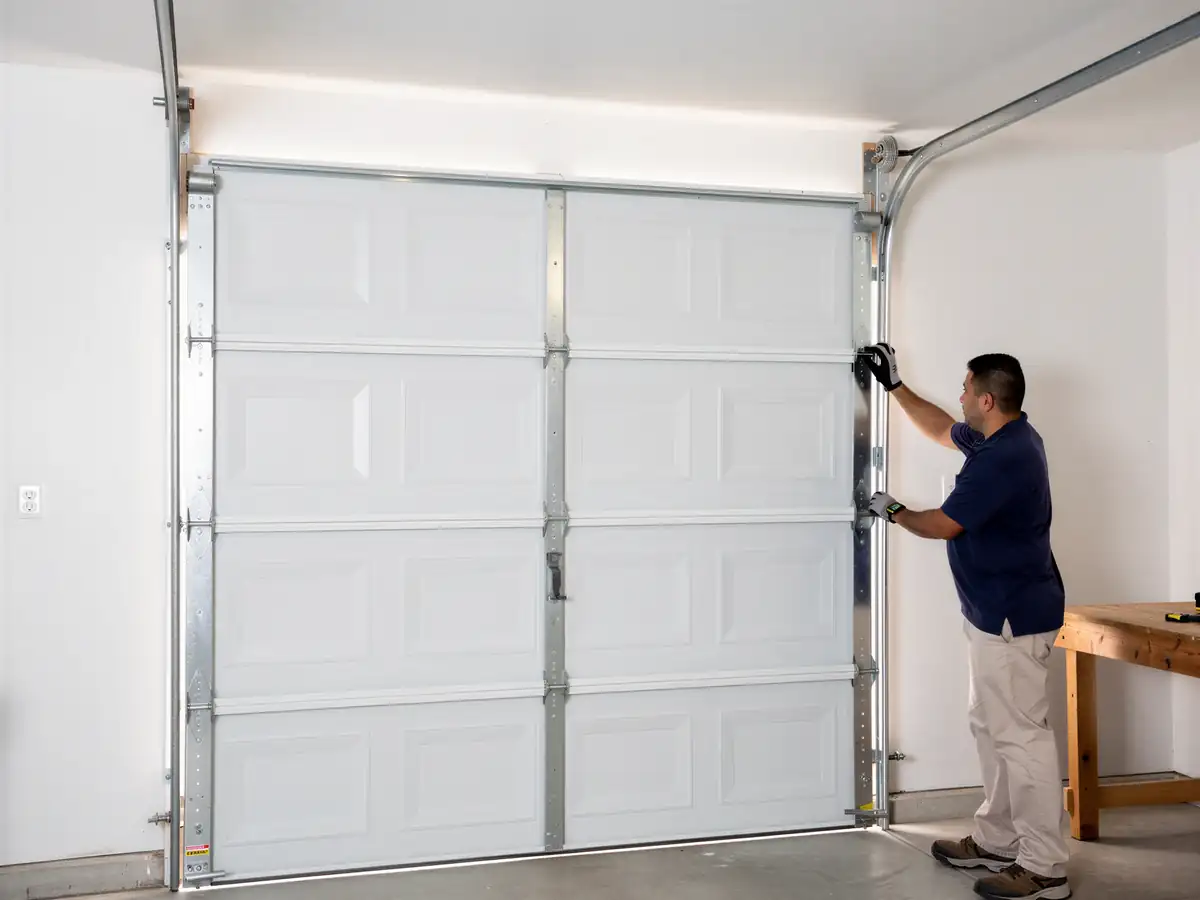
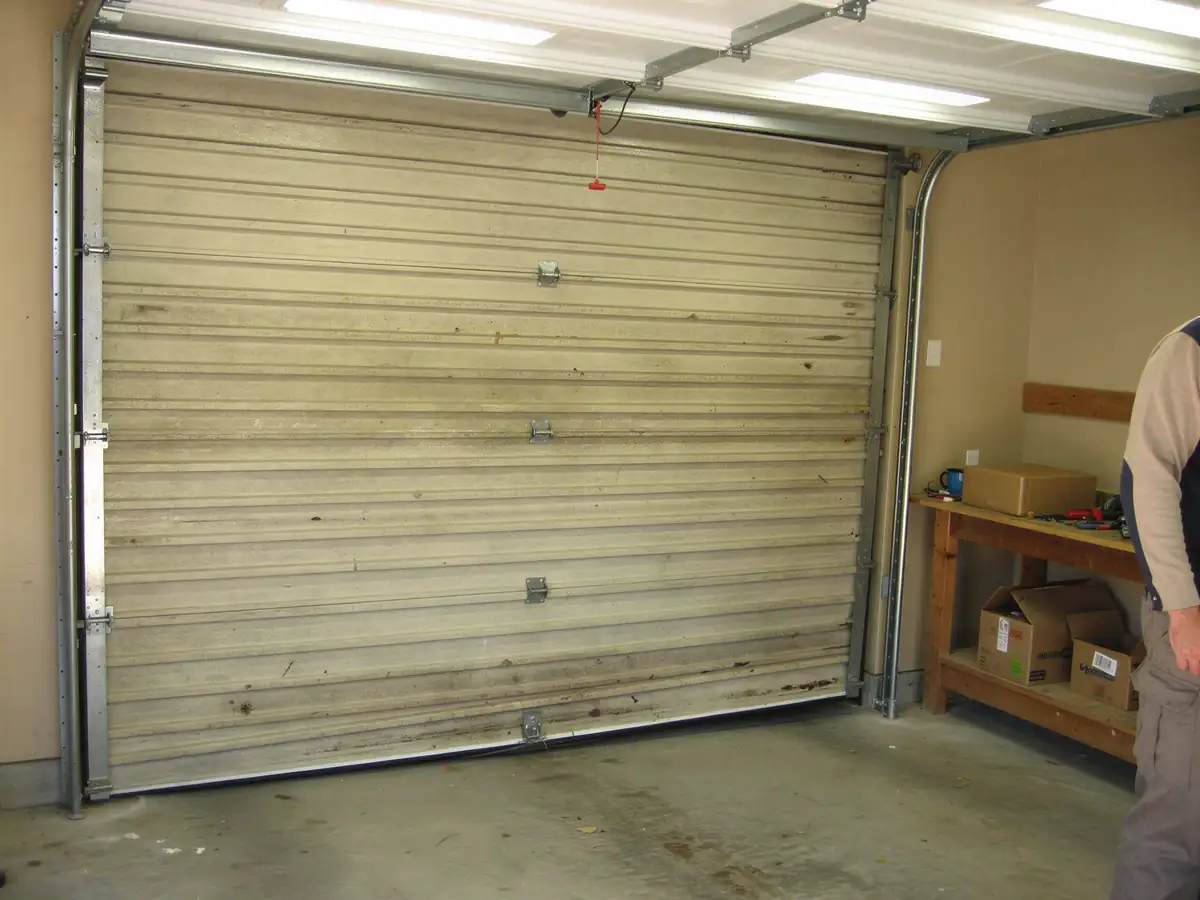
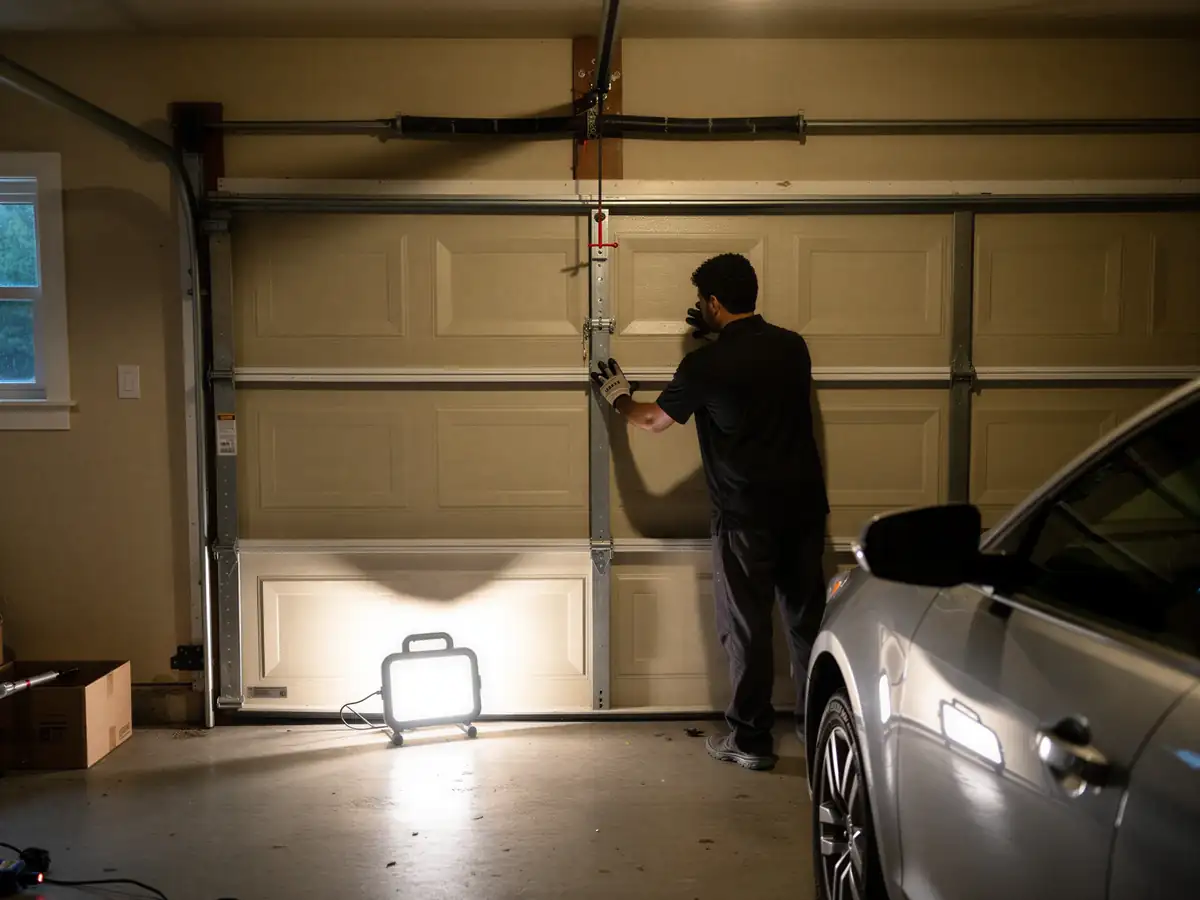
A door comes off track almost always because the hardware holding the track to the framing has moved, not because the track itself is bad. In Oakland, the housing stock runs from 1938 up through 2008, with the typical house dating to 1965, and most of it was built out across pockets like during the 1960s and 70s boom. That means a lot of the track brackets you're looking at today are original, bolted into framing that's had sixty years to settle, swell, and shrink. A bracket that's backed out a quarter inch doesn't sound like much, but it lets the roller ride up the flange edge instead of staying in the channel, and once that starts it gets worse every cycle. We also see bent track from a car bumper tap or a stored ladder leaning against it - that's a different fix than a loose bracket, and it's worth knowing which one you've got before anyone touches a wrench. The honest limitation here: we can tell you the likely cause from a phone description, but we won't quote the actual repair without putting a level on the track in person.
What You Pay
We're not going to put a number here that isn't backed by a real quote, because the fix for an off-track door ranges a lot - a single bent bracket is a different job than a track that's pulled away from the jamb on both sides, or rollers that have worn down enough to let the door walk sideways every time it runs. What we can tell you is what drives the range: whether it's one side or two, whether the track itself is bent or just loose, and whether the rollers need replacing along with the realignment. Oakland's service area carries a median household income of $148,801, and most of the inquiries we get are from owners trying to decide whether a repair is worth doing versus letting a cheap fix slide until it fails again - we'll tell you straight which one you're looking at when we're on site. The one thing we won't do is sell a full track replacement when a bracket reset and a couple of rollers will hold for years. If that's the honest answer, that's what you'll hear.
What Changes With the Season
Oakland sits in a mild temperate band, so you're not dealing with the hard freeze-thaw swings that crack slabs and yank track brackets loose the way a harsh winter climate does elsewhere. That's actually good news for track problems here - the shifting we see tends to be slow and cumulative, tied to decades of settling in houses built between 1938 and 2008, rather than a sudden seasonal event. That said, a door that's already borderline - a bracket a little loose, a roller already worn - can tip into visibly off-track territory when temperatures swing over a few weeks rather than overnight. Wood framing still moves a little with humidity changes even in a mild climate, and if your track is already marginal, that small movement is sometimes the push that makes it finally jump. We don't see the ice-related failures that garages in colder regions deal with, so if your door comes off track here, it's almost always about age and hardware, not a weather event.
What the Weather Here Does to It
Because Oakland's climate stays mild and temperate rather than swinging to extremes, the weather itself isn't usually the direct cause of a door jumping track. You won't get the ice buildup on tracks that causes sudden failures in colder parts of the country, and you won't get the kind of summer heat that warps vinyl or plastic components the way a hot desert climate can. What the mild climate does instead is let slow problems stay slow - a loose bracket in a house built in the 1960s or 70s doesn't get forced into failure by a hard freeze, so it just keeps drifting year after year until someone notices the door running crooked. That's part of why a lot of the off-track calls we get are in homes dating to the original 1938-2008 build range across the area: the hardware has had decades of gentle, unforced movement to work itself loose, with nothing dramatic ever happening to flag it sooner. If you want to see the areas we cover, start at our homepage.
How it works
From “it’s stuck” to “it’s fixed”
01
Tell us what’s wrong
Describe the symptom - won’t open, loud bang, opener runs but the door won’t move.
02
On-site diagnosis
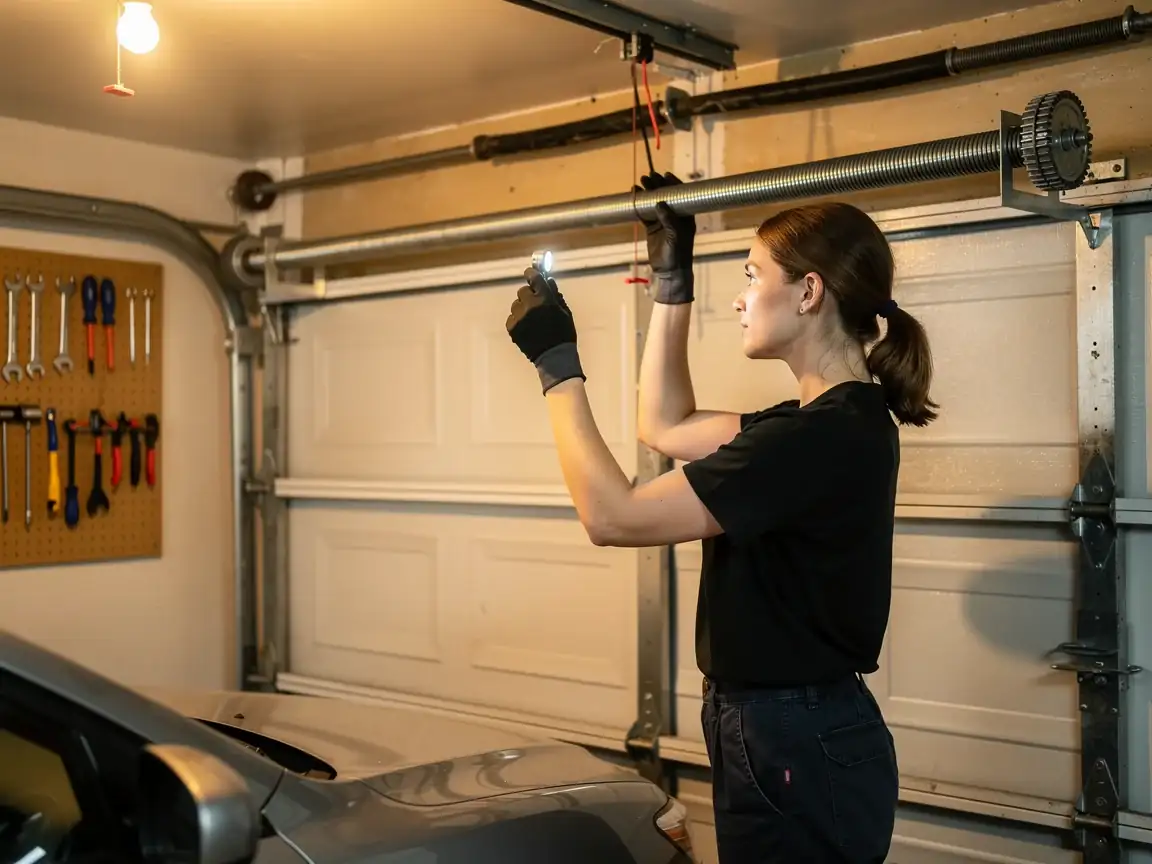
A technician tests the door under power and by hand and finds what actually failed.
03
Clear, up-front plan
You get the fix that’s needed and what drives the cost - before any work starts.
04
Repaired & tested
The repair is done, the door is set true and tested, and the work area left clean.
Not sure which repair your door needs in Oakland, CA? Describe what it’s doing - every job starts with a diagnosis.
Straight answers about garage door repair in Oakland. Still unsure? Ask us directly.
My garage door jumped the track on one side only - is that worse?
Not necessarily worse, but it's a different repair than both sides going. One-sided usually points to a single bent bracket or a roller that's worn unevenly, which is often a simpler fix than realigning track on both rails. We'd still want to see it in person before telling you which one it is.
Why did my door come off track with no obvious impact or accident?
In Oakland's older housing stock - a lot of it built in the 1960s and 70s - tracks were bolted to framing that's had decades to settle. No single event causes it; the bracket backs out slowly until the roller finally rides off the rail. It's wear, not an accident.
Can I push the door back onto the track myself?
You can sometimes reseat a roller that's barely off, but if the track is bent or the bracket is loose, forcing the door back risks bending the track further or pulling the opener's drive hardware out of line. We'd rather you call before you push on it.
Does Oakland's weather ever cause off-track doors directly?
Rarely. The area's mild temperate climate doesn't bring the freeze-thaw or ice buildup that causes sudden track failures in colder regions. Here it's almost always decades of gradual hardware movement in older homes, not a weather event, that's behind it.