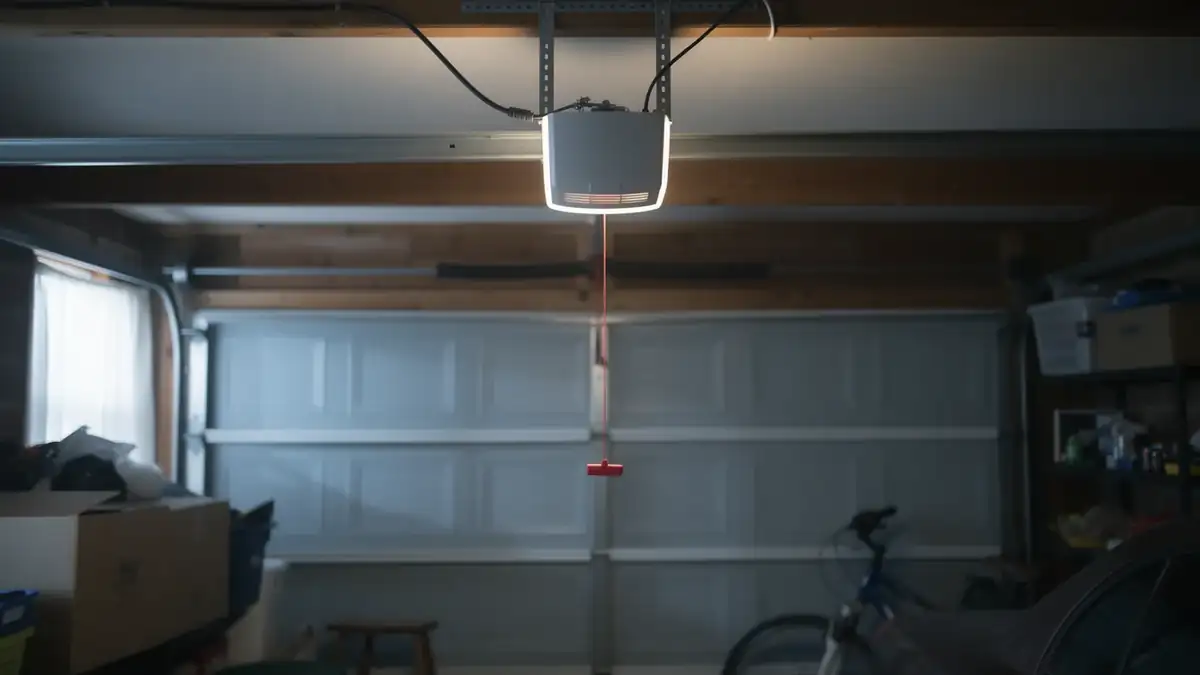
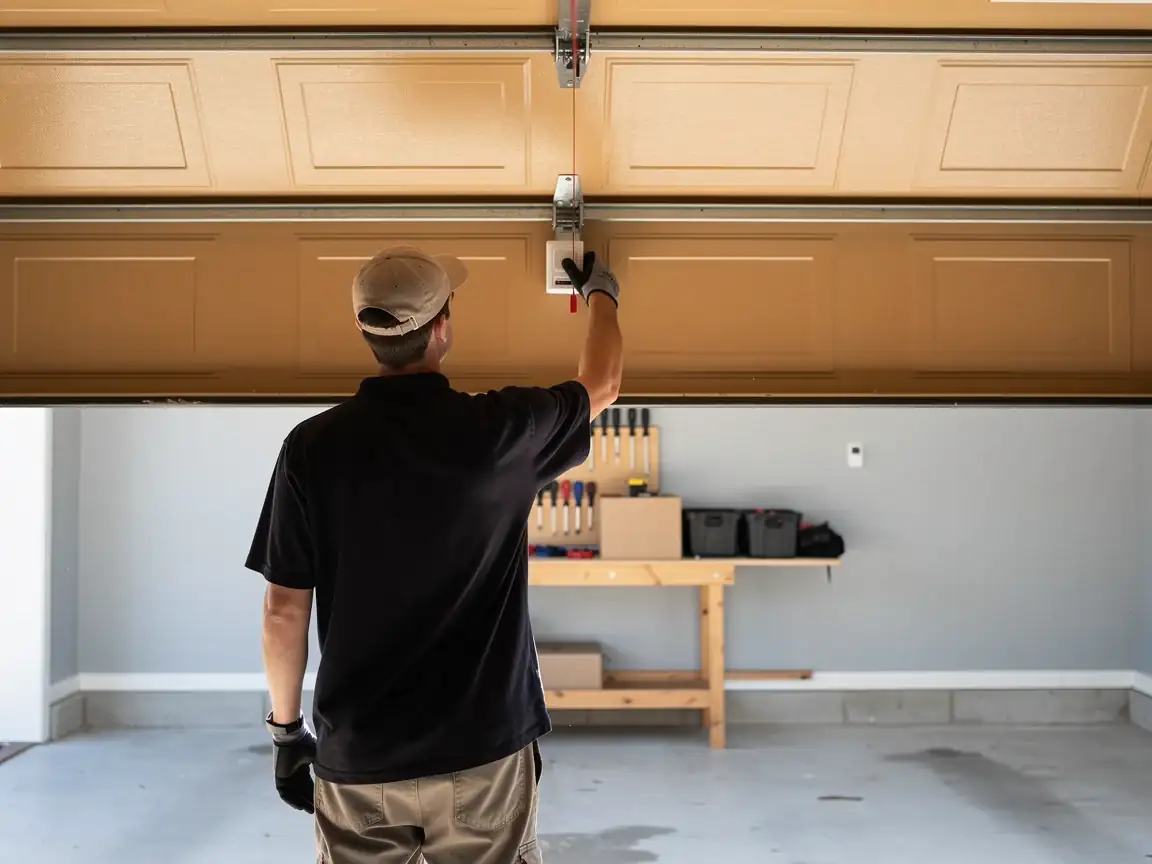
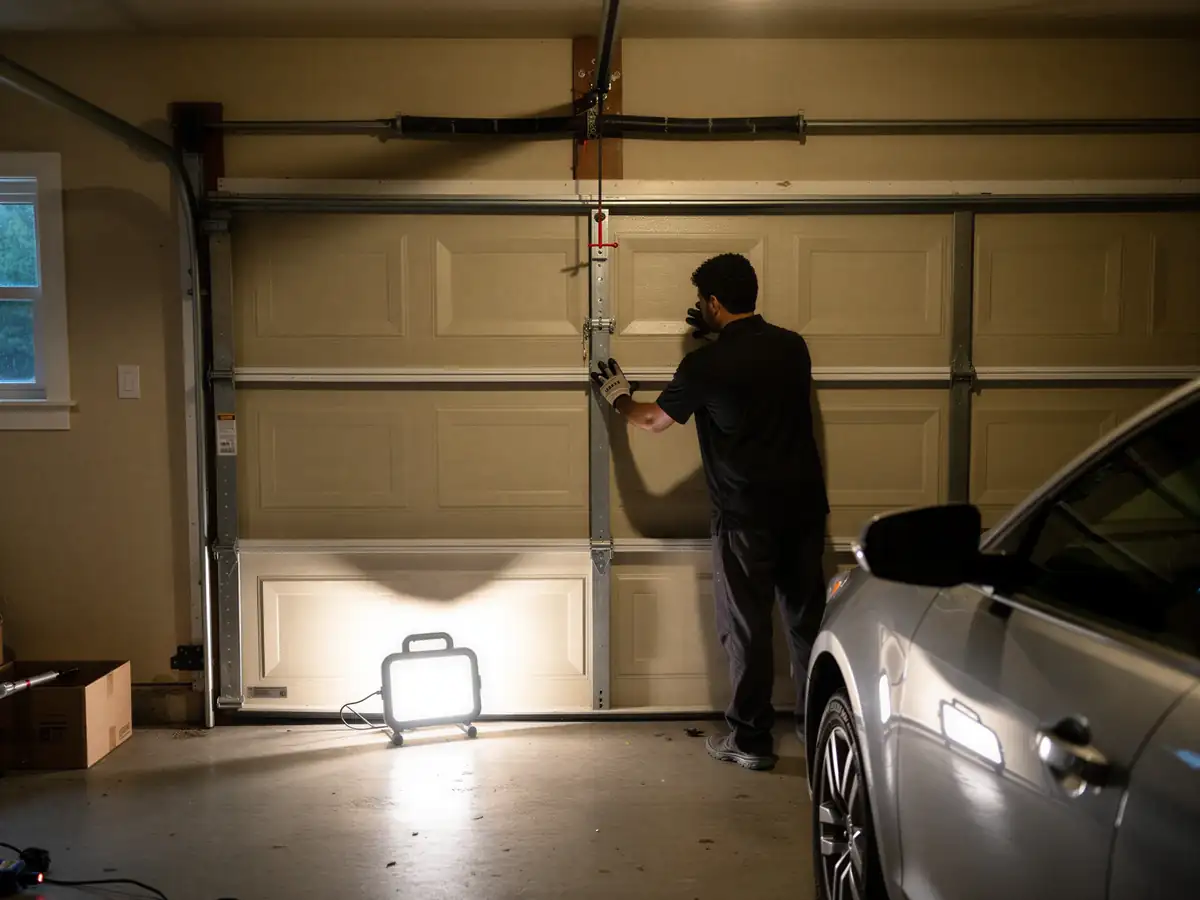
Most of the doors we get called out on in Oakland sit on houses built between 1938 and 2008, with the median going up in 1965. That matters because an opener installed when the house was new, or even a replacement bought in the '80s or '90s, is a chain-drive unit with no battery backup built. When the power cuts, that opener stops cold - the carriage sits wherever it was mid-travel, and the door won't move until either the power comes back or someone pulls the manual release.
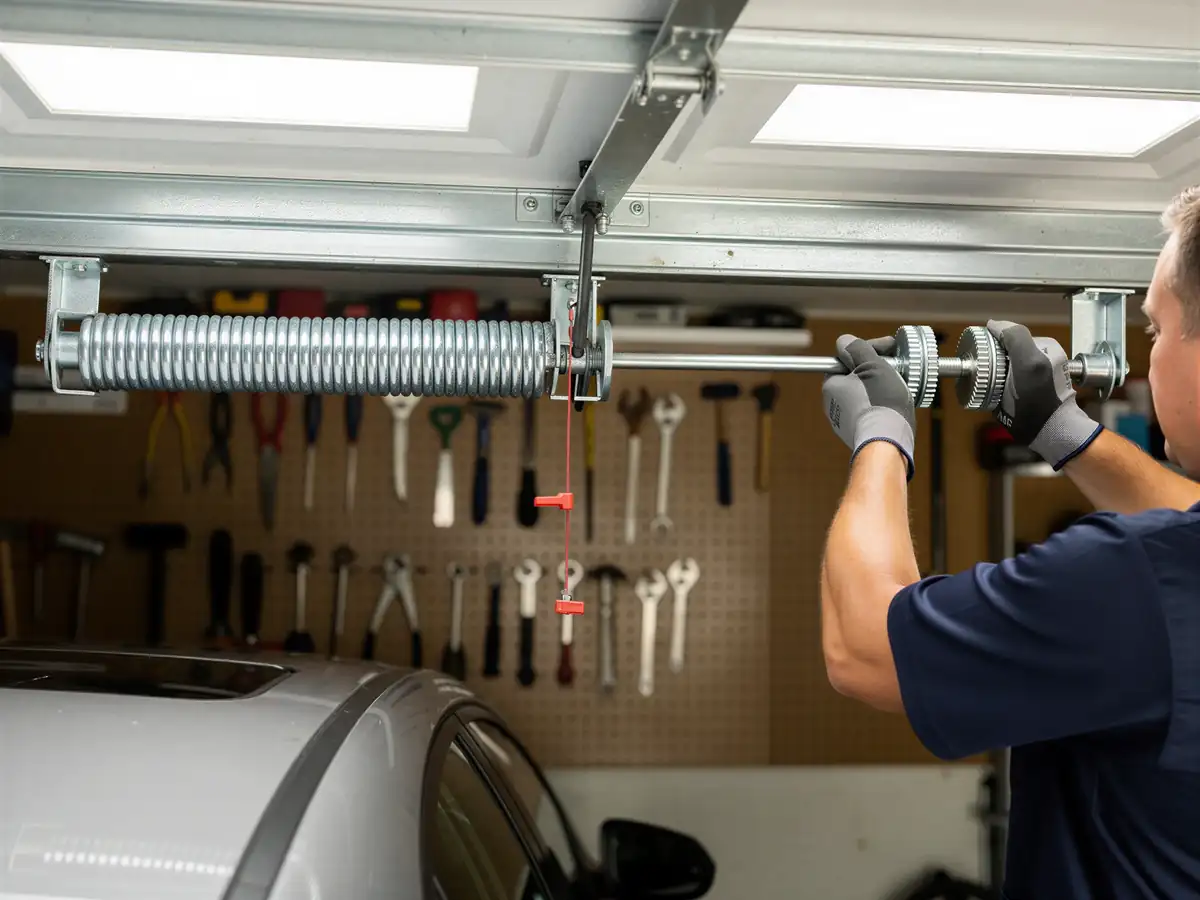
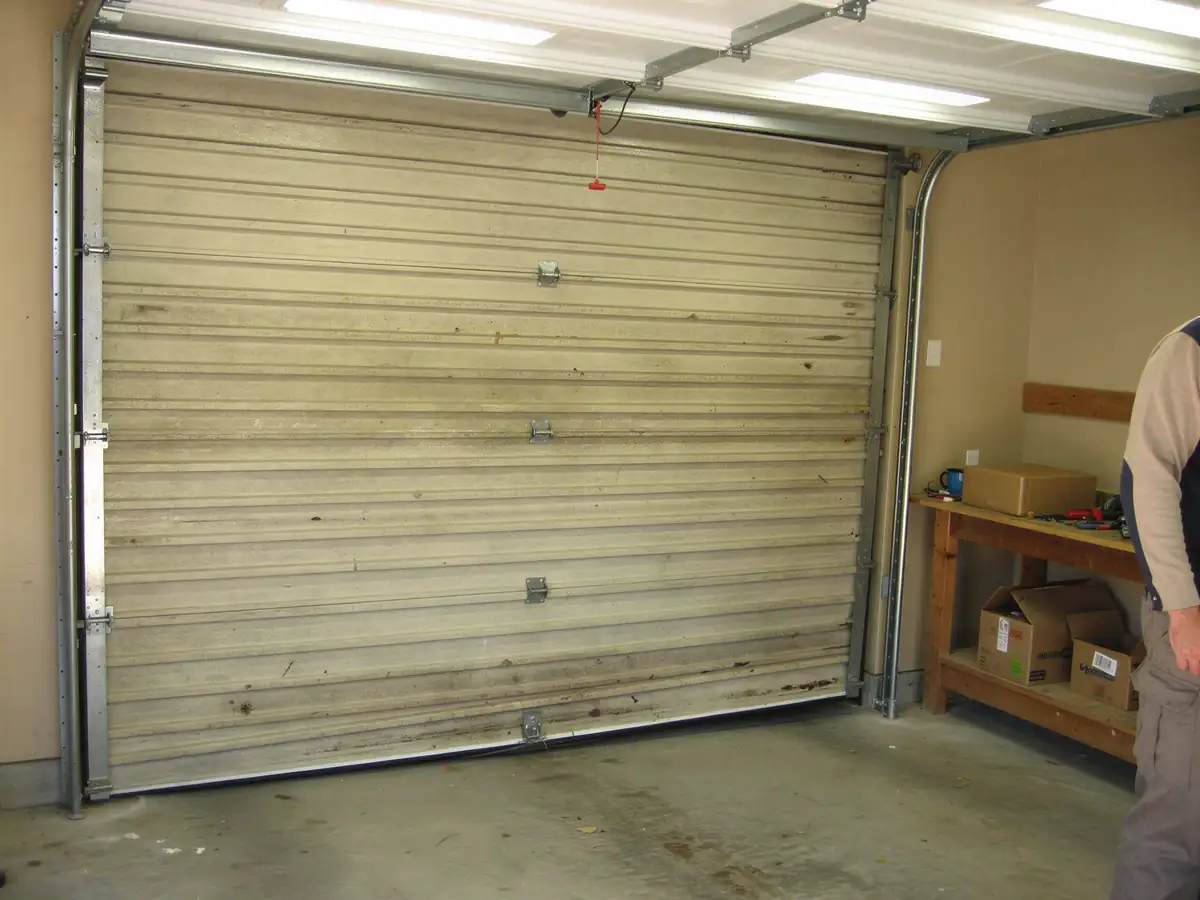
The release handle is the part people forget about until they need it. On a lot of these older setups the cord is stiff, the pulley bracket is rusted from age, or someone painted over the warning label years ago. We see this across the 59 named areas we cover, from up through the side - it's not a one-house problem, it's an age-of-the-fleet problem. If your opener is original to a house from the 1960s or 70s, the power cut isn't really the issue. It's exposing a part that was already near the end of its working life.
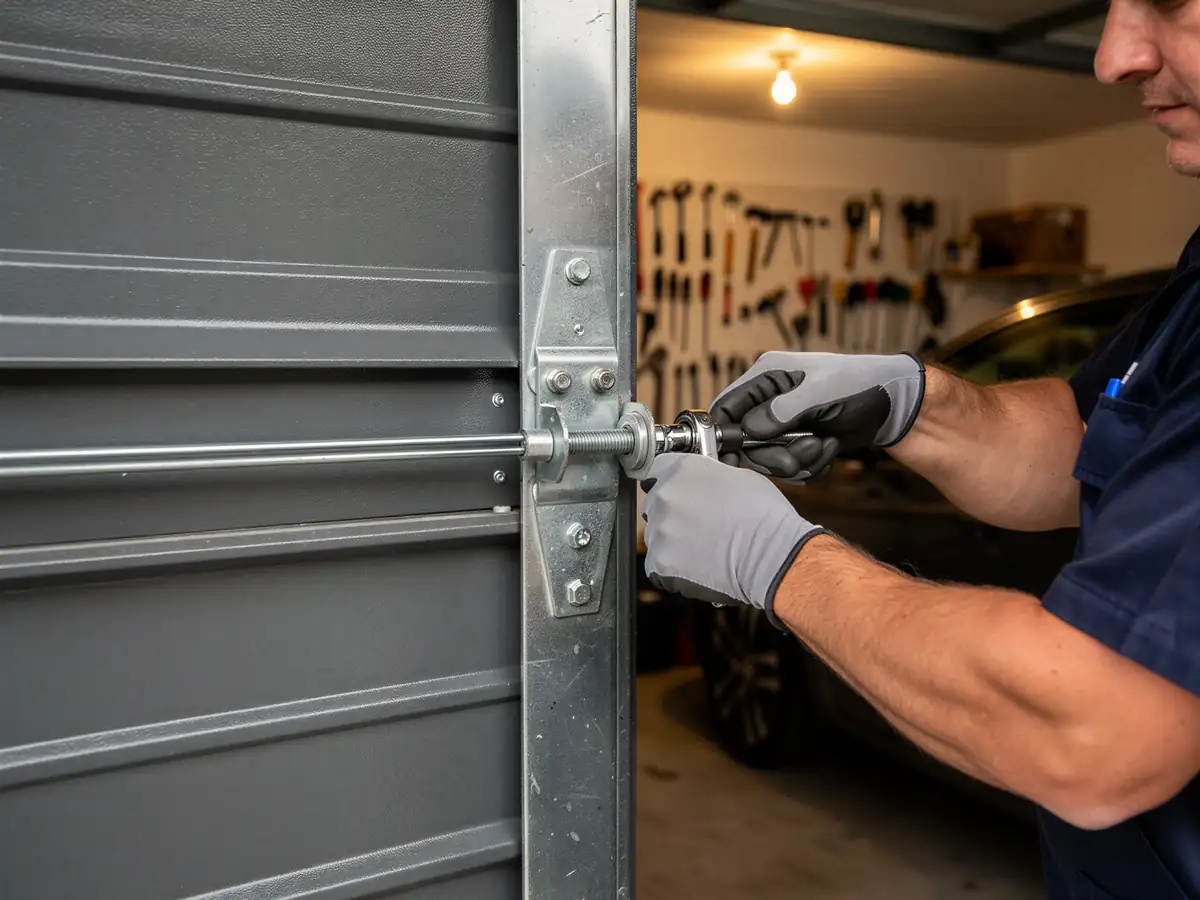
The honest limitation here: we can't tell you over the phone whether your specific opener has a dead capacitor, a worn gear, or just needs the release cord freed up. Power cuts don't cause the failure - they just reveal it.
What You Pay
01
We don't have a flat number to give you here, and we're not going to invent one
What we can tell you is what drives the cost conversation in this market. Across the area we serve there are roughly 536,537 households and 211,657 owner-occupied houses, with a median household income around $148,801 - a market where most homeowners end up choosing between a board-level repair and a full opener swap once a unit starts acting up after an outage.
536,537 households
211,657 owner-occupied
$148,801 median household income
02
The decision usually comes down to age
If the opener is a chain-drive from the original build era - common given the median construction year of 1965 - a repair on a 50-plus-year-old motor is often money that doesn't buy you much more life. A battery backup unit added to a newer opener is a different calculation entirely, since you're protecting a unit that still has years left in it.
03
We'd rather tell you to call and let us look at the actual unit than quote a number that doesn't fit your house
Pricing depends on what's actually failed, not on a zip code average.
What Changes With the Season
Oakland sits in a mild temperate band, which means we don't get the big seasonal swing that pushes opener problems in either direction the way colder or hotter regions do. There's no deep freeze that shrinks metal gears in January, and no stretch of 100-degree days that cooks capacitors in July. What that means practically: if your opener is struggling, it's not because the season changed - it's because the unit itself is old or the circuit board has finally given out.
What does shift, mildly, is moisture. A damp stretch can corrode a rusted release pulley a little faster, or make a worn relay in an old opener stick intermittently before it fails outright. That's a slow problem building toward a power-cut failure, not a seasonal one in the way homeowners in harsher climates experience.
The practical takeaway for Oakland homeowners: don't wait for a particular month to check your opener's backup battery or manual release. With housing stock running from 1938 up through 2008, and a lot of it dating to the 1960s and 70s, the clock that matters is the age of the unit, not the calendar.
What the Weather Here Does to It
Because the climate here stays in a mild temperate range, Oakland openers aren't fighting the freeze-thaw cycle that splits circuit boards in colder markets, and they're not baking in heat that degrades wiring insulation the way it does in the Central Valley or desert climates. That's a real advantage, and it's worth saying plainly: weather is not the primary reason openers fail here.
What weather doesn't erase is age. A chain-drive opener installed when a house went up in the 1960s or 70s - common across the neighborhoods we serve, from through the side - is going to wear out on its own schedule regardless of climate. Mild weather just means that when a power cut hits, the failure you're looking at is almost always mechanical or electrical fatigue, not storm damage or frost-cracked housing.
So if your opener seizes up after the power comes back on, the mild climate here means you can rule out the kind of weather-driven causes a homeowner in a harsher region would check first. What's left is usually the motor, the board, or a release mechanism that's simply done.
How it works
From “it’s stuck” to “it’s fixed”
01
Tell us what’s wrong
Describe the symptom - won’t open, loud bang, opener runs but the door won’t move.
02
On-site diagnosis
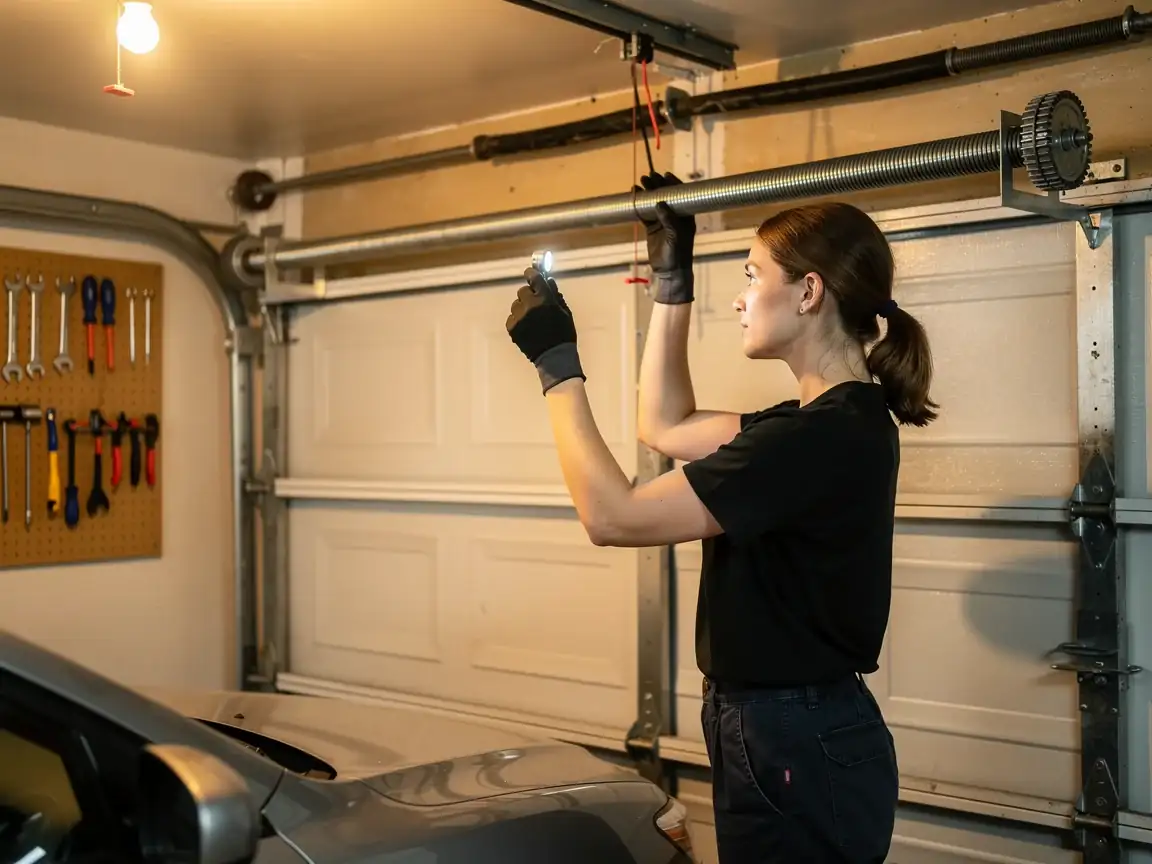
A technician tests the door under power and by hand and finds what actually failed.
03
Clear, up-front plan
You get the fix that’s needed and what drives the cost - before any work starts.
04
Repaired & tested
The repair is done, the door is set true and tested, and the work area left clean.
Not sure which repair your door needs in Oakland, CA? Describe what it’s doing - every job starts with a diagnosis.
Straight answers about garage door repair in Oakland. Still unsure? Ask us directly.
Why doesn't my garage door opener work after a power cut, even after the power comes back on?
Usually the opener's motor or control board was already weak before the outage, and the power interruption just finished the job. Chain-drive units common in Oakland's older housing stock, especially anything original to a house built in the 1960s or 70s, don't recover gracefully from a sudden cut - they often need a reset or a repair, not just power restored.
Do I need a battery backup for my opener in Oakland?
It depends on the unit and your tolerance for being stuck. We don't have local outage-frequency data to hand you a number, but if your opener is already decades old, a backup battery is usually not worth adding - replacing the whole unit covers the backup and the aging motor in one job.
How do I get my car out if the power's out and the opener won't move?
Pull the manual release cord hanging from the carriage - it disconnects the door from the opener so you can lift it by hand. On older setups common in houses built mid-century here, that cord and pulley bracket are often stiff or corroded, so it's worth testing it before you actually need it in an outage.