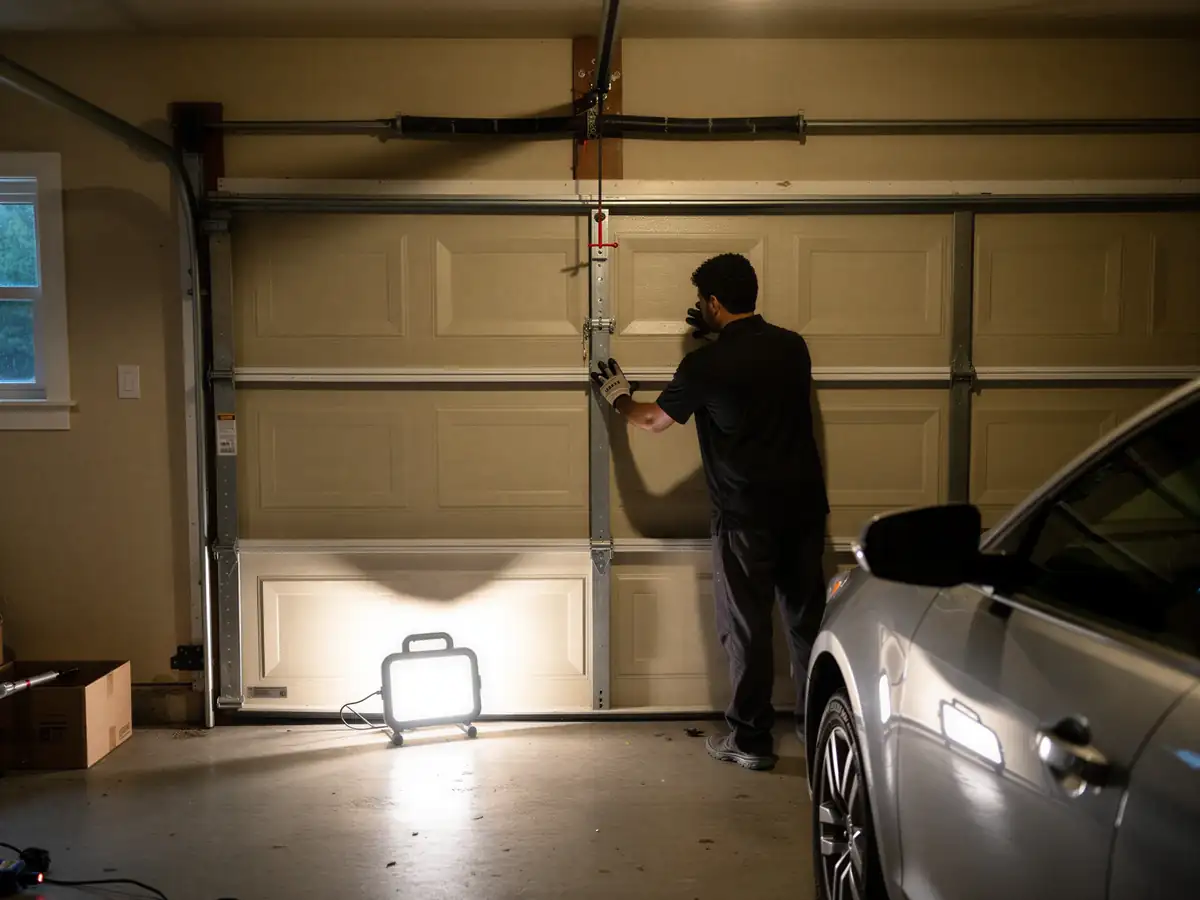
Oakland's housing stock runs 1938 to 2008, median 1965. Here's how that age and the mild local climate decide whether your door is worth fixing or replacing.
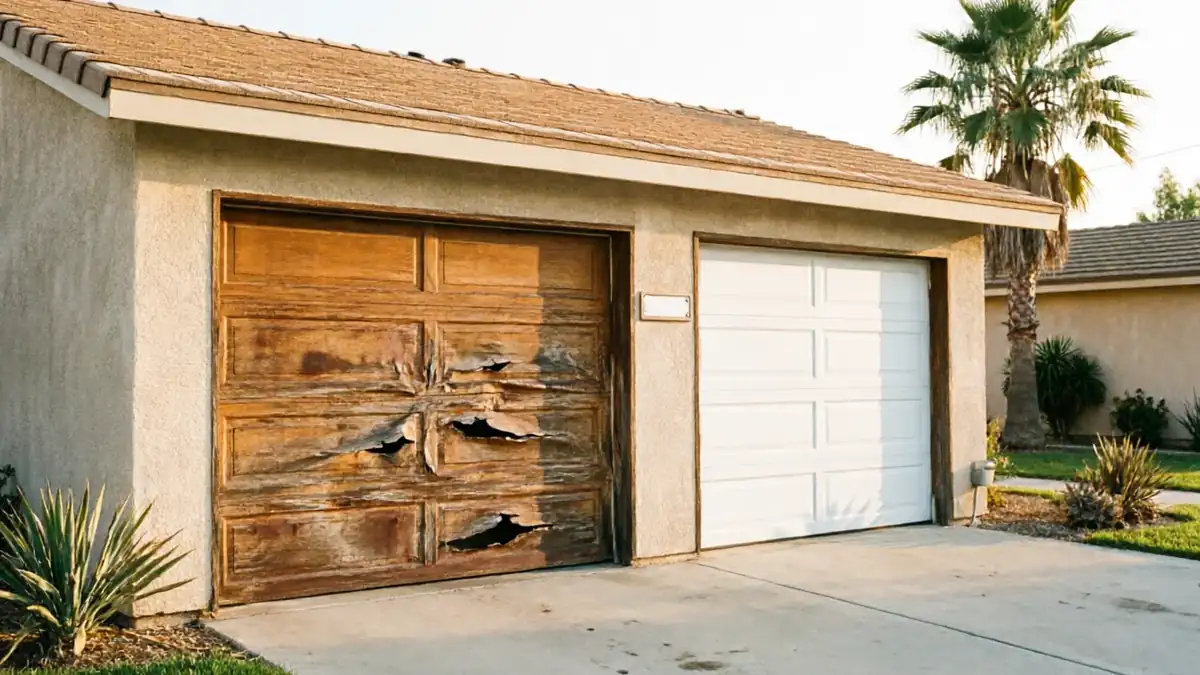
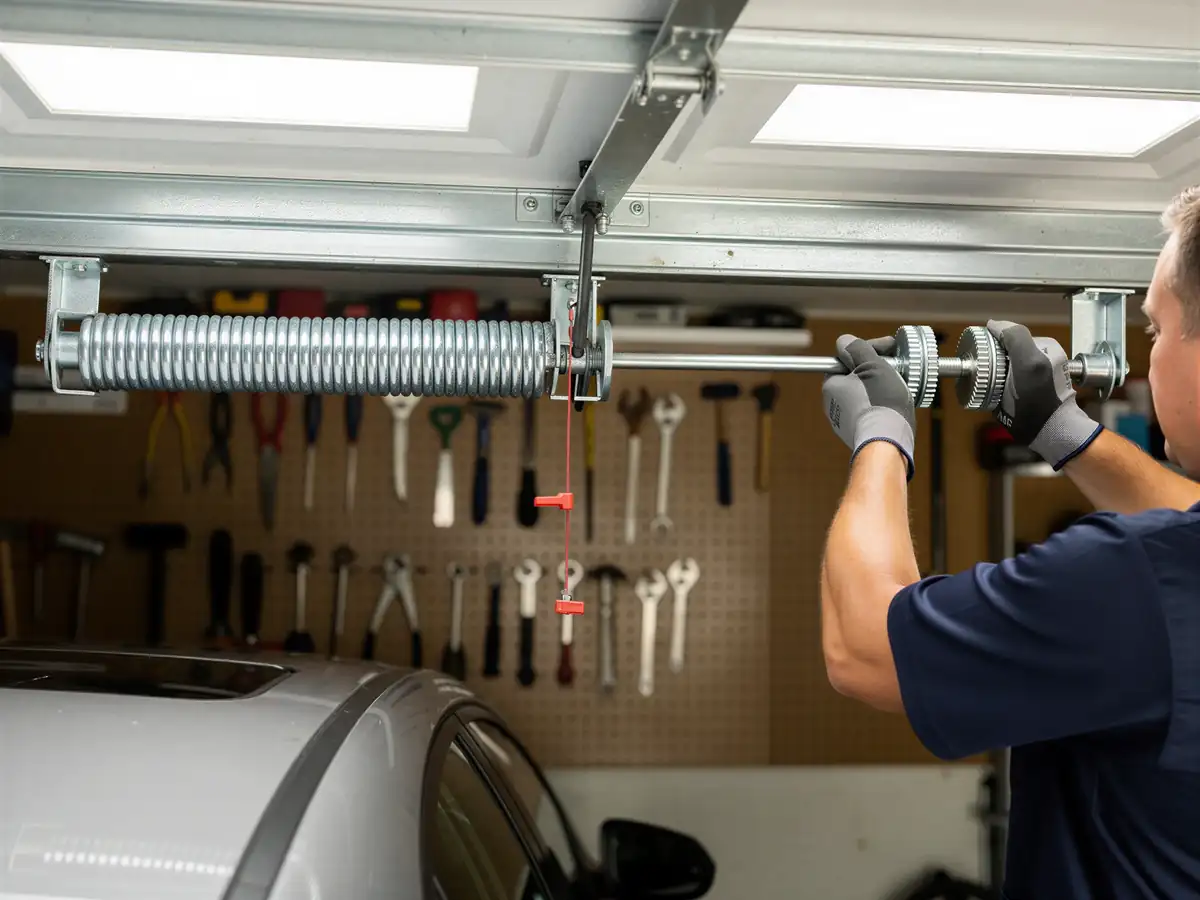
Most of the houses we work on in Oakland were built between 1938 and 2008, with the median landing around 1965. That means a lot of the doors we look at aren't failing because of one bad part - they're failing because the whole assembly is sixty years old and was never built for the openers and safety sensors we bolt onto it now. A torsion spring from a 1965 build might be on its third or fourth replacement already. A track bent slightly out of true on a door that age has usually been bent a little more every decade since.
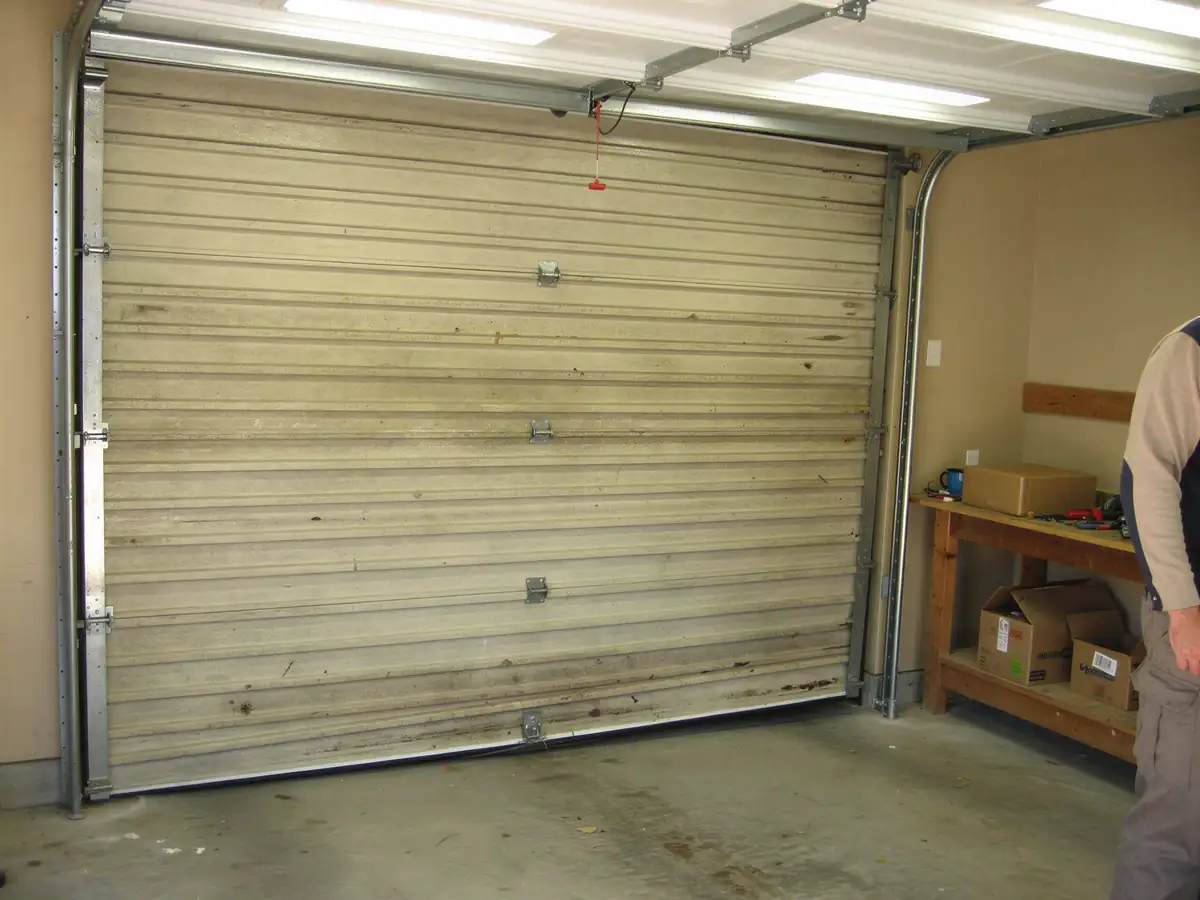
The question isn't always "can this be fixed." Almost anything can be fixed once. The real question is whether the door, track, and opener as a system are worth keeping alive, or whether you're paying to patch a 1960s structure that's going to need the next part in eighteen months anyway. We see this most in the older pockets around and the area, where original doors are still common. When a second major component fails inside a couple years of the first, that's usually the signal to stop repairing and start replacing.
What You Pay
01
We're not going to hand you a number here that we can't back up
Pricing depends on what's actually wrong and what parts a given door needs, and that varies job to job. What we can tell you is how the decision tends to break down. A single broken spring or a bent roller on a door that's otherwise sound is almost always worth fixing. Once you're replacing the opener, the springs, and a warped section within the same year or two, you're paying repair prices three or four times over for a door that's still going to look and perform like it's from 1965 - because it is.
02
One honest limit on our end
If a door uses hardware that simply isn't made anymore - certain one-piece doors and older torsion drums common in this area's older housing - we may not be able to source an exact match. In that case, a straight repair quote can turn into a replacement conversation fast, and we'll tell you that up front rather than string out a repair that won't hold.
What Changes With the Season
Oakland sits in a mild temperate band, so we don't get the hard freeze-thaw cycles that crack torsion springs and seize up tracks the way colder climates do. That's good news for door longevity, but it also means wear here comes almost entirely from age and cycle count rather than weather extremes - which is exactly why a 1965-built door can run for decades without an obvious failure, then suddenly need three things fixed in the same month once it crosses a certain number of open-close cycles.
Because there isn't a sharp seasonal spike in failures the way there is in places with real winters, we don't see a single month where repair calls jump. What we do see is a steady accumulation: springs rated for a certain number of cycles finally hitting that number, openers from the same era losing their gears at close to the same time. If your door and opener are both original to a house built in that 1938 to 2008 window, aging isn't seasonal here - it's just cumulative.
What the Weather Here Does to It
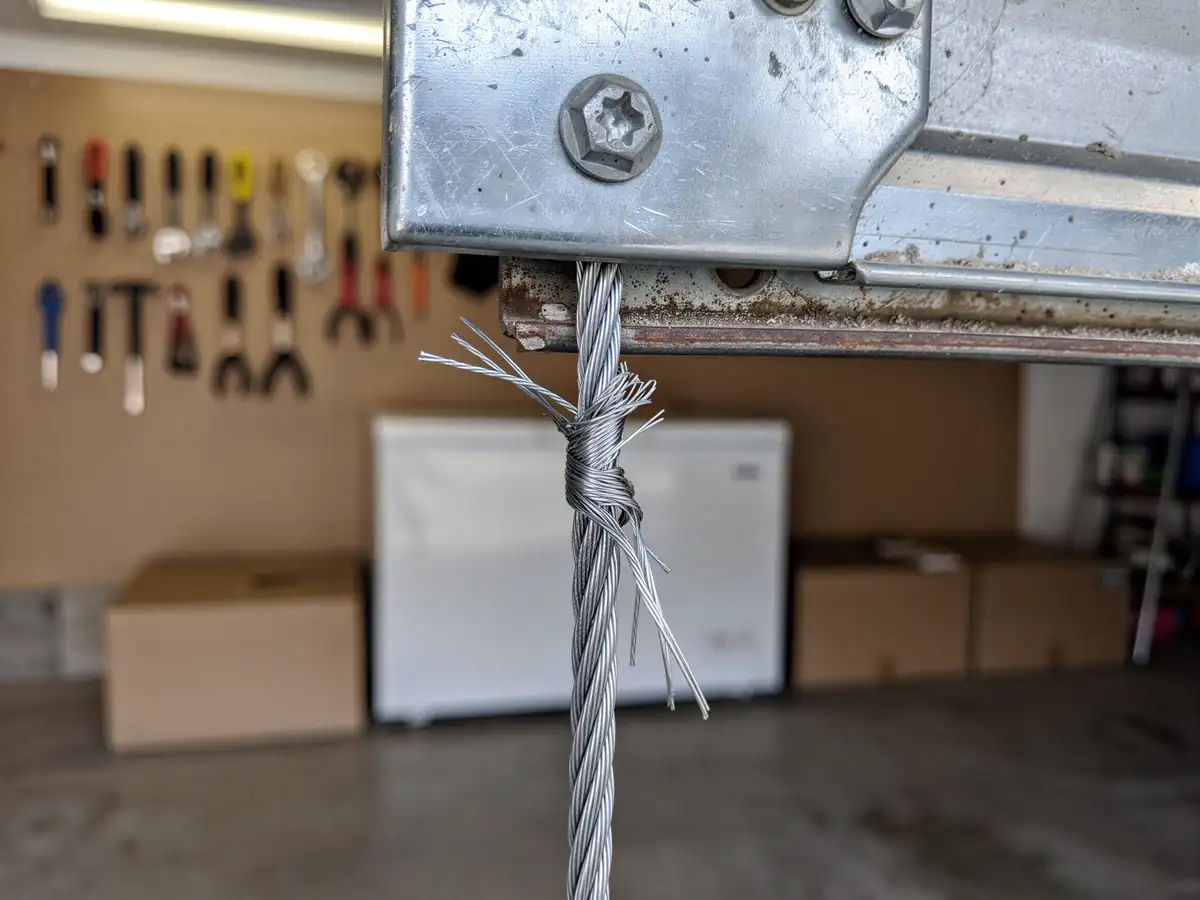
The mild climate means less of the dramatic failure you'd see elsewhere - no springs snapping from sudden deep cold, no tracks warping from extreme heat. What it does instead is let corrosion and wear work slowly and quietly on hardware that's been in place since the house was built. On doors going back to the 1938-2008 range common across this area, we regularly find original fasteners and brackets that have simply thinned out over fifty-plus years of damp coastal air, even without any single dramatic weather event to point to.
That slow wear is part of why we don't push replacement on every call. A door with original hardware that's still structurally sound and just needs new rollers or a modern spring isn't a door you need to junk. But once the drum, the track, and the panel are all showing that same decades-long fatigue at the same time, no single repair fixes the underlying problem - the door's just old, and the mild weather only delayed the day you'd notice.
How it works
From “it’s stuck” to “it’s fixed”
01
Tell us what’s wrong
Describe the symptom - won’t open, loud bang, opener runs but the door won’t move.
02
On-site diagnosis
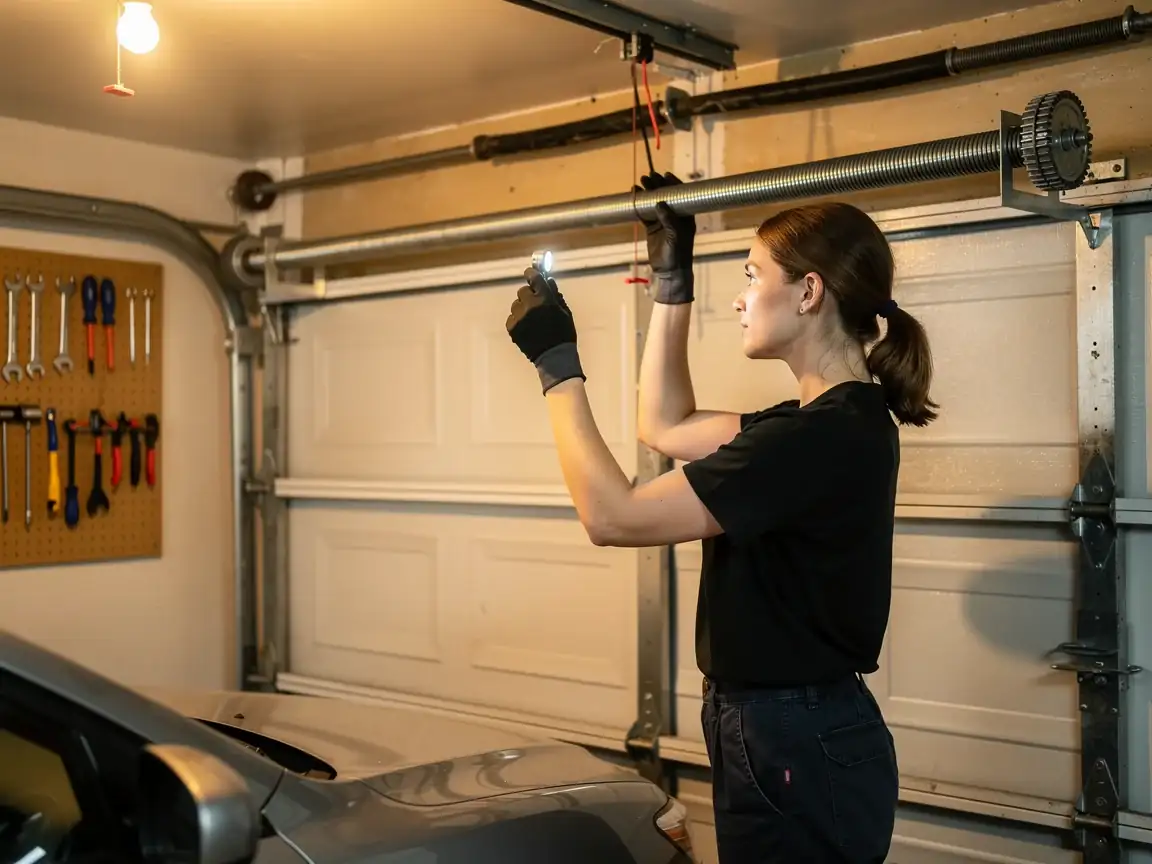
A technician tests the door under power and by hand and finds what actually failed.
03
Clear, up-front plan
You get the fix that’s needed and what drives the cost - before any work starts.
04
Repaired & tested
The repair is done, the door is set true and tested, and the work area left clean.
Not sure which repair your door needs in Oakland, CA? Describe what it’s doing - every job starts with a diagnosis.
Straight answers about garage door repair in Oakland. Still unsure? Ask us directly.
How do I know if my garage door is too old to fix?
If more than one major part - spring, opener, track, or panel - fails within a year or two of each other, that's usually a sign the whole assembly is wearing out together rather than one isolated part breaking. On houses from the 1938-2008 range common in Oakland, that pattern shows up often once a door passes a few decades of regular use.
Does Oakland's weather wear out garage doors faster?
Not in the dramatic way cold-climate freeze-thaw cycles do. The mild temperate climate here means less sudden failure, but damp air over many decades still corrodes original fasteners and brackets slowly. Wear tends to be gradual and age-driven rather than tied to any single season or weather event.
Can you still get parts for an older original door?
Sometimes, but not always. Certain one-piece doors and older torsion hardware common in this area's older housing stock are no longer manufactured, so an exact match isn't guaranteed. When that's the case, we'll tell you before quoting a repair that might not hold.