Why So Many Oakland Garage Doors Were Never Built to Hold Heat
Oakland's housing stock mostly dates to the 1960s and 70s, before insulated garage doors were standard. Here's what that means for your door, your bill, and the fog.
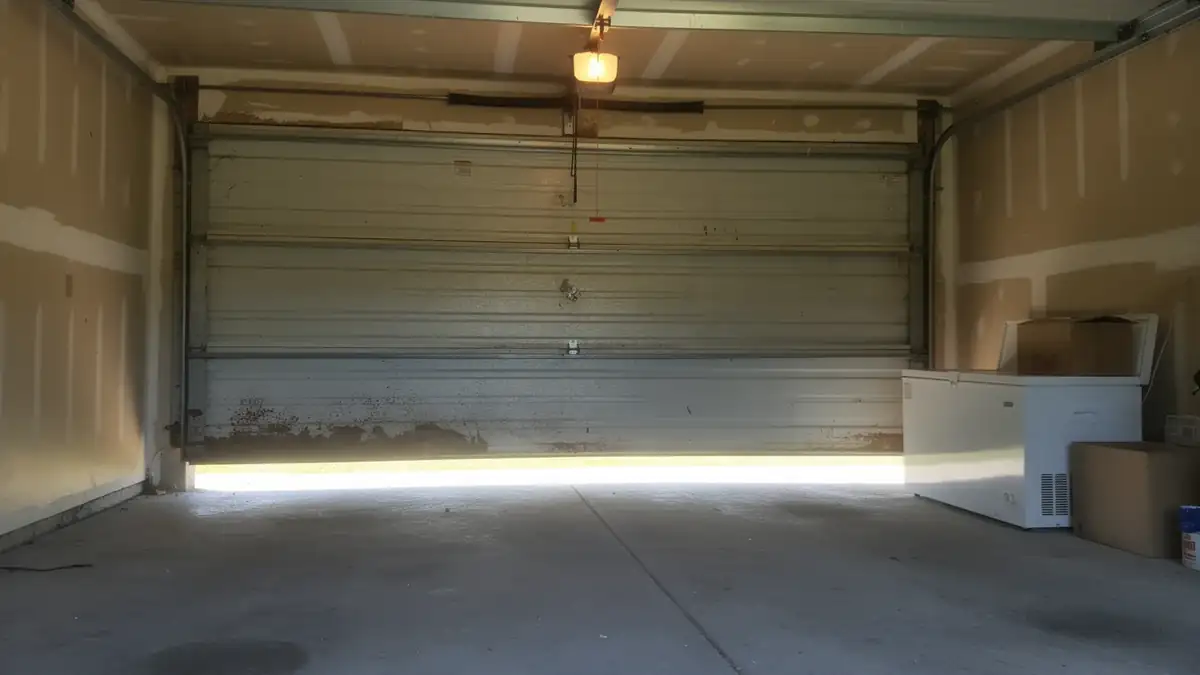
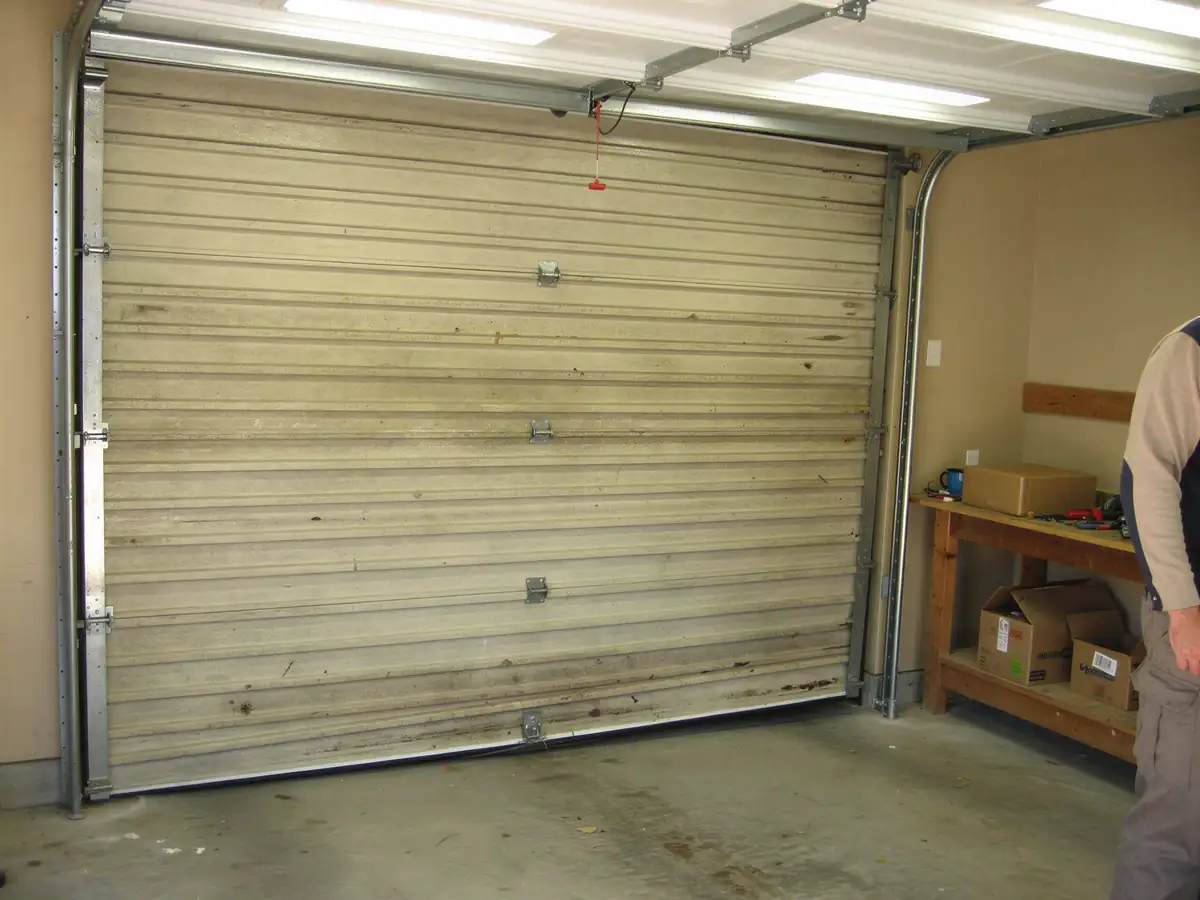
Housing in this service area was built mostly between 1938 and 2008, with the median landing around 1965. That puts a lot of garages - in and the other 1960s-70s tracts that make up most of the 59 named areas here - up before insulated doors were standard equipment on an attached garage. The door that came with the house is usually a single layer of steel or wood, maybe with a thin foam backing added later, but no real thermal break.
That's not a defect. It's just what builders put up at the time, because nobody was asking for an insulated door in 1965. The problem shows up now: a garage that shares a wall with a bedroom or laundry room stays cold, the door itself sweats on damp mornings, and the gap at the bottom lets in more air than people expect once they actually check it. We see this pattern across the older tracts more than the newer infill.
What You Pay
01
We don't have a flat number to hand you here
And we wouldn't trust a page that pretended otherwise - cost depends on whether you're replacing a single panel, the whole door, or just adding weatherstripping and a bottom seal to an otherwise sound original door. A single-layer steel door from the 1960s stock common here can sometimes be weatherstripped and sealed rather than replaced outright, which costs less than a full swap.
02
With median household income across the service area at $148,801
A full replacement with an insulated door is a reasonable option for a lot of homeowners here rather than a stretch purchase, but we'll tell you honestly when a repair or seal job gets you most of the benefit for less money. If the door itself is structurally fine, we'd rather sell you weatherstripping than a door you don't need.
What Changes With the Season
Oakland sits in a mild temperate climate band, so you're not dealing with the freeze-thaw cycling that cracks seals and seizes hardware in colder parts of the country. Springs and rollers on these older doors last longer here than they would somewhere with hard winters, and that's one reason some of the original 1960s hardware is still running.
What does change, season to season, is moisture. An uninsulated door with no vapor barrier behind it will sweat more in the damp months, and in neighborhoods like where the housing stock skews toward that same era, we see condensation on the inside of steel doors more than we see any cold-weather failure. The fix isn't a seasonal tune-up so much as dealing with the door's lack of insulation once, properly.
What the Weather Here Does to It
Because the climate band is mild, the damage path on an old uninsulated door isn't ice or heat stress - it's slow rust and panel warp from repeated damp-dry cycles. Original steel doors from the 1960s and 70s often weren't galvanized to the standard you'd expect from a door made today, so the bottom panel and the track hardware closest to the ground are usually the first things to go.
We can't tell you a door will last forever once that rust starts at the seams - at some point patching a corroded bottom panel costs more in labor than replacing the section, and we'll say so rather than keep billing you for patch jobs. On a door that's otherwise sound, a bottom seal and a coat of rust-inhibiting primer on exposed hardware does more good here than it would in a drier climate, just because of how much damp this area holds onto.
How it works
From “it’s stuck” to “it’s fixed”
01
Tell us what’s wrong
Describe the symptom - won’t open, loud bang, opener runs but the door won’t move.
02
On-site diagnosis
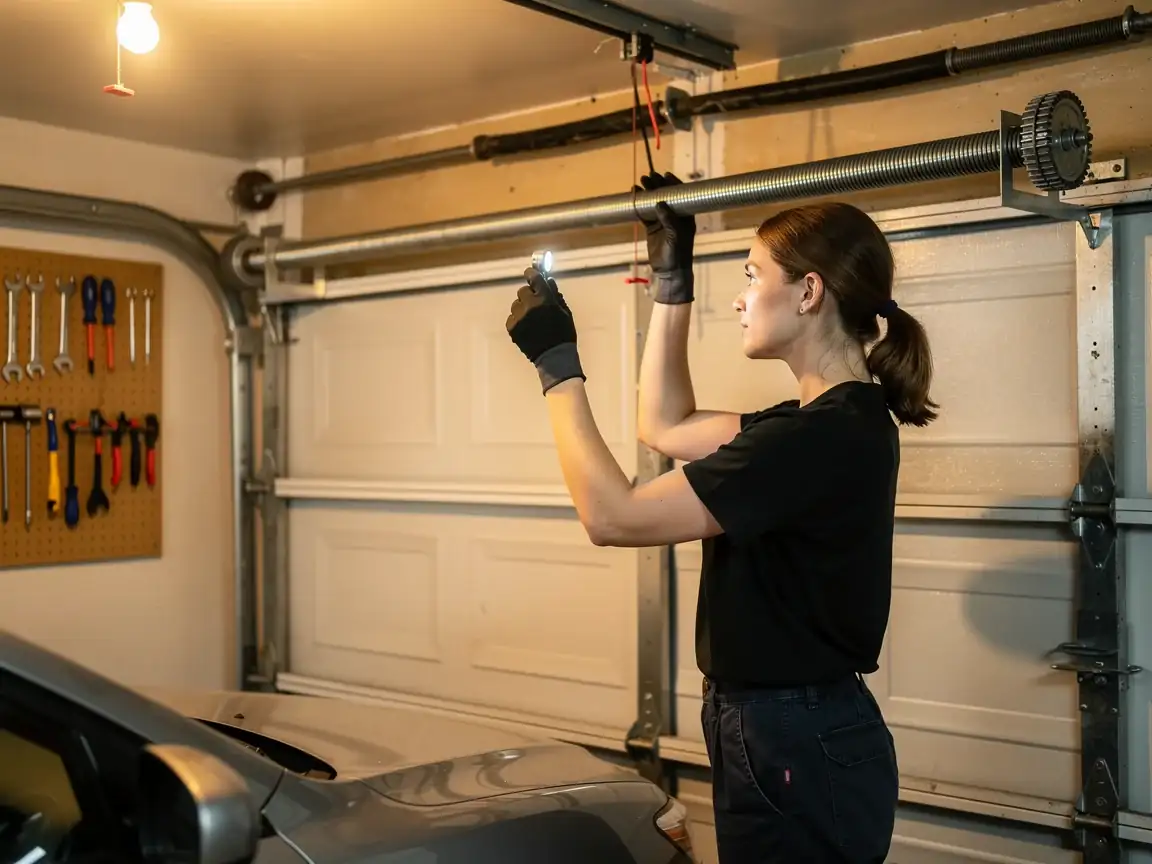
A technician tests the door under power and by hand and finds what actually failed.
03
Clear, up-front plan
You get the fix that’s needed and what drives the cost - before any work starts.
04
Repaired & tested
The repair is done, the door is set true and tested, and the work area left clean.
Not sure which repair your door needs in Oakland, CA? Describe what it’s doing - every job starts with a diagnosis.
Straight answers about garage door repair in Oakland. Still unsure? Ask us directly.
Is my original garage door from the 1960s worth insulating or should I replace it?
If the panels aren't rusted through and the door still tracks straight, adding insulation panels and a bottom seal can get you most of the benefit for less than a full replacement. Once rust has worked into the seams or a panel is warped, patching stops being worth it and replacement is the better call.
Why does my garage door sweat on foggy mornings?
An uninsulated steel door has no vapor barrier, so when damp outside air hits the cooler steel, it condenses just like a cold glass on a humid day. It's common on original doors from the 1960s-70s housing stock here and isn't a sign the door is failing - it's just doing what an uninsulated door does in this climate.
Do I need to worry about freeze damage to my springs or opener?
Not here. The mild temperate climate band means you're not getting the freeze-thaw cycling that cracks springs and seizes openers in colder regions. The wear pattern we see on older doors in this area is driven by moisture and rust, not cold.