
Do you have a shop or crew based in Piedmont?
No. Every Piedmont job is run from our Oakland shop, four miles away. We don't keep a branch, depot, or crew stationed in Piedmont - the truck comes out for the measuring visit and again for the install.
New garage door installation in Piedmont, CA, a 4-mile drive from our Oakland base. Older housing stock here often needs wider framing for today's doors.
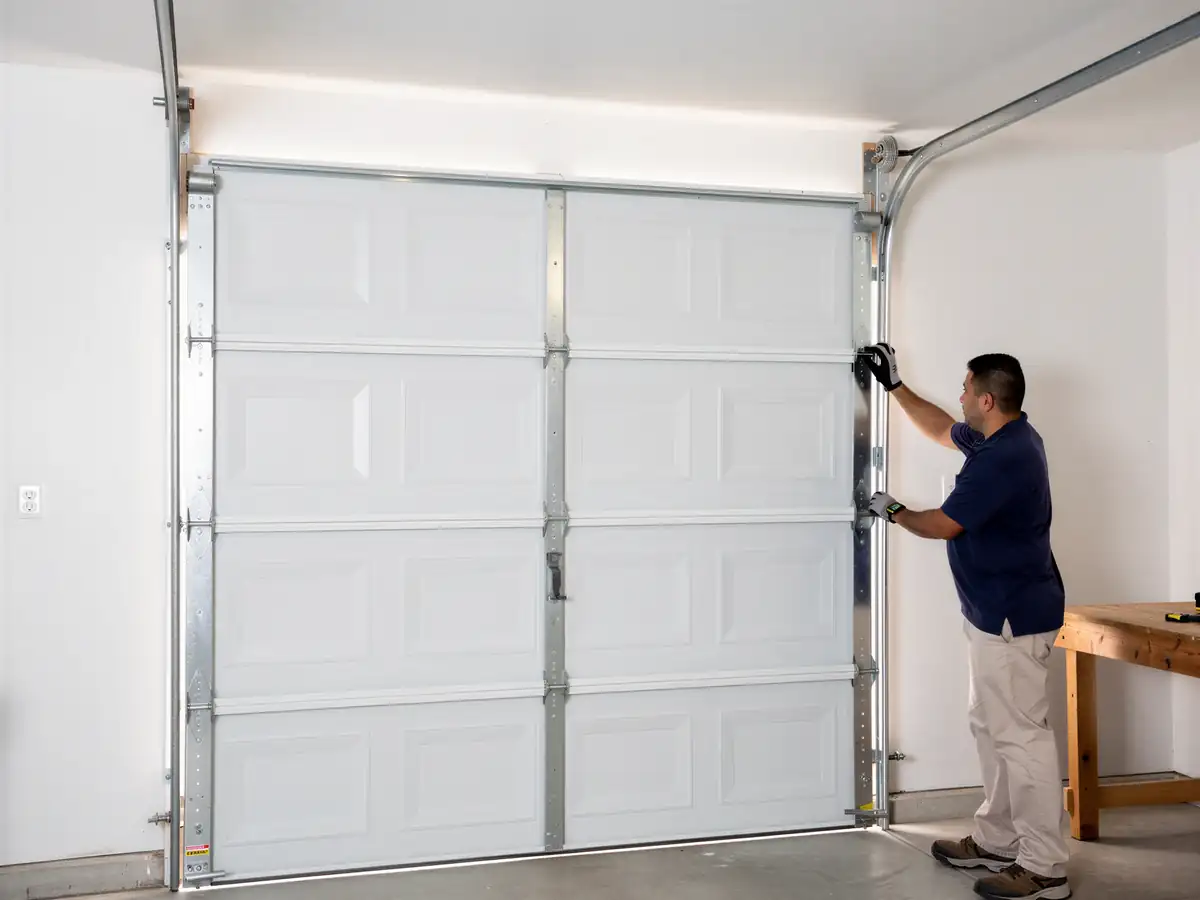
Piedmont sits four miles from our Oakland shop, which is close enough that a measuring visit and the install itself often happen inside the same week rather than being spread across separate trips. The drive isn't the bottleneck here - the opening is. Homes in this part of the service area were mostly built in 1938, decades before the 1965 median that covers the rest of the area we work in, and a lot of those original openings were framed to fit doors that no manufacturer still makes in stock widths. That means the first visit is almost always a measuring and assessment trip, not a swap-and-go. If the header and jambs need shimming or re-framing to take a standard door, we tell you that on the spot rather than discover it the morning of install day. A straightforward swap into an opening that already matches modern sizing can be a single-day job. One that needs framing work runs longer, and we'd rather tell you that up front than pad the quote later.
The main risk with older openings isn't the door - it's what's behind the drywall. A median build year of 1938 means a fair number of garages here still have original jambs and headers that were never sized for a modern torsion spring system, which assumes a specific amount of clearance and a header strong enough to carry the spring load. Try to bolt a standard torsion setup onto a header that wasn't built for it and you get sag, noise, or a door that drifts off level within a year. The mild temperate climate across this part of the East Bay (per regional climate data) has actually worked against us in one specific way: original wood framing here hasn't swollen, rotted, or warped the way it would in a harsher climate, so it's held its exact old dimensions for decades - which means it won't flex to take a new standard-width door without real carpentry. We catch this at the measuring stage, not after the door's already on the truck.
Swapping a modern door into a modern, standard-sized opening is within reach for a handy homeowner with the right tools and two people to lift panels. That is not the situation in most of Piedmont. If your opening needs framing work to accept a new door - which is common given how much of this housing predates 1965 construction standards - that's carpentry and spring-load work combined, and getting the header load wrong is how garages end up with a door that drops or a track that pulls loose from the wall. We'll say plainly: if your home was built in the 1930s or 40s and nobody's touched the garage opening since, don't start by ordering a door online and hoping it fits. Get the opening measured first. That's the one step that saves the most money and the most grief, and it's also the step most DIY installs skip.
On install day the sequence is the same whether the opening is standard or not: strip the old door and track, check the header and jambs are sound enough to carry the new spring load, set new track and hinges, hang panels, and balance the spring before the opener goes back on. Where Piedmont jobs differ is the middle step. Because so much of the housing here predates 1965 and plenty of it dates to the late 1930s, we spend more time confirming the header will actually hold a modern torsion spring before we commit to it - sistering or reinforcing framing where it won't. That's extra labor on install day, but it's the difference between a door that holds its balance for years and one that sags within months. Once the frame checks out, hanging and balancing a new door usually runs a few hours. The framing work, when it's needed, is what adds the rest of the day.
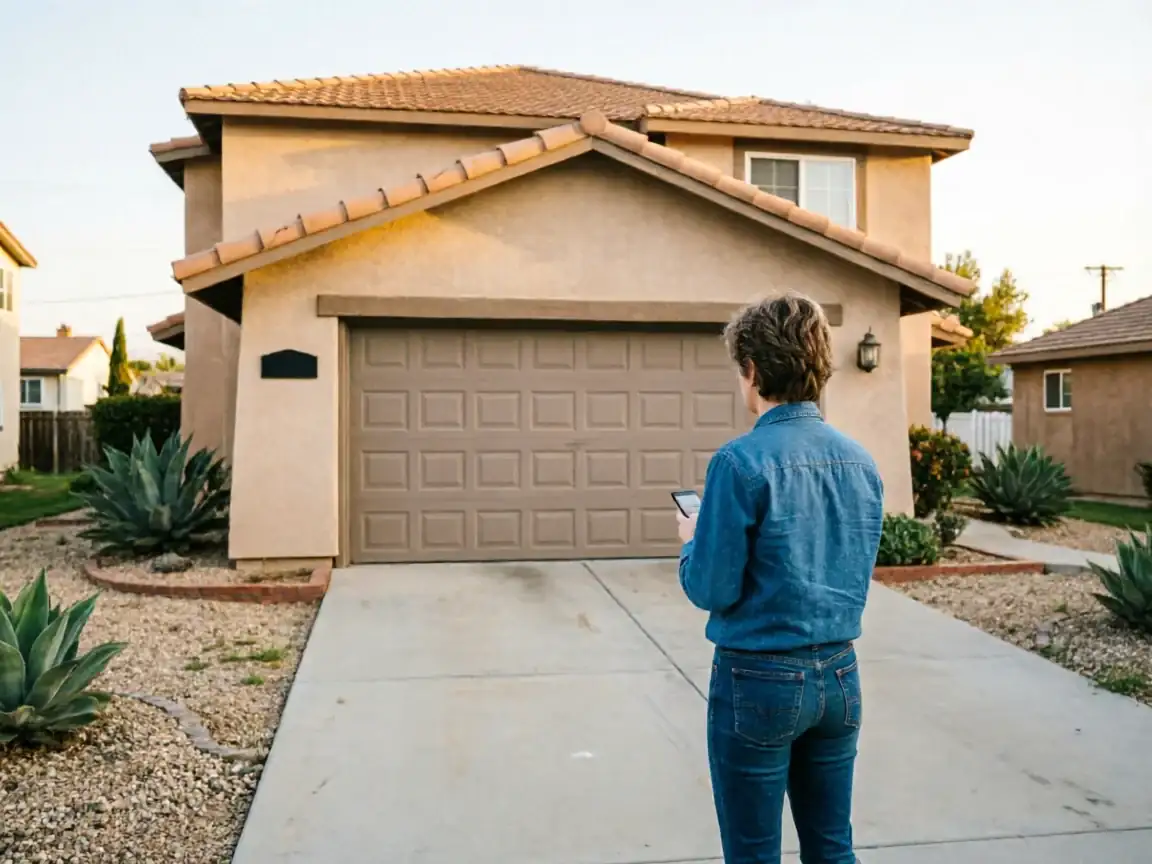
Describe the symptom - won’t open, loud bang, opener runs but the door won’t move.
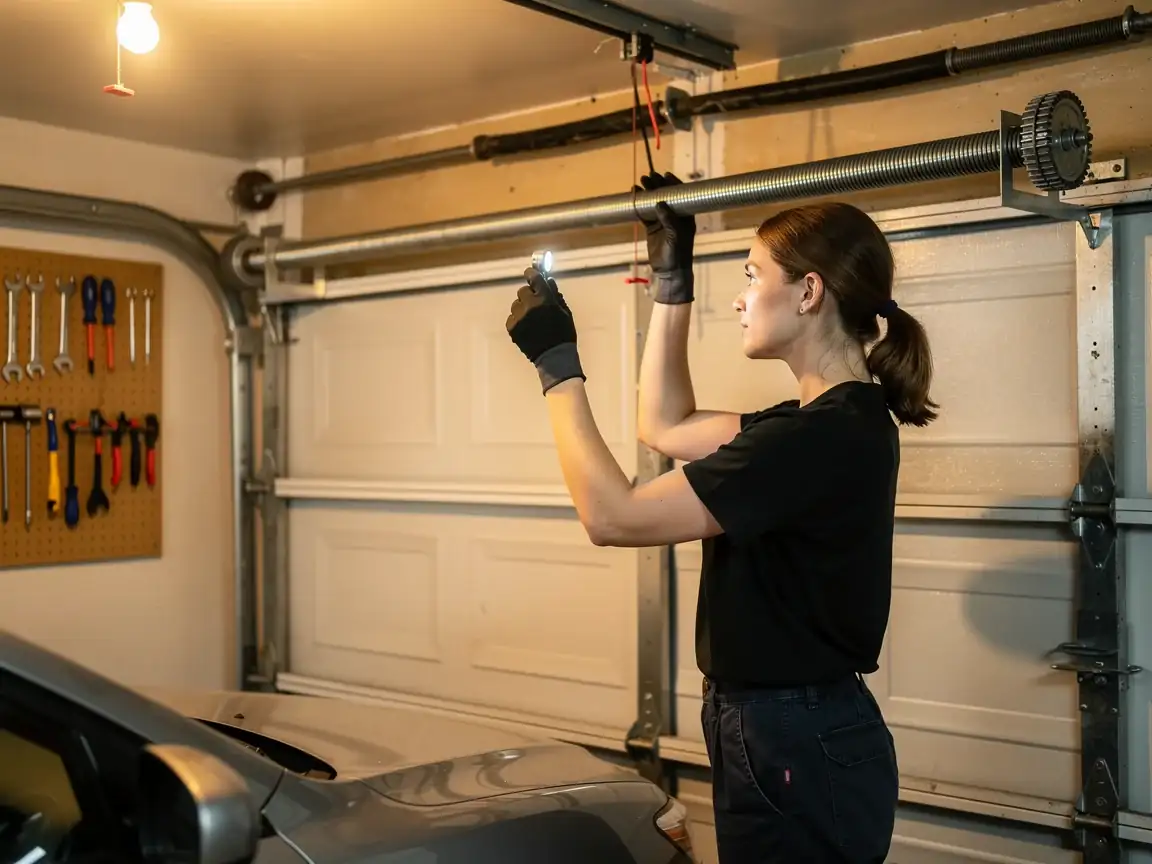
A technician tests the door under power and by hand and finds what actually failed.

You get the fix that’s needed and what drives the cost - before any work starts.
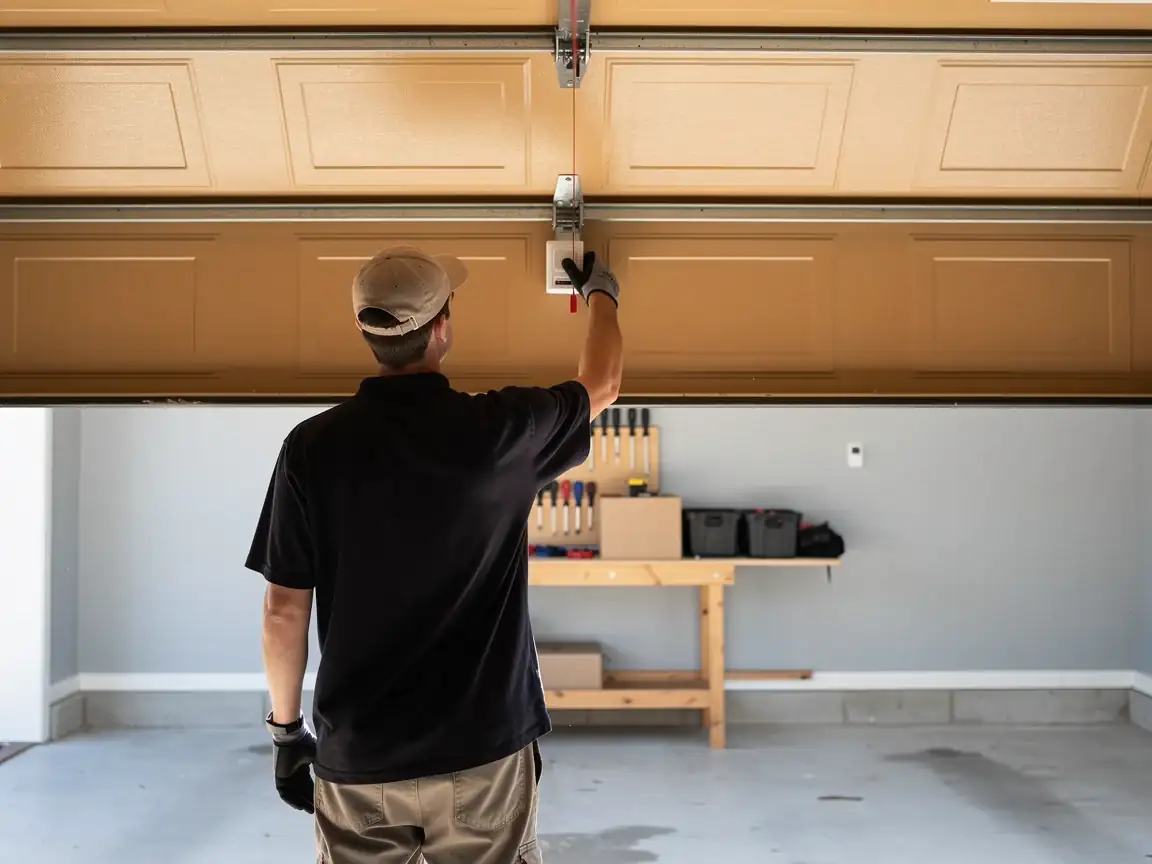
The repair is done, the door is set true and tested, and the work area left clean.
Illustrative styles - sectional, insulated steel, carriage, and commercial doors.
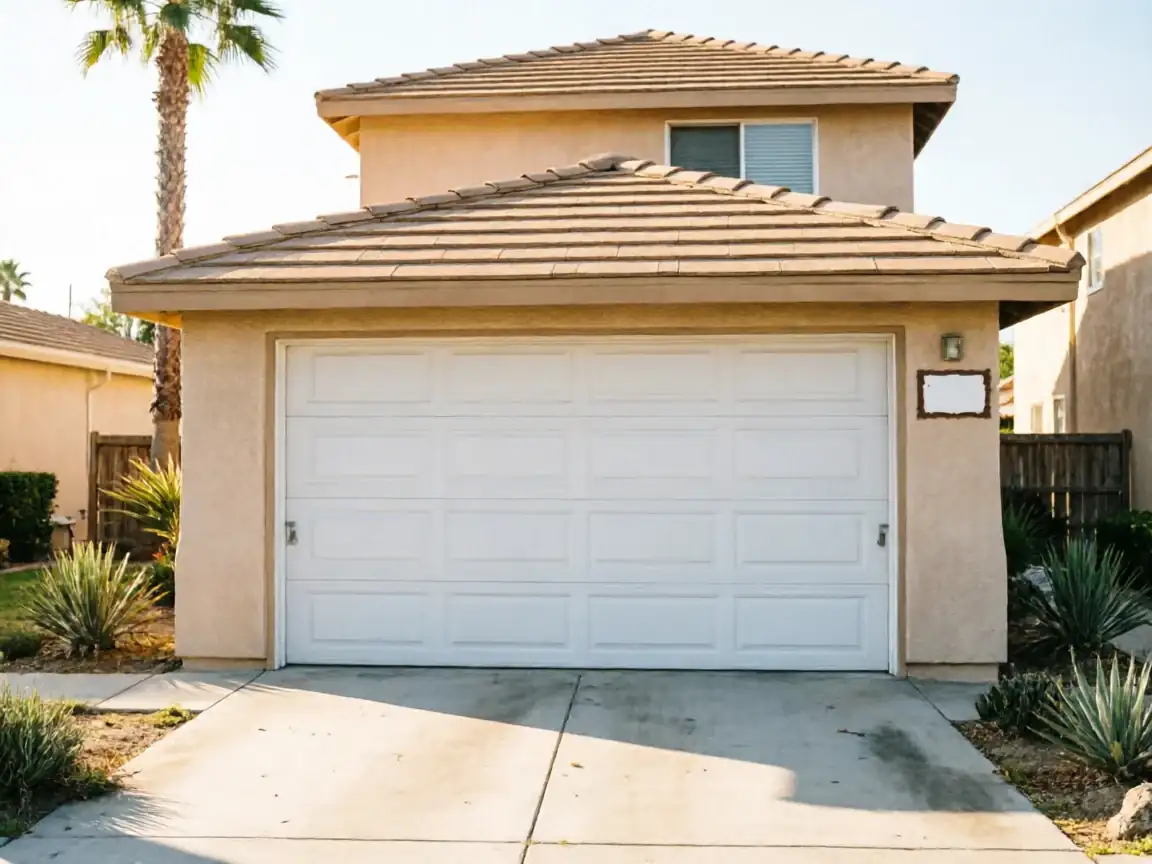
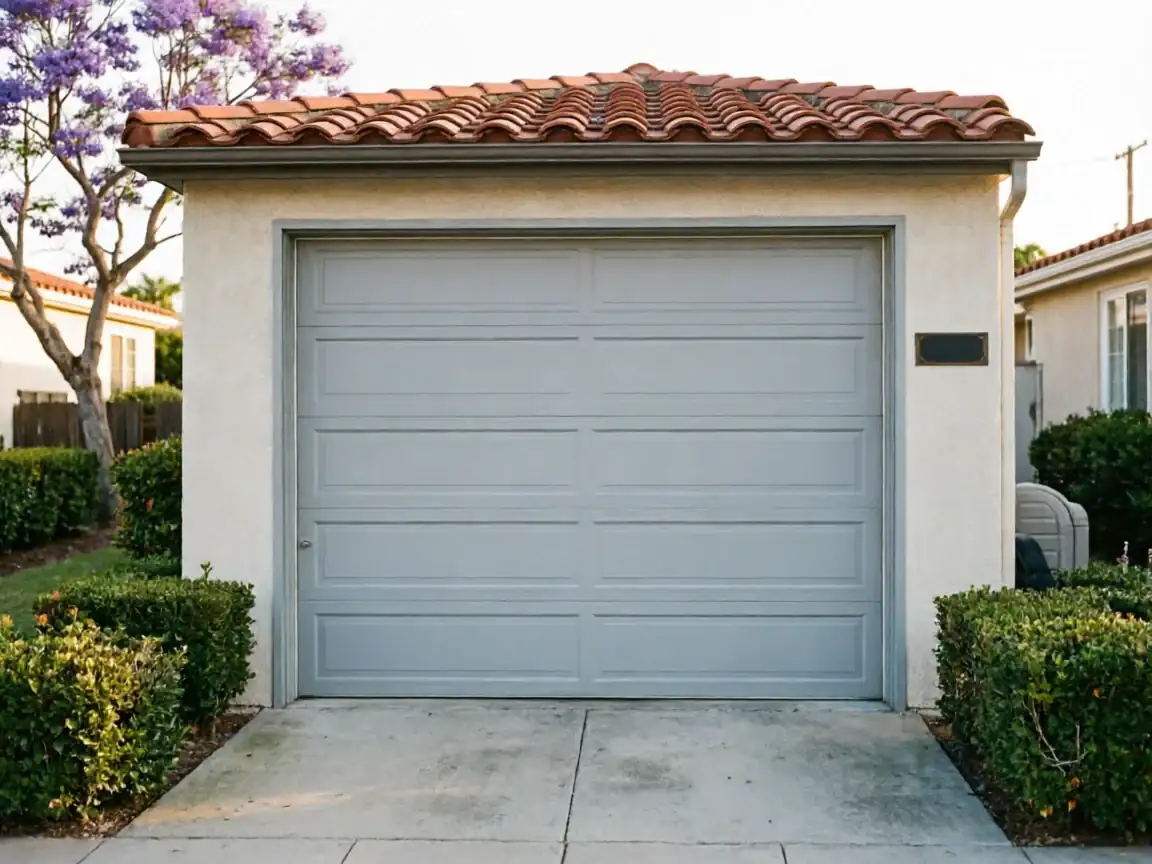
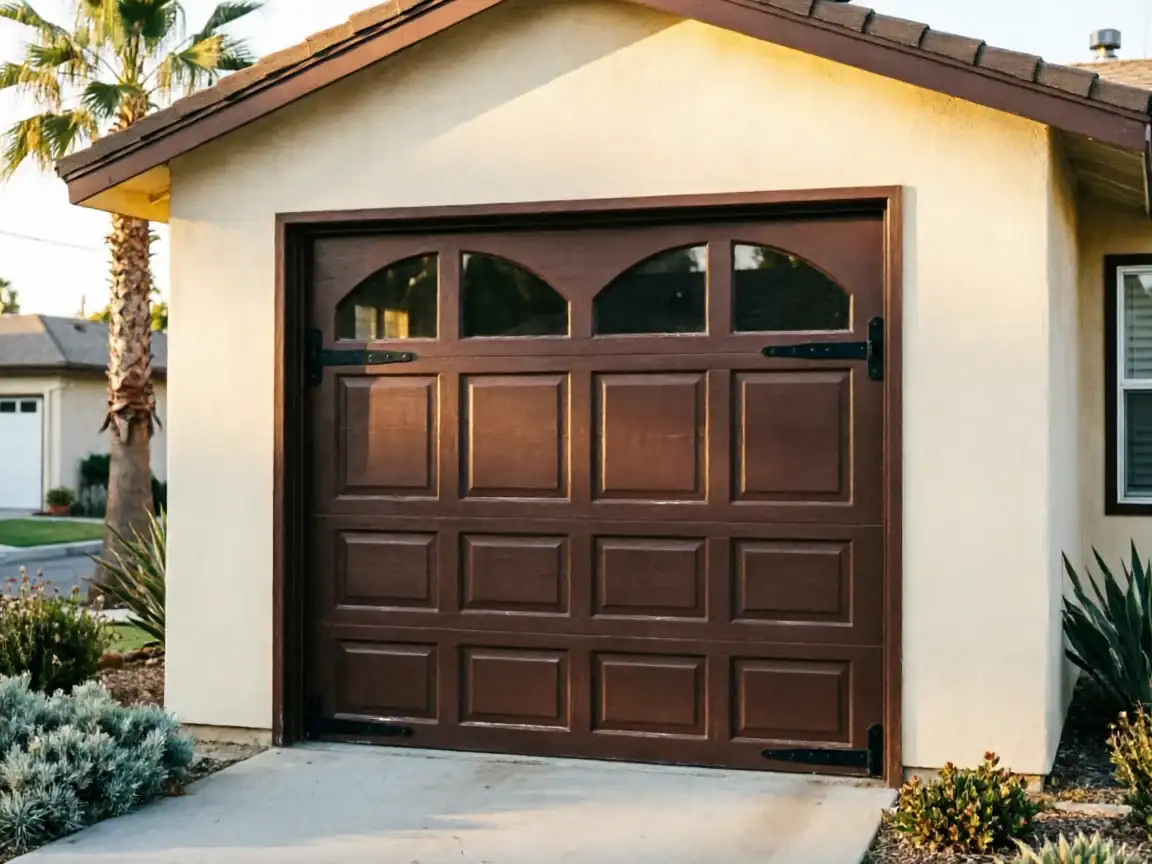
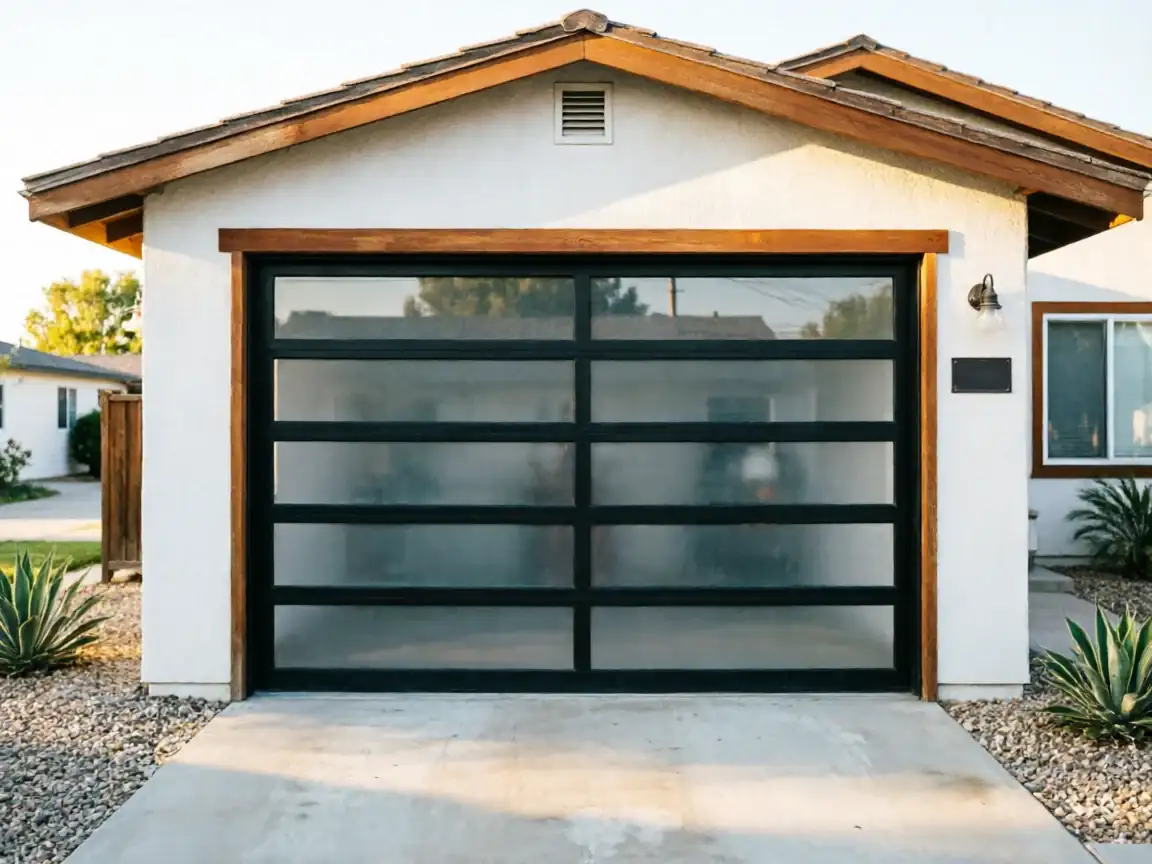
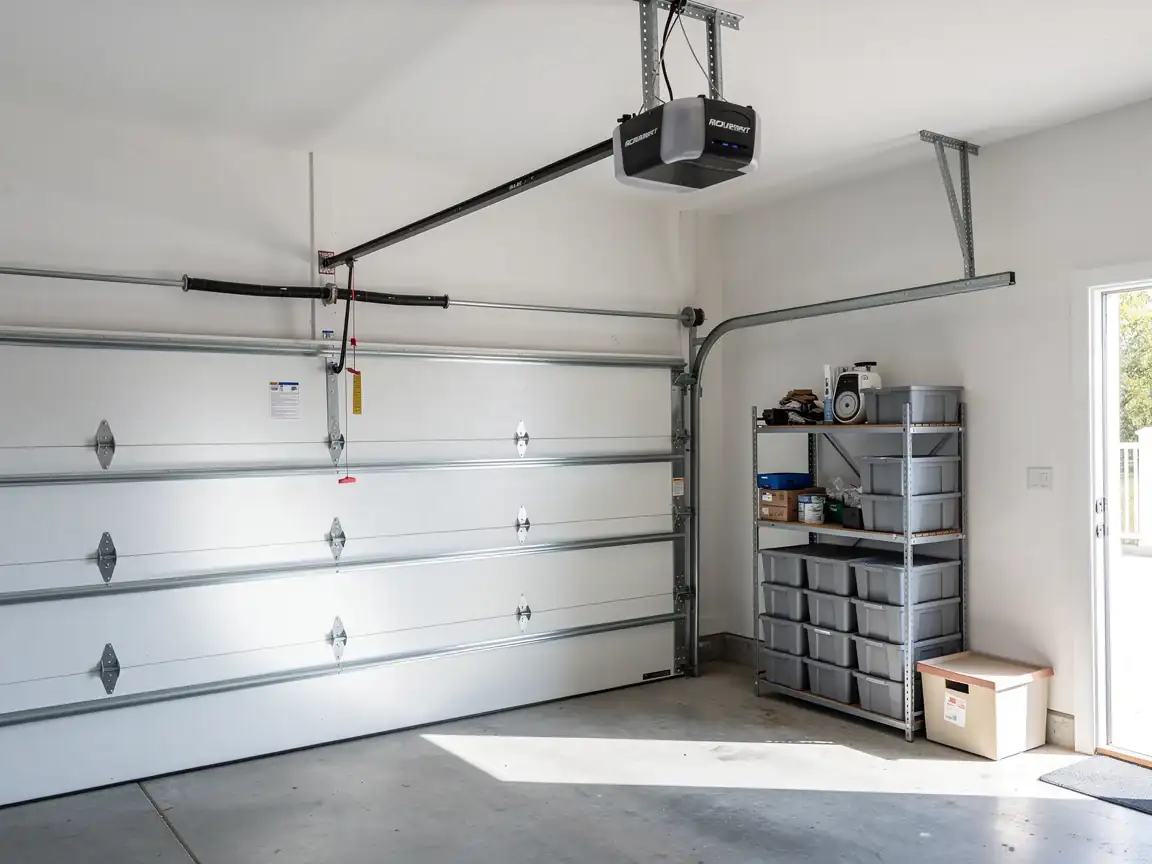
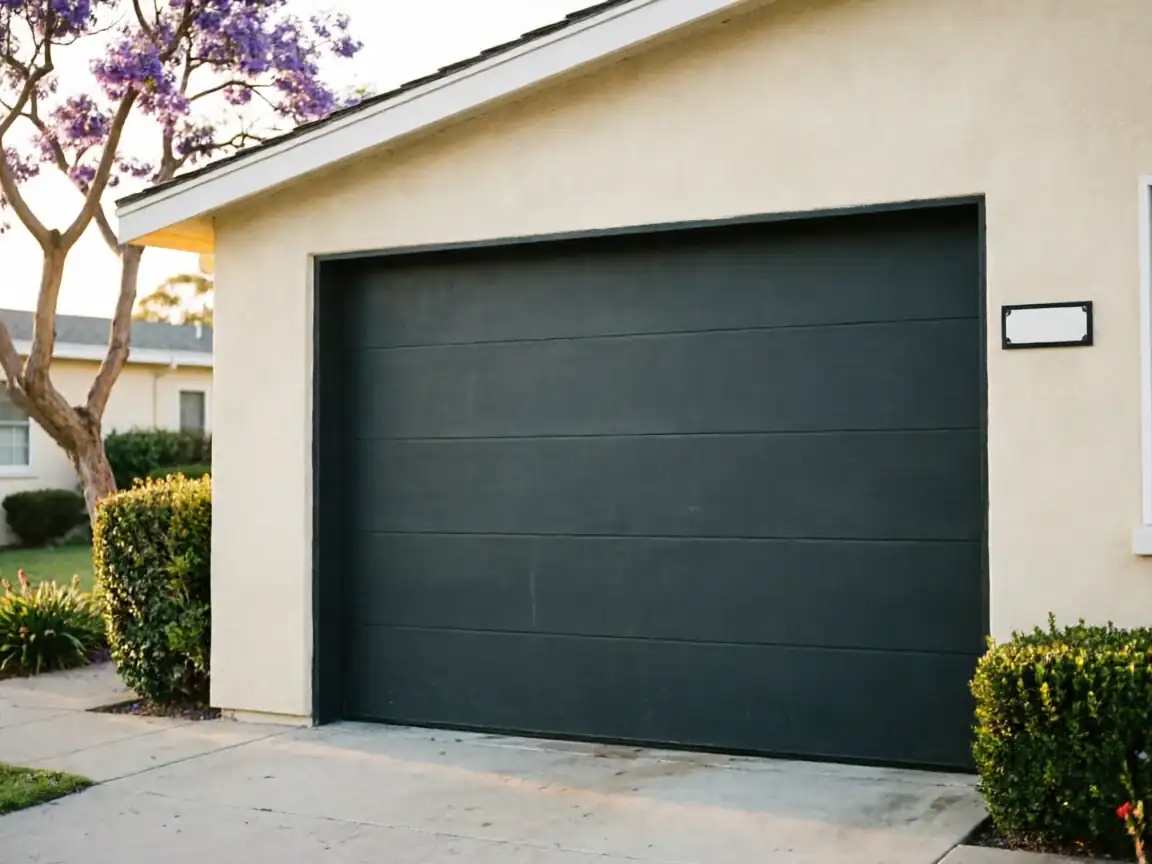
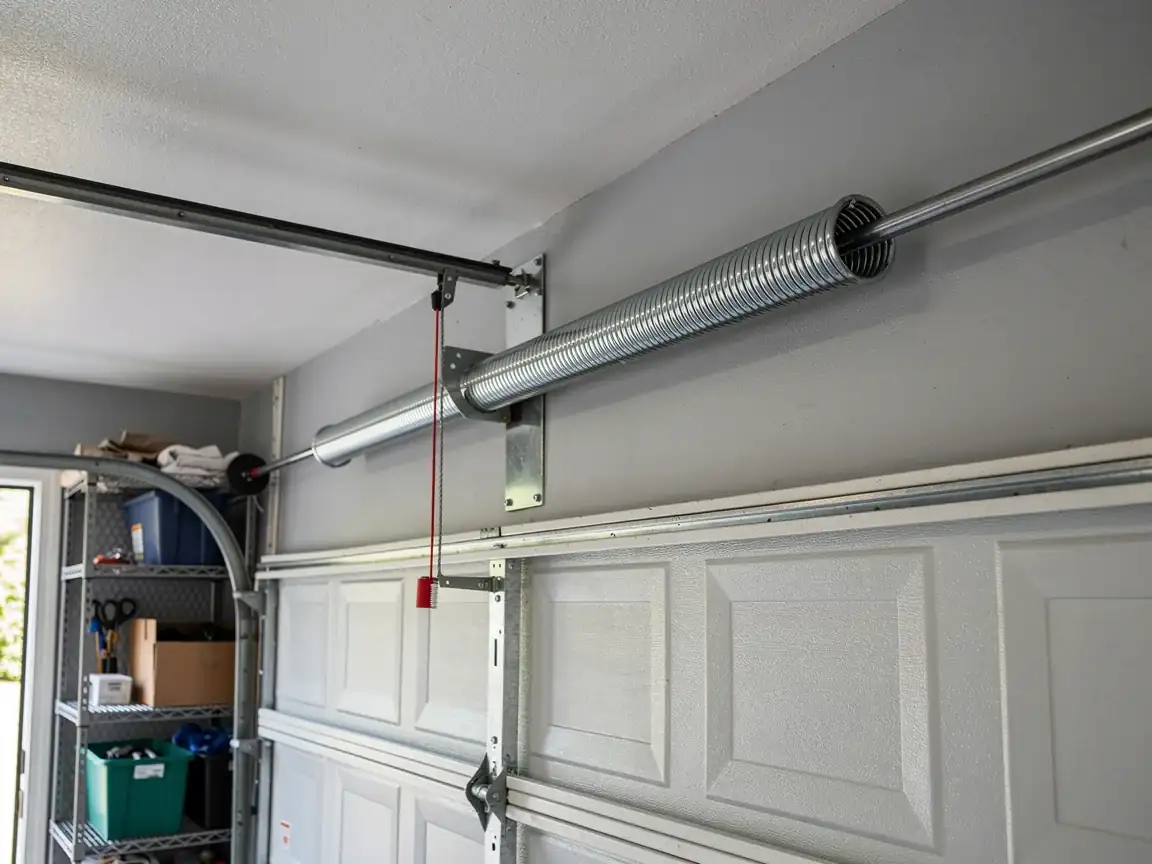
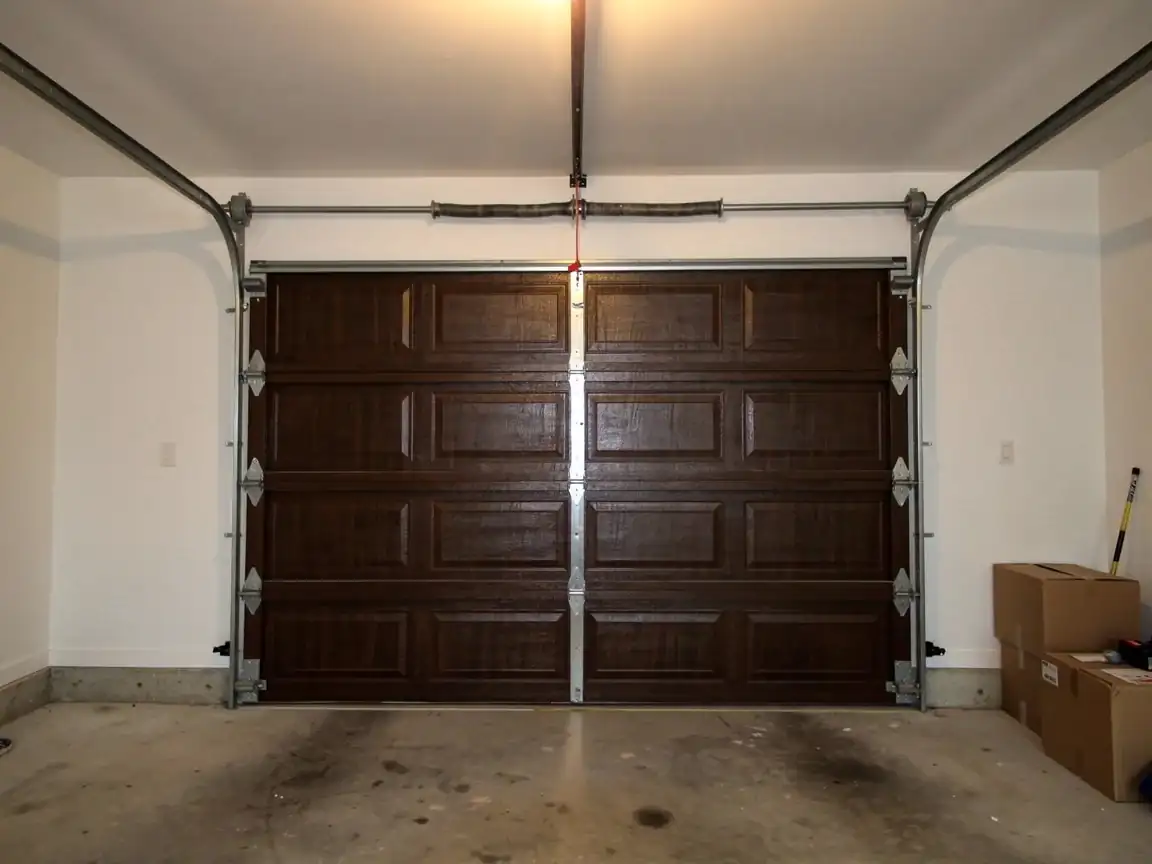
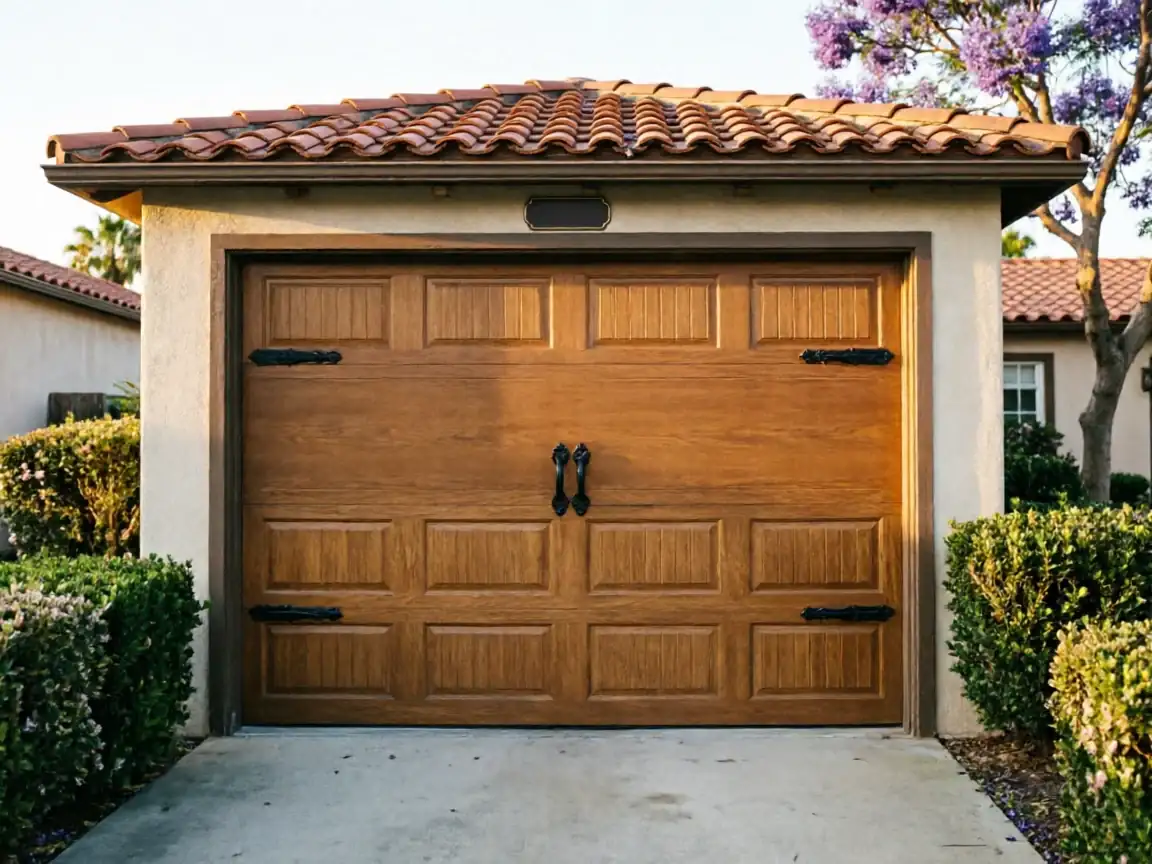
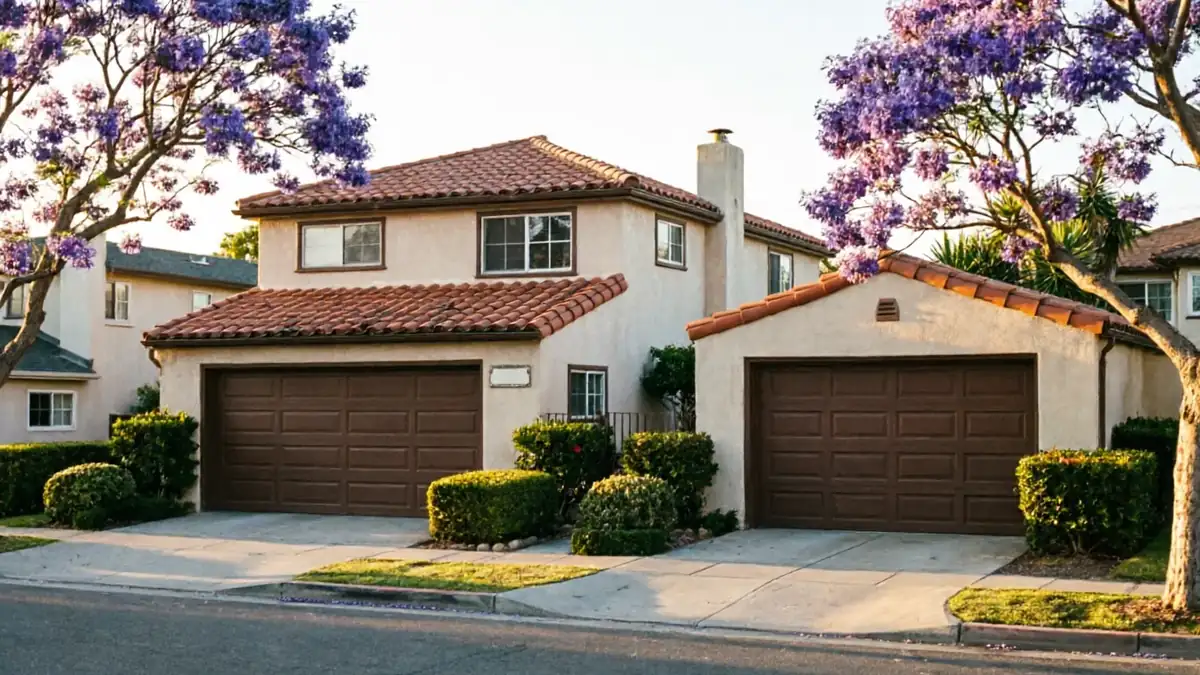
Other work we do for Piedmont homes - each page covers that job for Piedmont specifically.
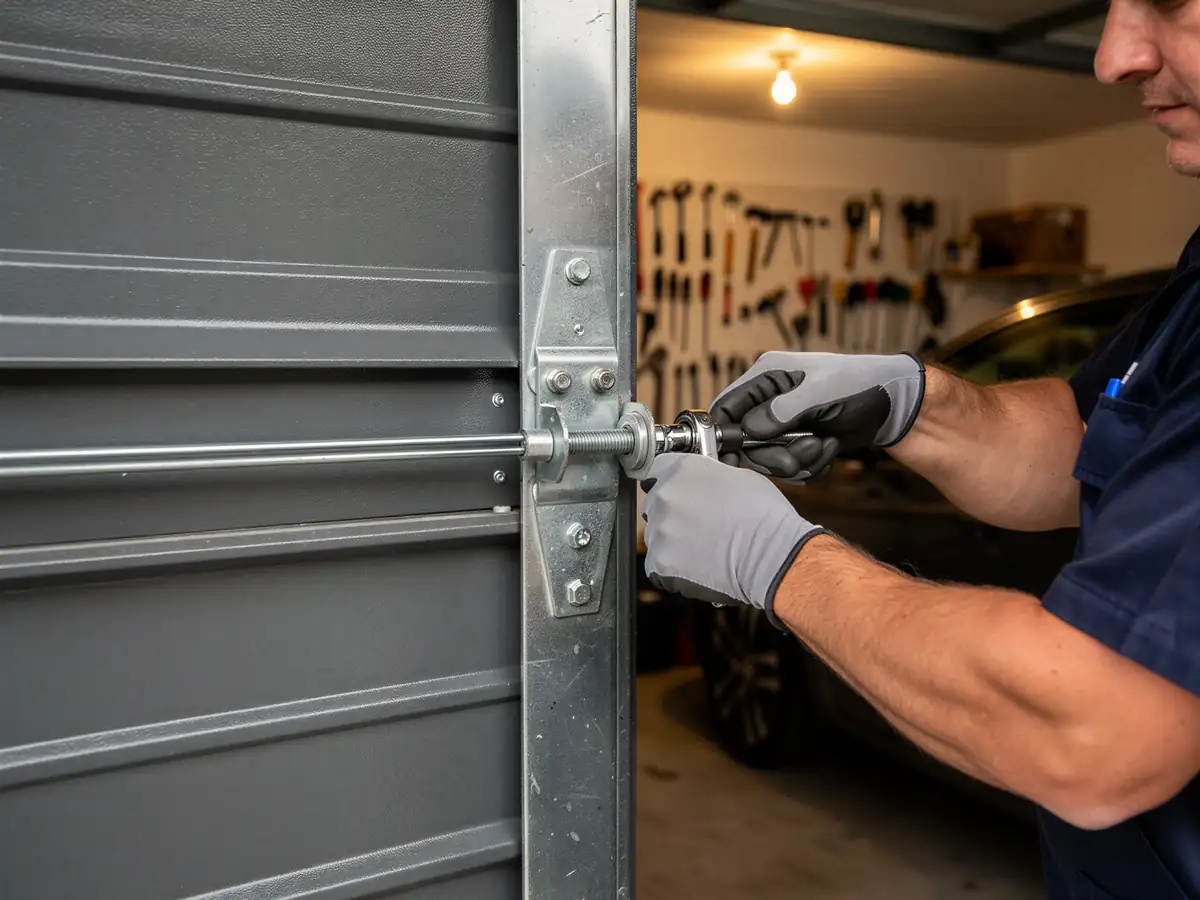
Garage door repair for Piedmont's 1930s-era homes, serviced from Oakland 4 miles away. Older torsion and extension hardware, narrower single-car openings, mild-climate wear.
Learn more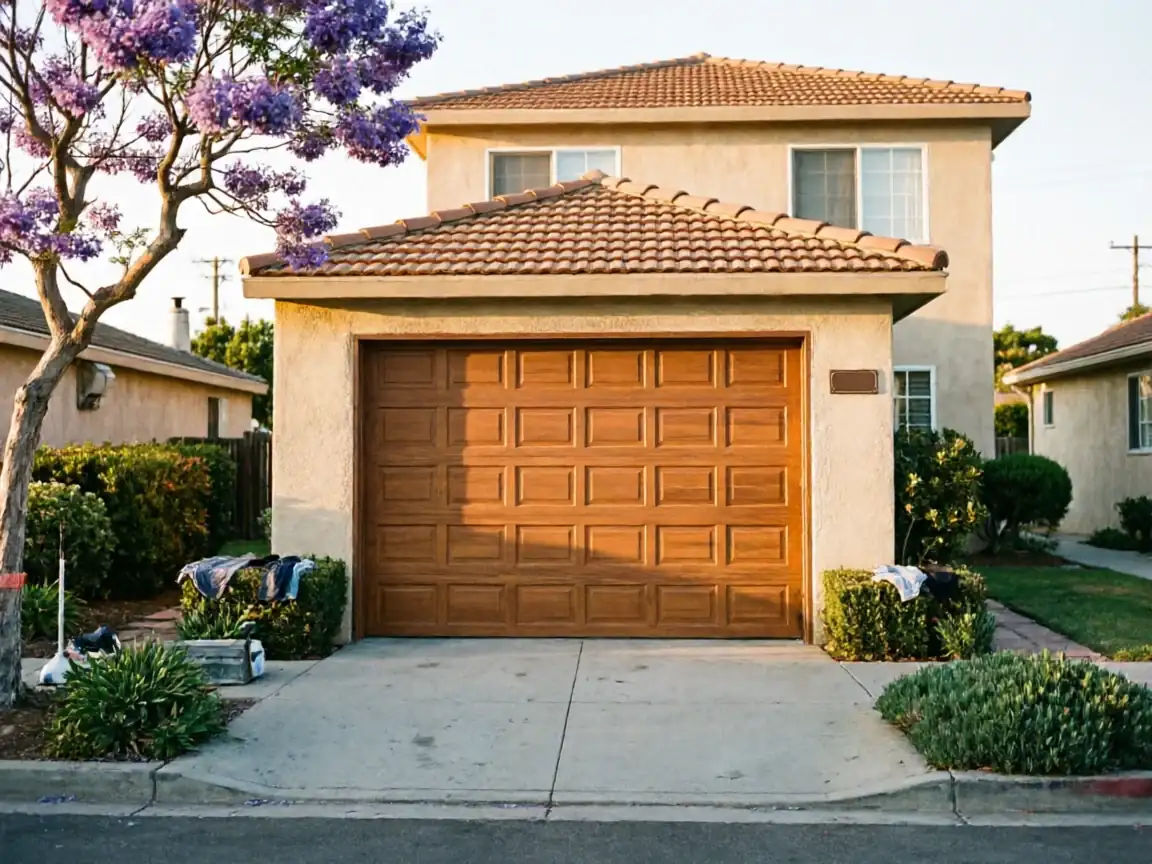
Piedmont's housing dates to 1938, a generation older than most of Oakland's stock. We service the extension-spring and retrofit hardware that era left behind.
Learn more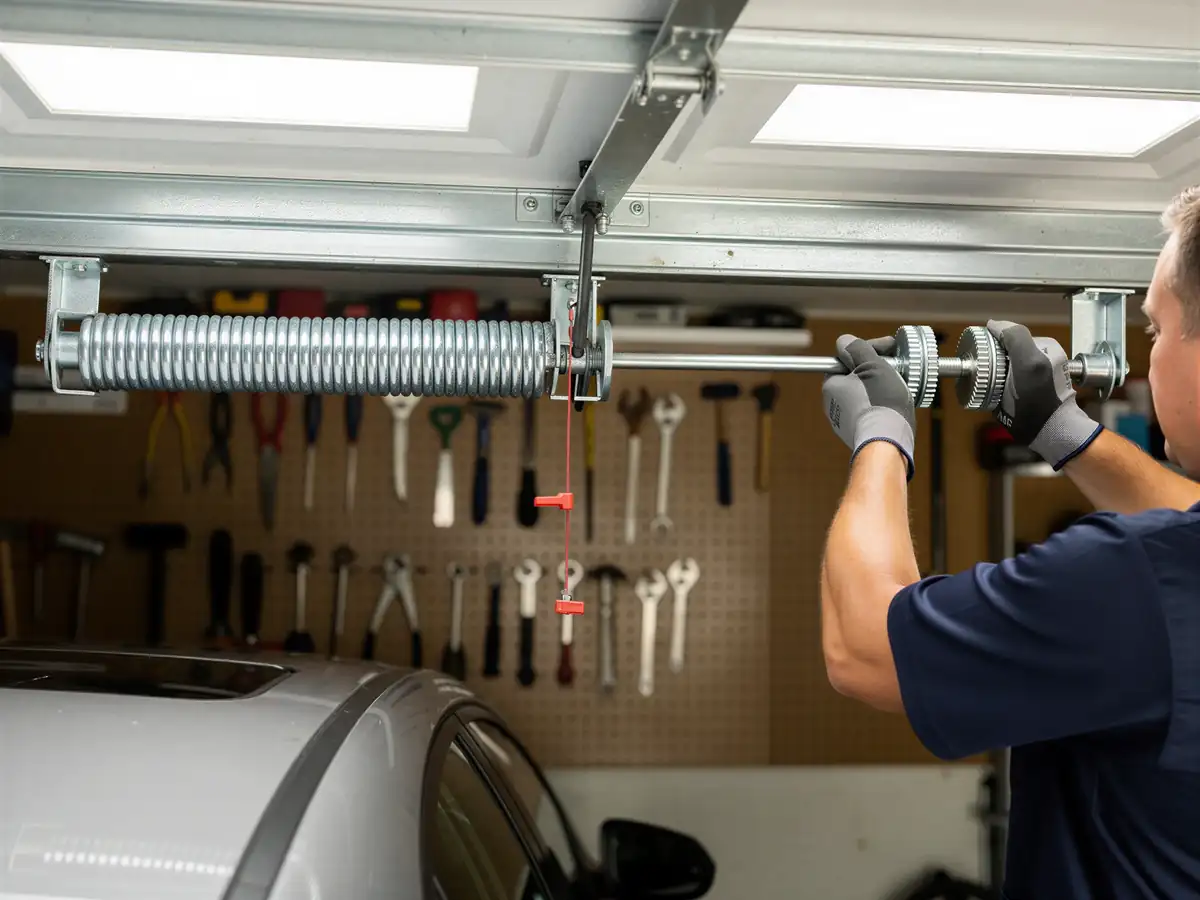
Piedmont homes date to 1938 on average, older than most of our service area. We travel 4 miles from Oakland to replace tired springs on original hardware.
Learn more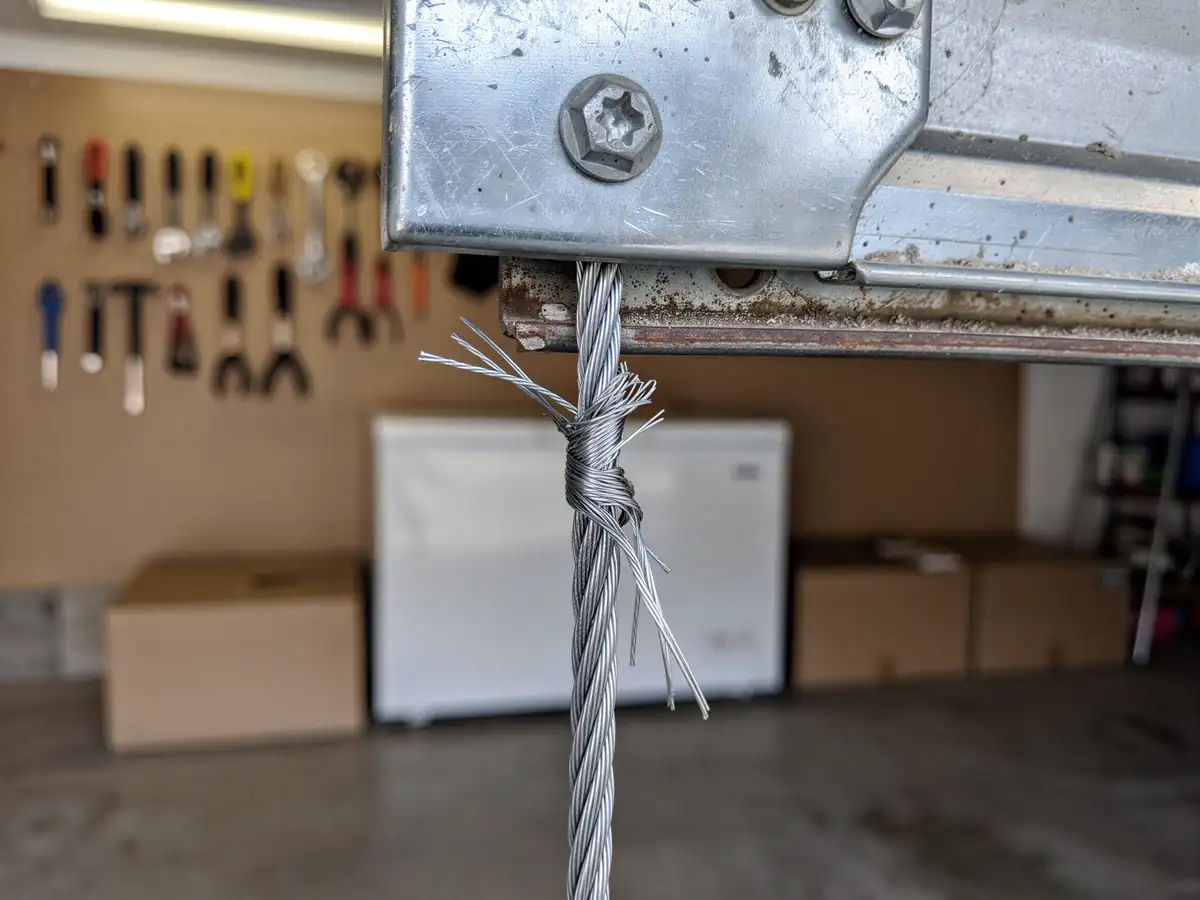
Piedmont homes often date to 1938, older than much of the area, so original cable and drum setups still fail. We repair garage door cables here from Oakland.
Learn more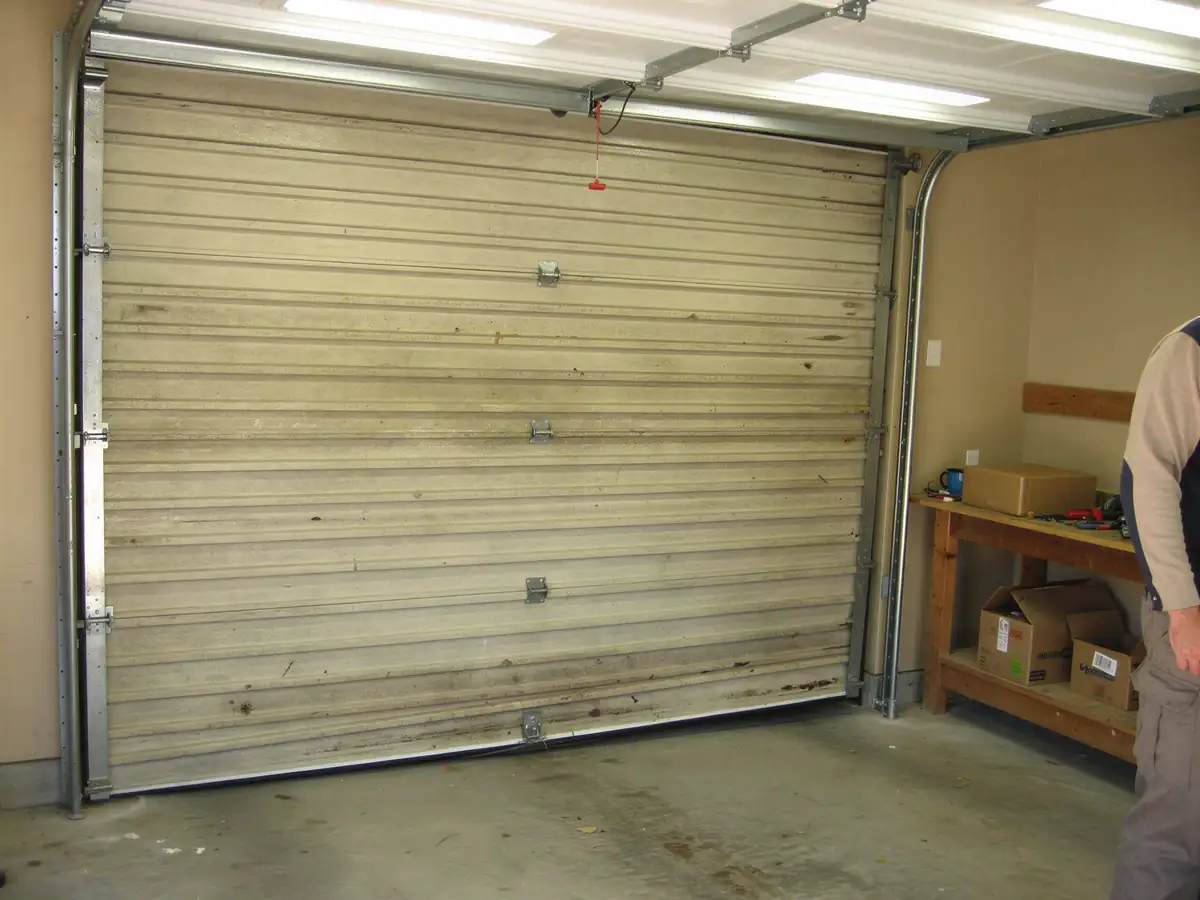
Off-track garage door repair for Piedmont's 1938-era housing stock. We travel the 4 miles from Oakland to fix doors that jumped track on original hardware.
Learn more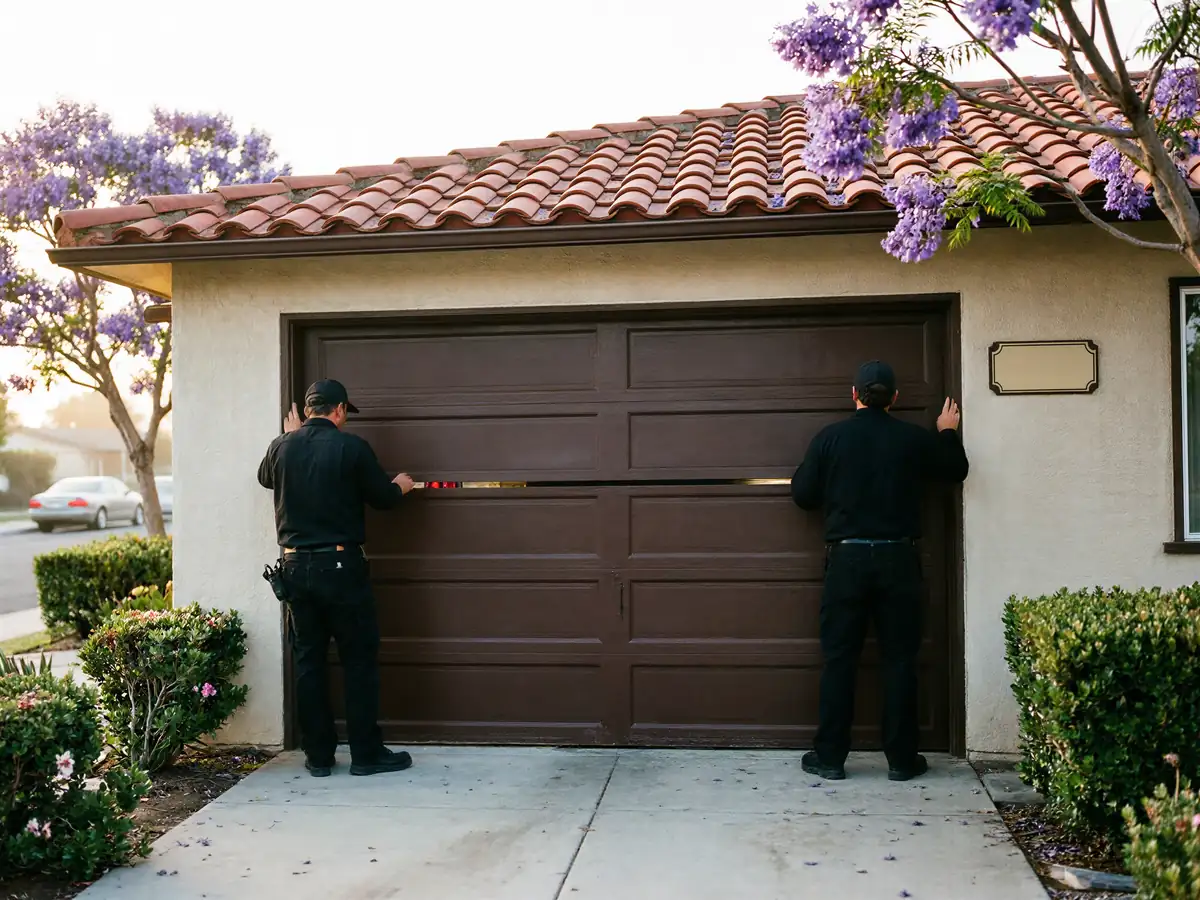
Panel replacement for Piedmont's pre-war housing stock, serviced from Oakland 4 miles away. Custom sizing for older single and double doors, no cookie-cutter panels.
Learn more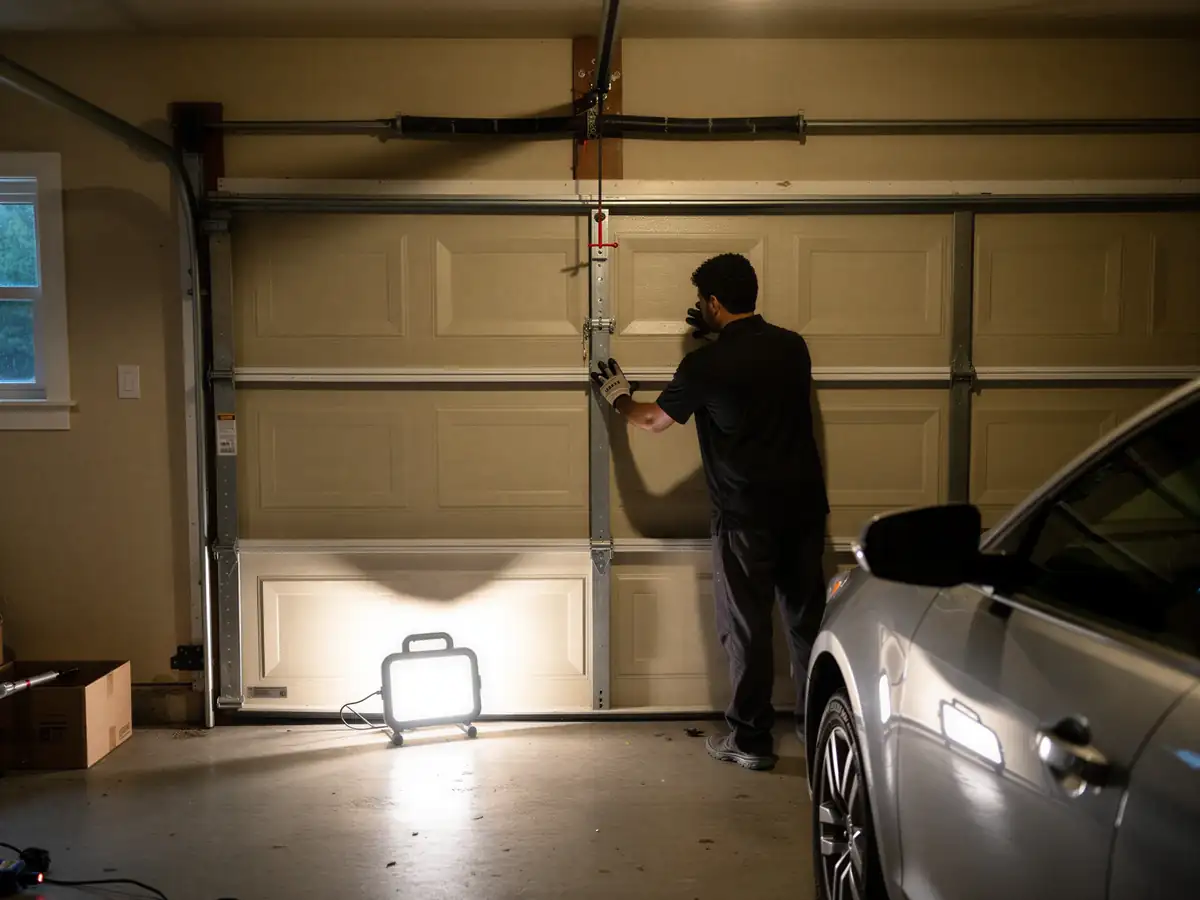
Fast emergency garage door repair for Piedmont homes, most built around 1938. We travel 4 miles from Oakland and carry parts for older torsion hardware.
Learn moreStraight answers about garage door repair in Oakland. Still unsure? Ask us directly.
No. Every Piedmont job is run from our Oakland shop, four miles away. We don't keep a branch, depot, or crew stationed in Piedmont - the truck comes out for the measuring visit and again for the install.
A lot of Piedmont homes date to around 1938, well before the 1965 median for the rest of the area we serve. Openings from that era were often framed for doors no longer made in standard sizes, so the header or jambs sometimes need reinforcing before a modern door and spring system can go in safely.
Sometimes, if your opening already matches modern sizing. But given how much of Piedmont's housing predates current building standards, we measure first rather than assume. Ordering before measuring risks a door that doesn't fit the frame you actually have.
It means we're not speccing for heavy snow or extreme wind load. It doesn't simplify the framing question, though - older wood jambs in this climate have held their original shape for decades, which can make them harder, not easier, to adapt for a new standard-width door.
Tell us what it’s doing and where you are in Oakland - we’ll take it from there.