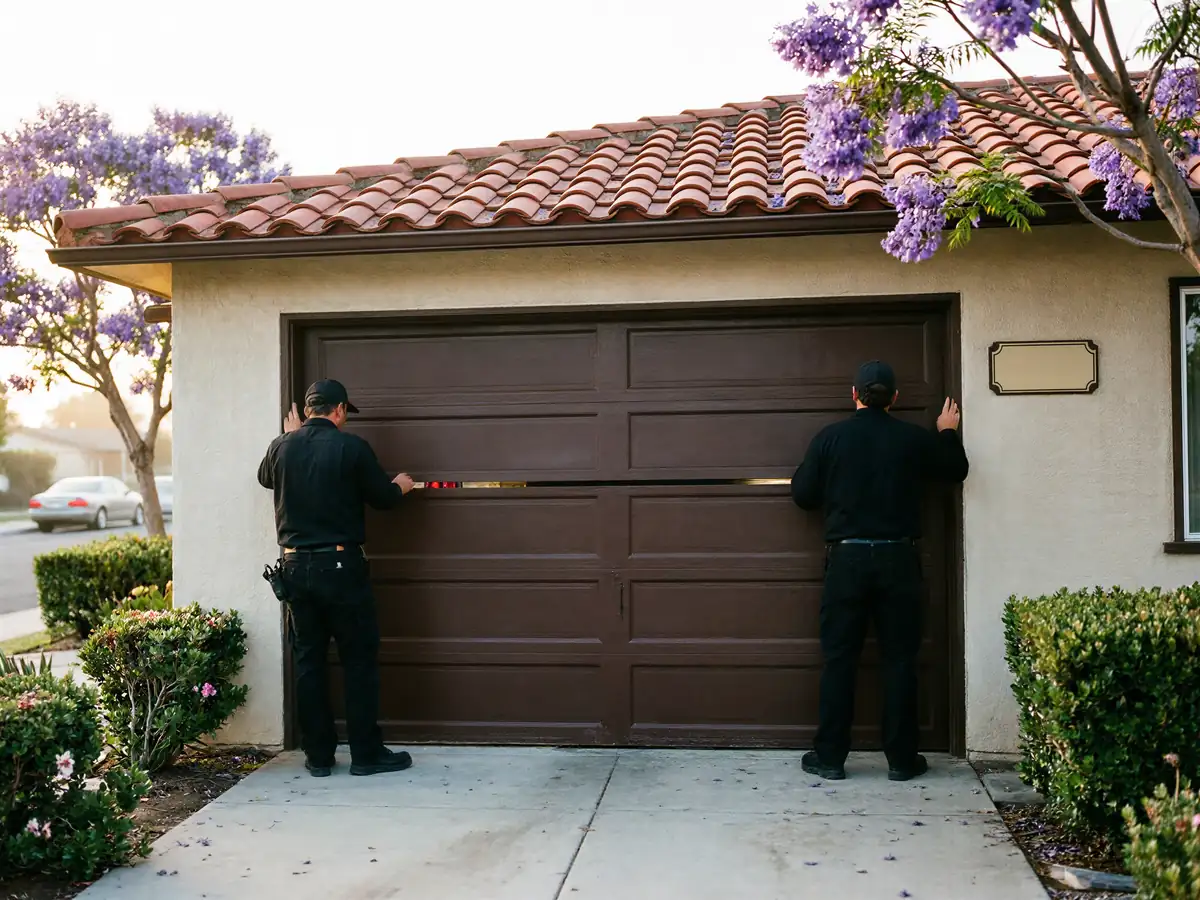
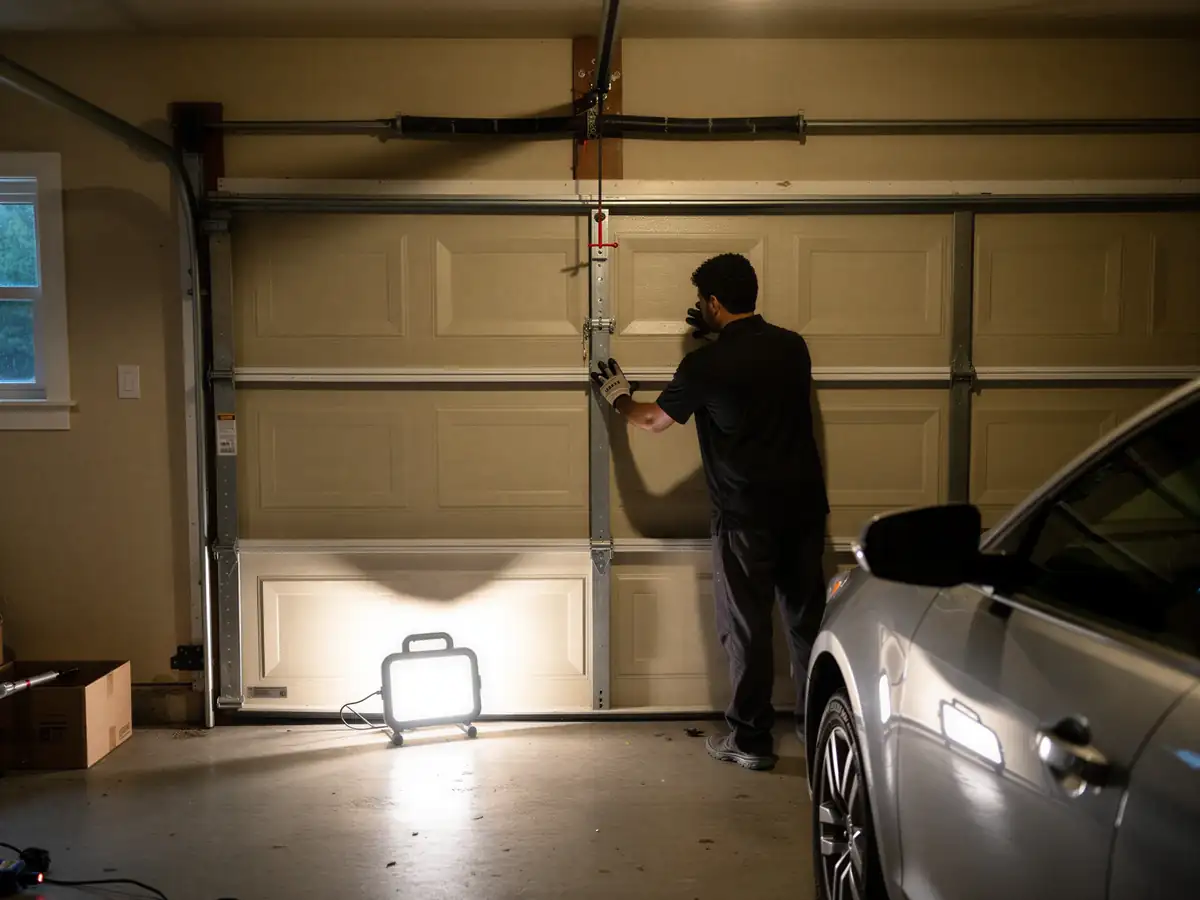
Piedmont homes date to 1938 on average, older than most of our service area. We travel 4 miles from Oakland to replace tired springs on original hardware.
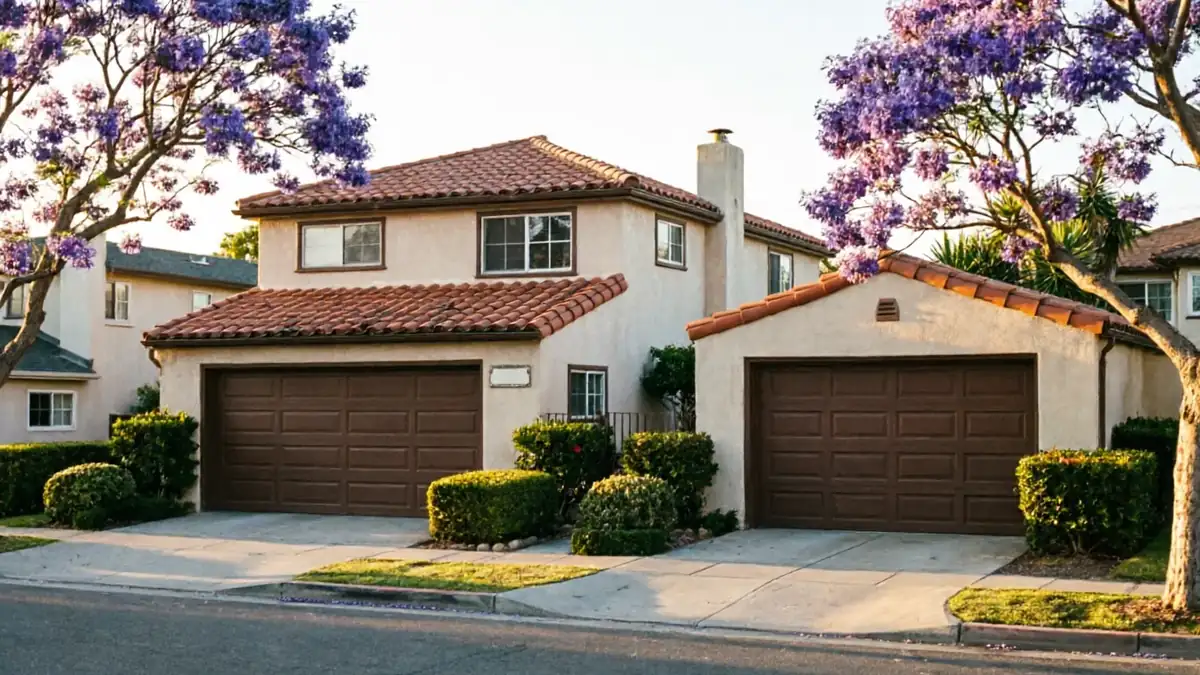
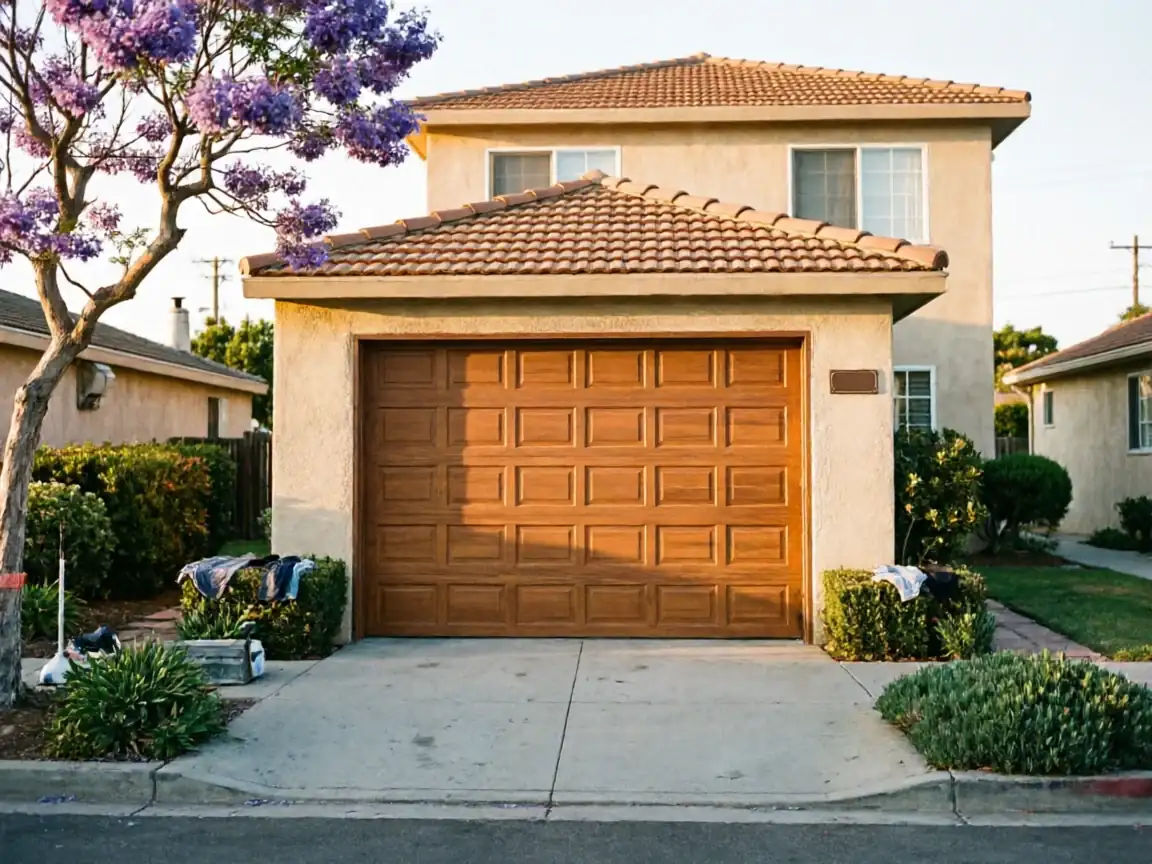
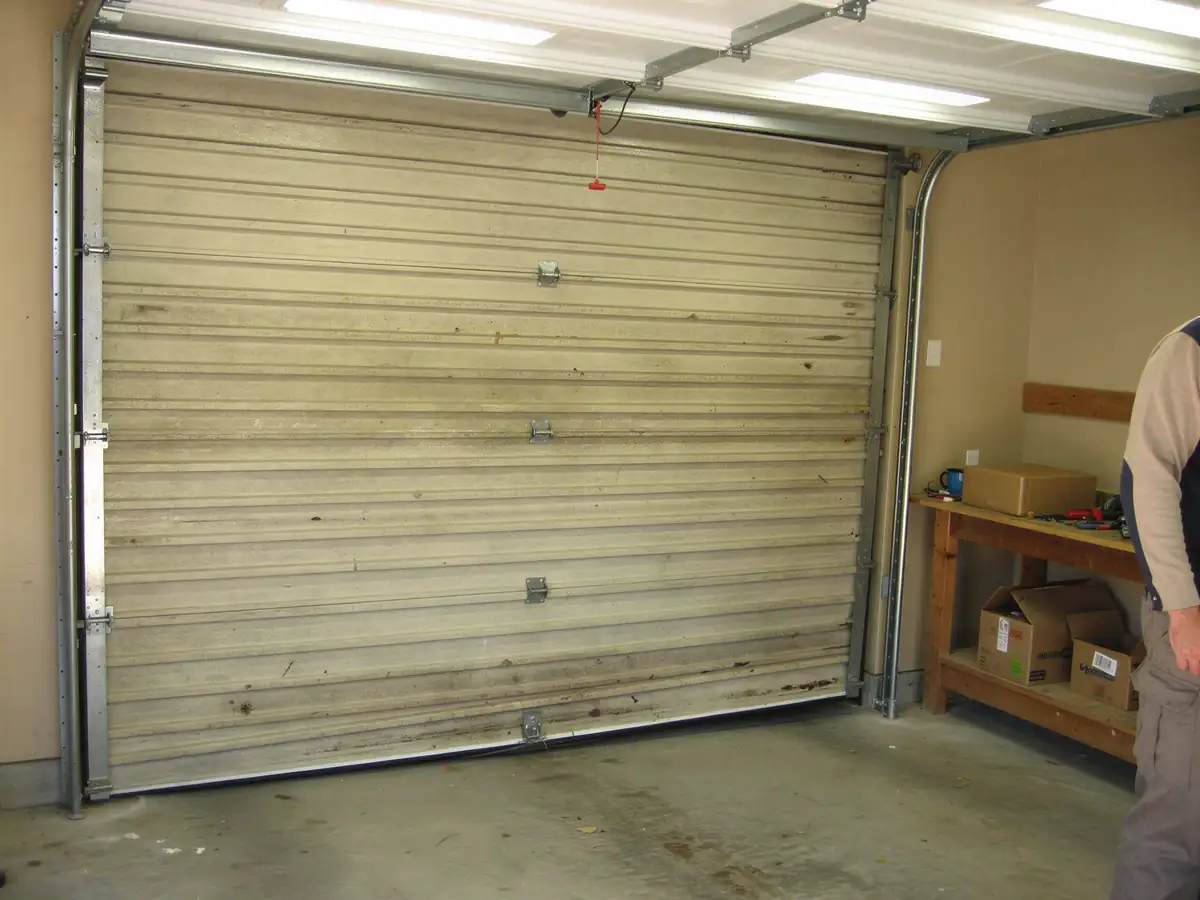
Piedmont's median home dates to 1938, which puts a lot of this town's garage doors on hardware that's older than what we see in most of the rest of the service area, where the broader median build year runs closer to 1965. A spring job on a door that's been running on its original torsion or extension hardware since the 1930s or 40s usually isn't a quick swap. We often find mismatched replacement parts from a repair decades back, brackets that were never meant to pair with the cable drum they're bolted to, or a stationary cone that's rusted into the shaft. Once we're on site, a straightforward double-spring replacement on a newer door takes under an hour. On the older original setups common here, add time to work out what's actually holding the door up before we touch anything. We travel the 4 miles from Oakland, so there's no local branch wait, but the job itself runs longer when the hardware predates most of what we stock on the truck.
Getting It Booked In
When you call, tell us the age of the house if you know it. A door on a house built around 1938 gets scheduled differently than one on a 1970s build, because we bring different spring sizes and different mounting hardware depending on what era the opener and track are likely to be. Piedmont's median household income, over $250,000, is well above the service-area median of $148,801, and that does change one thing on our end: owners here more often ask us to replace the full spring and cable assembly rather than patch just the broken piece, since the rest of the hardware is the same age. We'll tell you straight if a patch job makes sense or if it doesn't.
What Can Go Wrong
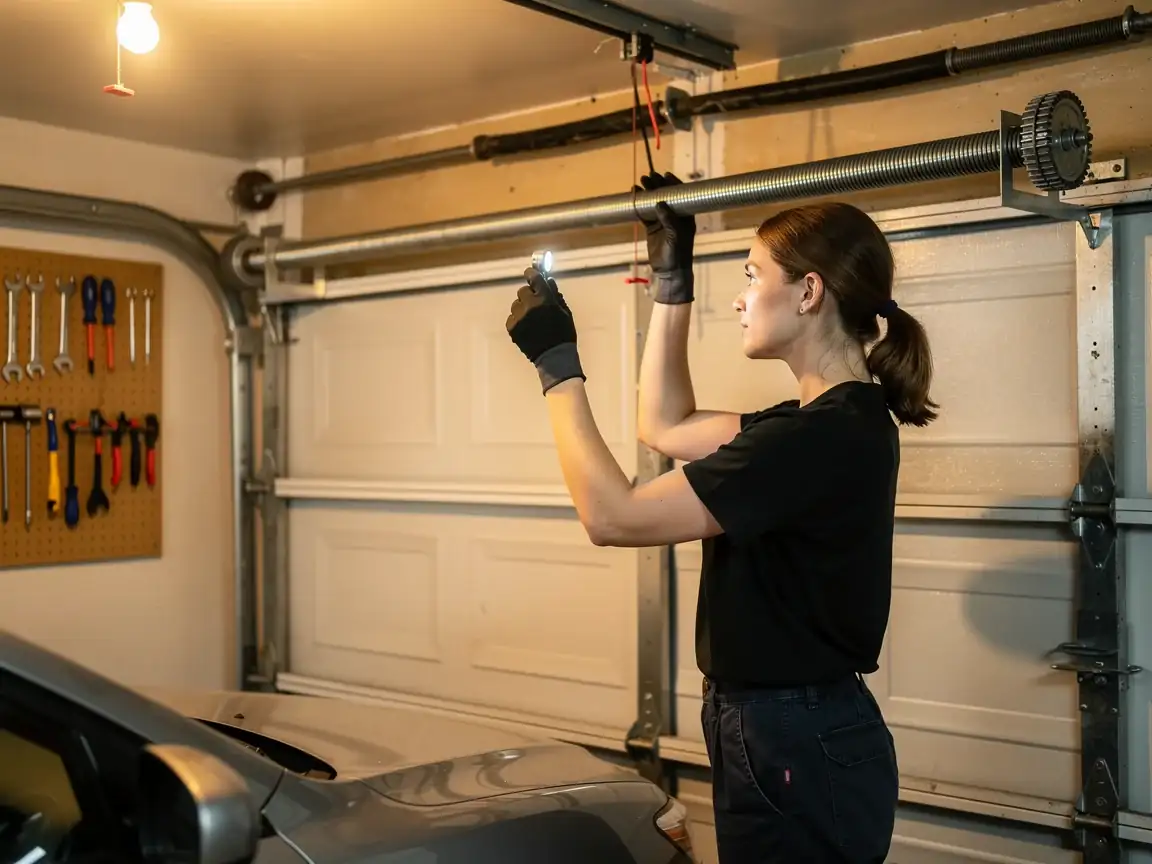
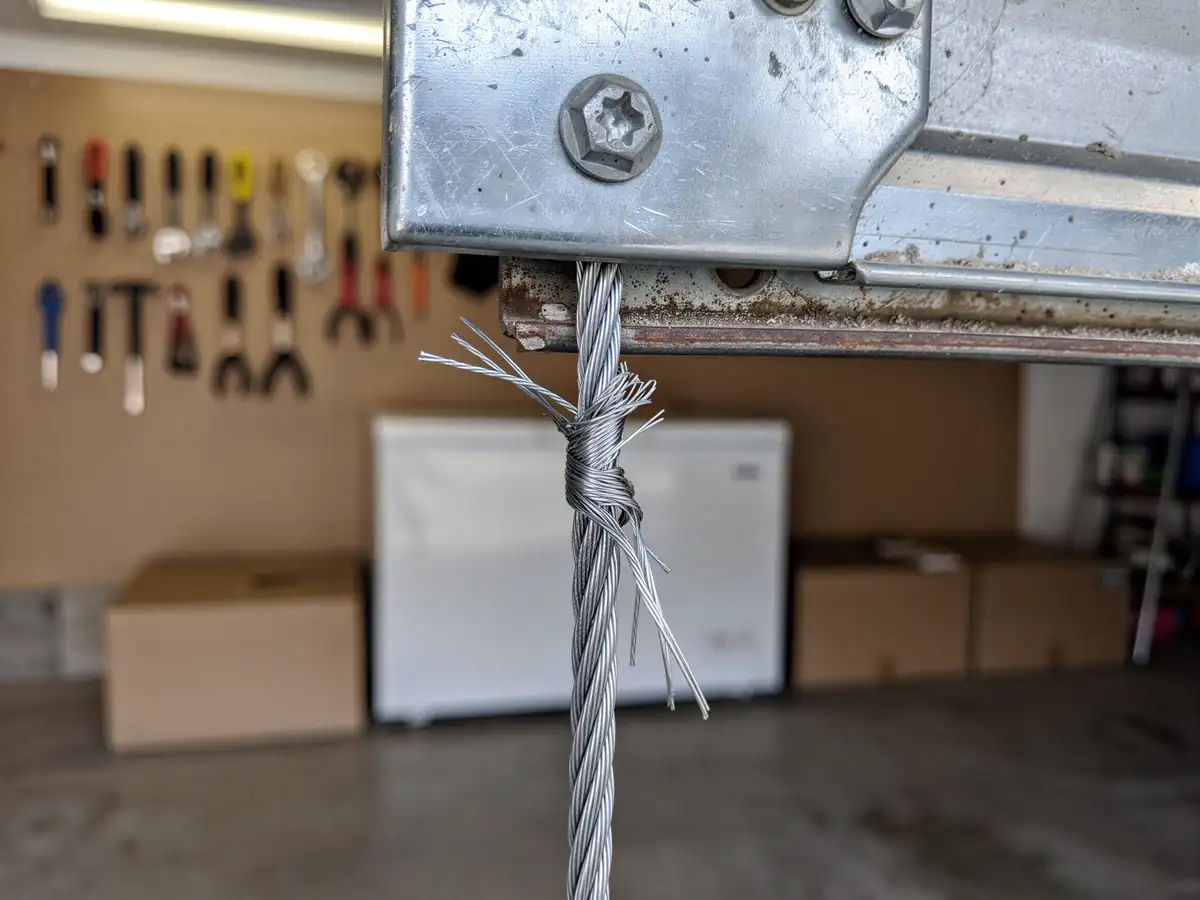
On a door this old, the spring itself is rarely the only problem. A torsion spring that's been under tension since the 1940s can snap cleanly, but more often in Piedmont we find the center bearing plate worn oval, the winding cone cracked from an old adjustment, or the cable frayed where it's spent decades riding the same groove in the drum. Mild temperate weather in this part of the Bay Area means the springs here aren't getting cooked by summer heat or seized by hard freezes the way they would elsewhere, so corrosion and heat fatigue aren't usually the culprit. What does them in is just use, time, and metal that's outlasted the finish on the door it's lifting.
Can You Do This Yourself
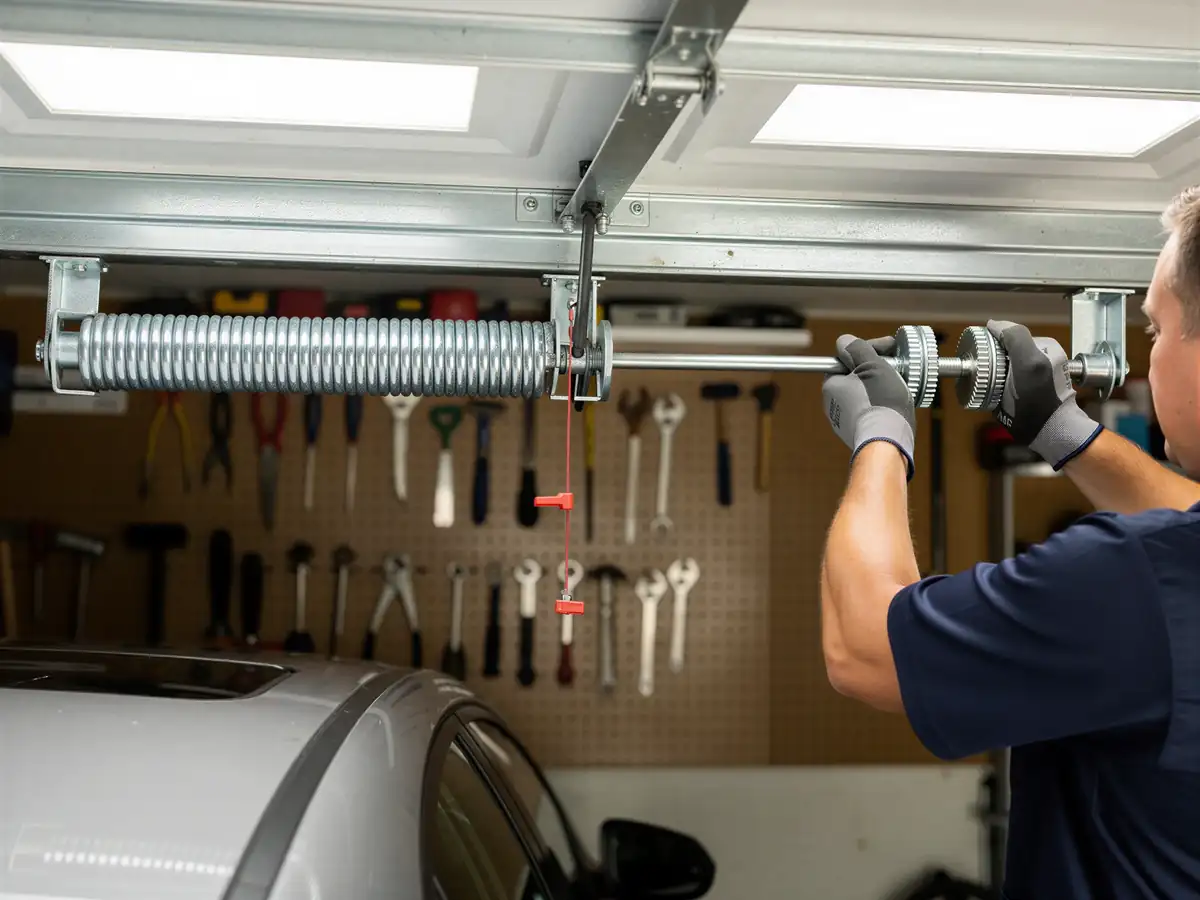
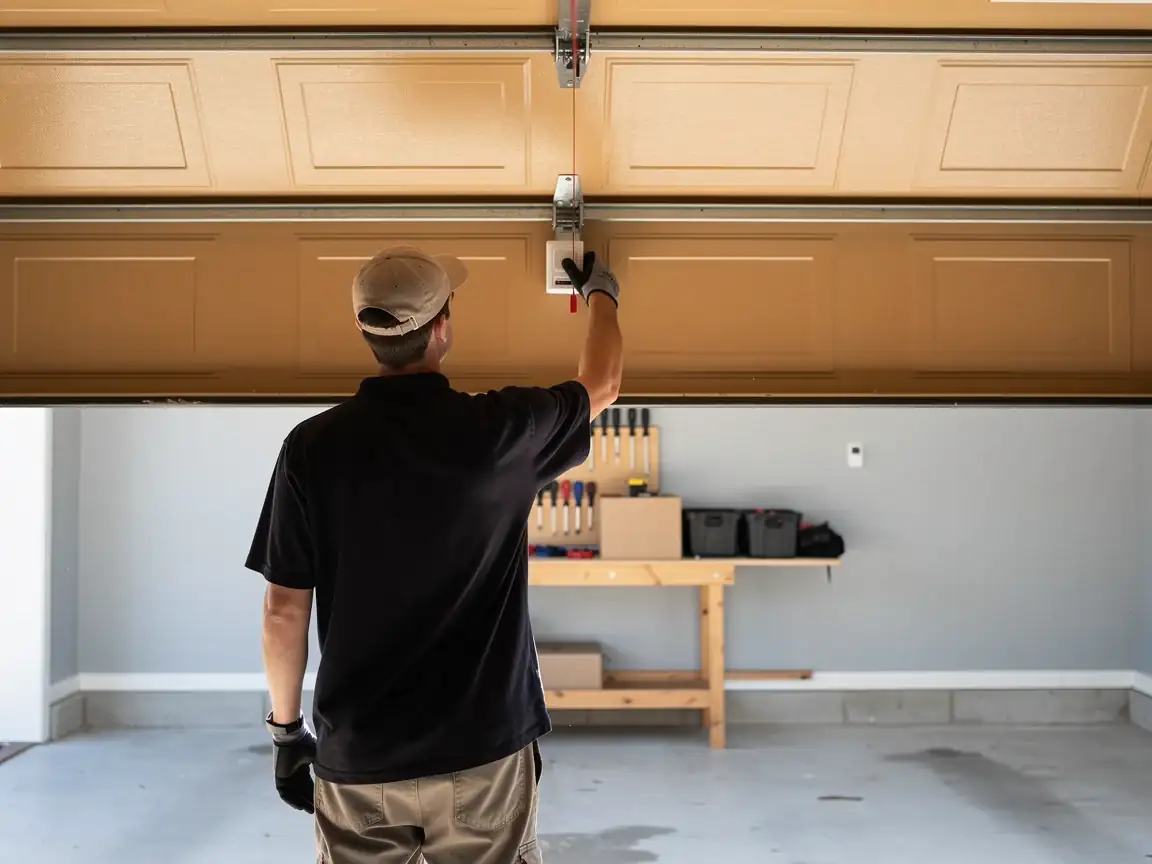
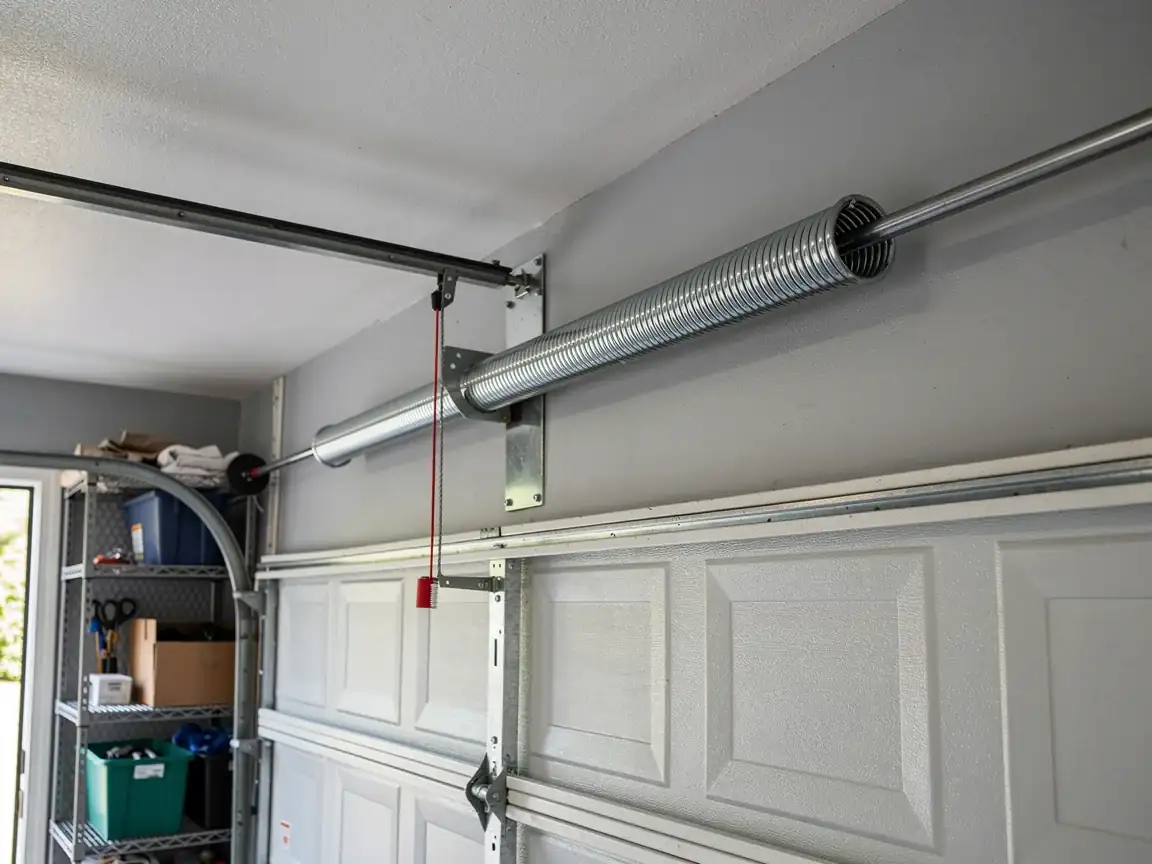
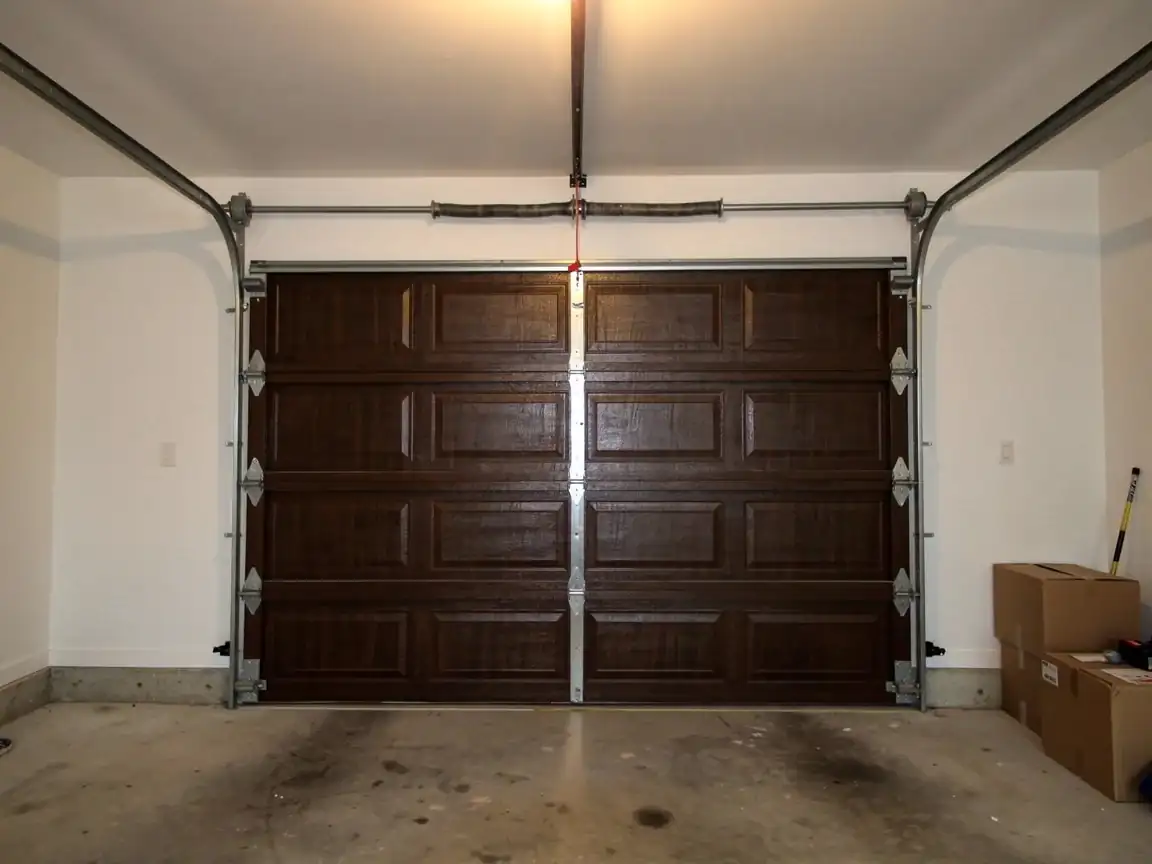
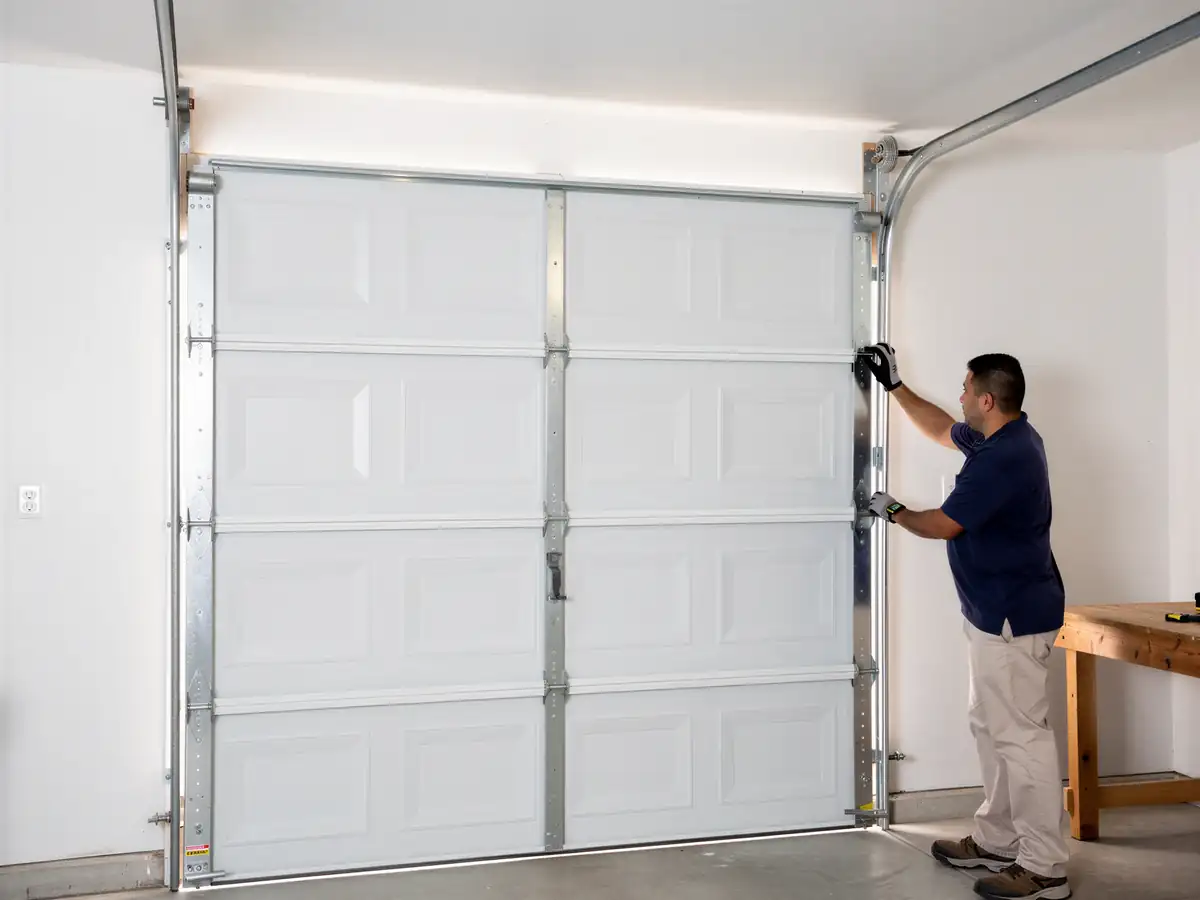
We'll say this plainly: don't. A wound torsion spring holds enough stored force to break fingers or worse, and that risk doesn't change because the house is nice or the door looks original. If you're set on diagnosing before you call, you can safely check whether the door is extension-spring (springs stretch along the horizontal tracks above the door) or torsion-spring (a single spring on a shaft above the opening) just by looking, no tools needed. That tells us what to load on the truck before we leave Oakland. Past that, leave the winding bars at the hardware store.
Parts We Carry
We stock common torsion spring sizes for standard single and double doors, extension springs for the older setups still found on some of Piedmont's pre-war garages, and the cable, drum, and bearing plate hardware that usually fails alongside a spring on a door this age. What we don't always have on the truck is an exact match for a bracket or a track style that was discontinued decades ago. On a house built in 1938, that's a real possibility, and if we hit one, we'll tell you what we need to order rather than force a part that doesn't fit.
What the Repair Takes
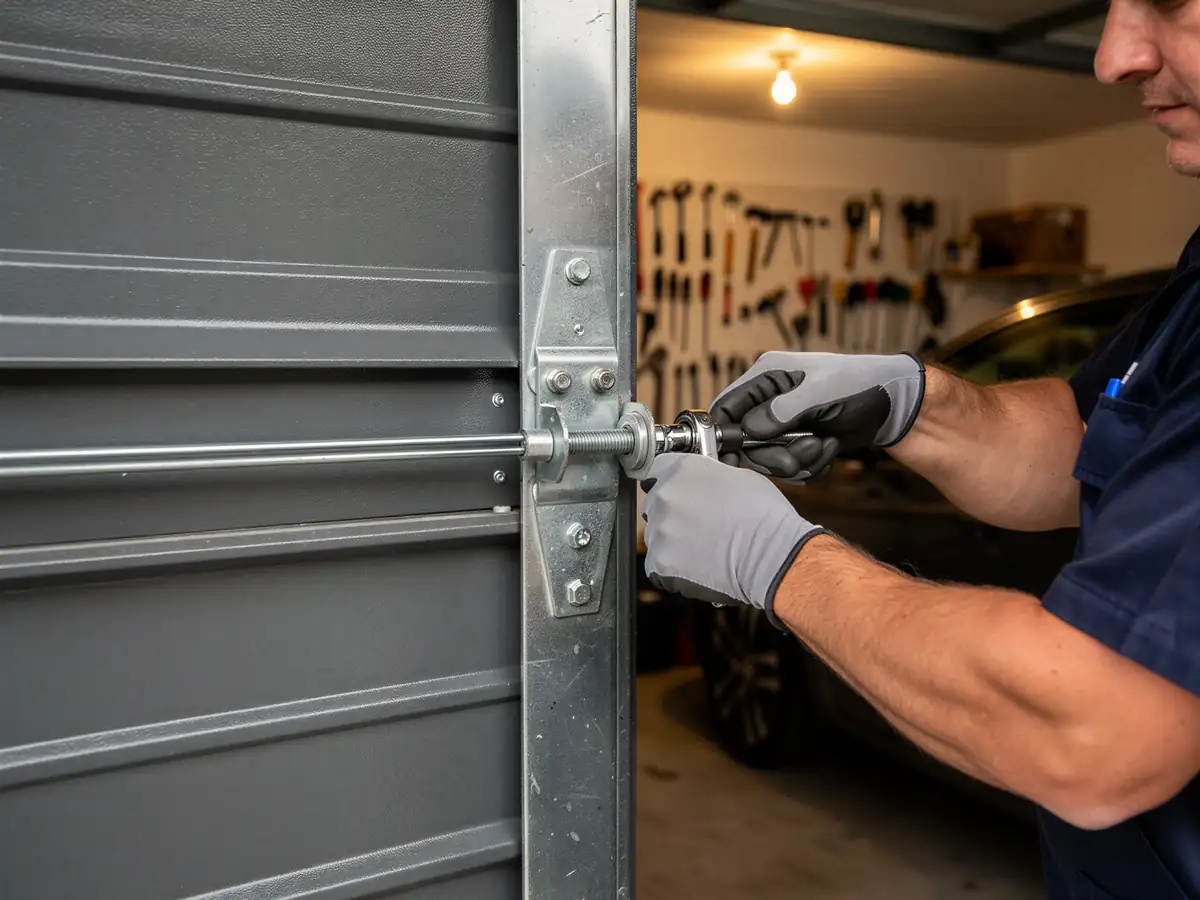
A spring repair on a Piedmont door usually means replacing the spring, inspecting the cable and drum it shares the shaft with, and checking the bearing plates for wear, since all of that hardware is roughly the same age and under the same stress. With roughly 3,737 households in Piedmont and a housing stock skewed older than the surrounding service area, we see more full-hardware-set replacements here than quick single-part swaps. We balance the shaft, set the tension to the door's actual weight rather than a standard chart, and test the door through a full cycle before we leave.
How it works
From “it’s stuck” to “it’s fixed”
01
Tell us what’s wrong
Describe the symptom - won’t open, loud bang, opener runs but the door won’t move.
02
On-site diagnosis
A technician tests the door under power and by hand and finds what actually failed.
03
Clear, up-front plan
You get the fix that’s needed and what drives the cost - before any work starts.
04
Repaired & tested
The repair is done, the door is set true and tested, and the work area left clean.
Not sure which repair your door needs in Oakland, CA? Describe what it’s doing - every job starts with a diagnosis.
Straight answers about garage door repair in Oakland. Still unsure? Ask us directly.
Why does my spring job cost more than my neighbor's in another town?
If your house was built around 1938, like much of Piedmont, the spring is often paired with original brackets, drums, or bearing plates that need replacing at the same time. A 1970s-era door usually just needs the spring itself swapped.
Do you have a branch in Piedmont?
No. We work out of Oakland and drive the 4 miles into Piedmont for calls. There's no local depot here, just the truck and the parts on it.
Will Piedmont's weather have worn out my springs faster?
Not likely from heat or cold. This area sits in a mild temperate band without the extreme swings that cook springs elsewhere, so wear here is mostly a function of age and use, not climate.
Is it worth repairing a spring on a door this old or should I replace the whole door?
Depends what we find. If the track, brackets, and panel are sound, a spring and hardware repair is usually cheaper than a full door swap. If the panel's warped or the track's bent beyond adjustment, we'll say so rather than patch around it.