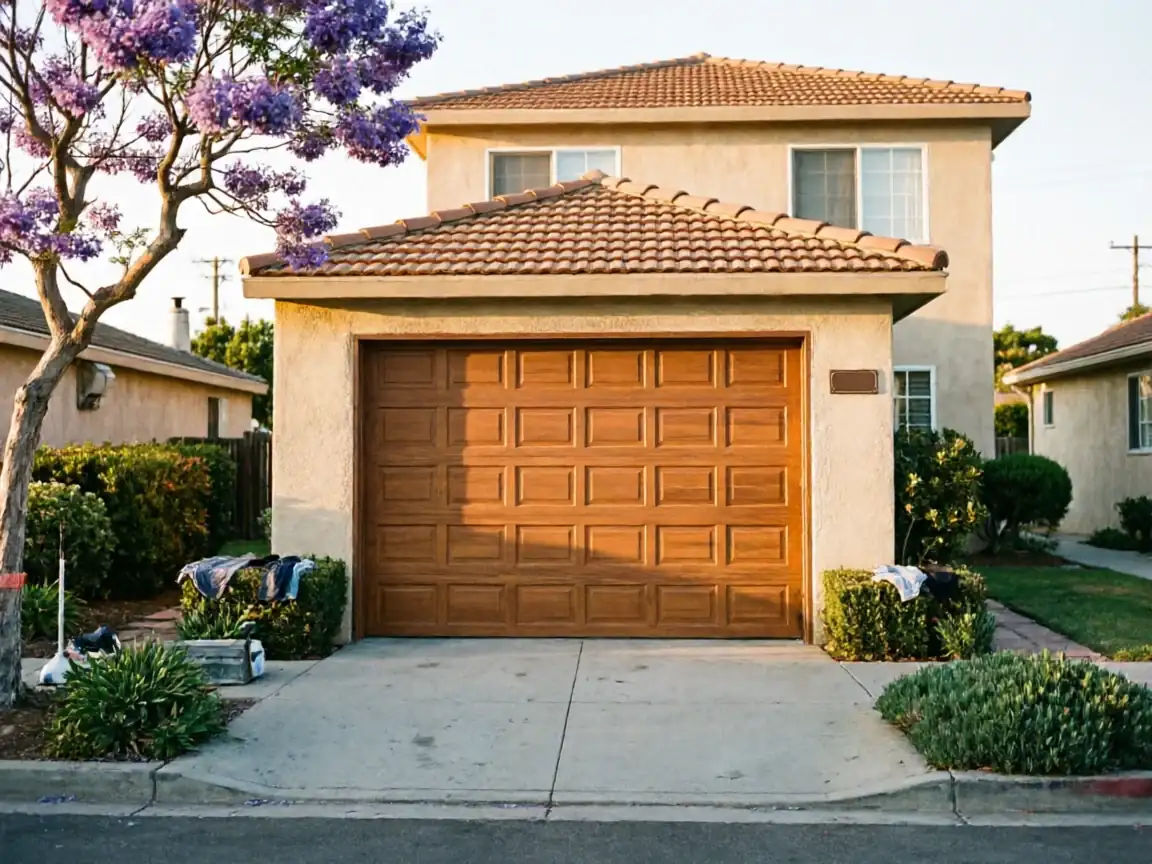
Fast emergency garage door repair for Piedmont homes, most built around 1938. We travel 4 miles from Oakland and carry parts for older torsion hardware.
The first question on an emergency call is almost never about the door - it's about money, so let's start there. Piedmont's median household income is $250,001, well above the $148,801 median across the rest of the area we cover from Oakland. That gap matters for one reason: at this income level, the math on repair-versus-replace tips differently than it does three miles away. A homeowner here is less likely to live with a limping opener for another winter and more likely to want the broken spring fixed right, or the whole door swapped, in one visit rather than patched twice.
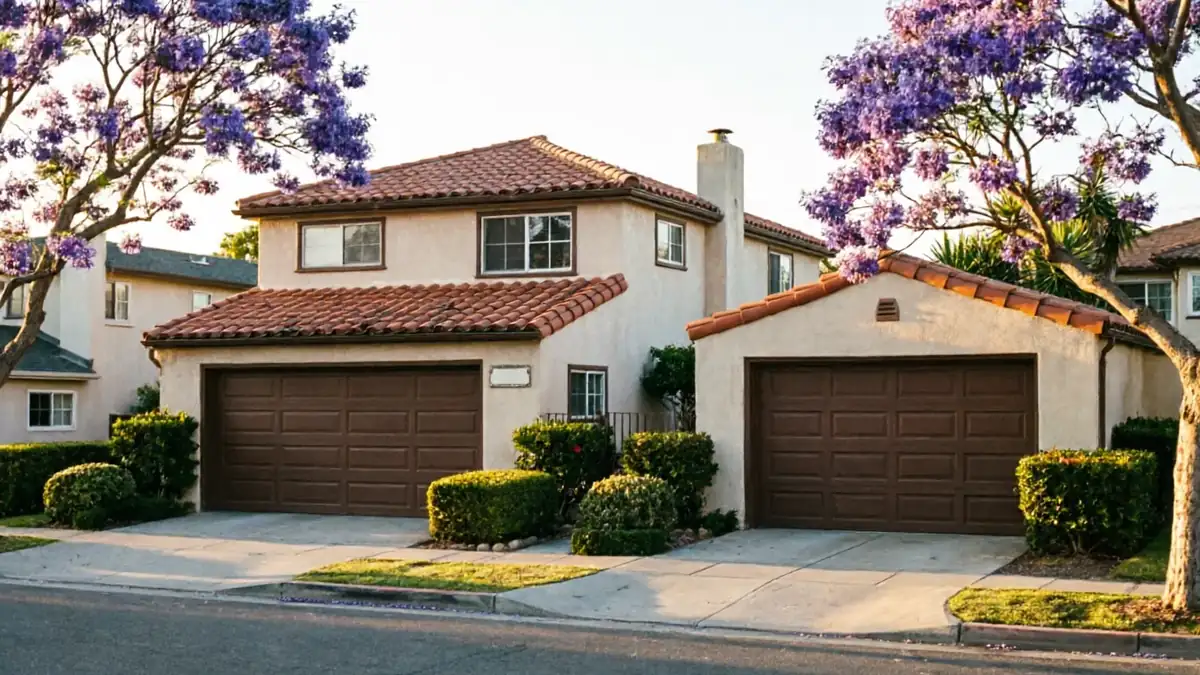
We drive the roughly 4 miles in from our Oakland shop. We don't keep a branch or a crew stationed in Piedmont, and we're not going to pretend otherwise - what we do carry is the stock and the knowledge for what actually breaks on a Piedmont garage door, which is a different animal than the stuff going up in newer subdivisions nearby.
Getting It Booked In
01
When you call, tell us the door won't open, the spring snapped, or the opener is grinding
Specifics help us bring the right parts on the first trip instead of a second one. Because the drive from Oakland is only about 4 miles, we're not burning half the call on travel the way we would for towns further out on the list. That doesn't mean we promise a response window; we're not going to state a number we can't back up.
4 miles
02
What we will say: if you can get the door down and the car out before we arrive
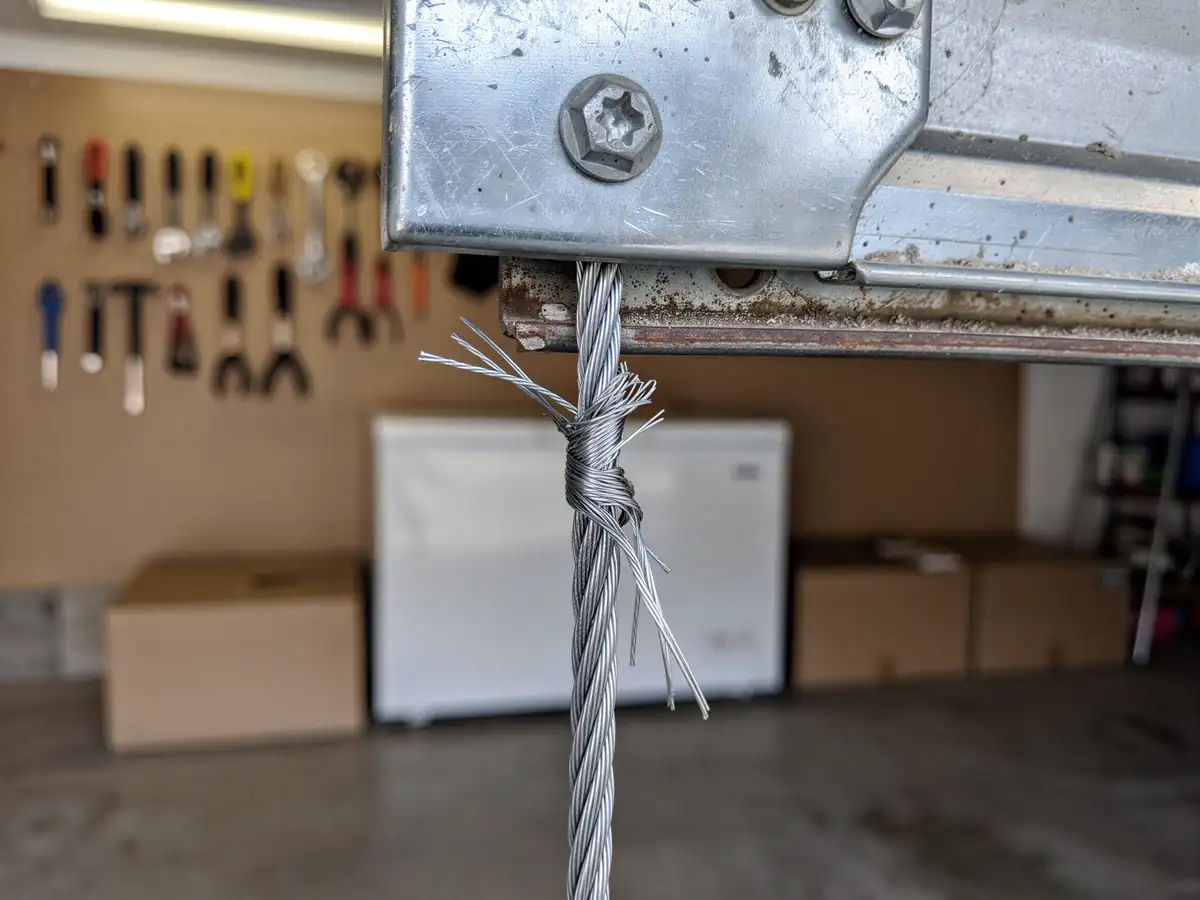
Do that now and worry about the fix after. If the door is stuck halfway and the opener is still powered, unplug it so the motor doesn't keep trying to force a bent track or a snapped cable. Tell us on the phone whether anyone is trapped inside or outside the garage by the door position - that changes how we prioritize the call, even without a formal guarantee attached to it.
What Can Go Wrong
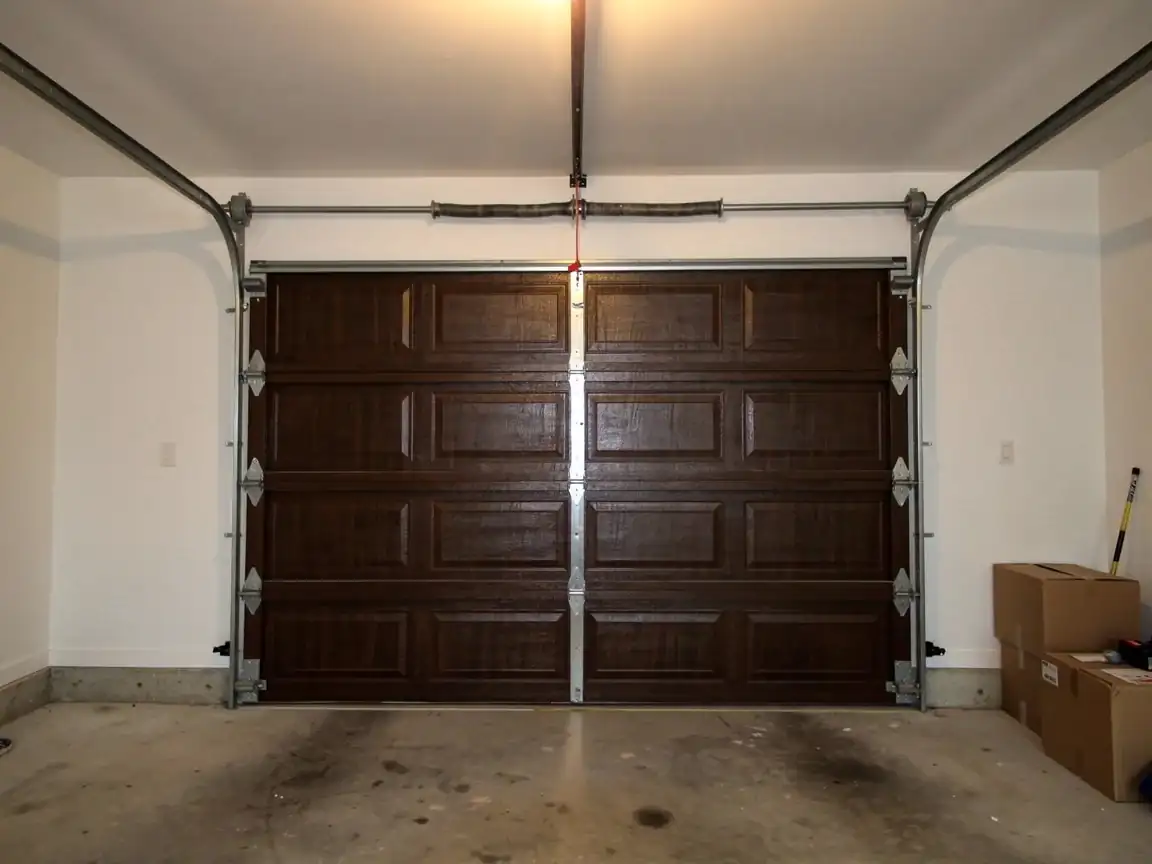
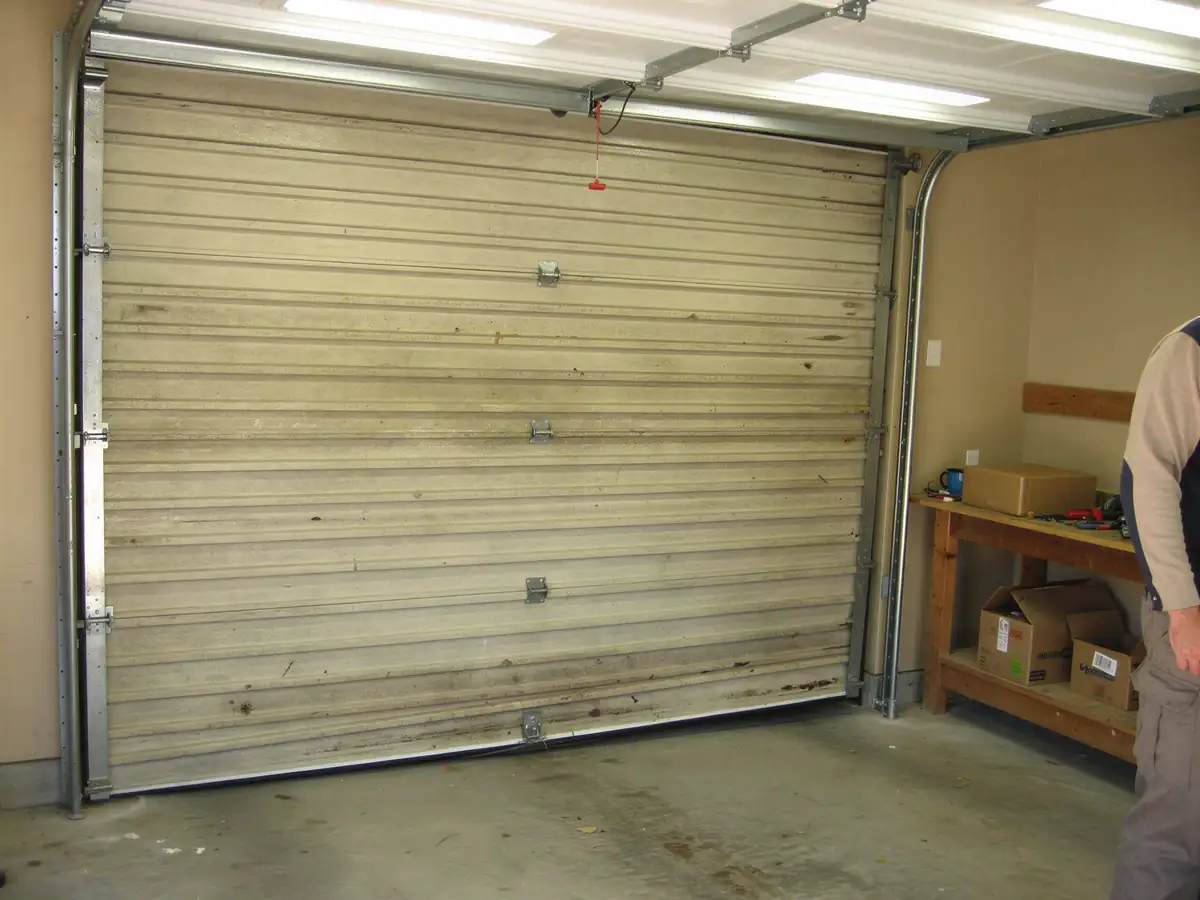
Piedmont's housing stock runs older than most of the area we serve - the median build year here is 1938, close to three decades ahead of the 1965 median across the broader service territory. Older build years usually mean original or early-replacement garage door hardware: torsion springs sized for heavier wood-panel doors, worn pulleys on extension-spring setups that haven't been updated, and openers bolted onto framing that was never built with a modern unit in mind.
The mild temperate climate here is actually a point in your favor - it means we're not chasing rust-seized springs or ice-cracked panels the way a colder-climate crew would. Most Piedmont failures we see trace back to age and fatigue on parts that have simply been cycling for decades, not weather damage. A spring that's lasted since the Eisenhower era doesn't fail because of one cold night - it fails because it's been loaded and unloaded tens of thousands of times.
Can You Do This Yourself
Some of this you can handle. Resetting photo-eye sensors, clearing a track of debris, or tightening a loose hinge bolt is within reach for most homeowners with a ladder and patience. We're not going to tell you to call us for every rattle.
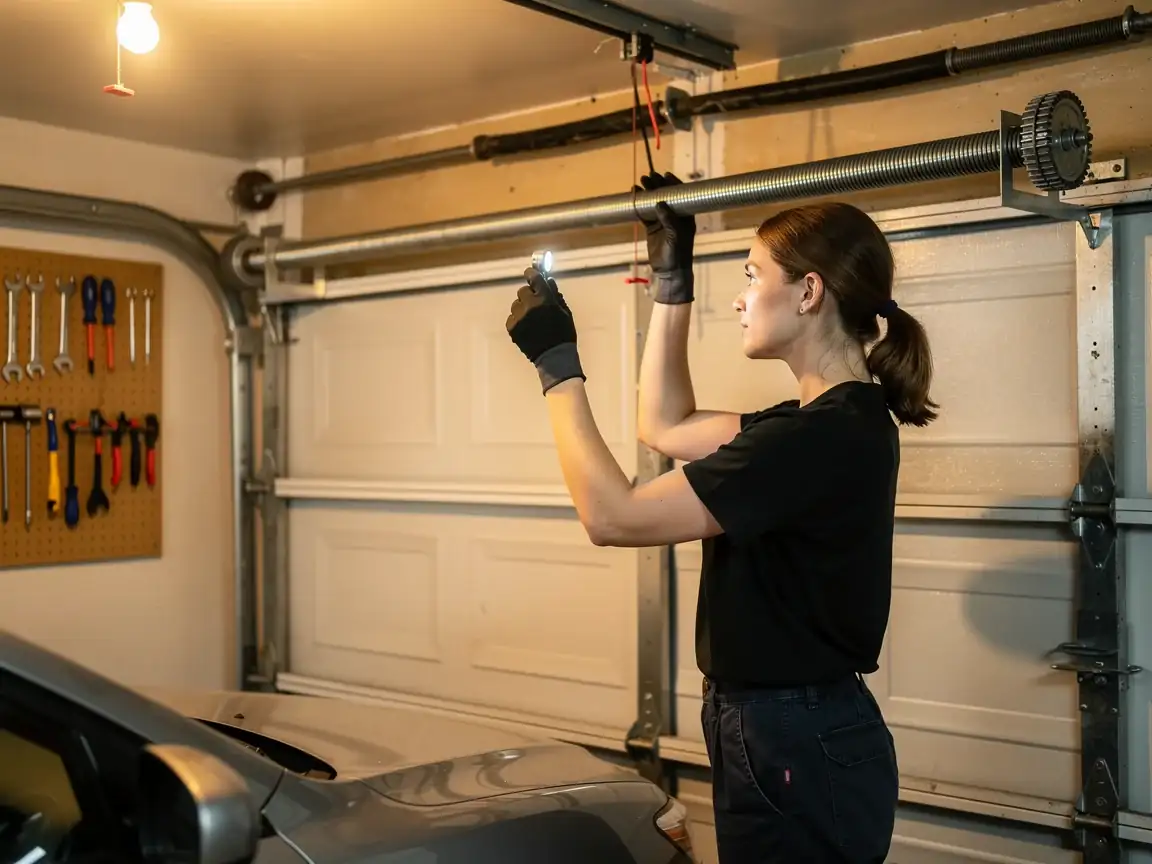
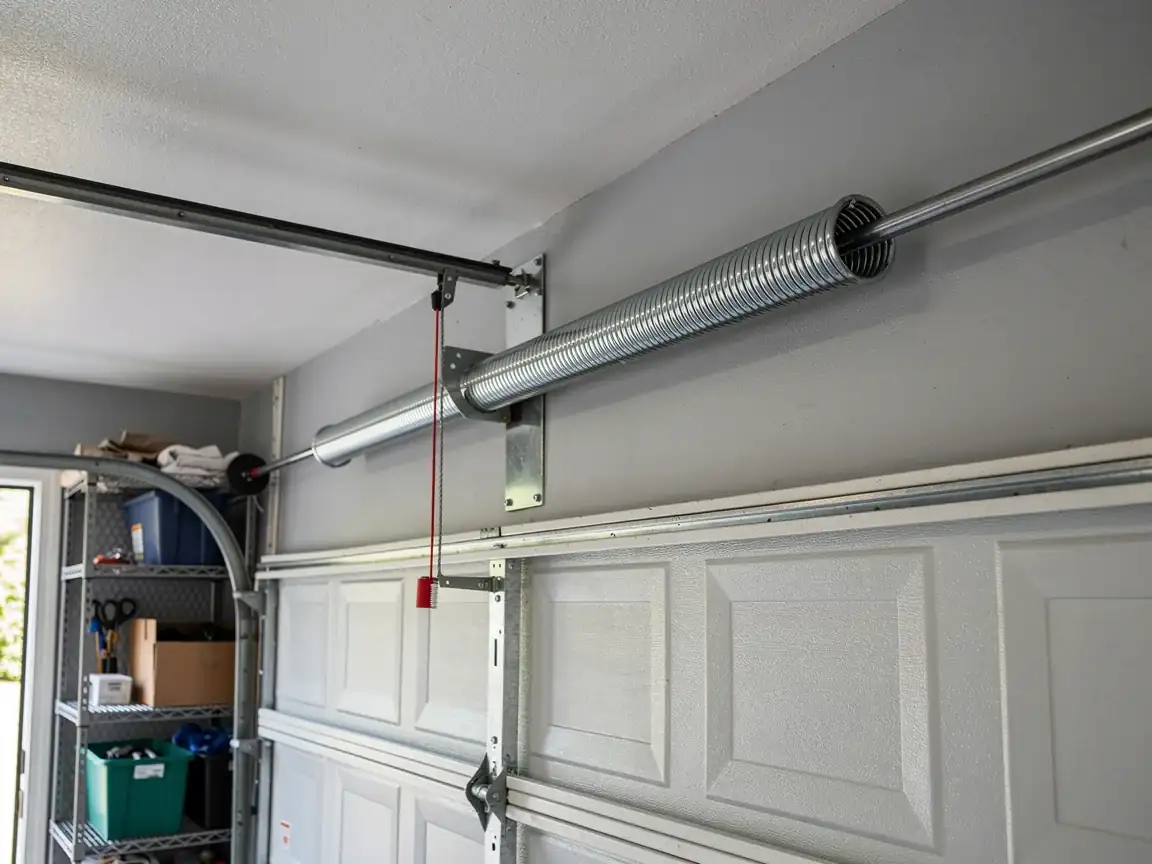
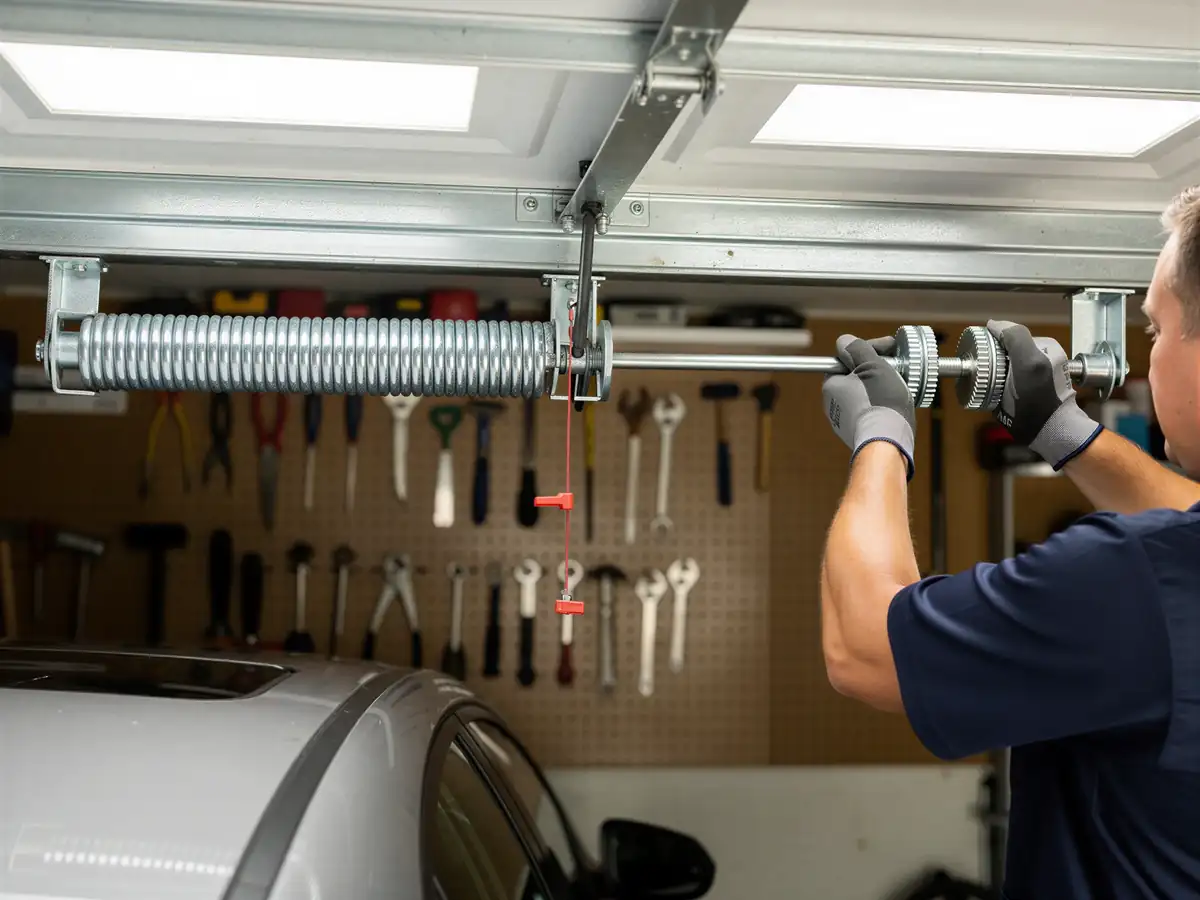
What you should not touch is a torsion spring under tension, especially on an older door where the spring may be an odd or discontinued size for the original opening. These doors, going back to a median build year of 1938, often carry springs that aren't the standard stock size you'd find at a hardware store, and the winding bars needed to safely release or set tension aren't something most garages have lying around. That's the honest limitation here: we can usually get the common spring sizes same-visit, but a true original-era spring sometimes means a short wait while we source it, rather than a fix on the spot.
Parts We Carry
01
We keep stock sized for the kind of doors that actually sit in driveways here
Torsion springs in the ranges that match the heavier, older panel doors common to a neighborhood with a 1938 median build year, plus standard rollers, cables, and hinges that fit both original hardware and the replacements installed over the decades since.
02
What we don't stock on the truck is anything custom-cut for a nonstandard opening or a discontinued panel profile
If a door needs a part like that, we'll tell you straight rather than guess at a fix that won't hold. Given the climate band here is mild, we're not carrying weather-seal kits built for freeze-thaw cycling; that's simply not the failure mode Piedmont doors see.
What the Repair Takes
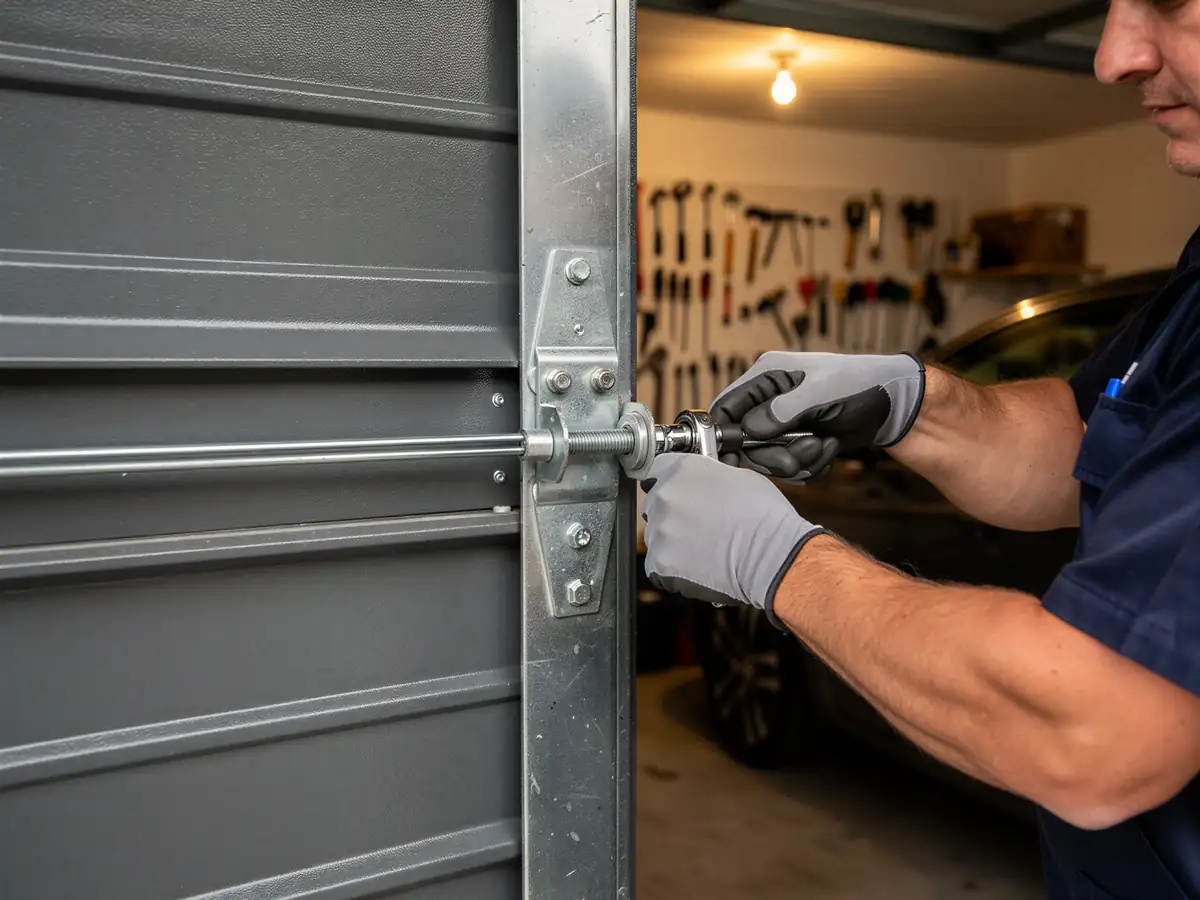
A spring swap, a cable replacement, or an opener logic board reset are the bulk of what an emergency call turns into once we're on site. None of those are quick fixes you knock out in ten minutes safely, and we're not going to quote a time window we can't guarantee.
What we can tell you is how we approach the decision point. At Piedmont's income level - a median of $250,001 against $148,801 across the rest of the service area - we find homeowners more often choose a full door or opener replacement over a second patch repair when a door is already showing its age. We'll lay out both options plainly: what a repair costs against what a new door costs, and let you make the call rather than pushing you toward the bigger job.
How it works
From “it’s stuck” to “it’s fixed”
01
Tell us what’s wrong
Describe the symptom - won’t open, loud bang, opener runs but the door won’t move.
02
On-site diagnosis
A technician tests the door under power and by hand and finds what actually failed.
03
Clear, up-front plan
You get the fix that’s needed and what drives the cost - before any work starts.
04
Repaired & tested
The repair is done, the door is set true and tested, and the work area left clean.
Not sure which repair your door needs in Oakland, CA? Describe what it’s doing - every job starts with a diagnosis.
Straight answers about garage door repair in Oakland. Still unsure? Ask us directly.
Do you have a crew based in Piedmont?
No. We work out of Oakland and drive the roughly 4 miles into Piedmont for calls. We don't keep a branch or stock parked in town, so we won't claim a local response time - what we can tell you is the drive itself is short compared to other spots on our service list.
Why do Piedmont doors seem to need different parts than newer builds nearby?
Piedmont's median build year is 1938, close to three decades older than the 1965 median across the wider area we cover. Older doors often carry heavier panels and torsion springs sized differently from what's common in newer construction, so the parts and tension specs aren't always interchangeable.
Is it ever not worth repairing an old door here?
Sometimes, yes. If a door's track, hardware, and panels are all original and failing together, a repair can end up being a stopgap. Given income levels in Piedmont run well above the broader area median, we often see owners opt for full replacement rather than stacking repairs on an aging door.
Does the weather here cause garage door failures?
Not much. The climate band is mild temperate, so we're not dealing with rust-seized springs or freeze-cracked panels the way a colder-climate area would. Most failures we see in Piedmont come down to age and years of cycling, not weather.