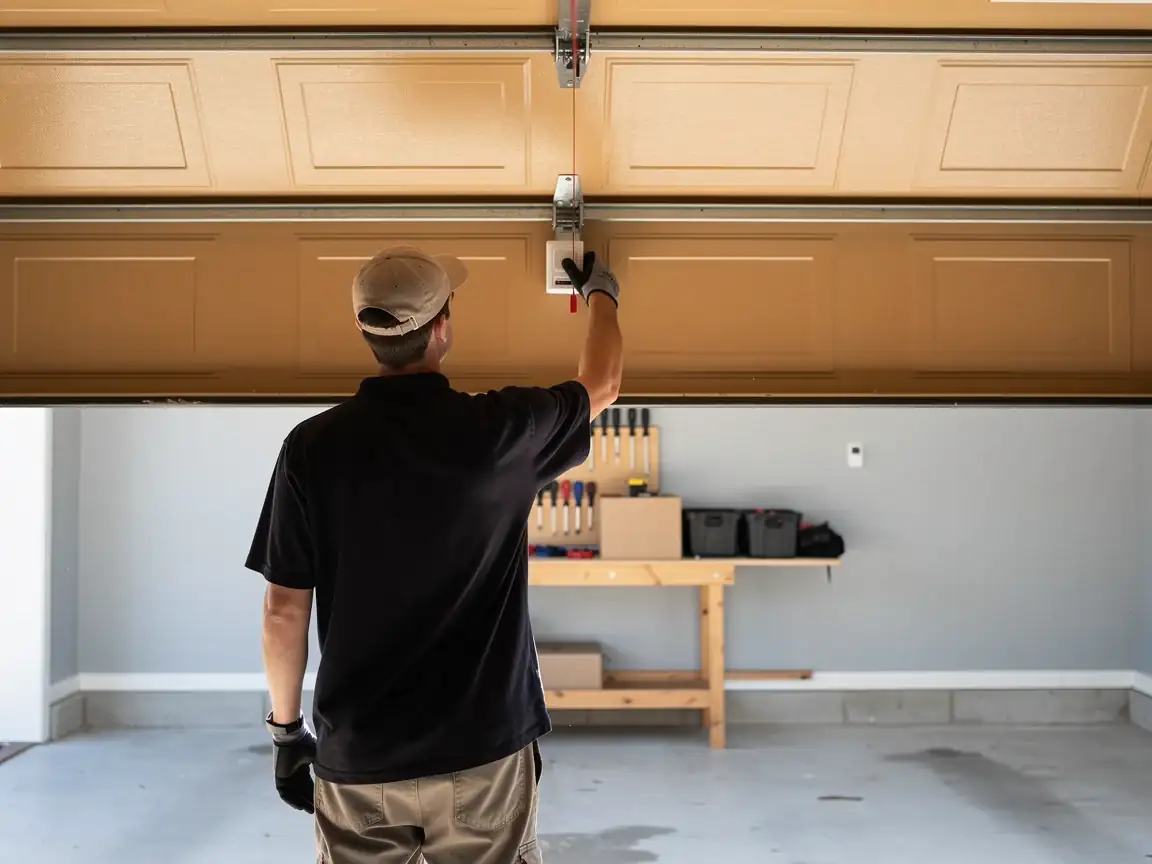
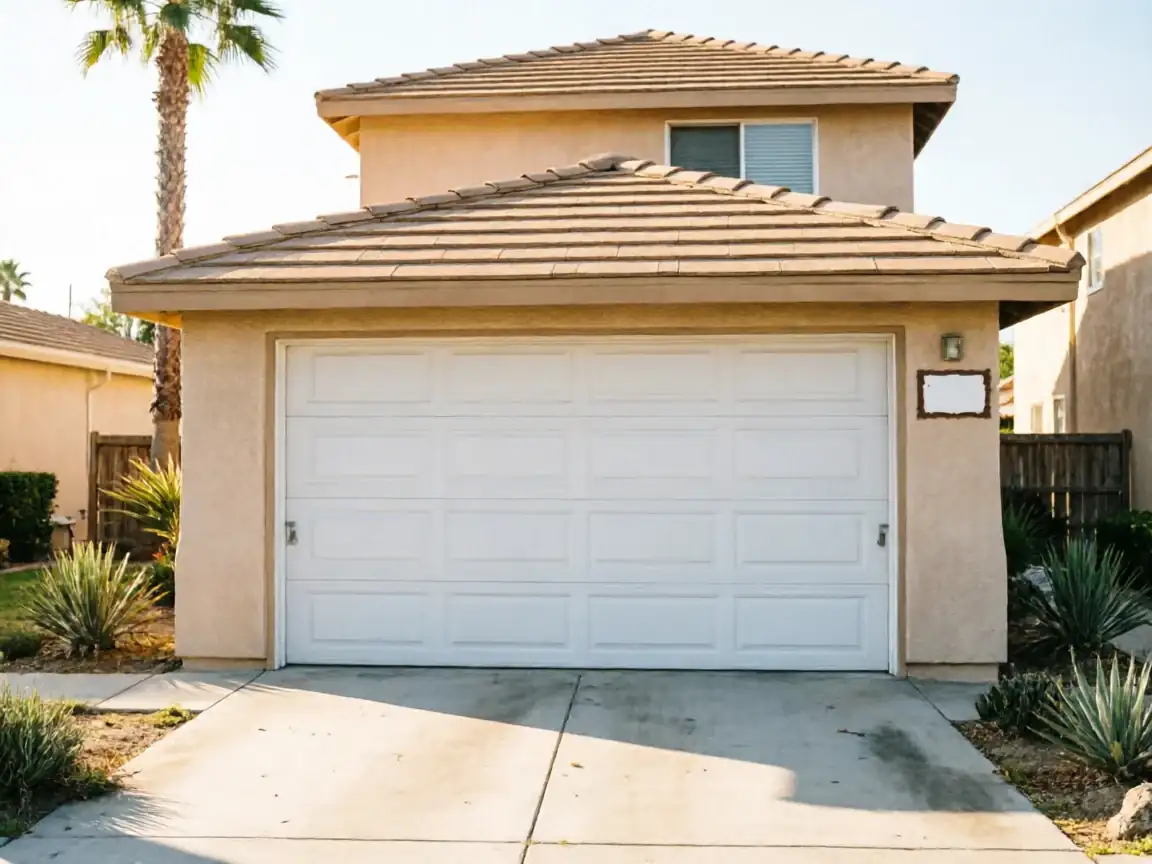
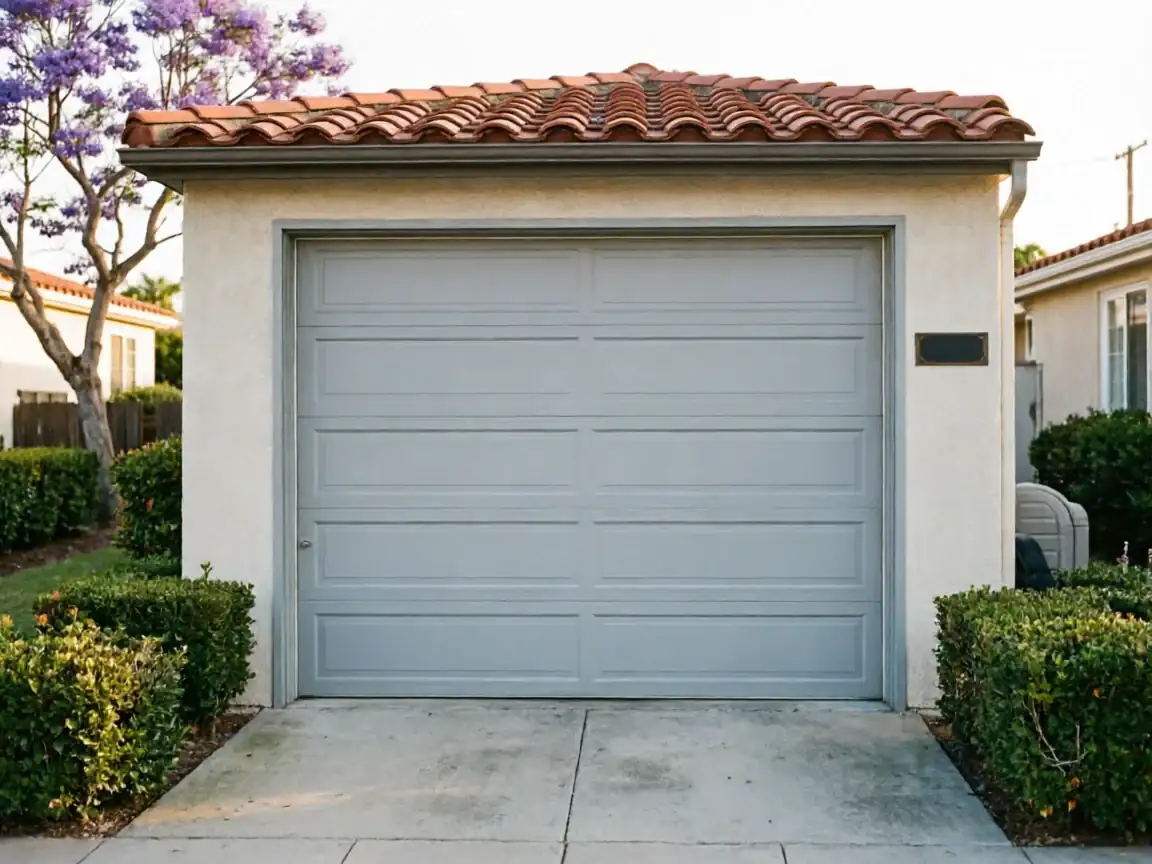
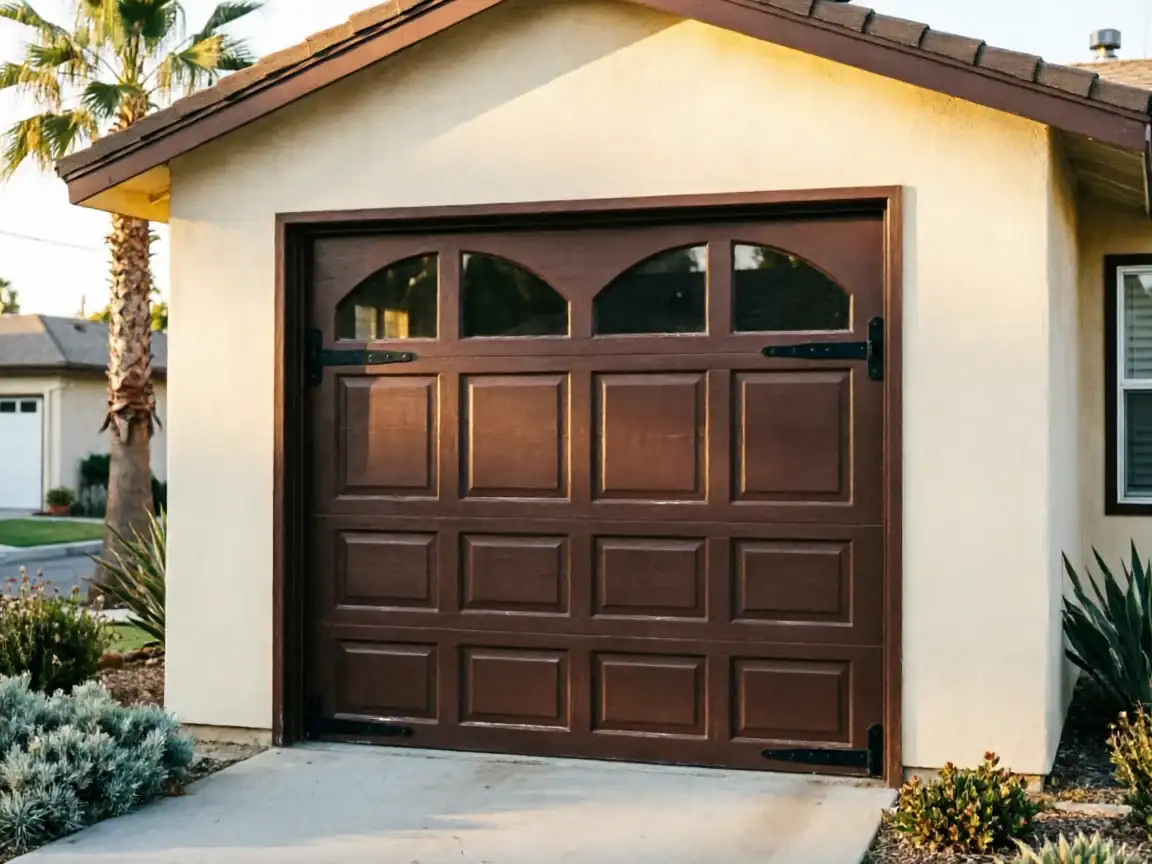
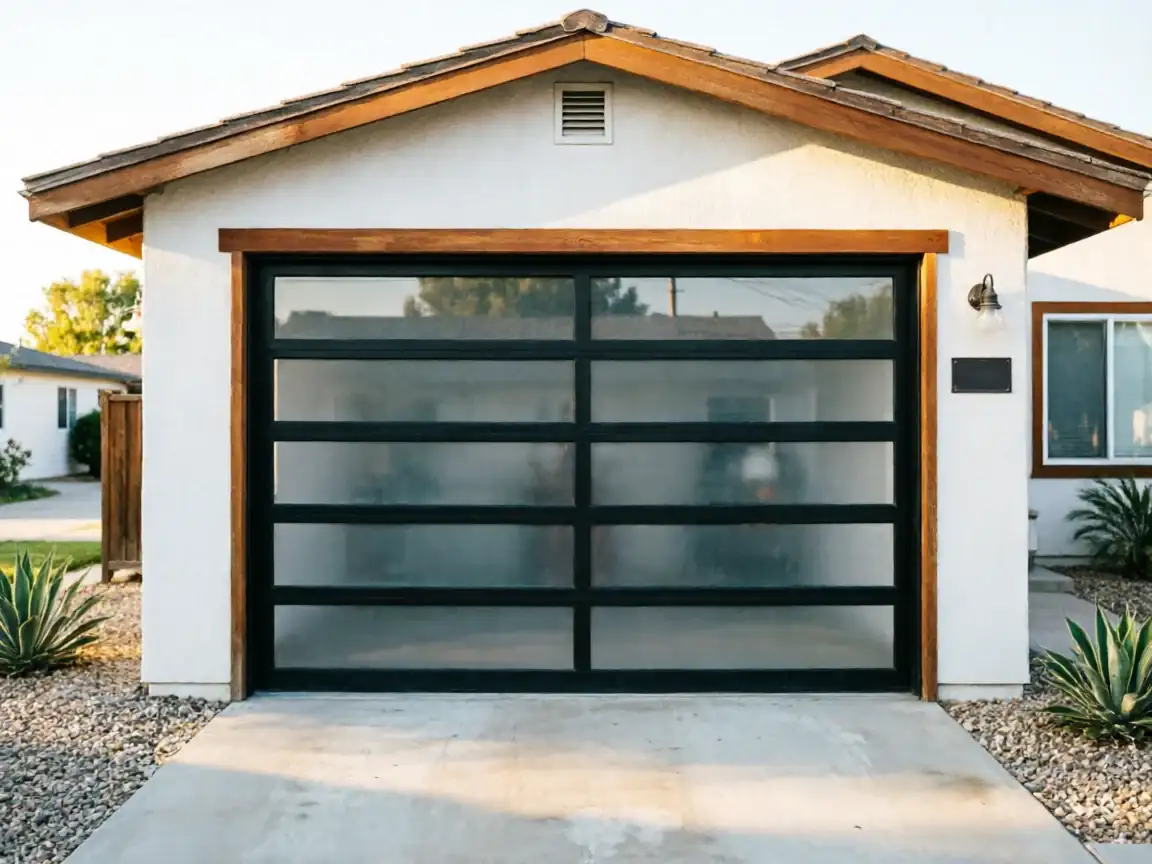
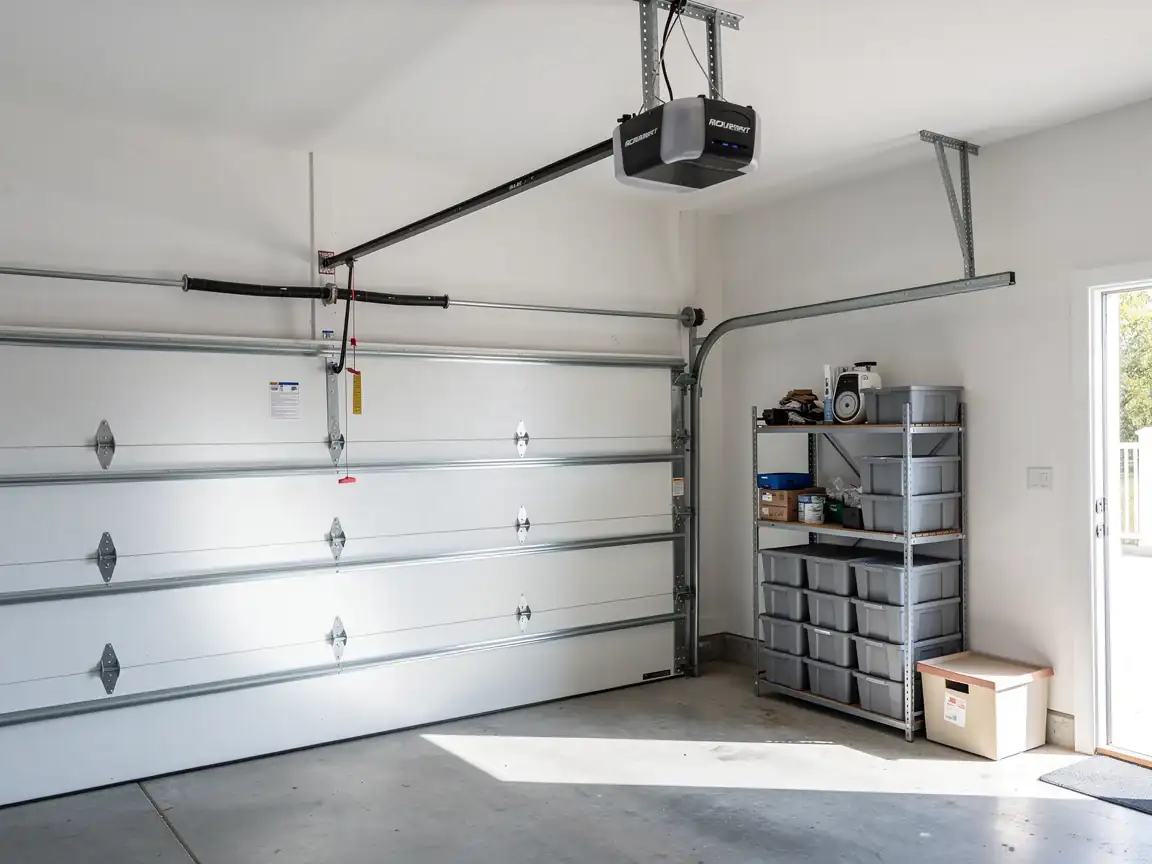
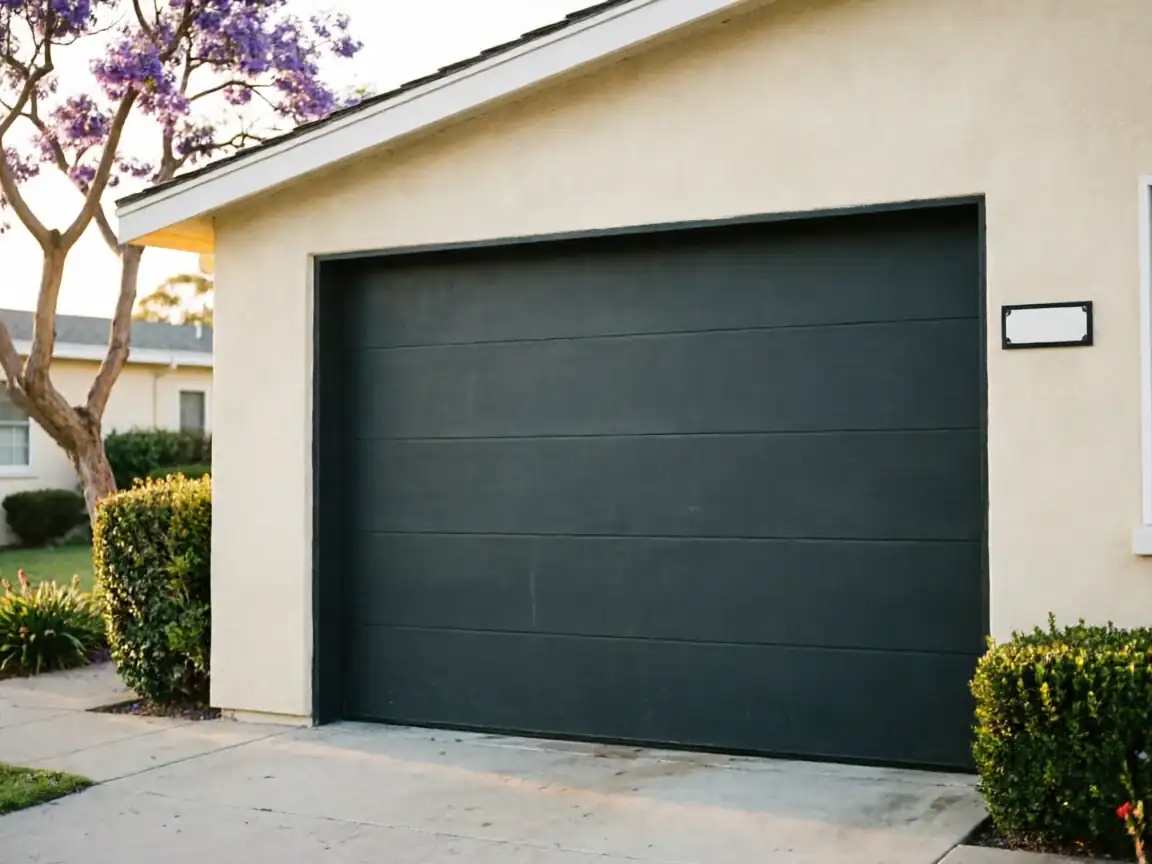
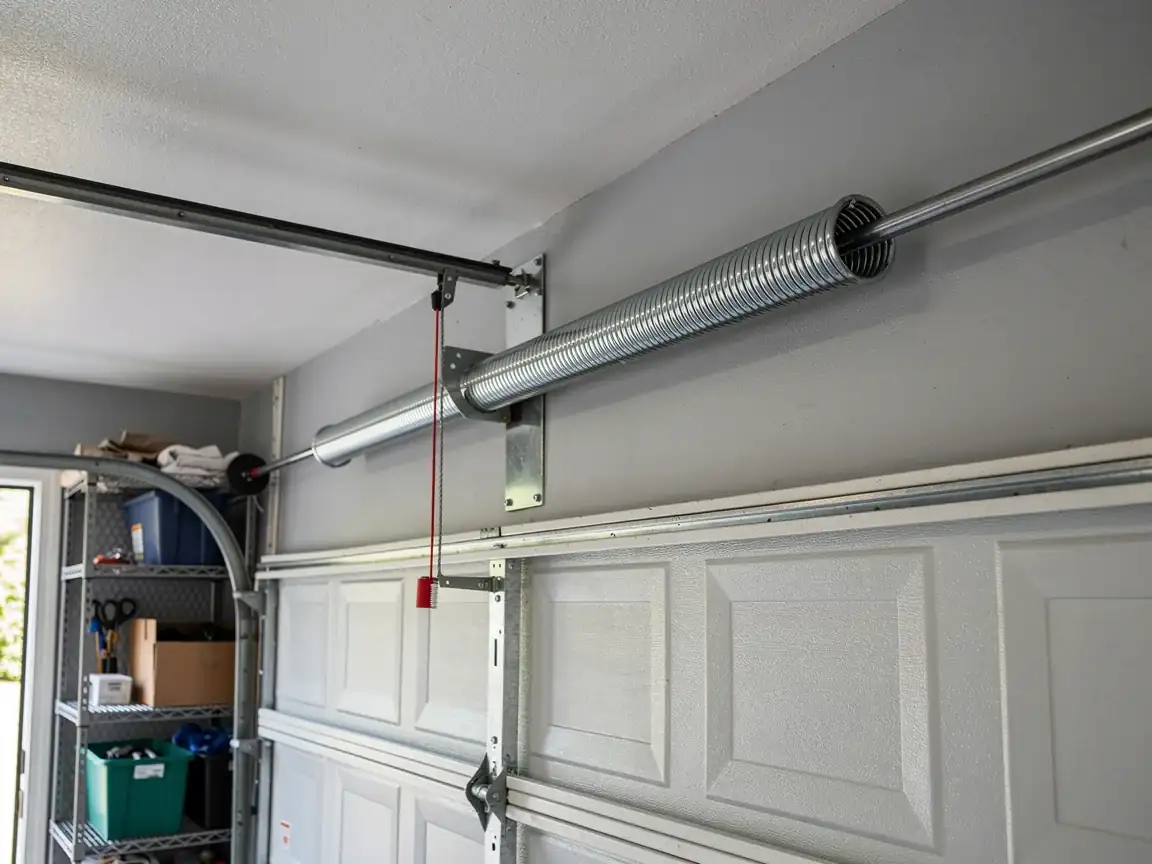
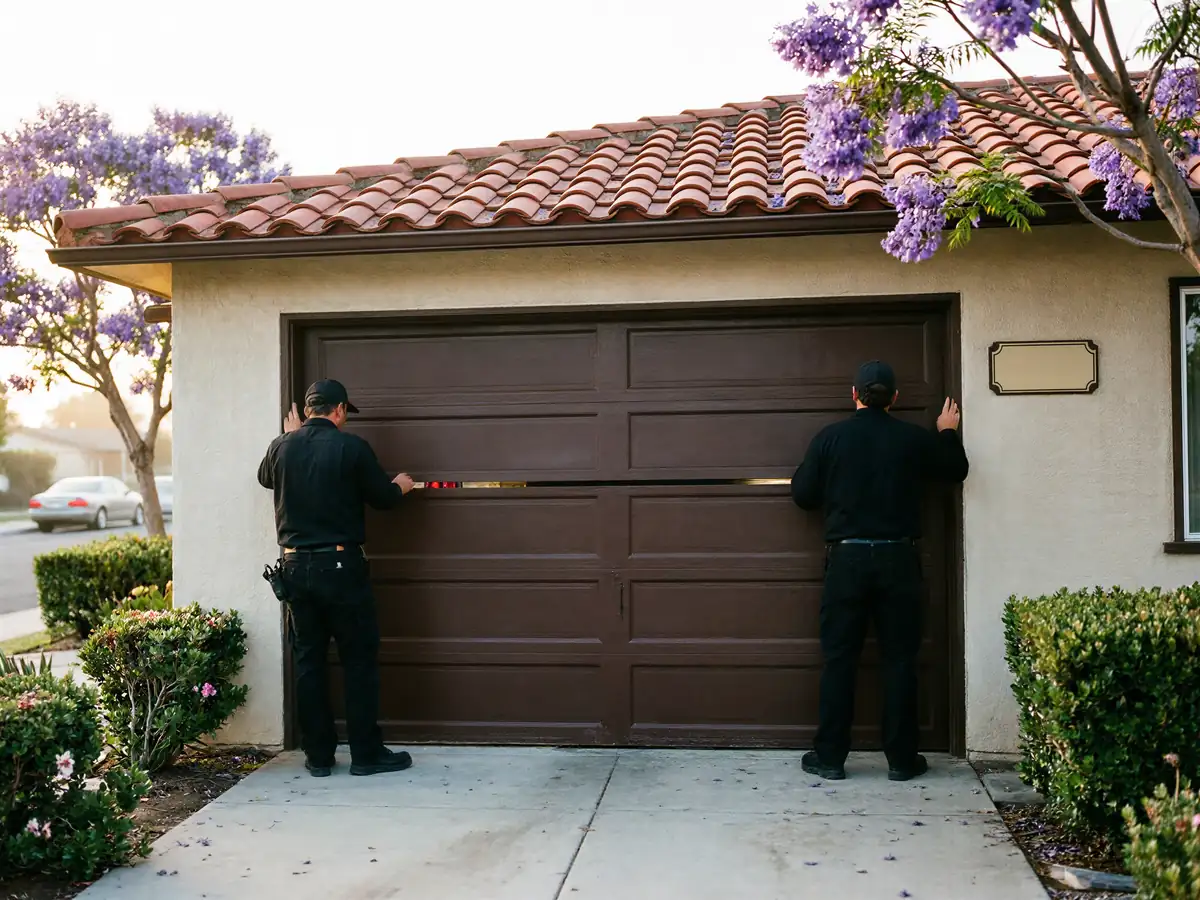
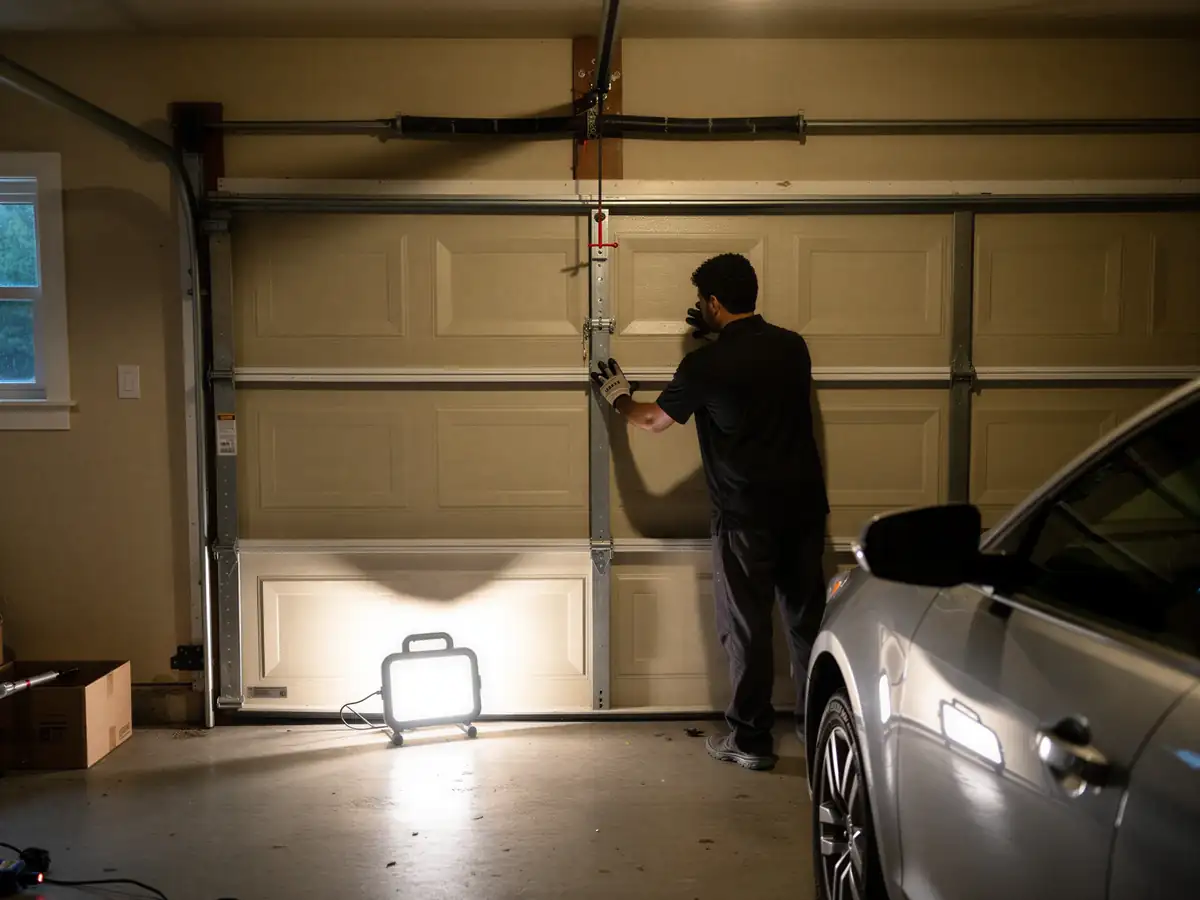
Garage door repair for Piedmont's 1930s-era homes, serviced from Oakland 4 miles away. Older torsion and extension hardware, narrower single-car openings, mild-climate wear.
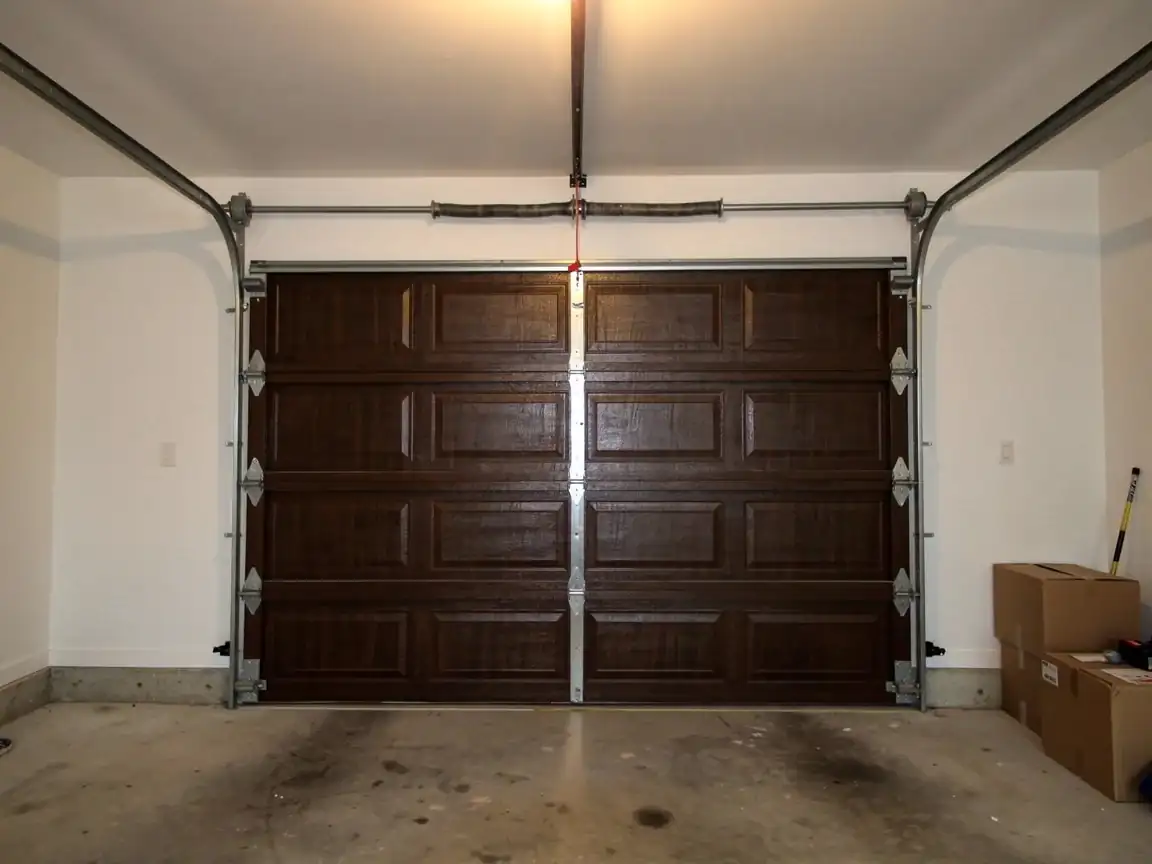
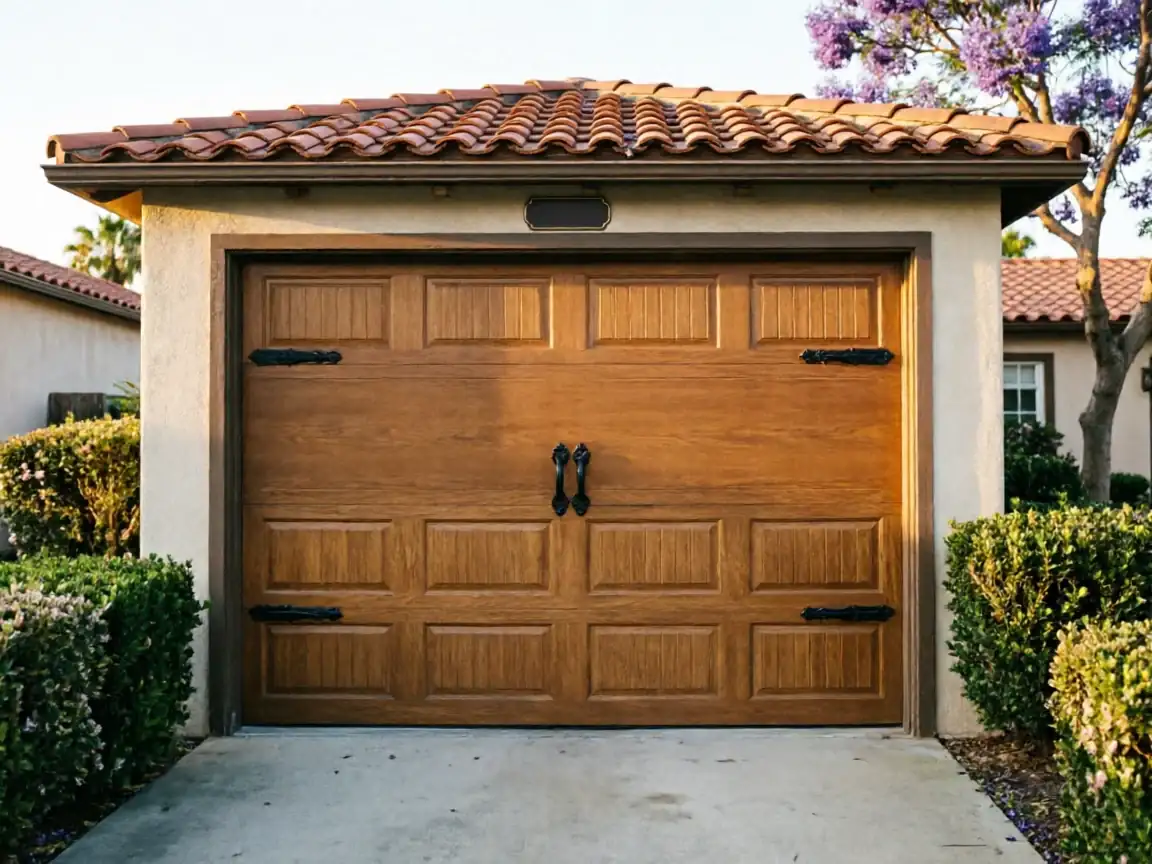
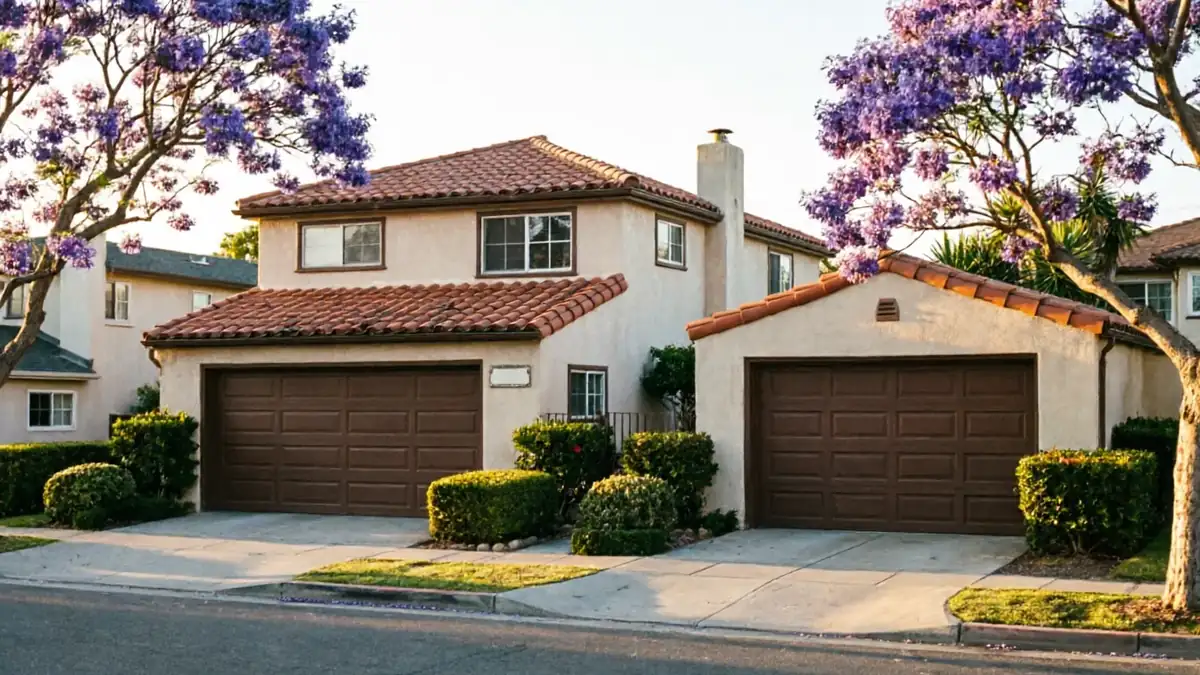
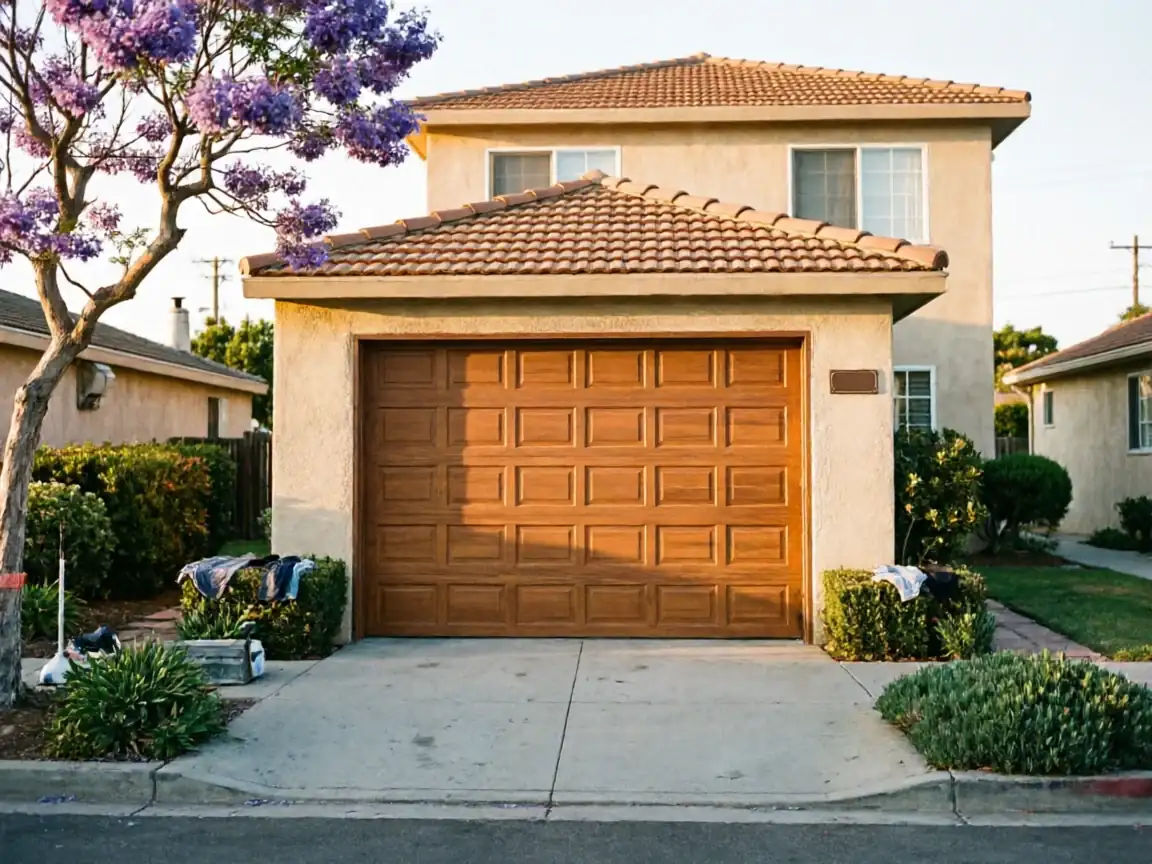
A lot of Piedmont's housing stock dates to around 1938, well ahead of the 1965 median for the wider service area. That matters on a repair call because older single-car garages here were often built with narrower openings and lighter wood or early steel doors, hung on hardware that predates the torsion-spring standard most trucks stock for. Diagnosing the fault is usually quick - a snapped cable, a seized roller, a spring that's lost tension - but matching the fix to a door that old sometimes takes longer than it would on a newer house. We travel the 4 miles from Oakland for the call itself; the clock on the actual repair depends on what's behind the panel, not the drive. A straightforward cable or roller swap on one of these older single-car doors is often done within the hour once the tech is on site. A full spring replacement on an original wood door, or a track realignment where the opening has settled over eight decades, takes longer because we're working around dimensions a modern kit wasn't built for.
Getting It Booked In
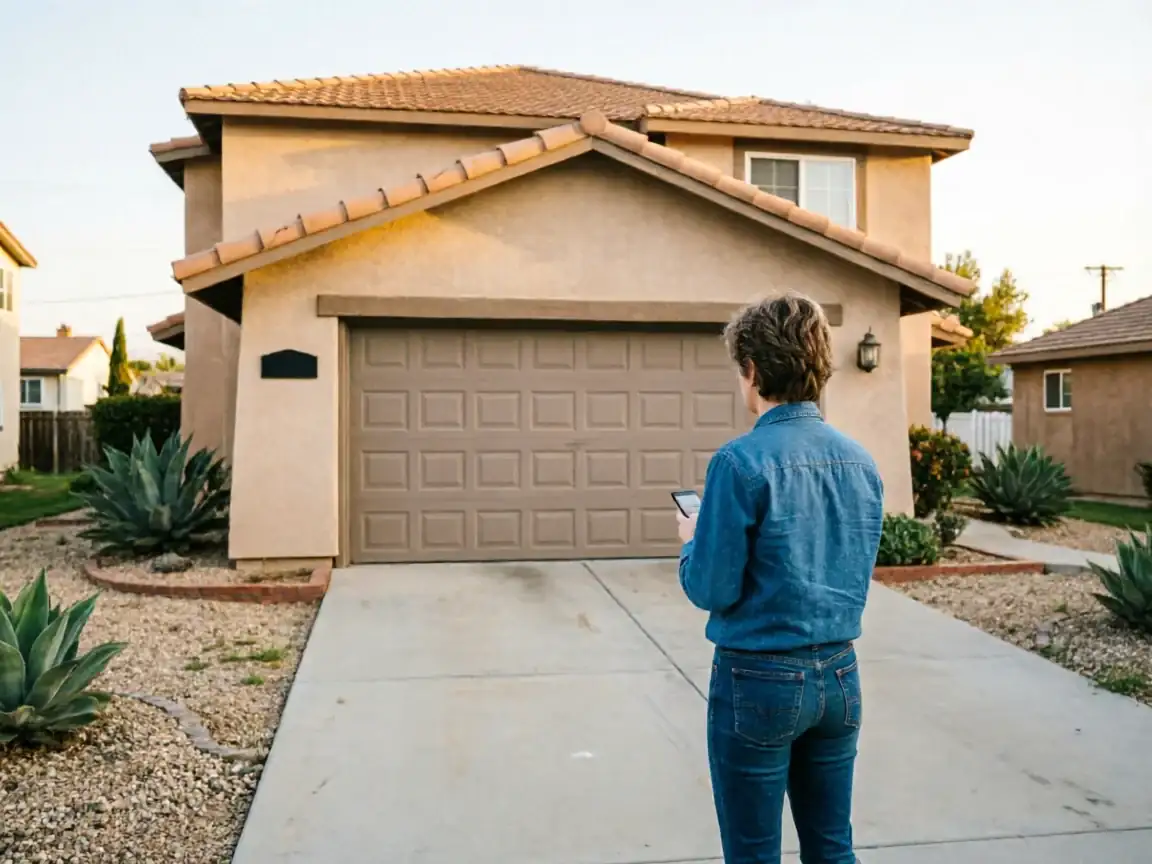
Tell us the age of the house if you know it, and whether the door is wood or steel - that one detail changes which parts we load before we leave Oakland. Piedmont sits about 4 miles out, so there's no depot or branch here; every job is a dispatched truck, not a drop-in. Describe what the door is actually doing: won't lift, lifts and reverses, grinds on one side, cable hanging loose. A door that's stuck halfway with a visibly broken cable or spring is worth flagging clearly when you call, since that changes the parts on the truck, not just the appointment time.
What Can Go Wrong
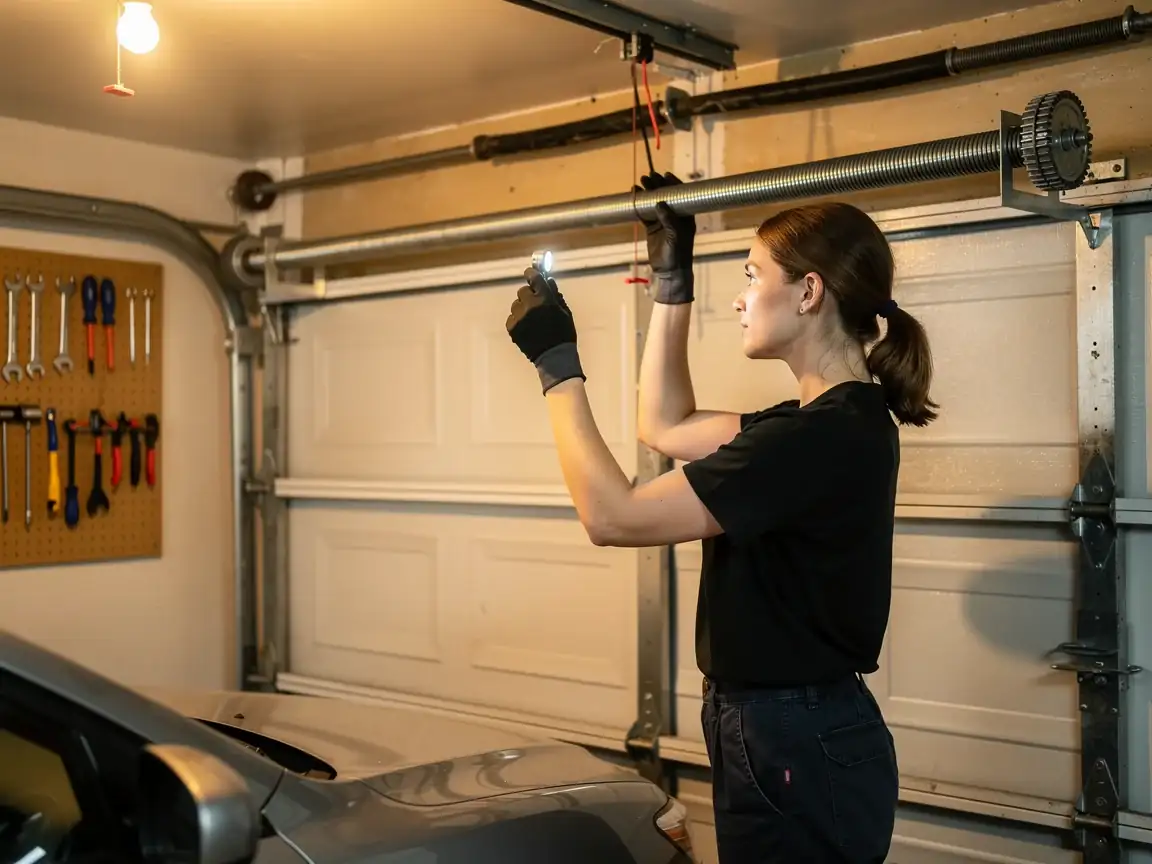
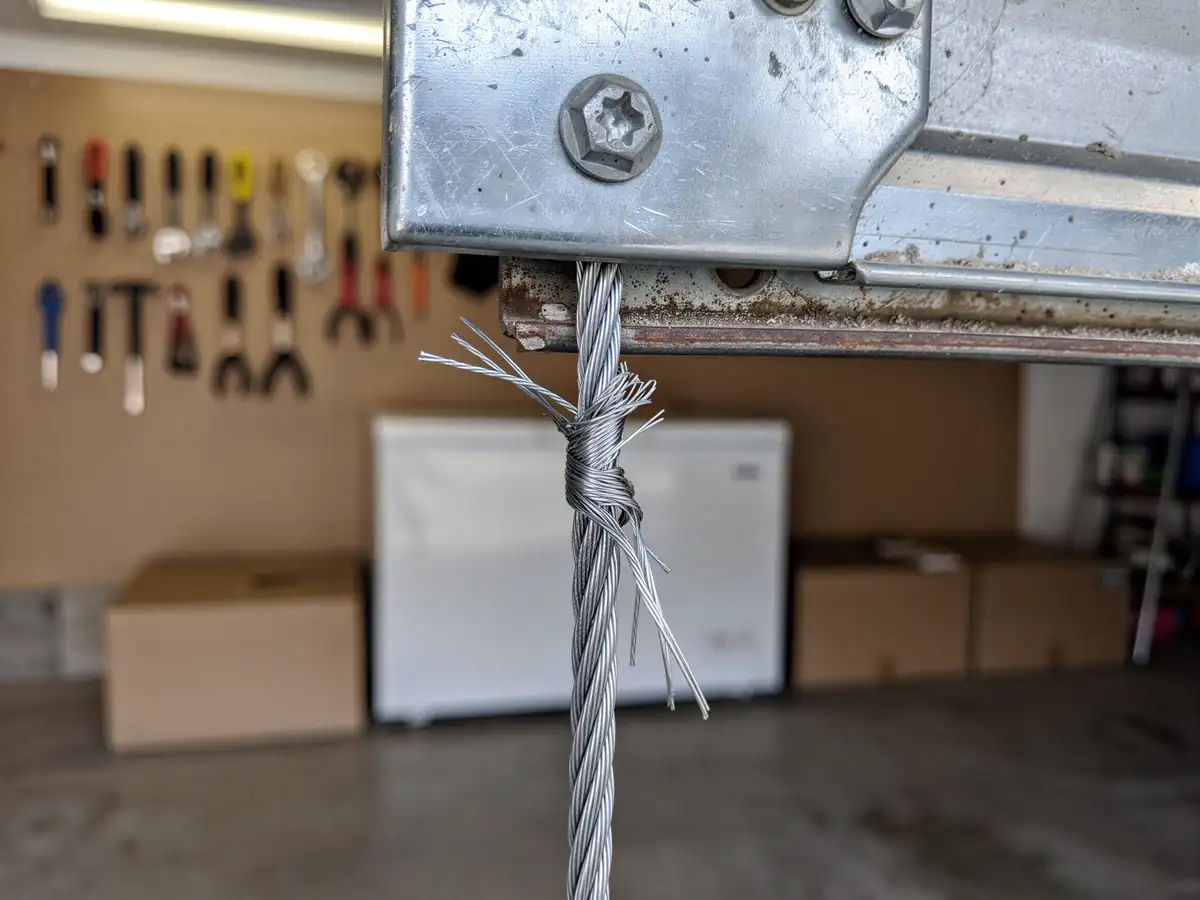
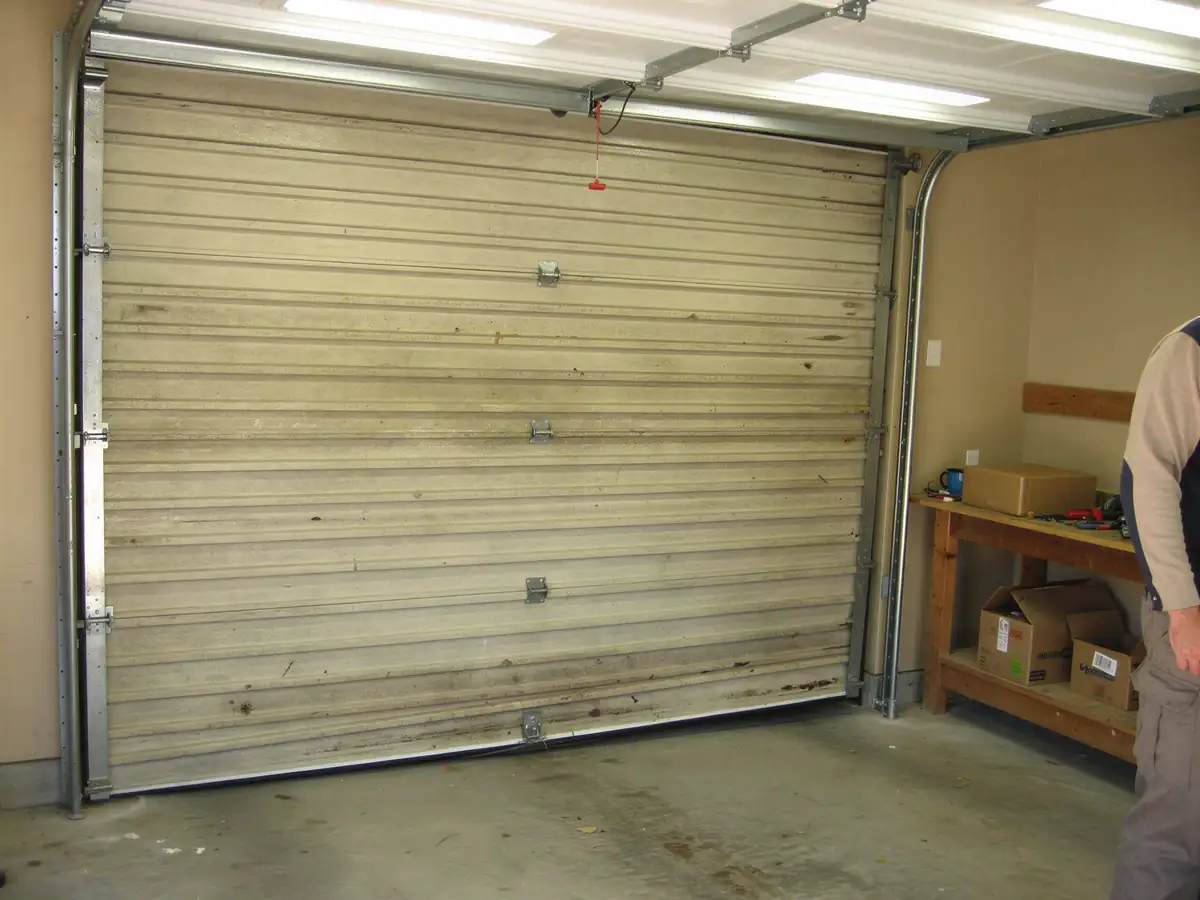
On a house built in the late 1930s, the garage door has usually been replaced at least once, but the opening and sometimes the track brackets are original. That means we see mismatches: a newer steel door hung on an old wood jamb, or extension springs retrofitted where the house never had room for a torsion bar. Rollers wear unevenly on tracks that were shimmed decades ago and never re-leveled. The mild coastal-influenced climate here means less of the freeze-thaw cracking you'd get further inland, but it doesn't stop springs from fatiguing on their own schedule after enough open-close cycles. Cables fray at the drum from age rather than rust. On the smaller single-car openings typical of this era, a bent track pinches the door faster than it would on a wider two-car opening, because there's less tolerance side to side.
Can You Do This Yourself
Some of it, yes. Lubricating rollers and hinges, tightening loose hardware, clearing debris from the track - all fine to do yourself and worth doing on a door this old. What's not worth attempting is anything involving a spring under tension, especially an old extension spring without a modern containment cable, which can whip hard enough to cause real injury. If the door is original or near-original to a 1938-era house, the parts themselves may not match anything on a hardware store shelf, and forcing a universal kit onto non-standard dimensions usually makes the next repair harder, not easier. That's the honest limit: a door built for an opening this specific needs someone who's looked at the actual hardware before ordering parts.
Parts We Carry
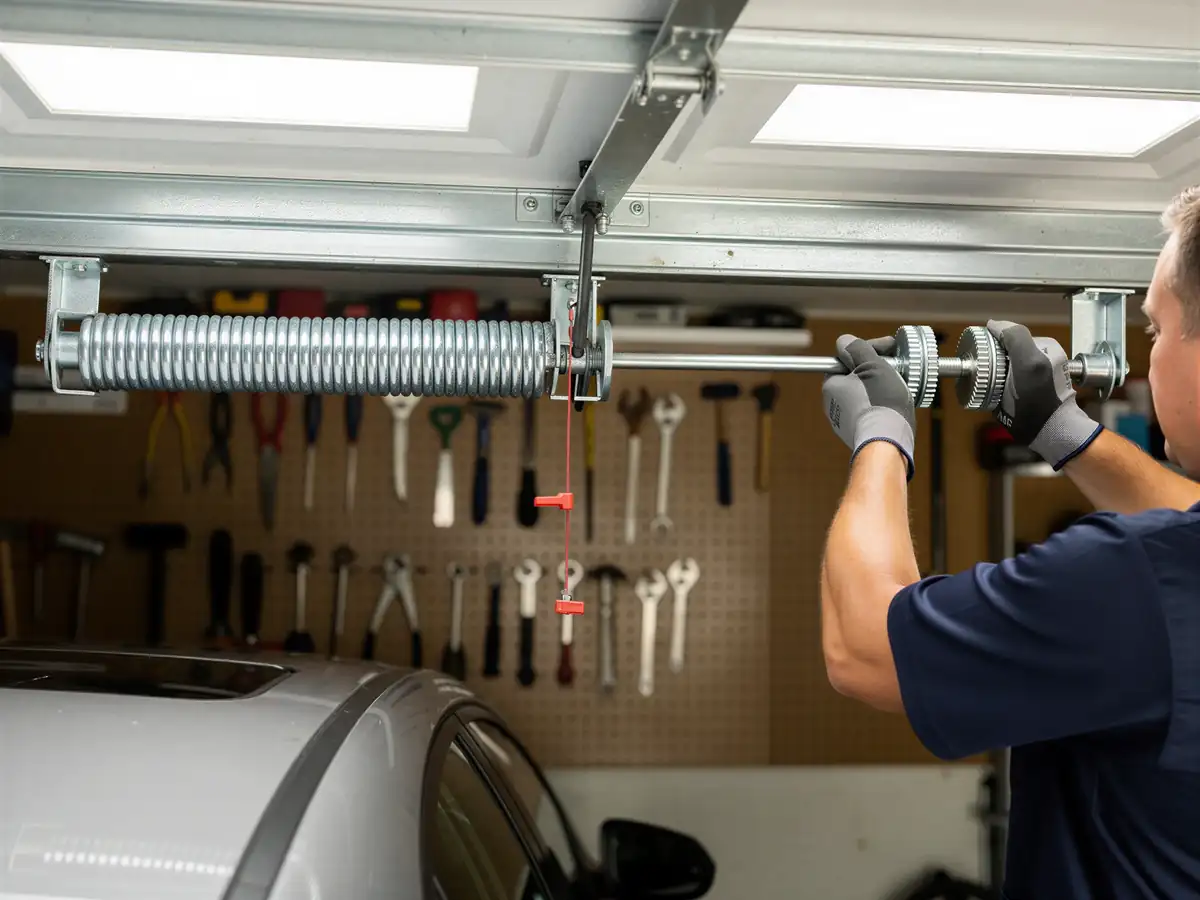
We carry standard torsion springs, extension springs, cables, rollers, and hinges sized for both older narrow single-car openings and the wider two-car doors more common in newer Piedmont construction. For original hardware from the 1930s-40s, exact replacement brackets or pulleys aren't something we stock on the truck - those sometimes need to be sourced or fabricated, and we'll tell you up front if that's the case rather than force a modern part onto an old frame. Openers, weatherstripping, and track sections are standard stock regardless of the house's age, since those wear out the same way everywhere in the mild climate here.
What the Repair Takes
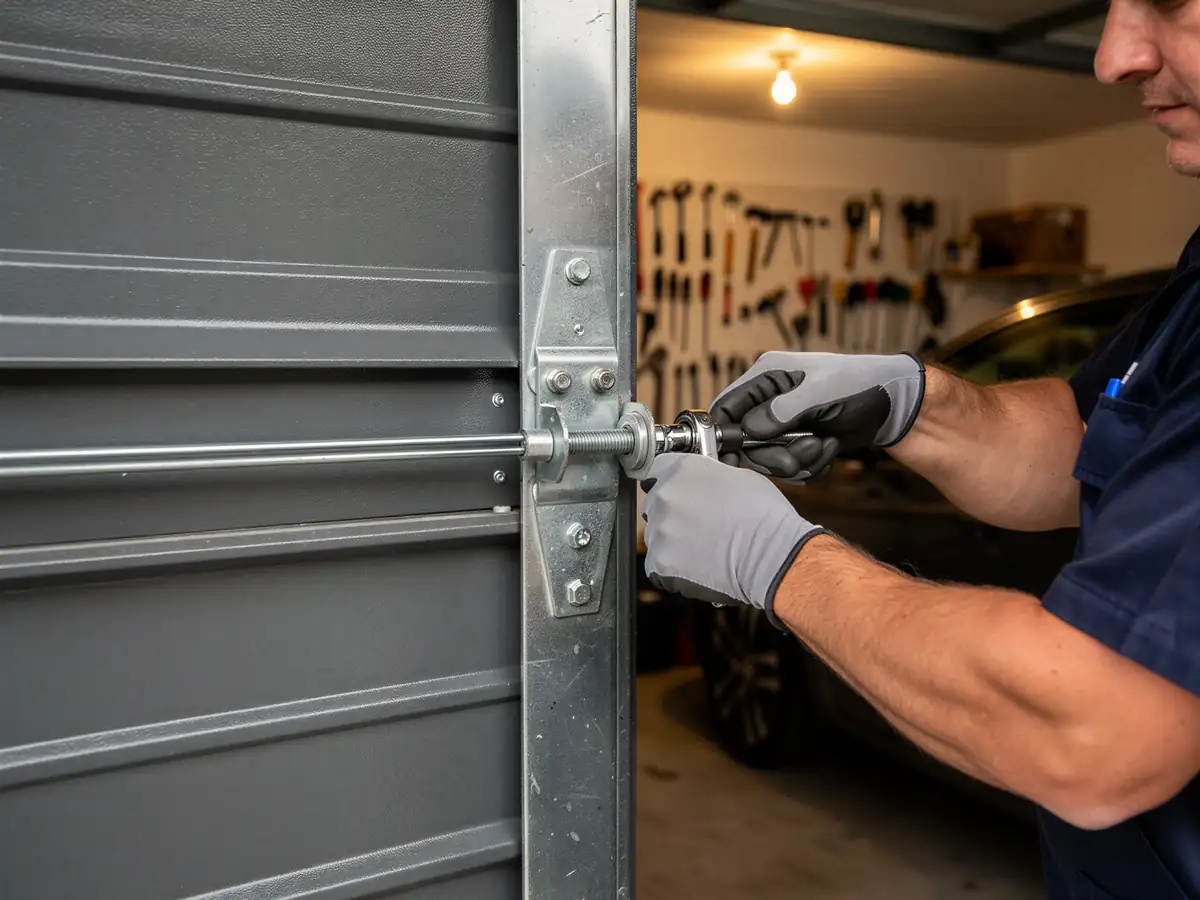
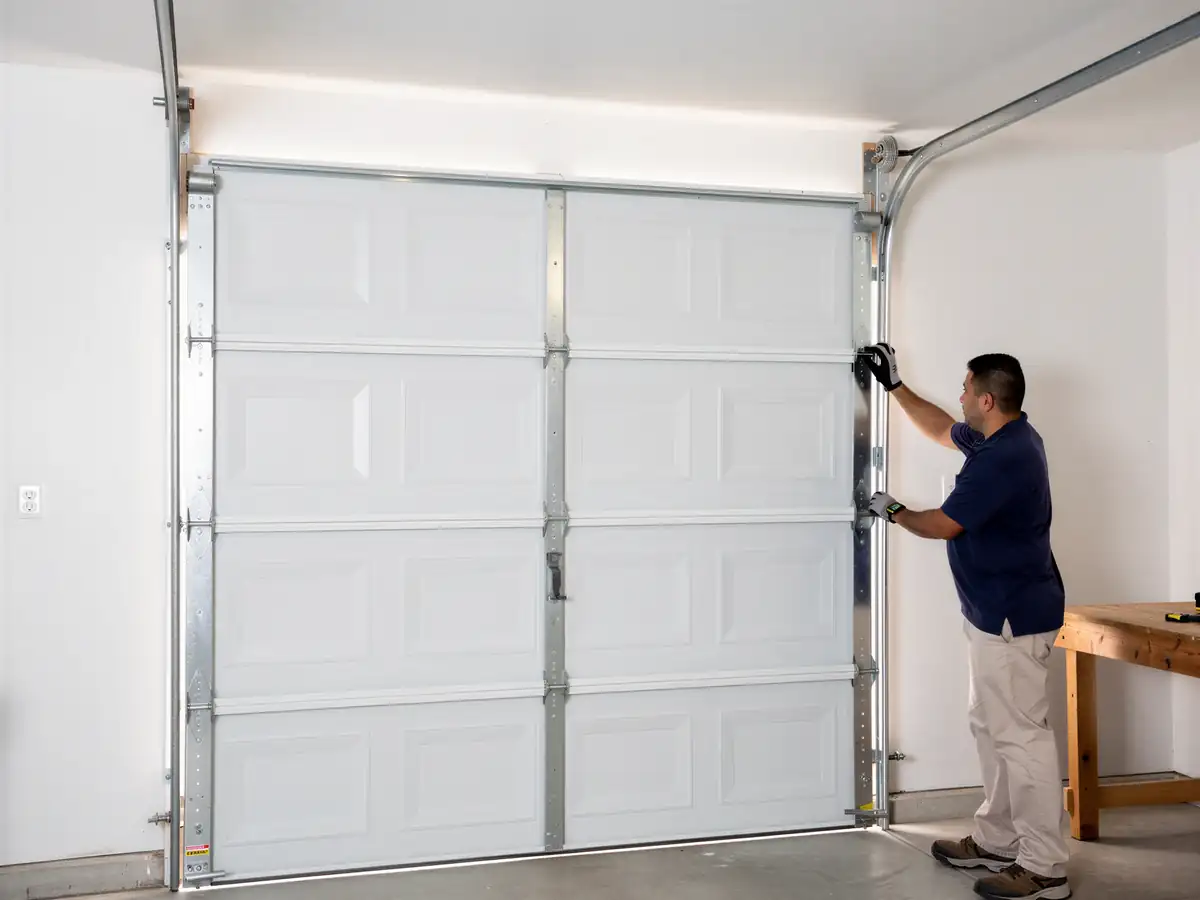
Most calls in Piedmont end with a spring, cable, or roller swap - the parts that fail from age and cycles rather than weather damage, since the climate here is mild enough that we're not fighting rust or ice the way crews do in harsher regions. On the older single-car doors, the labor is mostly careful measurement: matching a new spring's wind and length to an opening that was never standardized the way post-1960s construction was. On newer doors in the same town, the repair looks like any other steel door job - predictable parts, predictable time. Either way, the truck comes from Oakland, about 4 miles off, and the job itself is priced and scheduled the same regardless of which side of that gap the house falls on.
How it works
From “it’s stuck” to “it’s fixed”
01
Tell us what’s wrong
Describe the symptom - won’t open, loud bang, opener runs but the door won’t move.
02
On-site diagnosis
A technician tests the door under power and by hand and finds what actually failed.
03
Clear, up-front plan
You get the fix that’s needed and what drives the cost - before any work starts.
04
Repaired & tested
The repair is done, the door is set true and tested, and the work area left clean.
Not sure which repair your door needs in Oakland, CA? Describe what it’s doing - every job starts with a diagnosis.
Straight answers about garage door repair in Oakland. Still unsure? Ask us directly.
Do you have a branch in Piedmont?
No. We're based in Oakland, about 4 miles away, and every Piedmont job is a dispatched truck rather than a local office. That doesn't change how the repair is diagnosed or priced, just that the drive is part of the job.
Is my door too old for a standard repair?
Not usually, but if your house dates to the 1930s and still has original hardware, exact replacement brackets or pulleys may need to be sourced rather than pulled off the truck. We'll tell you that before we start, not after.
Why did my spring break with no storms or freezing weather here?
Springs fail from cycle count and age, not weather. The mild climate here means less rust and cracking than other regions, but a spring that's opened and closed the door thousands of times will still fatigue on its own schedule.
Can I fix a broken cable myself?
Clearing a track or tightening a hinge is fine. A cable under spring tension is not - on an older extension-spring door without a containment cable, that's a real injury risk and not a reasonable DIY job.