Garage Door Service for Piedmont's Older Housing Stock
Piedmont's housing dates to 1938, a generation older than most of Oakland's stock. We service the extension-spring and retrofit hardware that era left behind.
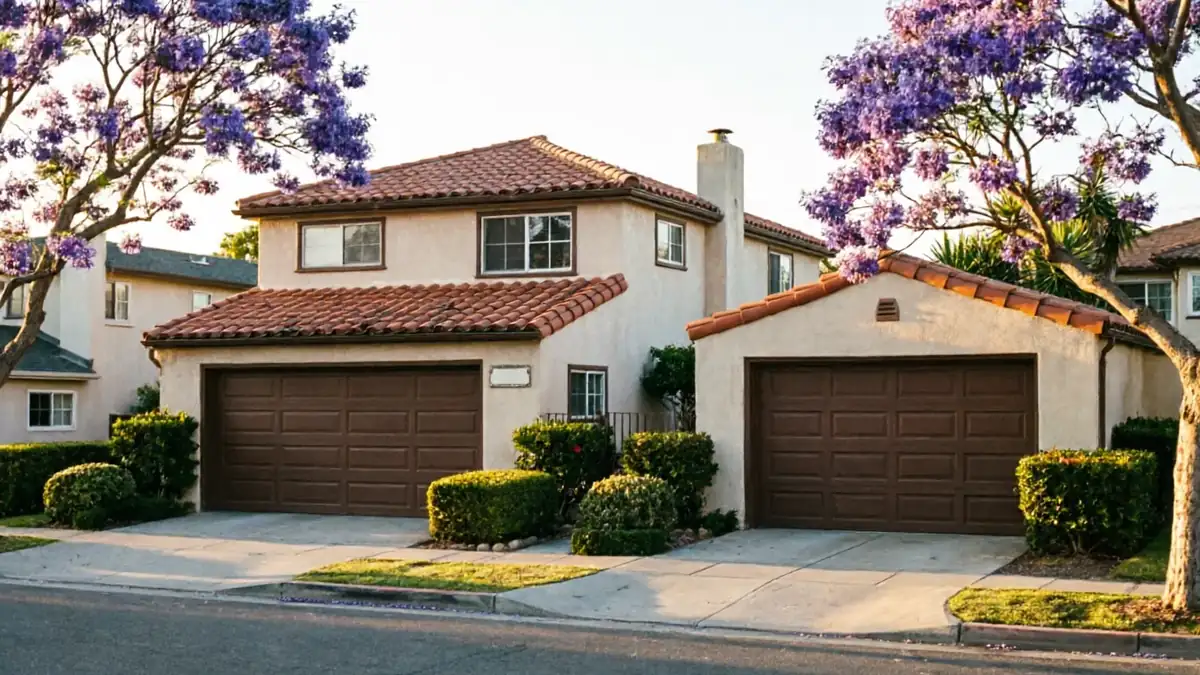
Piedmont's homes have a median build year of 1938, well ahead of the 1965 median across the rest of the Oakland service area. That gap matters on a service call. A door installed or retrofitted on a house that old has usually been touched more than once - a torsion conversion in the 80s, a new opener bolted onto 1950s track, or a repair done with whatever part was on the truck that decade. Diagnosing that takes longer than popping open a 2005-build garage with factory-matched parts. We travel the 4 miles from our Oakland shop and budget extra time on the first visit here specifically because the hardware is rarely uniform. Most single-door repairs - spring, cable, or roller - still run under two hours once we've seen what's actually installed. Full track or panel replacement on an older frame takes longer, mostly because older framing isn't always square to today's standard parts. We won't guess at a timeline over the phone for a Piedmont house; we want eyes on the door first.
Getting It Booked In
We don't keep a branch in Piedmont - every job here is dispatched from Oakland, 4 miles away. That's a short drive, not a same-postcode one, so we ask for your address and a description of the door up front: brand if you know it, whether it's one piece or sectional, and roughly how old the opener is. On a house built in 1938, the door itself has almost certainly been replaced at least once, so don't worry if you don't know the install year. We'll confirm a window by phone before the truck leaves. The mild year-round climate here means we're rarely rescheduling around weather, which keeps booking straightforward most of the year.
What Can Go Wrong
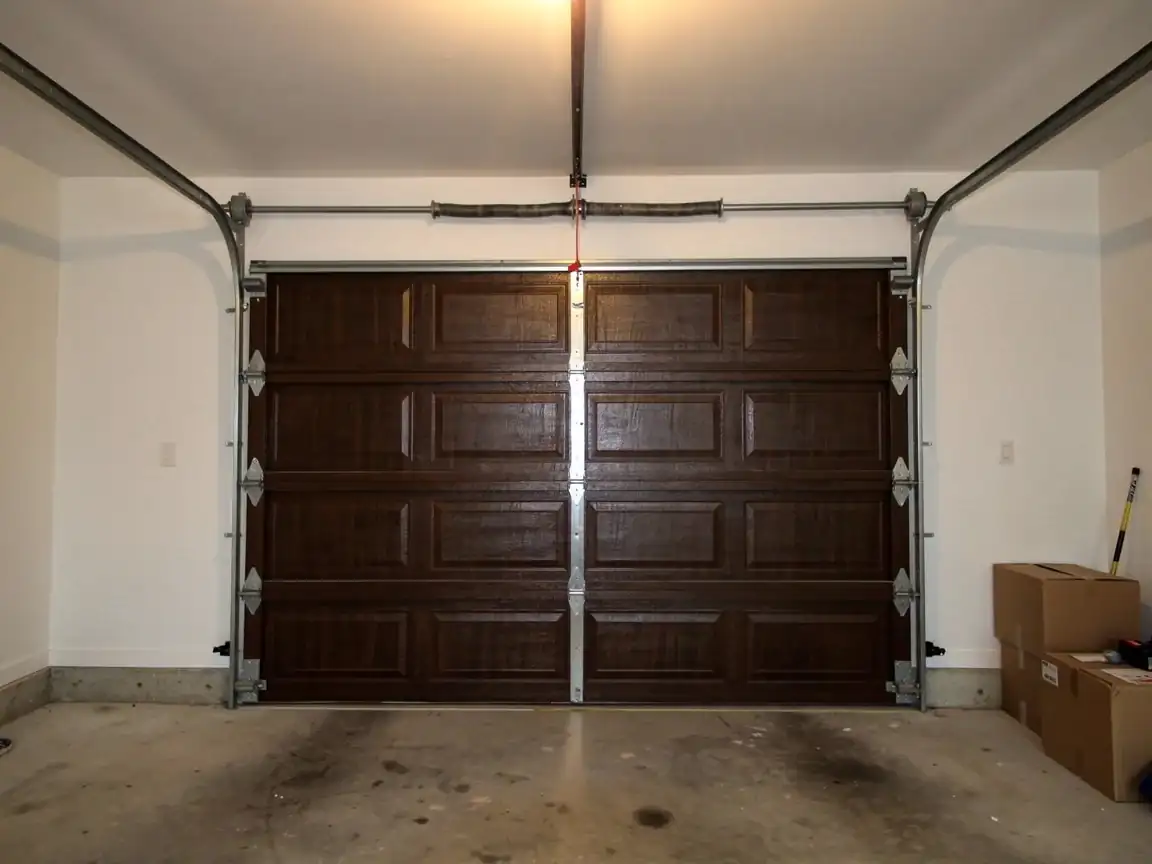
The main issue we see on Piedmont's older housing stock is mismatched hardware: a torsion spring system bolted onto a header that was originally built for extension springs, or a modern opener wired into a track that's been shimmed and reshimmed over decades. Houses from the 1938 era were not built with garage doors sized for today's sectional panels, so a lot of these doors are replacements that were fitted to an opening that was never quite standard. That shows up as binding on one side, a door that reverses on its own, or a spring that wears out faster than it should because it's carrying more than its rated load. The mild climate here means we're not dealing with rust-through or extreme temperature swings cracking panels - the failures are mechanical and age-driven, not weather-driven.
Can You Do This Yourself
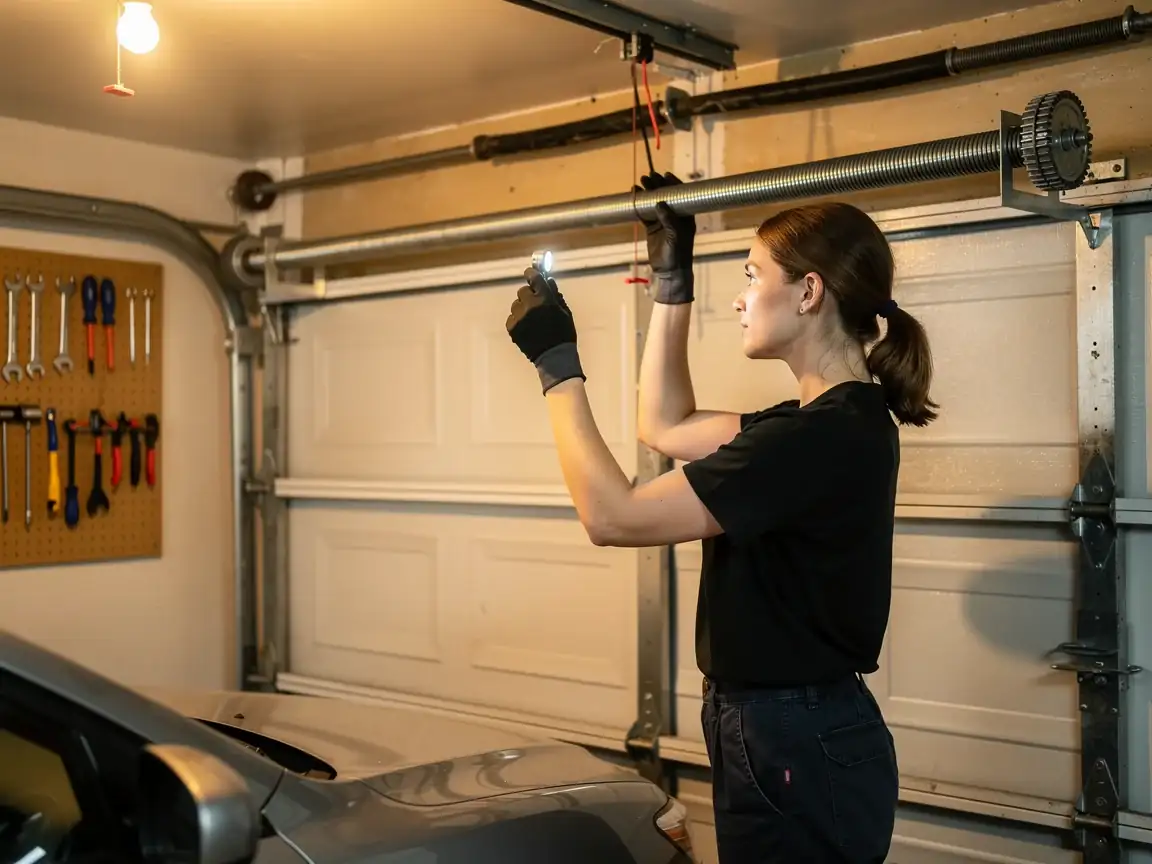
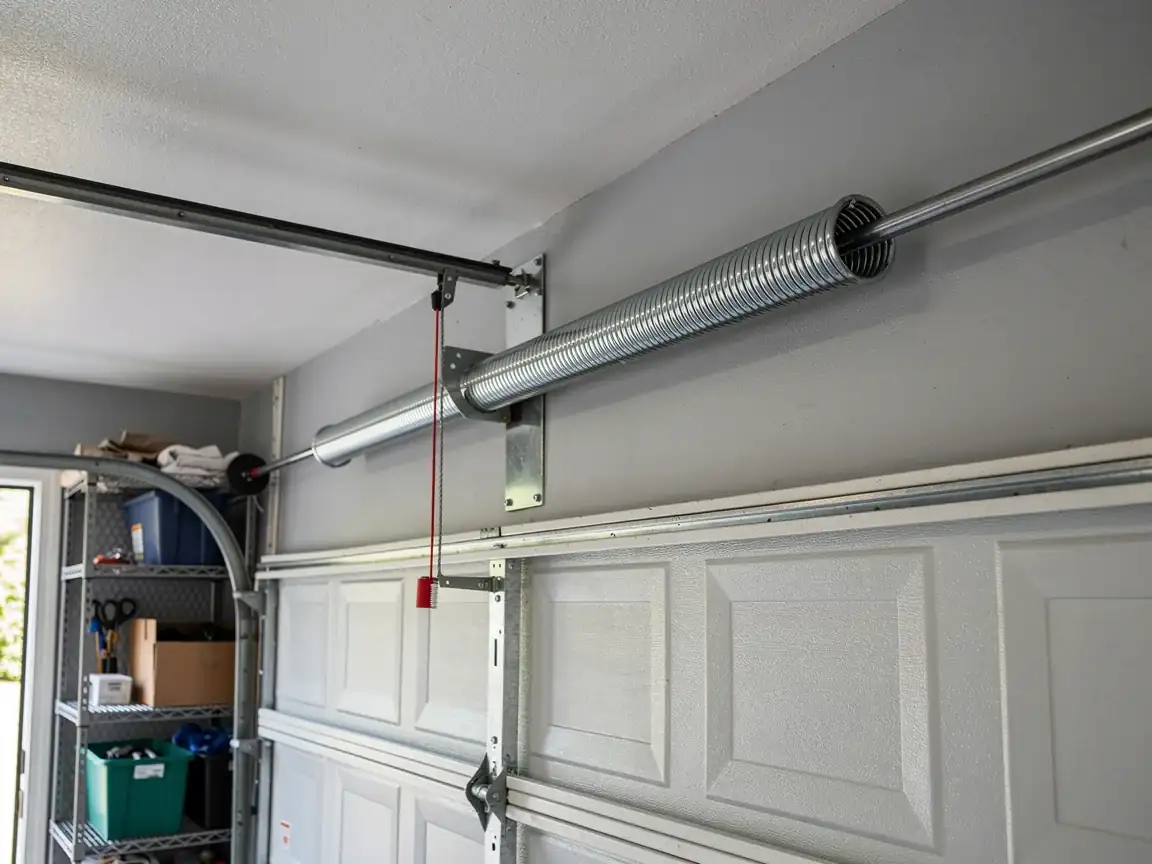
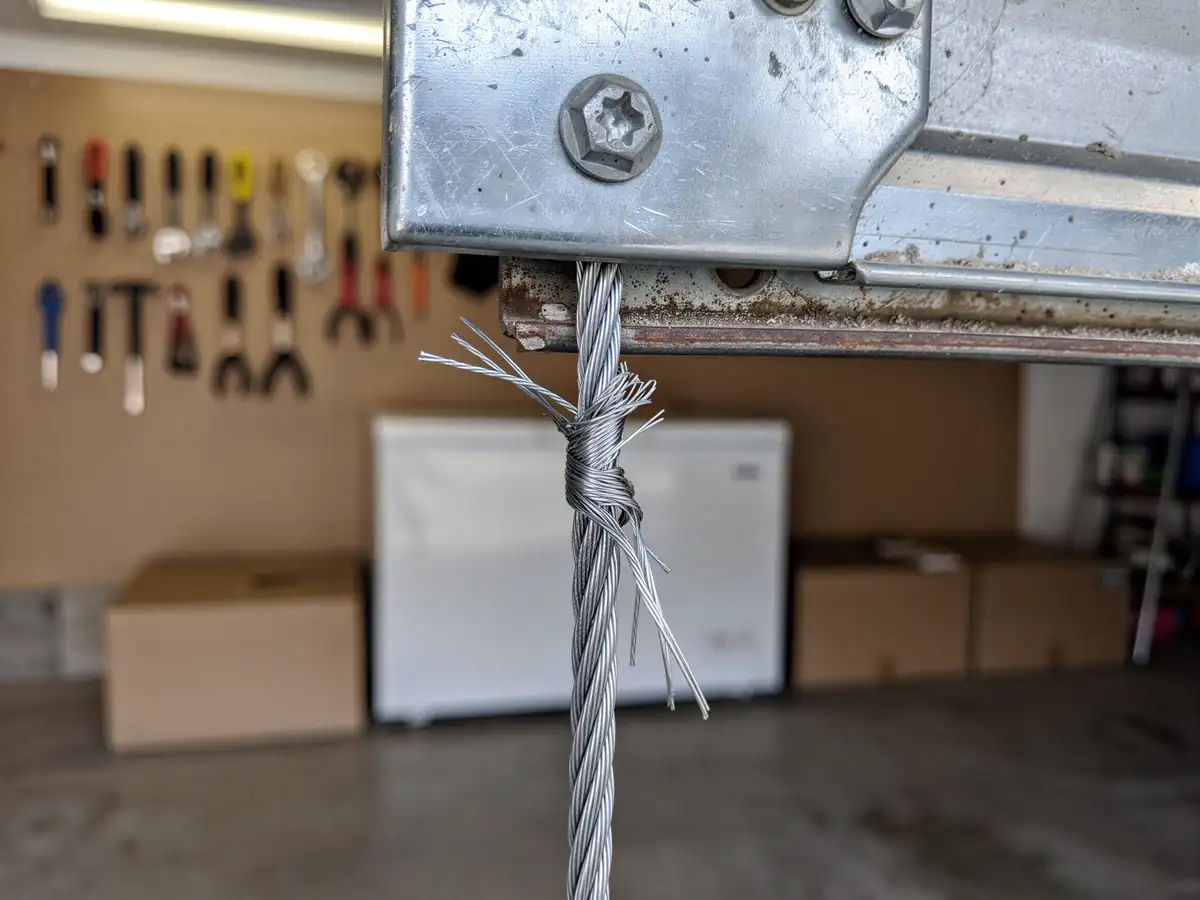
Spring tension on any garage door is dangerous to work on without the right tools, and that's doubly true on an older Piedmont setup where the spring type or mounting isn't standard. If your house still has an extension spring system from an earlier retrofit, the safety cables that are supposed to catch a broken spring are often missing or outdated - something you can't always tell just by looking. Lubricating hinges, tightening visible bolts, and clearing the track of debris are fine DIY tasks. Replacing a spring, cable, or anything holding the door under tension isn't. We'll say plainly: if a repair estimate gets close to the cost of a new door and opener, replacement is usually the better call rather than patching 1938-era hardware again.
Parts We Carry
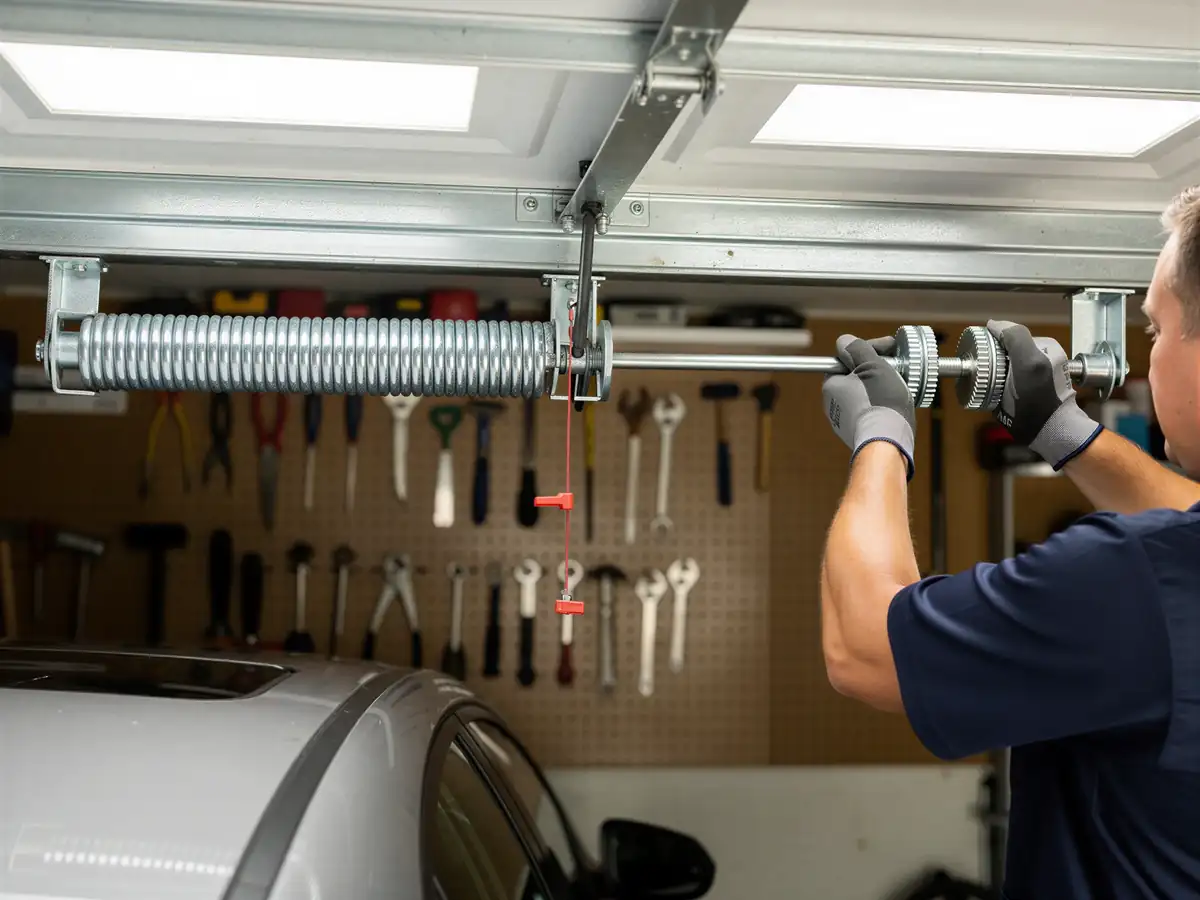
Because so much of Piedmont's housing stock predates the modern garage door standard (median build year 1938, F1), we stock parts for both current torsion setups and the older extension-spring configurations that are still common here. That includes extension springs and safety cables, older-style roller and track hardware, and openers compatible with doors that were never built to current sectional sizing. We don't carry obsolete one-piece door panels from the original era - if your door is an original 1930s-40s model, a modern full-size replacement panel is usually the only option, since matching parts for doors that old aren't manufactured anymore. That's a real limitation and we'll tell you up front if your door falls into that category.
What the Repair Takes
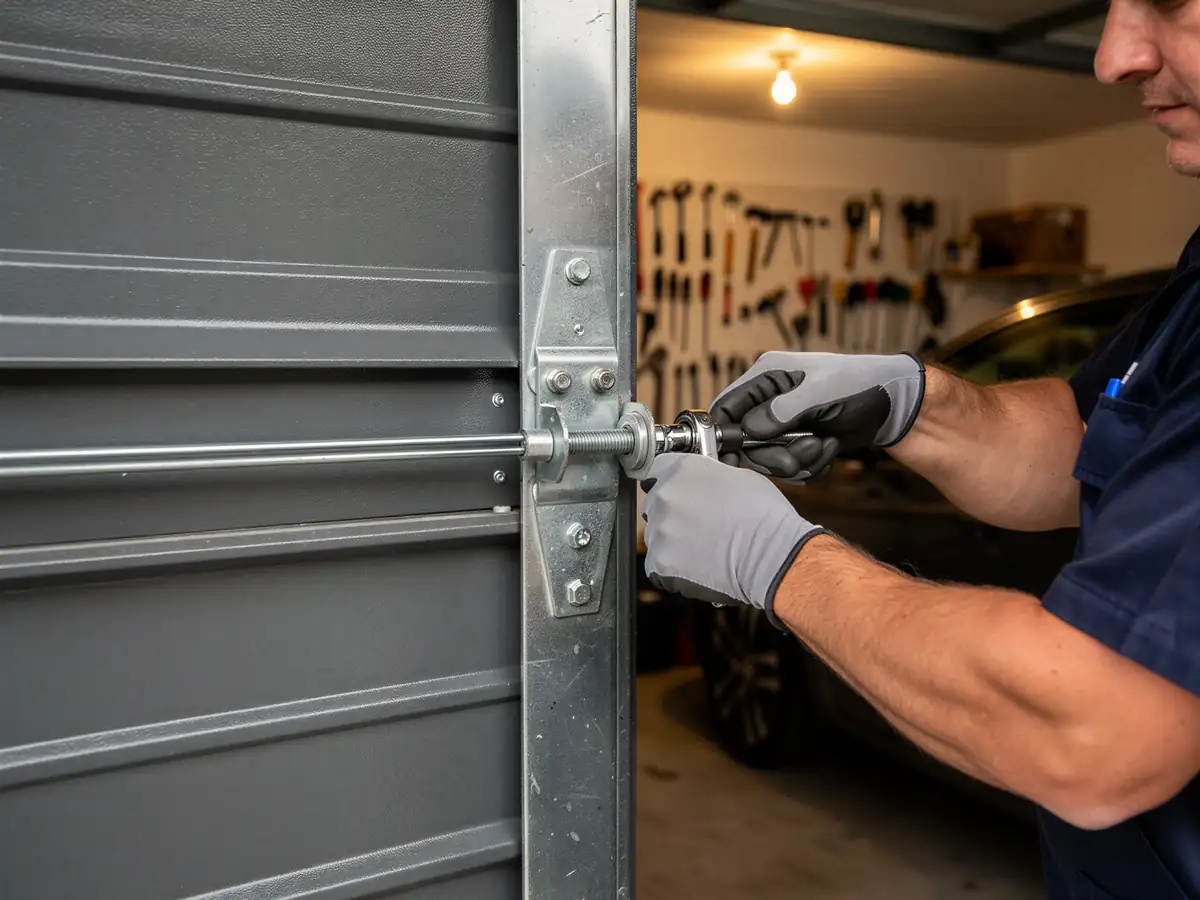
On a typical Piedmont call, the first step is figuring out what generation of hardware we're actually working with before touching anything. A door matched to its original 1938-era opening behaves differently under tension than one retrofitted decades later, so we check spring type, track alignment, and opener compatibility before quoting a fix. Most repairs - springs, cables, rollers, a misaligned track - get done on the first visit once we know what's on the door. If a part isn't something we carry on the truck because it matches an older configuration, we'll say so and give you a straight timeline rather than make a return trip sound shorter than it is. Mild weather here means we're not racing a storm to get your door closed, which gives us room to do the job right rather than rush a patch that fails again in a year.
How it works
From “it’s stuck” to “it’s fixed”
01
Tell us what’s wrong
Describe the symptom - won’t open, loud bang, opener runs but the door won’t move.
02
On-site diagnosis
A technician tests the door under power and by hand and finds what actually failed.
03
Clear, up-front plan
You get the fix that’s needed and what drives the cost - before any work starts.
04
Repaired & tested
The repair is done, the door is set true and tested, and the work area left clean.
Not sure which repair your door needs in Oakland, CA? Describe what it’s doing - every job starts with a diagnosis.
Straight answers about garage door repair in Oakland. Still unsure? Ask us directly.
Why does my Piedmont house have such an old garage door setup?
Piedmont's housing stock has a median build year of 1938, decades older than much of the surrounding Oakland service area. Many garage doors here have been replaced or retrofitted more than once, which means torsion springs bolted onto older headers or openers added to track that predates them. It's common, not a sign of bad past work.
Do you have a branch in Piedmont?
No. We dispatch from Oakland, about 4 miles away, for every Piedmont job. That's a short drive and doesn't usually affect scheduling, but we don't keep parts or staff stationed in Piedmont itself.
Can you still get parts for an older door?
For most retrofit hardware - extension springs, older track, compatible openers - yes, we stock those. Original one-piece panels from a 1930s-40s build aren't manufactured anymore, so if your door is that old, full replacement is usually the only real option.
Does Piedmont's weather affect garage door wear?
Not much. The climate here is mild year-round, so we're not seeing the rust or extreme temperature-swing damage that shows up elsewhere. Most failures we find on Piedmont doors come down to age and mismatched hardware, not weather.