Panel replacement for Berkeley homes, most built around 1946. We drive the 8 miles from Oakland with the right panel measurements taken before we load the truck.
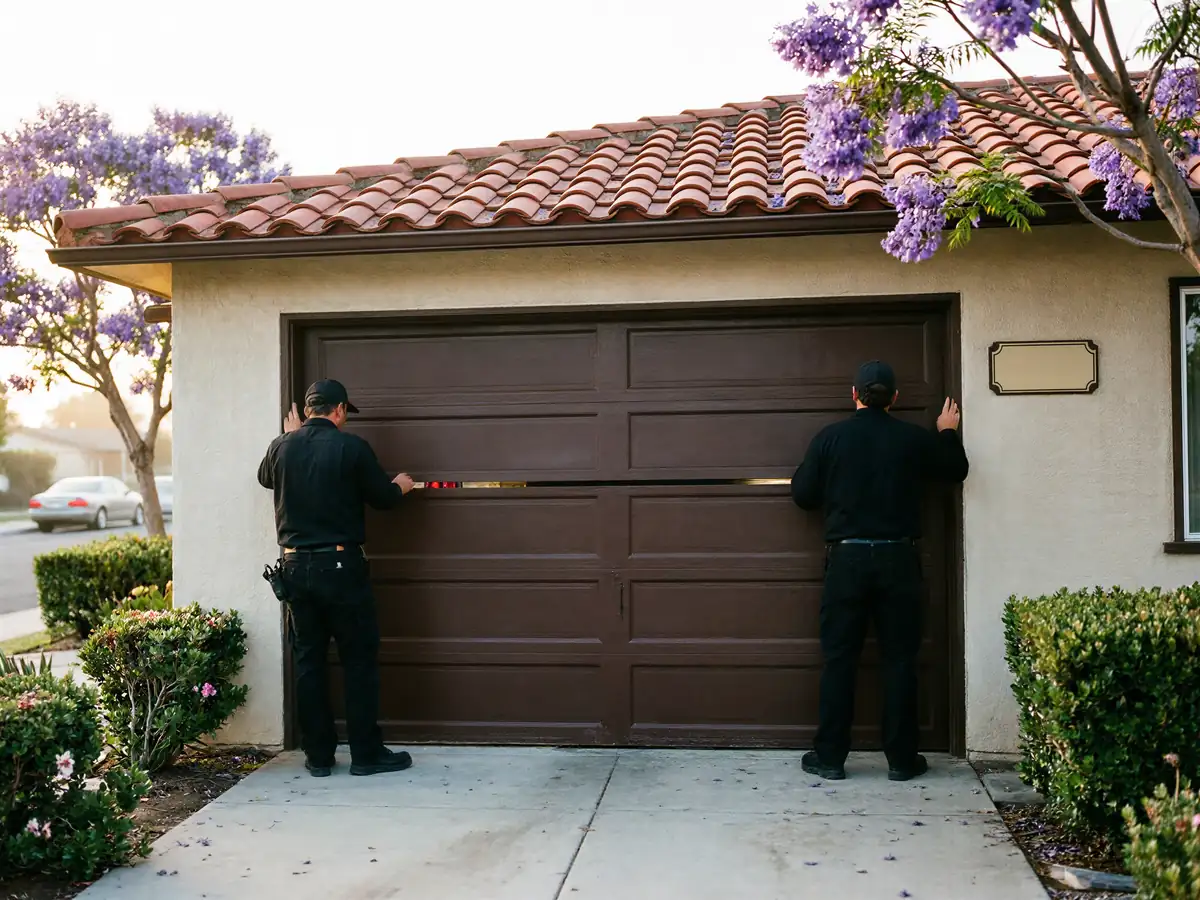
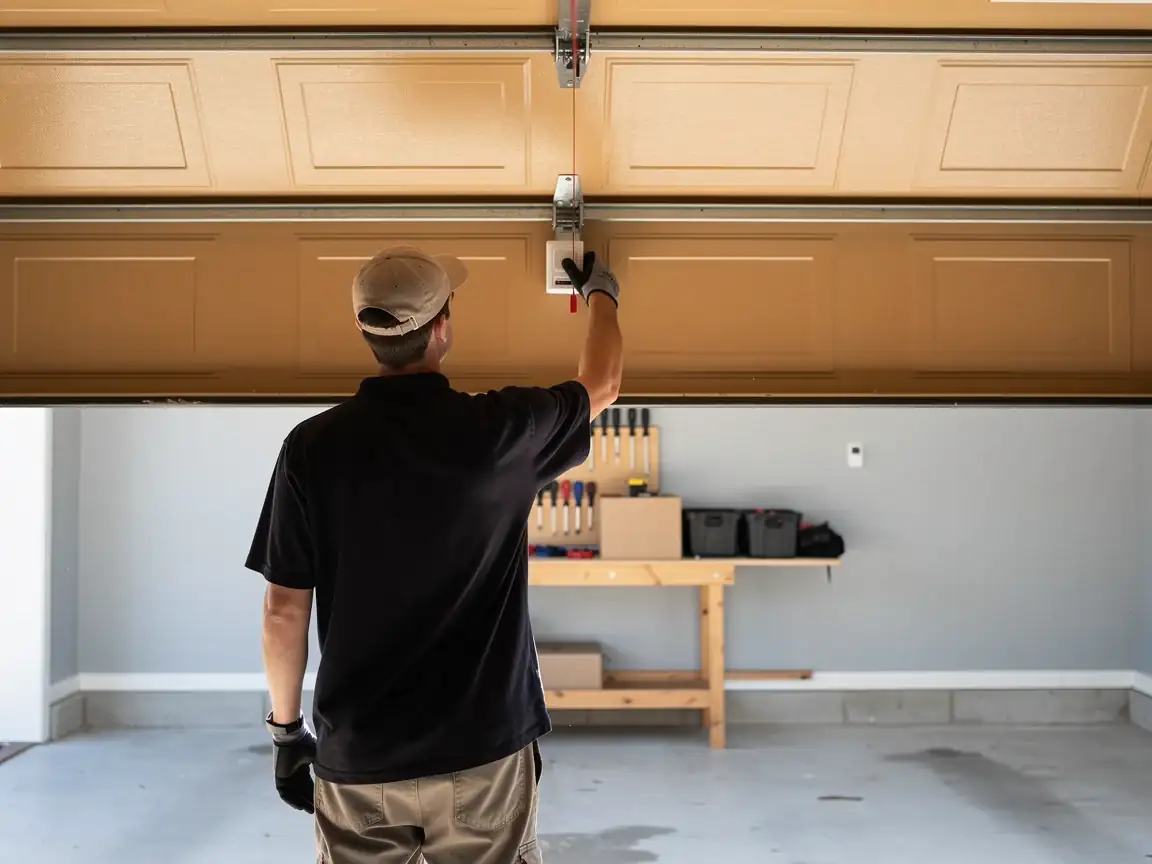
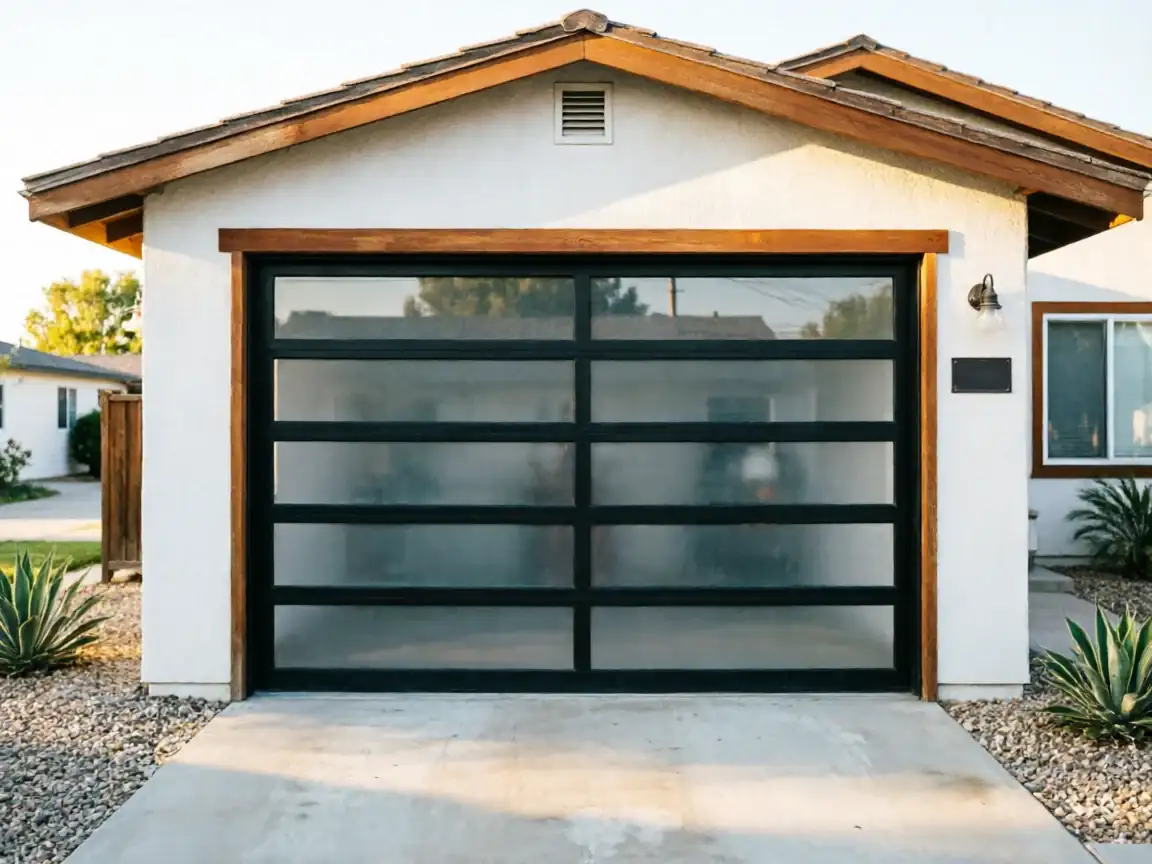
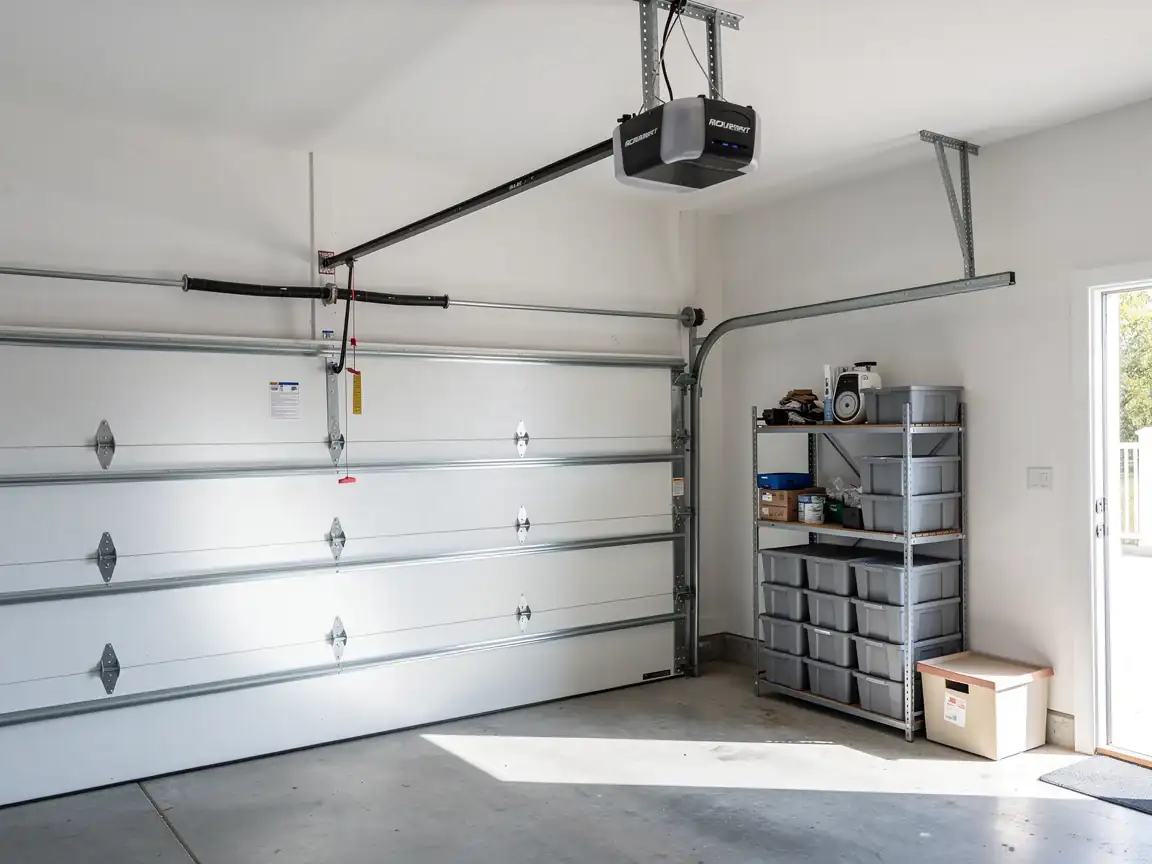
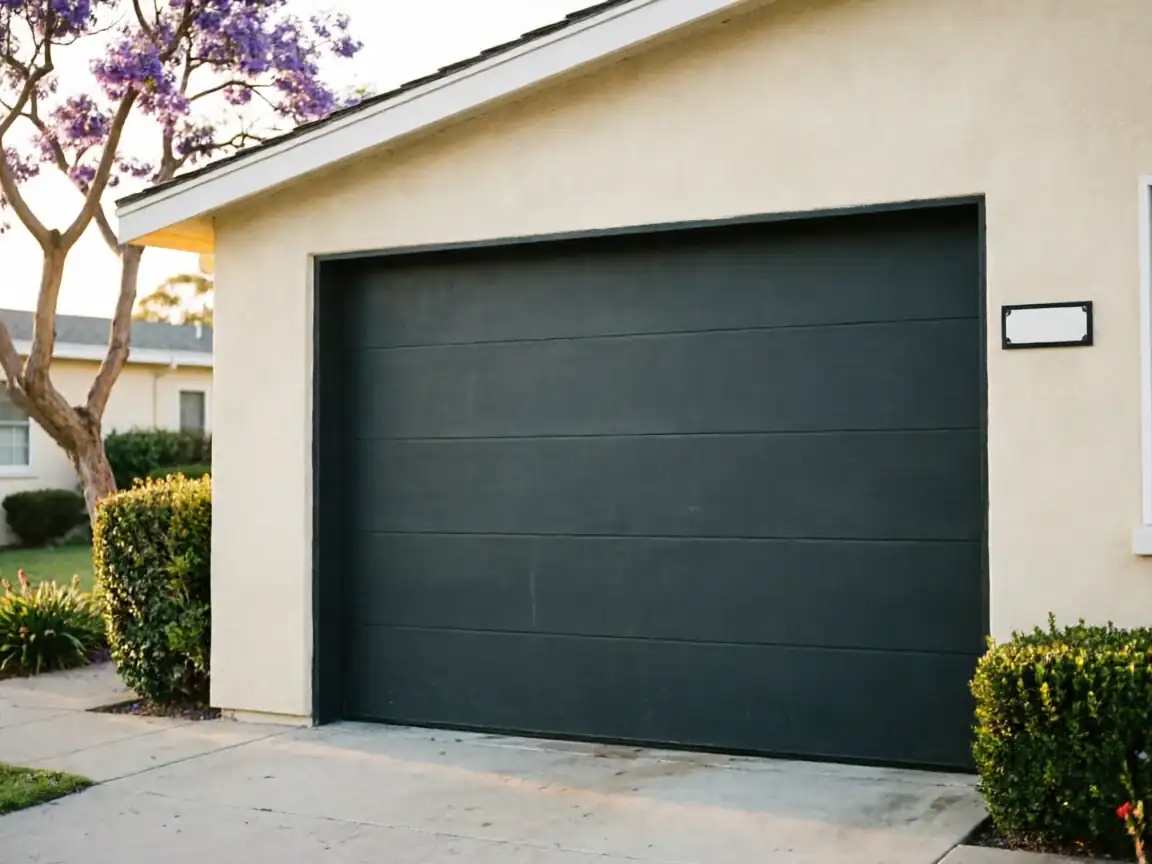
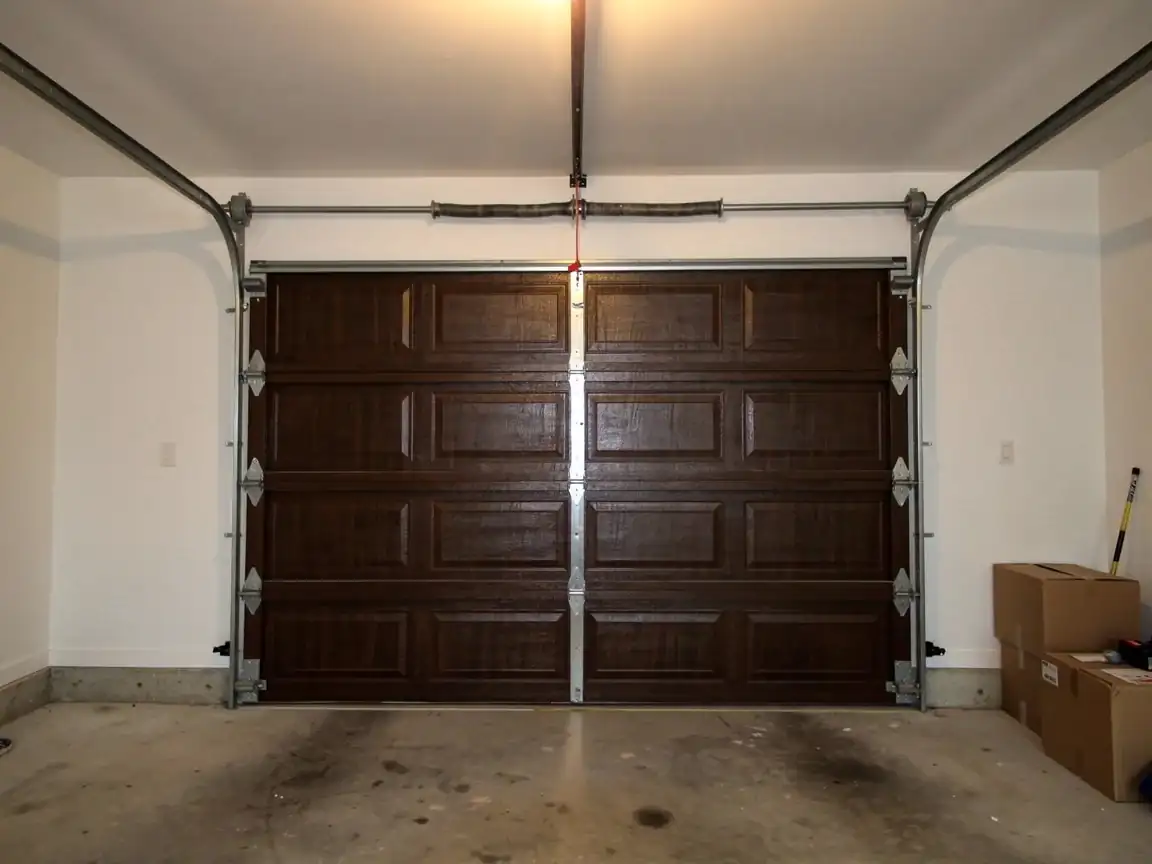
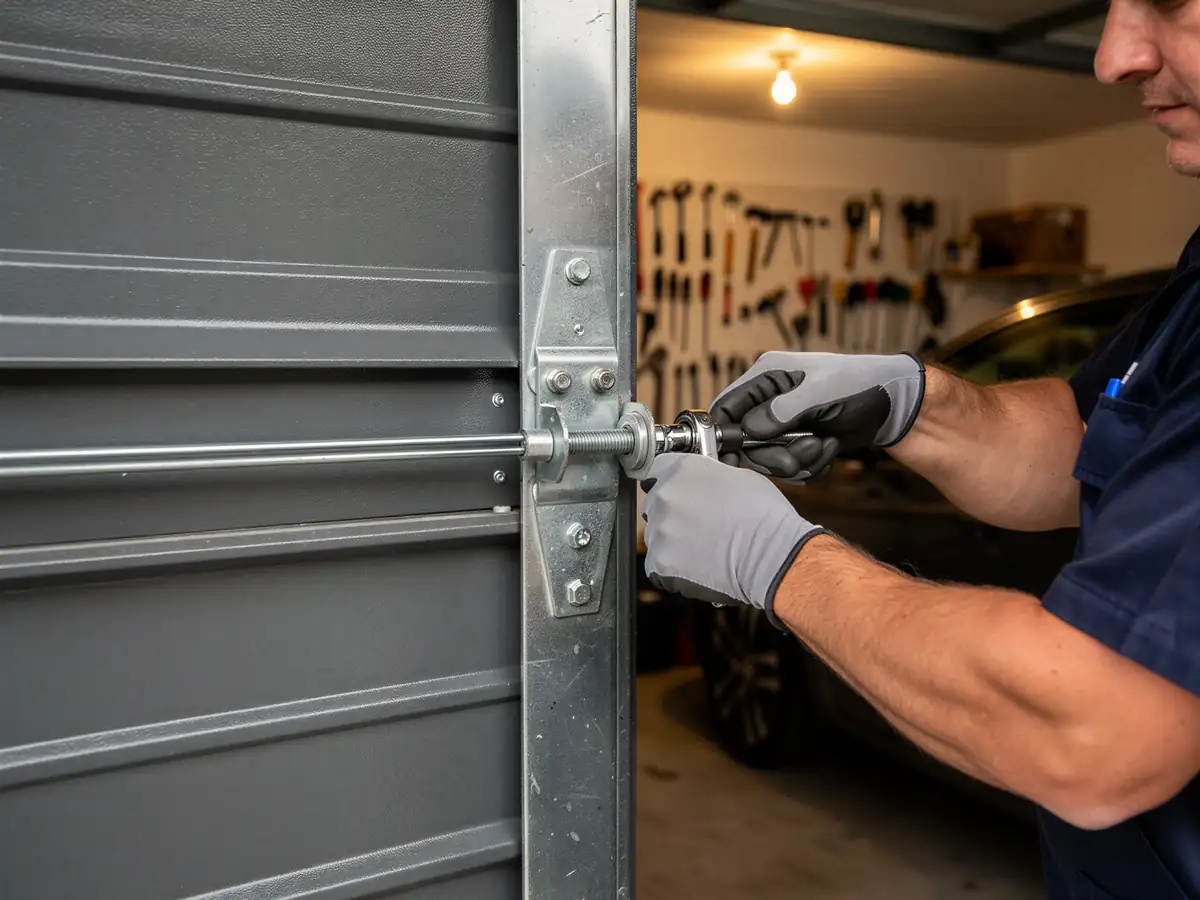
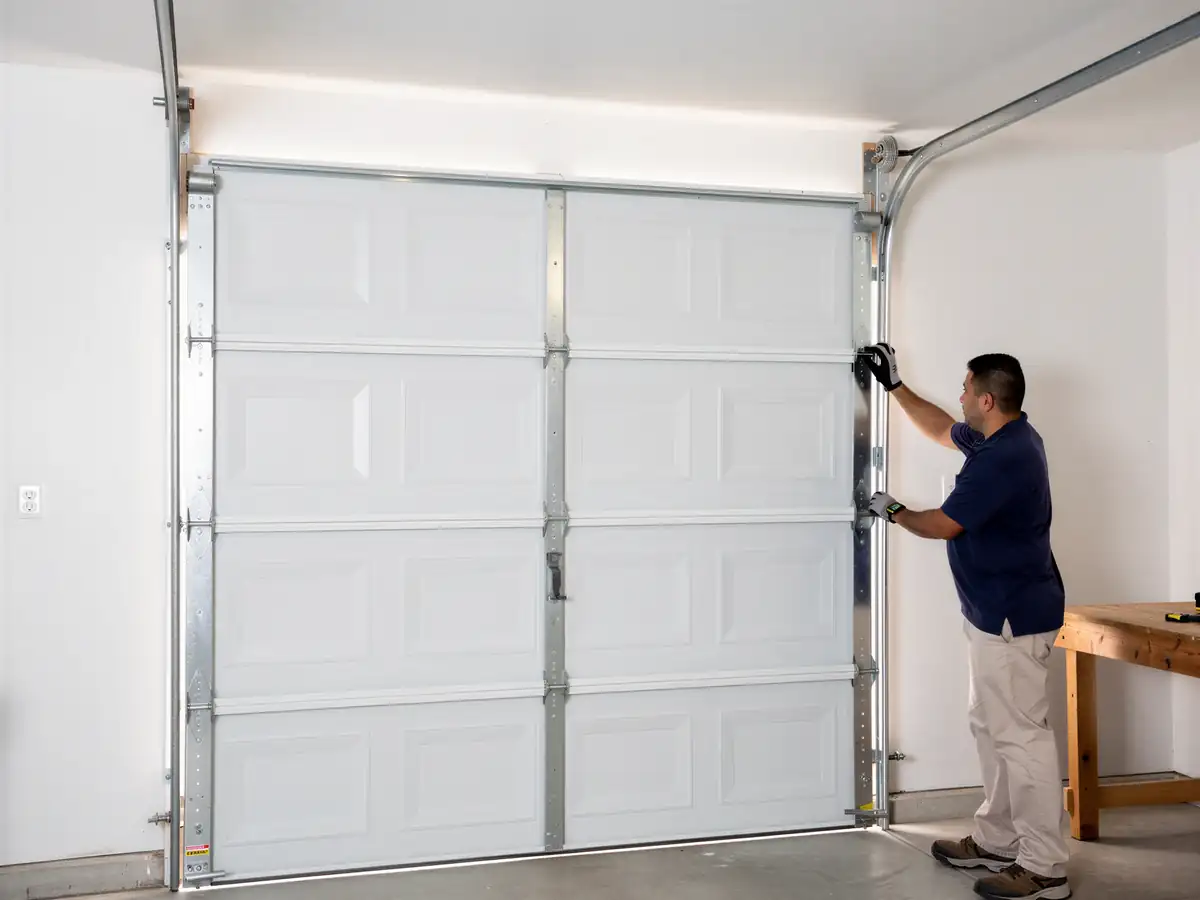
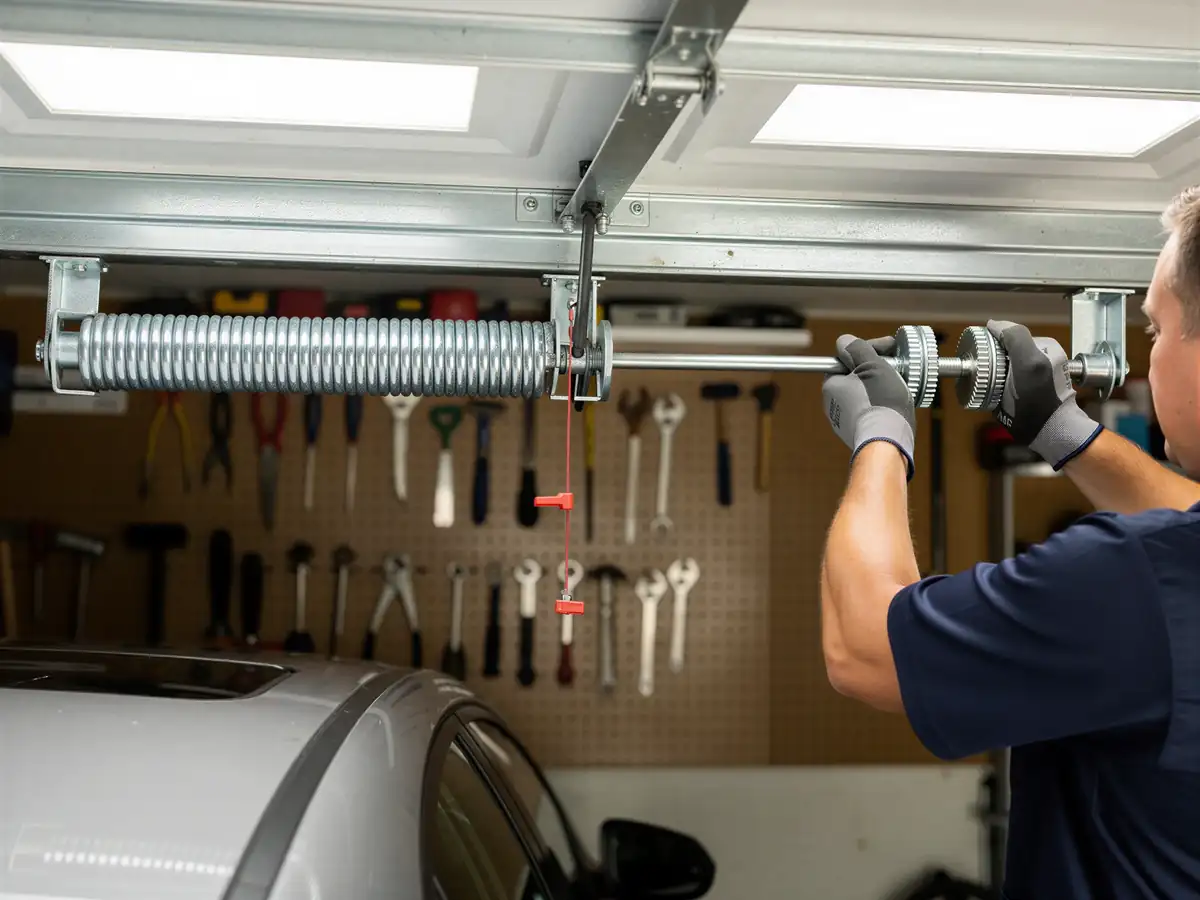
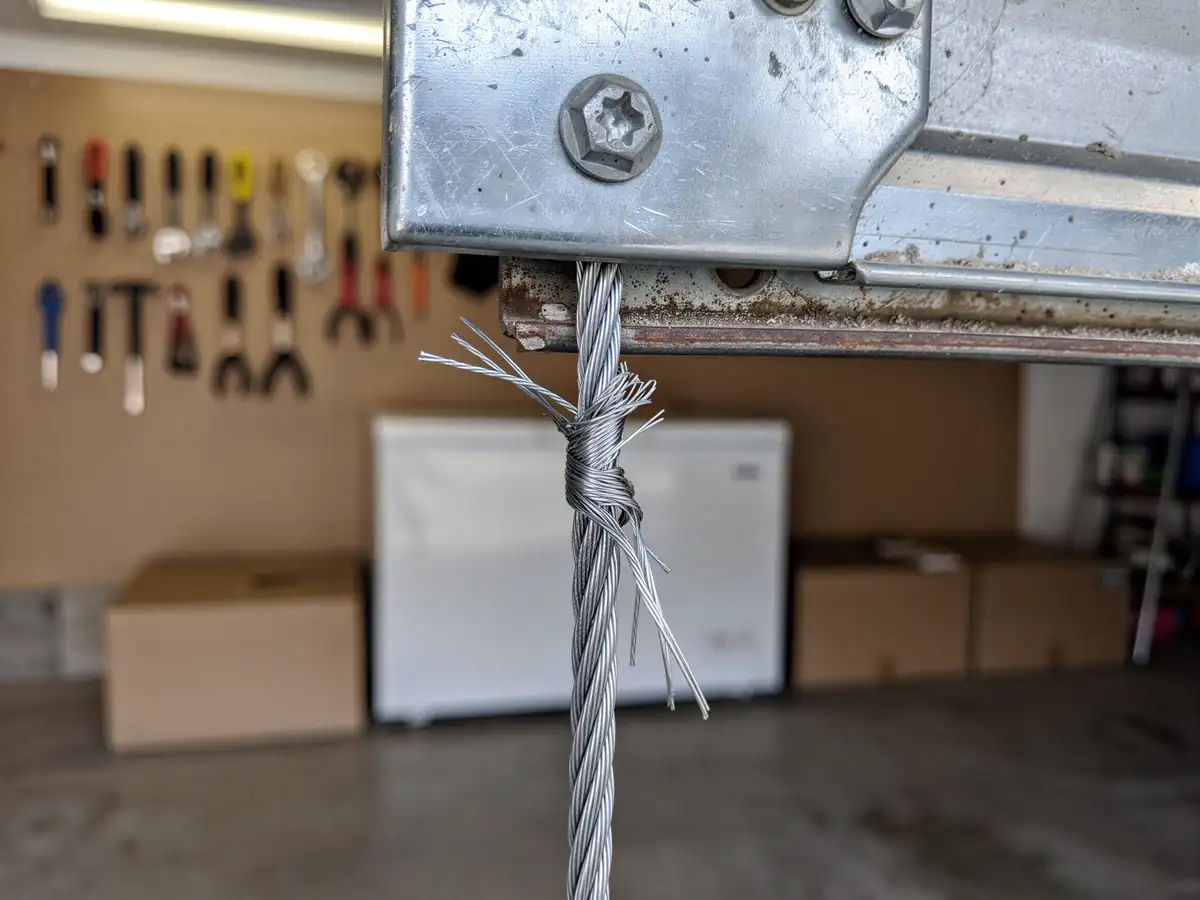
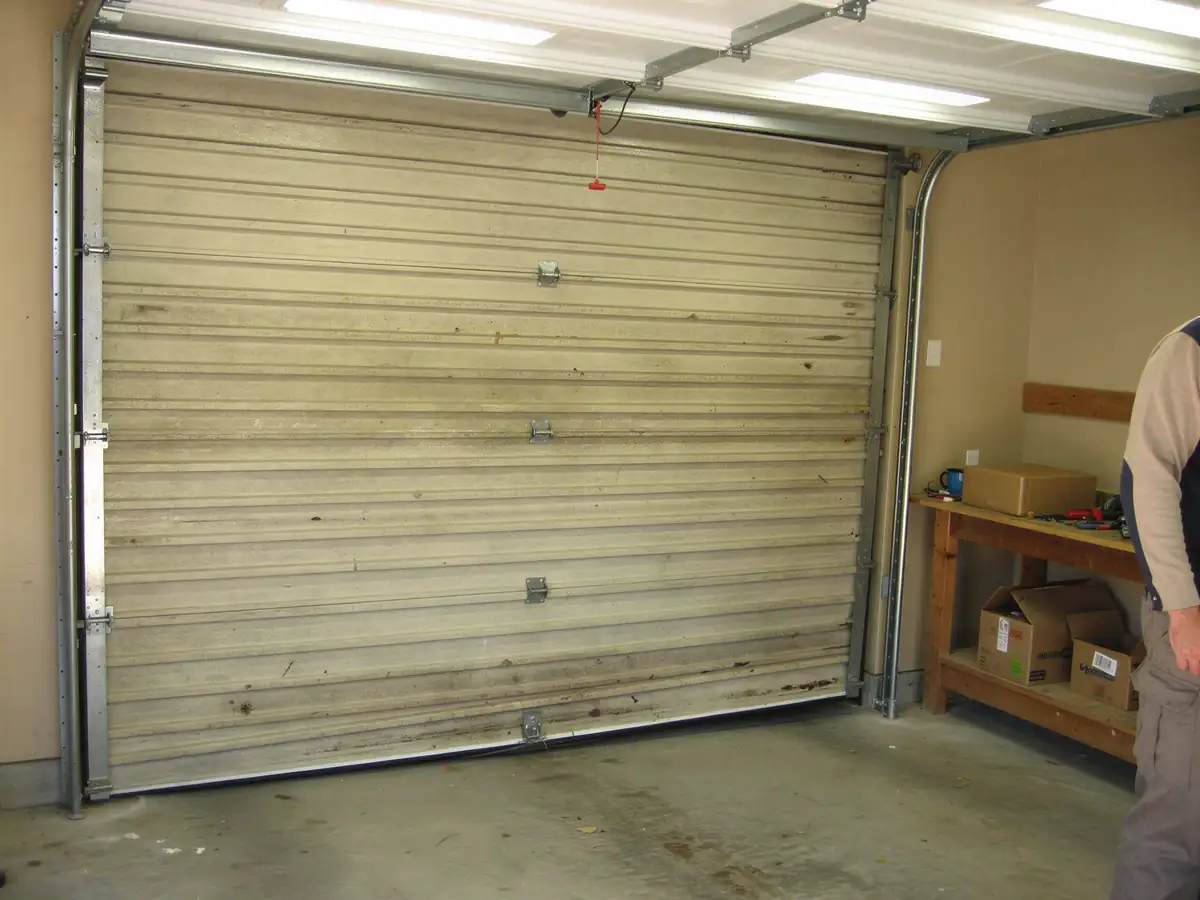
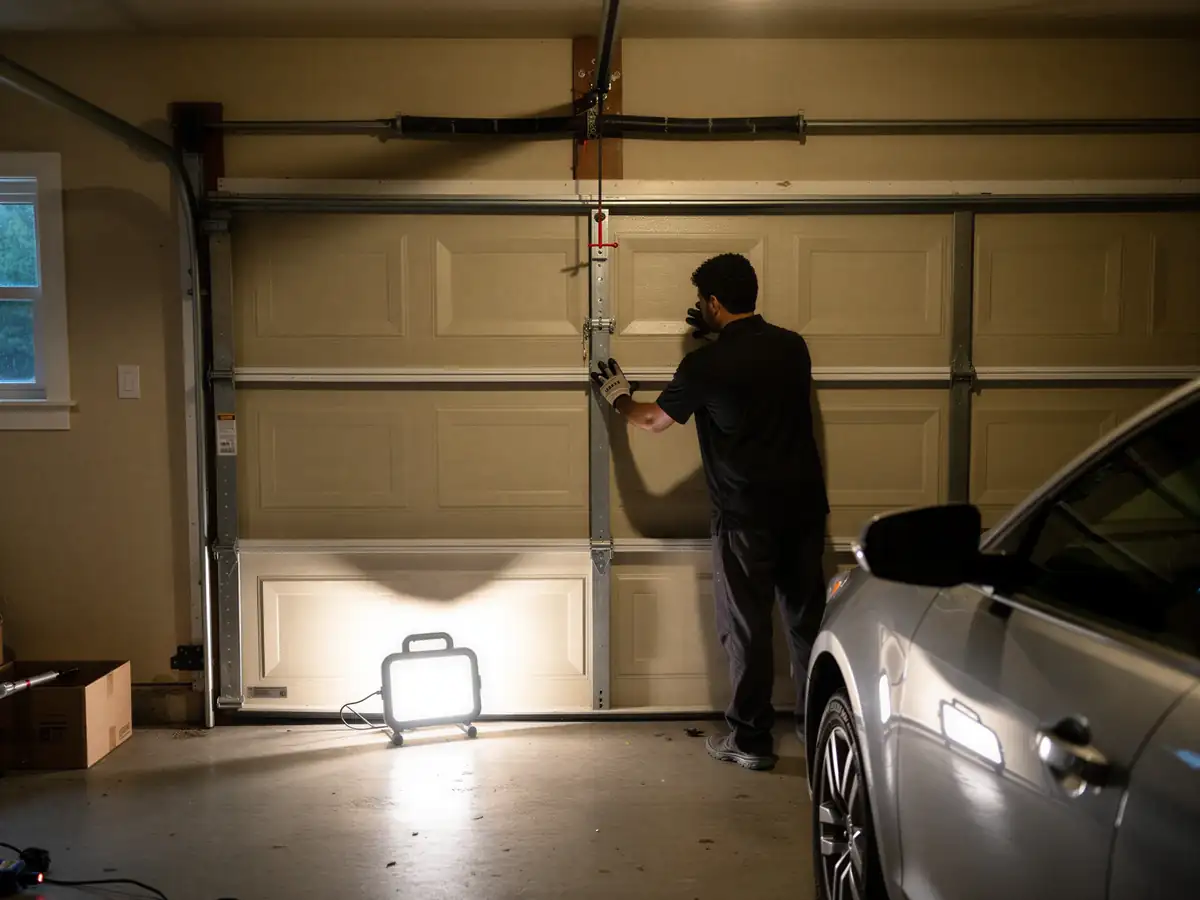
Berkeley sits about 8 miles from our Oakland shop, which changes how a panel job gets handled before we ever knock on your door. A dented or cracked panel almost never matches off a shelf - we need the brand, the exact panel height, and often a photo of the hinge pattern before we make the drive out, because driving back for a second trip over a wrong measurement wastes your morning and ours. On a standard steel sectional, swapping one panel is a few hours once we're on site: unbolt the end hinges, slide the old section out along the track, fit the replacement, and reset the cables and rollers so the door hangs square again. Where it gets slower is matching an older panel profile - ribbing style, insulation core, or a color that's faded unevenly across 60-plus years of sun - since nobody stocks those long-term. We confirm the match before the trip, not after, because showing up with the wrong panel on an 8-mile drive helps no one.
Why It Happens Here
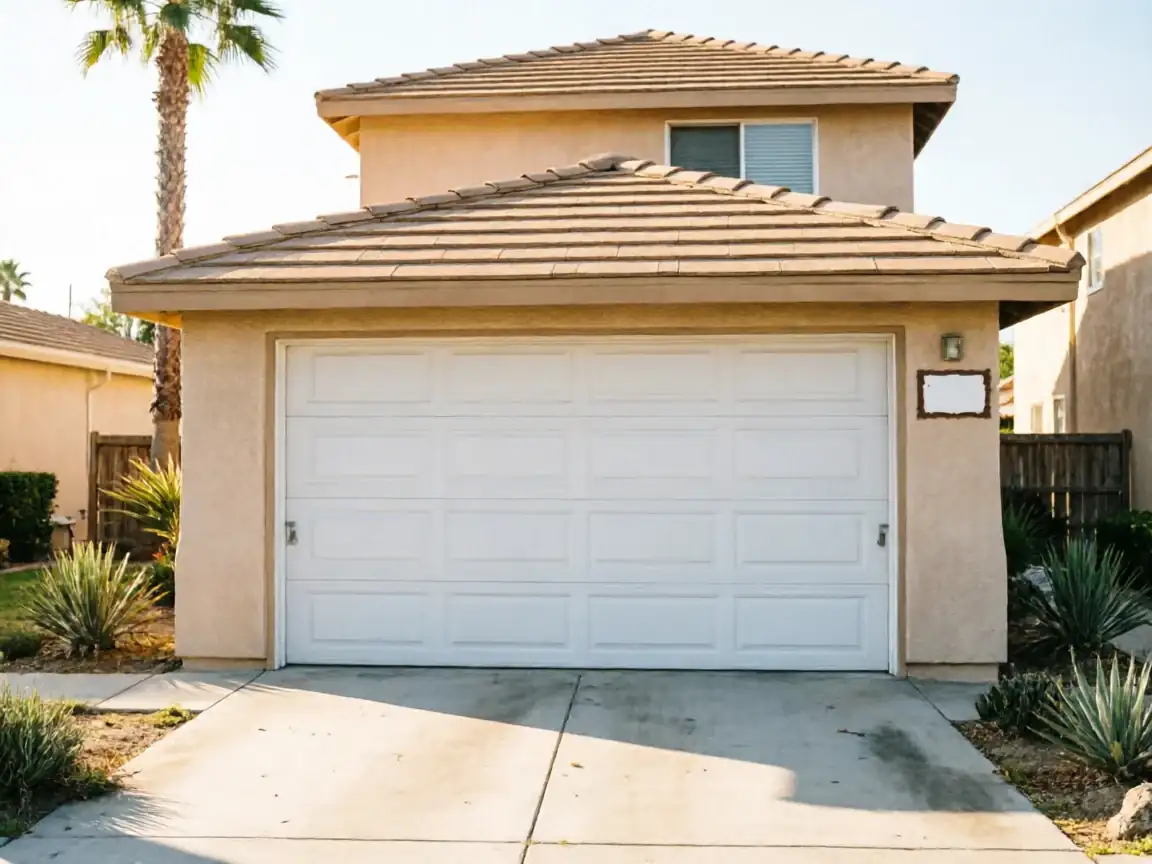
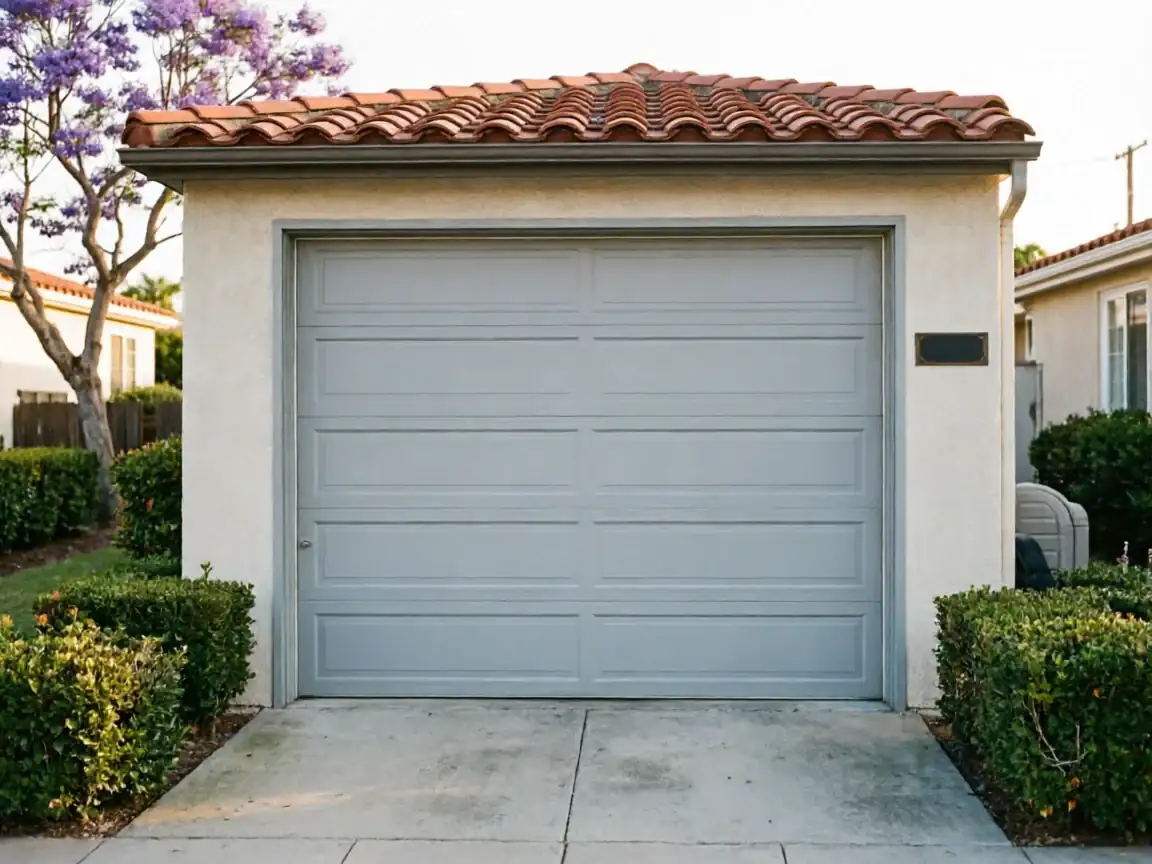
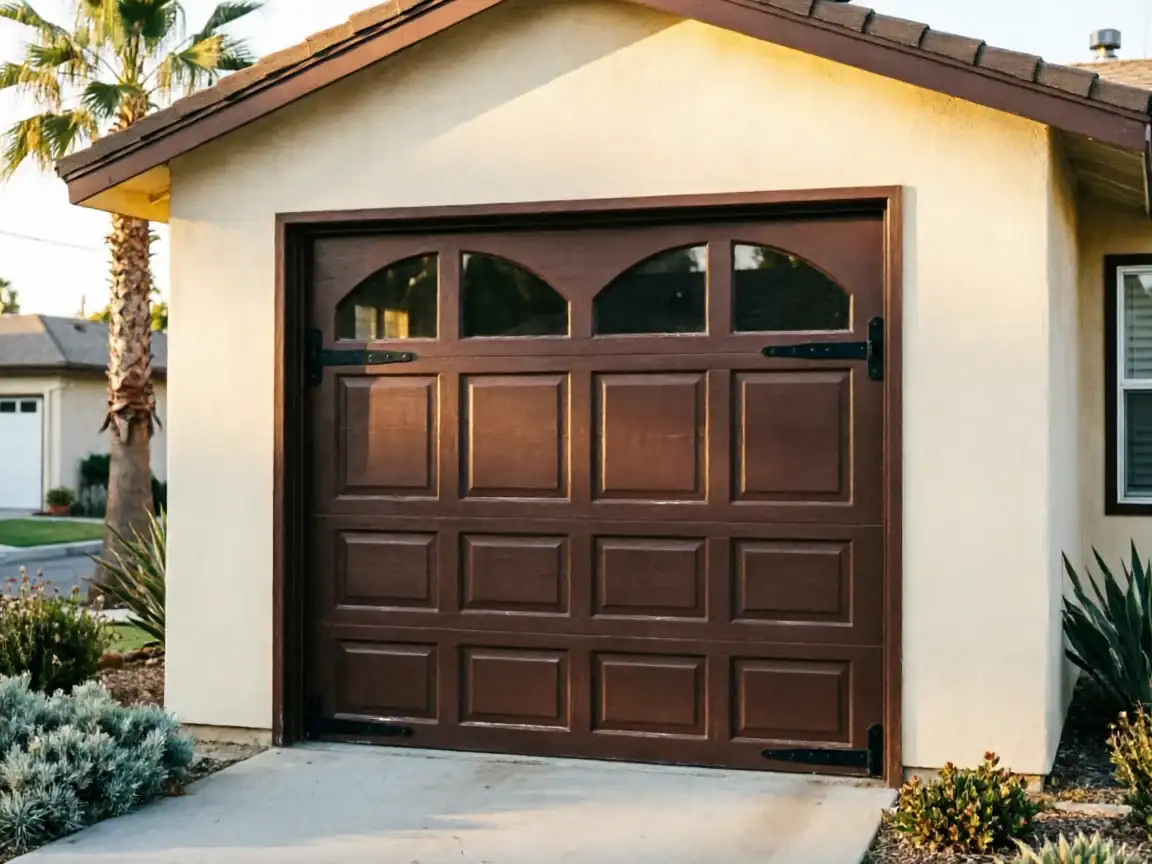
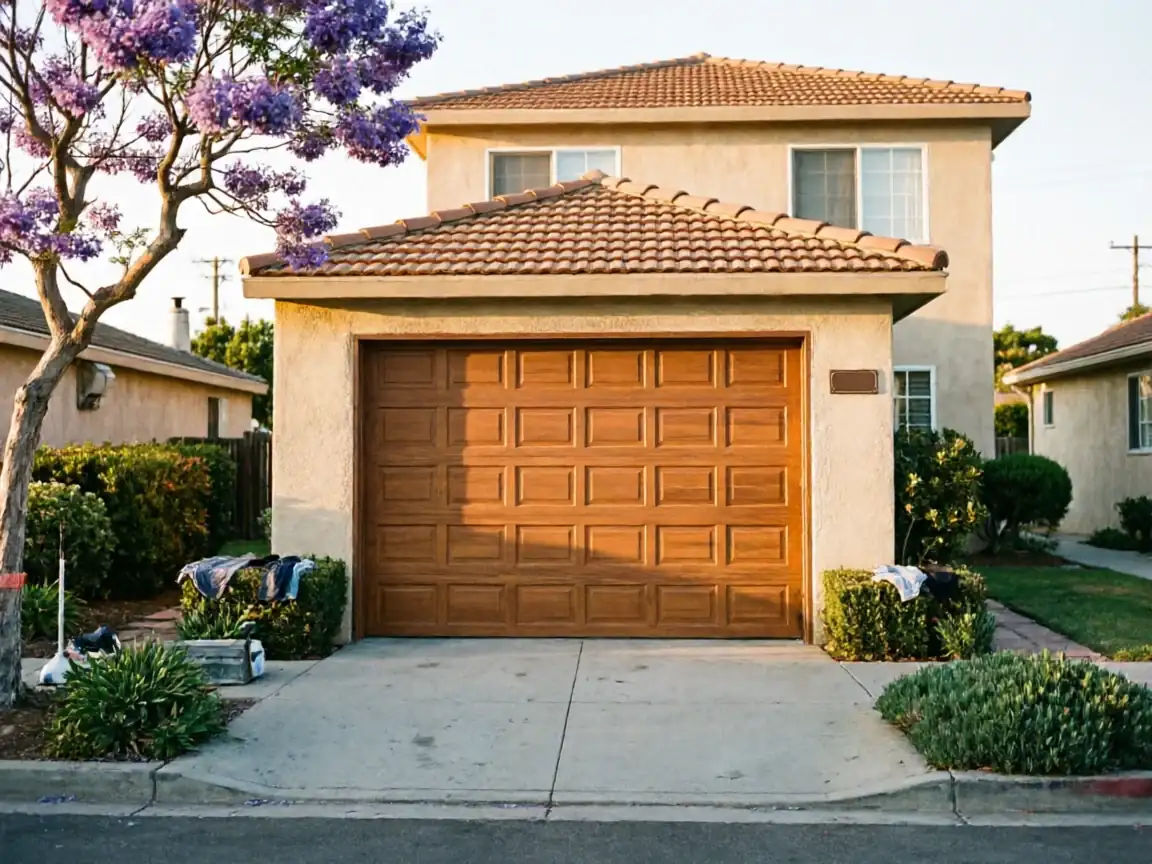
Berkeley's housing skews older than much of the wider service area - the median year built here runs around 1946, noticeably earlier than the 1965 median across the broader Oakland area we cover. That matters for panels specifically: doors on these houses have often been repainted, patched, or replaced one section at a time over decades, so by the time we get a call the remaining original panels may be a discontinued width or gauge that current manufacturers don't carry. The mild temperate climate here doesn't crack panels with freeze-thaw the way colder regions see, but decades of fog and sun cycling do fade paint unevenly and can warp thin steel at the bottom panel, where splashback and moisture sit longest.
What Can Go Wrong
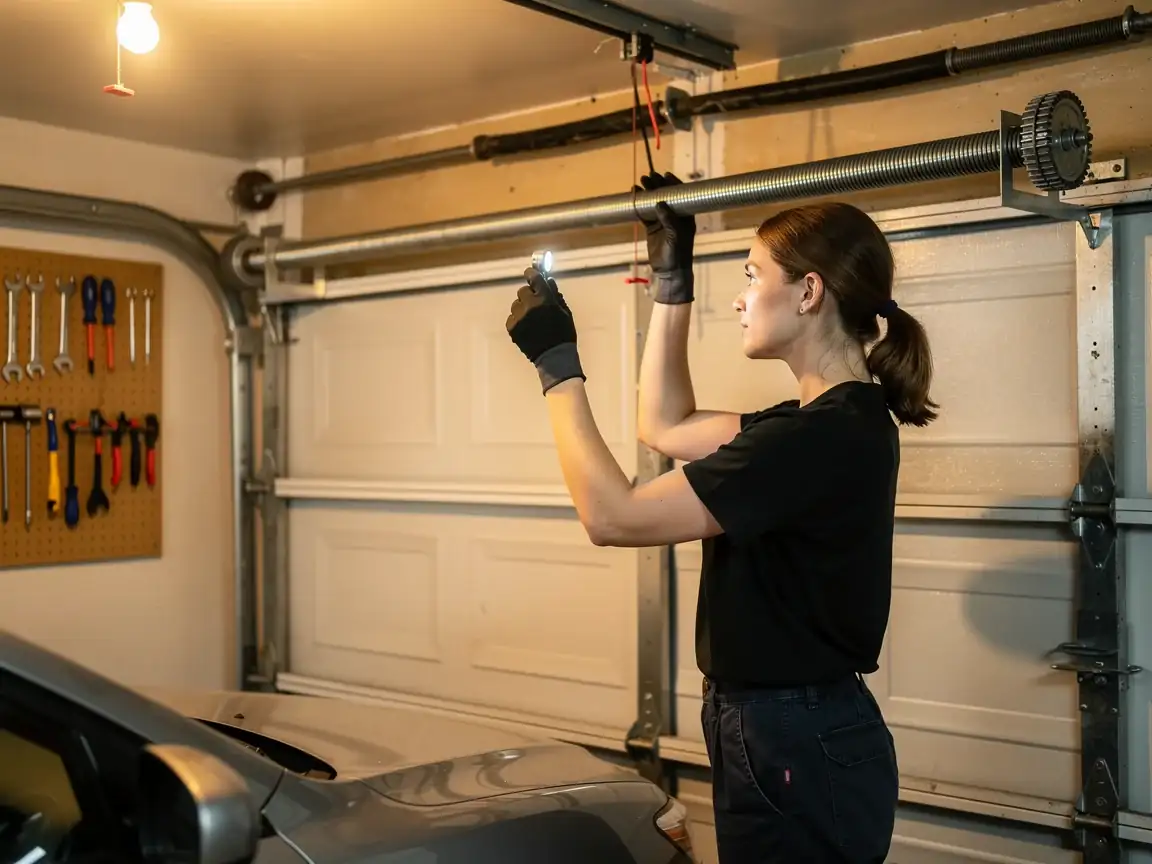
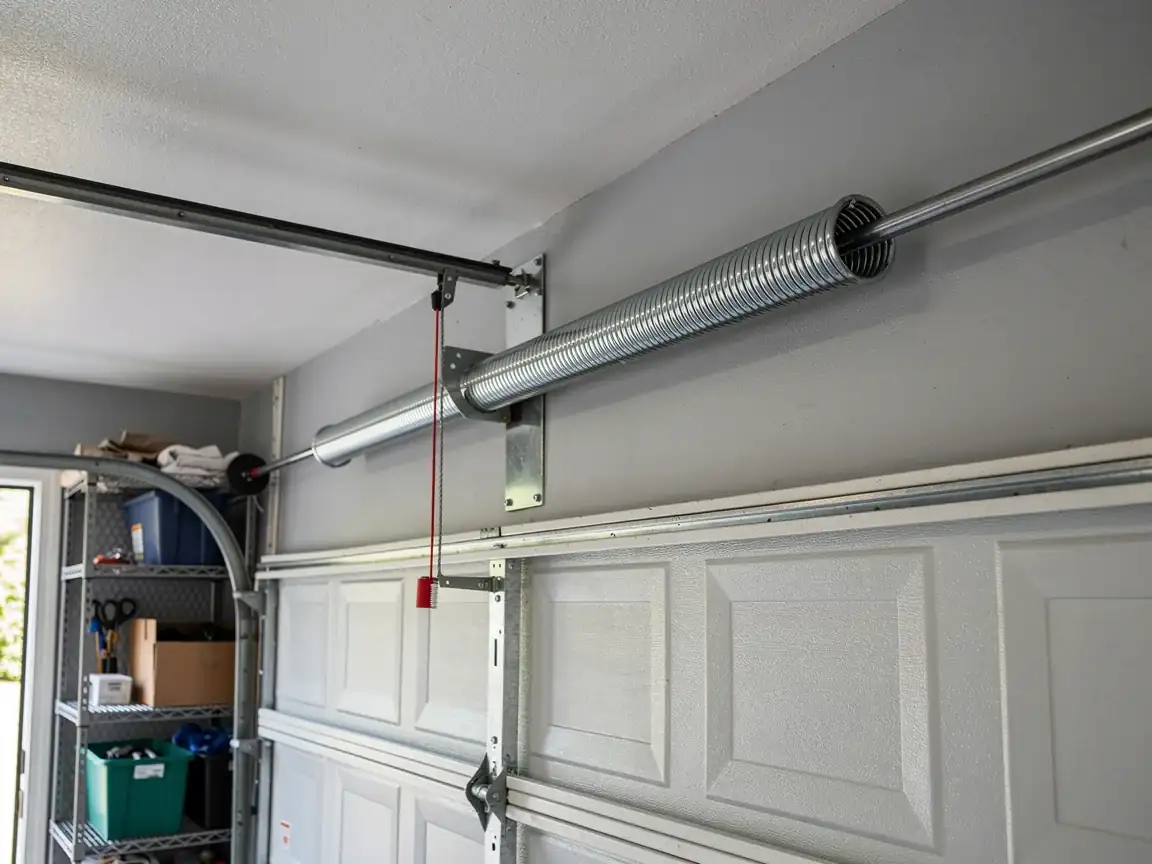
The most common failure on a Berkeley door isn't the panel itself - it's what the dent or crack did to the rest of the door while it sat unrepaired. A caved-in bottom panel throws the whole section out of square, which drags on the tracks and can snap a roller or bend the track rail over time. On older doors matching the 1946-era housing stock here, we sometimes find the replacement panel is the easy part and the hinges or end stiles are bent too, which adds to the job. One limitation worth saying plainly: if two or more panels on an older door are damaged, or the track is bent along with the panel, full replacement usually costs less than chasing discontinued parts panel by panel - we'll tell you straight if that's where your door is at rather than quote a patch that won't hold.
Getting It Booked In
Because every panel job starts with confirming the right part before the drive from Oakland, booking works best when you can send a photo of the damaged section and, if you know it, the door's brand or model sticker - usually on the inside edge of the left jamb. That lets us price the job and bring the right panel instead of guessing. We cover Berkeley as part of a wider area that runs from Piedmont out past Orinda and Castro Valley, so scheduling depends on the route that day, but nothing about the repair itself changes because of the distance.
The Symptom
If you're looking at a single dented or rusted-through panel and the door still opens and closes smoothly, that's usually a straight panel swap - not a sign you need a new door. If the door drags, binds, or the gap at the bottom looks uneven side to side, the panel is probably not the only thing bent. On the older doors common to Berkeley's 1946-era housing, a bowed bottom panel is often the first visible sign of a bent track underneath it, so don't assume paint and a new panel will fix what's actually a track alignment problem.
How it works
From “it’s stuck” to “it’s fixed”
01
Tell us what’s wrong
Describe the symptom - won’t open, loud bang, opener runs but the door won’t move.
02
On-site diagnosis
A technician tests the door under power and by hand and finds what actually failed.
03
Clear, up-front plan
You get the fix that’s needed and what drives the cost - before any work starts.
04
Repaired & tested
The repair is done, the door is set true and tested, and the work area left clean.
Not sure which repair your door needs in Oakland, CA? Describe what it’s doing - every job starts with a diagnosis.
Straight answers about garage door repair in Oakland. Still unsure? Ask us directly.
Can you match the panel color on an older Berkeley garage door?
We try, but exact matches get harder the older the door is. Decades of sun fade panels unevenly, and manufacturers change paint formulas over time. On a door from the 1946-era housing common here, we're usually matching as close as current stock allows rather than guaranteeing an invisible seam, and we'll say so before you commit to the job.
Do you need to see the door before quoting a panel replacement?
Not always. A clear photo of the damaged panel plus the brand or model sticker, usually inside the left jamb, is often enough to price it and bring the right part on the 8-mile drive from our Oakland shop. If the damage looks like it's affected the track or hinges too, we'll want to see it in person first.
Is it cheaper to replace one panel or the whole door?
One panel, if that's genuinely the only damage and the part is still available. Once two or more panels are damaged, or the track is bent along with a panel, full replacement is usually the better value, since chasing discontinued parts on an older door can cost more than starting fresh.