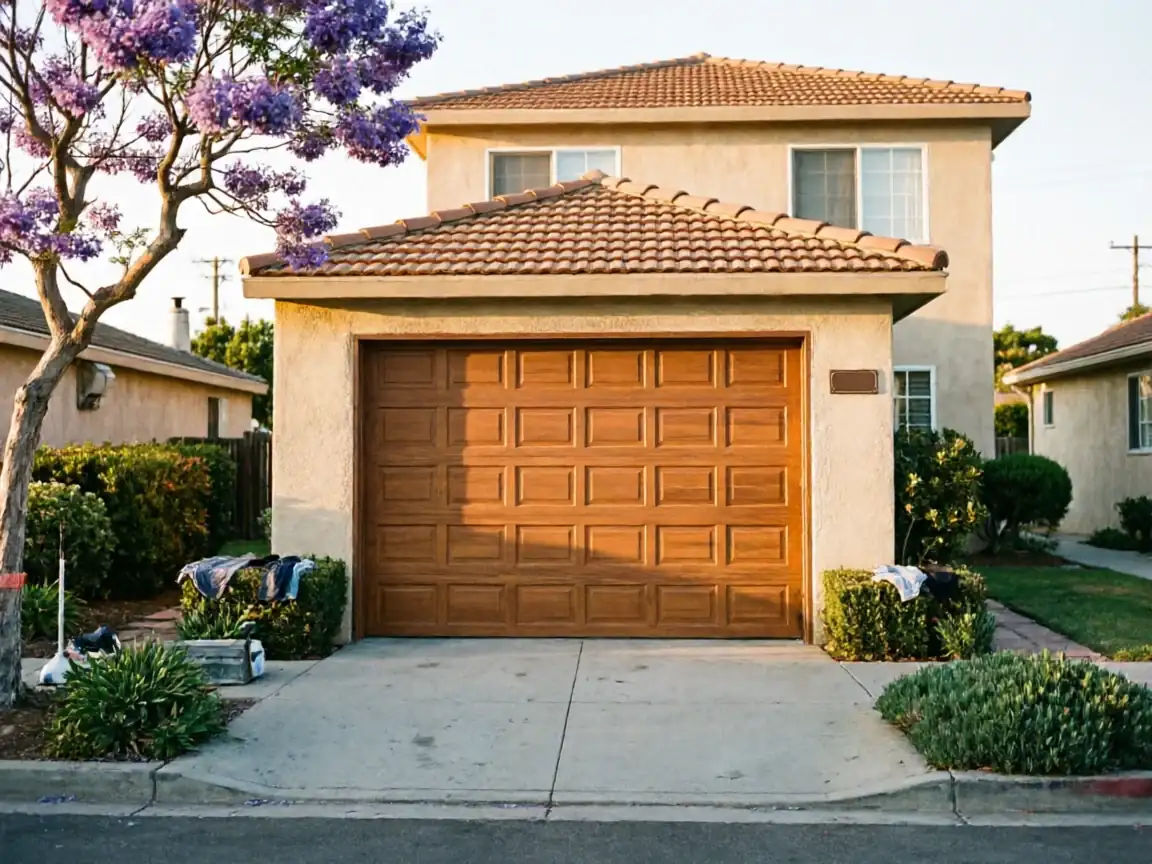
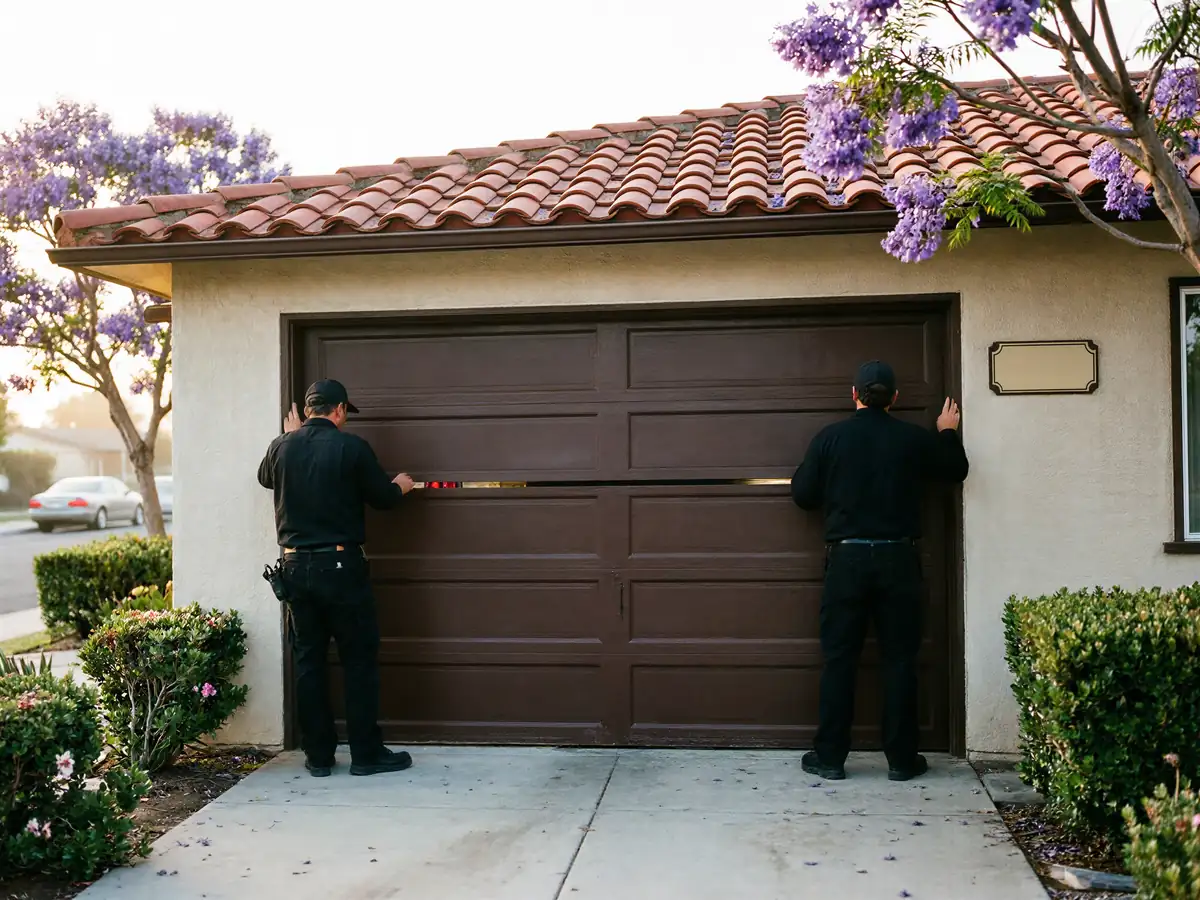
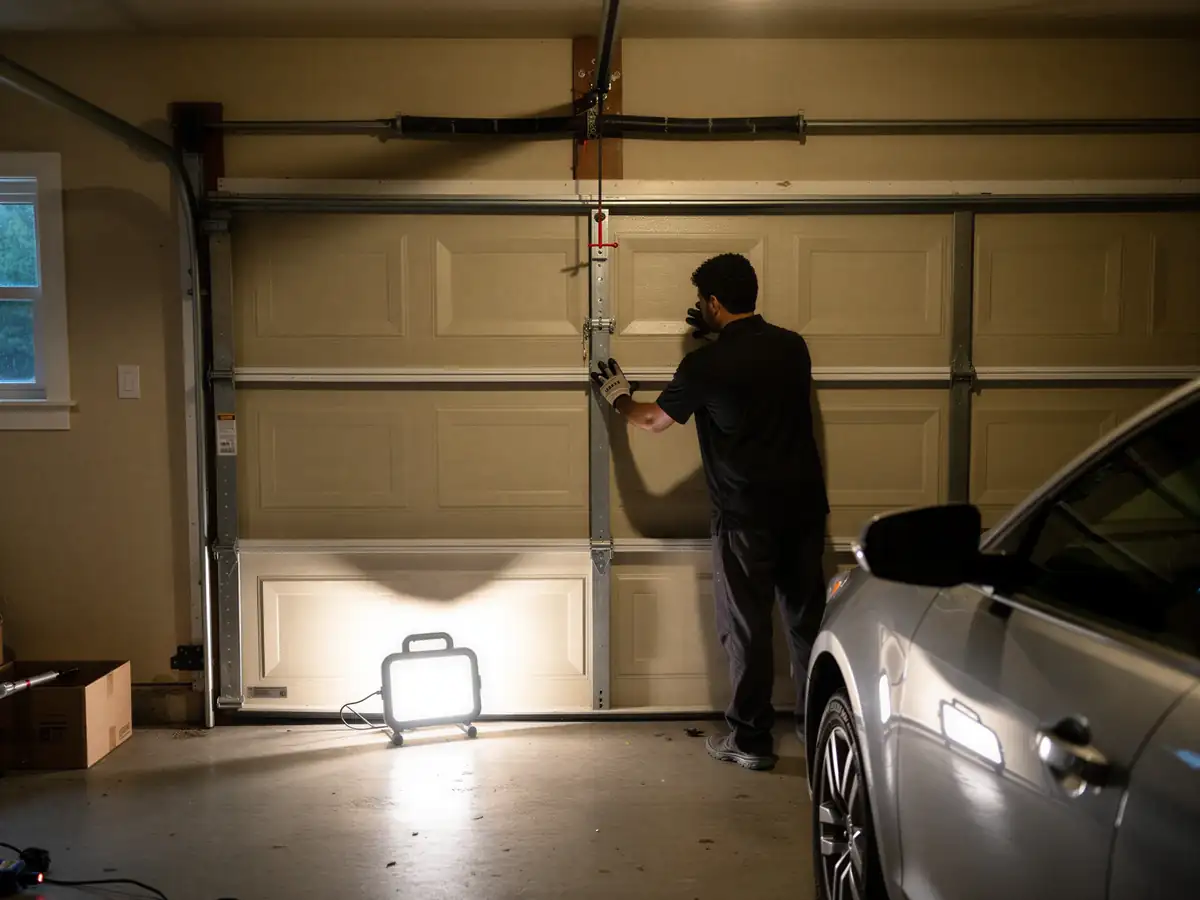
Berkeley homes median-built 1946 still run original cable drums and pulleys. We drive 8 miles from Oakland to repair snapped or frayed cables on these older setups.
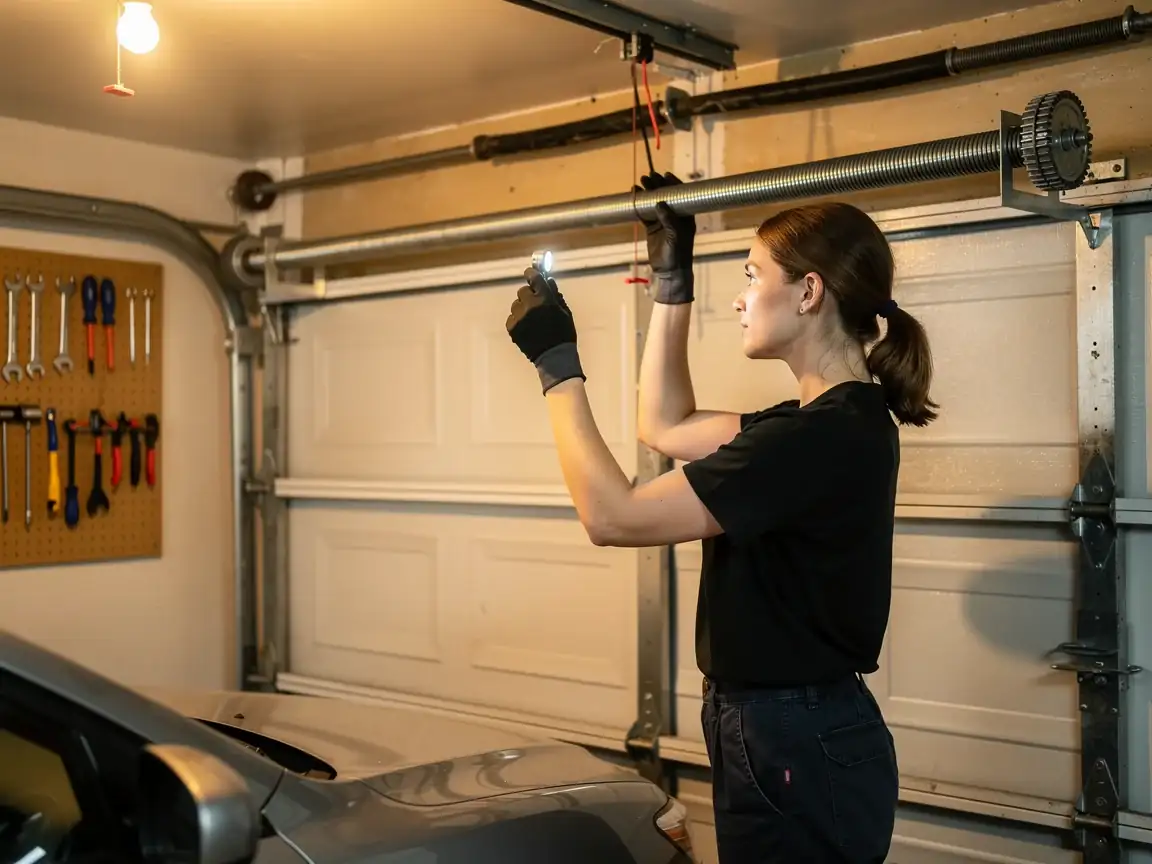
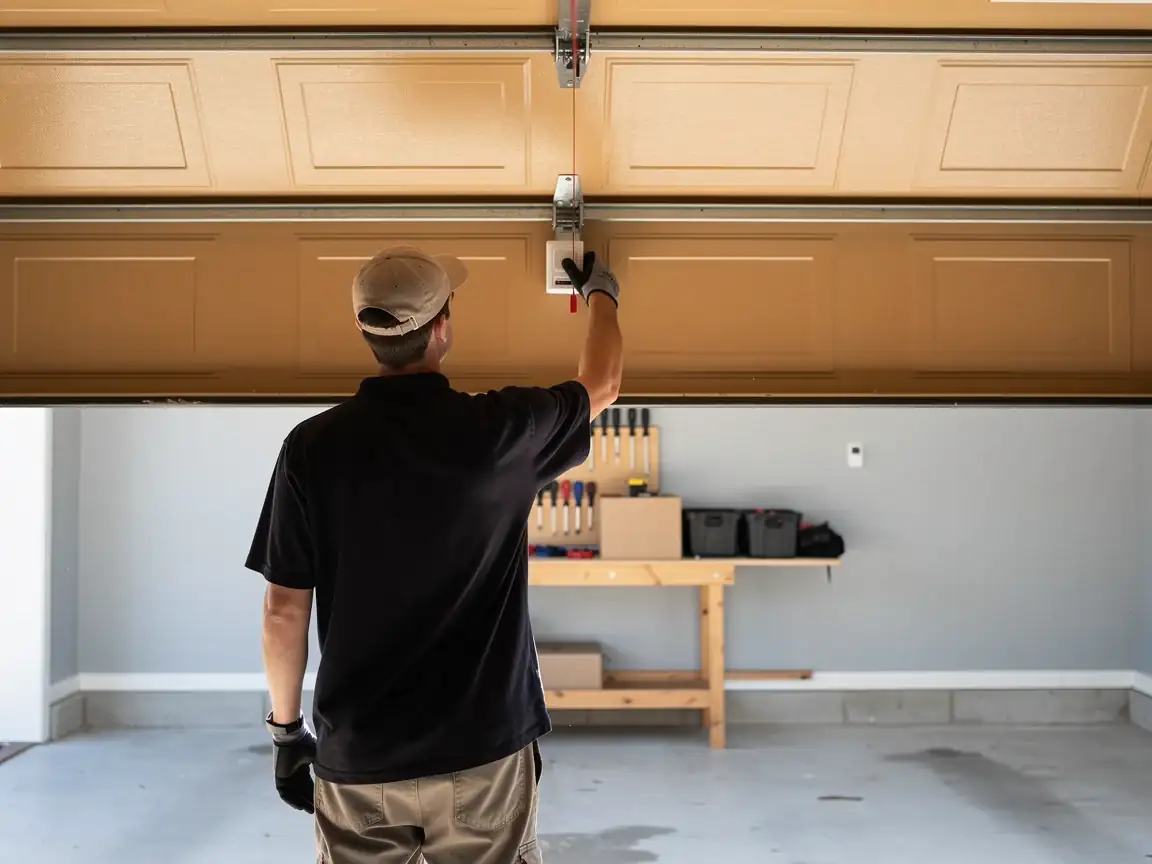
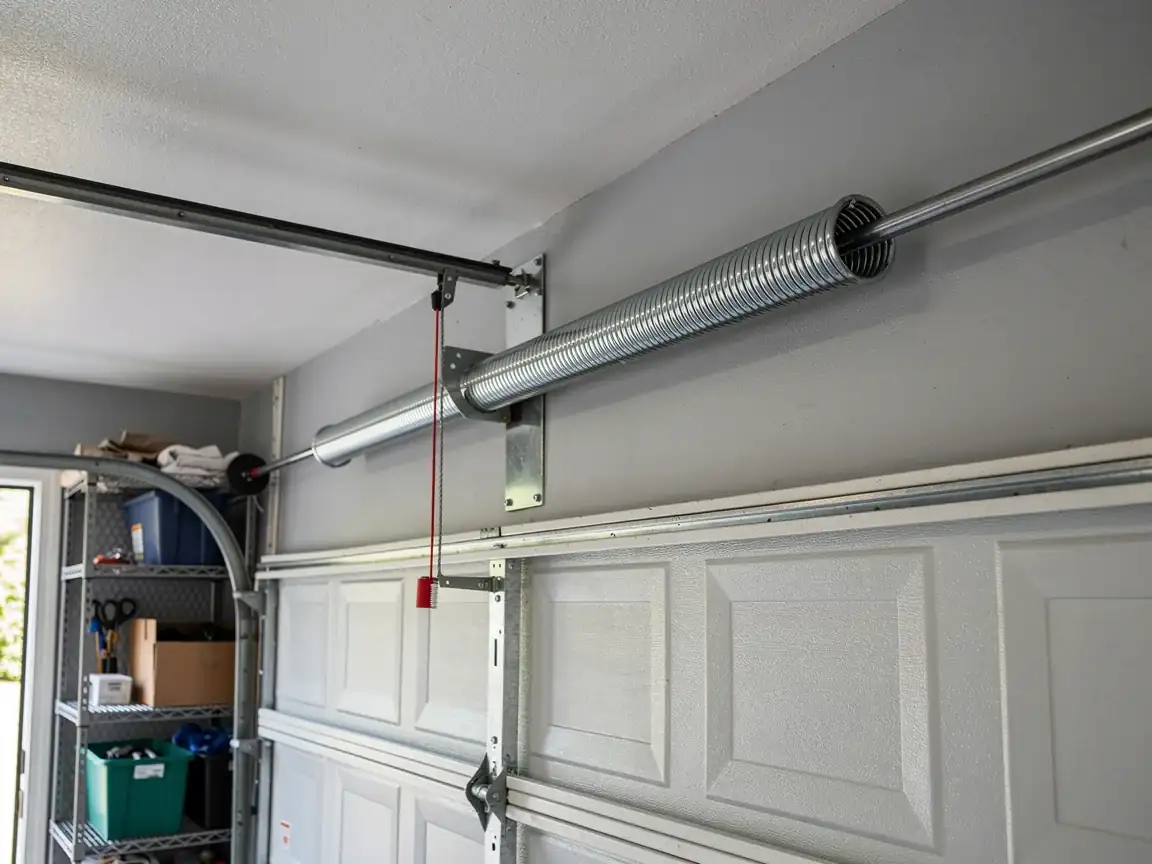
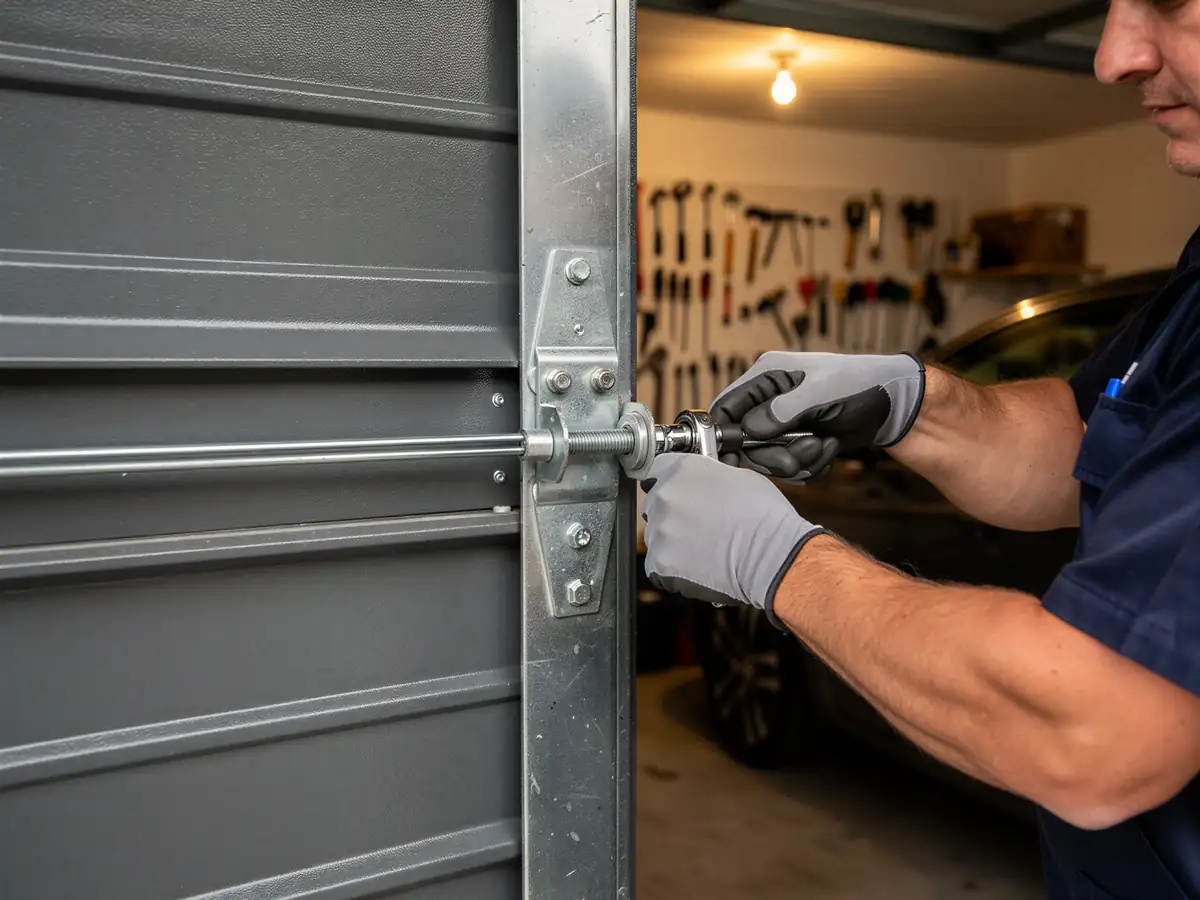
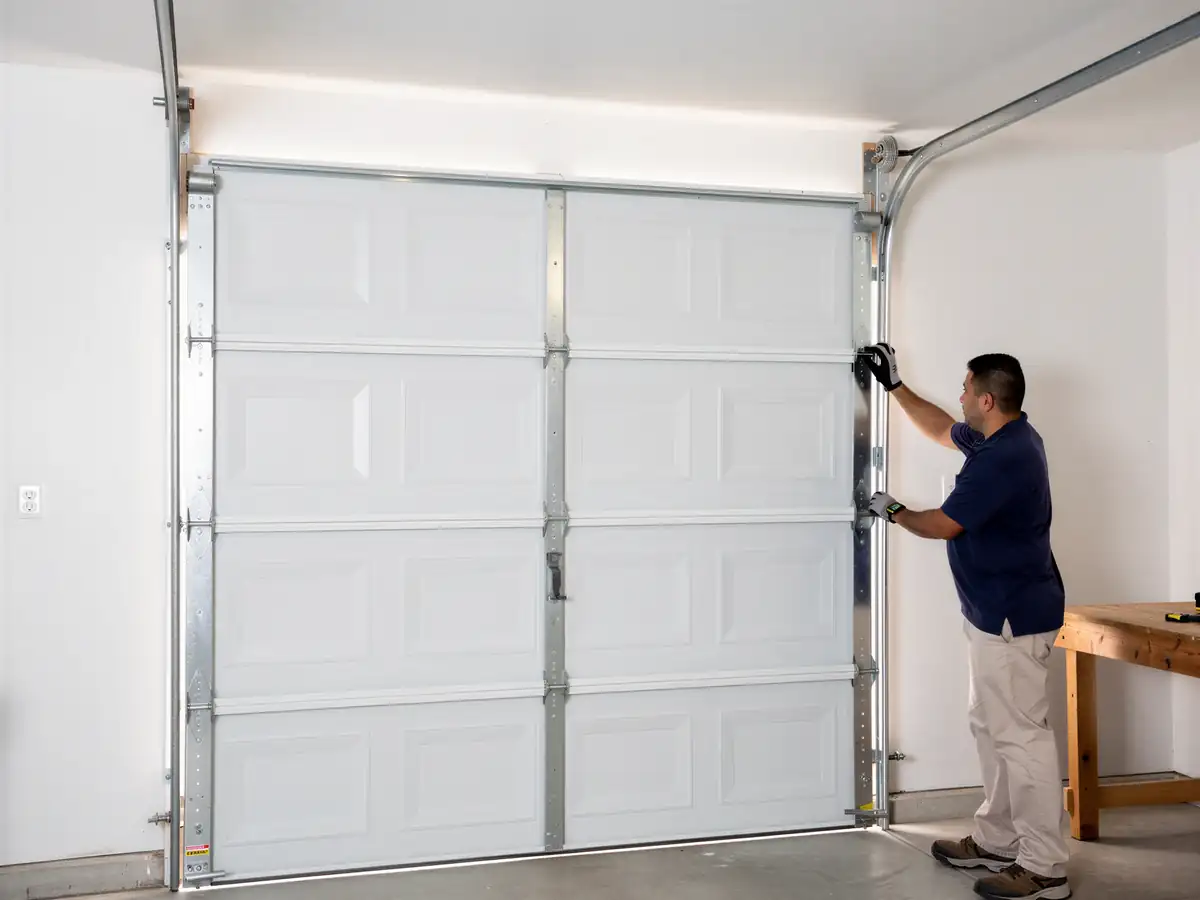
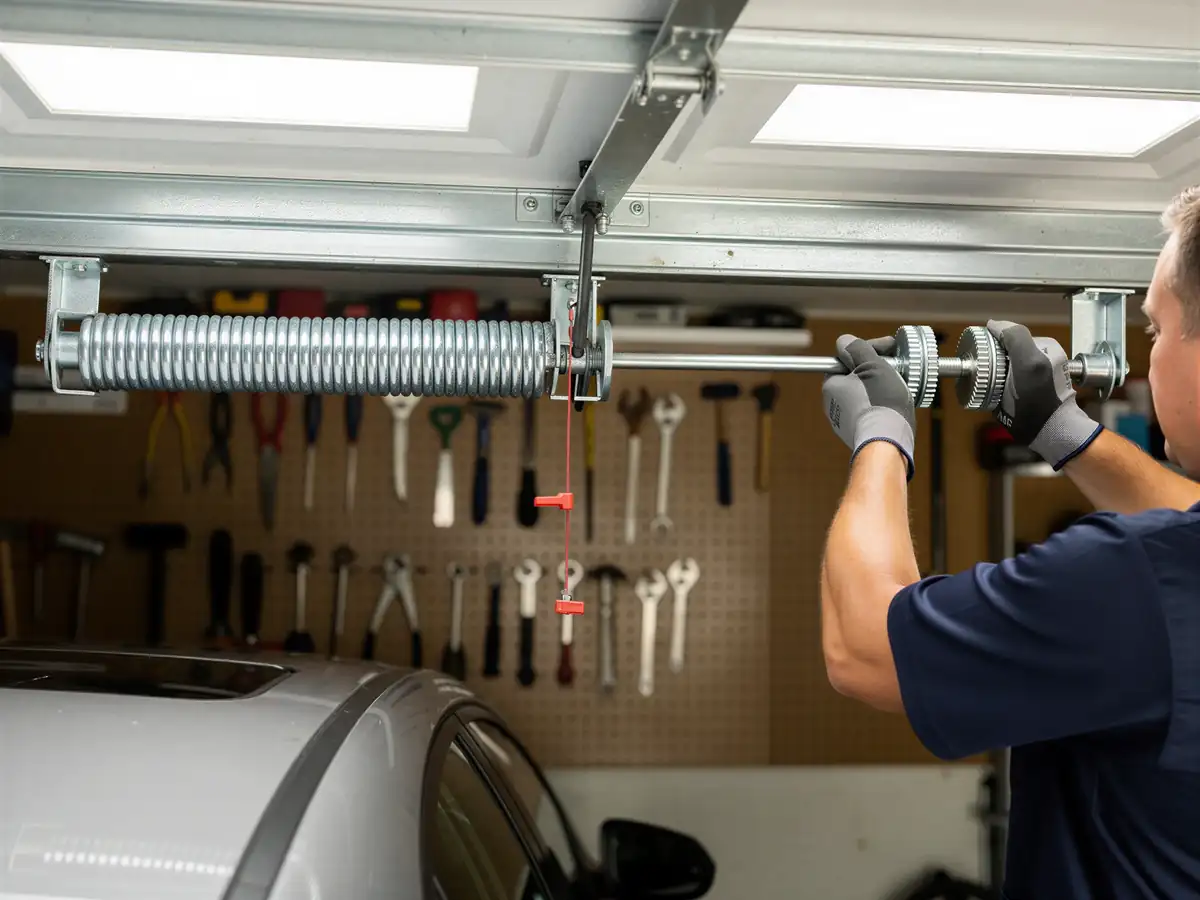
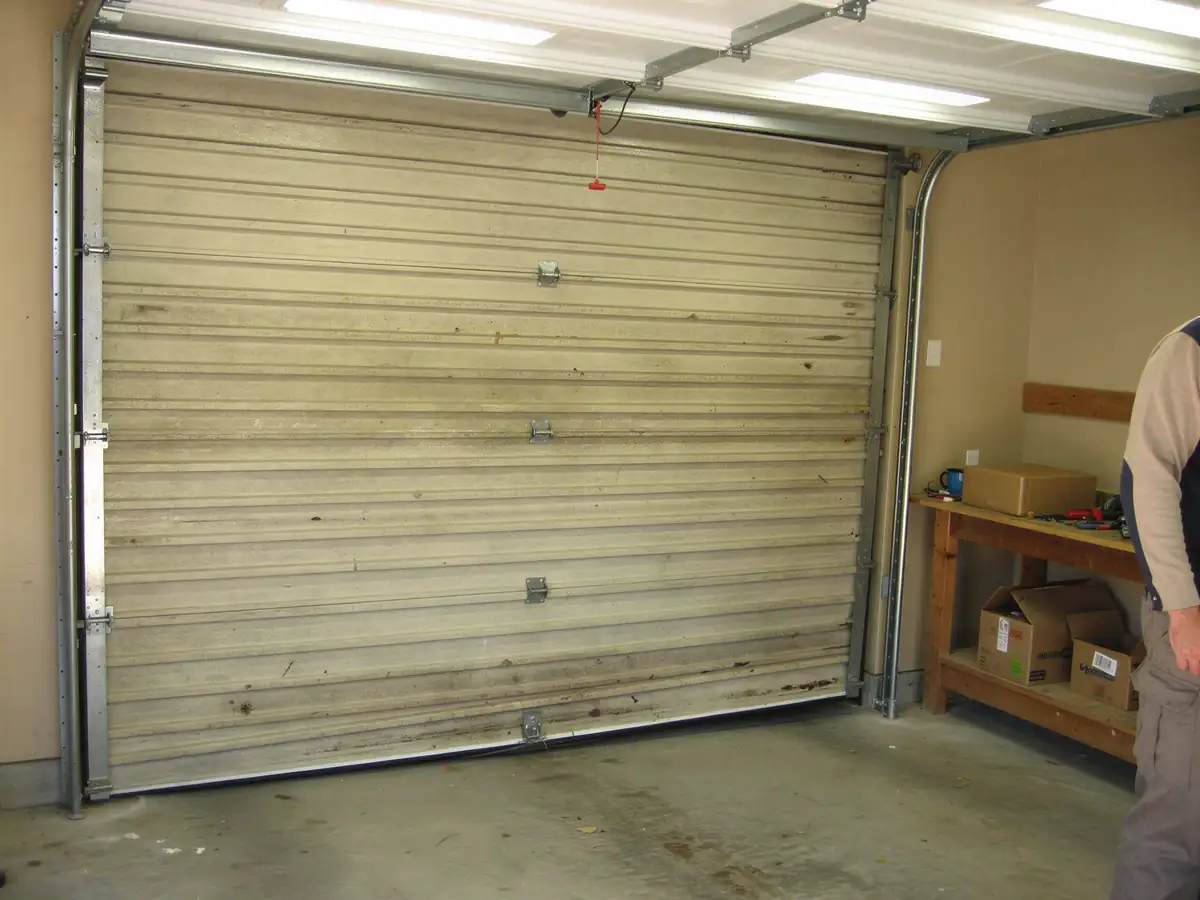
Most houses in Berkeley went up around 1946, which puts a lot of garages here well ahead of the torsion-spring conversions and galvanized aircraft cable that became standard later. If your door is original to the house, there's a decent chance the cable drums, the stationary cone, and even the pulley sheaves have never been swapped - just the cable itself, patched or replaced piecemeal over the decades. A proper cable repair on a setup like this means pulling the old cable off the drum, checking the drum grooves for wear (a worn groove shreds new cable fast), inspecting the bottom bracket where the cable anchors, and matching the gauge and length to the drum size rather than grabbing a generic kit. On doors this old we also check whether the track and hinges have enough life left that putting money into a new cable actually makes sense, versus spending it toward a door replacement instead. We travel the 8 miles from our Oakland shop with cable stock in a few common lengths and gauges, but if your drum or bracket is a discontinued size, that part can mean a short wait.
Why It Happens Here
A cable that's lived on a drum since 1946, or even one replaced once back in the 1970s, has usually gone through more flex cycles than a cable installed in the last fifteen years. Repeated opening and closing wears the strands at the drum groove and at the bottom bracket, and once a few strands fray, the rest give out fast - often without warning. Berkeley's climate sits in the mild temperate band like the rest of the service area, so we're not dealing with freeze-thaw cycling on hardware the way colder regions do; the wear here is almost entirely mechanical, from age and use, not weather. That's actually good news for diagnosis: when a cable fails on an older Berkeley door, it's rarely a surprise once you look at the groove wear and the kinks near the drum. The bad news is that original hardware from 1946 wasn't built to today's spec, so a straight swap isn't always possible - sometimes the drum itself needs attention before a new cable will sit right.
What Can Go Wrong
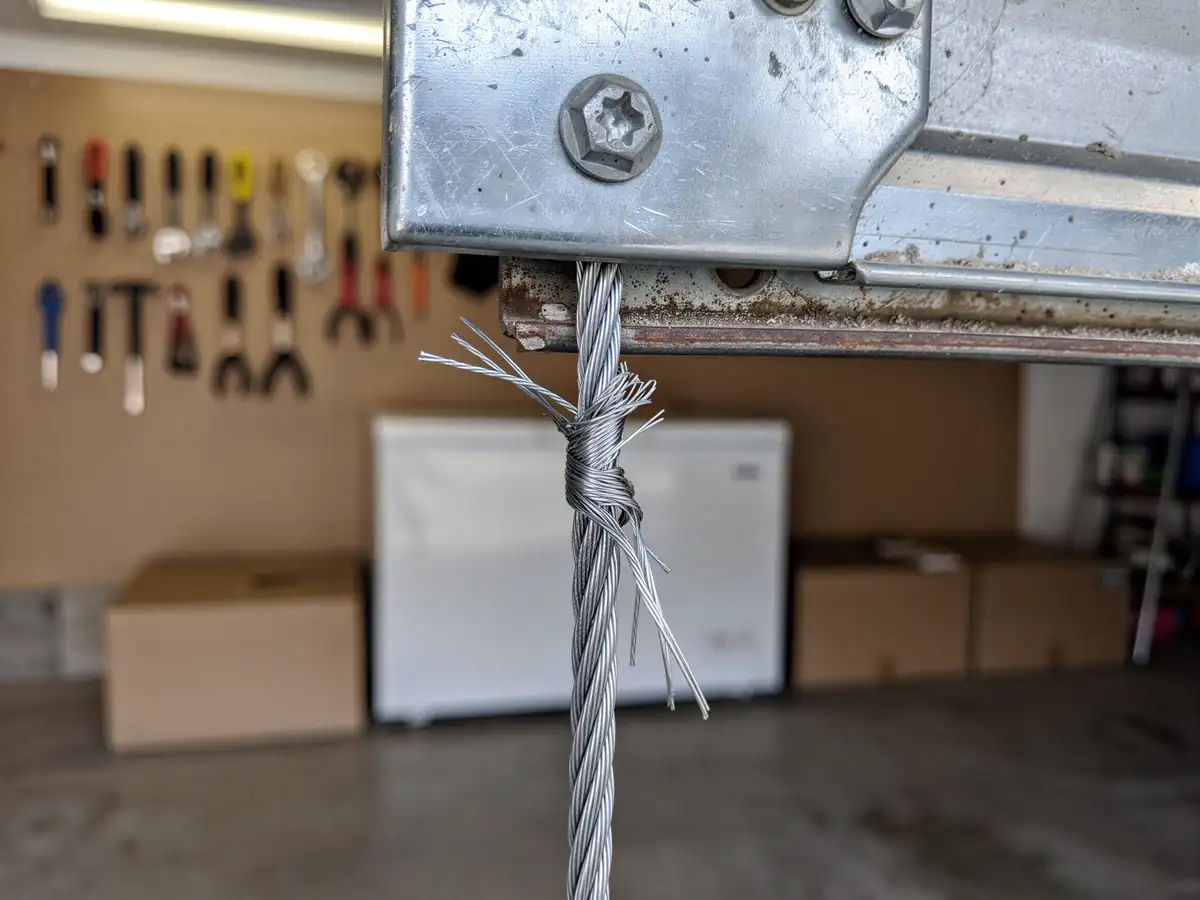
The obvious failure is a snapped cable - the door drops hard on one side, or won't move at all if both cables let go. Less obvious is a cable that's frayed but still holding: the door runs crooked, binds in the track, or makes a grinding sound as the strands catch on the drum. On original 1946-era hardware, a frayed cable can also mean the drum grooves have worn into a shape that will chew through a replacement cable in months instead of years, so we check that before calling the job done. We also see cables that have jumped the drum entirely, which usually points to a loose set screw or a drum that's shifted on the shaft - common on hardware this old that's never been retensioned. One honest limit: if the drum or the shaft itself is pitted or cracked, a cable alone won't fix the problem, and we'll say so rather than replace the cable and have you call us back in a month.
Getting It Booked In
We work out of Oakland, about 8 miles from Berkeley, and carry the cable gauges and lengths that cover most of what turns up on houses from this era. When you call, the fastest way to get an accurate quote is to tell us whether the door drops evenly or sags to one side, and whether you hear grinding or snapping when it happens - that tells us a lot before a truck even leaves. If your drum or bracket turns out to be an uncommon size for a house this old, we'll tell you upfront if that means ordering a part rather than finishing same visit. You can see the rest of what we do on garage doors throughout Berkeley on our area page, or check our main cable repair writeup for Oakland if you want the broader picture of how we handle this job.
The Symptom
The door sags on one side, won't budge, or drops the last foot with a bang instead of easing down - that's a cable, almost every time. If you hear a sharp snap followed by the door going slack or crooked in the track, don't force the opener; running it with a broken cable can bend the track or crack a panel on top of the cable problem. A door that's merely slow or noisy without the lean is probably rollers or hinges, not cable, so it's worth describing exactly how it's hanging when you call. On a house with hardware this old, a cable snap is sometimes the first sign the whole assembly - drum, bracket, pulley - is due for a closer look, not just a part swap.
How it works
From “it’s stuck” to “it’s fixed”
01
Tell us what’s wrong
Describe the symptom - won’t open, loud bang, opener runs but the door won’t move.
02
On-site diagnosis
A technician tests the door under power and by hand and finds what actually failed.
03
Clear, up-front plan
You get the fix that’s needed and what drives the cost - before any work starts.
04
Repaired & tested
The repair is done, the door is set true and tested, and the work area left clean.
Not sure which repair your door needs in Oakland, CA? Describe what it’s doing - every job starts with a diagnosis.
Straight answers about garage door repair in Oakland. Still unsure? Ask us directly.
Is my garage door cable original if my house was built in the 1940s?
It's possible, especially if the door itself hasn't been replaced. More often the cable has been swapped at least once, but the drum and bracket hardware underneath can still be original. We check the drum groove wear on-site, since that tells us whether a new cable alone will hold or whether the drum needs attention too.
Why did my cable snap with no warning?
Frayed strands at the drum groove or bottom bracket often hide inside the coil, so the cable looks fine until the last few strands give out at once. On older hardware that's gone through decades of cycles, this is common - the wear builds slowly, then fails suddenly.
Do you carry parts for older cable drums?
We stock common gauges and lengths and travel with them from our Oakland shop. If your drum is a discontinued size from an older build, we'll tell you upfront if that part needs ordering rather than promise a same-visit fix we can't back up.
Is it ever not worth fixing just the cable?
Yes. If the drum groove is worn into a shape that will chew through a new cable quickly, or the shaft is pitted, patching just the cable means a repeat call soon. We'll point that out rather than replace the cable alone and let you find out the hard way.