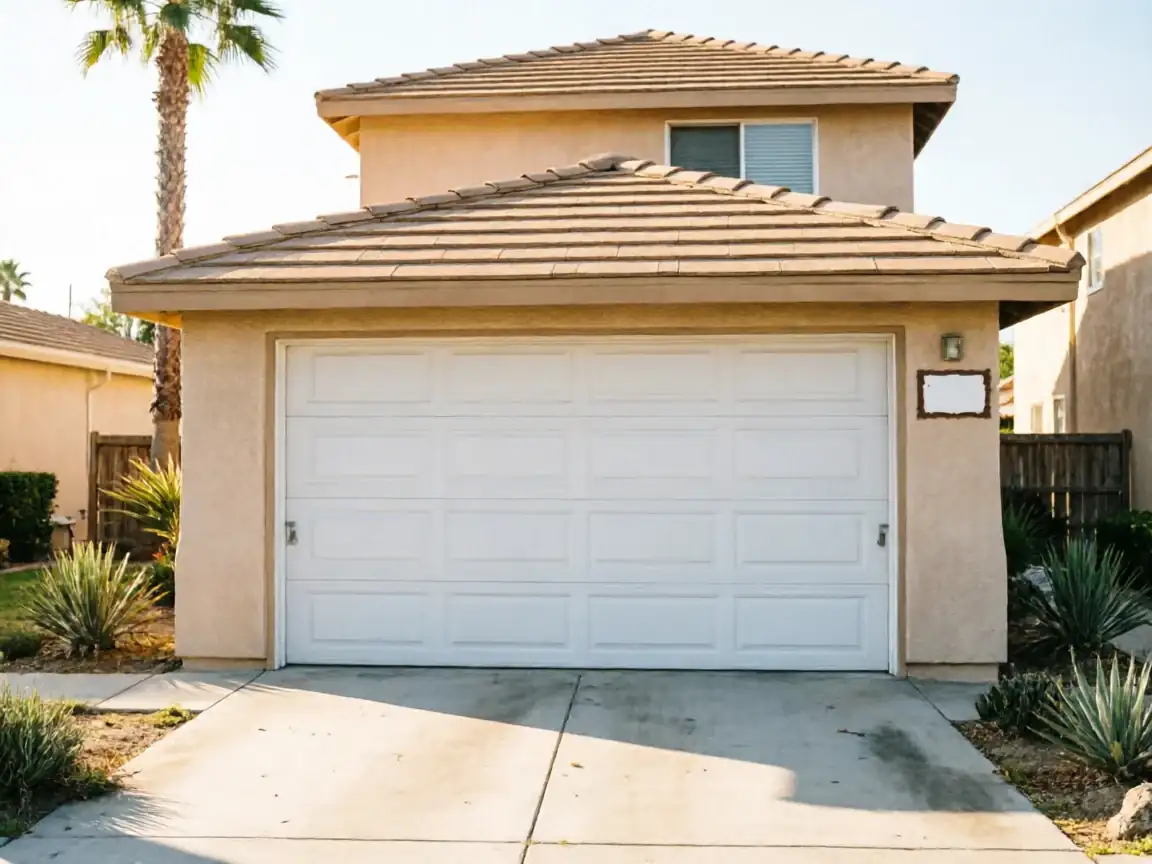
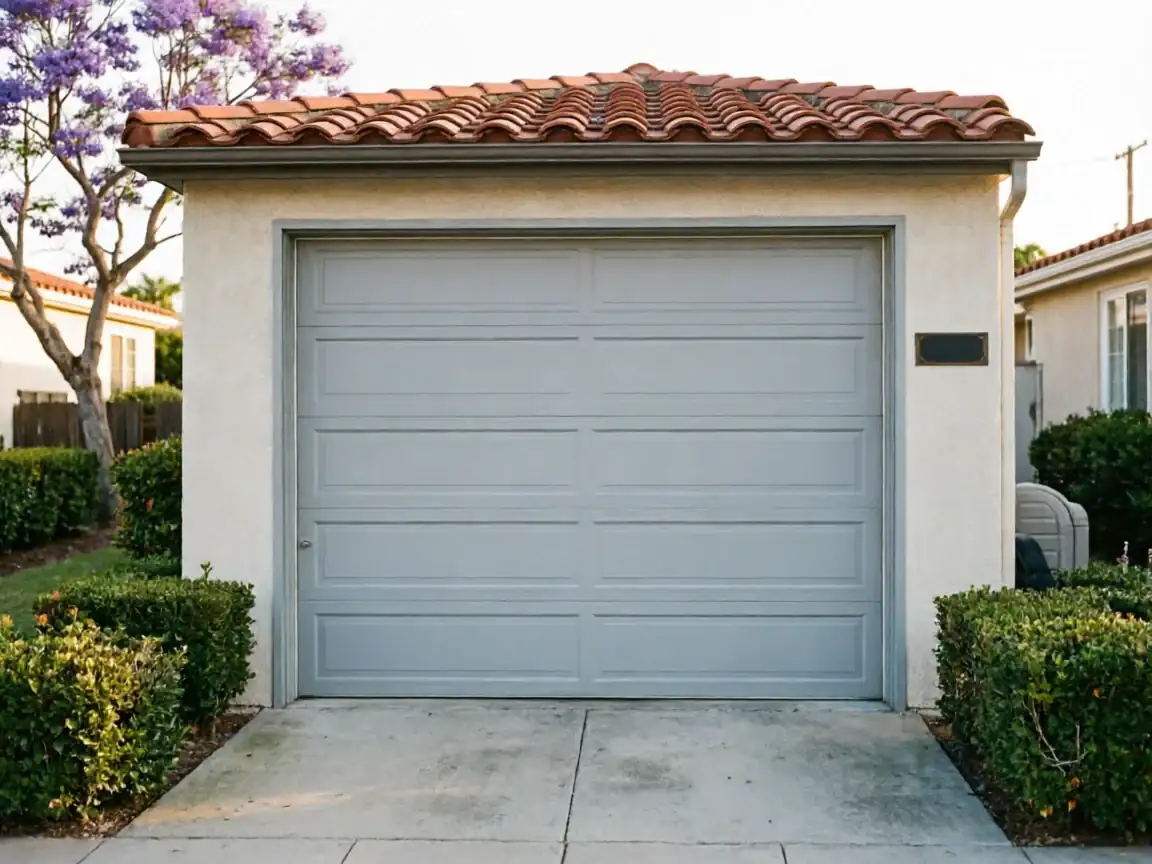
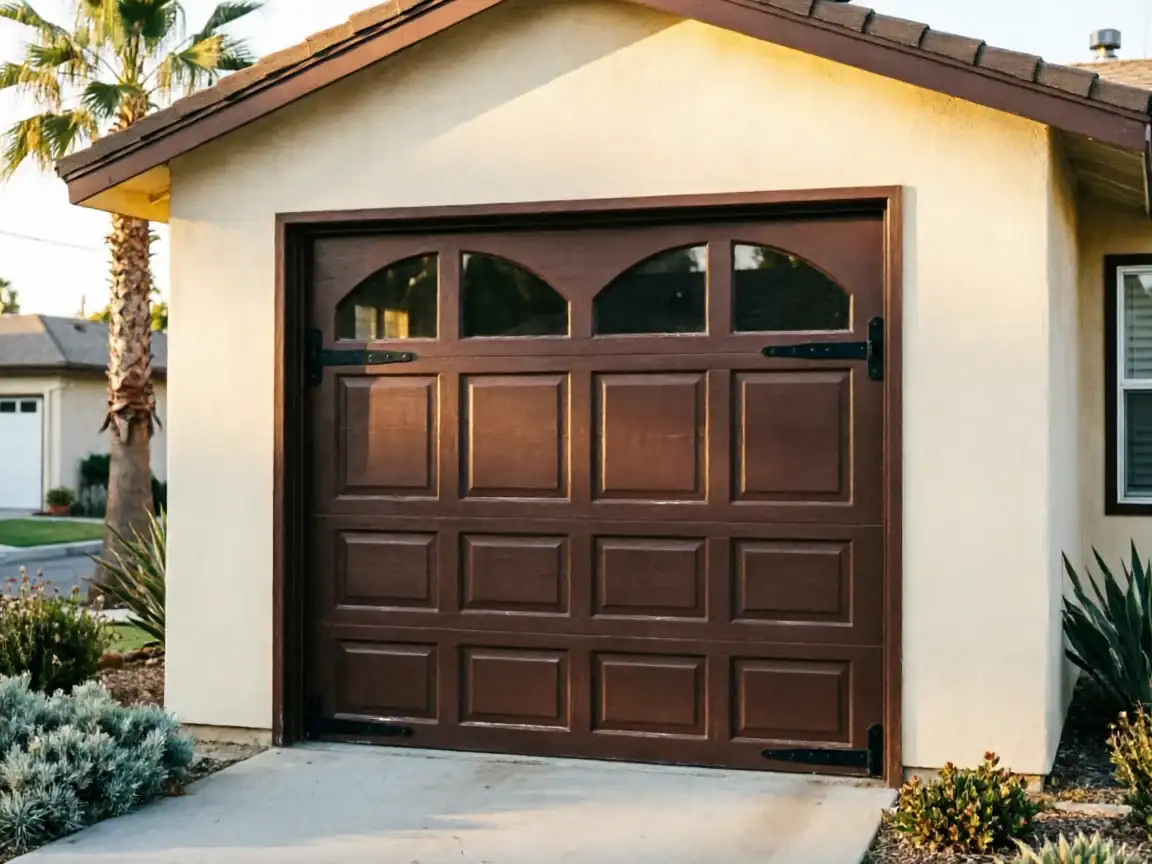
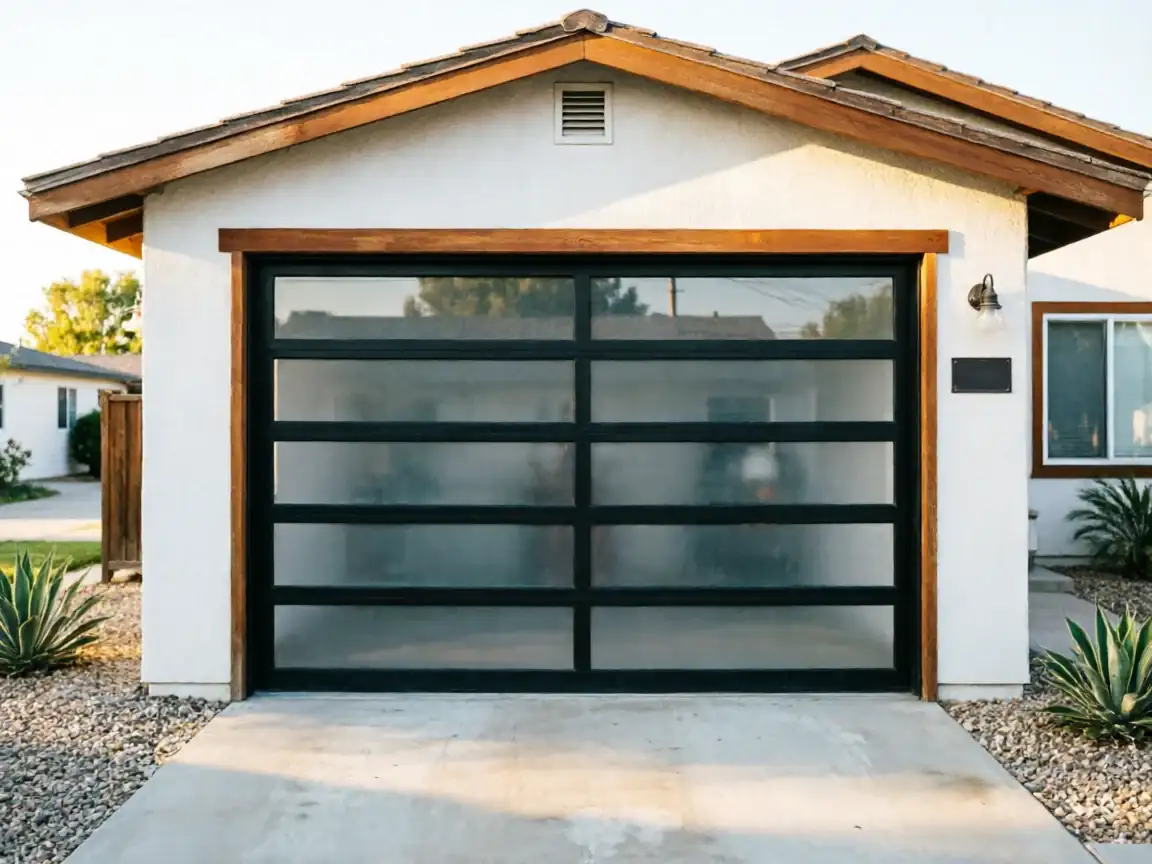
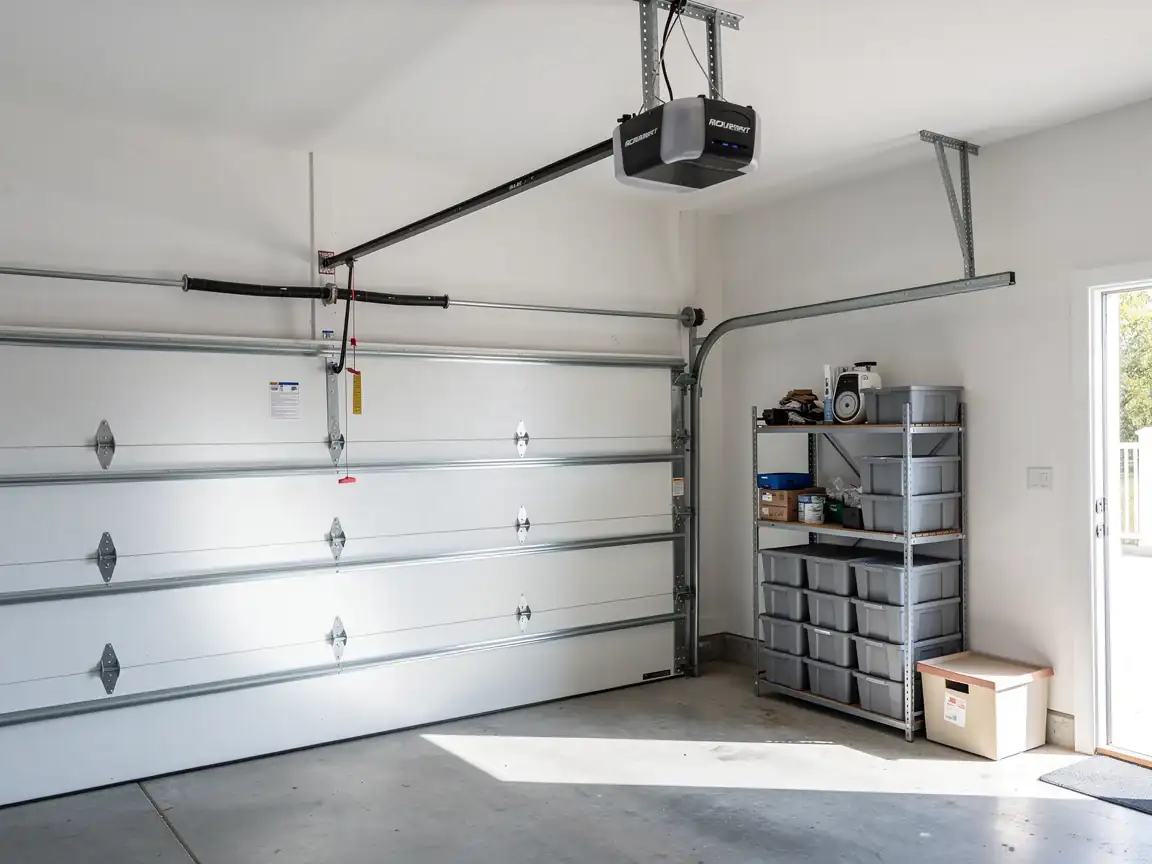
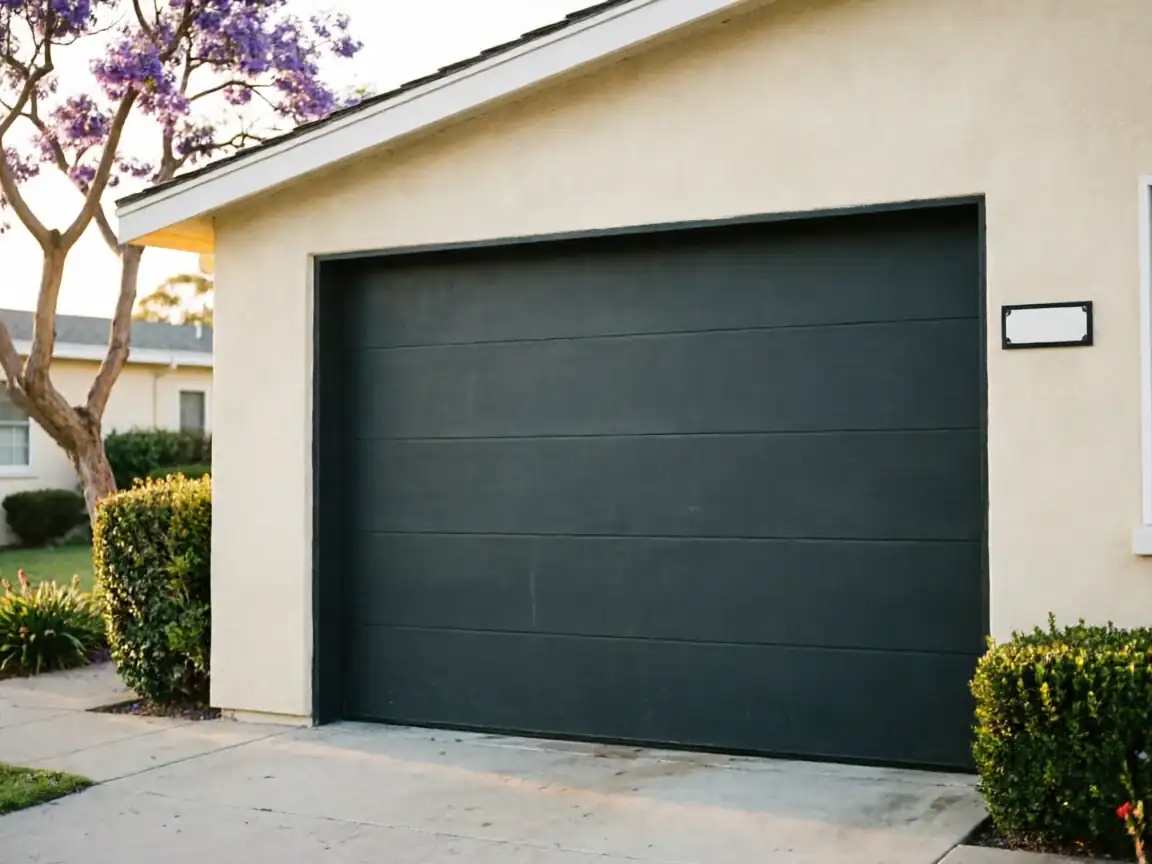
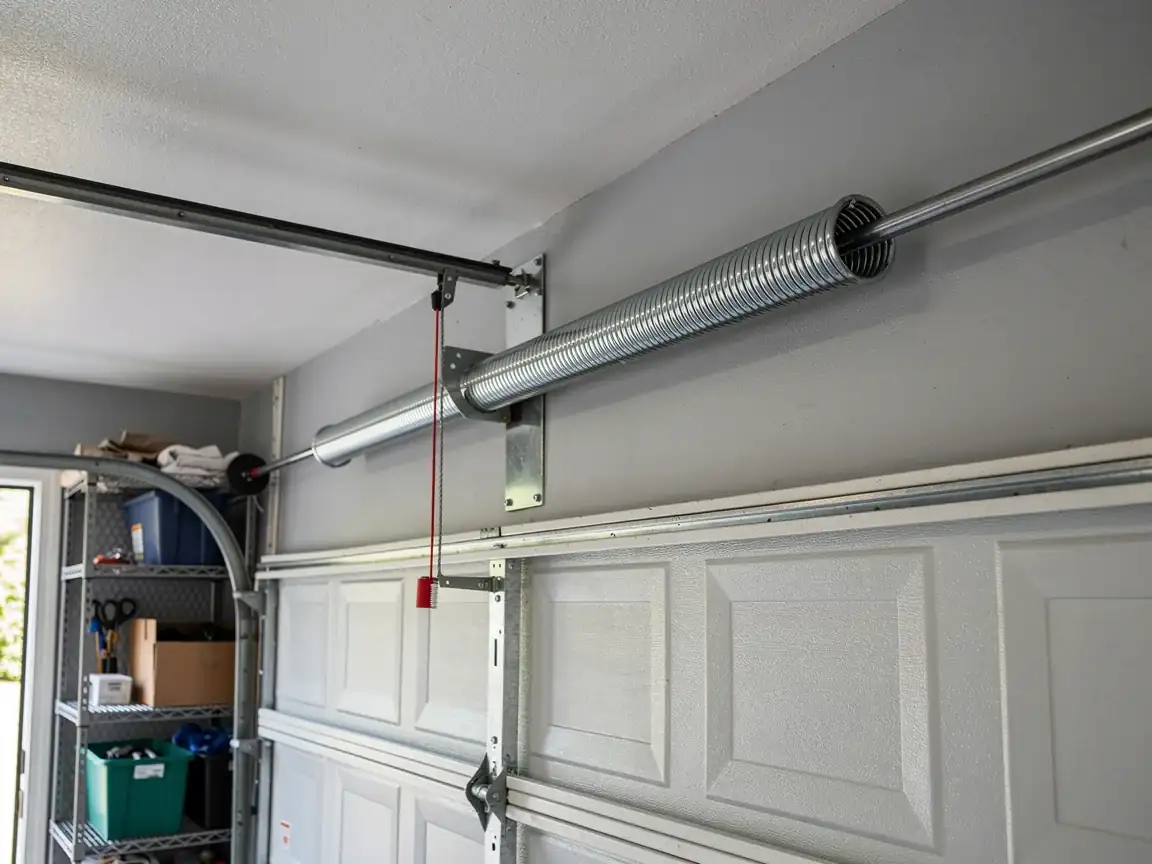
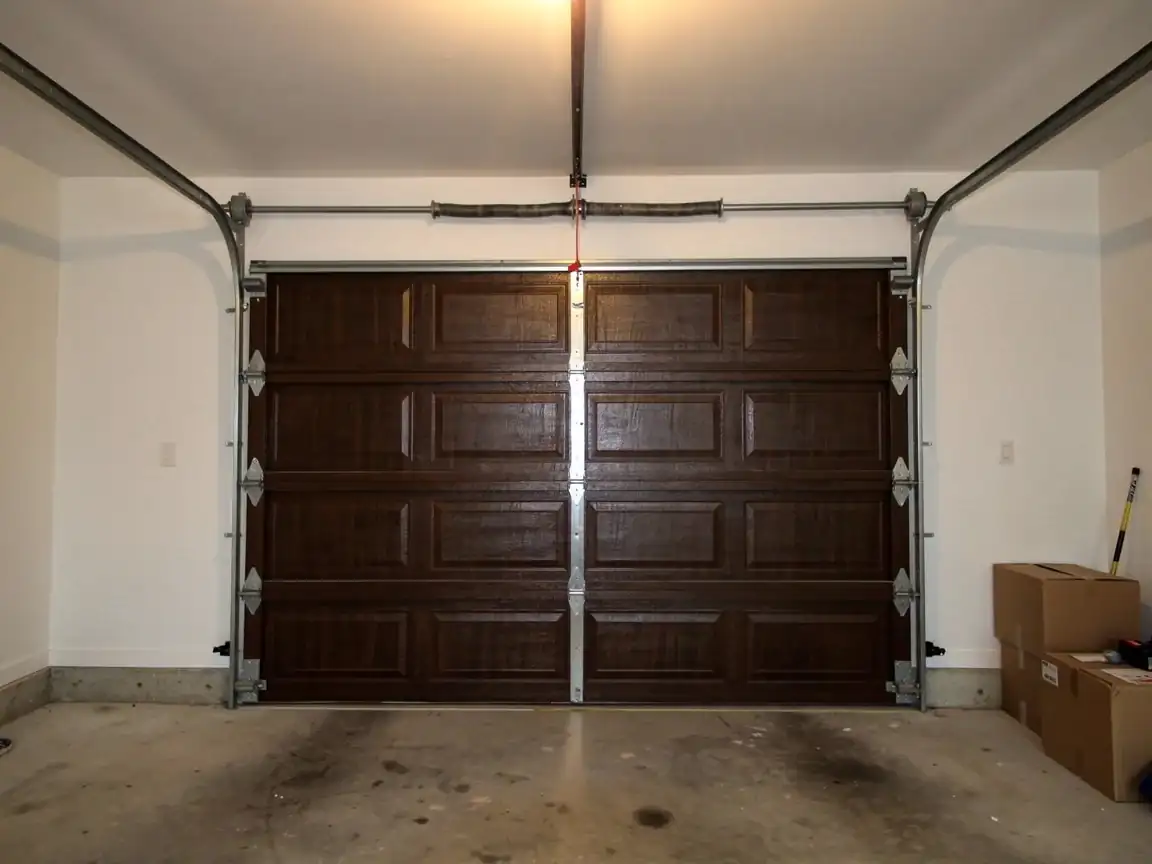
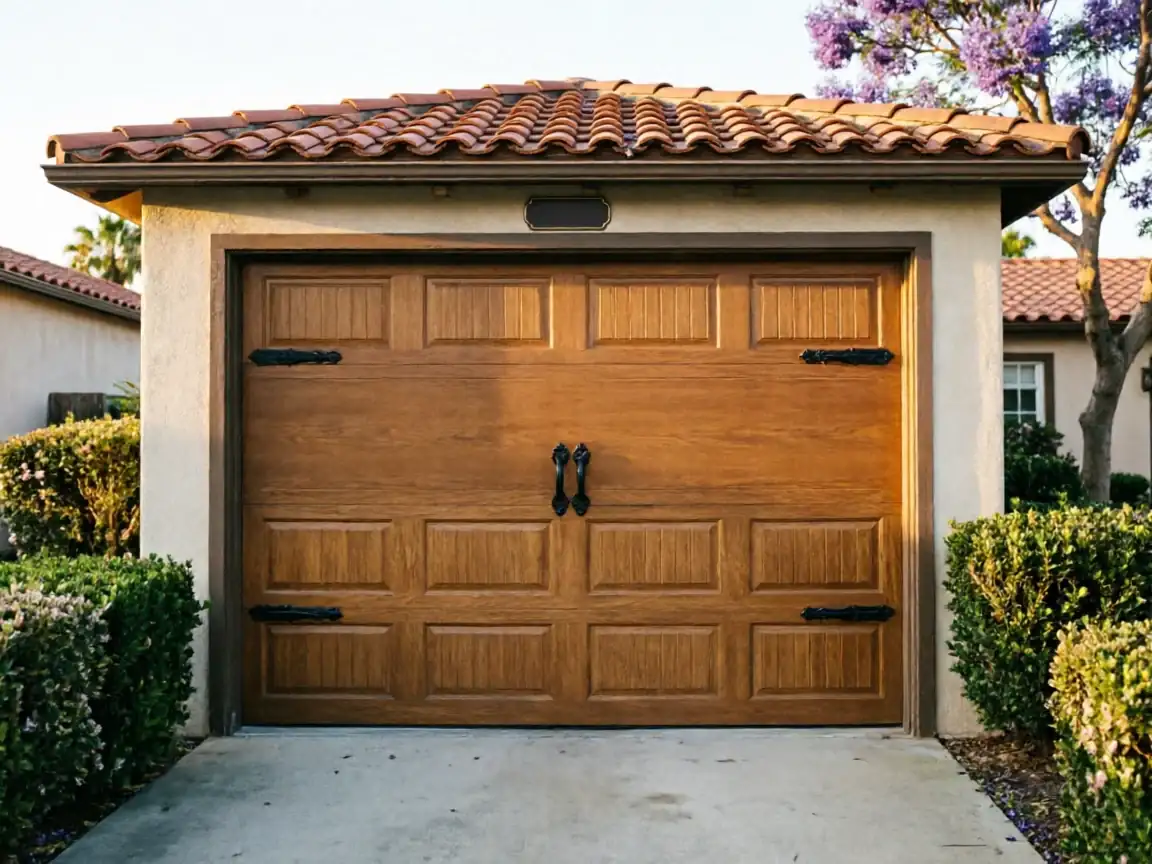
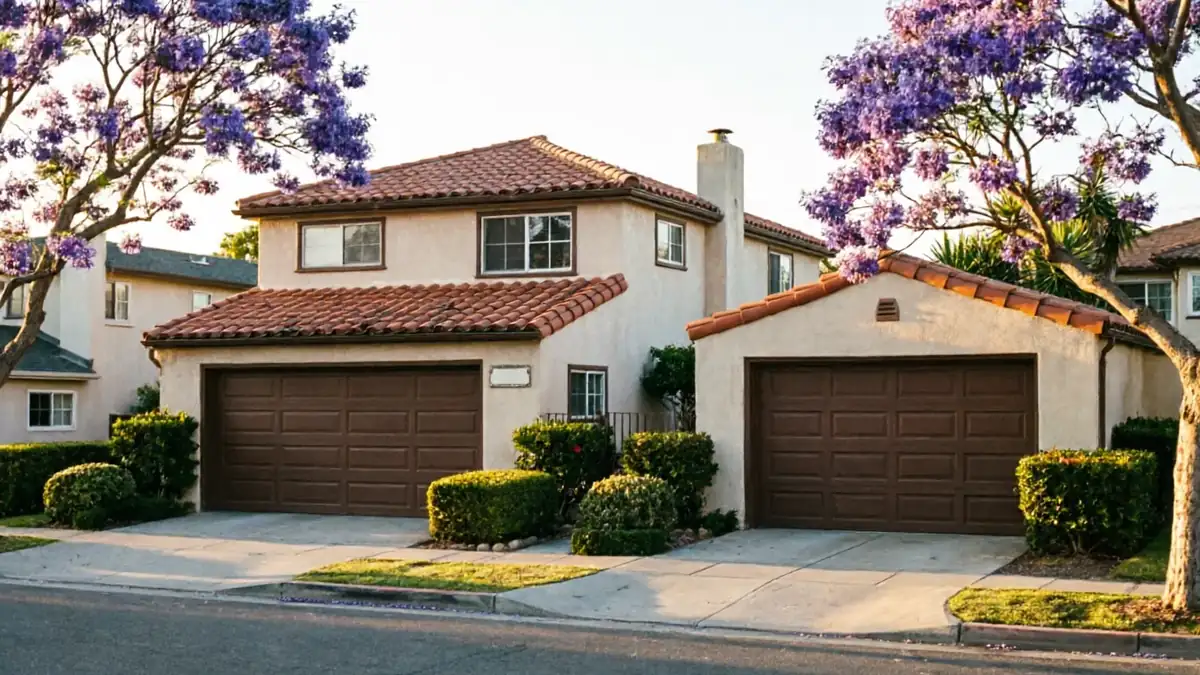
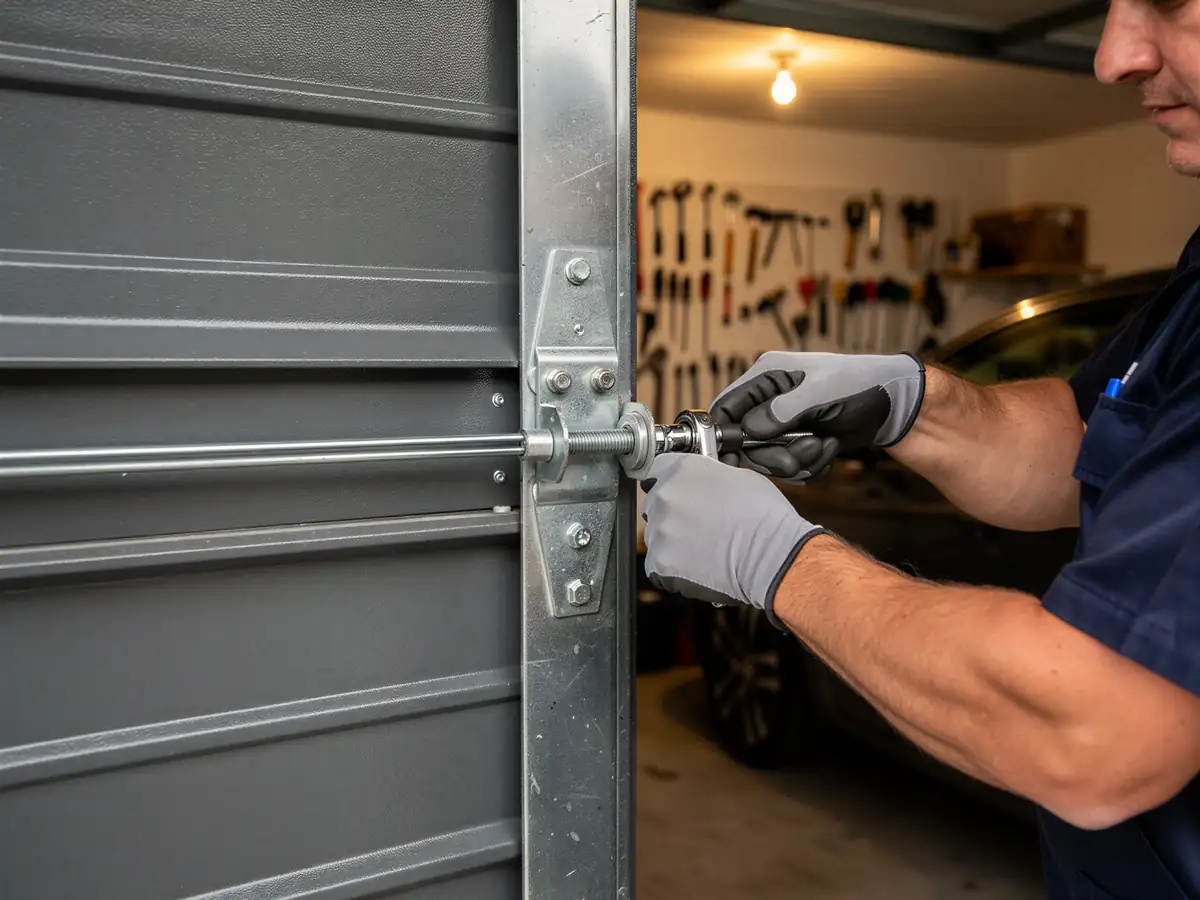
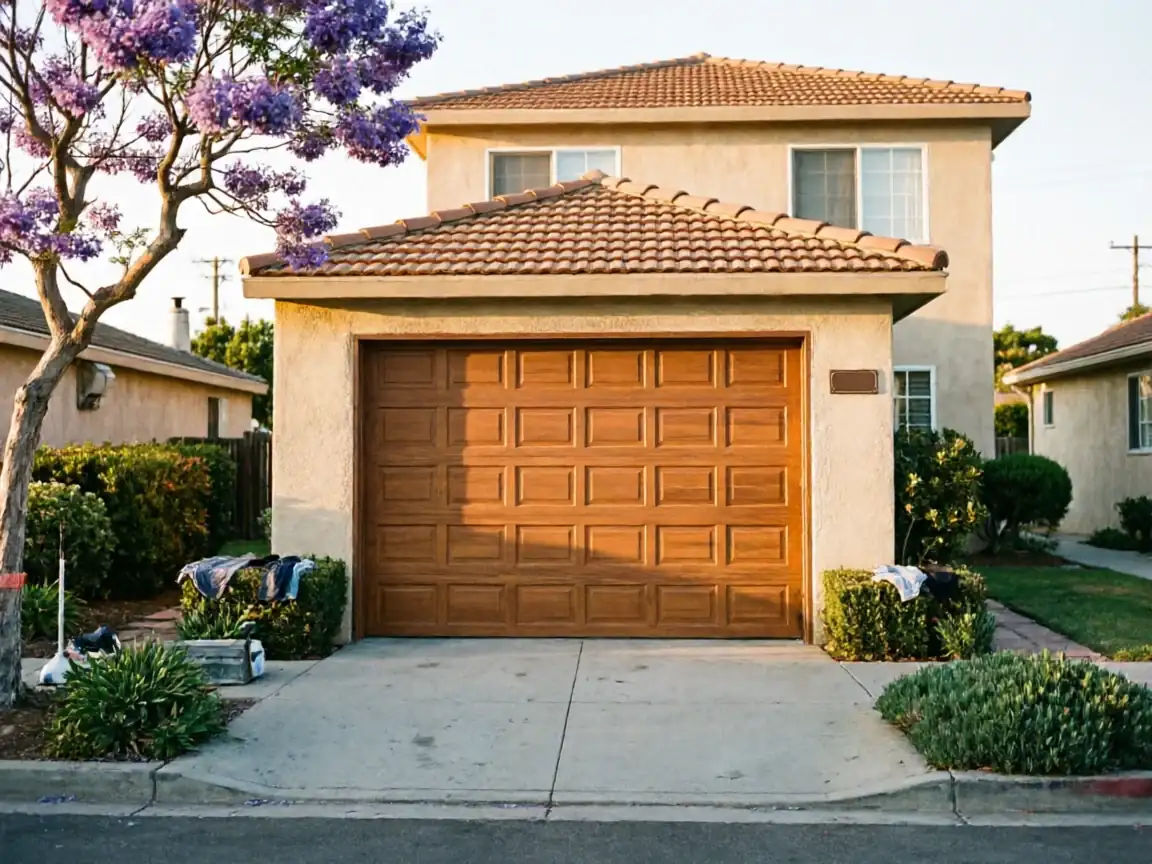
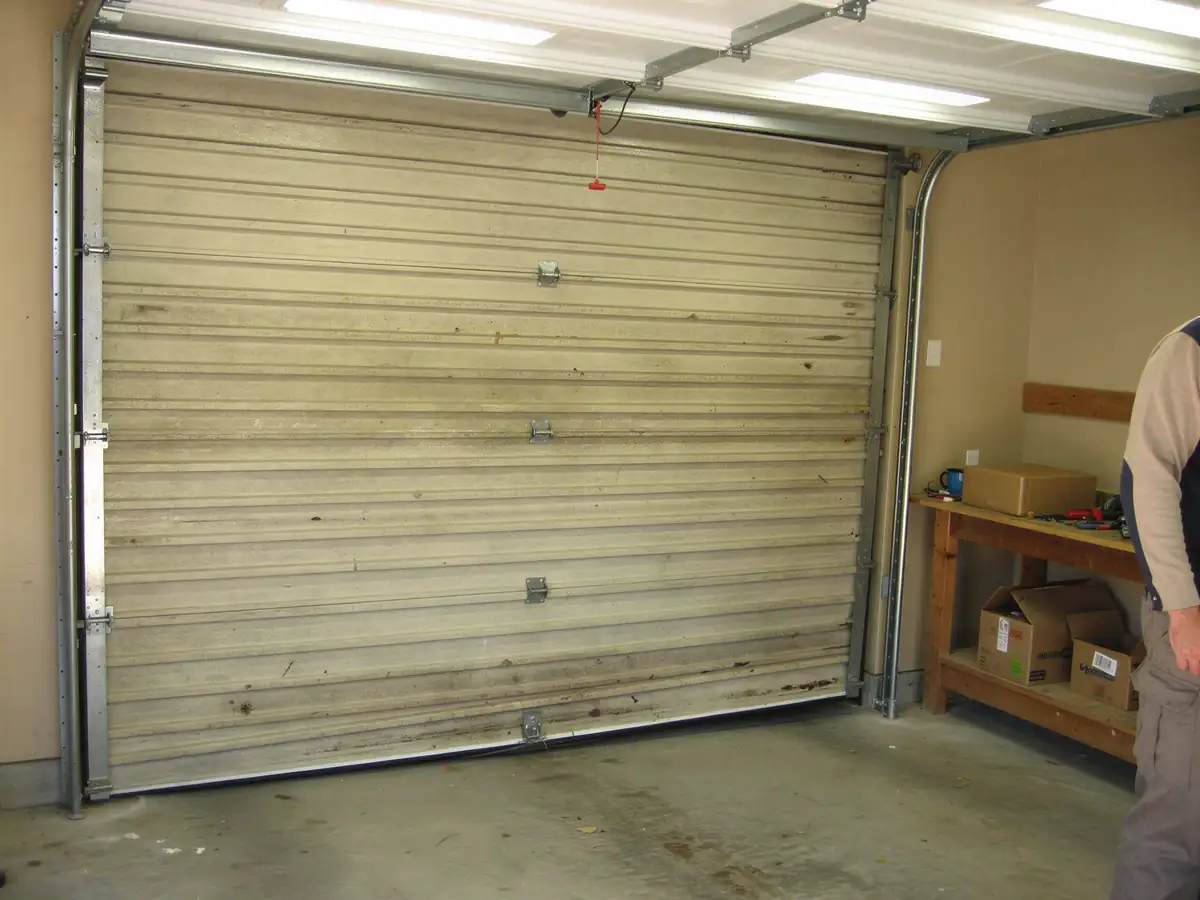
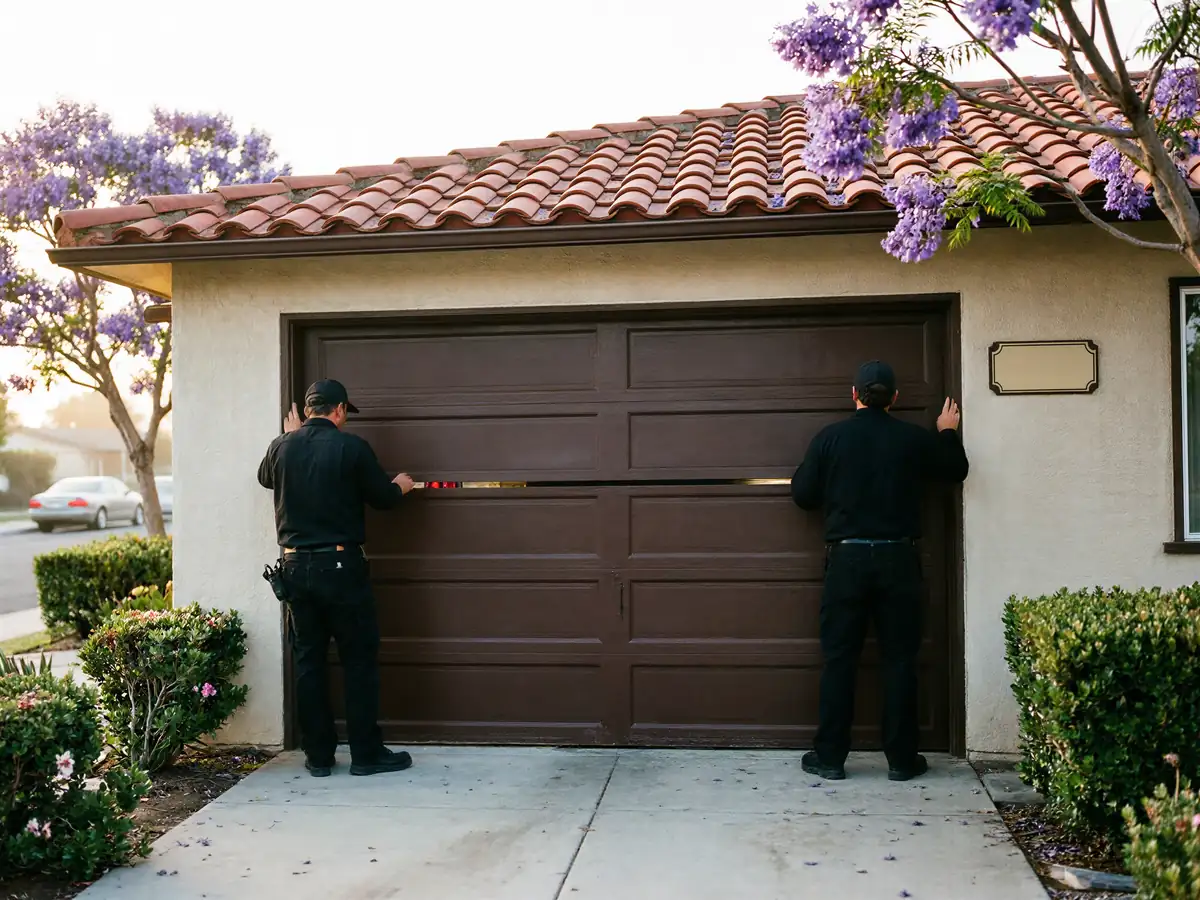
Mid-1940s Berkeley garages run narrower single-car openings and older wood jambs. We travel 8 miles from Oakland for broken springs, jammed tracks, and stuck doors.
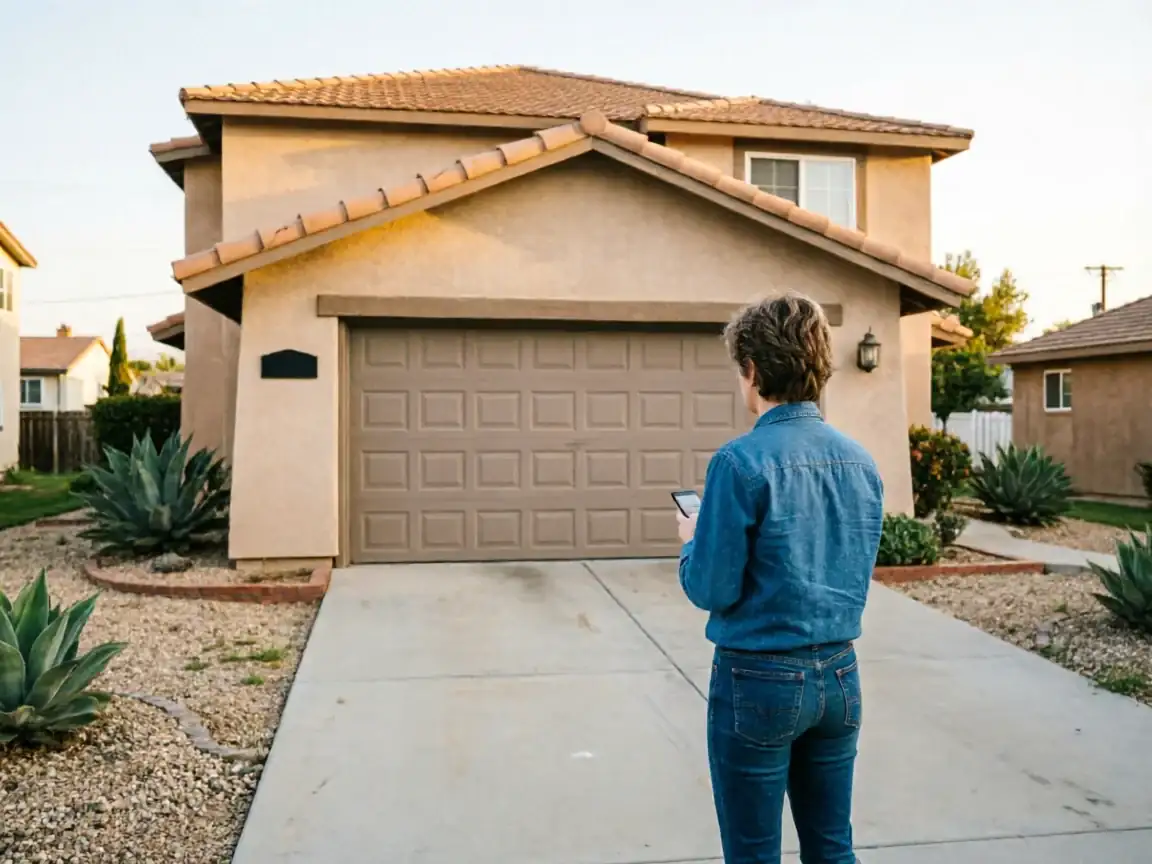
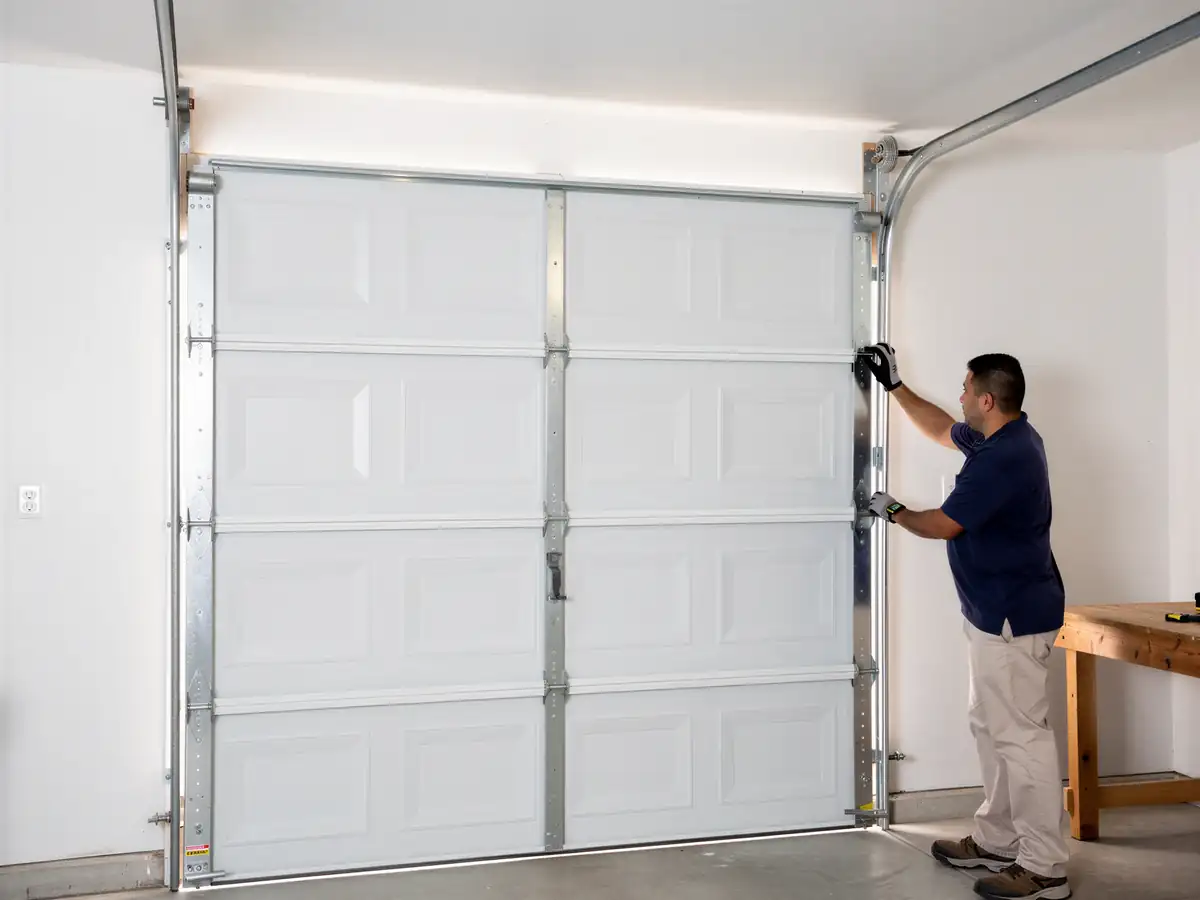
A lot of Berkeley's garage stock went up well before the broader service area's 1965 median - 1946 is the typical build year here, which puts most of these garages a full generation ahead of the 1960s-70s tract construction that dominates elsewhere. That matters on the job. A door from this era is usually a narrower single-car opening, often 8 or 9 feet rather than the 16-foot double bays common in later subdivisions, hung on a wood jamb that's settled and shifted over seven-plus decades. The panel itself may have been swapped out at some point, but the framing and the header almost never have. That changes what an emergency call looks like: it's less about a modern opener board frying itself and more about hardware that's been asked to carry a door it wasn't built for anymore, on a frame that's no longer square. We carry stock for standard torsion and extension springs, but an odd-width opening from this period sometimes means we're cutting a track section to fit rather than grabbing one off the shelf. That's a longer visit, and it's worth knowing going in.
Why It Happens Here
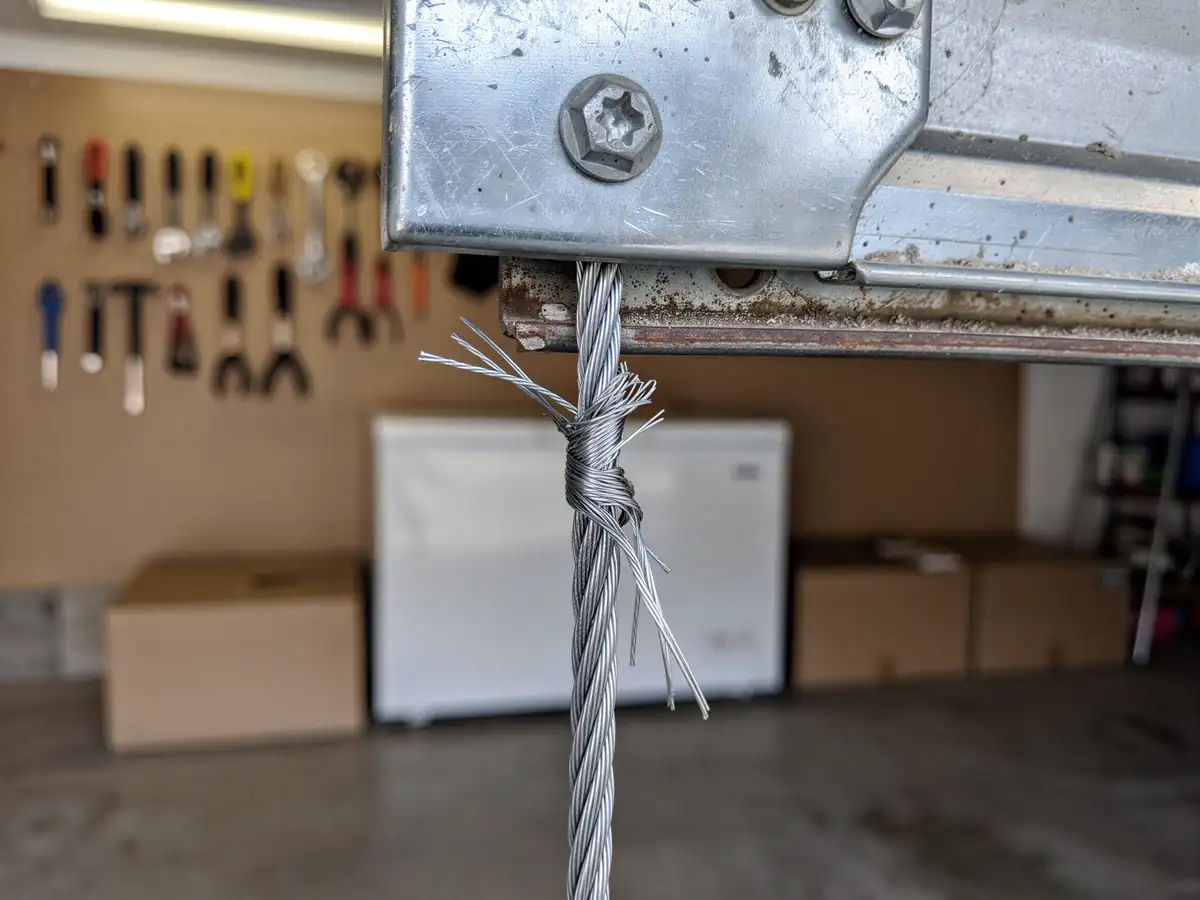
Climate here is the mild temperate band that covers the whole service area, so you're not dealing with the freeze-thaw cycling that snaps springs in colder regions. What you are dealing with is age. A door and its hardware installed in the 1940s or hung with a replacement system in the decades since has had a long time to accumulate wear nobody's tracked - rollers that have outlived three openers, cable that's frayed slowly instead of snapping outright, a jamb that's racked a quarter inch from the original square. None of that shows up until the day it does. We come out from Oakland, about 8 miles away, so we're not based in Berkeley and we don't pretend to be - but the drive is short enough that it doesn't change how we triage the call. What changes the call is the door's age, not its address.
What Can Go Wrong
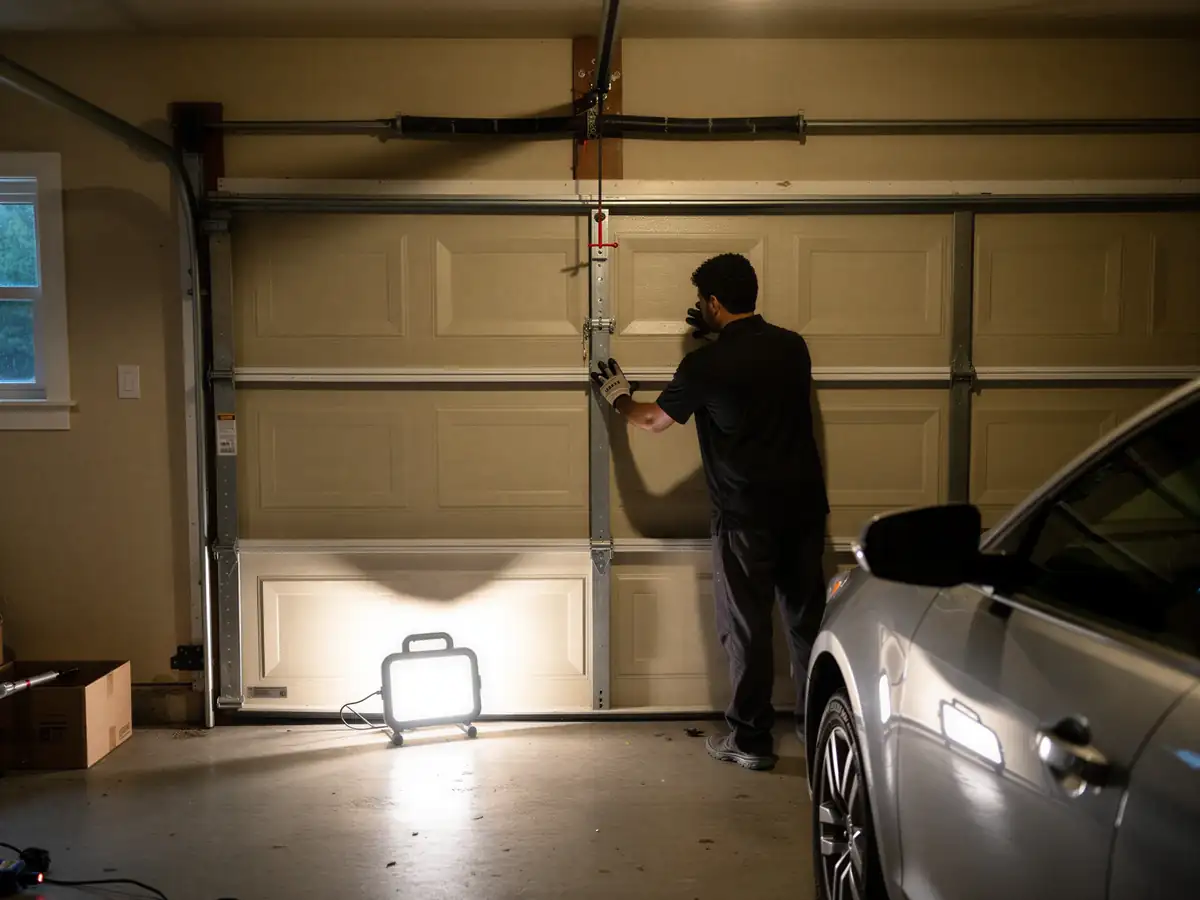
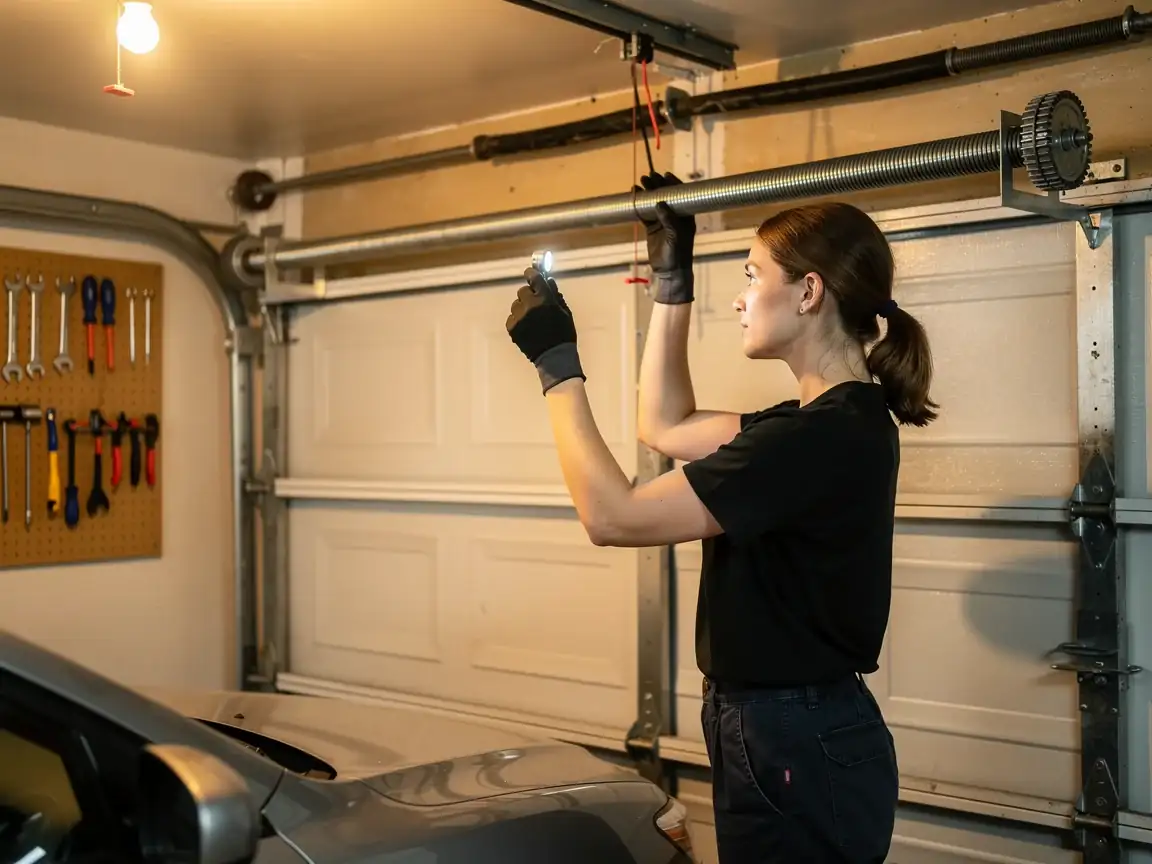
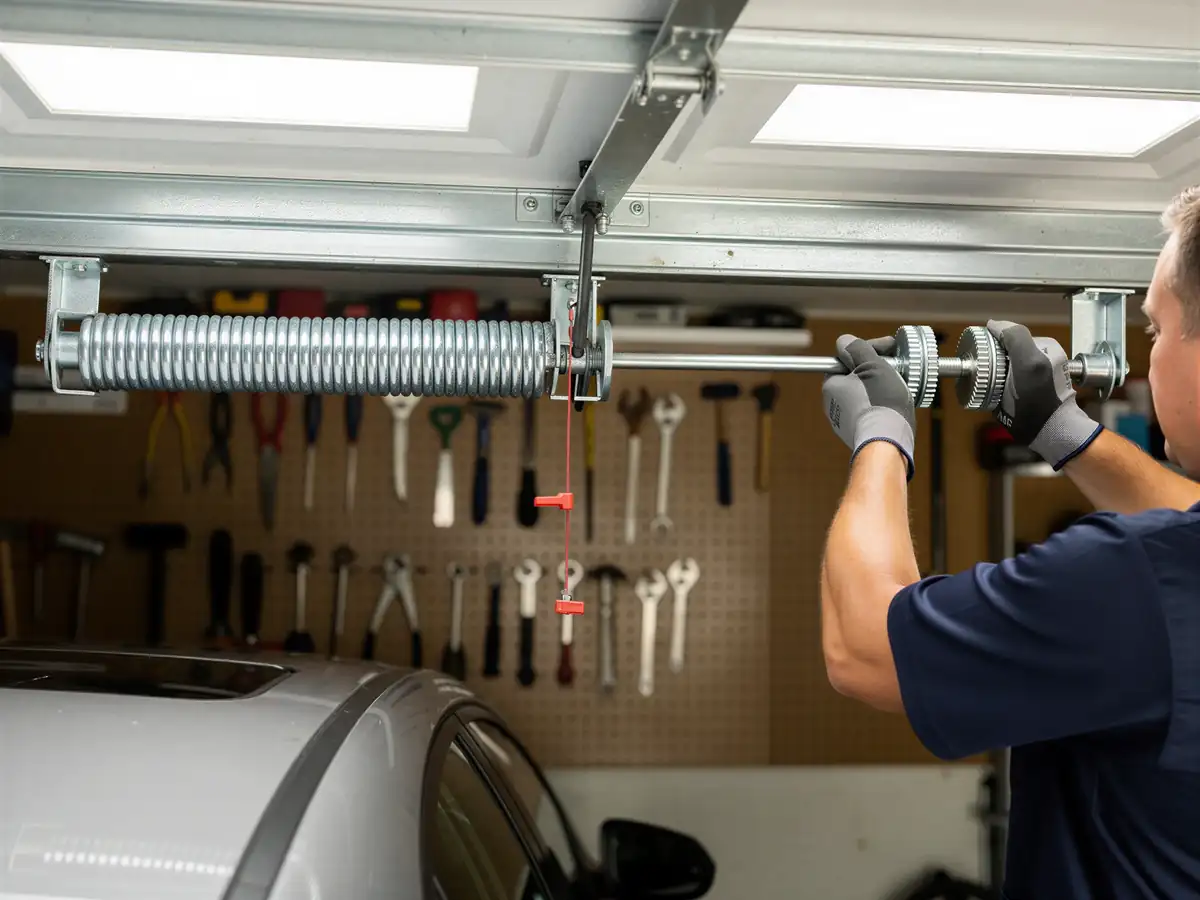
The failures we see most on houses from this era: a broken torsion spring on a single-car door, which is the most common emergency call regardless of neighborhood, but on an older narrower door the spring size and winding cone can be nonstandard. Track misalignment from a settled jamb - the rollers walk out of the channel because the channel itself isn't plumb anymore. Cable fray where the drum has worn a groove over decades of use. And on doors that have had an opener retrofitted onto original hardware, we sometimes find the bracket mounted into wood that's too soft to hold it, which is a wood-framing problem as much as a door problem. We'll tell you straight if a repair is just delaying a bigger failure - on a door this old, sometimes replacing the whole unit is the honest answer, not patching the same worn point again.
Getting It Booked In
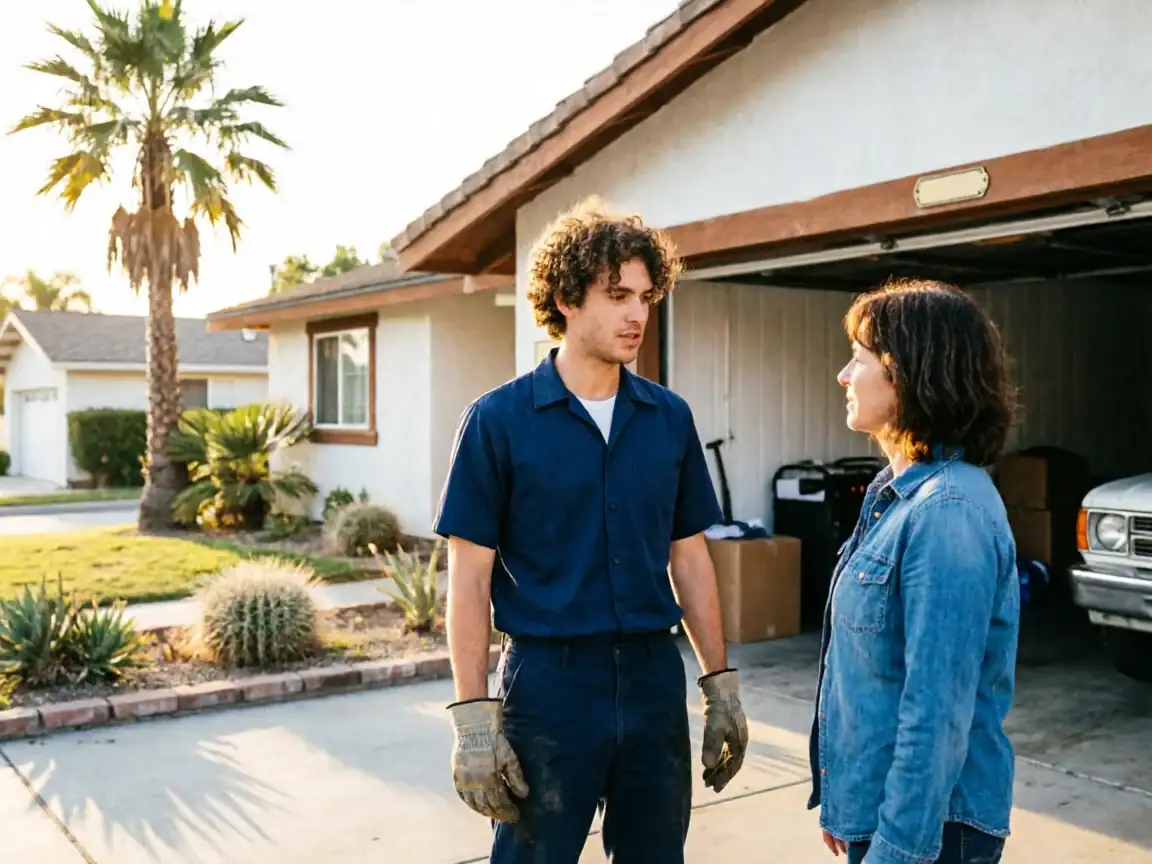
Call and describe what the door is doing - stuck shut, off track, cable hanging loose, opener running but door not moving. That tells us what to load on the truck before we leave Oakland for the 8-mile drive out. If you know roughly when the garage was built or whether the opener's original equipment or a later add-on, mention it; on houses from the 1940s that one detail saves time once we're on site. We don't keep a branch in Berkeley, so we can't promise a same-hour arrival the way a local shop might, but we do carry parts for both standard and older nonstandard spring sizes, which covers most of what this housing stock throws at us.
The Symptom
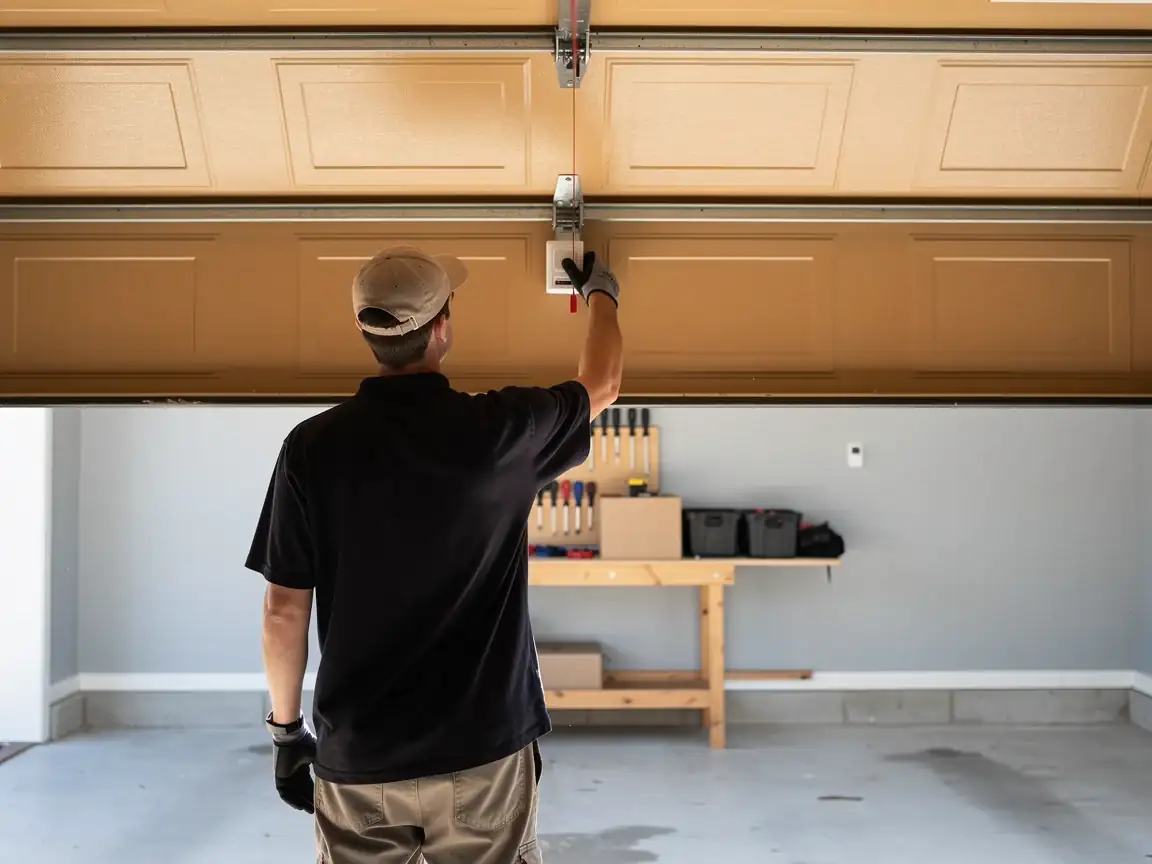
If the door won't budge and you hear a bang before it stopped moving, that's almost certainly a torsion spring letting go - don't try to lift it manually, the counterbalance is gone and the door is just dead weight. If it's inching sideways and binding in the track, that's more likely jamb movement than a spring issue, and it's a slower, more gradual fault rather than a sudden one. A door that reverses itself partway up usually points to the opener's travel limits or a sensor issue rather than the door itself. Tell us exactly what you're seeing and hearing when you call - it changes what repair we bring out for.
How it works
From “it’s stuck” to “it’s fixed”
01
Tell us what’s wrong
Describe the symptom - won’t open, loud bang, opener runs but the door won’t move.
02
On-site diagnosis
A technician tests the door under power and by hand and finds what actually failed.
03
Clear, up-front plan
You get the fix that’s needed and what drives the cost - before any work starts.
04
Repaired & tested
The repair is done, the door is set true and tested, and the work area left clean.
Not sure which repair your door needs in Oakland, CA? Describe what it’s doing - every job starts with a diagnosis.
Straight answers about garage door repair in Oakland. Still unsure? Ask us directly.
Do you have a branch in Berkeley?
No. We're based in Oakland and travel out to Berkeley, about 8 miles away, for service calls. We don't claim a local depot or a guaranteed response window here - we're upfront that it's a drive, not a walk, from our shop.
Why does my 1940s Berkeline garage door act different from newer ones?
Houses from this era typically have narrower single-car openings on original wood framing, which has usually shifted some over the decades. That means nonstandard spring sizes and jambs that are no longer perfectly square - both of which change how a repair goes compared to a 1960s or 70s tract door.
Is it ever not worth repairing an old door?
Yes. If the jamb has racked badly or the door and track are both original and failing together, patching one part just moves the next failure down the road a few months. On doors this old we'll tell you plainly when replacement is the better spend.