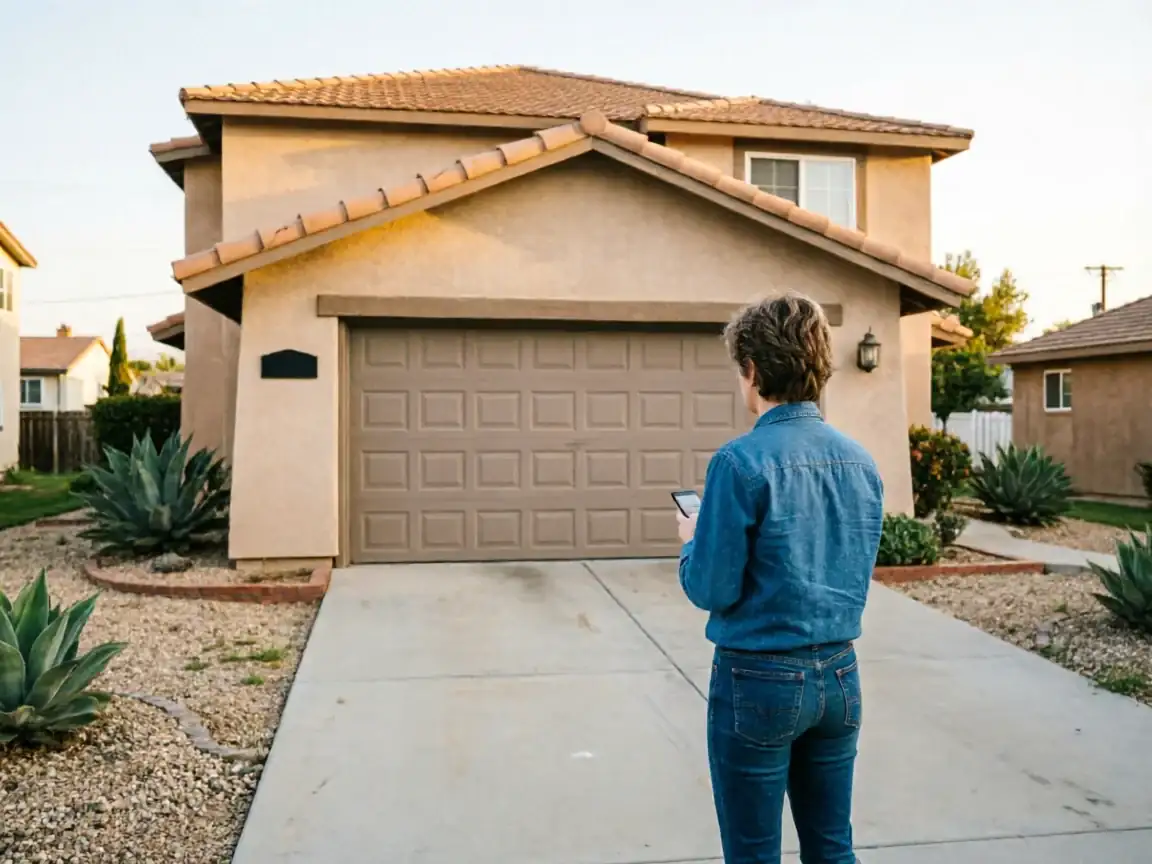
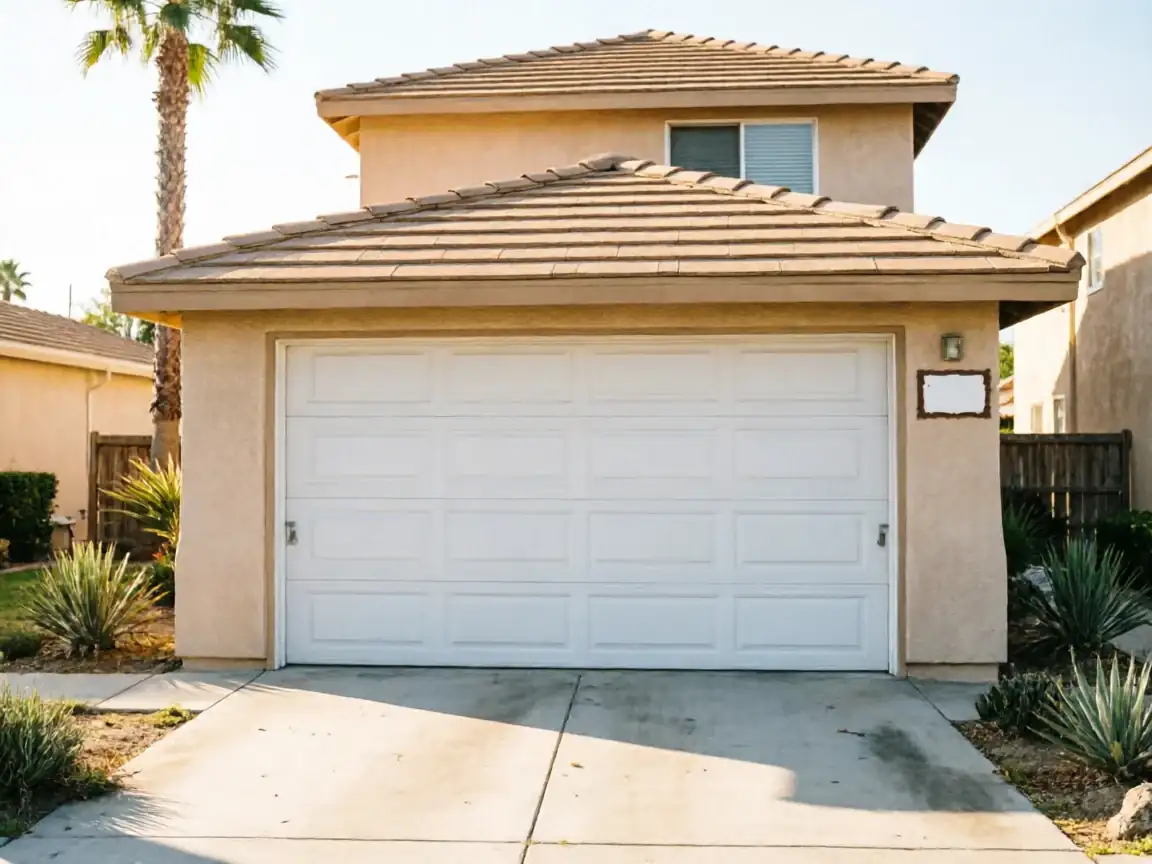
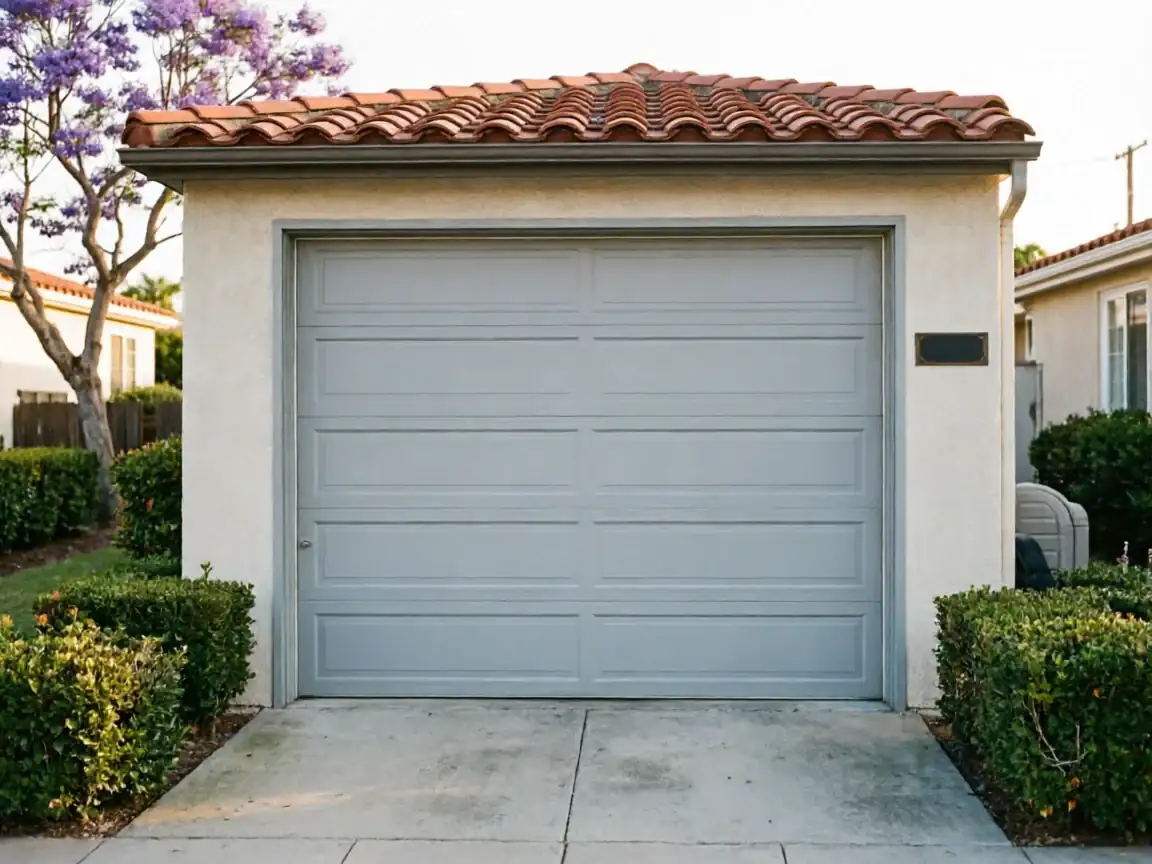
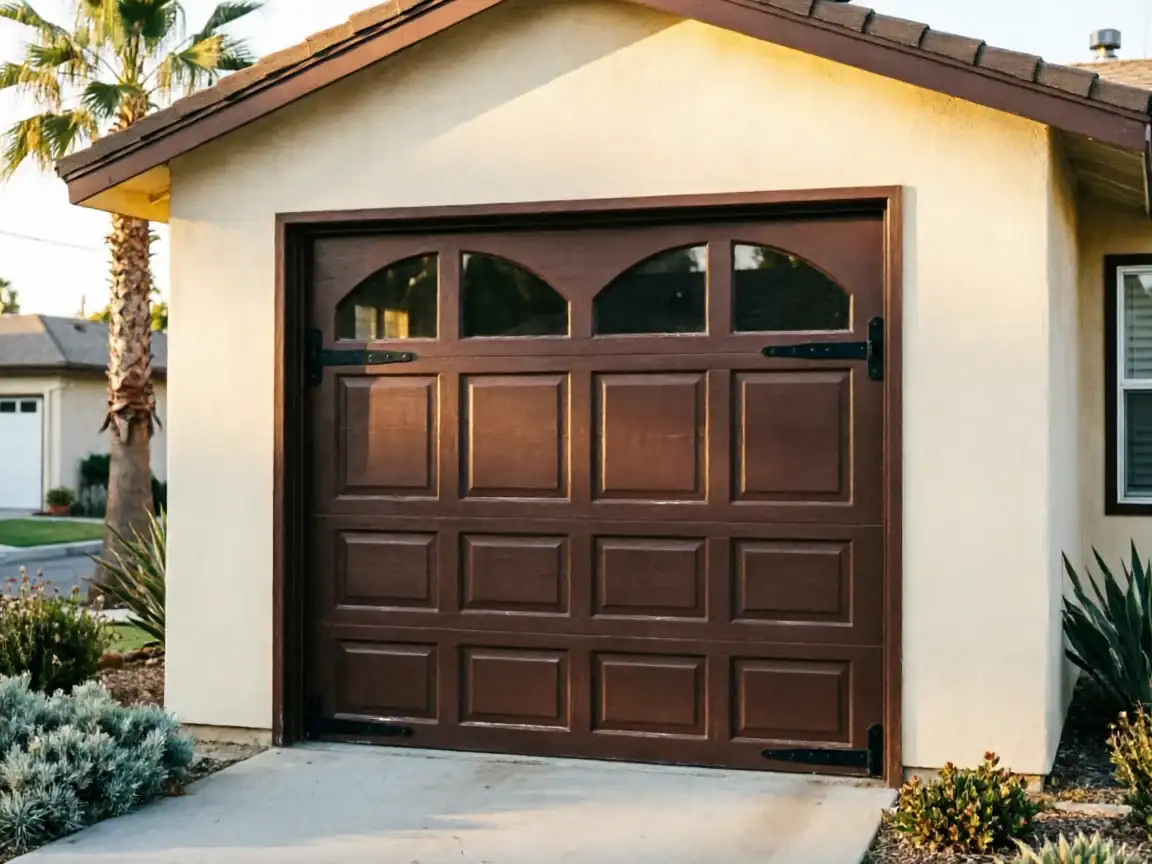
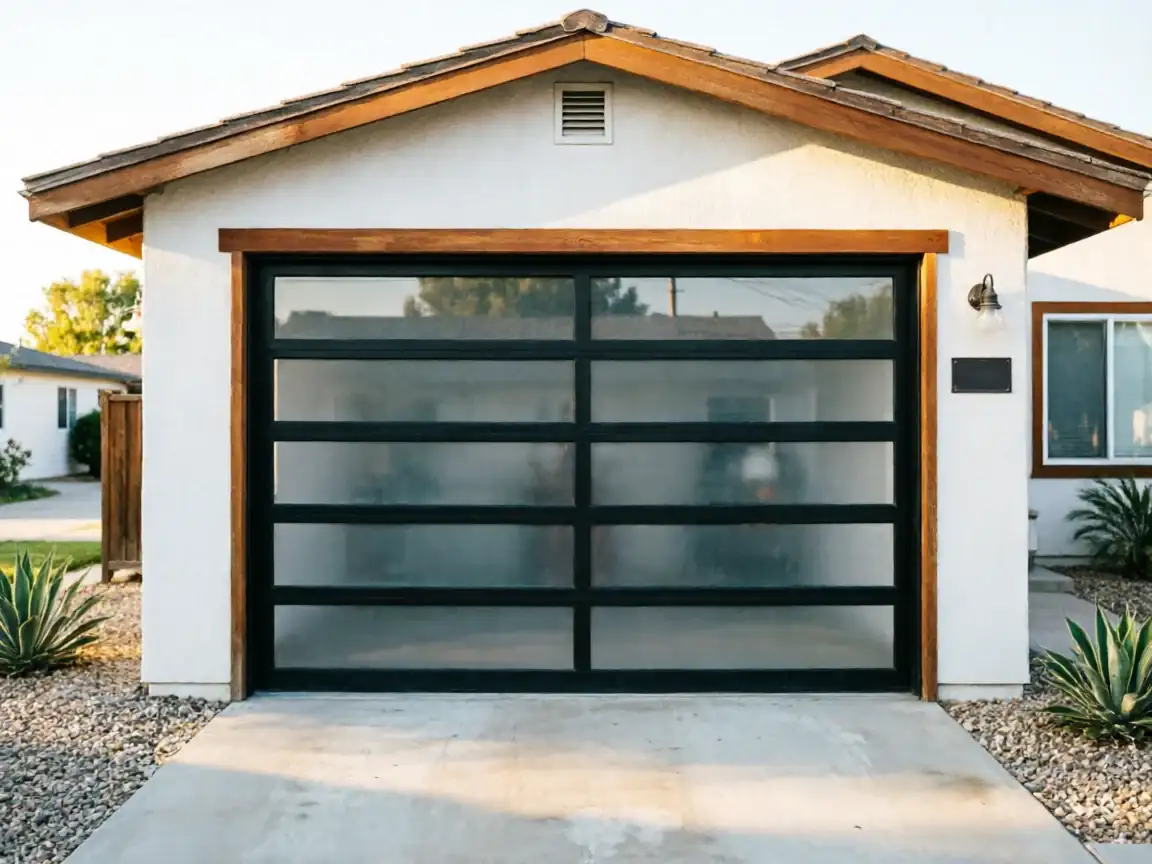
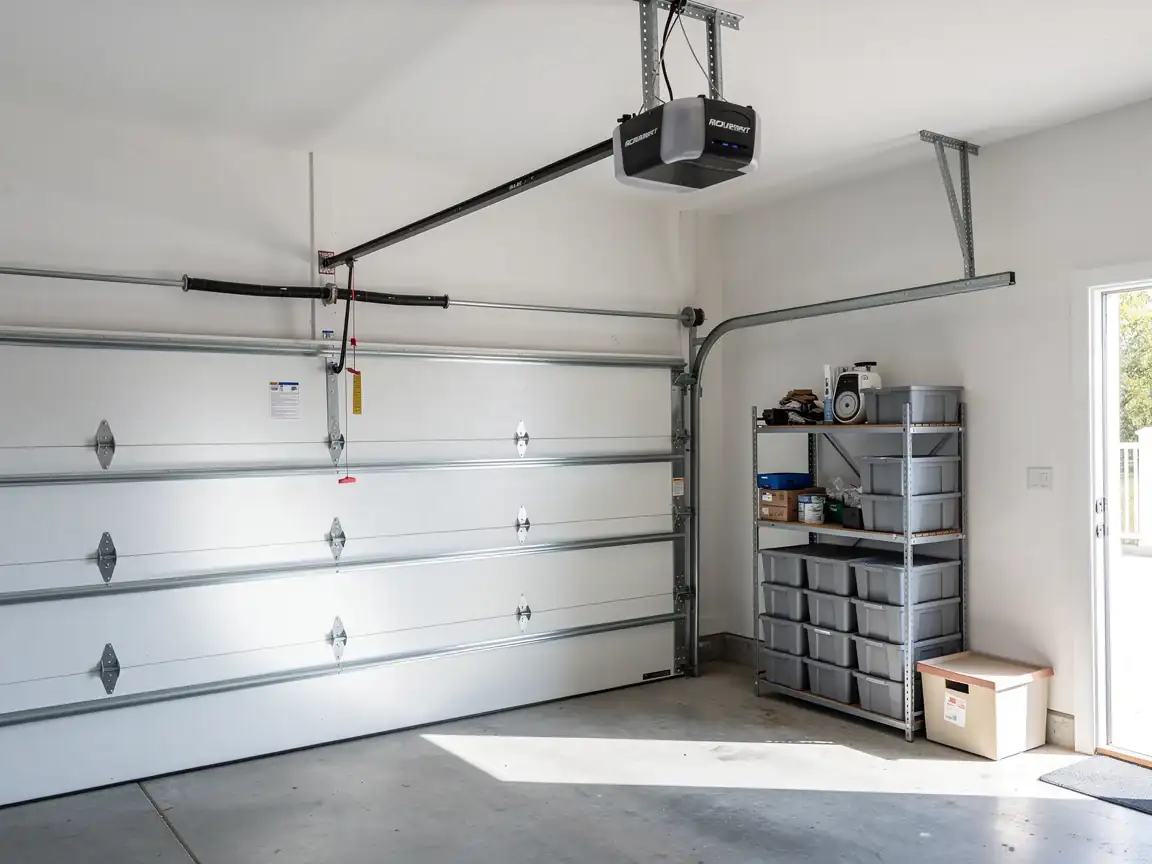
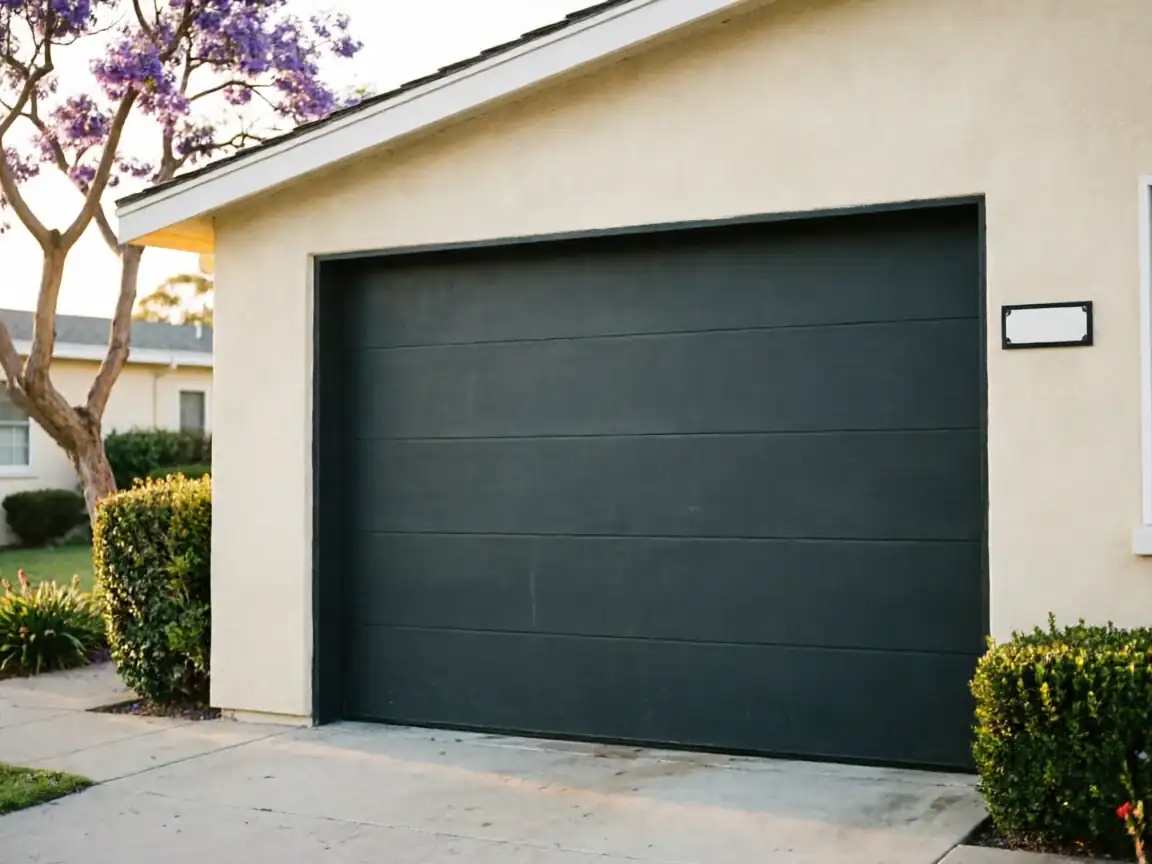
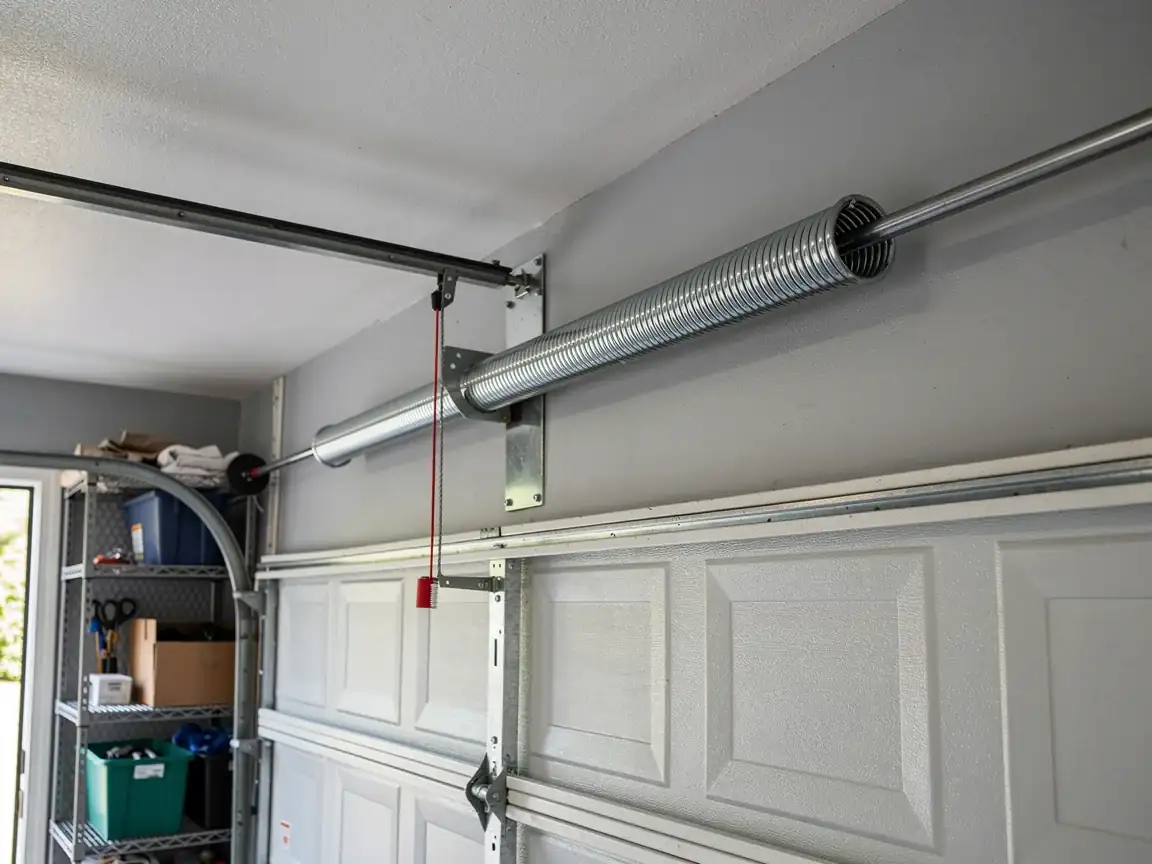
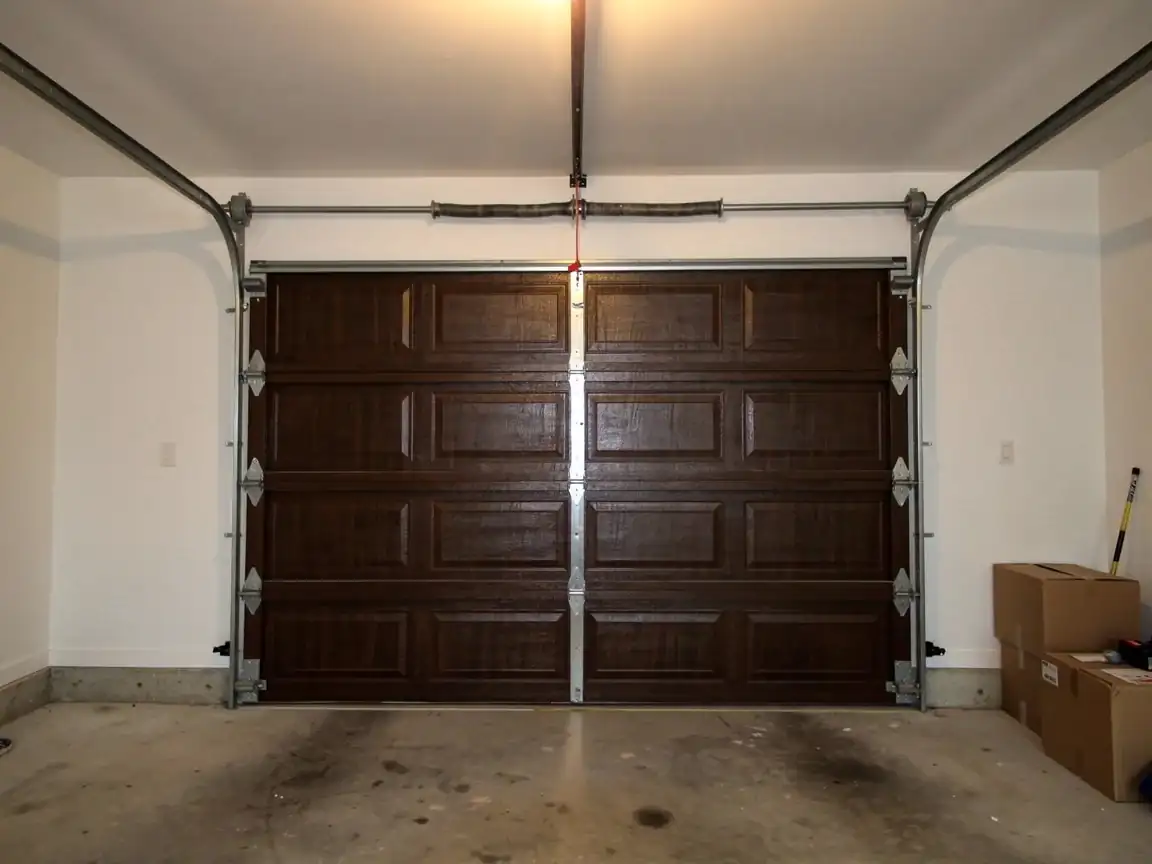
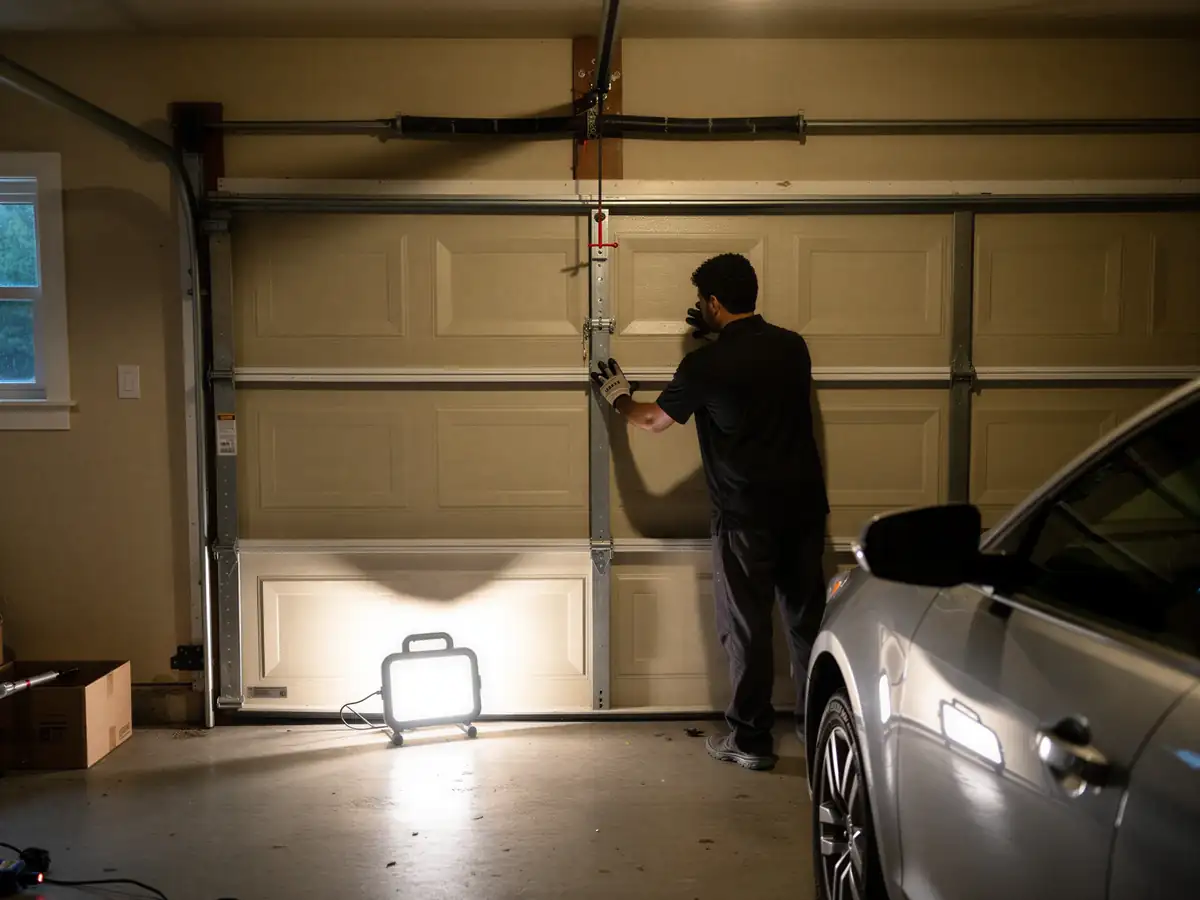
Oakland Garage Door Co installs new garage doors in Berkeley, CA, 8 miles out, where 1940s-era openings often need reframing before a new door fits right.
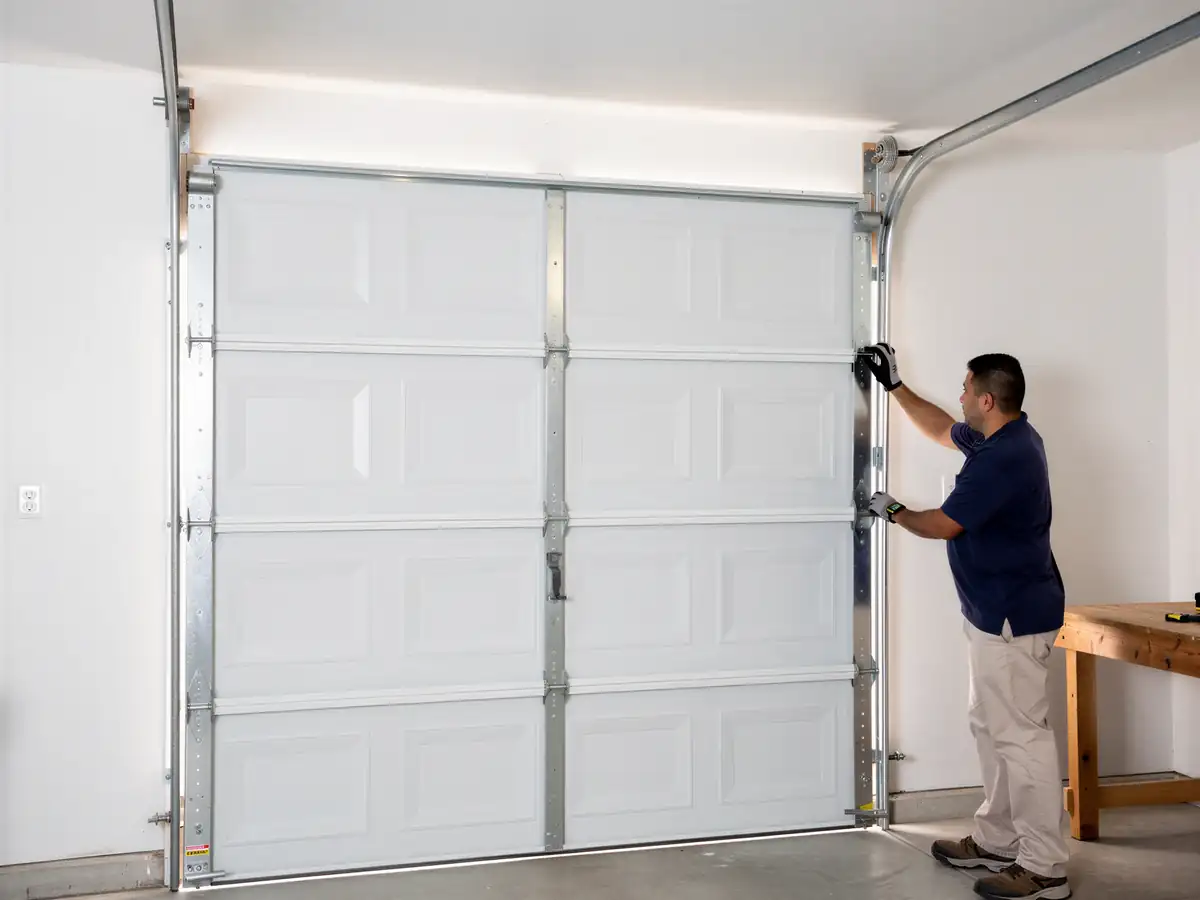
The job in Berkeley usually starts before the new door even shows up, because the opening has to be checked first. Most houses here went up around 1946, and a jamb that's sat for eight decades has usually moved a little - settled, shrunk, or been reframed once already by someone who wasn't thinking about door clearances. We measure the rough opening for square and plumb, check whether the header can carry a heavier insulated section without sagging, and look at how the old track was fastened, since a lot of 1940s construction ran trim straight to the stud with no real jamb buildout.
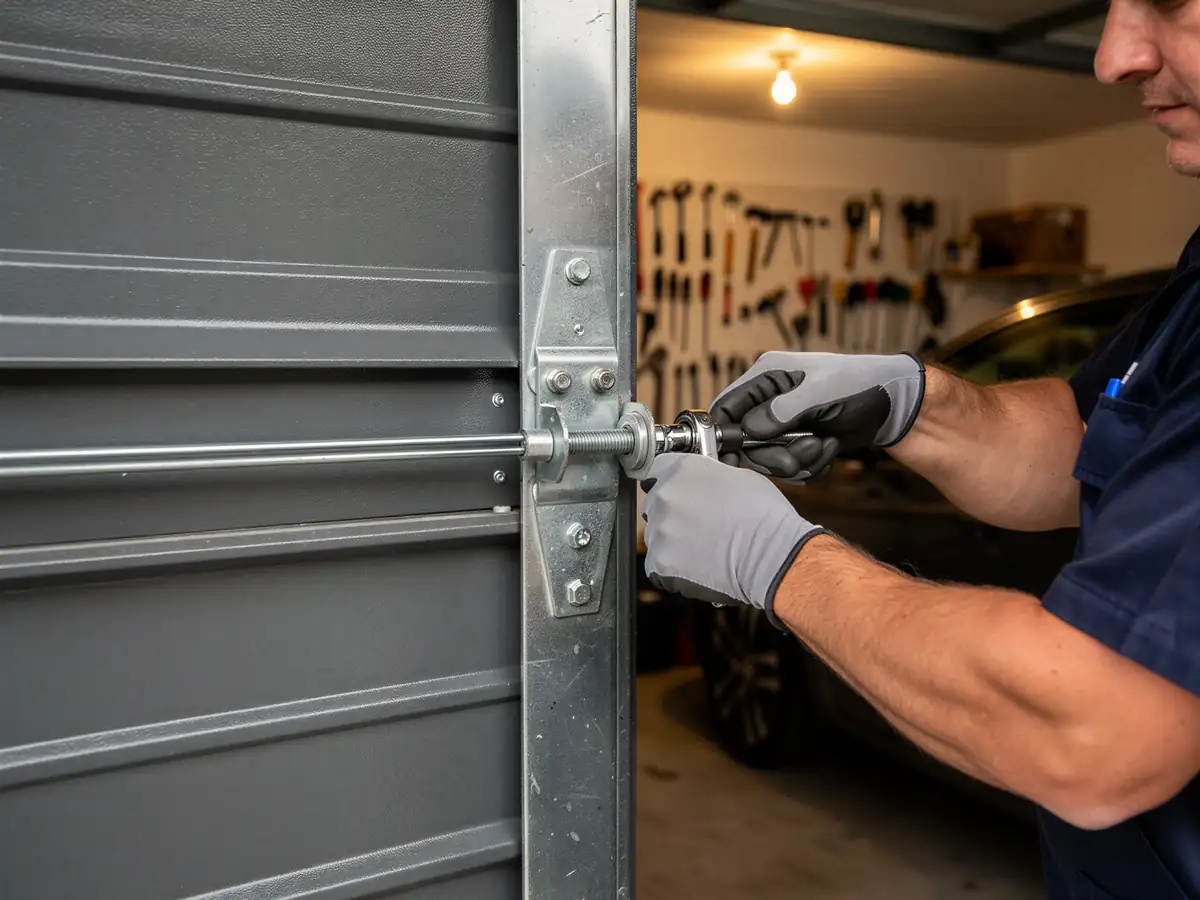
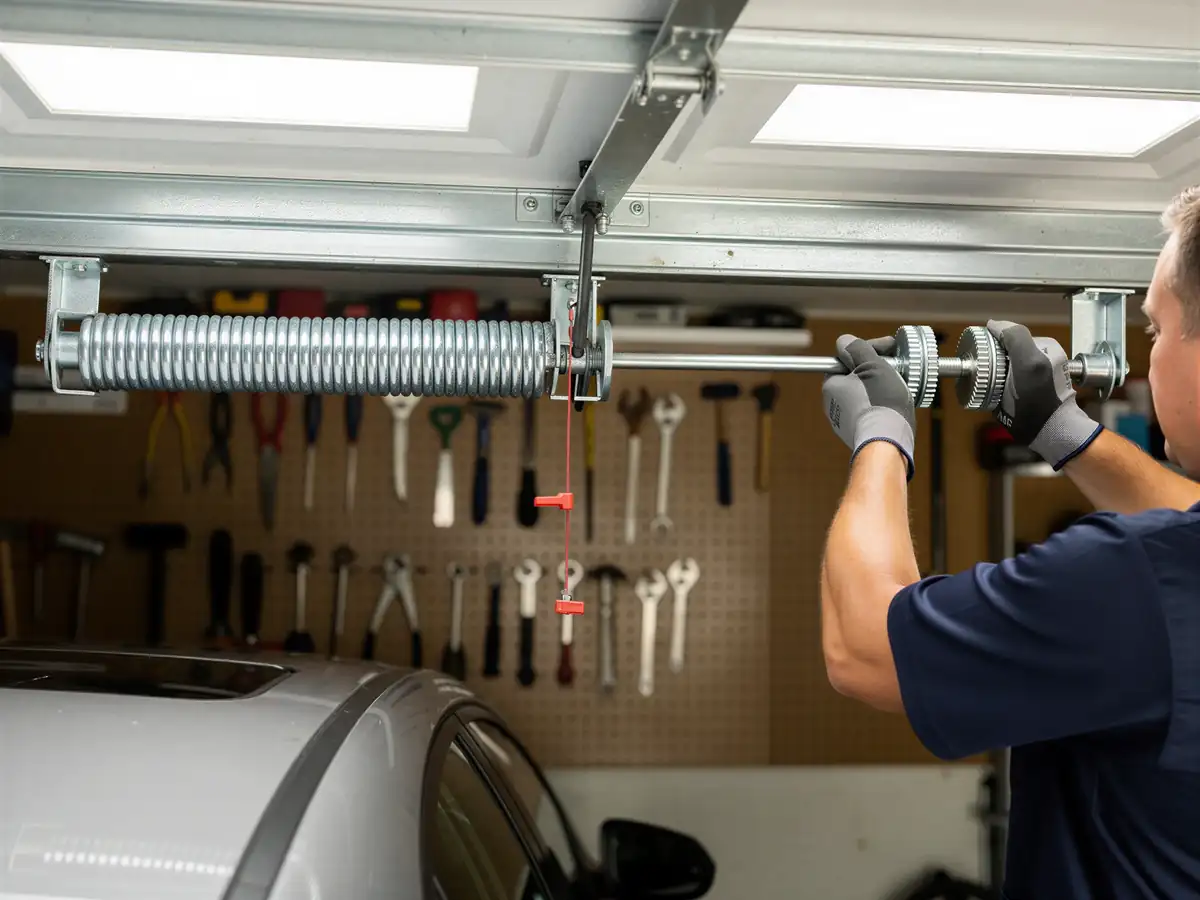
If the opening is close to standard width and the framing is sound, swapping in a new door is a day's work: old door off, track and springs sized to the new panel weight, opener reused or replaced depending on age. If the framing needs correcting - and in homes from this era it sometimes does - that adds time before the door itself ever goes on. We'll tell you up front if that's the case rather than forcing a door into an opening that isn't ready for it.
Why It Happens Here
01
Berkeley's housing stock sits apart from a lot of the broader service area
Across the 59 named areas we work in, the typical build year lands around 1965, with most stock from the 1960s and '70s. Berkeley's median is 1946 - older by nearly two decades. That matters for installation because doors and openings from the 1940s predate a lot of the sizing conventions modern garage doors assume: standard panel heights, opener clearance, even the depth of the jamb itself.
02
The mild temperate climate across the area doesn't put the kind of stress on hardware that humidity or freeze-thaw cycles would elsewhere
So you're not dealing with rusted track or swollen wood panels the way you might in a wetter region. What you are dealing with is age on the structure itself - original headers, original framing, sometimes an opening that was never squared to begin with. A new door exposes that faster than a repair does, because a repair works with what's there and an install has to match a new panel to an old frame.
What Can Go Wrong
The most common surprise on a Berkeley install is an opening that reads close to standard on a tape measure but isn't actually square. On a house built in 1946, framing has had a long time to settle, and a quarter-inch of racking that never mattered to the old door can bind a new one if it's not shimmed and leveled correctly going in.
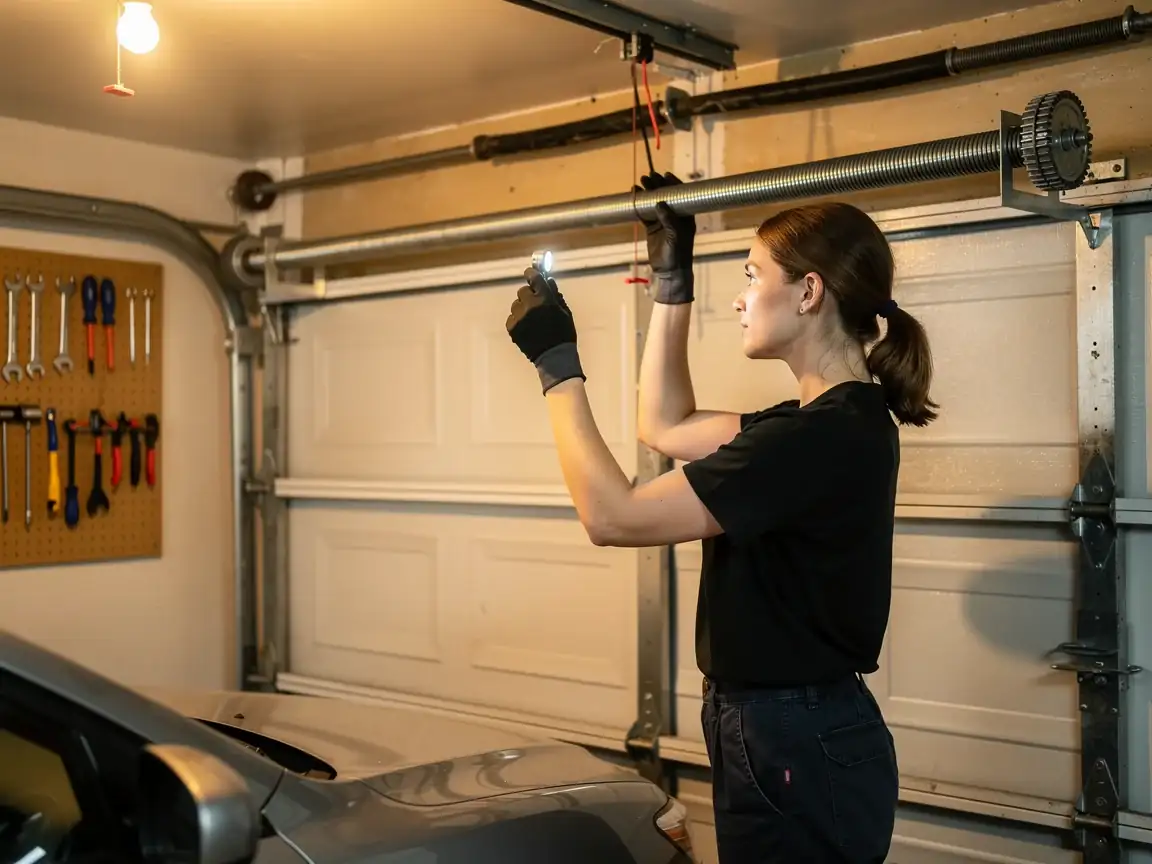
The second issue is the header. Older construction sometimes used lighter framing above the opening than current doors and track hardware are designed to hang from. If the new door is heavier than what's coming out - most insulated steel doors are - that header needs to be checked, and occasionally reinforced, before the new track goes up.
The honest limitation here: we don't do structural carpentry beyond what the door install needs. If an opening needs a full header rebuild or foundation-level correction, that's a separate trade, and we'll say so rather than take on work outside what a door install covers.
Getting It Booked In
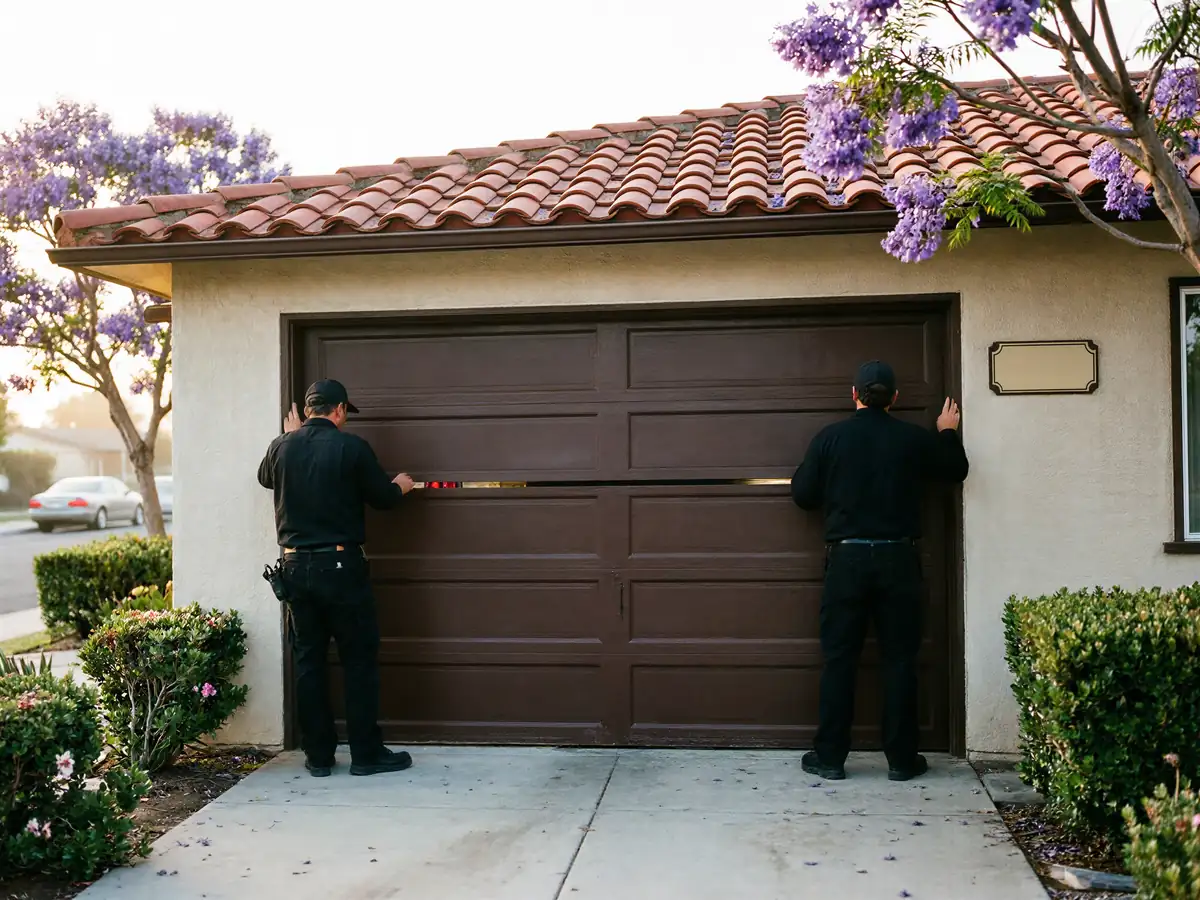
We run installs in Berkeley out of our Oakland location, about eight miles away, so there's no local branch or same-day drop-in - jobs get scheduled, not walked in on. Once we've got the opening dimensions and a sense of the door style you want, we can usually give a window for the install and let you know ahead of time if anything about the framing needs a look before the new door arrives.
Berkeley's median household income runs $108,558, and we see that reflected in what gets asked for: more insulated steel doors, fewer bare single-skin panels, more owners wanting an opener upgrade bundled into the same visit. None of that changes the scheduling - it just means we bring the right stock of hardware options when we come out. See our main page on garage doors in Berkeley, or read more about how we handle installs out of the Oakland shop.
The Symptom
01
If you're looking at a new door rather than a repair
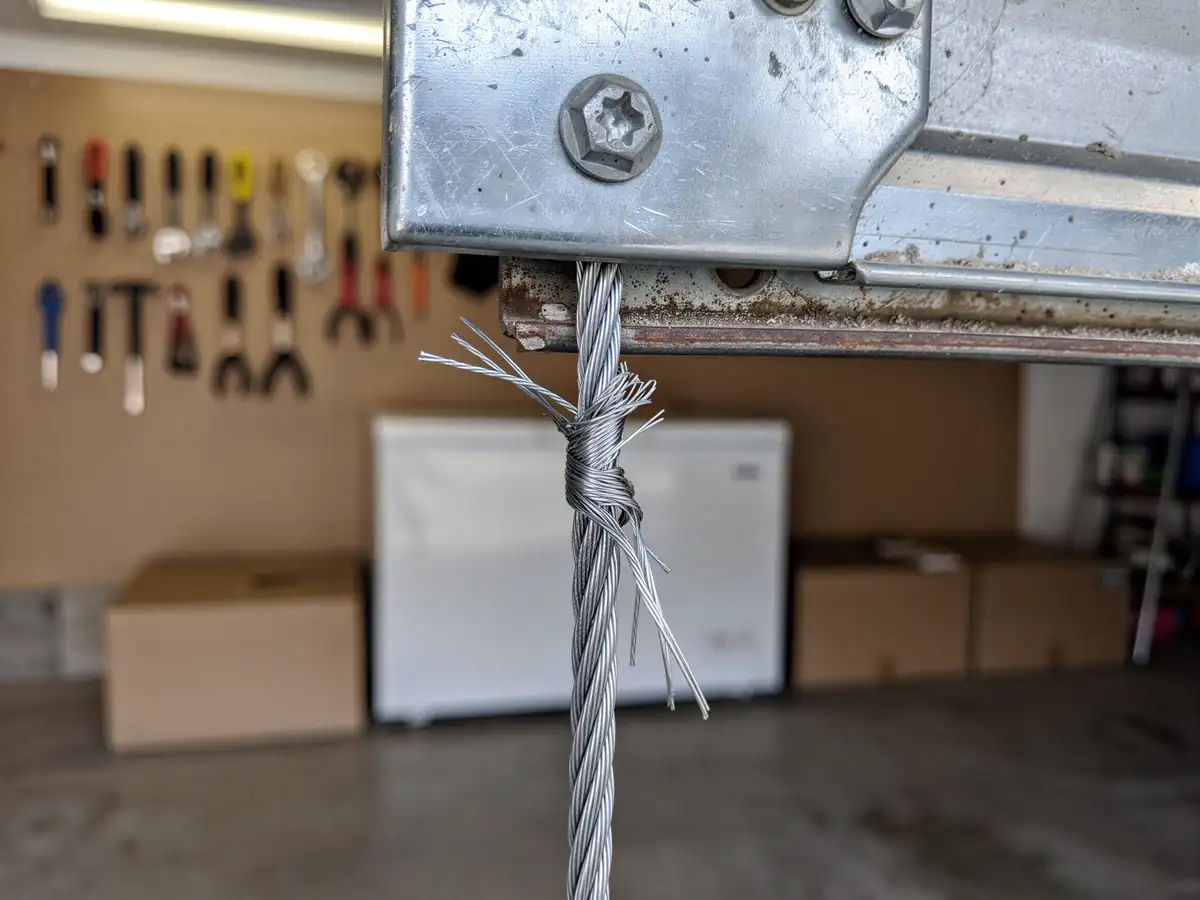
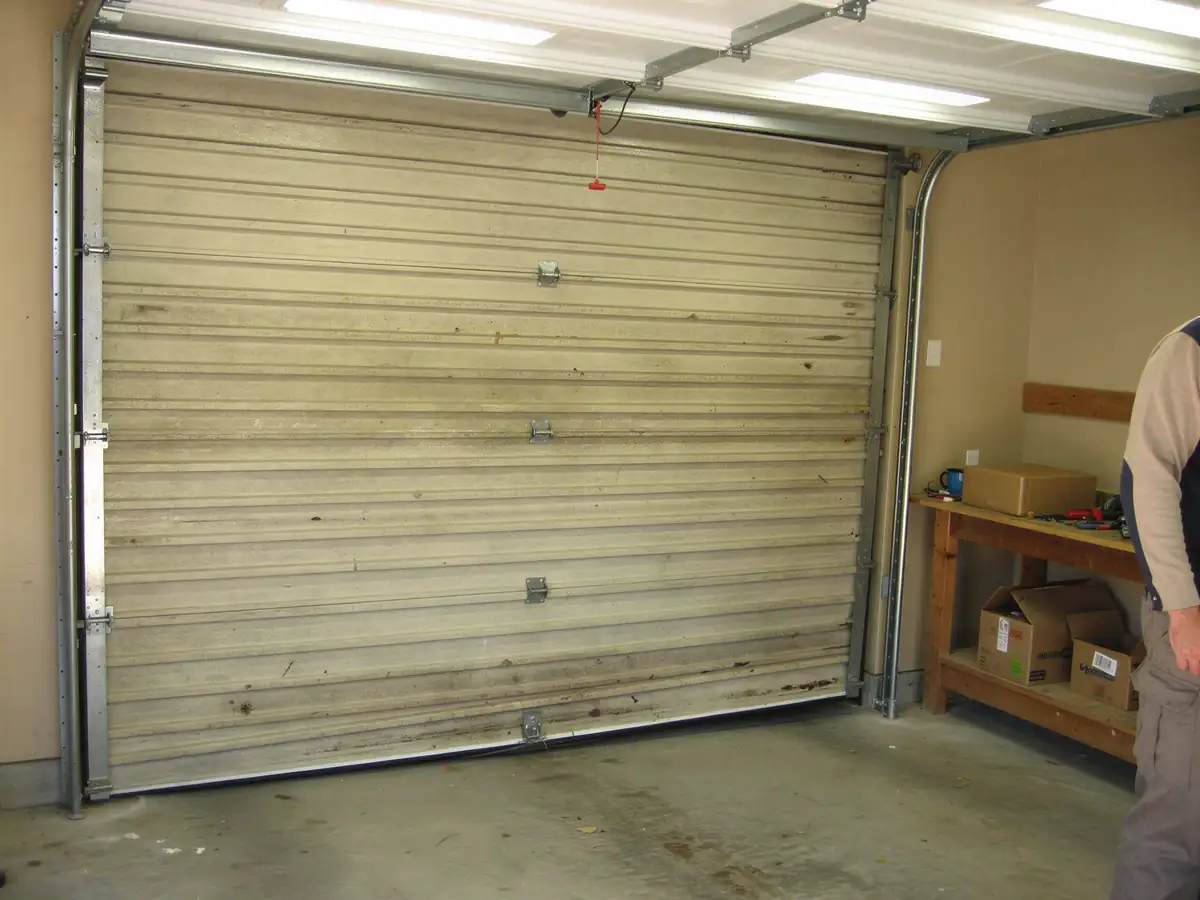
It's usually because the old one has gotten past the point of patching. On a door that's been in an opening since a 1946-era home was built - or even one installed decades later on that original framing - the signs are a track that's worn a groove deeper on one side than the other, a door that drags or binds a few inches off the floor, or panels that have started to separate at the seams.
02
Sometimes it's simpler than that
The door still runs, but it's a single layer of uninsulated steel or wood from an earlier remodel, and the house has moved on while the door hasn't. Either way, the opening itself is the thing to check first in a house this age, not just the door in front of it. We'll tell you plainly if a repair would hold for a few more years or if the frame and door both need attention at once.
How it works
From “it’s stuck” to “it’s fixed”
01
Tell us what’s wrong
Describe the symptom - won’t open, loud bang, opener runs but the door won’t move.
02
On-site diagnosis
A technician tests the door under power and by hand and finds what actually failed.
03
Clear, up-front plan
You get the fix that’s needed and what drives the cost - before any work starts.
04
Repaired & tested
The repair is done, the door is set true and tested, and the work area left clean.
Not sure which repair your door needs in Oakland, CA? Describe what it’s doing - every job starts with a diagnosis.
Straight answers about garage door repair in Oakland. Still unsure? Ask us directly.
Will a new door fit my opening if my Berkeley house was built in the 1940s?
Often, but not automatically. We measure the rough opening for square and plumb before ordering anything, since framing from that era has had decades to settle. Most of the time a standard-width door works fine; occasionally the jamb needs correction first. We'll tell you which situation you're in before any door is ordered.
Do you have a crew based in Berkeley?
No - we install out of our Oakland location, about eight miles away. There's no local branch, so installs are scheduled rather than same-day walk-ins. We'll give you a window once we have your opening measurements and door selection.
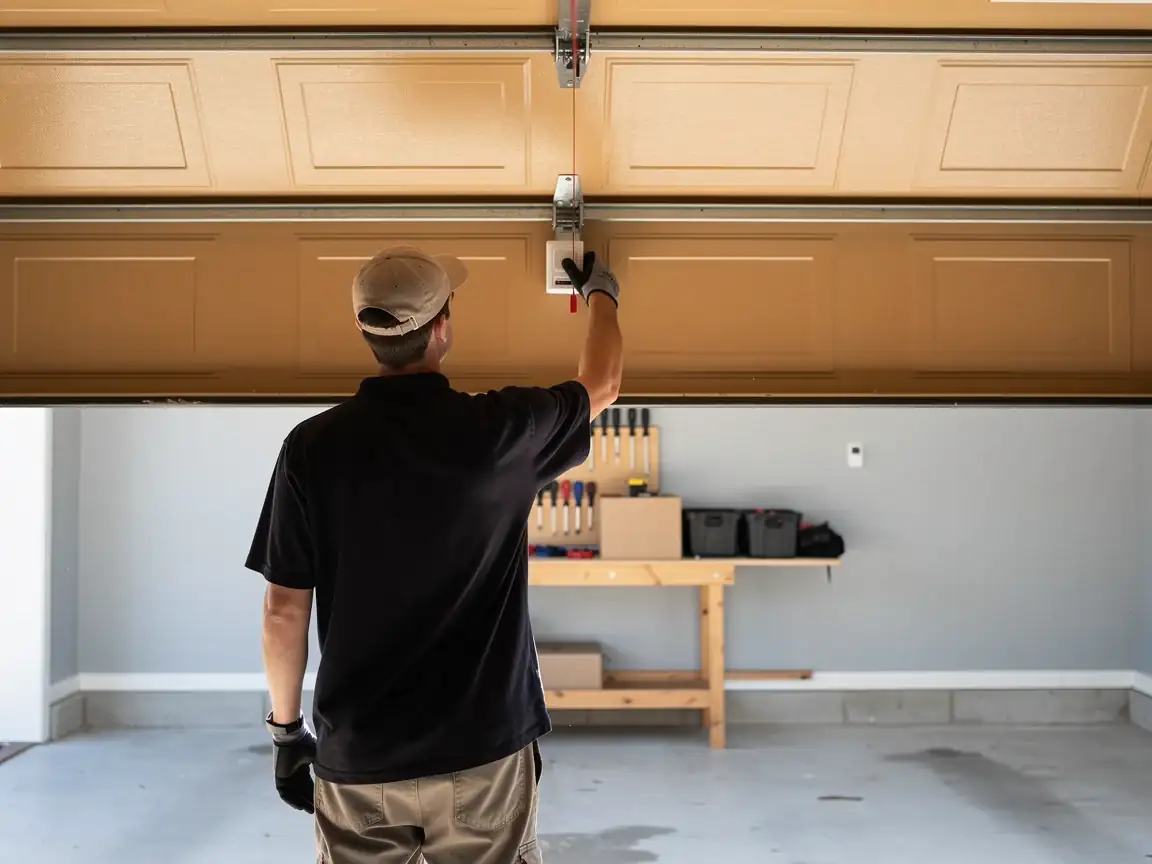
Why does my old door bind partway up the track?
On older framing, a track that's worked loose or an opening that's slightly out of square will cause binding, often worse on one side. It's common on houses from the 1940s where the original jamb has shifted. A new install corrects this by resetting the track square to the opening, not just to the old marks.
Is an insulated door worth it for an older Berkeley home?
Plenty of owners here choose insulated steel over a bare single-skin replacement, especially when updating a door that predates current materials. It won't fix drafts coming from elsewhere in an old opening, but it's a meaningful step up from what's typically coming out of a house this age.