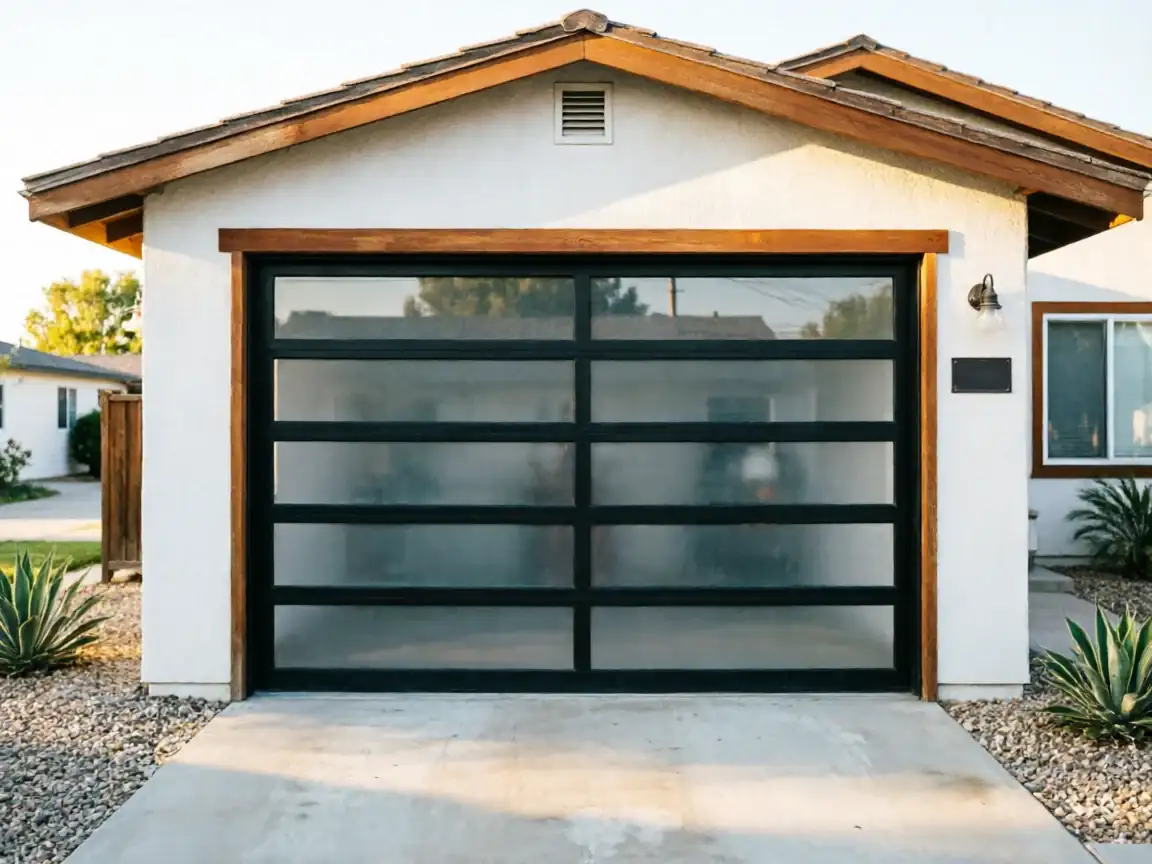
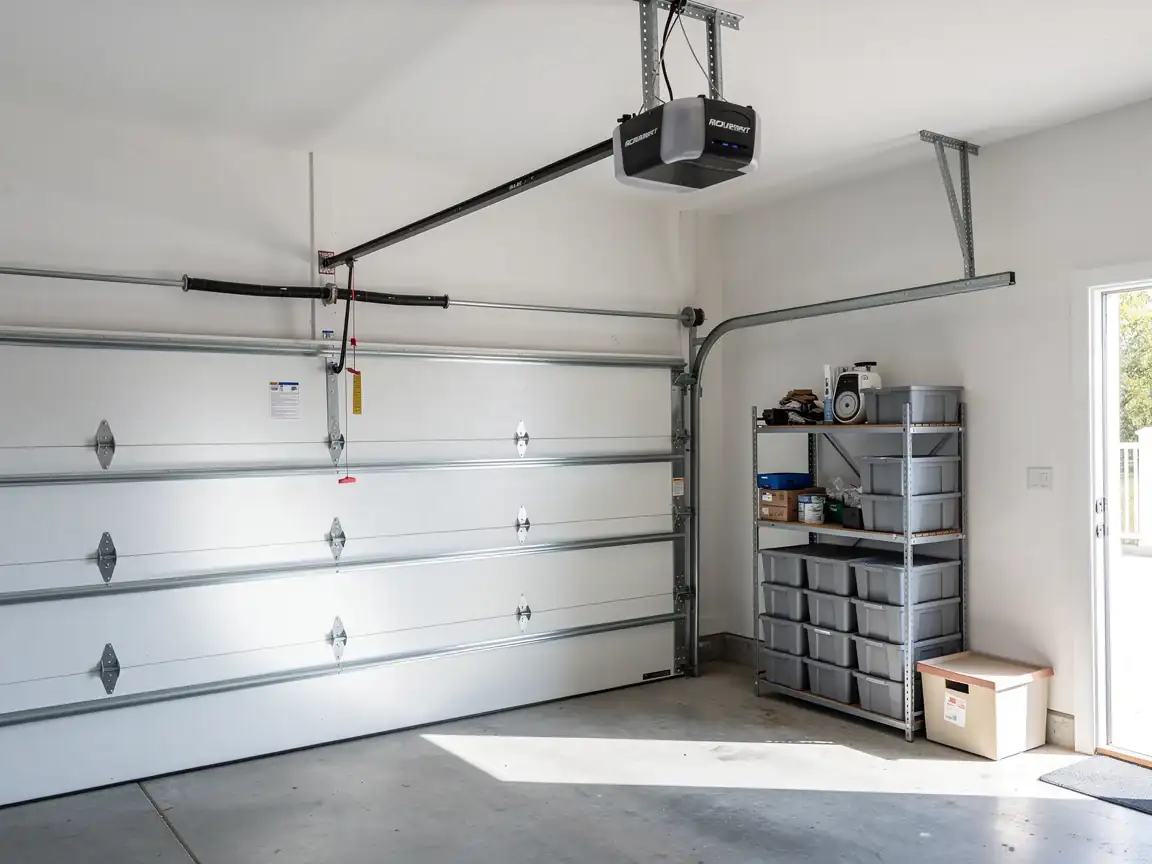
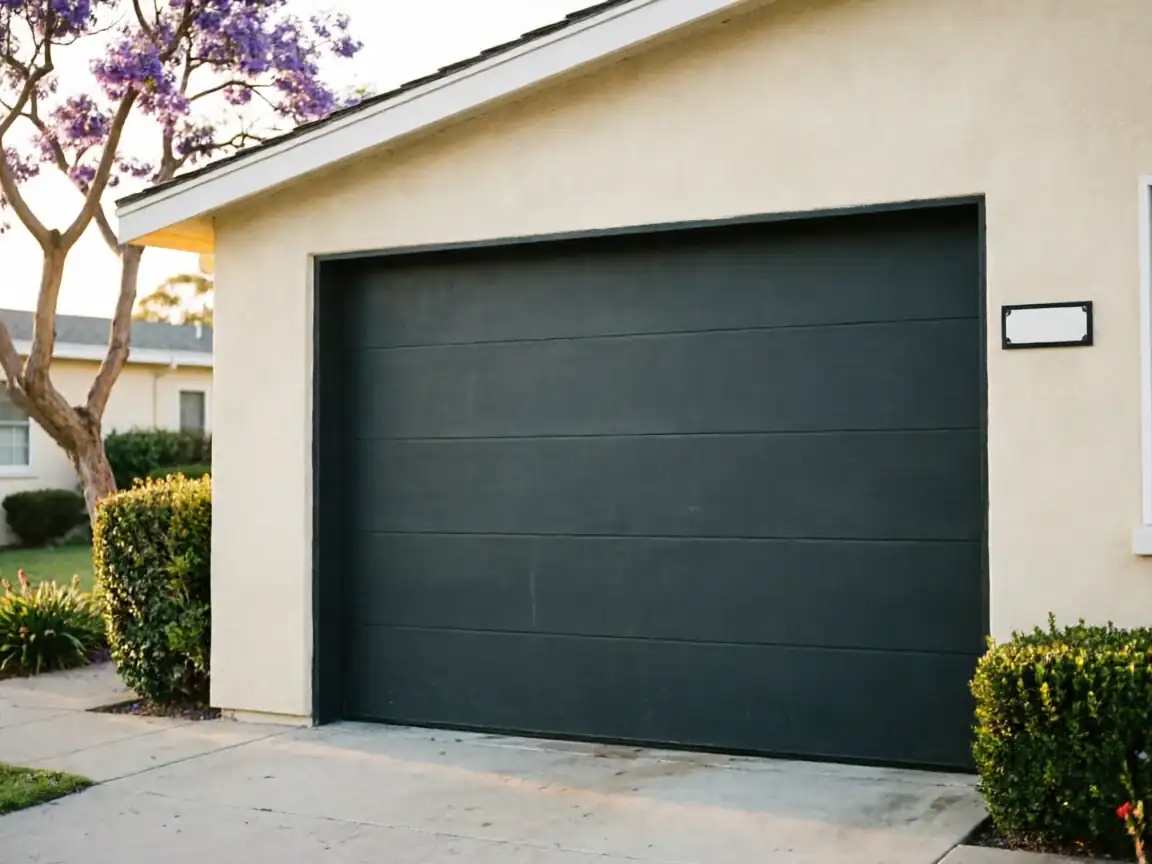
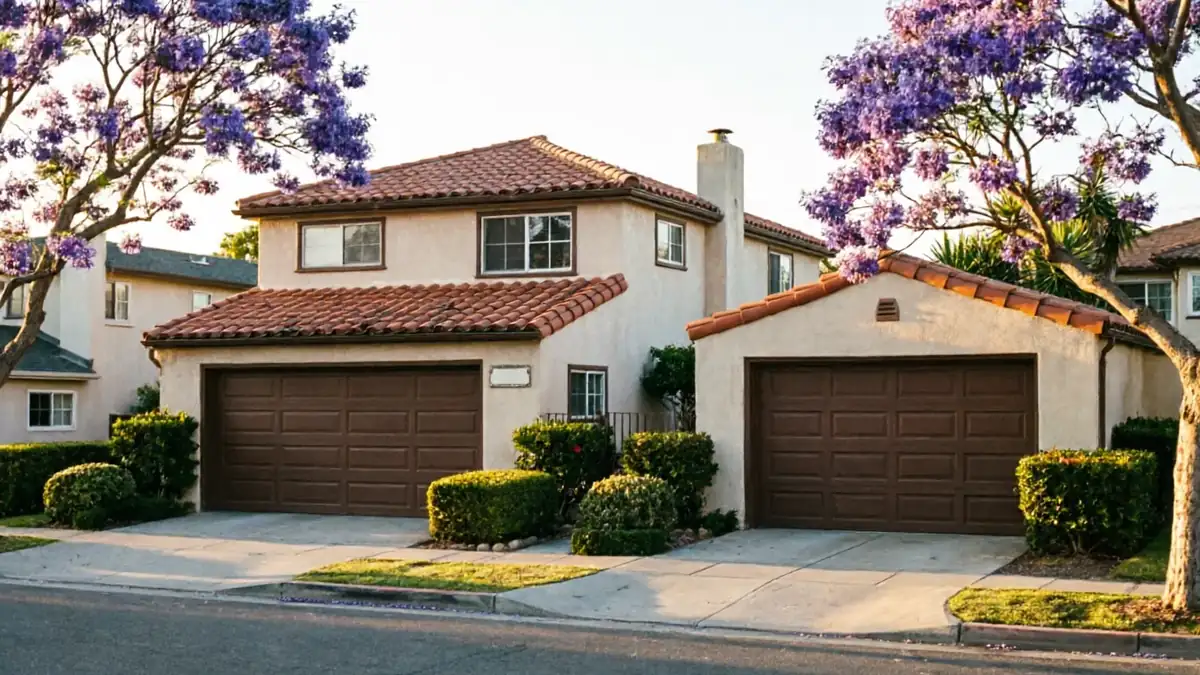
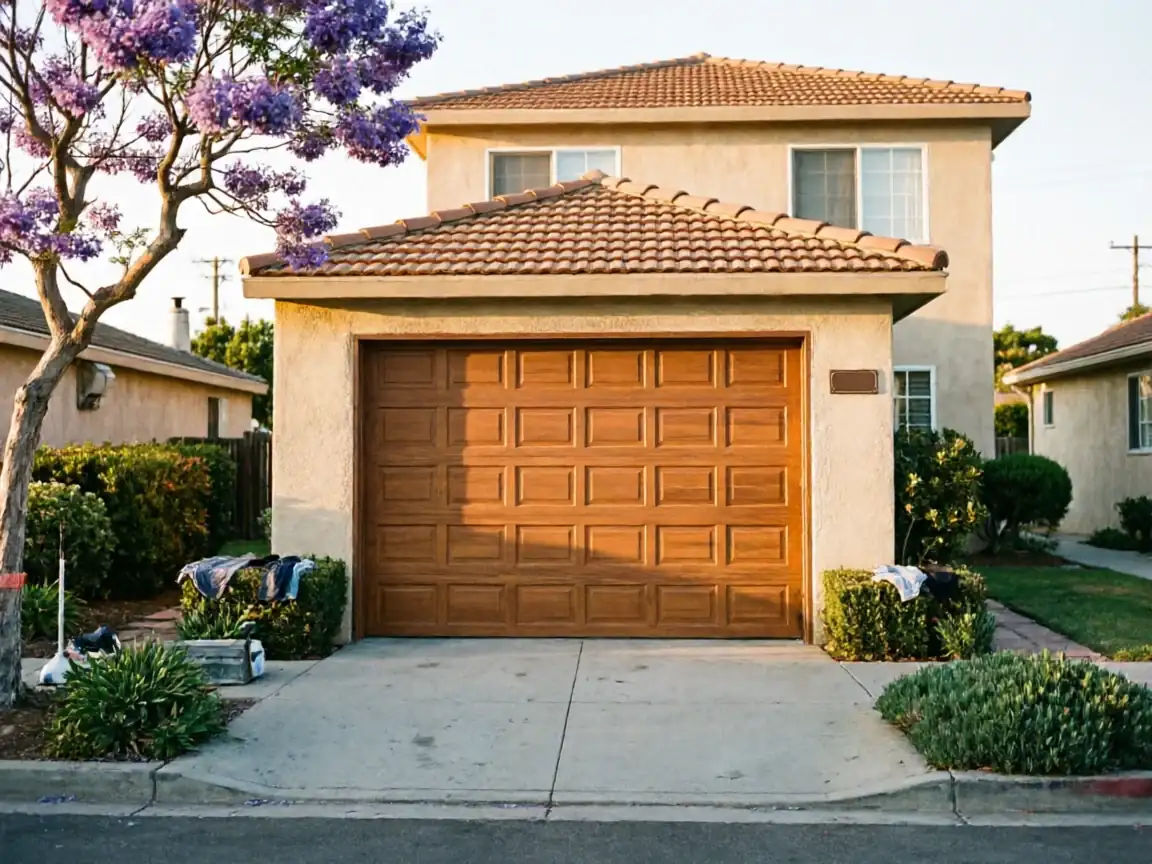
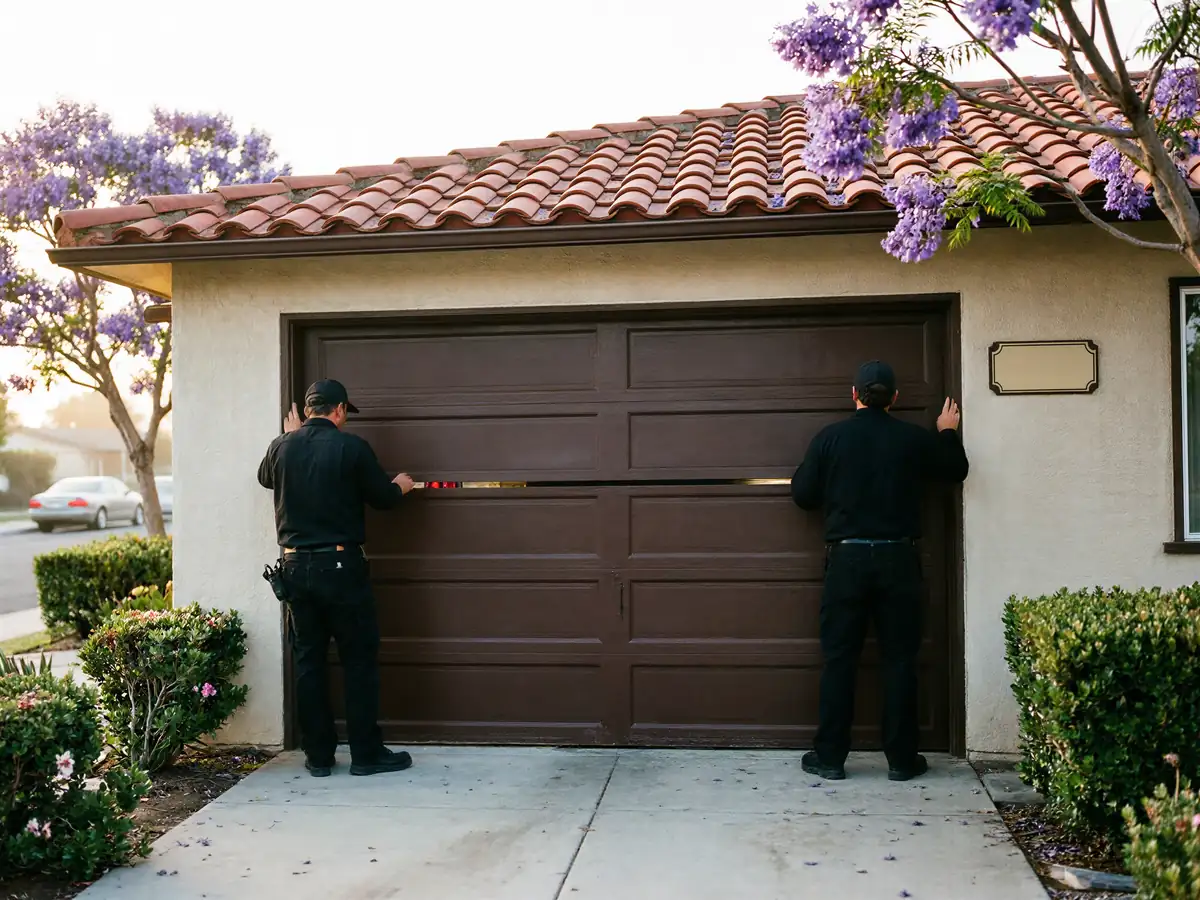
Spring repair for El Cerrito homes built mostly in the mid-1950s. We travel 11 miles from Oakland with the torsion and extension spring sizes this era needs.
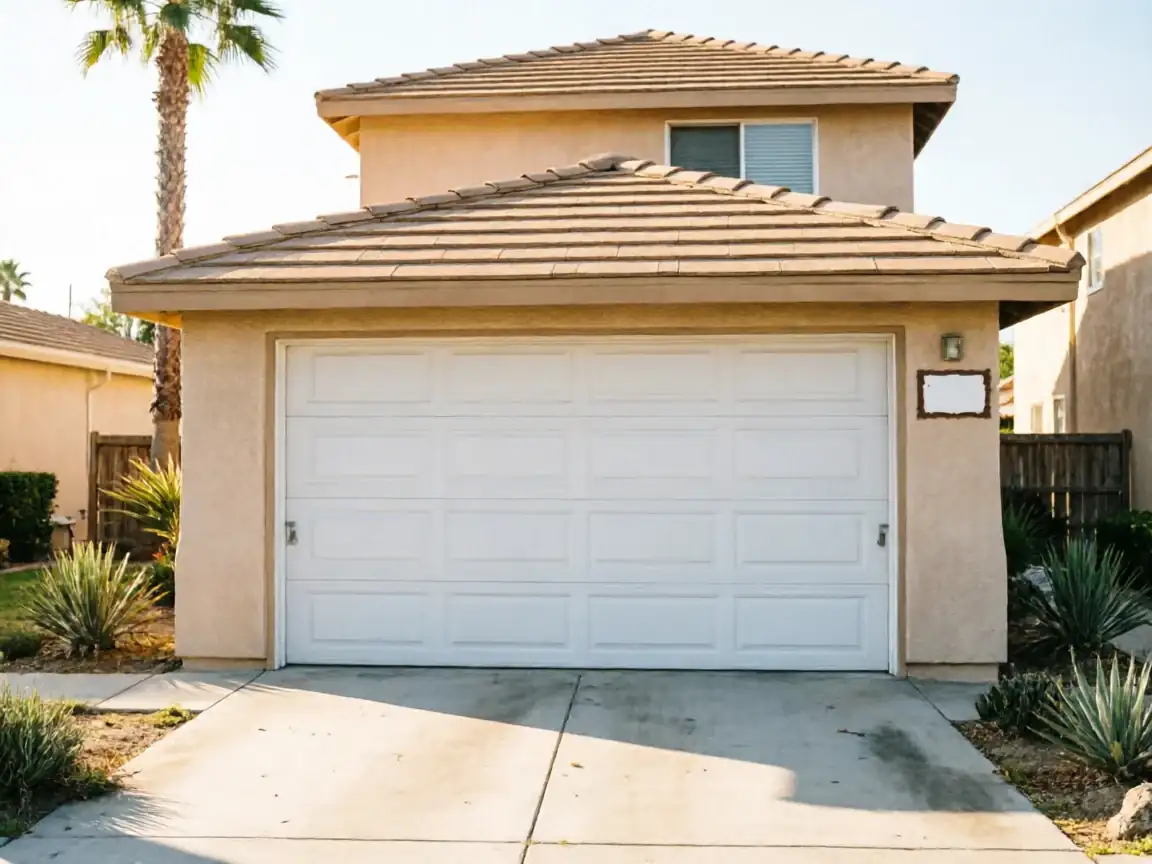
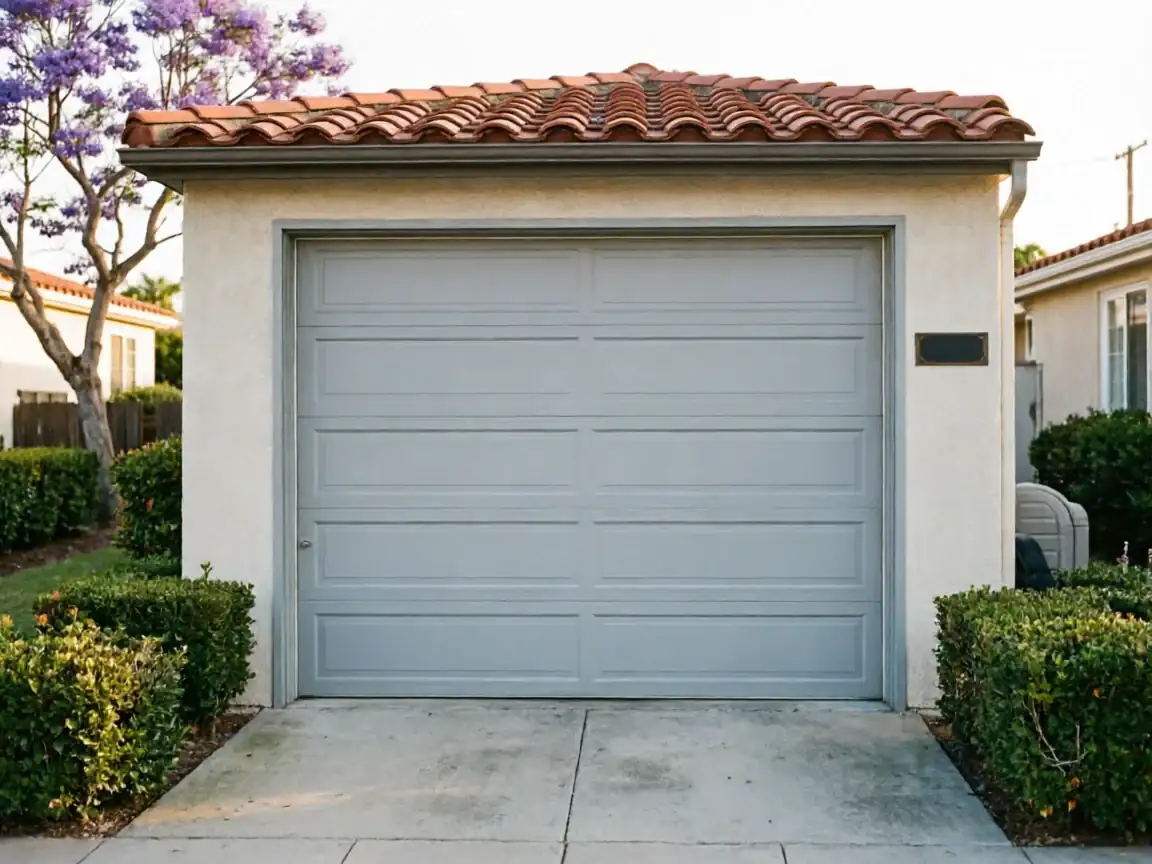
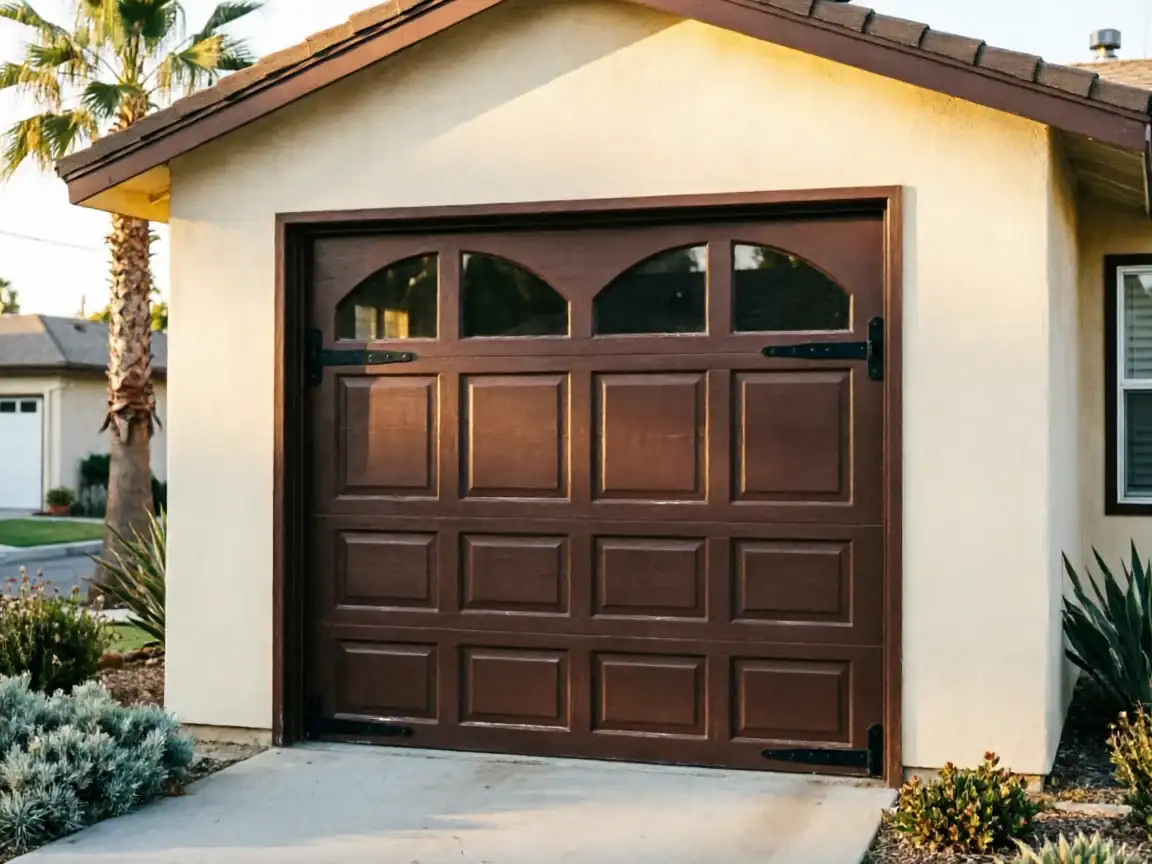
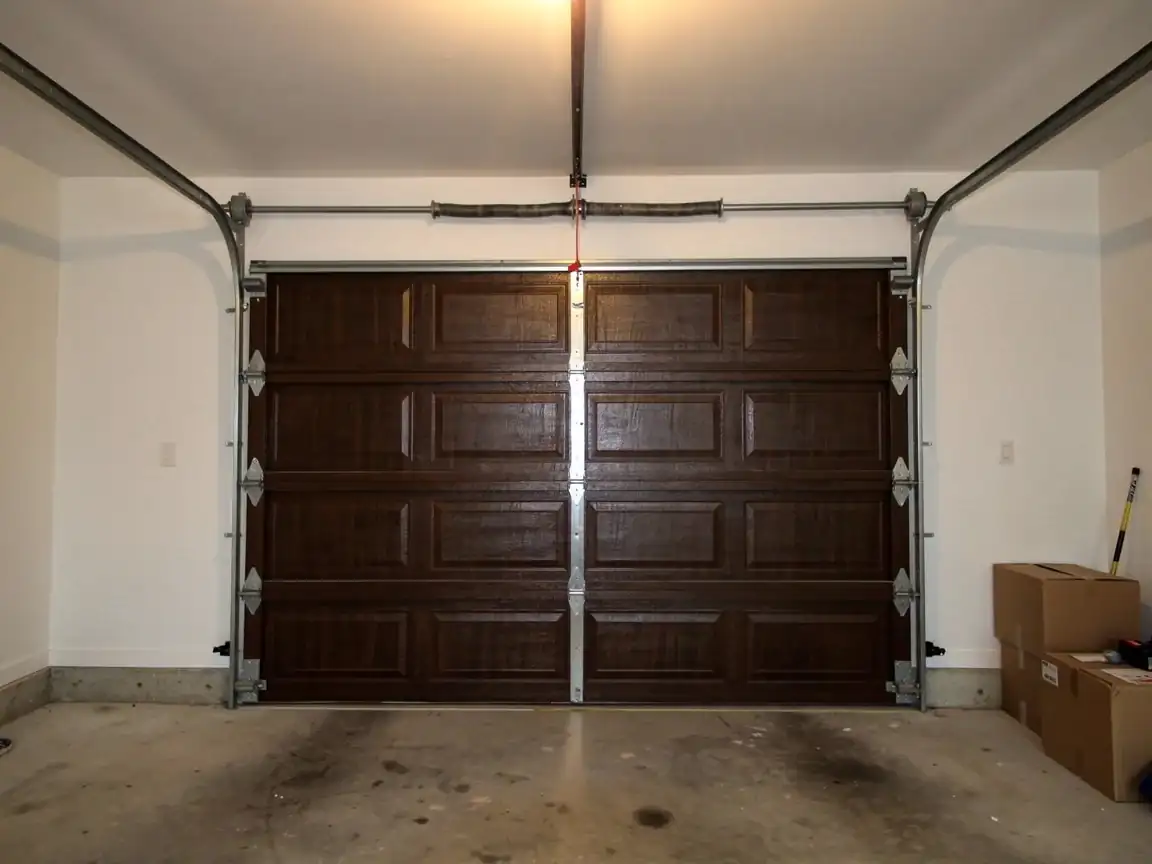
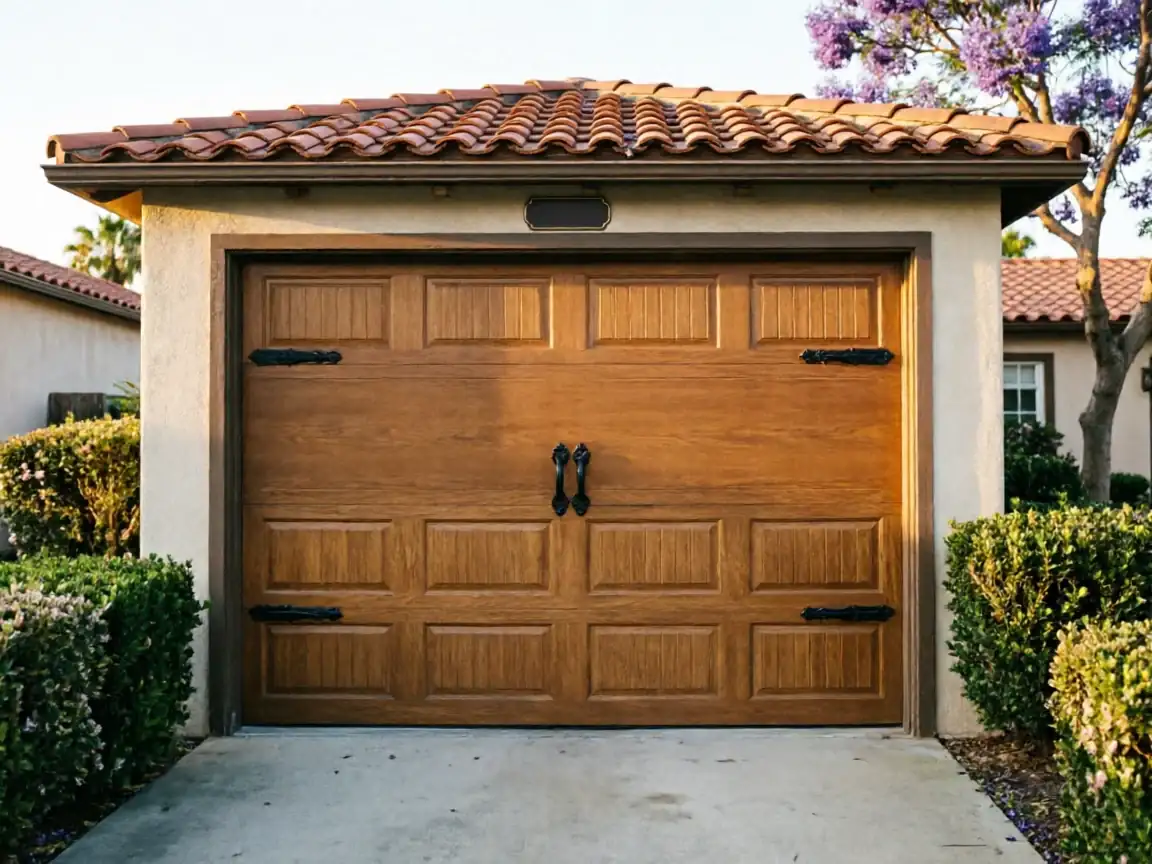
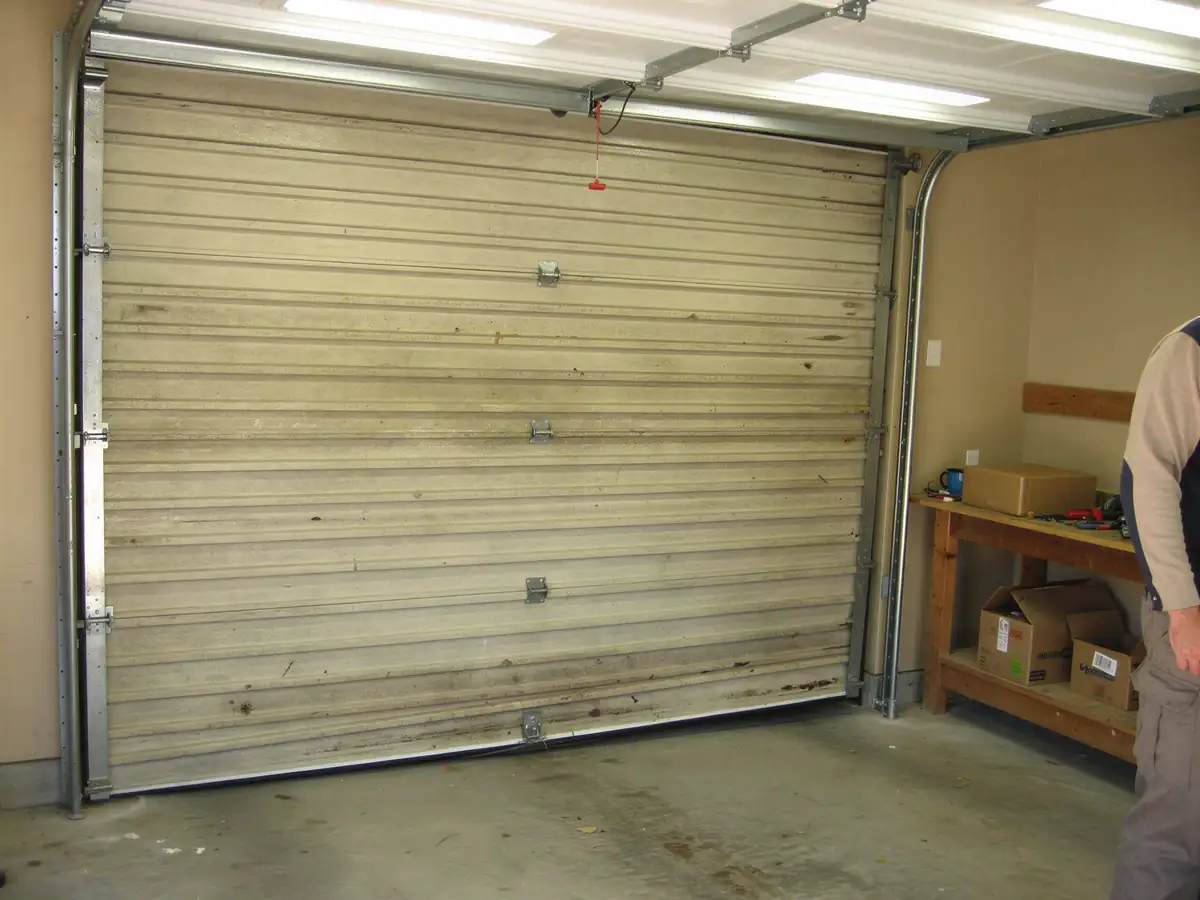
If your house in El Cerrito went up around 1956, which is the median build year for homes here, there's a decent chance the garage door spring system has never been swapped out. Steel fatigues whether anyone touches it or not, and a torsion spring wound in the mid-20th century has had seven decades of cycles to get there. The usual sign is a door that won't budge past a foot before the opener strains, or a door that slams down the last few inches because the spring stopped carrying its share of the weight. Some owners hear the bang first - a spring letting go sounds like a gunshot in a closed garage, and it's startling but not dangerous if the cable drum does its job. What you don't want to do is keep running the opener against a dead spring. That burns out the motor, and then you're paying for two repairs instead of one. If the door body itself looks original too - heavy steel, no insulation layer, simple seam pattern - that's consistent with the 1950s stock common in this part of town, and it usually means the hardware bolted to it is original as well.
Parts We Carry
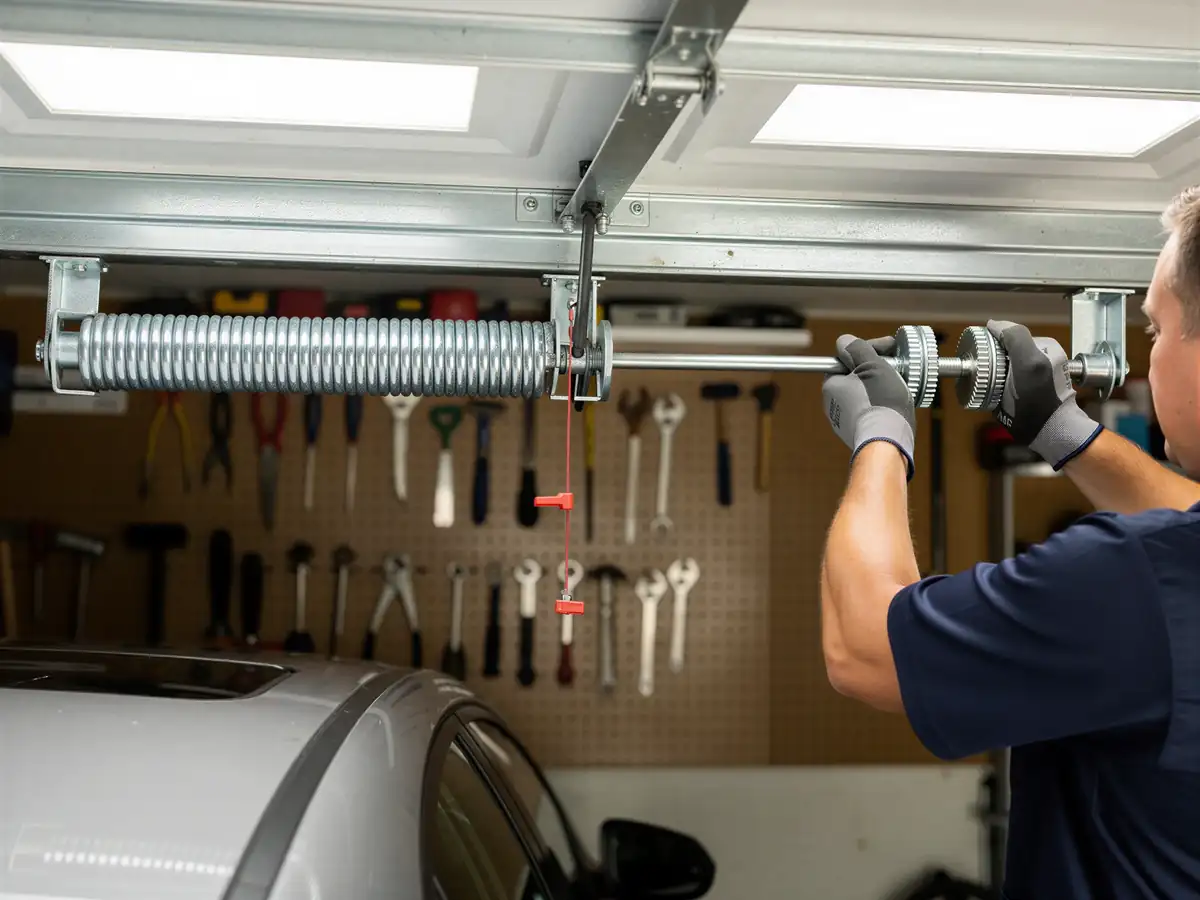
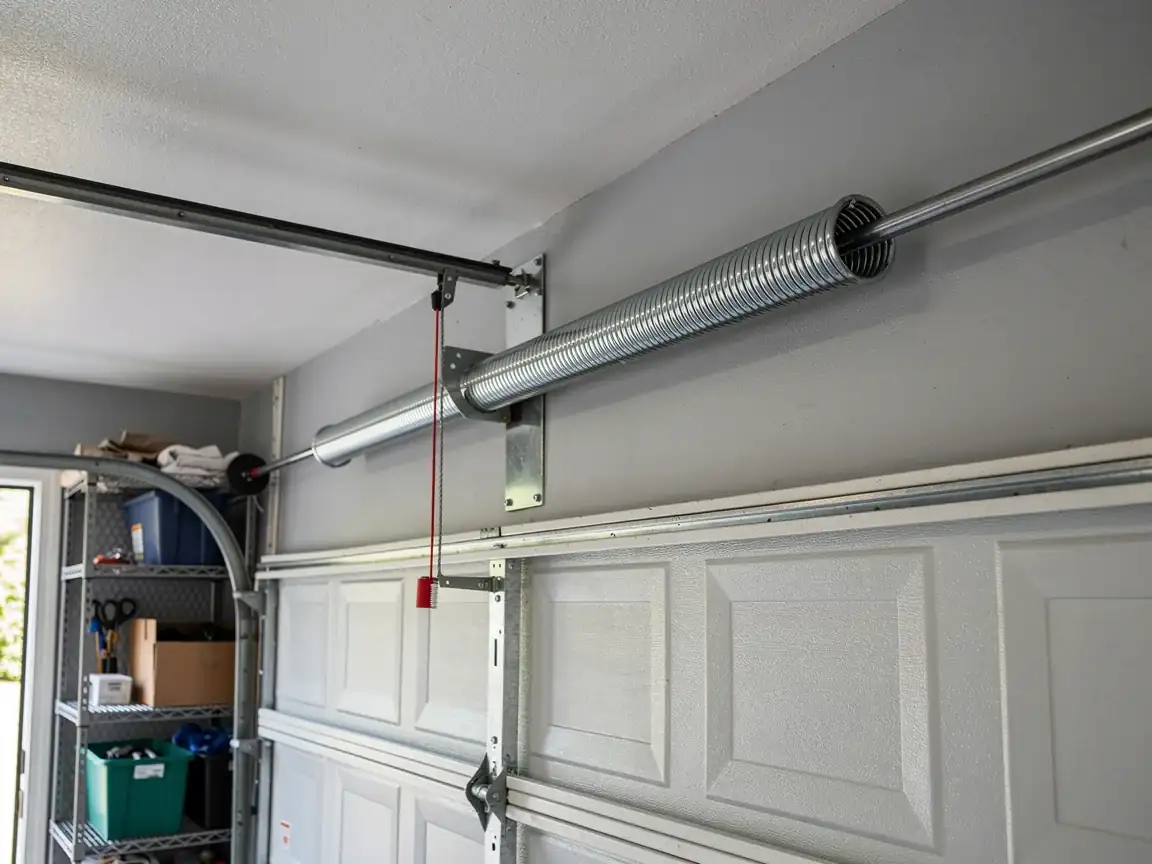
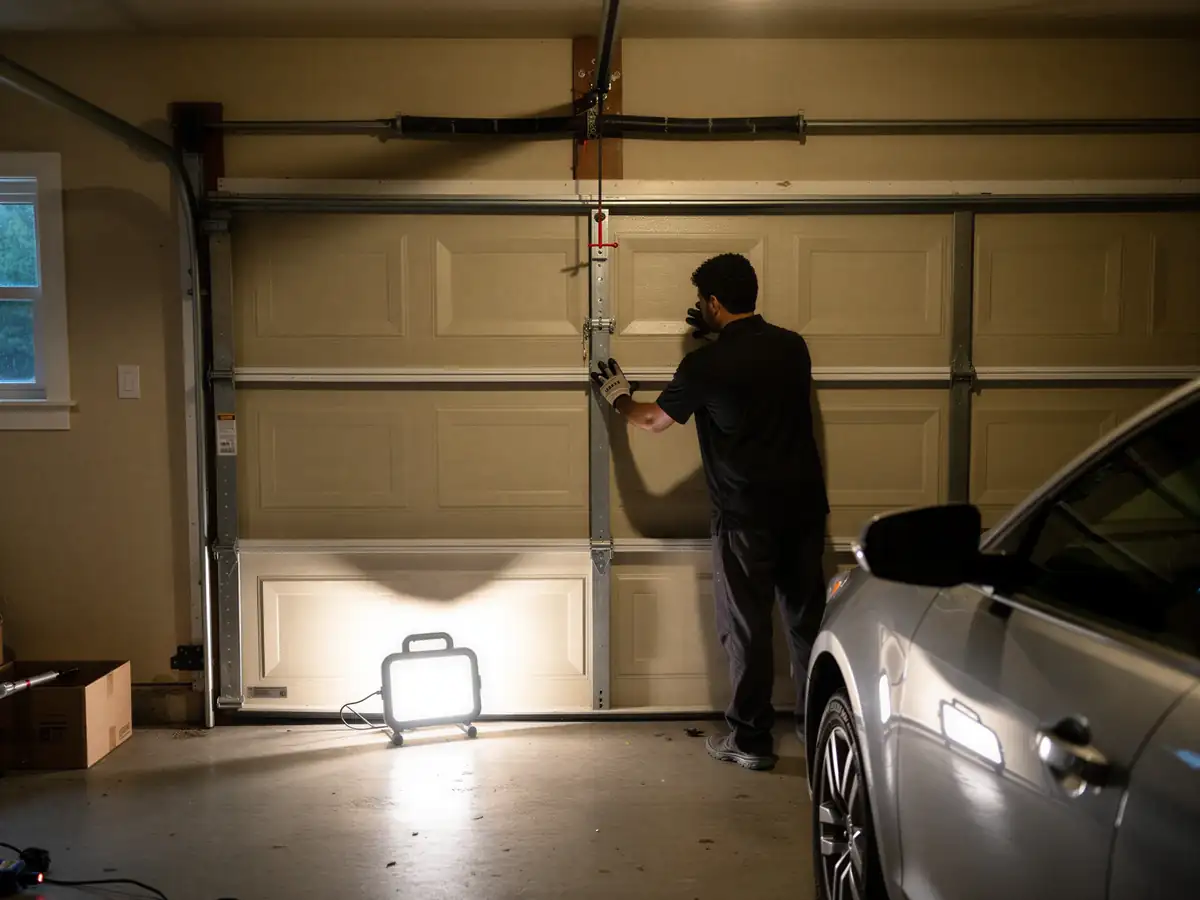
A house built in the mid-1950s was almost certainly fitted with a single torsion spring on a center bracket, or in some cases a pair of extension springs running along the horizontal tracks. Both setups show up across El Cerrito's older streets. We carry standard torsion springs in the wire gauges and wind lengths that match that era's single-car and double-car openings, plus extension springs with the safety cables that later became code - a detail a lot of the original installs are missing entirely, since those cables weren't standard practice when these doors went in. We also stock the drums, bearing plates and cable sets that tend to fail alongside an old spring, because replacing one and leaving a worn bearing in place just means a second call in a year. What we don't stock on the truck is oddball custom-length torsion springs for unusual door heights - those get special-ordered, and that's the one piece of this job that can add a day or two.
Why It Happens Here
El Cerrito sits in the same mild temperate band as the rest of the Oakland service area, so you're not getting the freeze-thaw cycling that snaps springs early the way it does in colder climates. That actually works against homeowners here in one way: without a hard winter forcing a failure and a fix, springs just age quietly on houses where nothing else has ever flagged a problem. A spring rated for roughly 10,000 cycles doesn't care about weather - it counts openings and closings, and a door that's gone up and down twice a day since 1956 has put a lot of miles on original hardware. Across the broader area, median household income runs higher than it does here specifically, and spring replacement tends to get deferred on the lower side of that range until the door fails outright rather than being swapped as preventive maintenance. That's not a criticism - it's just why we see more full failures than early replacements in town.
How Long It Takes
A standard torsion or extension spring swap on a door without hidden surprises is a same-visit job once we're on site - the labor itself is measured in an hour or so, not a day. What stretches the timeline is the travel and the parts call. We run out of Oakland, about 11 miles from El Cerrito, so scheduling is built around routing rather than a local depot, and that's worth knowing up front - we're not the outfit with a truck already parked two streets over. If your door needs a non-standard spring size because of an unusual height or an older custom frame, that part may need to be ordered, which adds time before we can close out the job. We'll tell you on the first look whether your spring is a stock size or a special order, so there's no guessing.
What the Repair Takes
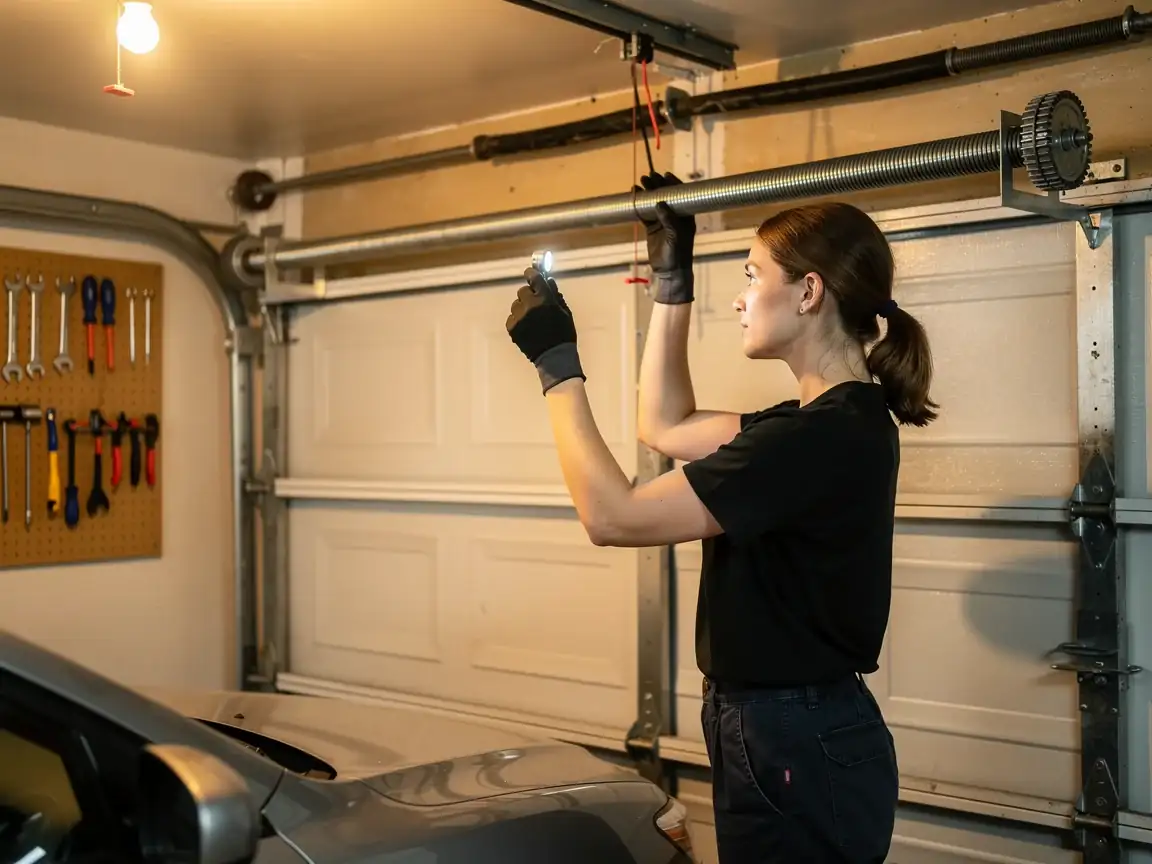
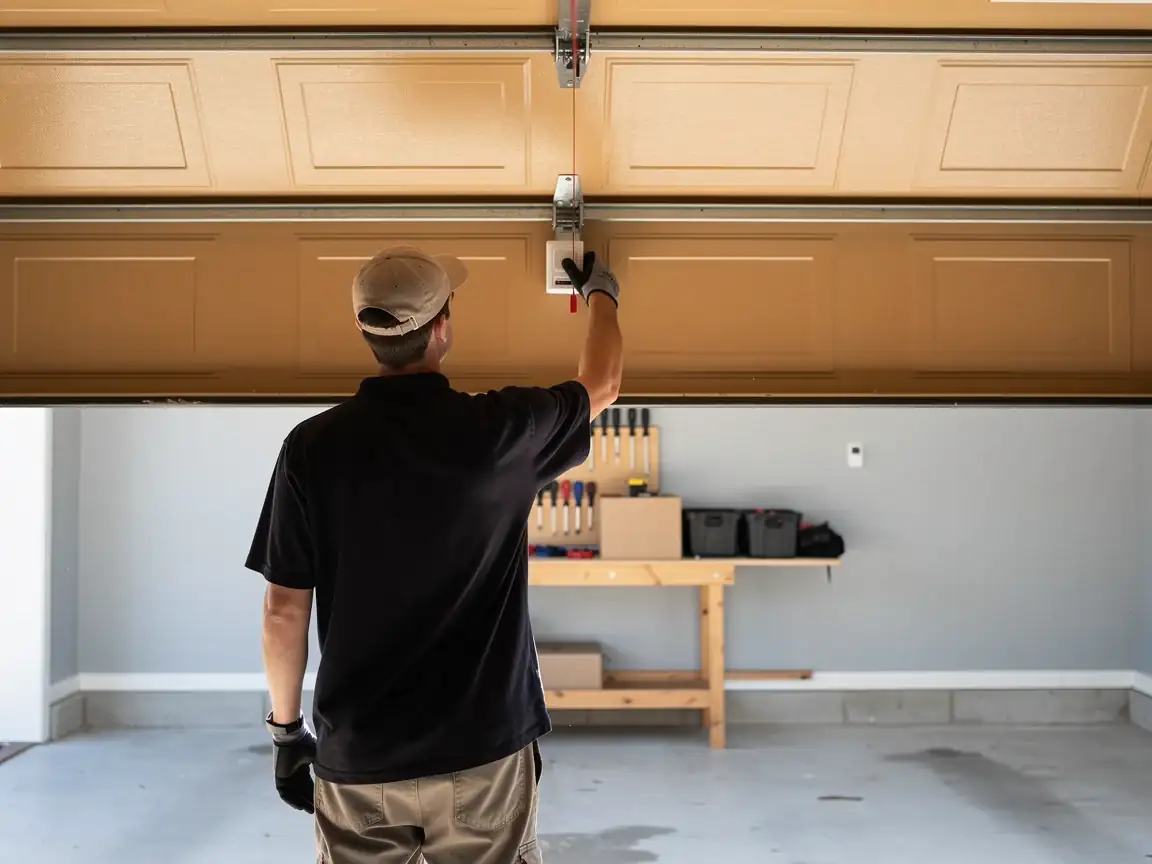
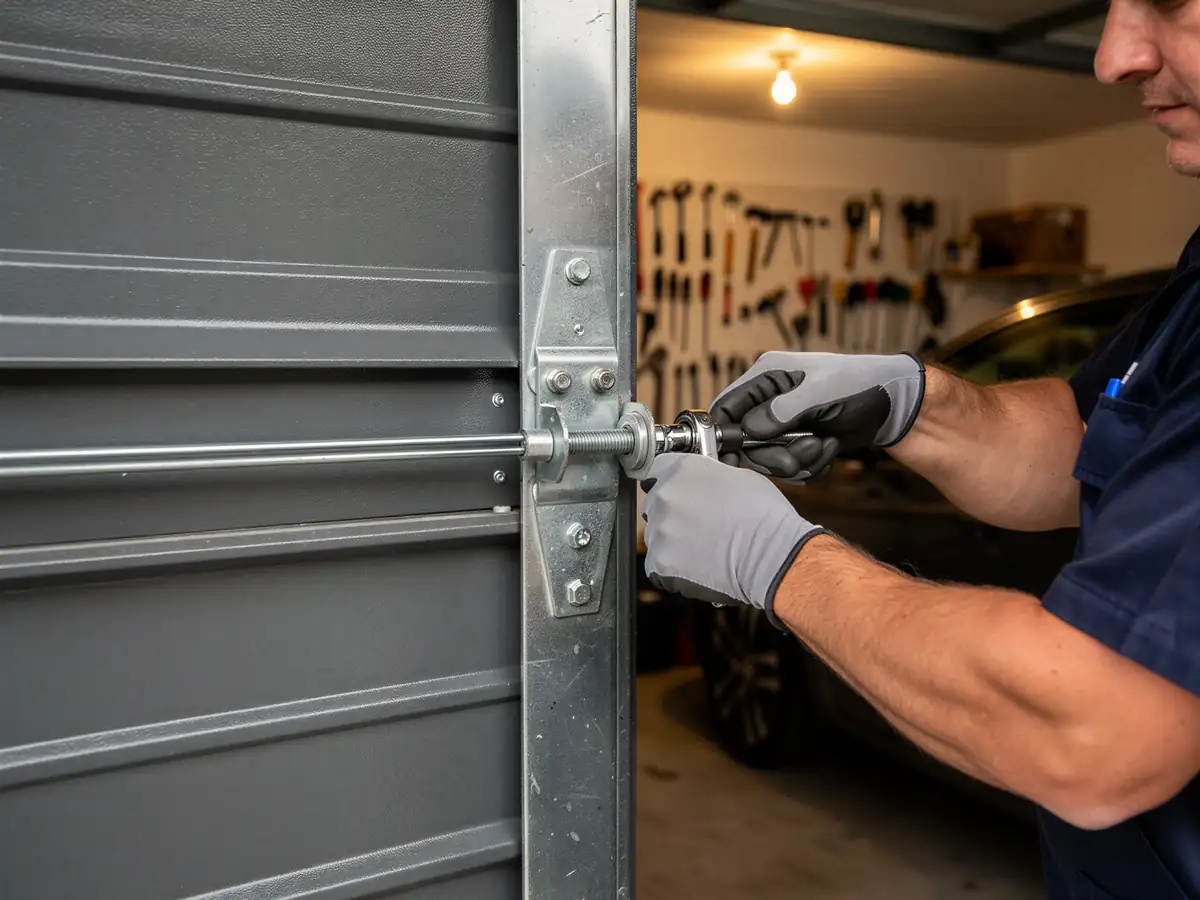
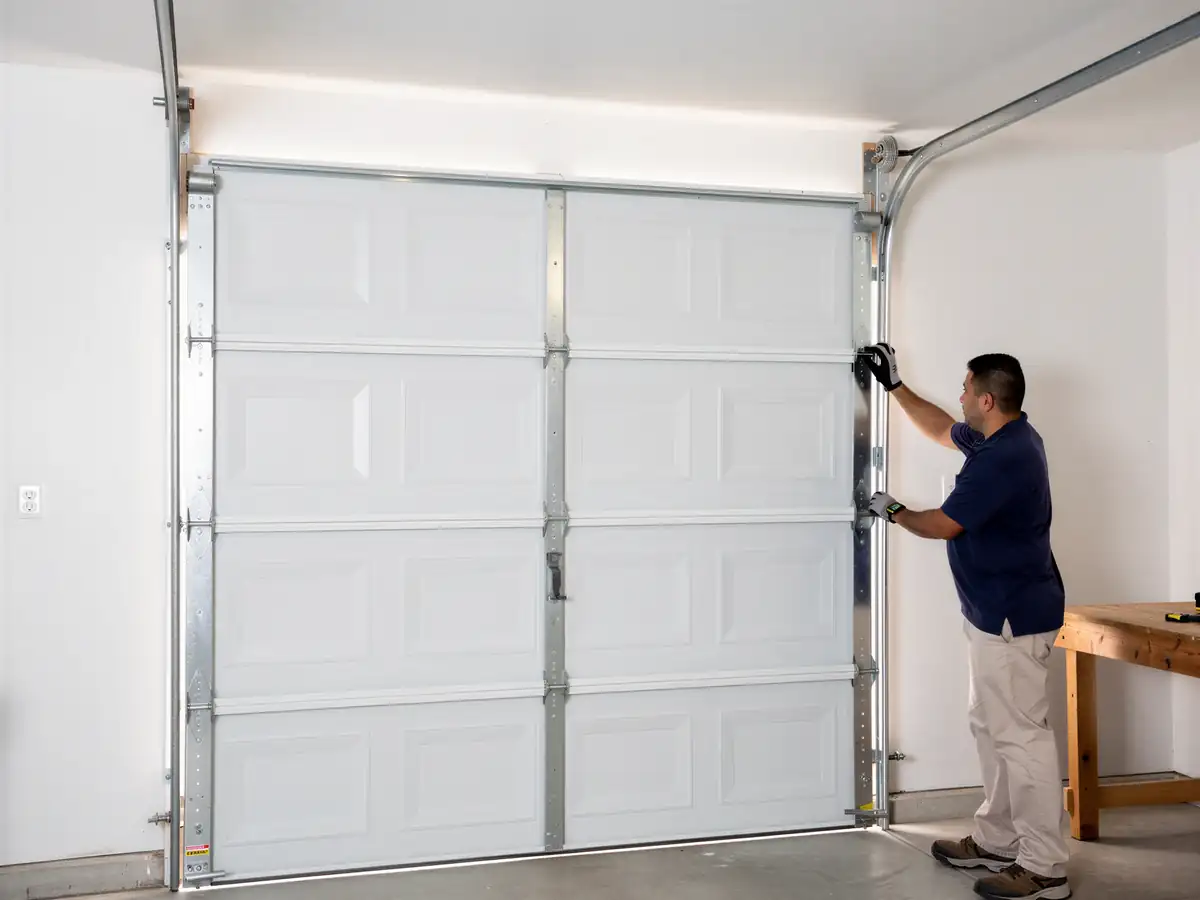
Replacing a spring means releasing the tension on the old one safely, pulling the worn spring and drums, checking the cables and bottom brackets for wear, and winding the new spring to the correct turns for your door's weight. On a house this age, we also check whether the original hardware was ever upgraded to a safety cable system, since a lot of 1950s installs predate that becoming standard, and we'll flag it if yours hasn't. What we won't do is sell you a full door replacement when a spring and a bearing plate solve the problem - if the panels and track are sound, there's no reason to replace what isn't broken. The honest limitation here: if the opener has already been run hard against a dead spring, the motor may be the next thing to go, and that's a separate conversation once the spring is sorted.
How it works
From “it’s stuck” to “it’s fixed”
01
Tell us what’s wrong
Describe the symptom - won’t open, loud bang, opener runs but the door won’t move.
02
On-site diagnosis
A technician tests the door under power and by hand and finds what actually failed.
03
Clear, up-front plan
You get the fix that’s needed and what drives the cost - before any work starts.
04
Repaired & tested
The repair is done, the door is set true and tested, and the work area left clean.
Not sure which repair your door needs in Oakland, CA? Describe what it’s doing - every job starts with a diagnosis.
Straight answers about garage door repair in Oakland. Still unsure? Ask us directly.
How do I know if it's the spring and not the opener?
If the door feels heavy when you lift it by hand with the opener disconnected, or it won't stay open on its own partway up, that points to the spring, not the motor. A failing opener usually still lifts the door slowly rather than refusing outright.
Is it normal for a 1950s house to still have the original spring?
It's common. El Cerrito's housing stock centers on 1956, and unless a previous owner had a failure or did a full door replacement, the original torsion or extension springs are often still on there, well past typical service life.
Do you carry parts on the truck or do you need to order them?
Standard torsion and extension springs for typical door sizes are stocked and installed same visit. Non-standard lengths for unusual door heights sometimes need to be special-ordered, which we'll confirm on the first look.
Why does the spring matter for safety cables?
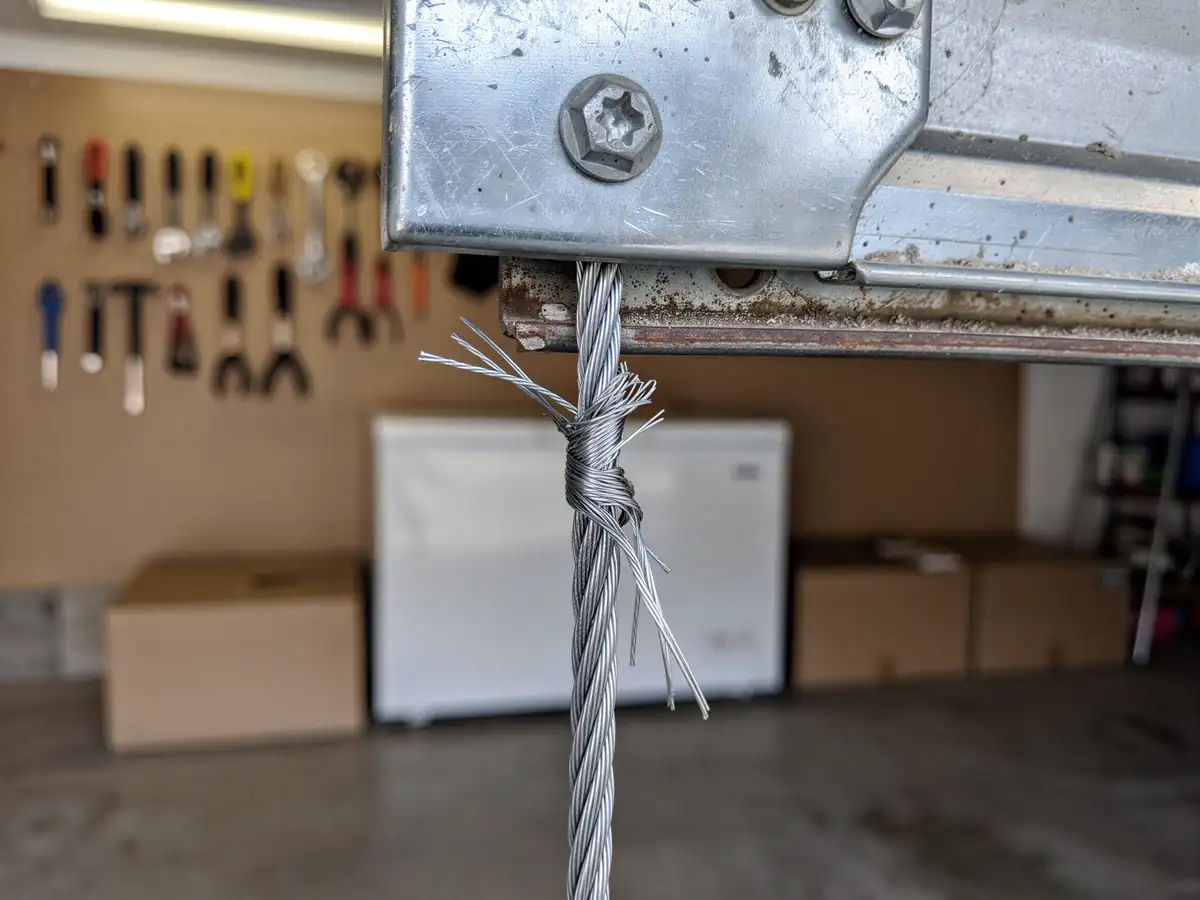
Older extension spring setups installed before safety cables were standard can let a broken spring whip loose instead of staying contained. We add the cable when it's missing, since it's a cheap fix against a real hazard.