Garage Door Service for El Cerrito's 1956-Era Housing Stock
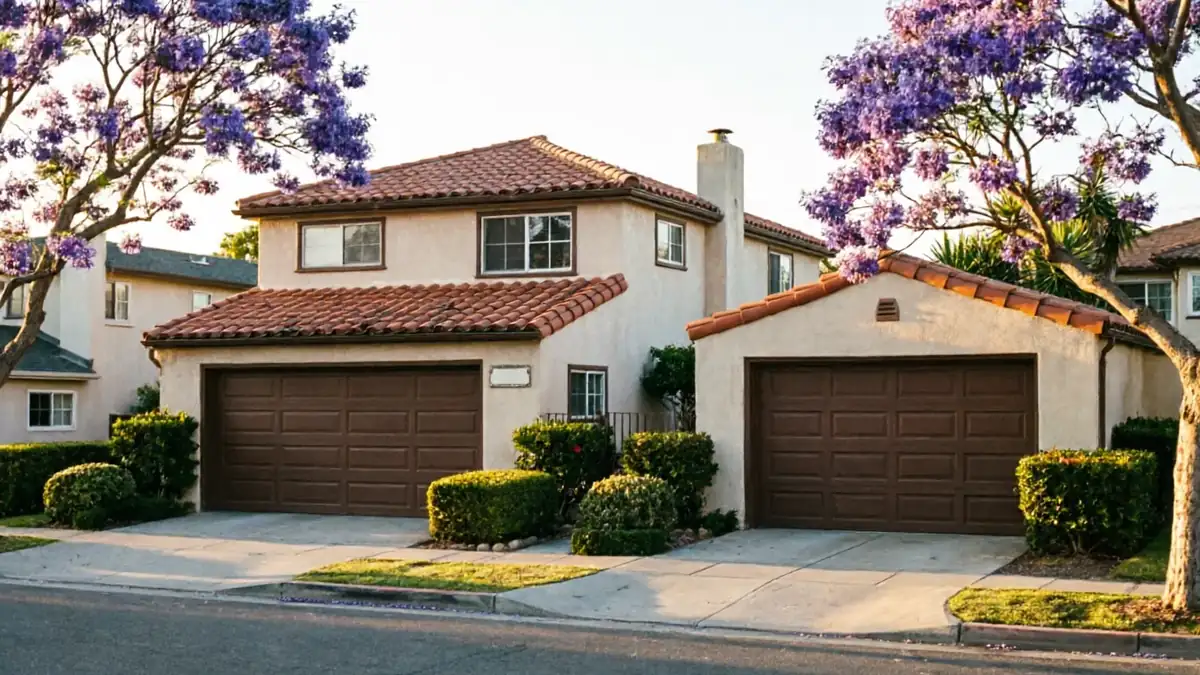
El Cerrito homes mostly date to 1956, a decade ahead of the area's median - meaning original extension-spring hardware. We travel 11 miles from Oakland to fix it.
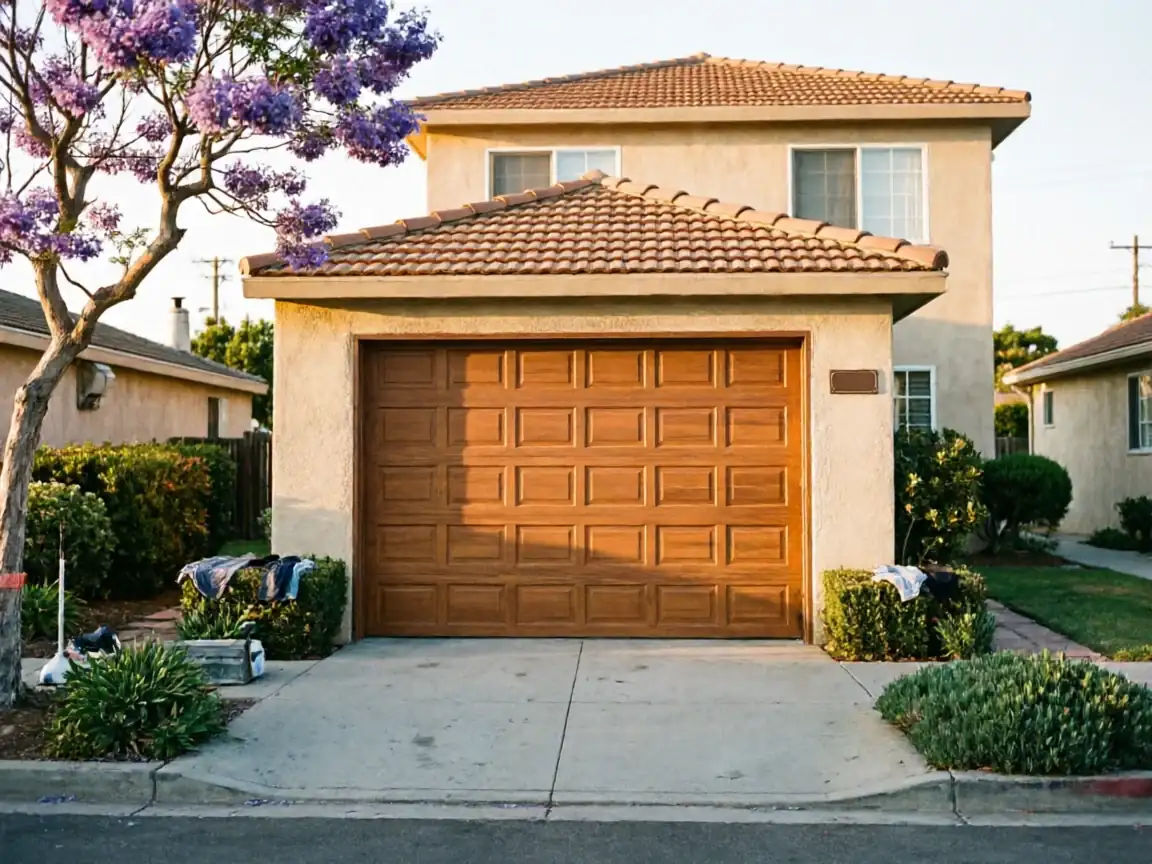
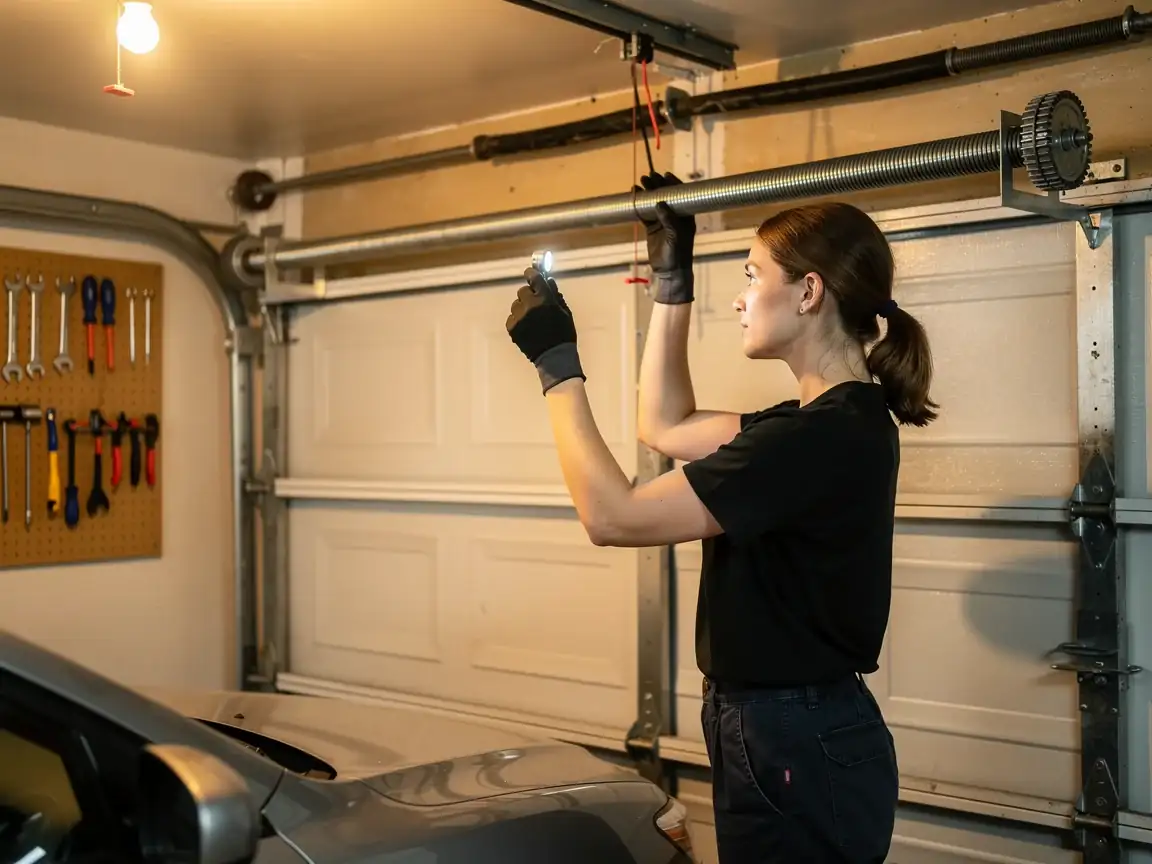
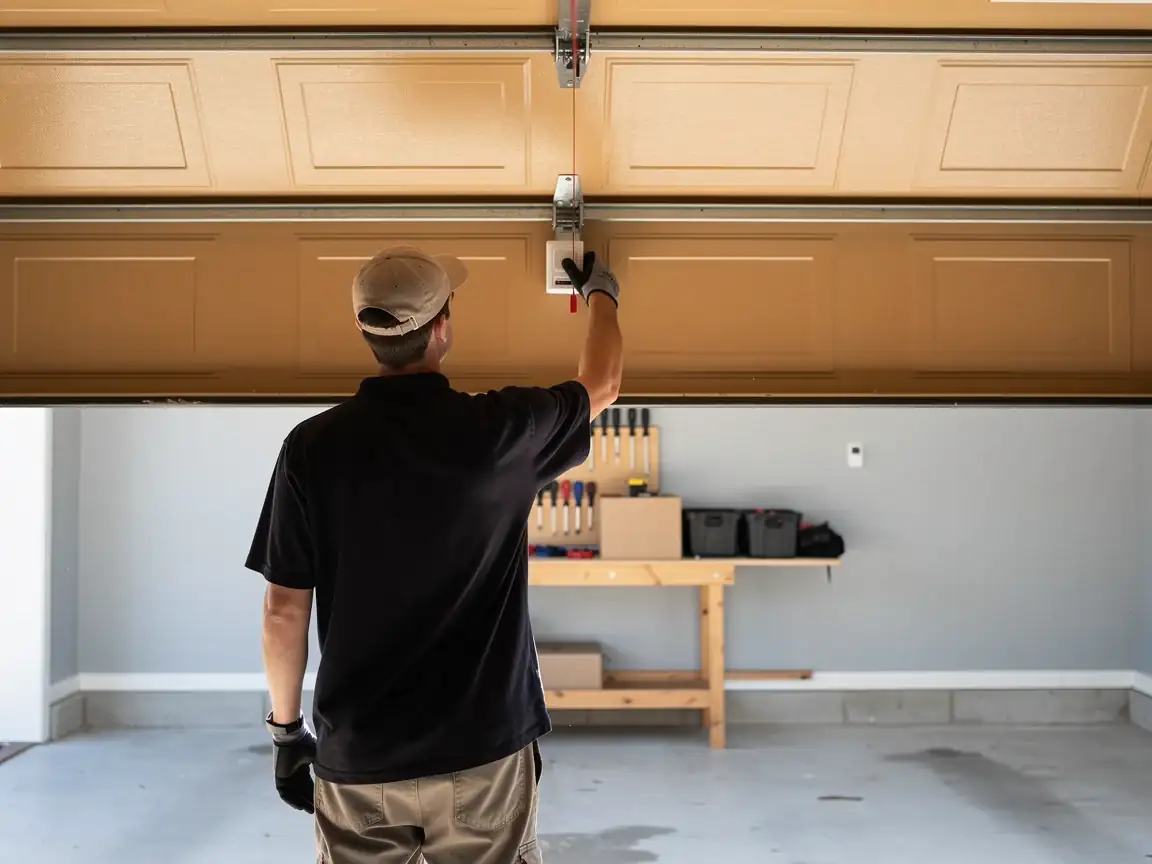
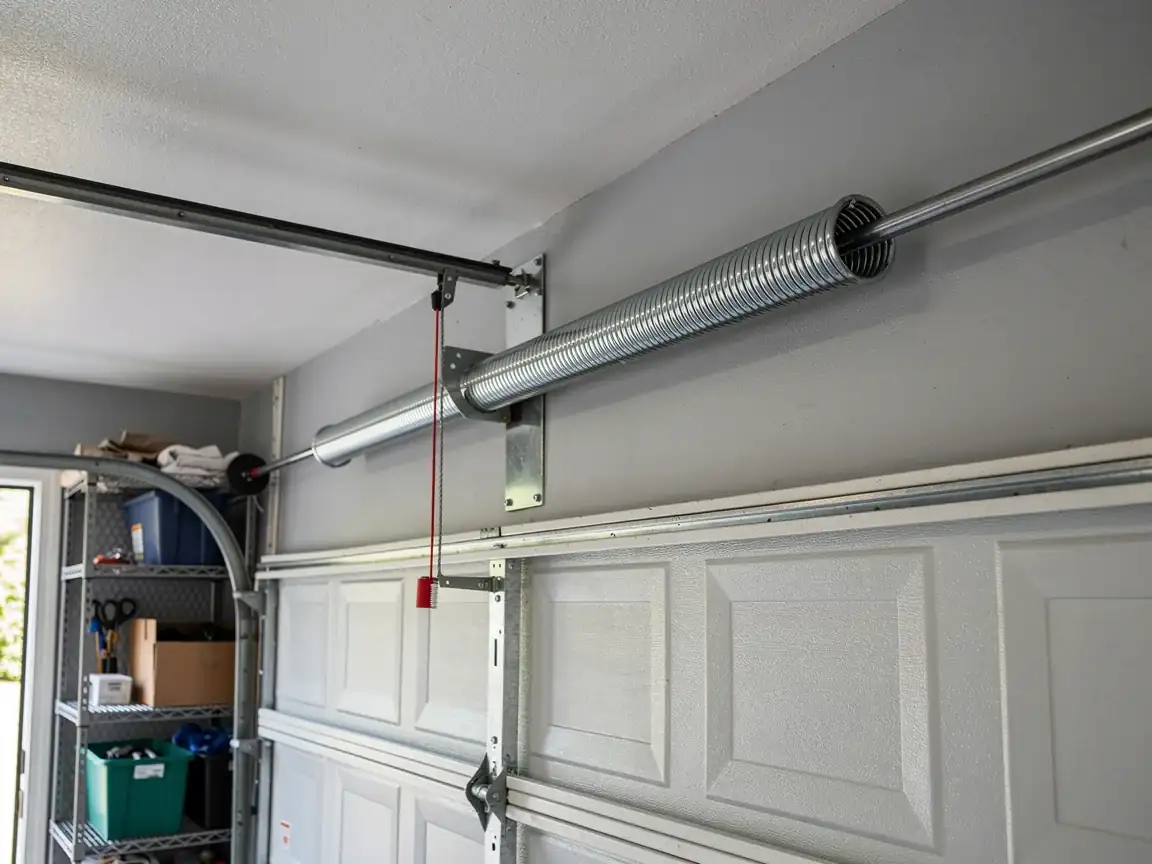
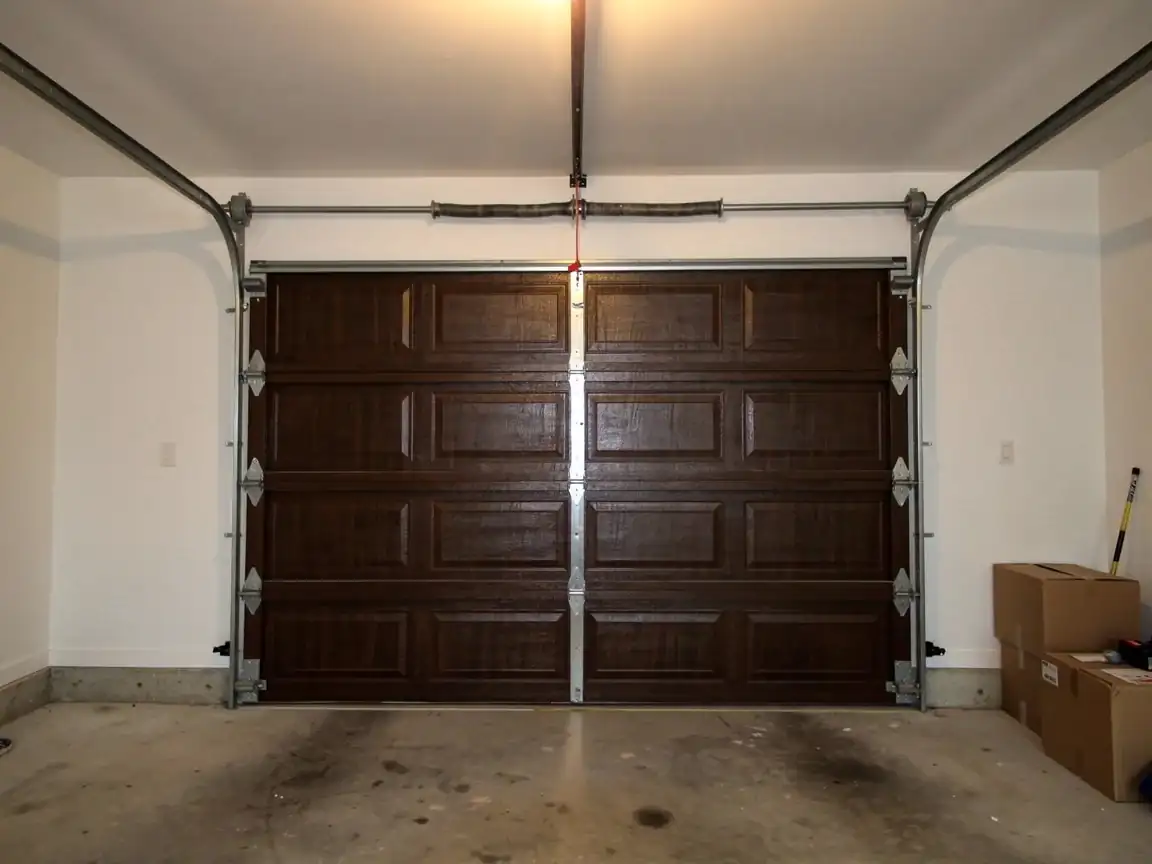
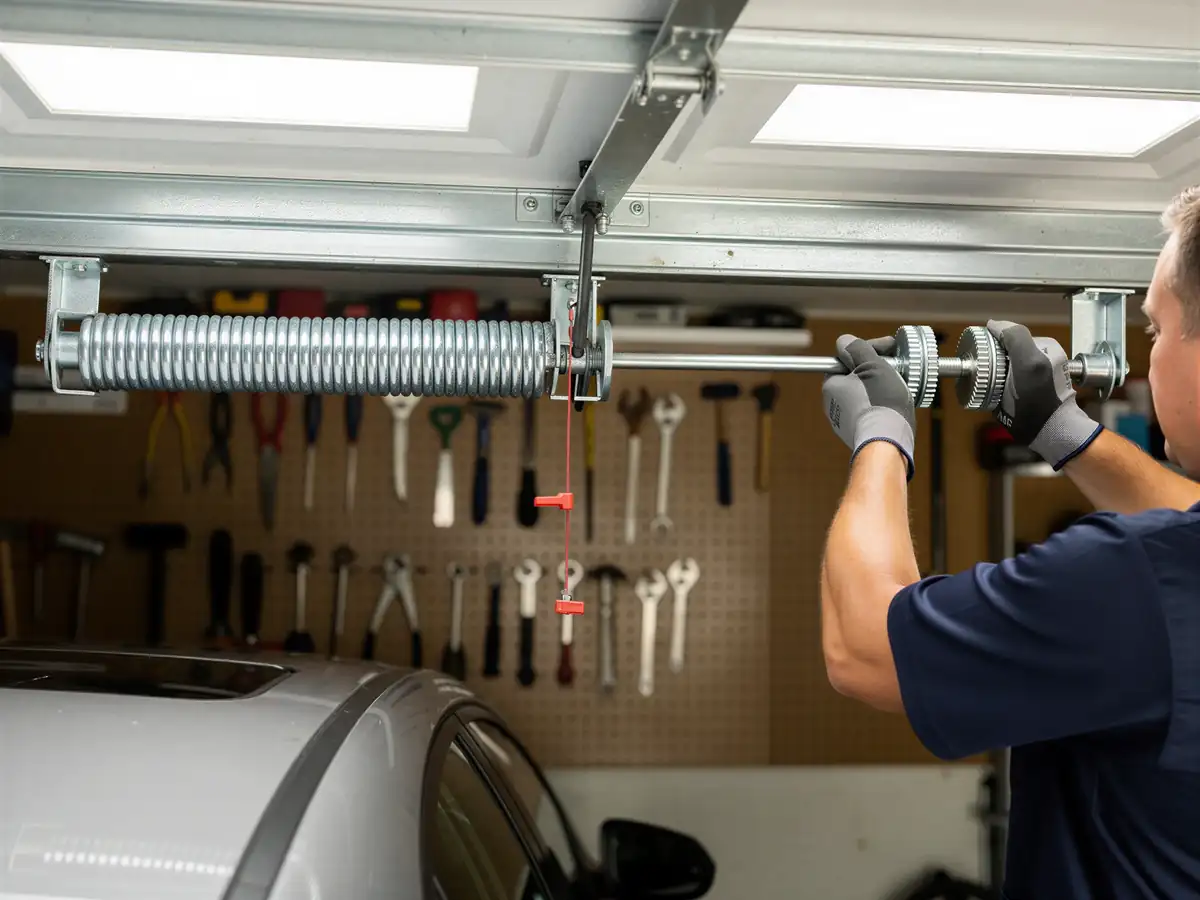
Most houses in El Cerrito went up around 1956, which puts this town about a decade ahead of the median build year (1965) across the rest of our service area. That matters because 1956 was before torsion springs became the standard setup on residential garage doors. A lot of what we find here still runs on extension springs stretched along the horizontal tracks on either side of the door, sometimes with the original pulleys. The symptom owners call about is usually the same one: the door gets heavy on one side, or it slams the last foot of travel instead of settling. That's a spring losing tension unevenly, and on a 1950s setup it often means both springs need replacing even if only one has actually snapped, because the other is close behind it on the same number of cycles.
Some of these doors have been reworked over the decades - a torsion conversion here, a new opener bolted onto old hardware there - so we don't assume what we'll find until we're looking at the track. But the starting point, more often than not in this town, is original or close to original extension-spring hardware from a house built when Eisenhower was in office.
Parts We Carry
01
We stock the parts that match what's actually on these doors
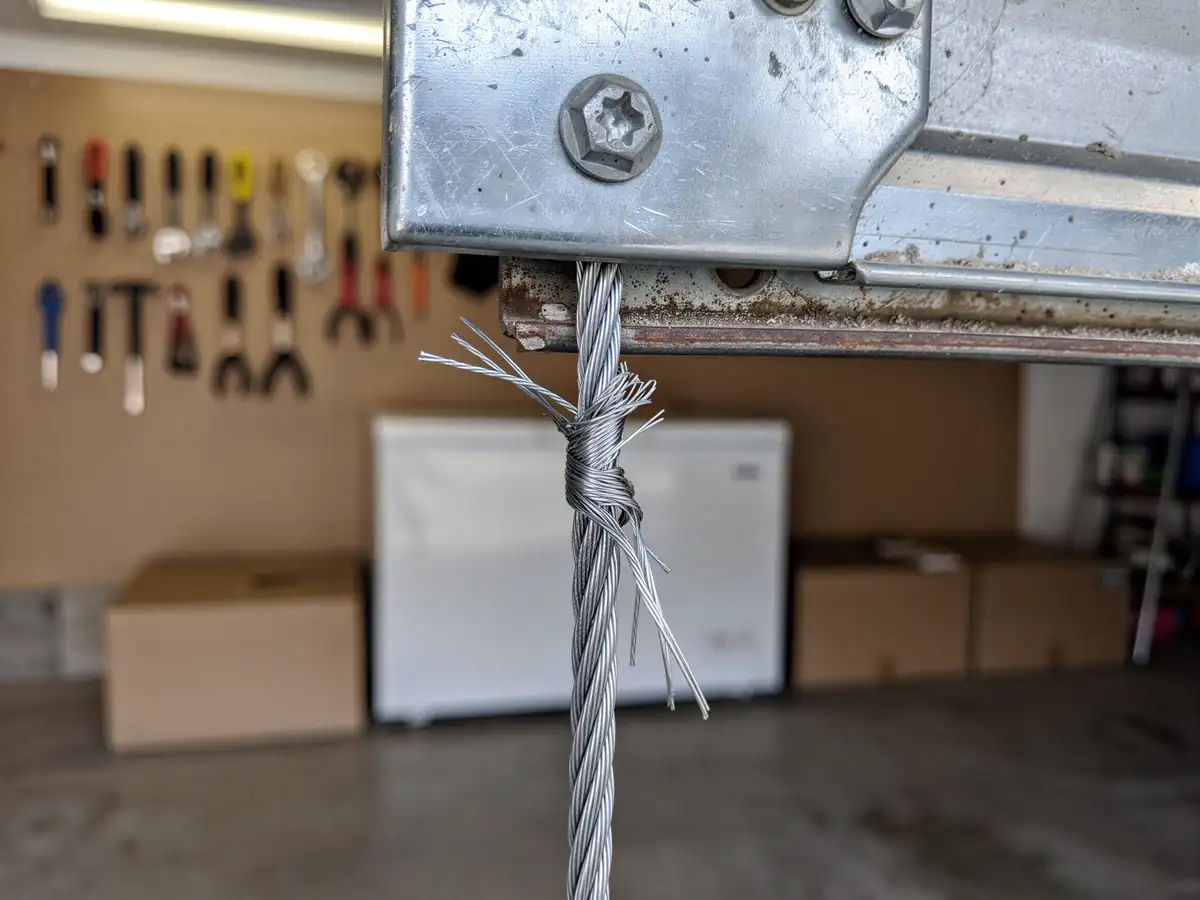
Extension springs in the sizes common to 1950s single and double openings, the older-style safety cables that should run through the center of each spring, and the pulleys and brackets that wear out alongside them. We also carry torsion-bar components, since plenty of El Cerrito doors have been upgraded or replaced since 1956 and don't need the vintage parts at all.
02
We come from our Oakland shop, 11 miles out
So the truck is loaded with both generations of hardware before it leaves - we're not driving back for a part we didn't know we'd need. Rollers, cables, and standard opener parts are common to any era and always on the truck regardless of what year the house went up.
11 miles
Why It Happens Here
El Cerrito's housing predates the broader service area's median build year by close to a decade, and that decade is the difference between extension-spring doors and torsion-spring doors becoming the norm. A door built in 1956 has had roughly seventy years to cycle through springs, cables, and rollers, and in a lot of cases the hardware has been patched piece by piece rather than replaced as a system - a new cable on an old pulley, a replacement spring that doesn't quite match the original's wire gauge. That mismatch is what causes uneven wear and the lopsided symptoms owners notice first.
The mild temperate climate here works in the homeowner's favor in one sense: these doors aren't fighting road salt or deep freeze-thaw cycles, so steel tracks and panels tend to hold their shape. What fails is metal fatigue from decades of cycling, not rust-through, which is a different repair and usually a cheaper one.
How Long It Takes
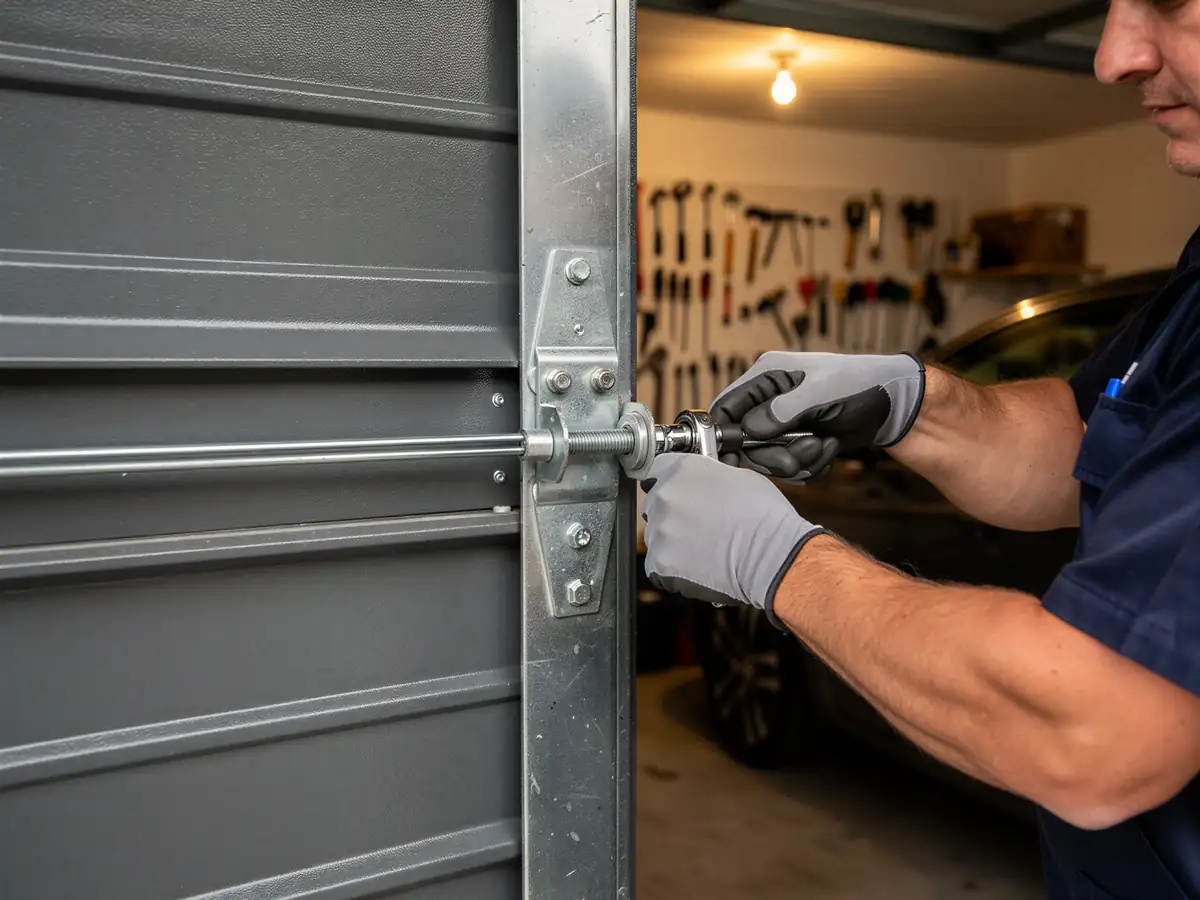
Because we're coming from Oakland, 11 miles away, the job itself - once the truck is on site - runs like any spring or cable repair: usually under two hours for a standard extension-spring replacement on a single door, longer if the pulleys or track brackets need replacing too. We don't carry a published arrival-time promise for El Cerrito specifically, since it depends on where the truck already is that day. What we can tell you is that a same-day fix is realistic for most spring and cable failures if parts match what's already on the truck, which for 1950s-era hardware they usually do.
What the Repair Takes
01
A straightforward extension-spring and cable job on a door from this era is a repair, not a replacement
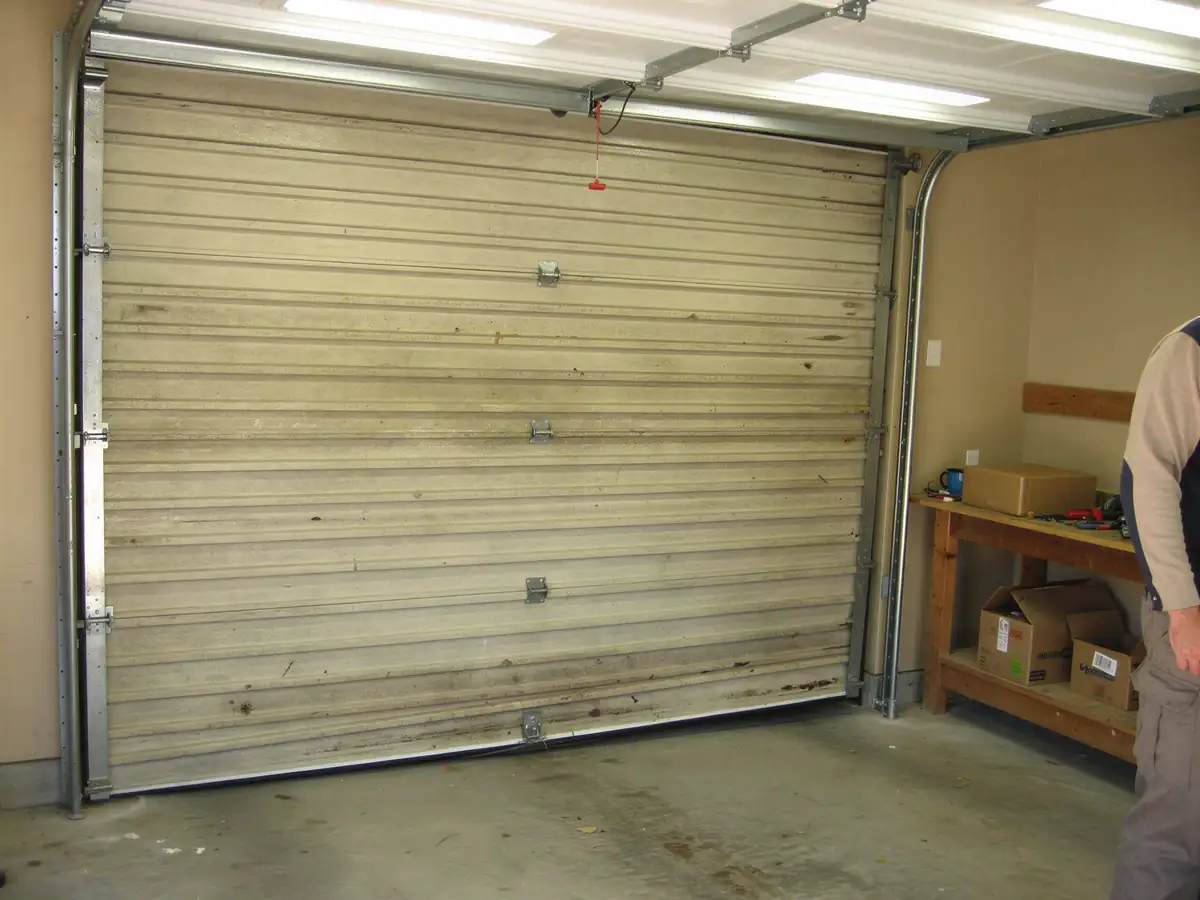
We're not going to tell you to gut a working door just because it's old. Where we draw the line is when the track itself is bent or the panels have rusted or warped badly enough that new hardware won't seat right; at that point, patching it is throwing money at a door that's going to need replacing within a year or two anyway, and we'll say so.
02
One honest limitation
If a door has been modified more than once over seventy years, sometimes with mismatched parts from different eras, we may need to source an odd-sized spring or bracket rather than pull it straight off the truck. That can mean a short parts delay on an otherwise same-day job. We'd rather tell you that up front than promise a fix we can't deliver that afternoon.
How it works
From “it’s stuck” to “it’s fixed”
01
Tell us what’s wrong
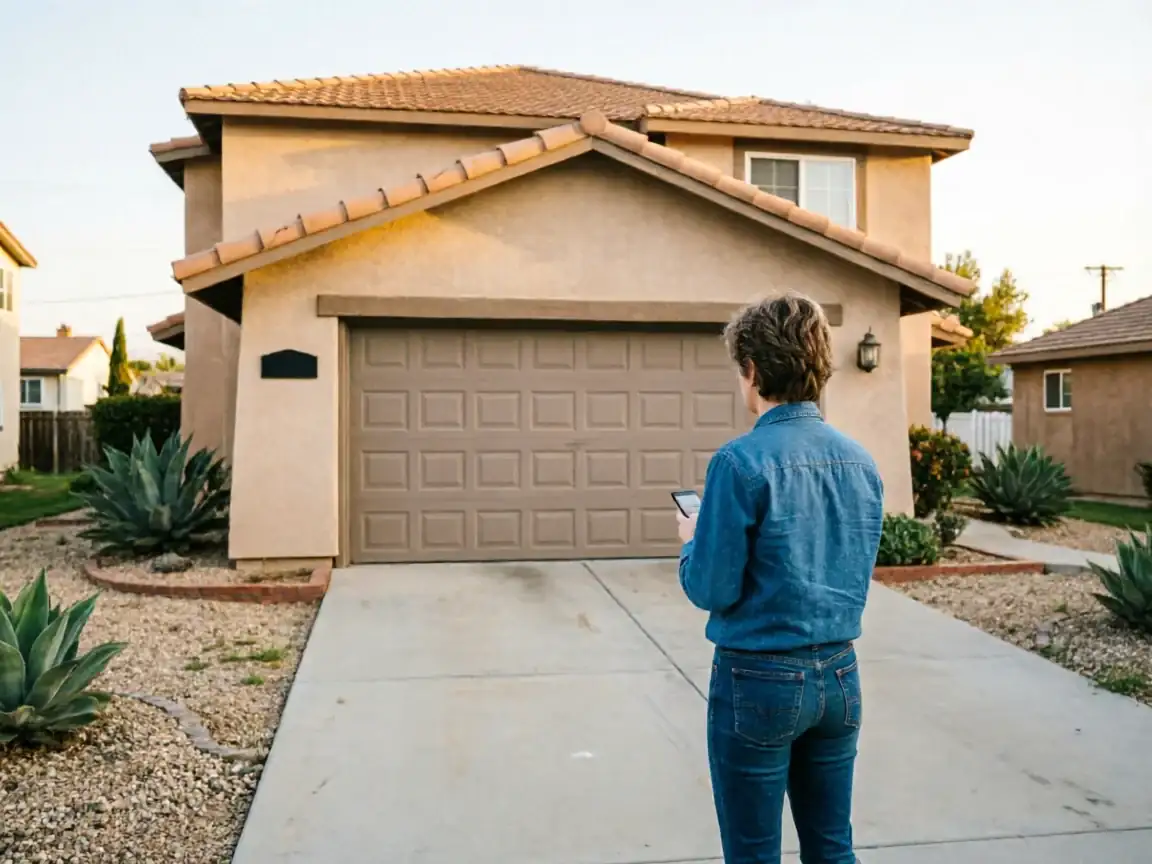
Describe the symptom - won’t open, loud bang, opener runs but the door won’t move.
02
On-site diagnosis
A technician tests the door under power and by hand and finds what actually failed.
03
Clear, up-front plan
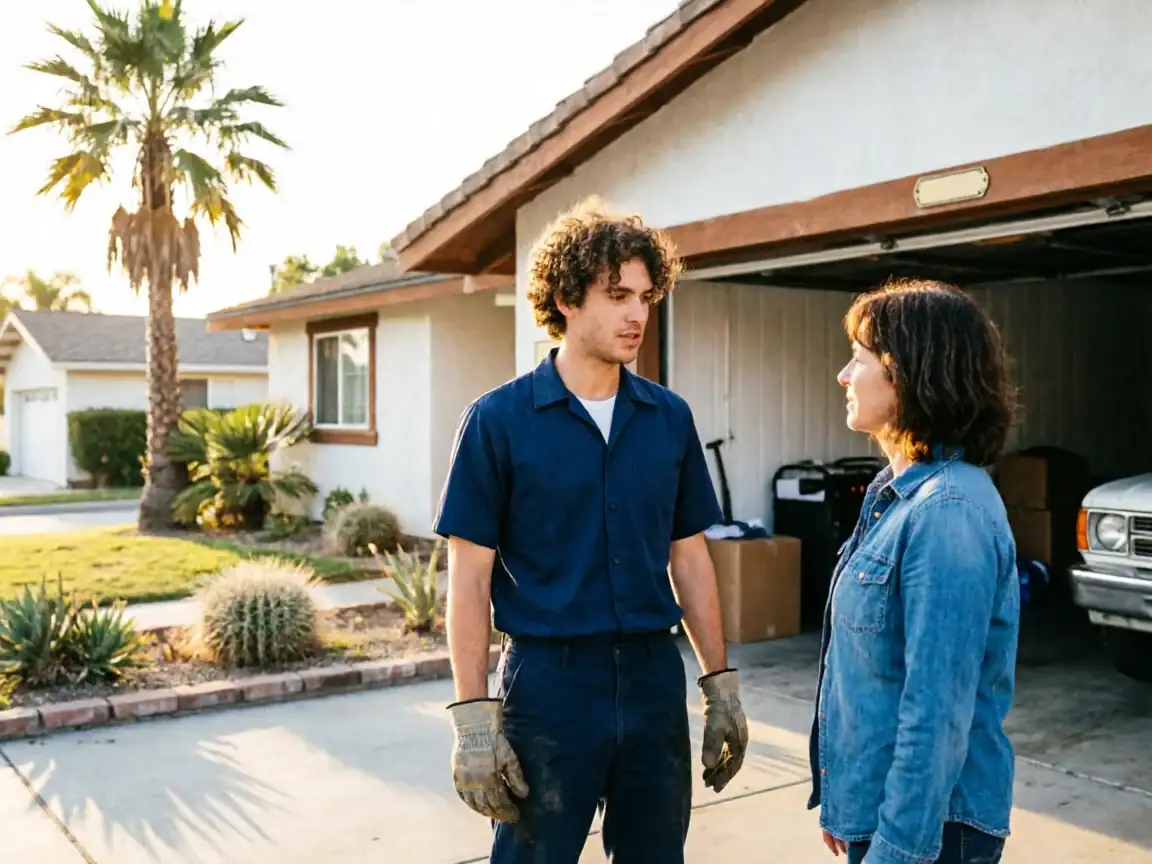
You get the fix that’s needed and what drives the cost - before any work starts.
04
Repaired & tested
The repair is done, the door is set true and tested, and the work area left clean.
Not sure which repair your door needs in Oakland, CA? Describe what it’s doing - every job starts with a diagnosis.
Straight answers about garage door repair in Oakland. Still unsure? Ask us directly.
Why does my garage door still have the old stretched springs instead of the kind that sit above the door?
Because your house likely dates to around 1956, before torsion springs became the standard setup on residential garage doors. Extension springs along the horizontal tracks were normal for that era. They work fine when properly maintained, but they wear unevenly and both usually need replacing together, even if only one has failed.
Do you have a shop in El Cerrito?
No. We run out of Oakland, about 11 miles away, and bring the parts and tools needed for the job with us. We don't have a local branch or depot in El Cerrito, so everything comes on the truck.
Is my old door worth repairing or should I replace it?
If the track is straight and the panels haven't warped or rusted through, a spring or cable repair on a 1950s-era door is usually worth it and costs far less than replacement. Once the track is bent or the panel steel is compromised, repair stops making financial sense and we'll tell you that directly.