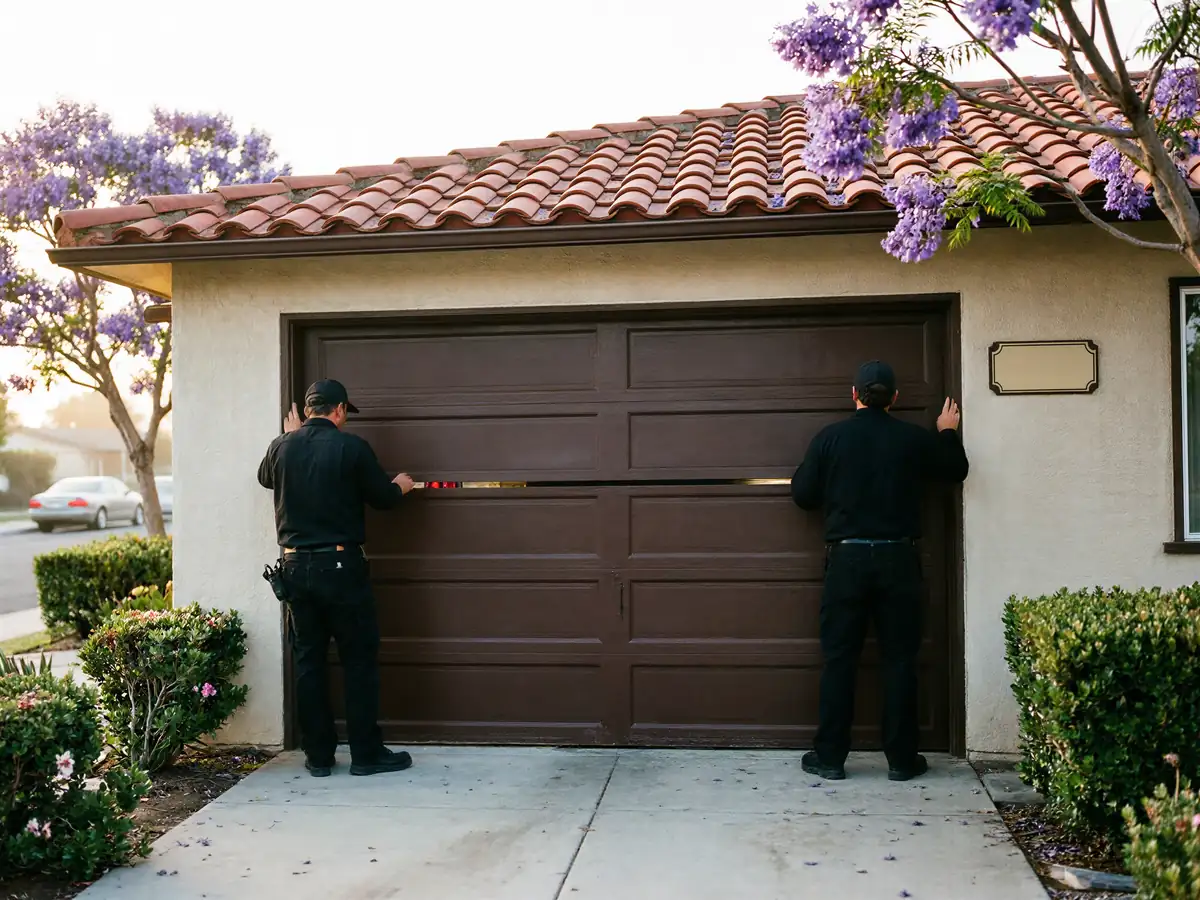
Garage door repair for El Cerrito's 1950s housing stock - torsion and extension spring hardware from homes built around 1956, serviced from our Oakland shop.
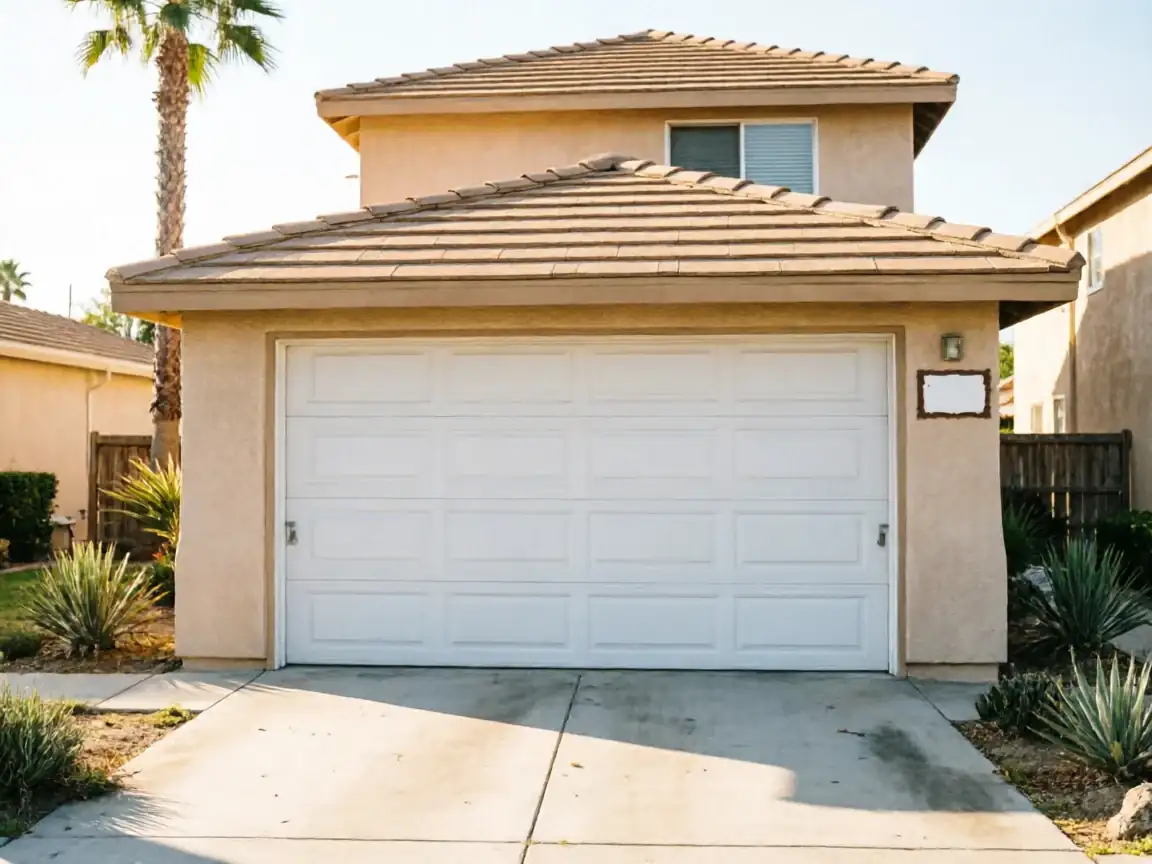
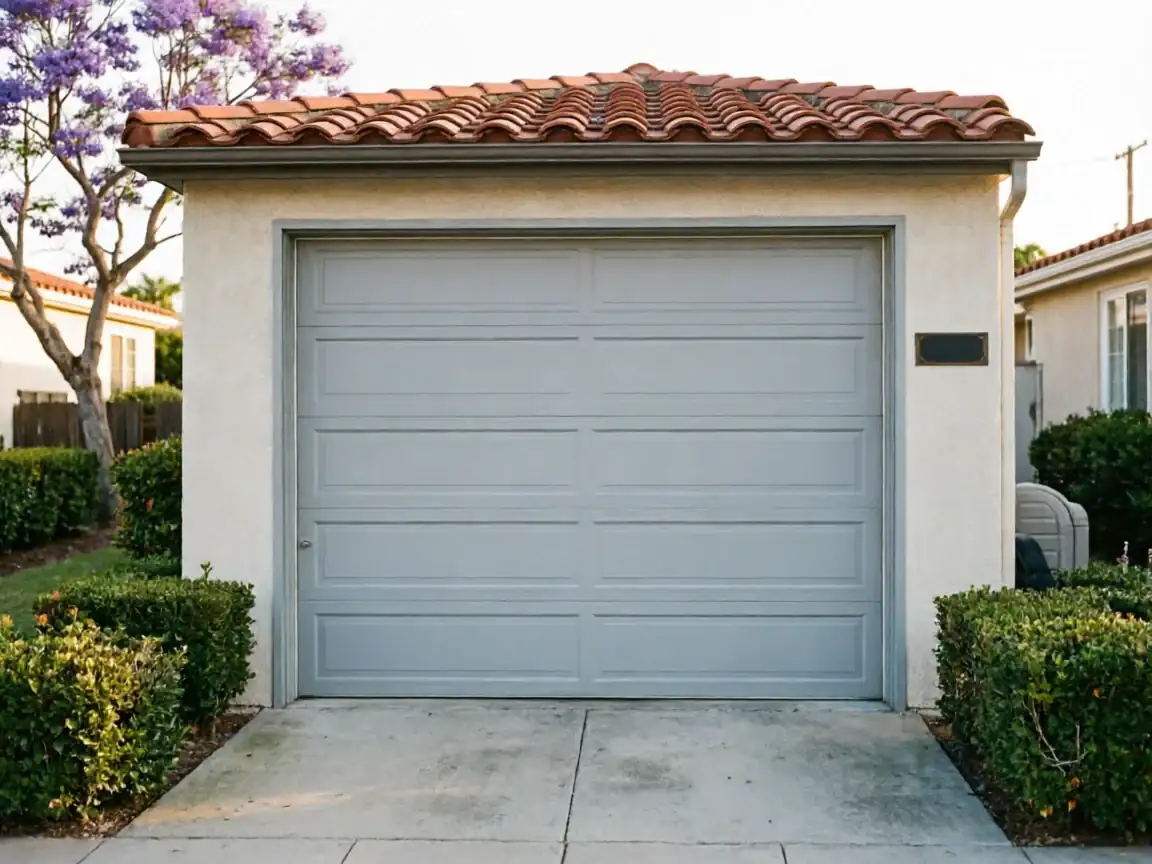
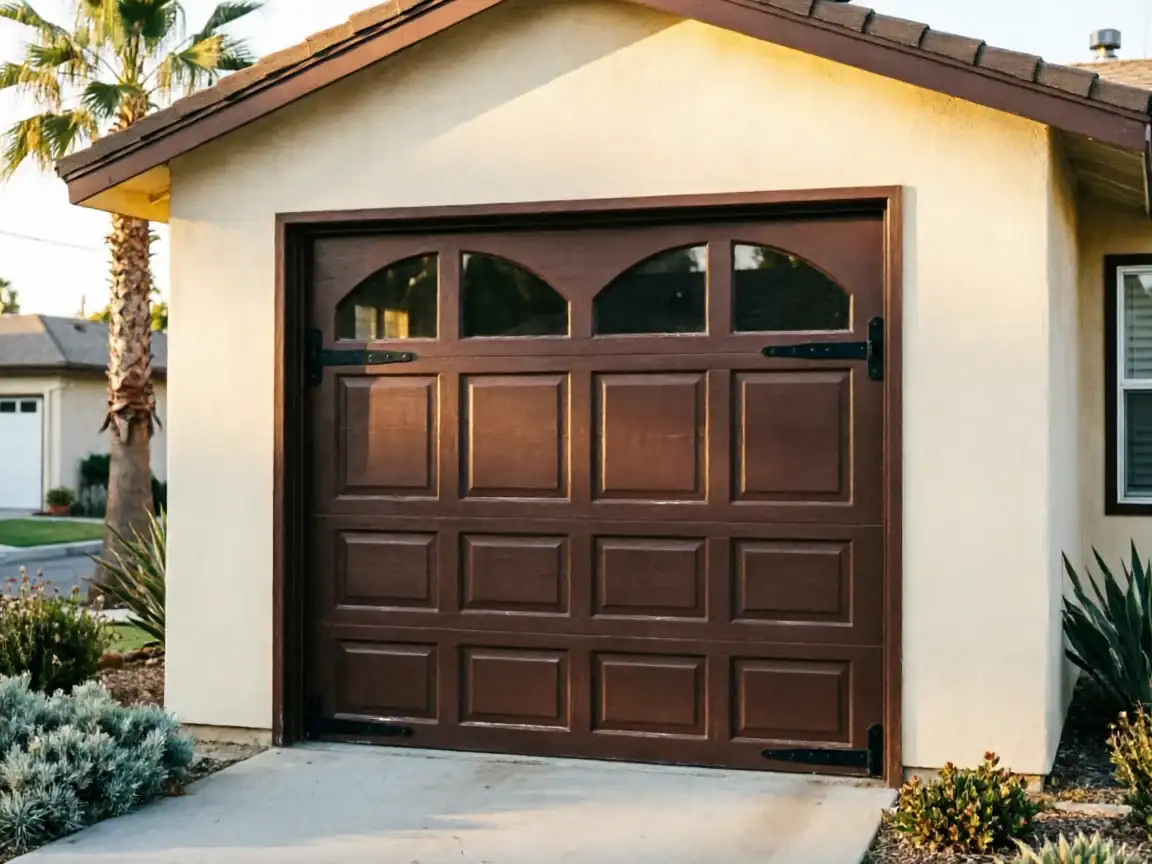
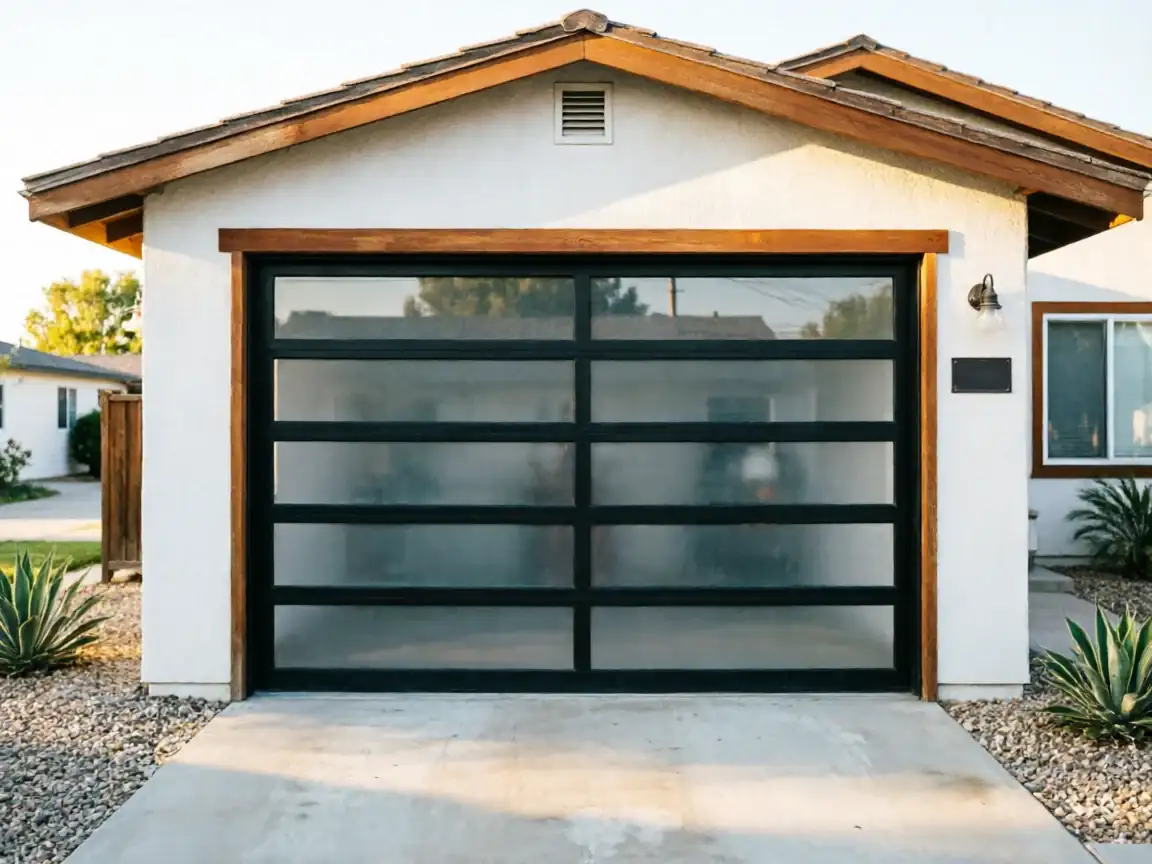
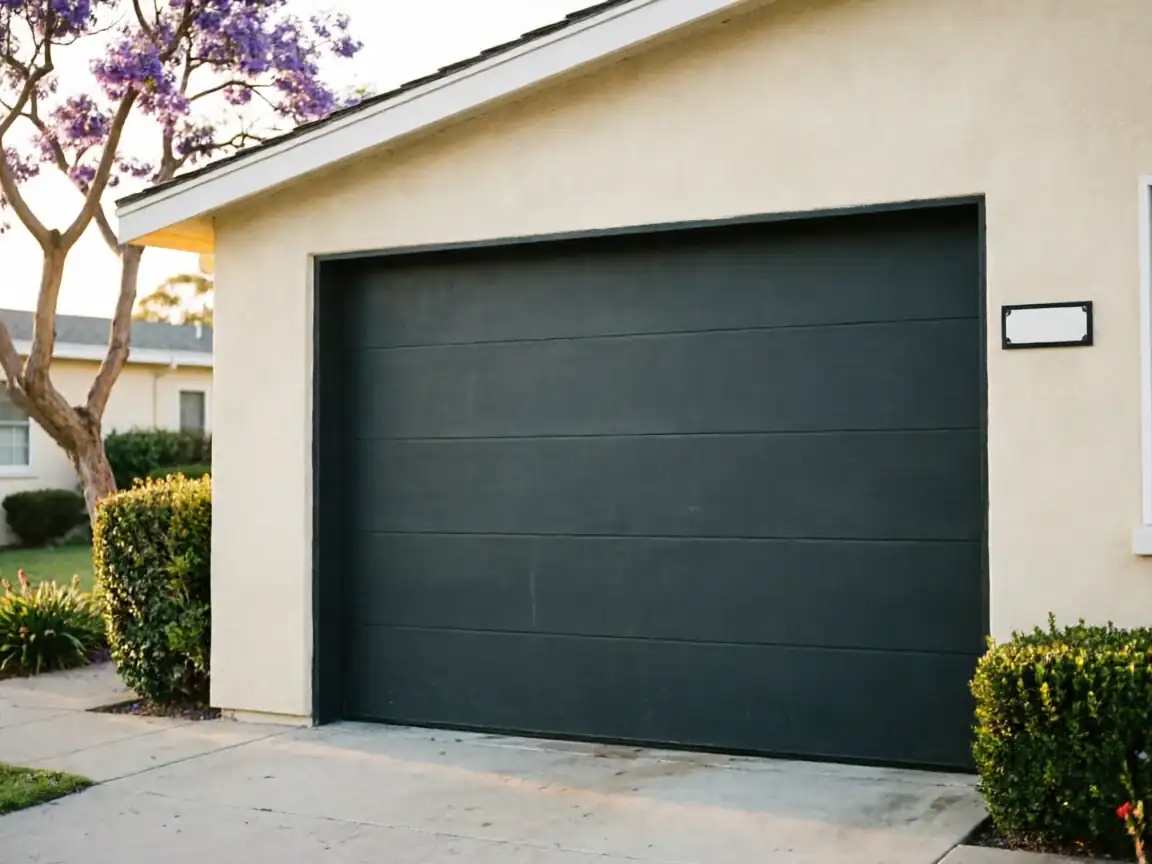
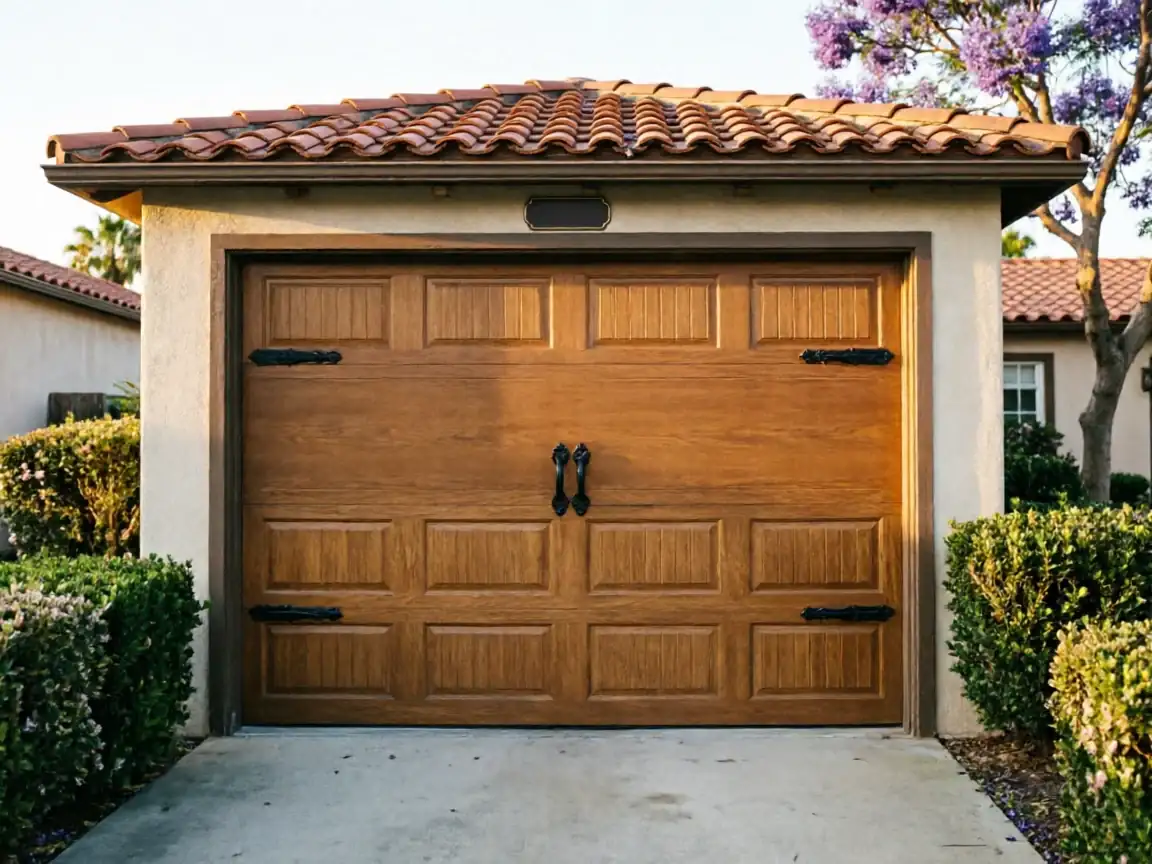
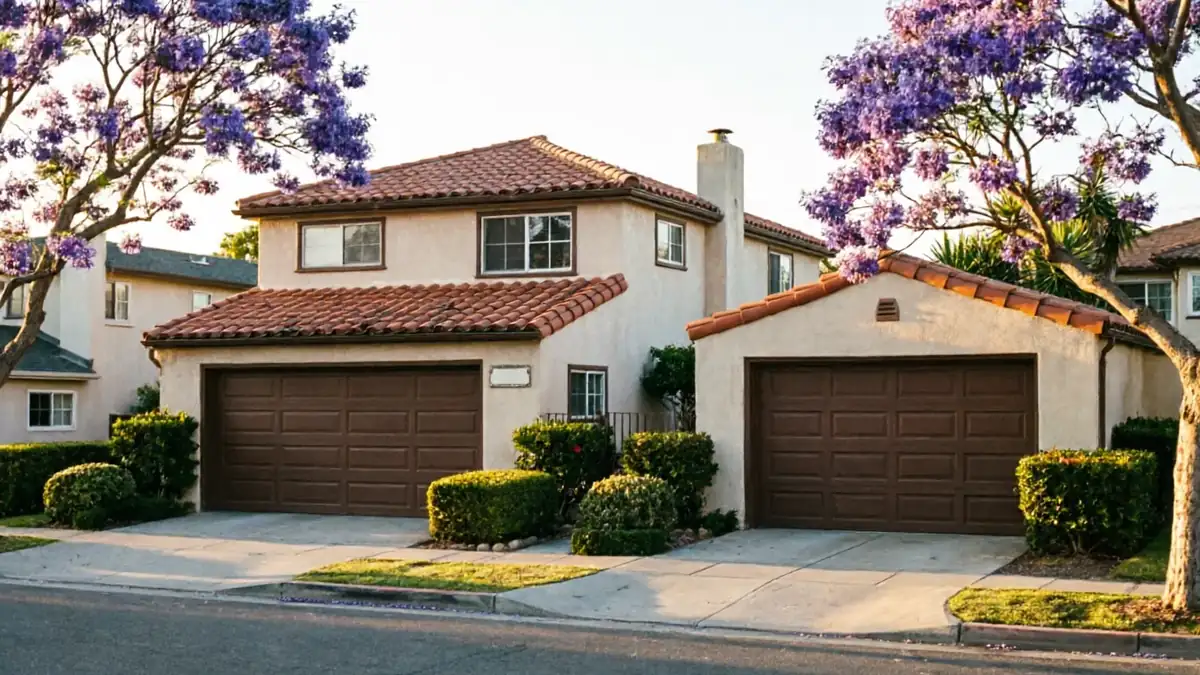
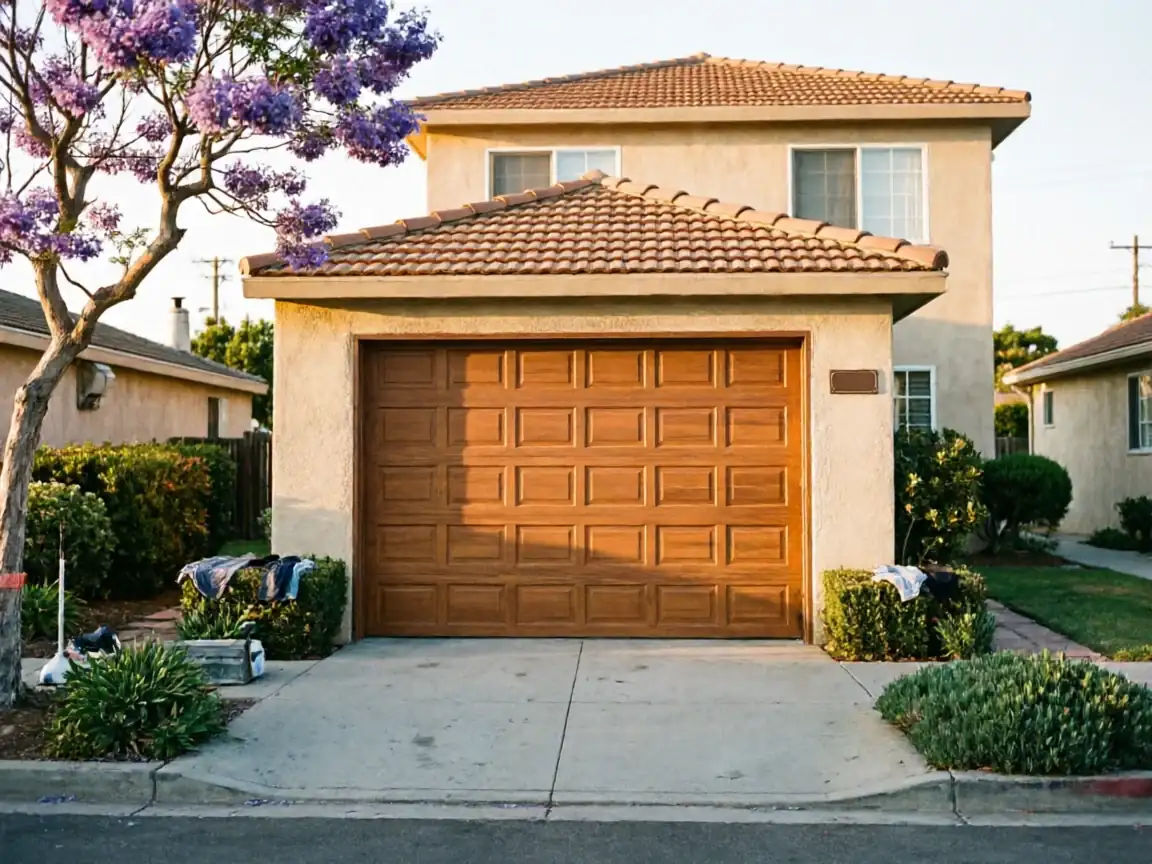
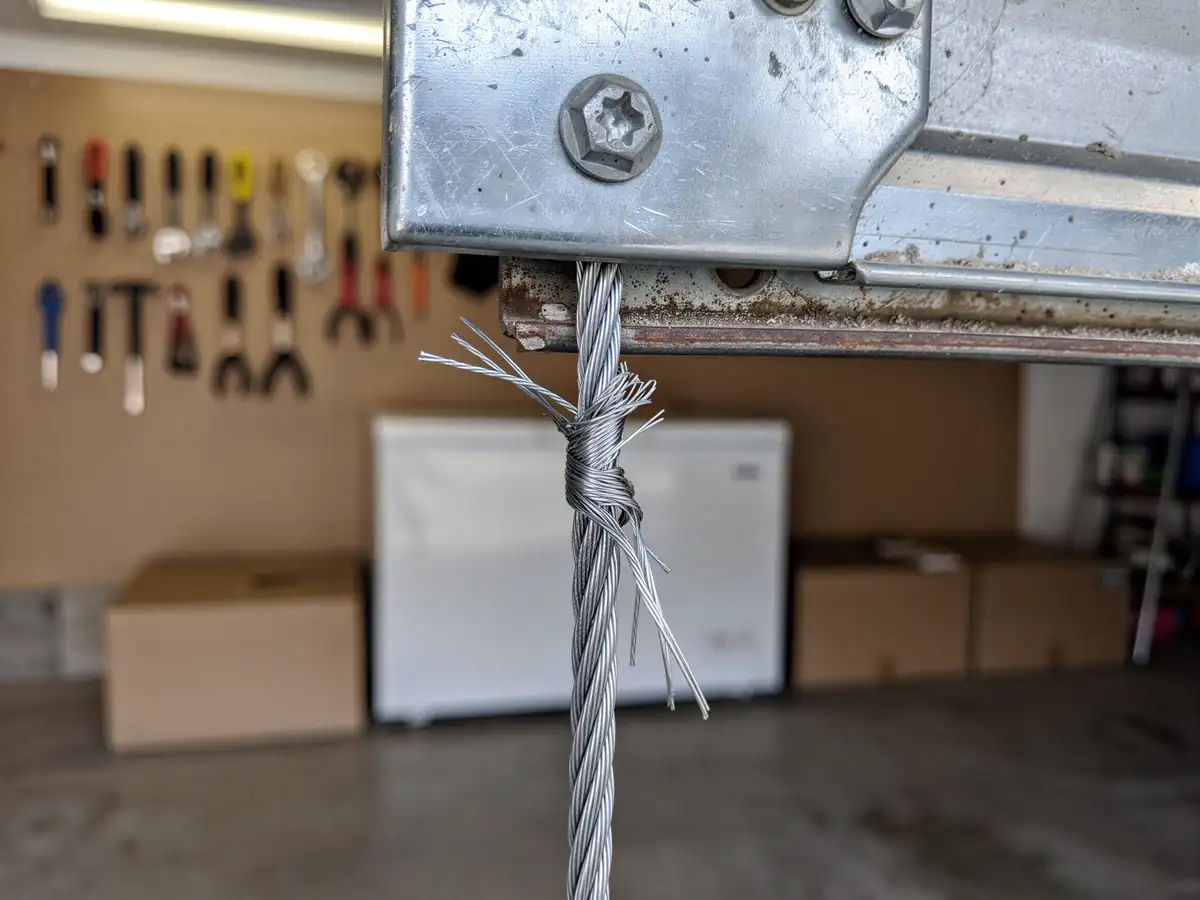
Most garages in El Cerrito went up around 1956, well before the 1965 median that covers the rest of the area we work in from Oakland. That matters before you even get to what's broken. A door from that build year is usually a single, narrow steel or wood-composite panel sized for a one-car bay, hung on hardware that was never meant to see sixty-plus years of lift cycles. When something goes wrong, it's rarely subtle - the door won't lift past knee height, it drops the last foot on its own, or it binds hard on one side and walks off the track. On a door this old, the failure is almost always the spring, the cable, or the track hangers giving out together, because they were all installed the same year and they all wear the same way.
Parts We Carry
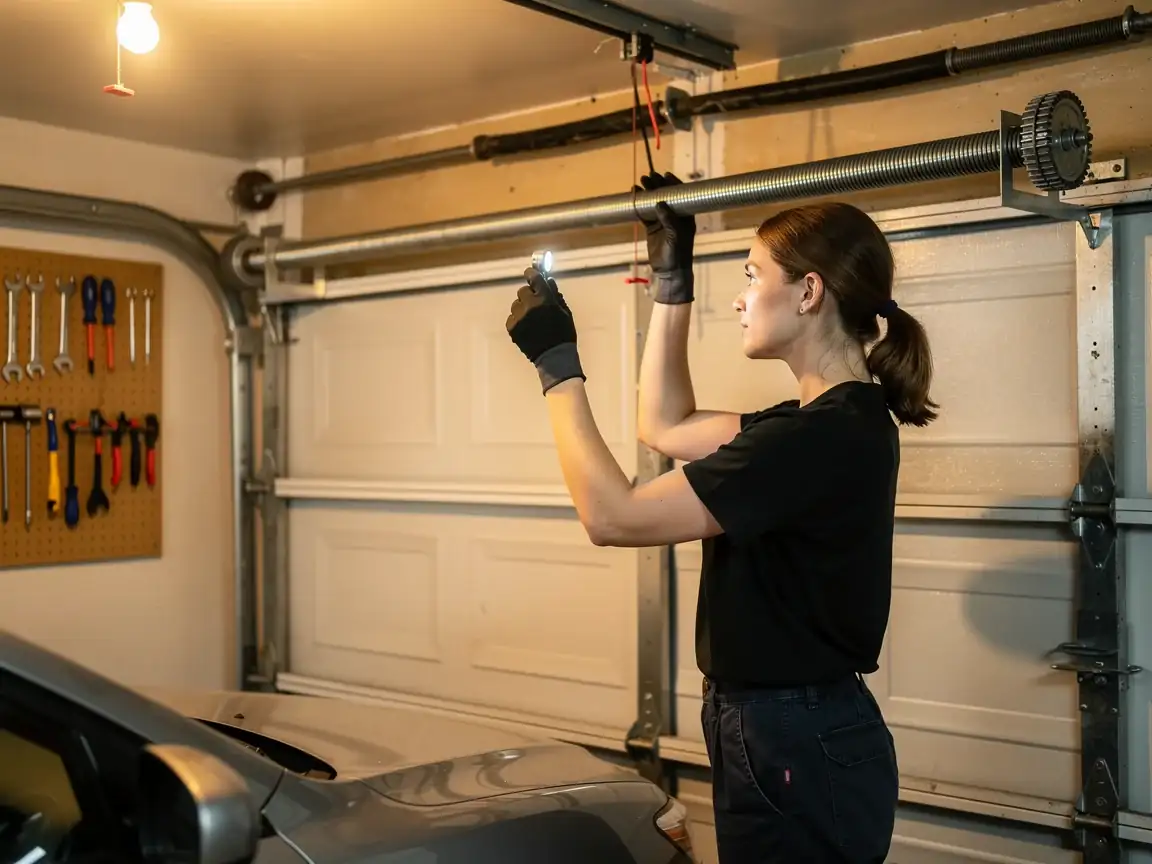
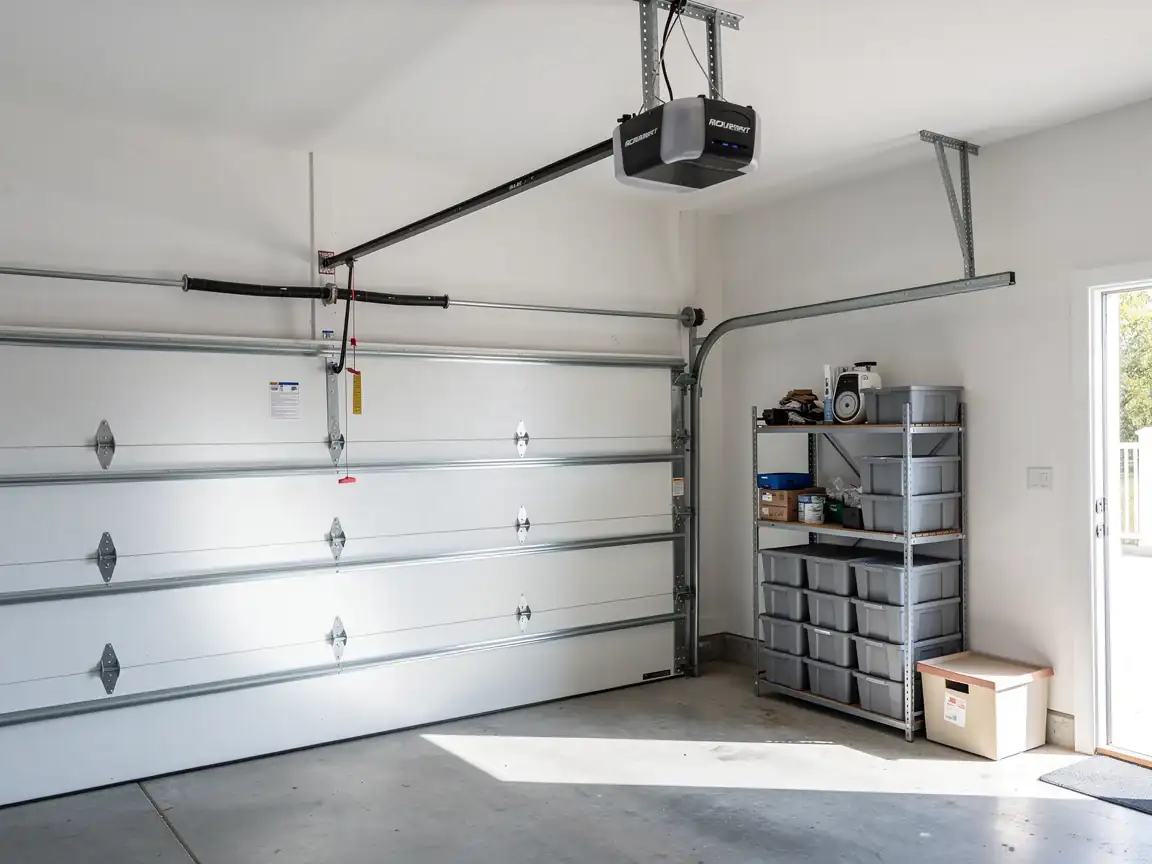
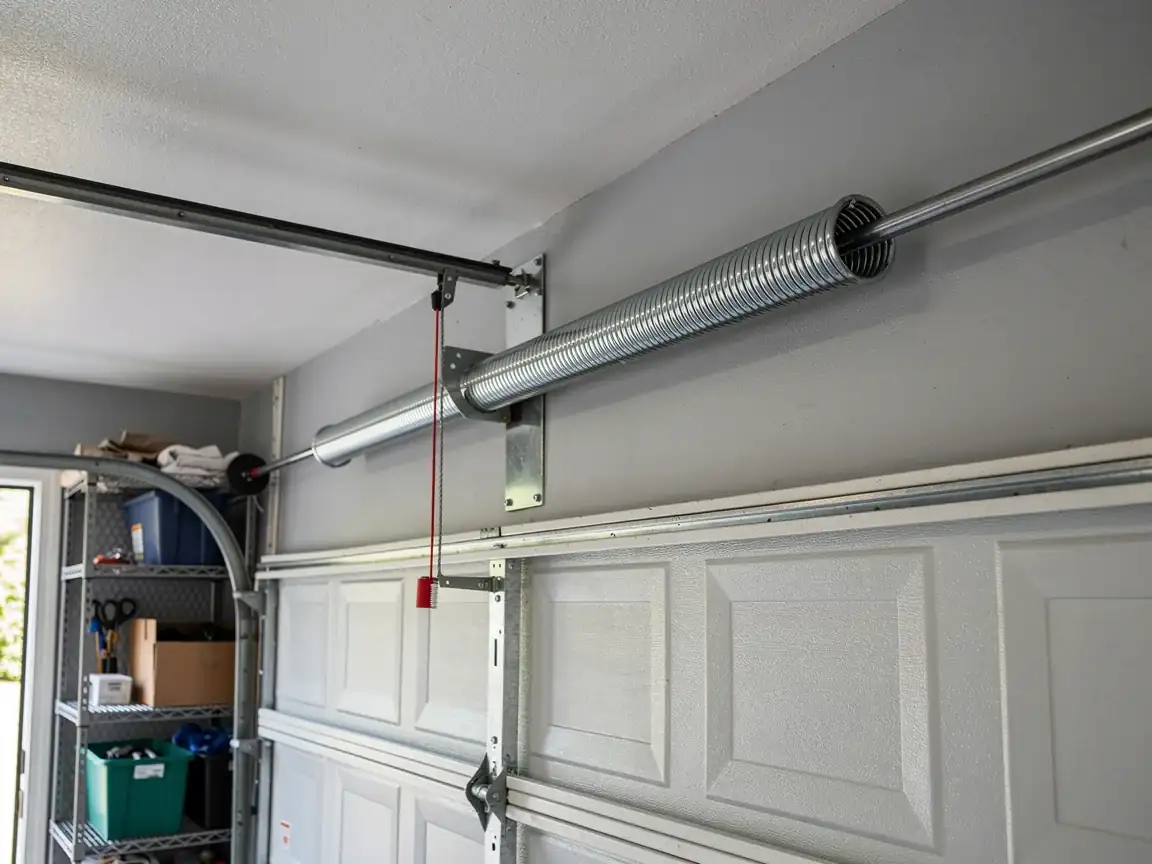
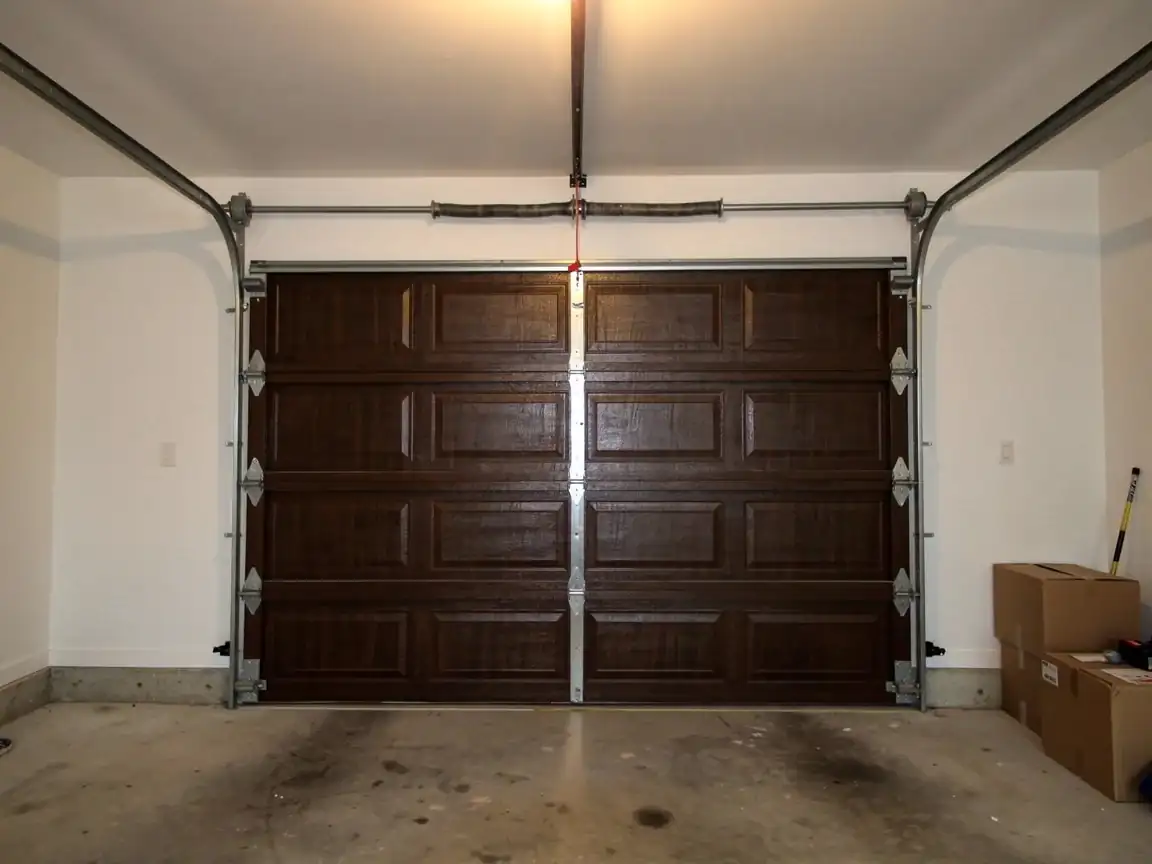
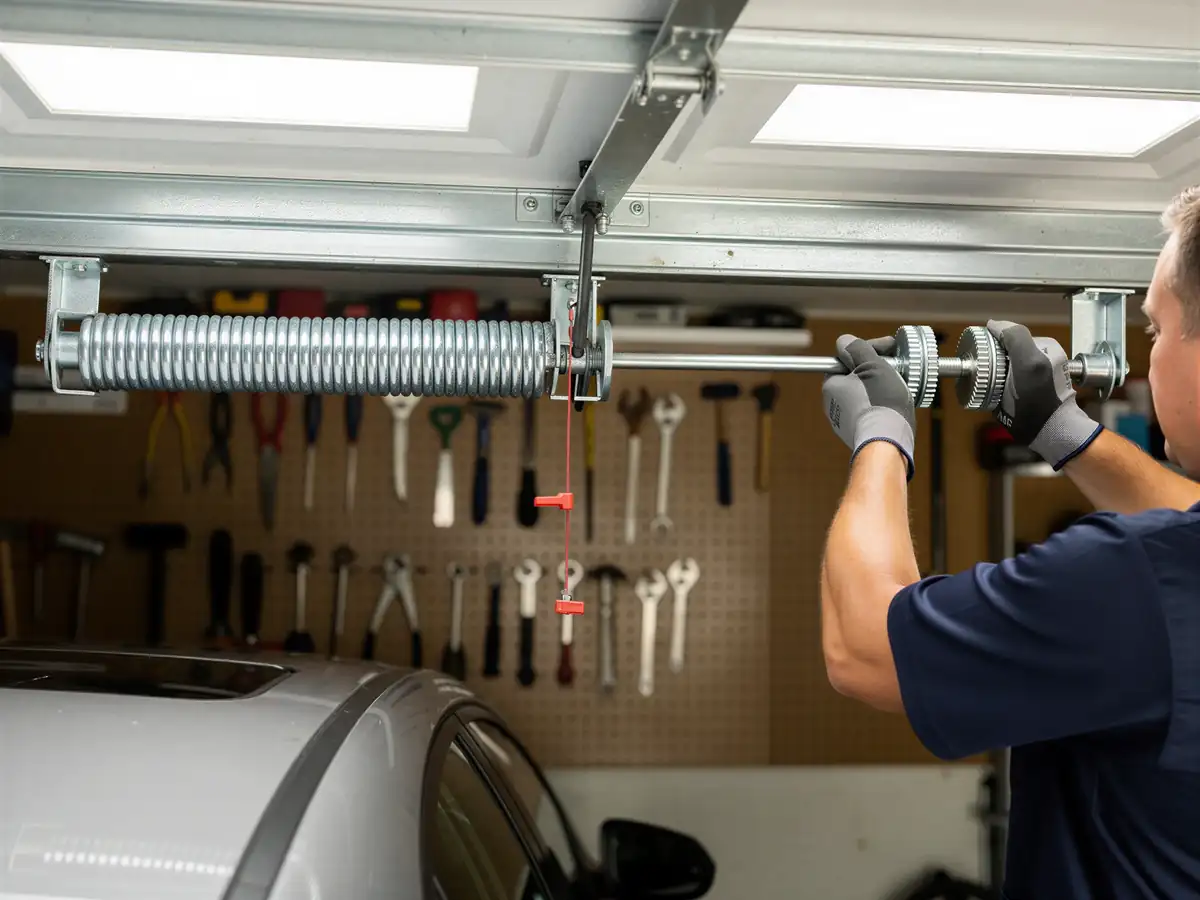
Houses from the 1950s in this part of the service area were built with extension springs mounted above the horizontal tracks far more often than the torsion setups you see in newer construction. We carry both, along with the galvanized cable, rollers, and hinge sets that match that older hardware pattern, because swapping a worn extension spring for a torsion kit on a door this age usually means reworking the header too - more job than most owners want when the door itself still has life left. We stock standard roller and cable sizes on the truck. What we don't keep on hand is obsolete hardware specific to a single manufacturer's 1950s track profile - if your garage still has the original brackets, we may need a day to source an exact match rather than force a modern part onto an old frame.
Why It Happens Here
The climate across this part of the Bay is mild and temperate, so you're not dealing with the freeze-thaw cracking or extreme humidity swings that chew through hardware in harsher regions. That's the good news. The bad news is that age does the damage here instead of weather - a spring rated for a certain number of cycles doesn't care how gentle the winters are, it just counts the openings. On a door installed around 1956, that spring has had roughly seven decades to work through its rated cycle count, and most extension springs from that era were never upgraded or replaced on any real schedule. We see more fatigue failures than weather failures out this way, which changes what we check first on the call.
How Long It Takes
El Cerrito sits about 11 miles out from our Oakland base, farther than most of the stops on our regular route. We don't keep a branch or a truck staged in El Cerrito, so the drive time is part of the job from the start - we're honest about that rather than promising a window we can't hit from across town. Once we're on site, a straightforward spring or cable repair on a single-car door usually runs under two hours. Jobs that involve sourcing an older bracket or hinge set for original 1950s hardware take longer, sometimes a return trip, because that part isn't something either of us can pull off a shelf same-day.
What the Repair Takes
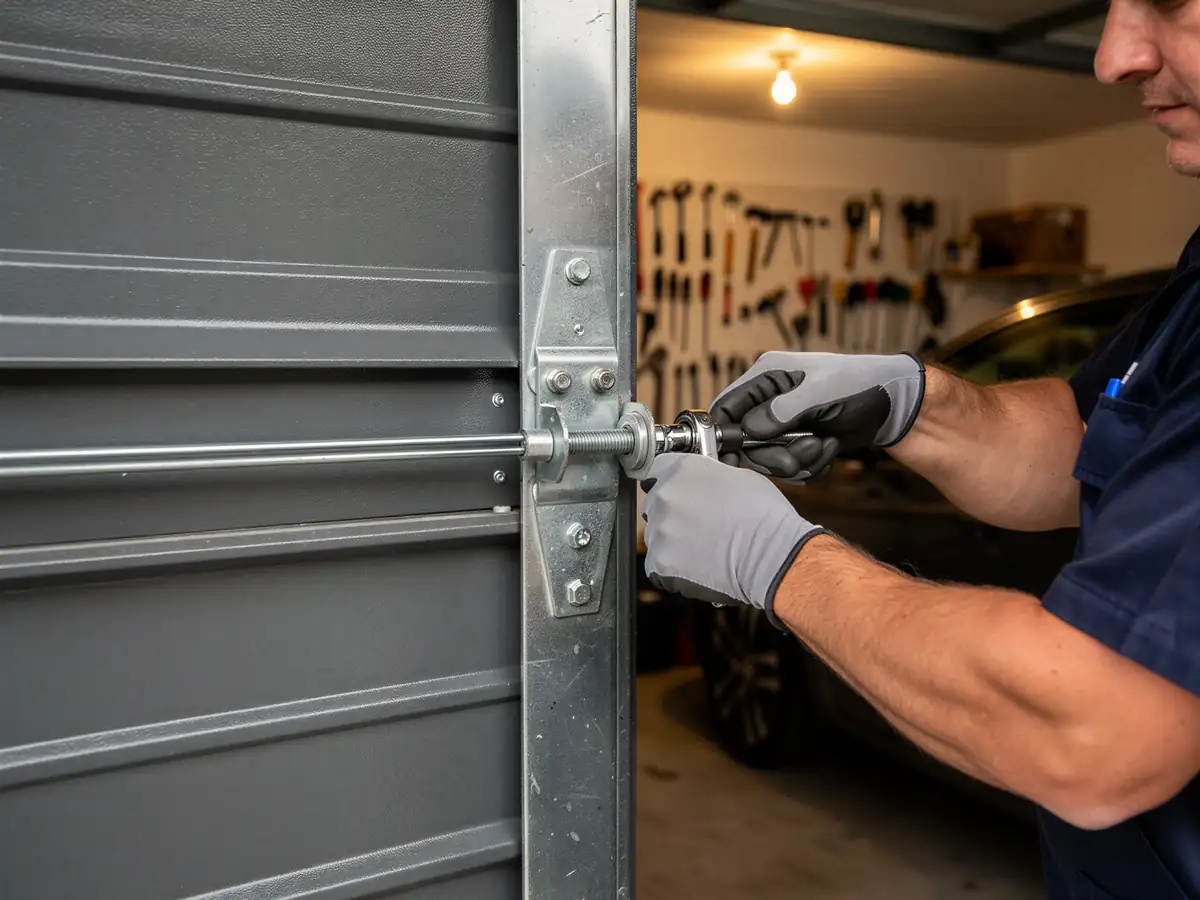
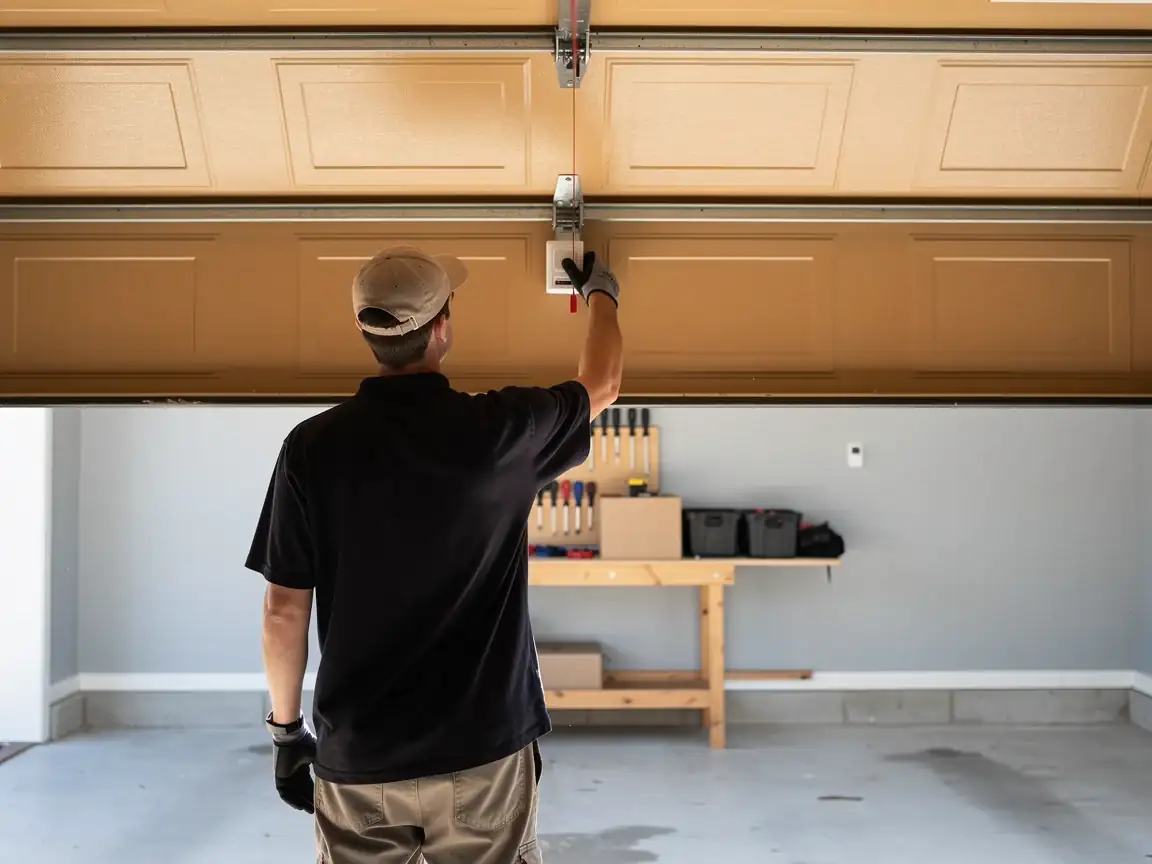
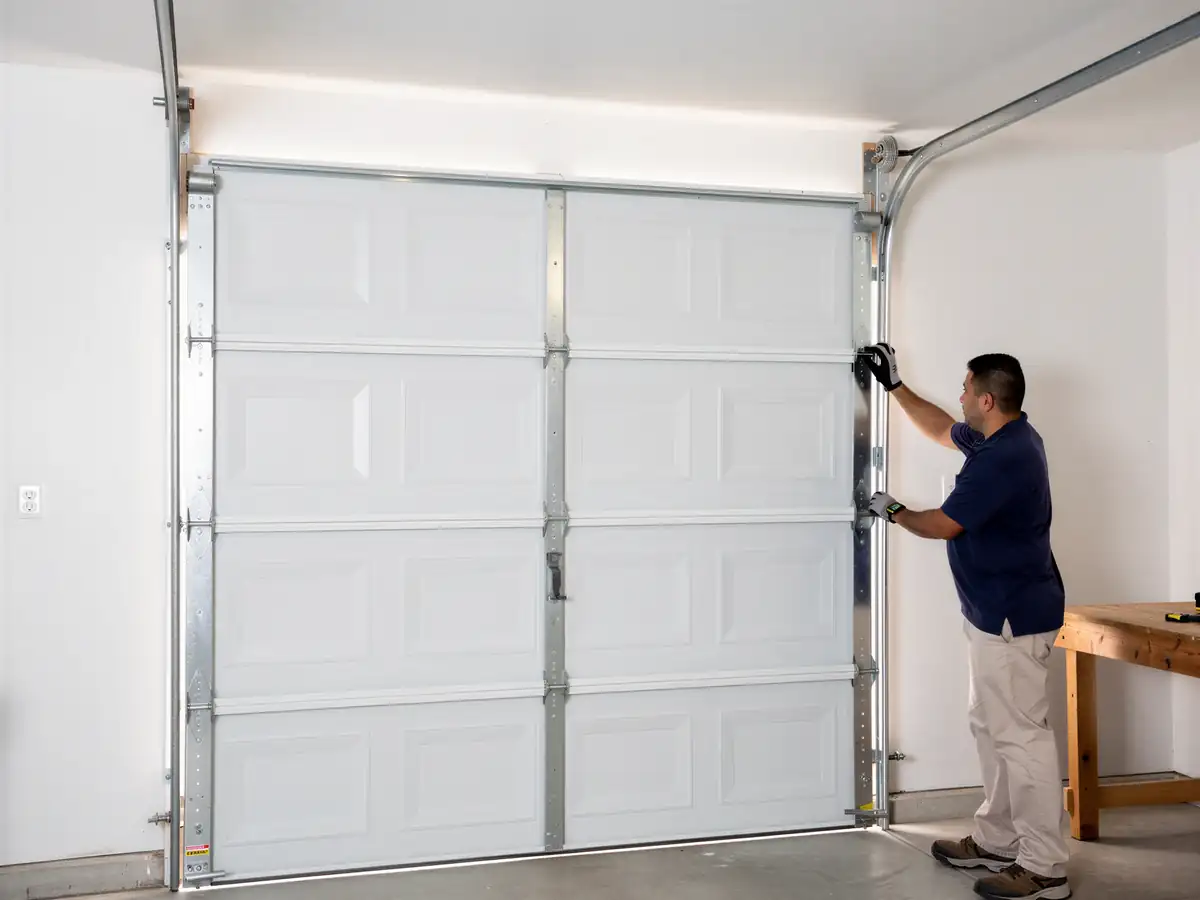
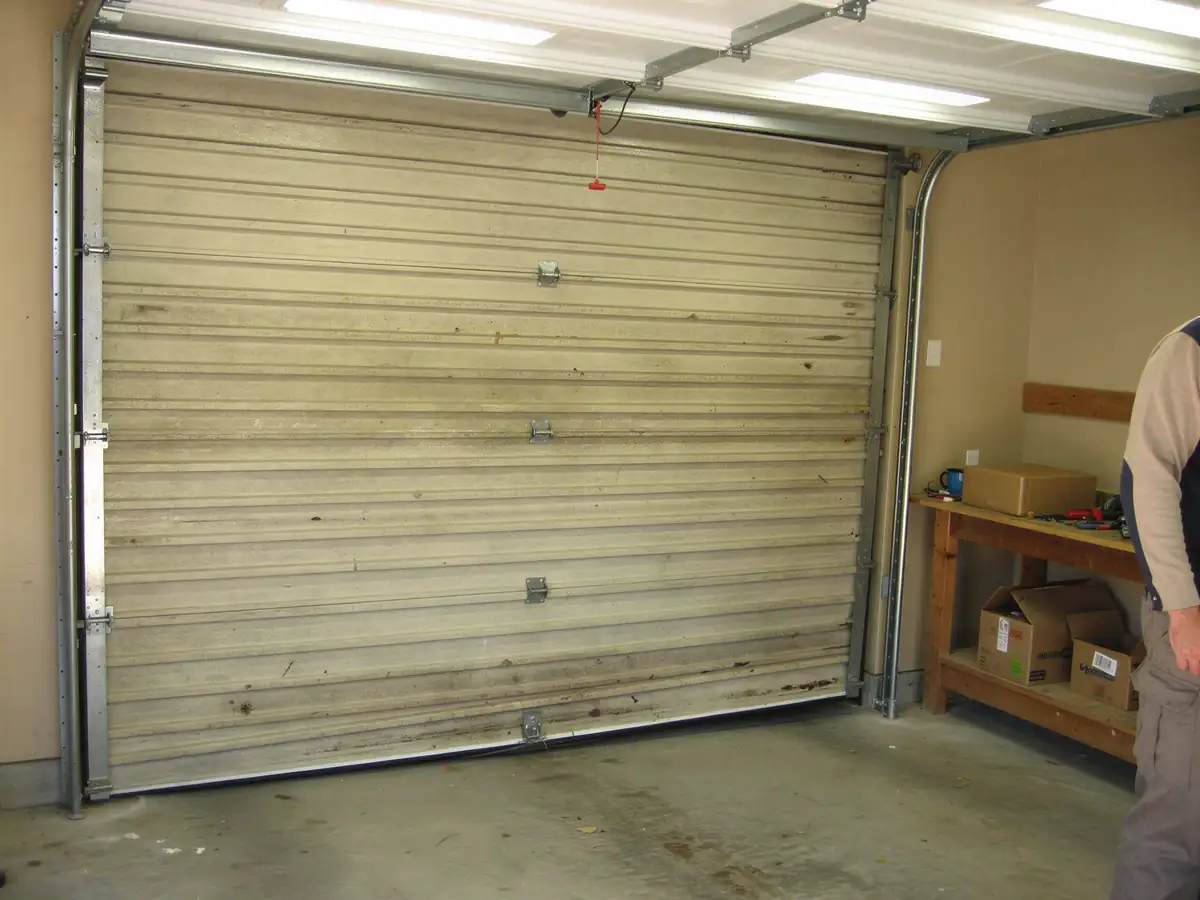
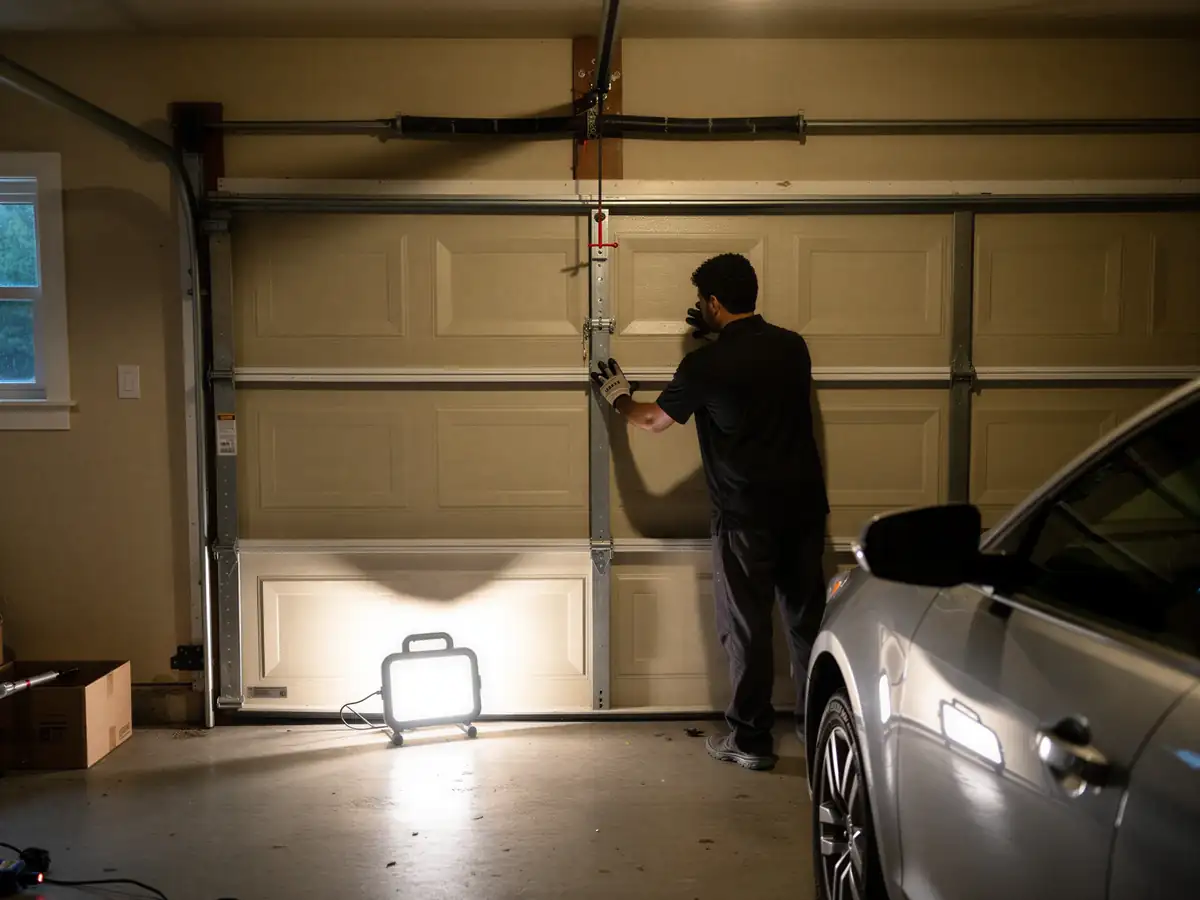
A repair on a door this old starts with checking whether the track and jamb hardware are still square - after almost seventy years, wood jambs in this part of the service area have often shifted enough that a new roller or cable won't sit right until the track gets re-aligned first. That's labor most newer-door repairs skip entirely. We'll tell you straight if the panel itself has delaminated or rusted through at the bottom corner, which is common on doors from this build era that never got repainted or resealed - at that point, patching the spring is a short-term fix and replacement is the honest answer, not another repair bill in a year. We don't push a full replacement unless the door's actually failing structurally.
How it works
From “it’s stuck” to “it’s fixed”
01
Tell us what’s wrong
Describe the symptom - won’t open, loud bang, opener runs but the door won’t move.
02
On-site diagnosis
A technician tests the door under power and by hand and finds what actually failed.
03
Clear, up-front plan
You get the fix that’s needed and what drives the cost - before any work starts.
04
Repaired & tested
The repair is done, the door is set true and tested, and the work area left clean.
Not sure which repair your door needs in Oakland, CA? Describe what it’s doing - every job starts with a diagnosis.
Straight answers about garage door repair in Oakland. Still unsure? Ask us directly.
Why does my 1950s garage door in El Cerrito keep slipping off the track?
On houses from around 1956, the original track hangers and jamb brackets have usually loosened or shifted slightly over the decades. Combined with a spring that's past its rated cycle count, the door pulls unevenly and walks off the track. We re-square the track and swap the worn hardware together rather than just resetting the door.
Do you carry parts for older extension spring setups?
Yes. Extension springs mounted above the horizontal track were standard on houses built in this era, and we stock the matching cable, pulleys, and springs on the truck. Original manufacturer-specific brackets from the 1950s sometimes need to be sourced separately, which can add a day.
How far out is El Cerrito from your shop?
About 11 miles from our Oakland base. We don't have a branch in El Cerrito, so travel time is part of scheduling the call, and we're upfront about that when you book rather than quoting a same-hour window we can't guarantee from across town.
Is it worth repairing a door this old or should I replace it?
Depends on the panel. If the steel or wood composite has rusted through or delaminated at the bottom, a spring or cable fix won't solve the underlying problem and we'll say so. If the panel's sound and it's just hardware fatigue, repair is the right call and usually the cheaper one.