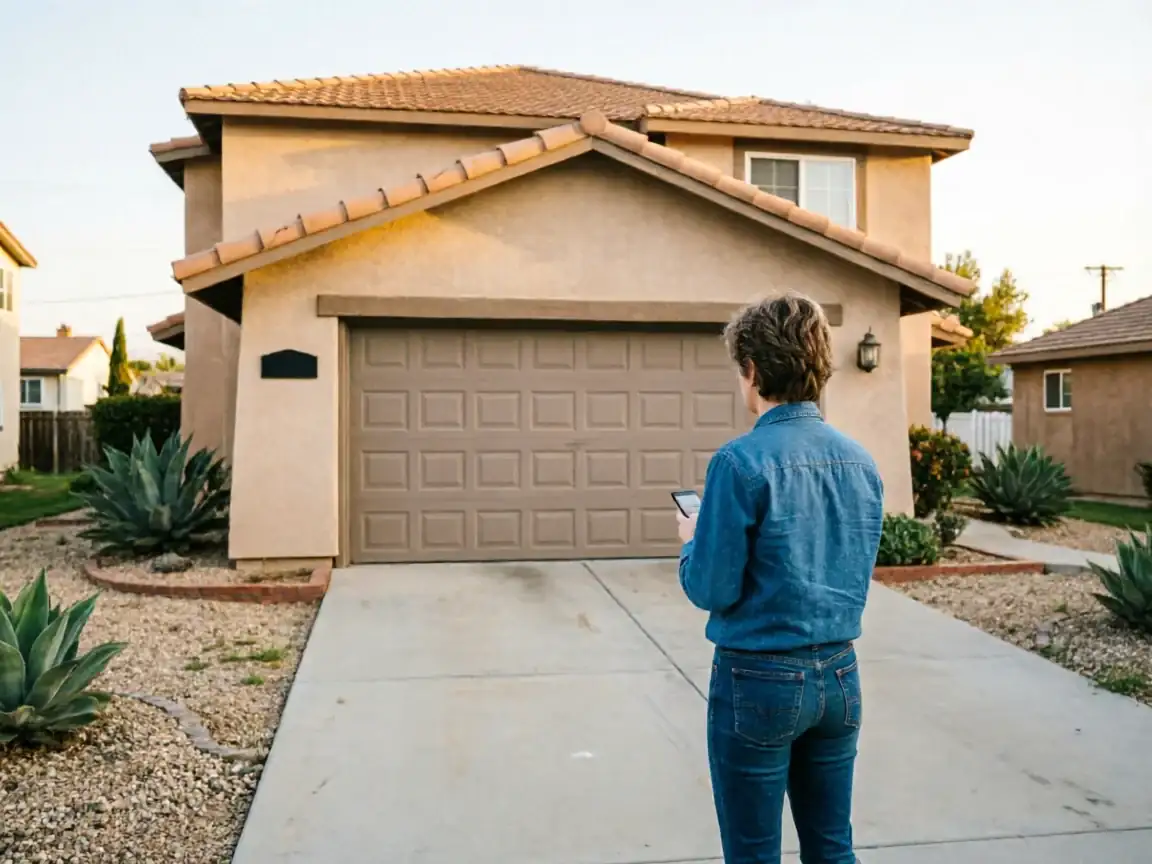
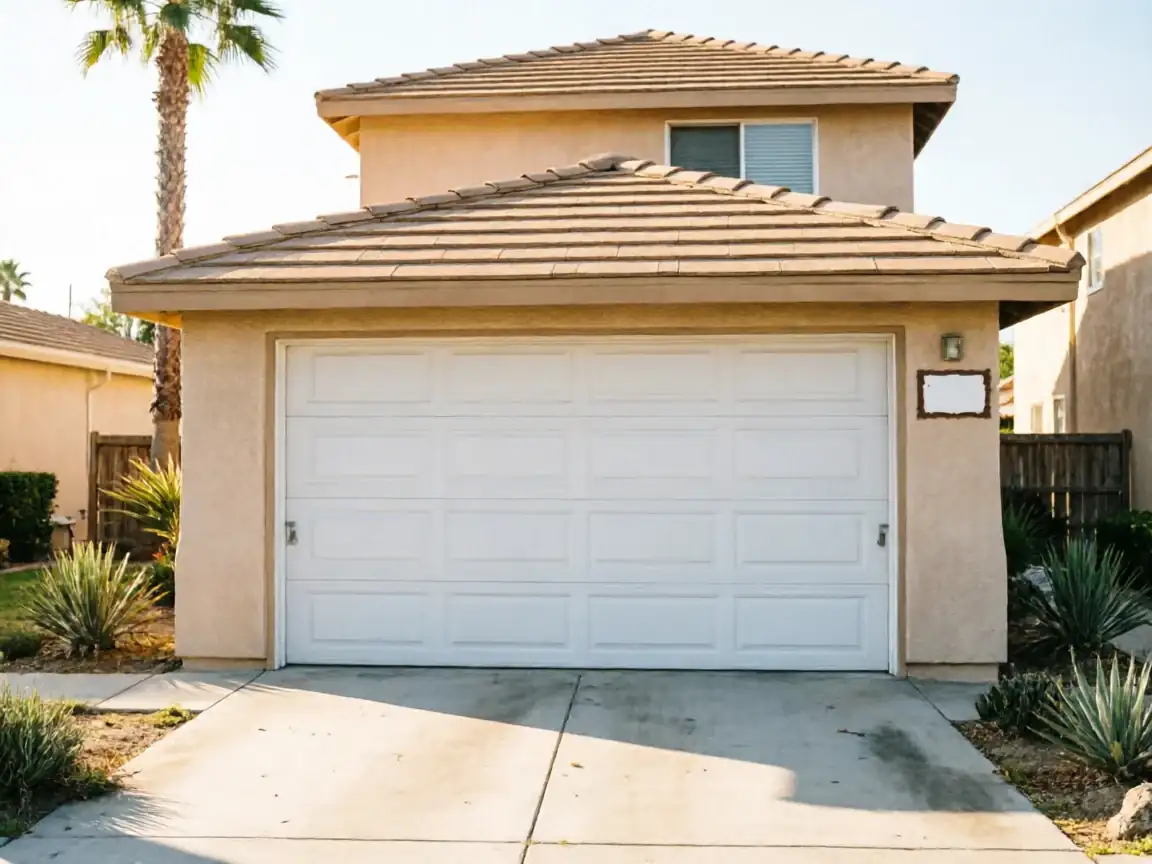
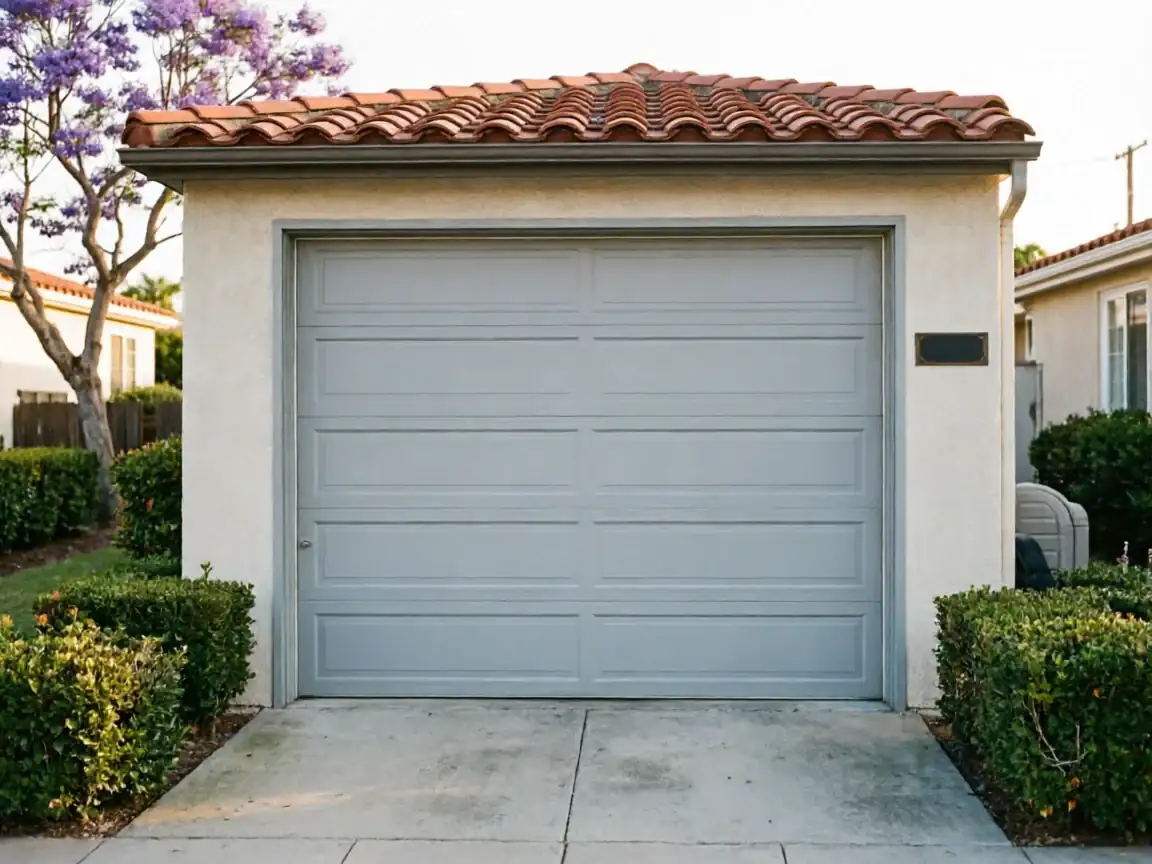
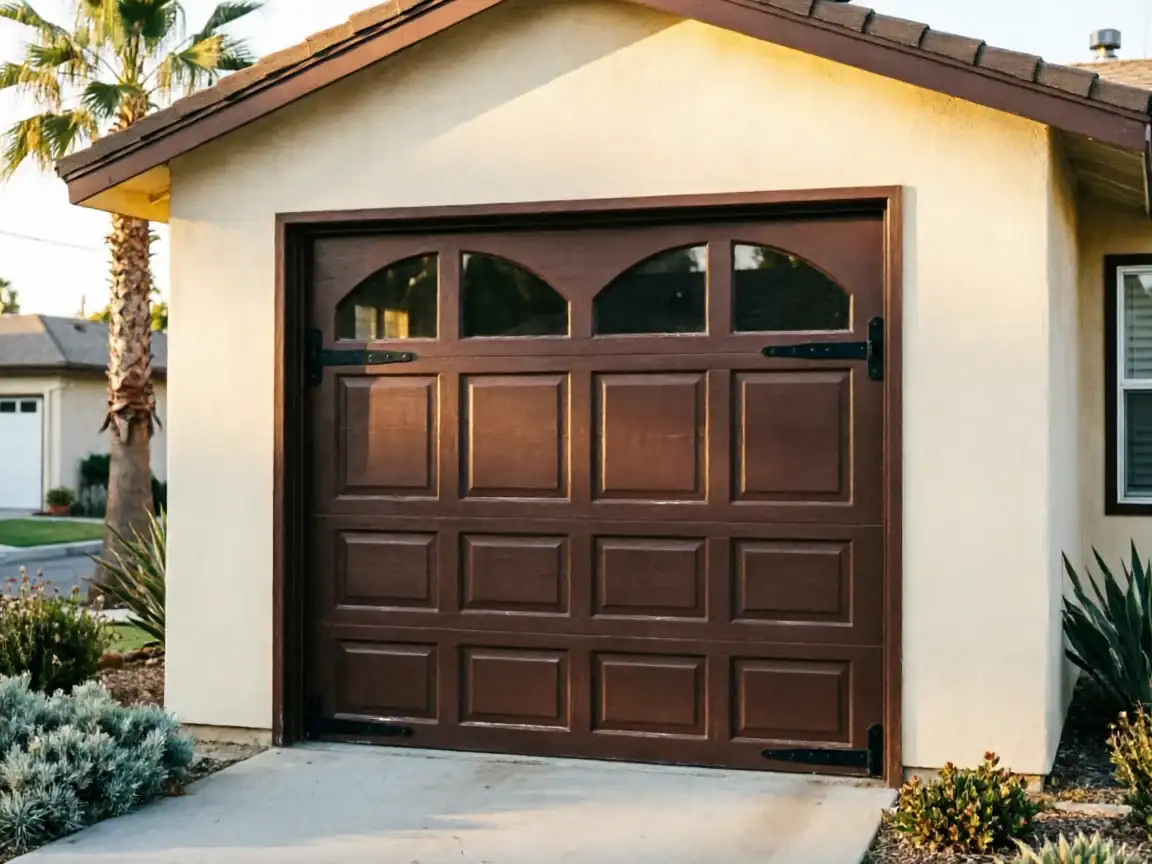
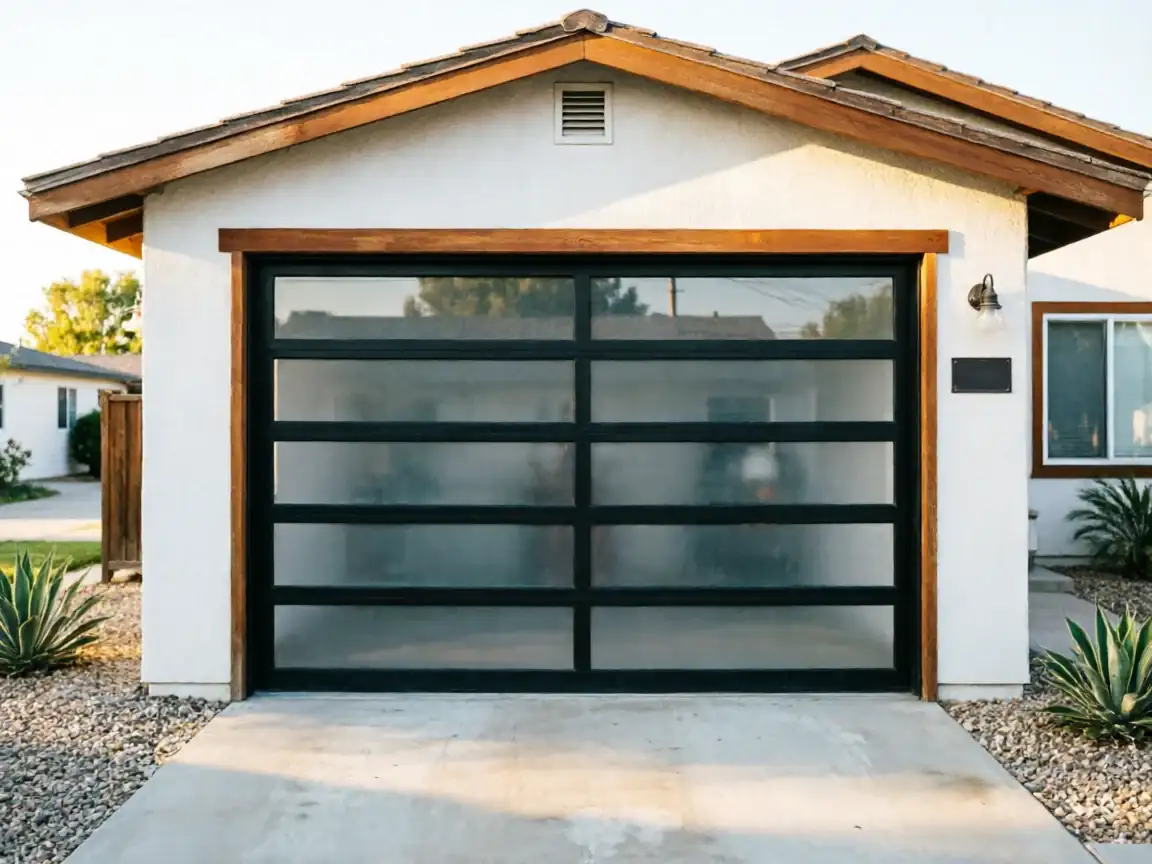
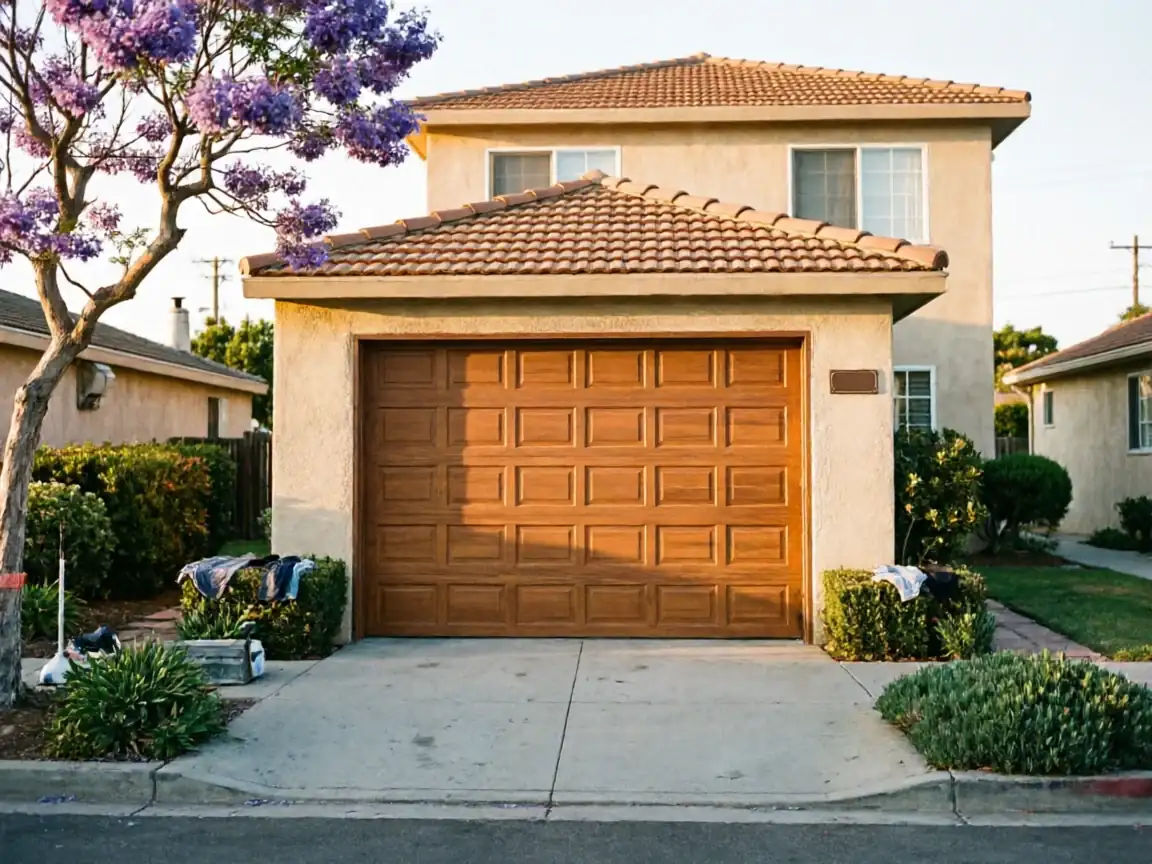
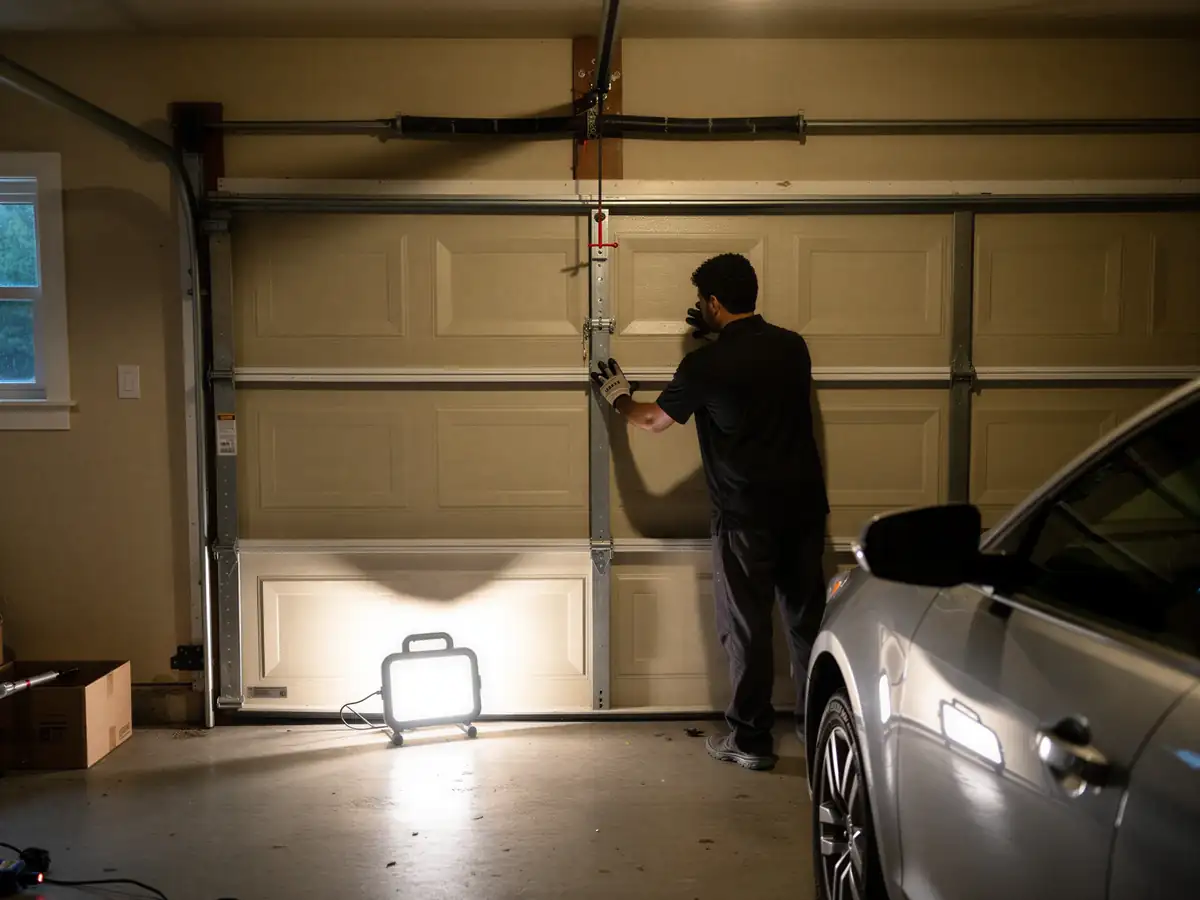
El Cerrito's median home dates to 1956, nearly a decade older than Oakland's city-wide median. That earlier build era means different track hardware and a different off-track fault.
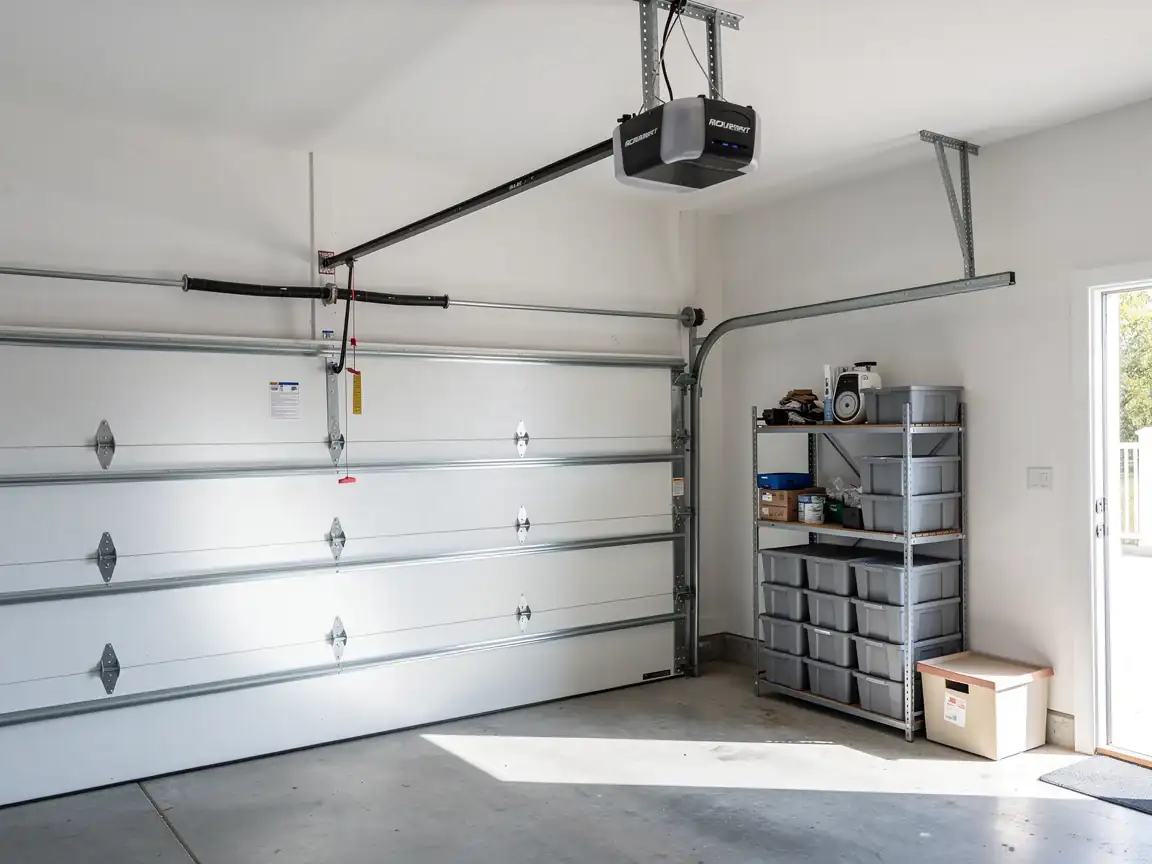
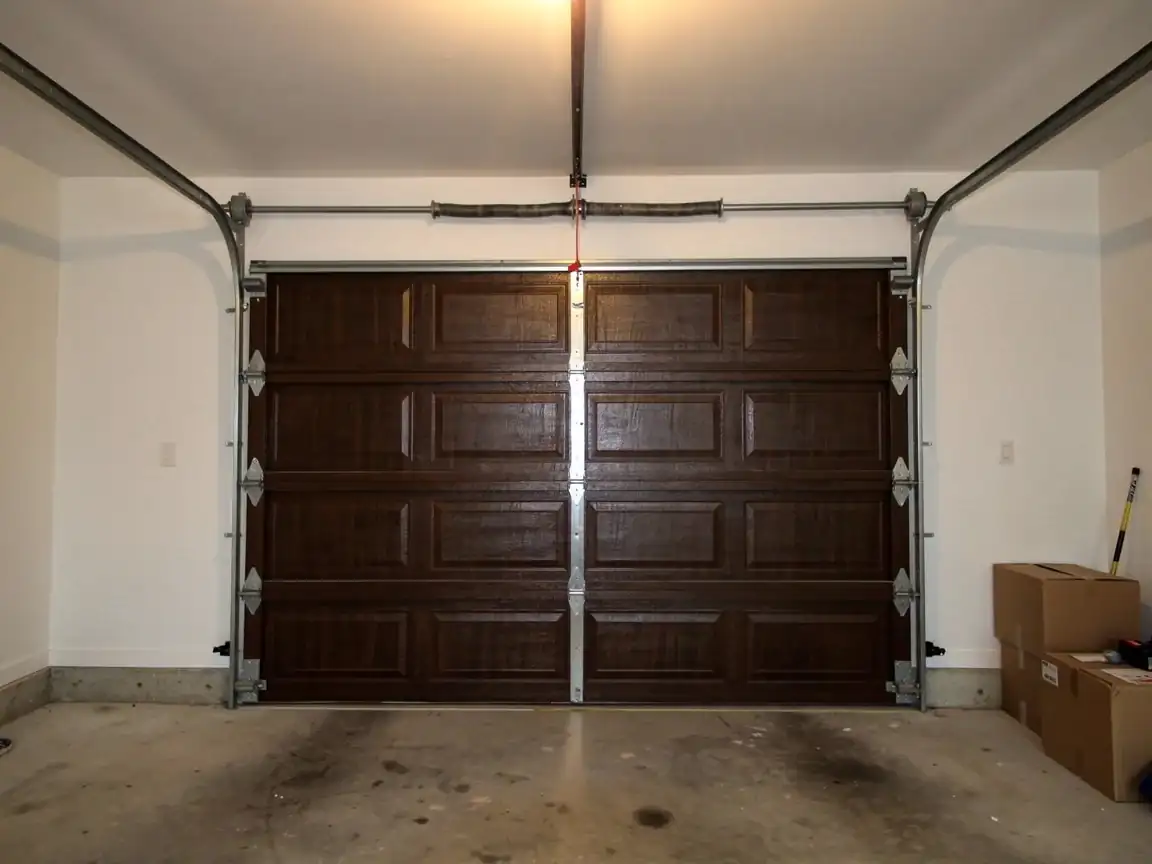
Oakland's housing stock runs from 1938 to 2008, with a city-wide median build year of 1965. El Cerrito sits older than that median - its homes cluster around 1956. That decade matters for an off-track door. A door that jumps its track on a house built in 1956 is usually riding on narrower, lighter-gauge track than anything installed after the 1965 median, and the rollers that ride in it wear a groove that lets the door walk sideways under load.
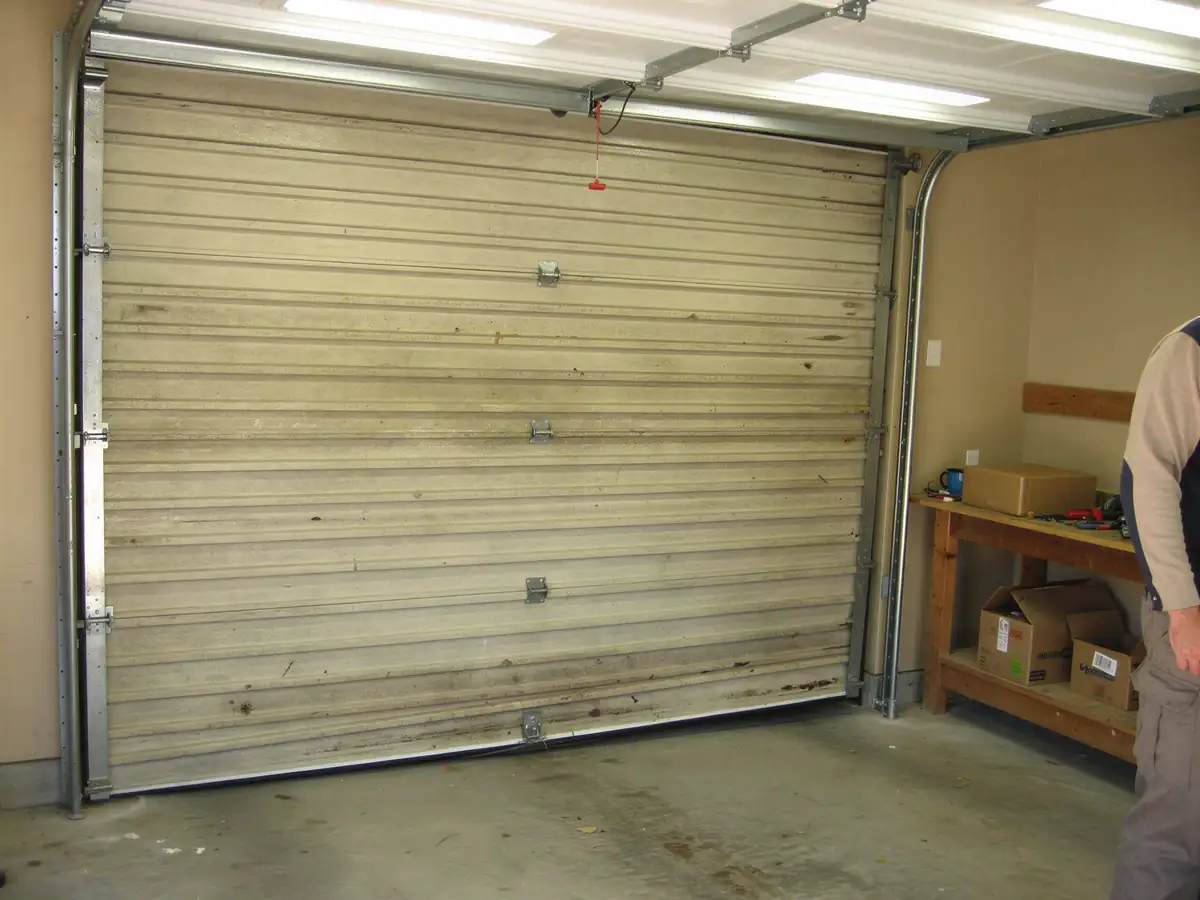
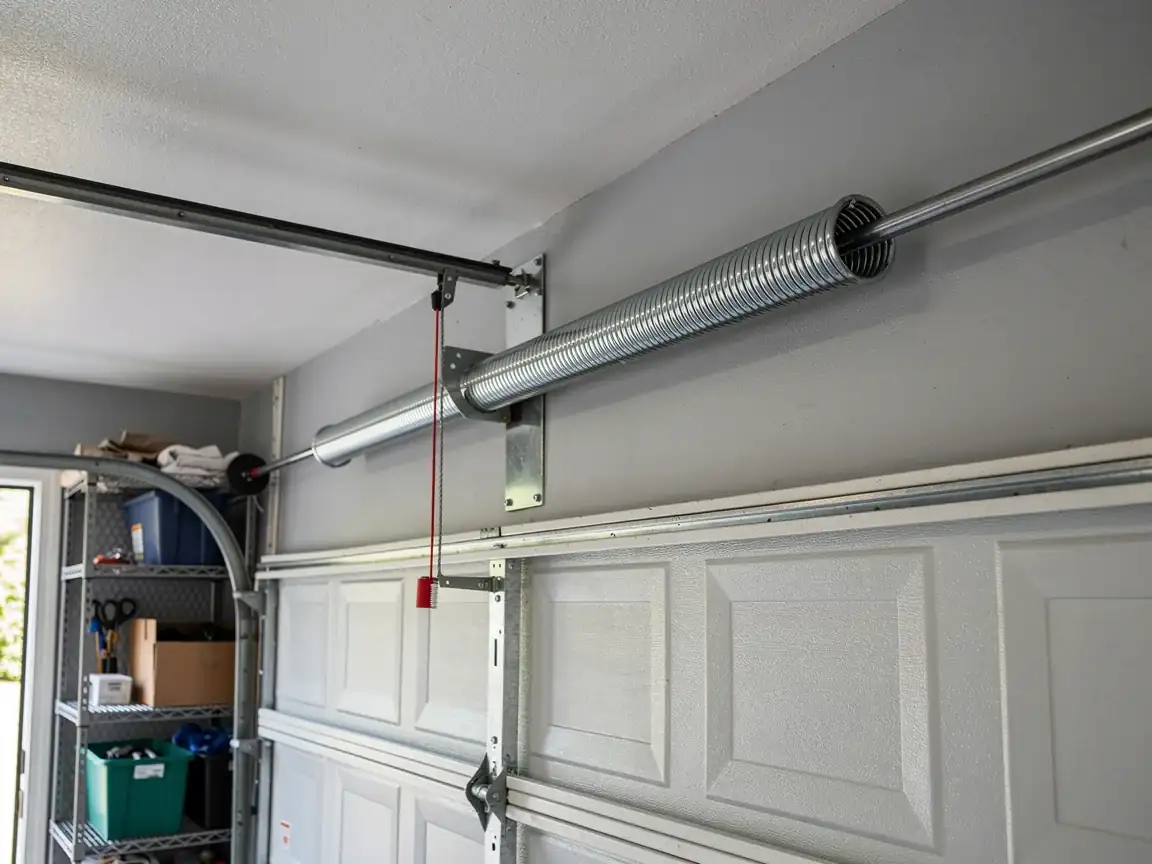
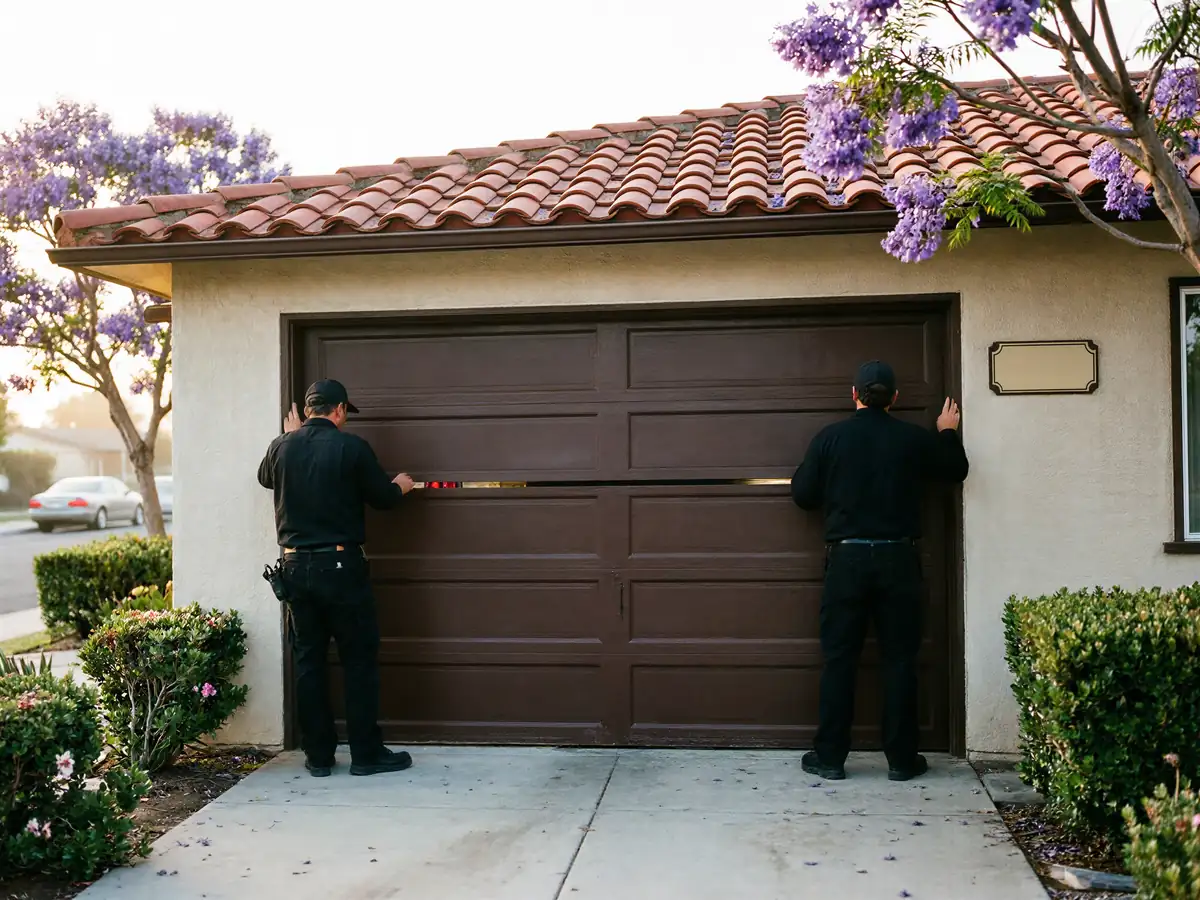
What you'll see: the door stops level on one side and climbs on the other, or it binds halfway up and won't move either direction without the opener straining. Sometimes a roller has already popped clean out of the track and you can see daylight between the door edge and the frame. None of that is a spring problem, even though people often call it one - a jammed or off-track door can look like a dead spring until someone's hands are on it.
Don't keep hitting the opener button once a panel is visibly out of the track. Every cycle bends the track further and turns a bent-track job into a bent-track-and-cracked-panel job.
Parts We Carry
01
For a door of this era we carry standard-width steel track, replacement rollers in both nylon and steel
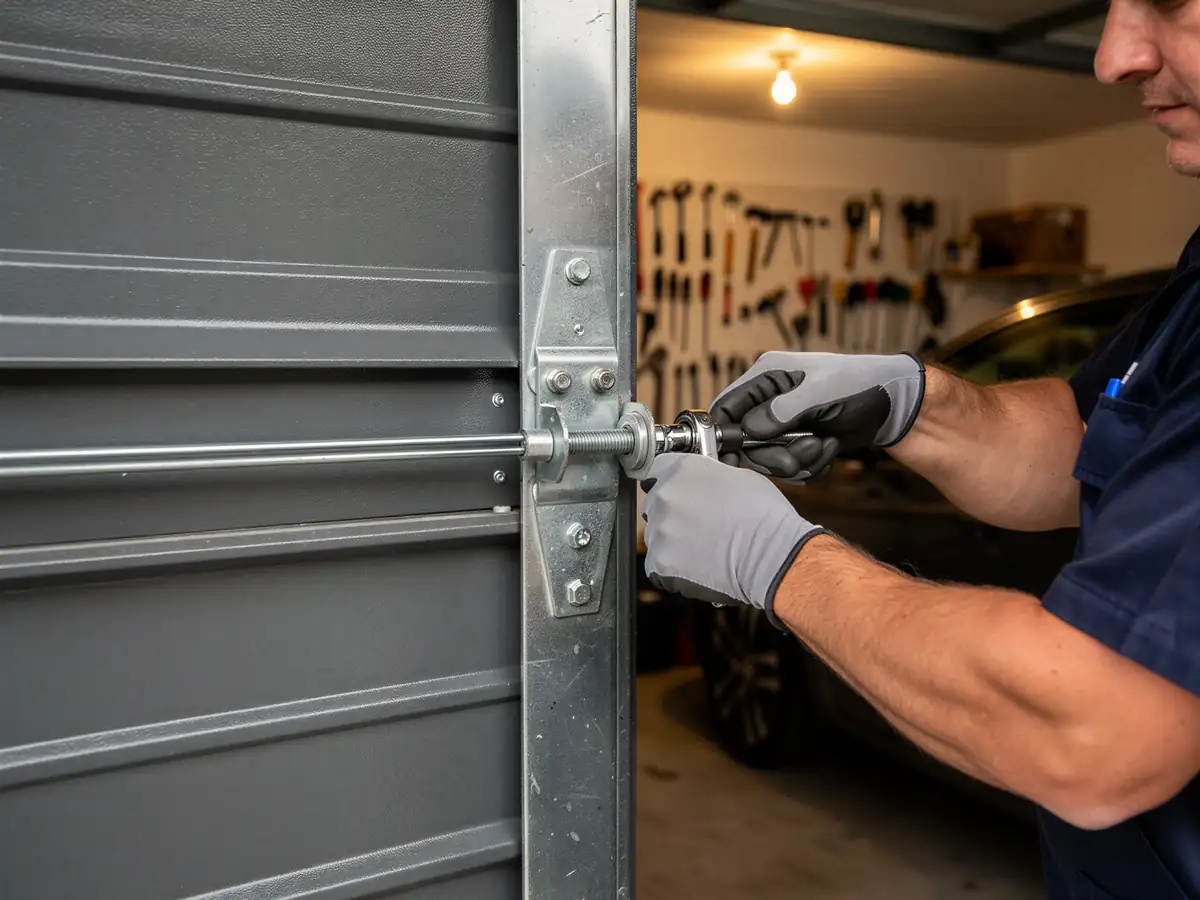
And the brackets that hold track to the jamb - the parts that actually fail when a door jumps its channel. We don't stock every width or every bracket pattern for every custom door; if your door was a one-off install or has been modified over the years, that part may need to come from a supplier before we finish the job, and we'll tell you that up front rather than guess.
02
Most off-track calls on housing from this build period are a track or roller fix, not a full hardware swap
So parts are usually straightforward. We carry what covers the common case and order what doesn't fit it.
Why It Happens Here
El Cerrito's homes run roughly a decade ahead of Oakland's city-wide median build year - 1956 against 1965 - which puts a meaningful share of these doors on original or early-replacement track hardware rather than the wider, heavier track that came standard later. Narrower track flexes more, and flexed track lets rollers climb out under normal use, not just from an impact.
The climate here doesn't help the metal directly - this is a mild temperate band, nothing like the freeze-thaw cycling that cracks track brackets elsewhere - but it does mean houses built in the 1950s have had seven decades of daily opening and closing on the same hardware, with no weather event forcing an earlier replacement. The track simply wears out from age and use, quietly, until one day a roller finds the worn spot and comes off.
How Long It Takes
A straightforward off-track repair - reseating rollers, straightening or replacing a section of track, re-squaring the brackets - is usually a same-visit fix once we're on site. We travel to El Cerrito from Oakland, about 11 miles, so factor that drive into when we can get there rather than into how long the repair itself takes once we arrive.
If the panel itself is dented or cracked from the door running off-track before anyone caught it, that's a separate repair and sometimes a separate part order, which adds time. We'll know which situation we're in within the first few minutes of looking at it.
What the Repair Takes
01
Getting a door back on track means more than pushing the rollers back into the channel
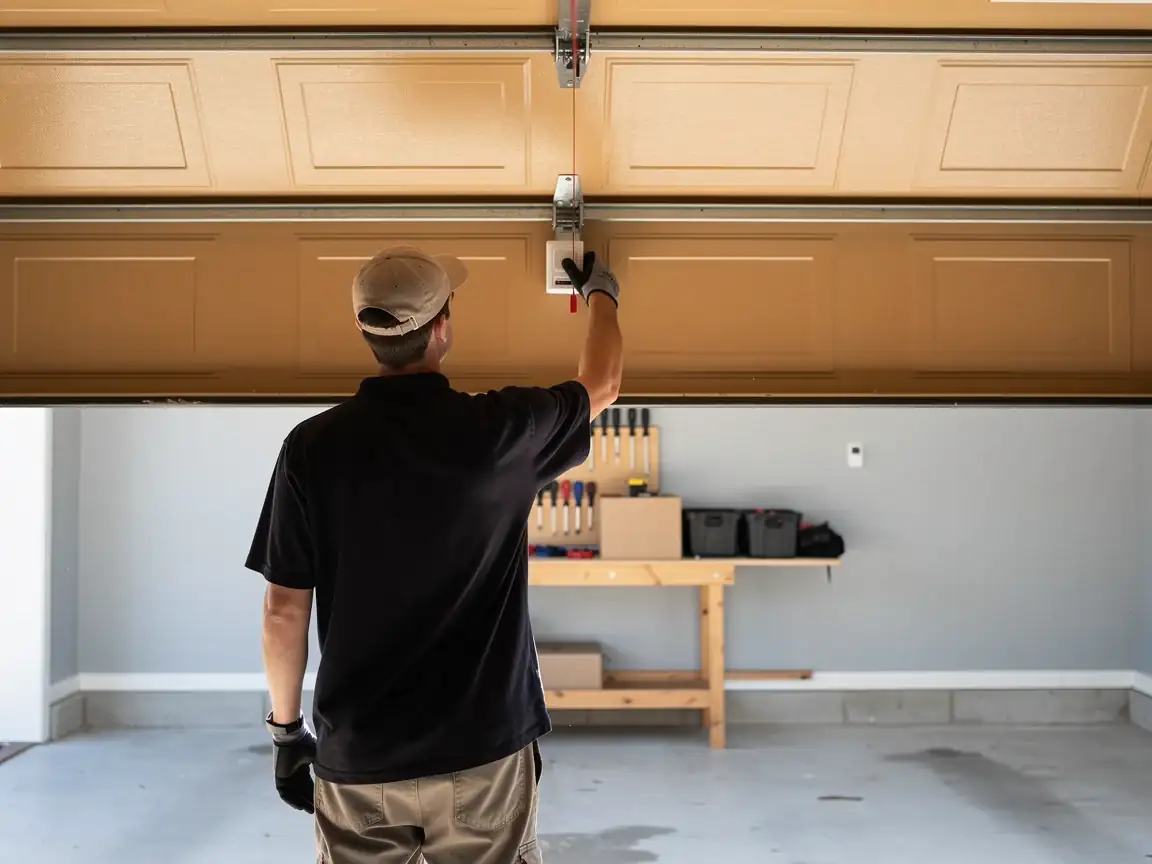
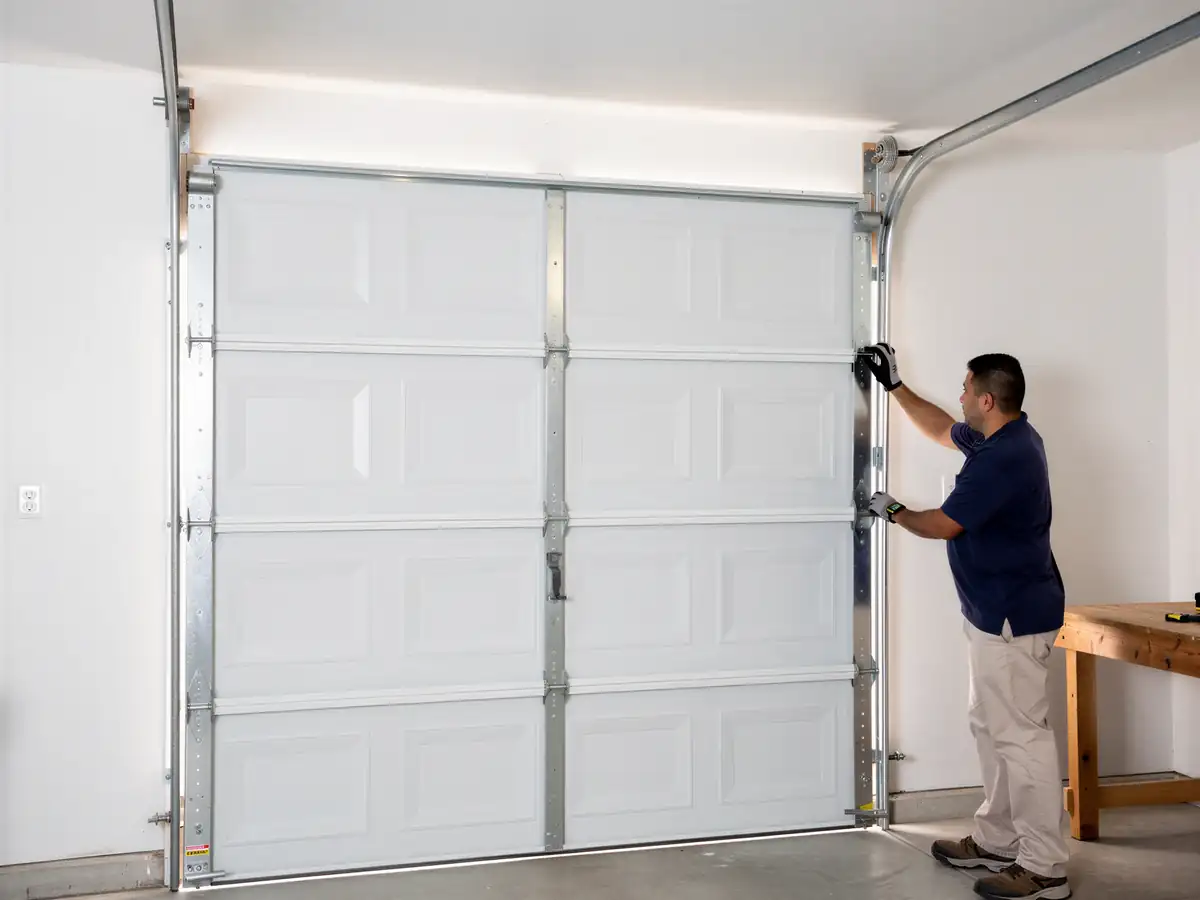
We check the track is still straight and still plumb against the jamb, confirm the brackets haven't bent, and run the door through a full cycle before we call it done - a door that looks fixed but still binds slightly will walk off the track again within weeks.
02
On El Cerrito's older housing stock we also check the track width and gauge match what's actually on the door
Since houses from this era sometimes have had a partial hardware swap done at some point and the result doesn't always match factory spec. If the track is original to a 1956 install and genuinely too narrow or too worn to hold the door reliably, replacing that section is the honest answer, not another round of straightening it.
How it works
From “it’s stuck” to “it’s fixed”
01
Tell us what’s wrong
Describe the symptom - won’t open, loud bang, opener runs but the door won’t move.
02
On-site diagnosis
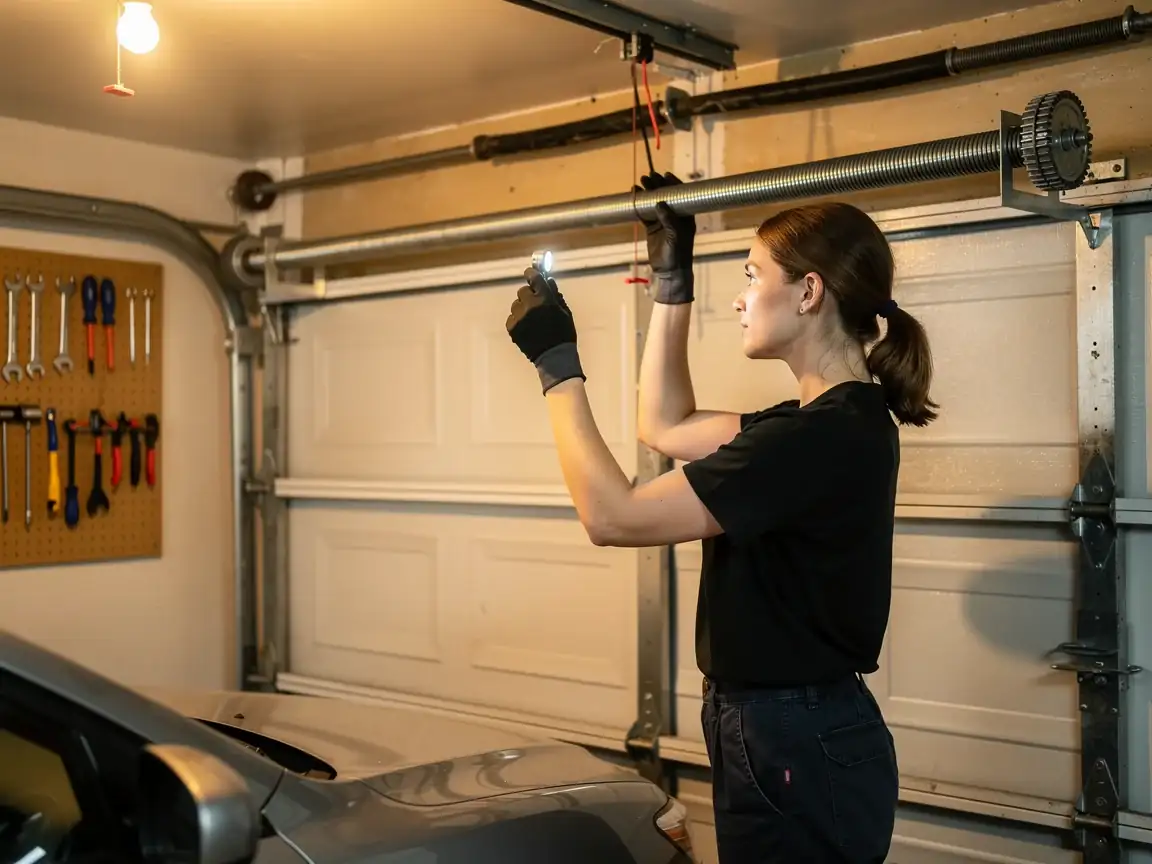
A technician tests the door under power and by hand and finds what actually failed.
03
Clear, up-front plan
You get the fix that’s needed and what drives the cost - before any work starts.
04
Repaired & tested
The repair is done, the door is set true and tested, and the work area left clean.
Not sure which repair your door needs in Oakland, CA? Describe what it’s doing - every job starts with a diagnosis.
Straight answers about garage door repair in Oakland. Still unsure? Ask us directly.
Why does my door keep jumping the track in El Cerrito but my neighbor in a newer part of Oakland never has this problem?
It usually comes down to build era. El Cerrito's homes run around a 1956 median, noticeably earlier than Oakland's city-wide 1965 median, so more doors here are on narrower original track that flexes and lets rollers climb out. A newer door on wider, later-spec track is just less prone to it.
Can I keep using the door if it's only slightly off track?
No. Running an opener against a door that's even partly off its track bends the track further with every cycle and can crack a panel. Stop using the opener, open it by hand if it moves freely, and get the track looked at before it gets worse.
How far out do you travel for this repair?
We work out of Oakland and El Cerrito is about 11 miles from there. We don't keep a branch or crew stationed in El Cerrito, so the visit is scheduled from Oakland rather than dispatched locally.
Will you need to order parts for an older El Cerrito door?
Sometimes. We carry standard track, rollers, and brackets that cover most off-track jobs. If your door has custom or modified hardware from a past repair, that specific part may need ordering, and we'll confirm that before starting work.