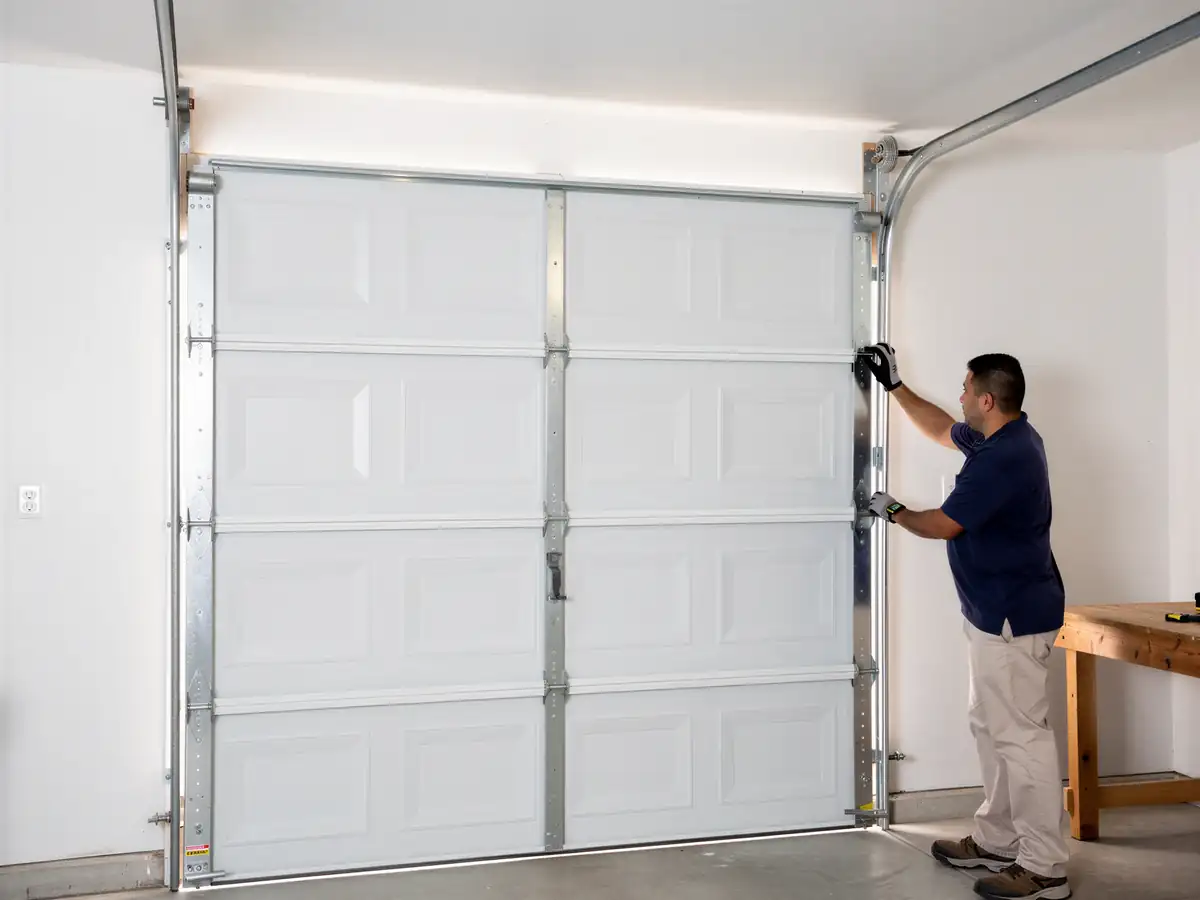
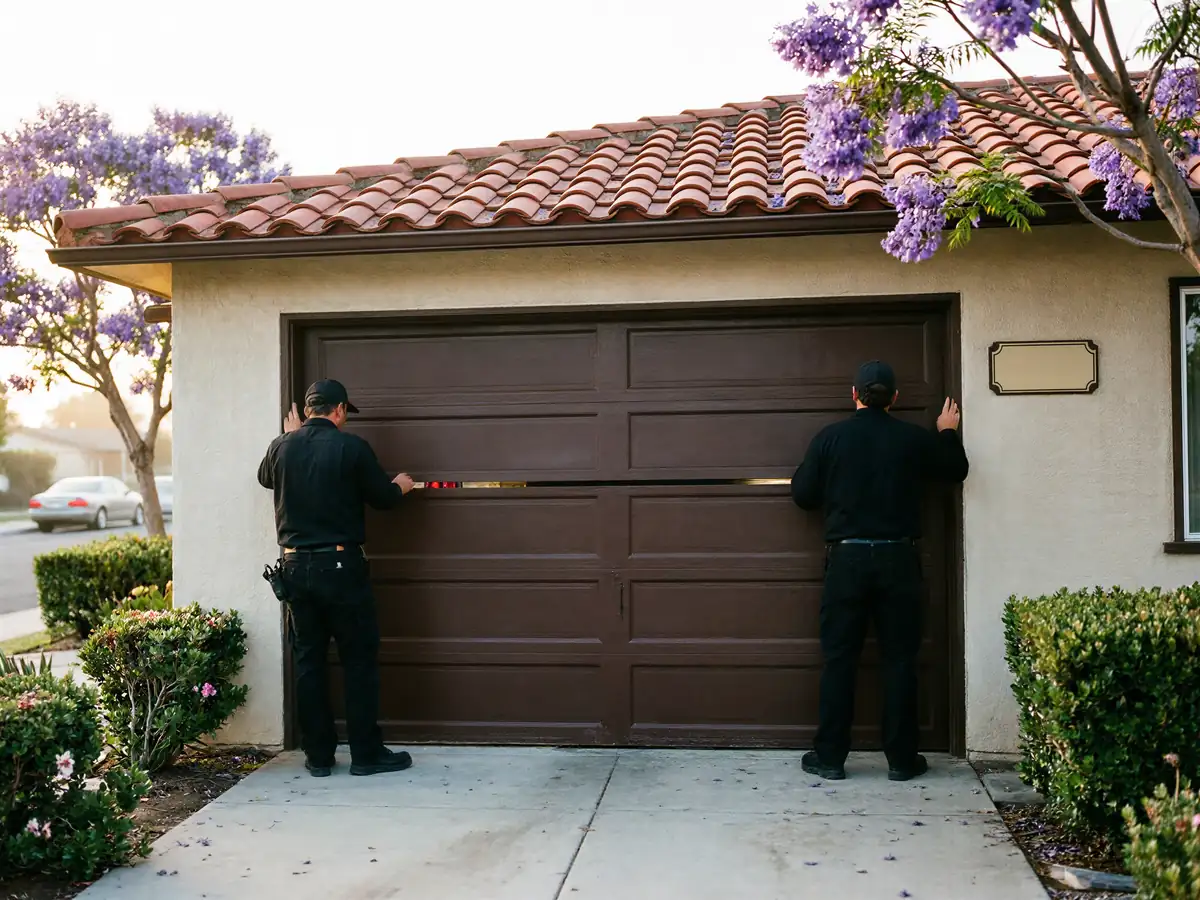
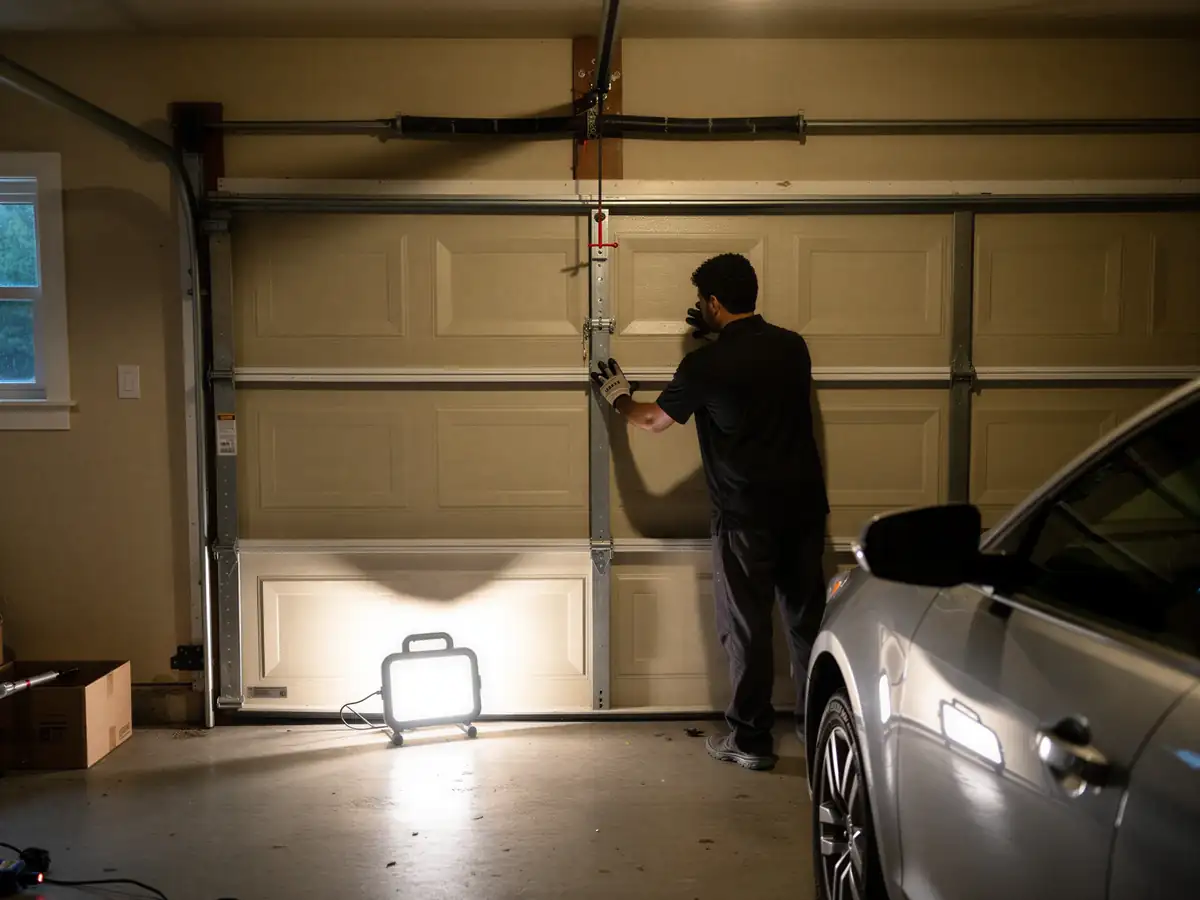
We run this job out of Oakland, about 15 miles from Richmond, so there's no local branch or drop-in counter here - just a truck that drives out when you call. That matters for how you plan the day: we're not going to promise a same-hour arrival we can't back up from that distance, and we won't pretend otherwise. What we can do is give you a straight estimate on the phone once you describe what the door is doing, so you're not waiting around for a diagnosis that could've happened before the truck left Oakland.
Most calls from this side of the service area are about the same handful of failures: a spring that let go, an opener that stopped responding, a track that's bent from a door that got hit. Tell us which one it sounds like and we'll bring the parts most likely to fix it on the first trip, rather than showing up, looking, and coming back a second time.
One honest note: if the fix turns out to need a part we don't carry on the truck - an odd-size panel or a discontinued opener board, for instance - that's a second visit no matter who you call. We'd rather say that up front than let you assume every repair wraps in one stop.
What the Repair Takes
01
Richmond's housing stock is largely from around 1965
The same build-out era that shaped a lot of this part of the East Bay. Doors and openers from that period weren't built for today's replacement parts catalog - torsion springs were often sized for heavier wood-panel doors, and the drums and shafts on original hardware don't always match what's stocked for the lighter steel sections sold now. That's the gap that turns a quick spring swap into a longer job: matching old shaft diameter to new spring wind, or finding a track bracket that fits a header that was framed sixty years ago rather than built to current spacing.
02
Income is the other number that shapes the call
Median household income in Richmond runs around $90,038 - well under the roughly $148,801 median across the wider service area. That changes the math on repair versus replace. A full door swap makes more sense where the budget absorbs it easily; here, we're more often looking at whether the existing door, track, and opener can be brought back to safe working order instead of torn out. We'll tell you straight when a repair isn't worth it, but we don't default to recommending replacement just because it's the bigger job.
The Symptom
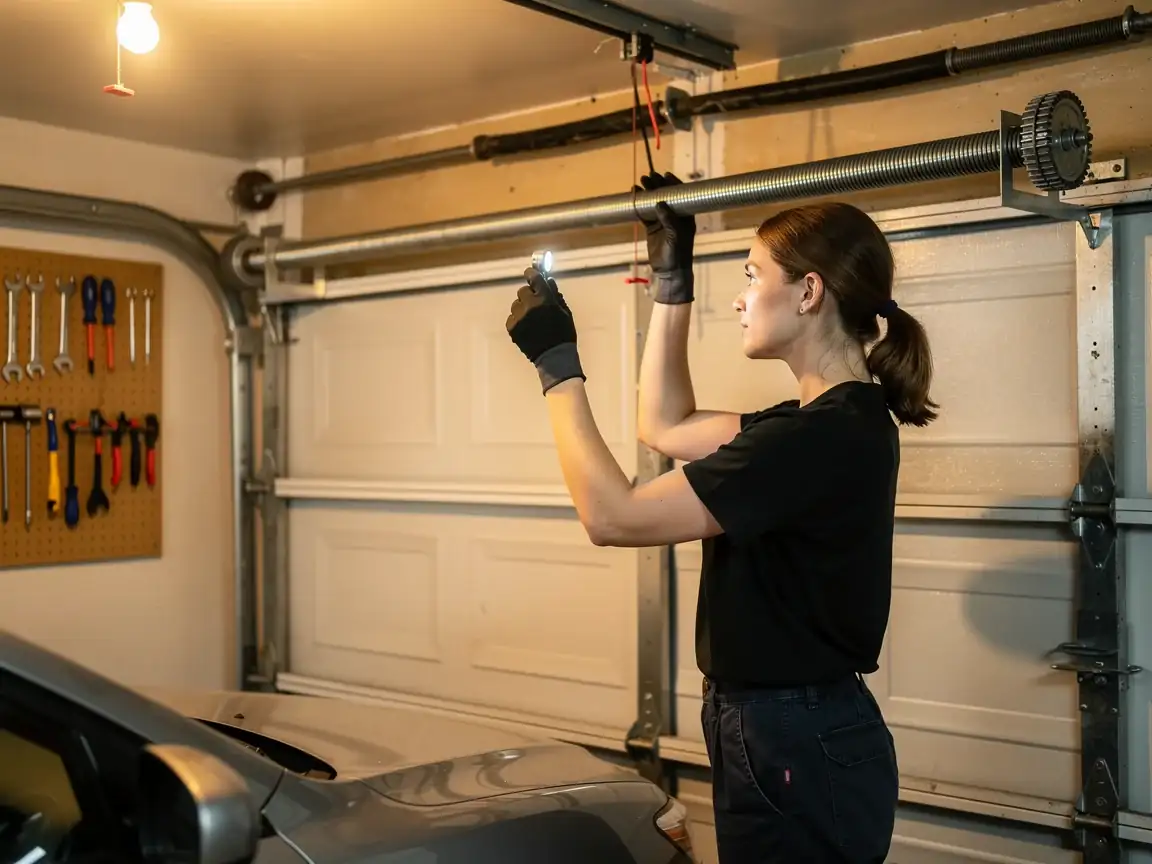
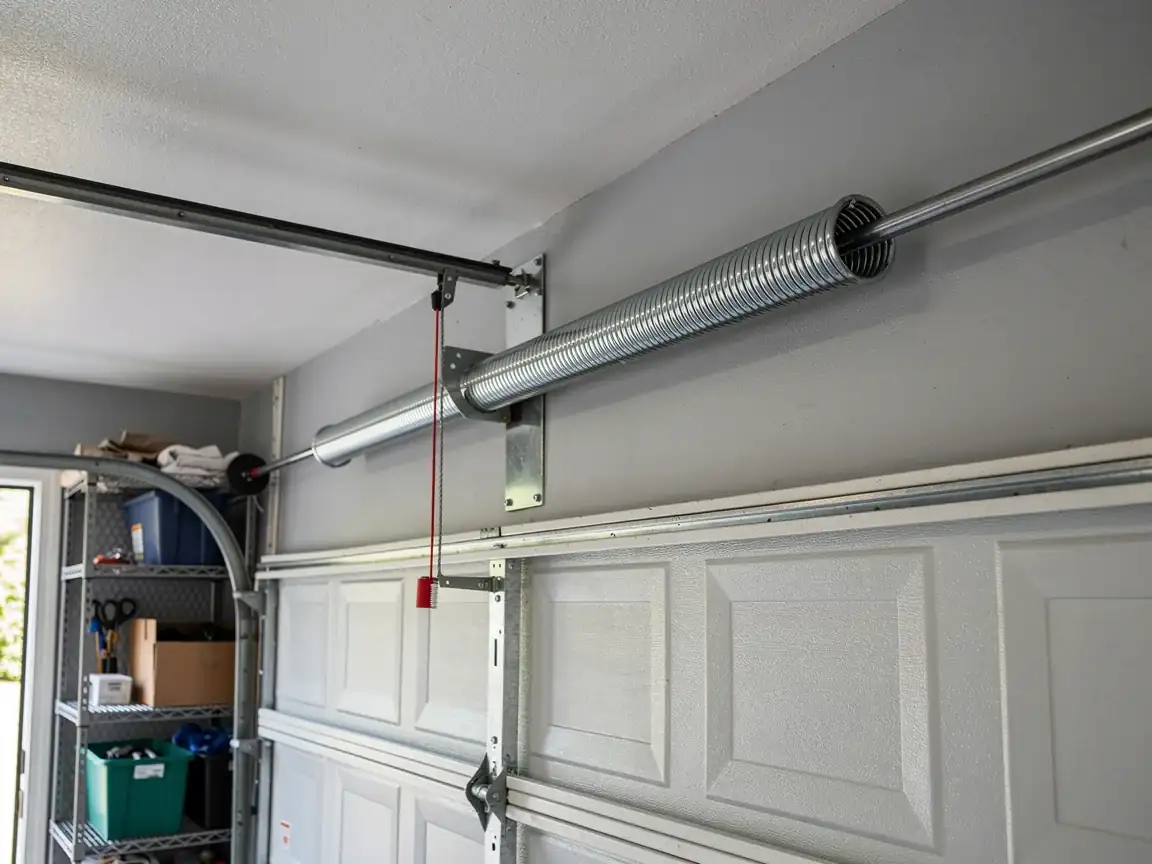
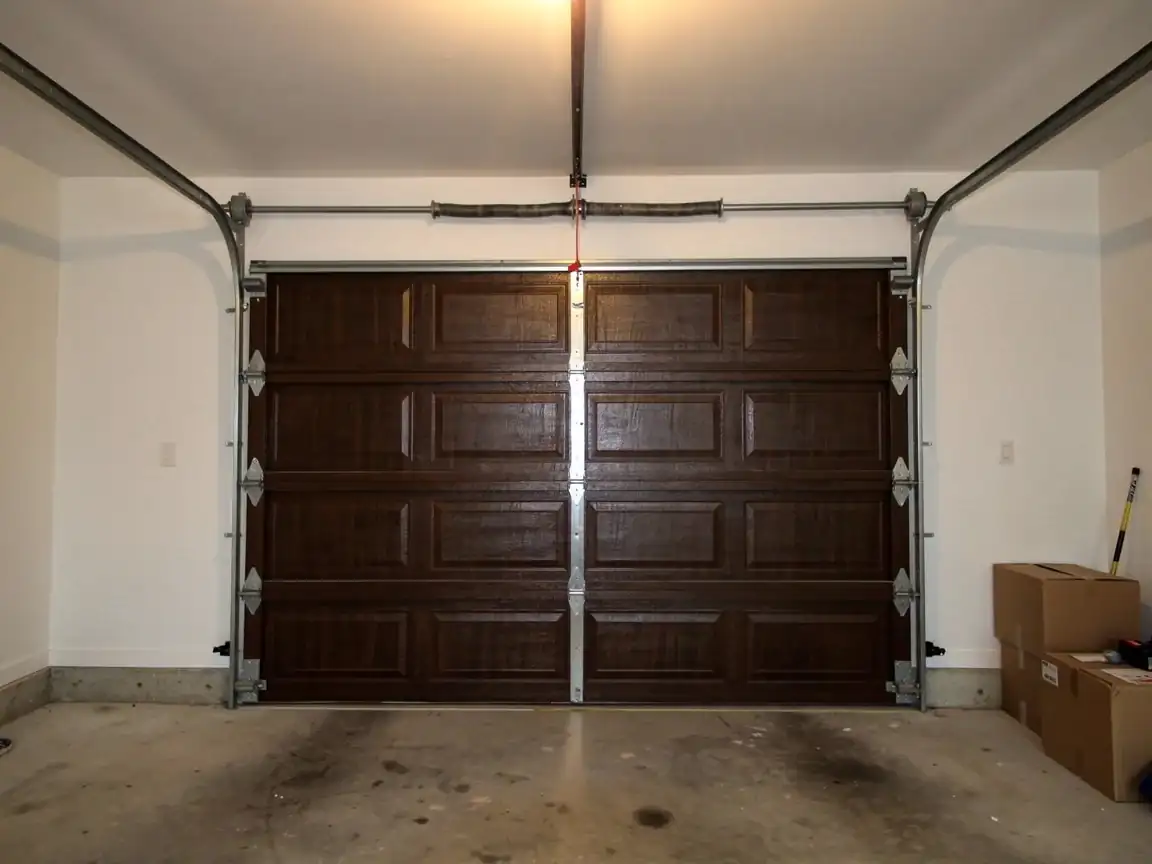
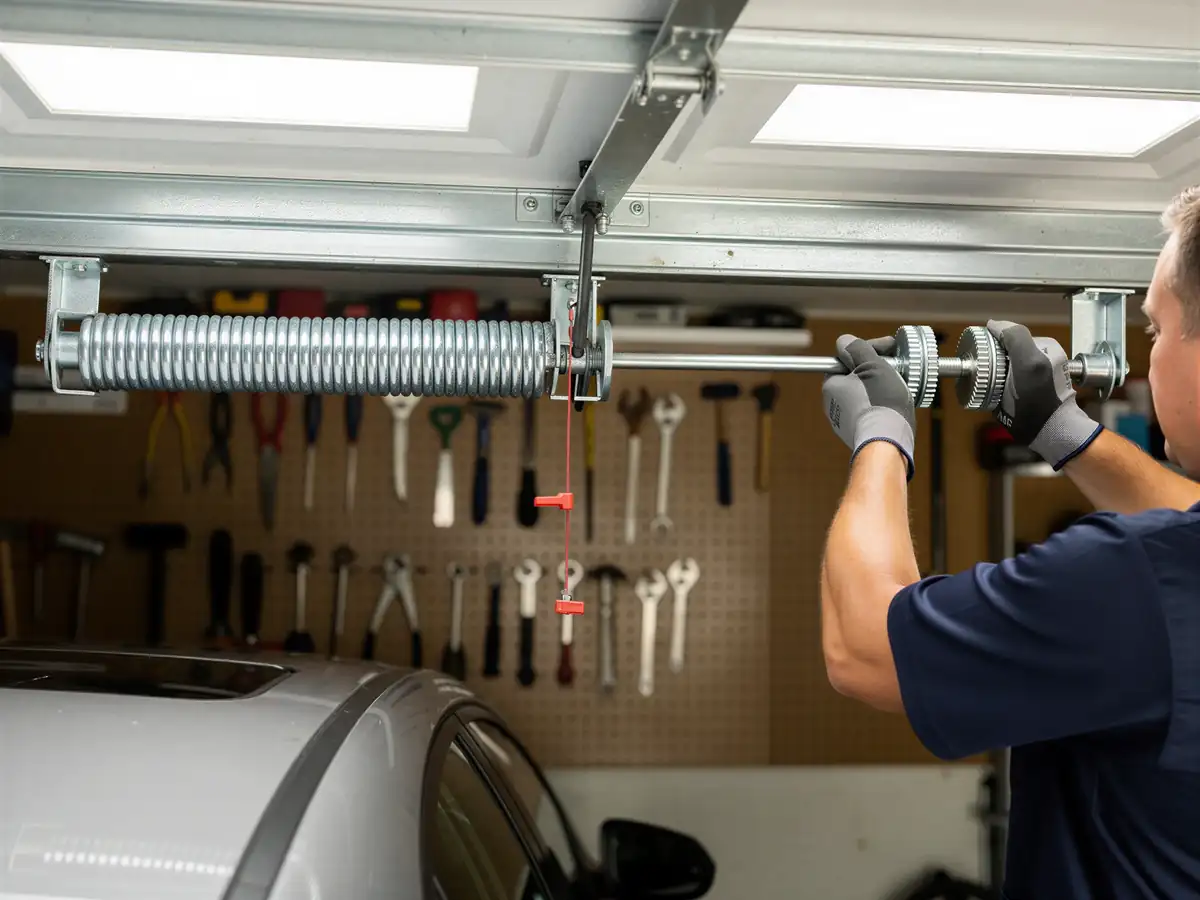
The complaint we hear most from houses built in that mid-1960s window is a door that's suddenly heavy - it worked fine, then one morning the opener strains, groans, or won't lift it past a foot off the floor. Nine times out of ten that's a torsion spring that's lost tension or snapped outright, and on original hardware from this era the spring size isn't always what's printed on the newer charts, so guessing the replacement wrong means a second trip.
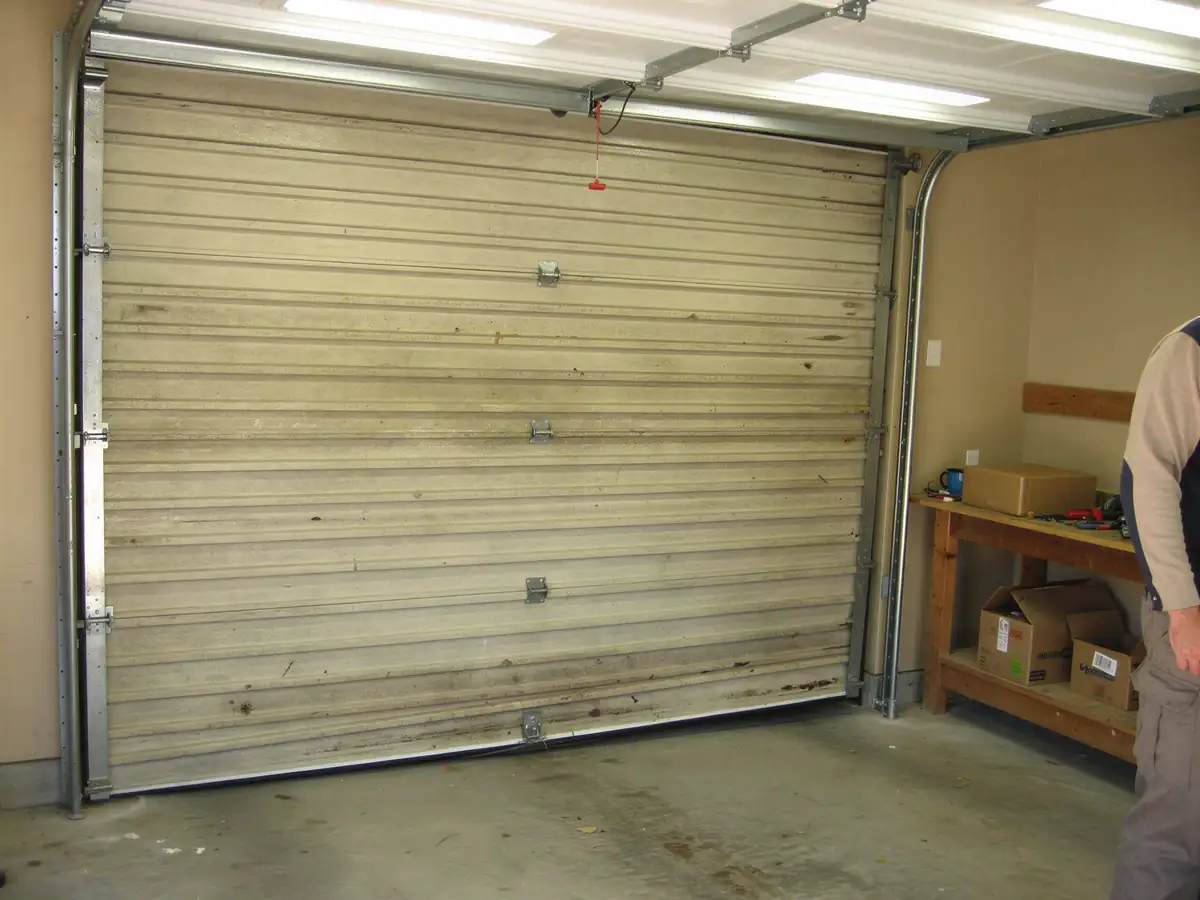
The area sits in a mild temperate climate band, so you're not dealing with the freeze-thaw cracking that splits panels and seizes hardware in colder regions. That's a point in your favor. But mild weather doesn't stop galvanized coating on sixty-year-old track and rollers from wearing through on its own schedule - it just means when that hardware finally fails, it's age and cycle count doing it, not ice. If your door is sticking at the same spot every time it opens, that's usually a bent track section or a roller that's worn past round, not the spring.
Parts We Carry
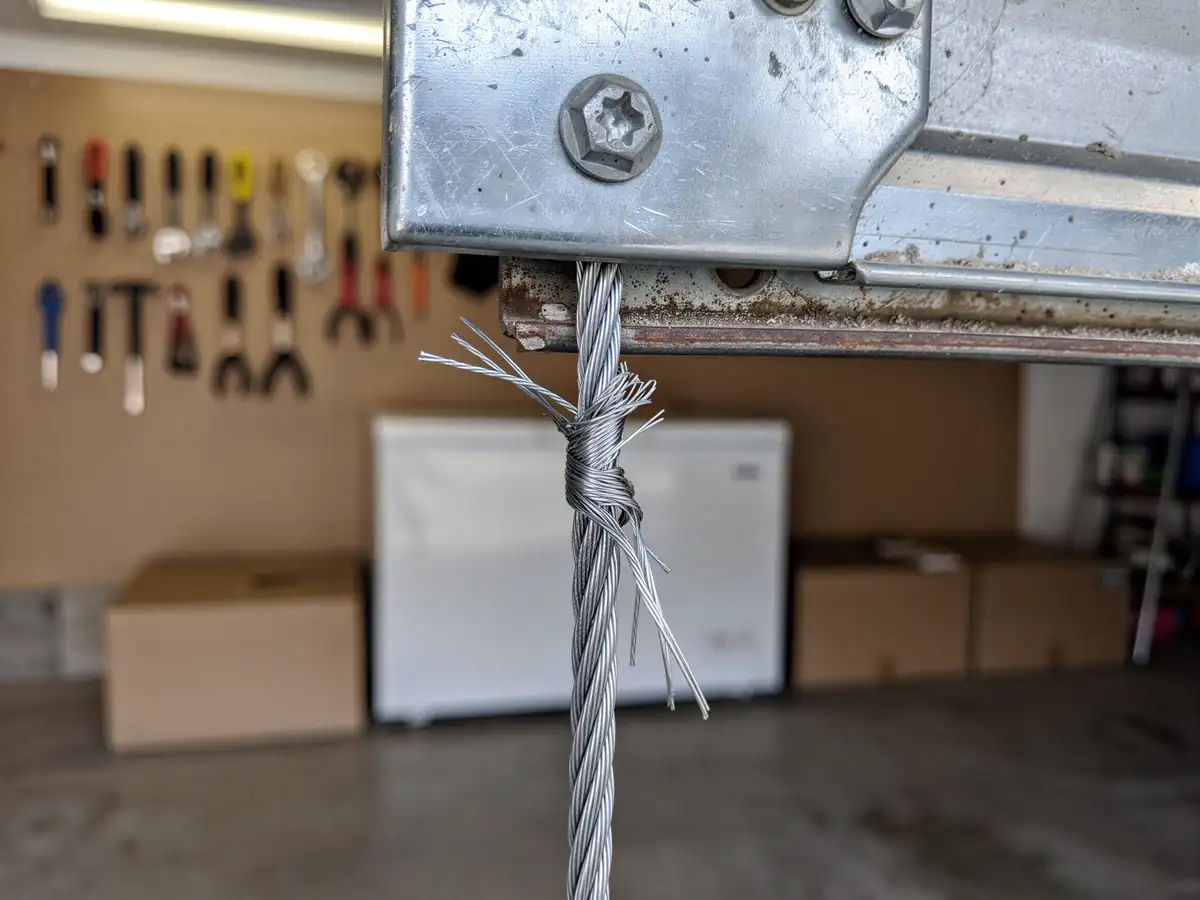
The truck stocks the parts that cover most of what fails on houses from Richmond's era: standard torsion springs in common shaft sizes, galvanized rollers and track sections, cables, and the opener logic boards and sensors that fail most often across the roughly 40,466 households in town. That covers the bulk of calls in one visit.
What we don't carry as a rule are odd-size springs matched to discontinued doors, or panel sections for brands that stopped making replacement stock years ago. If your door turns out to need one of those, we'll tell you on site and give you a real timeline rather than a guess - some of that hardware is special order and takes longer than a standard spring swap. We'd rather lose a day to honesty than have you waiting on a promise we can't keep.
How it works
From “it’s stuck” to “it’s fixed”
01
Tell us what’s wrong
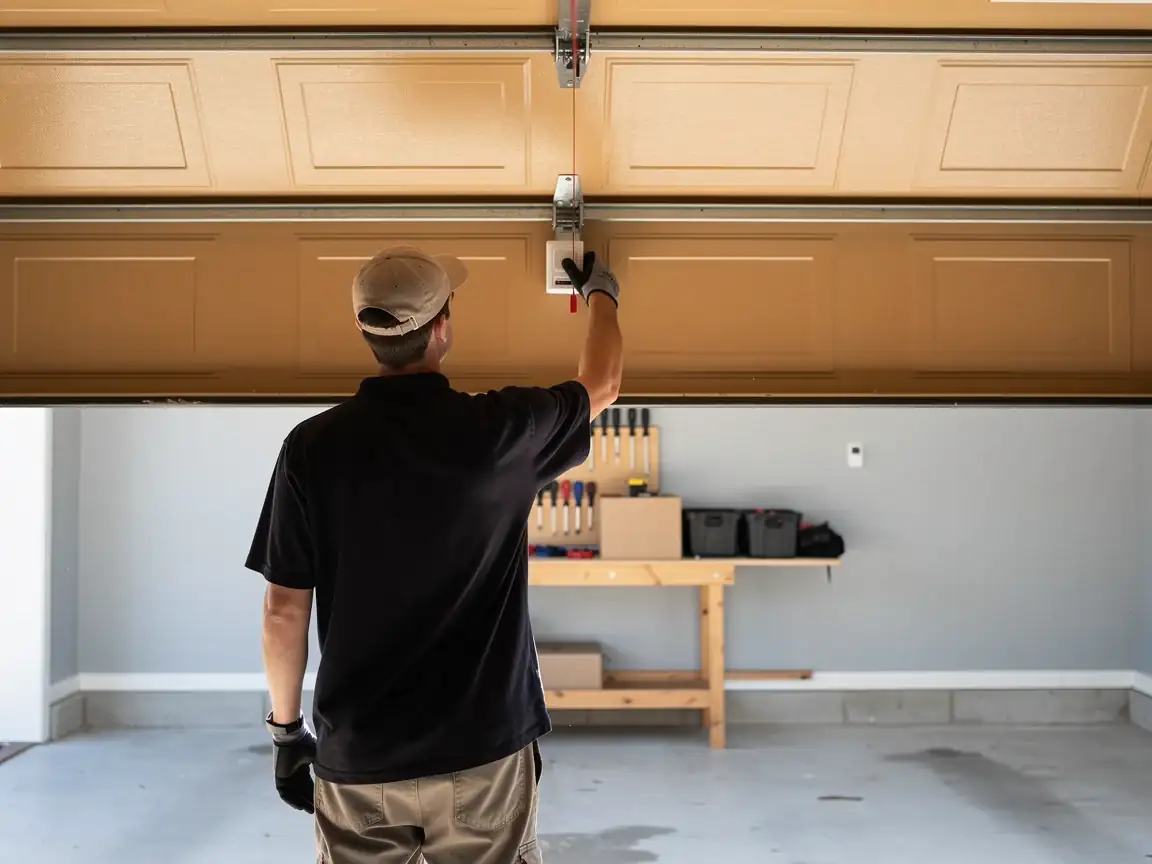
Describe the symptom - won’t open, loud bang, opener runs but the door won’t move.
02
On-site diagnosis
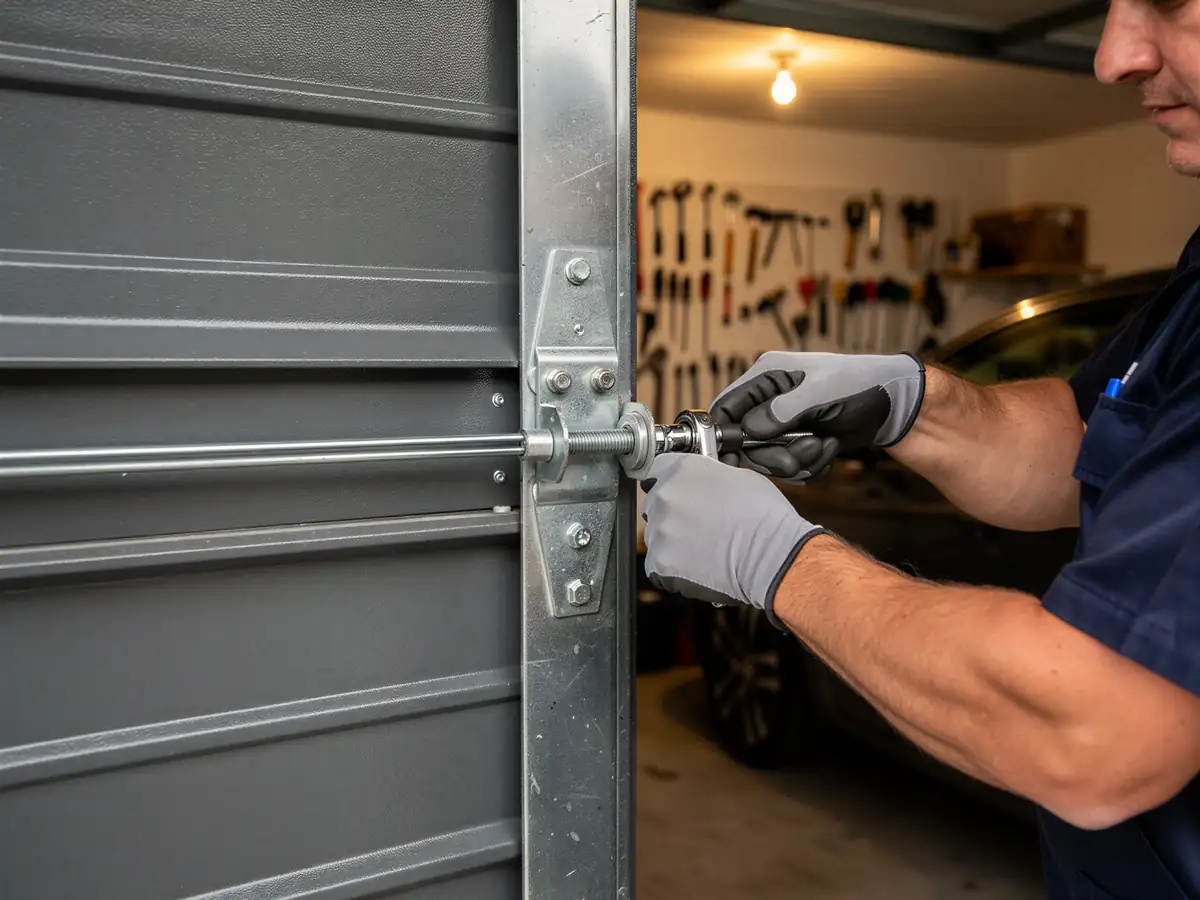
A technician tests the door under power and by hand and finds what actually failed.
03
Clear, up-front plan
You get the fix that’s needed and what drives the cost - before any work starts.
04
Repaired & tested
The repair is done, the door is set true and tested, and the work area left clean.
Not sure which repair your door needs in Oakland, CA? Describe what it’s doing - every job starts with a diagnosis.
Straight answers about garage door repair in Oakland. Still unsure? Ask us directly.
Do you have a branch in Richmond?
No. This service comes out of Oakland, about 15 miles away. There's no local depot or counter here - just a truck dispatched for the job. We'll always give you a straight estimate on timing when you call, based on the actual drive and the repair involved.
Is it worth replacing an old garage door instead of fixing it?
Depends on the door and the budget. With median household income here around $90,038, a lot of Richmond jobs make more sense as a targeted repair - spring, track, or opener - than a full replacement. We'll tell you straight if the door's too far gone to be worth saving, but we don't push replacement as the default.
Why did my door suddenly get too heavy to lift?
On houses from around 1965, that's almost always a torsion spring that's lost tension or snapped. The spring size on original hardware from that era doesn't always match current charts, so we check before we bring the replacement out.
Does the mild climate here mean less wear on garage door hardware?
It helps - no freeze-thaw cracking or ice-jammed tracks. But galvanized coating on sixty-year-old rollers and track still wears out on its own clock. Mild weather changes what fails, not whether it eventually does.