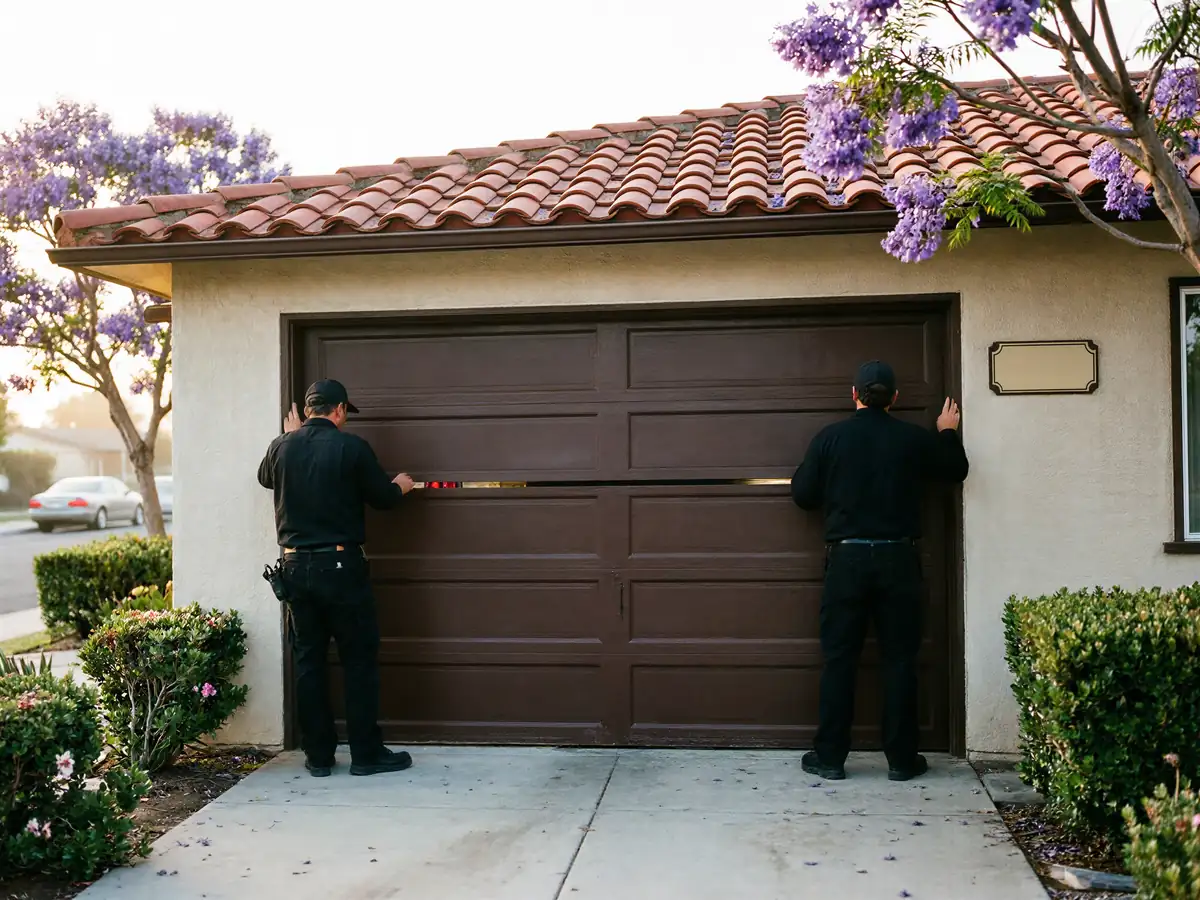
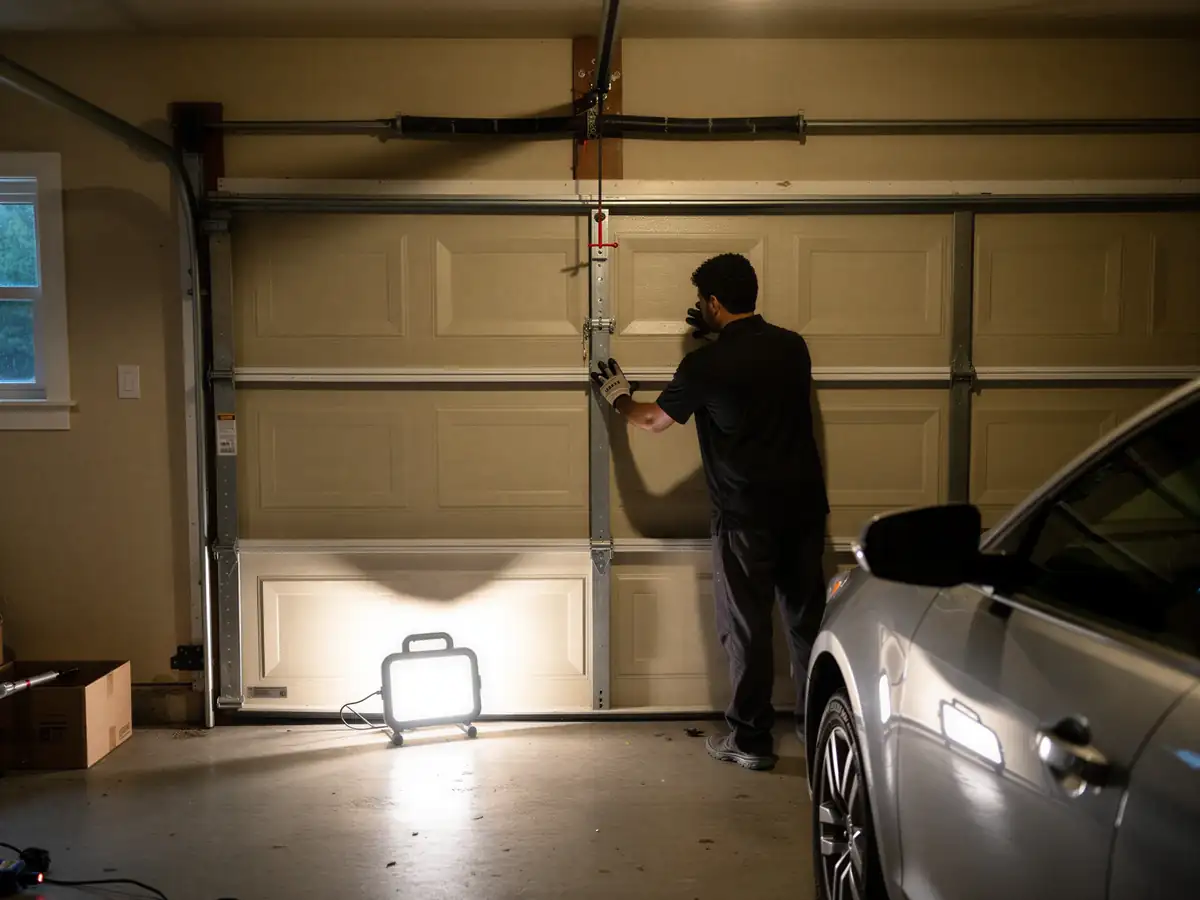
Frayed or snapped garage door cables on Richmond's 1960s housing stock, fixed by a crew that drives the 15 miles from Oakland with the right drums and cable on the truck.
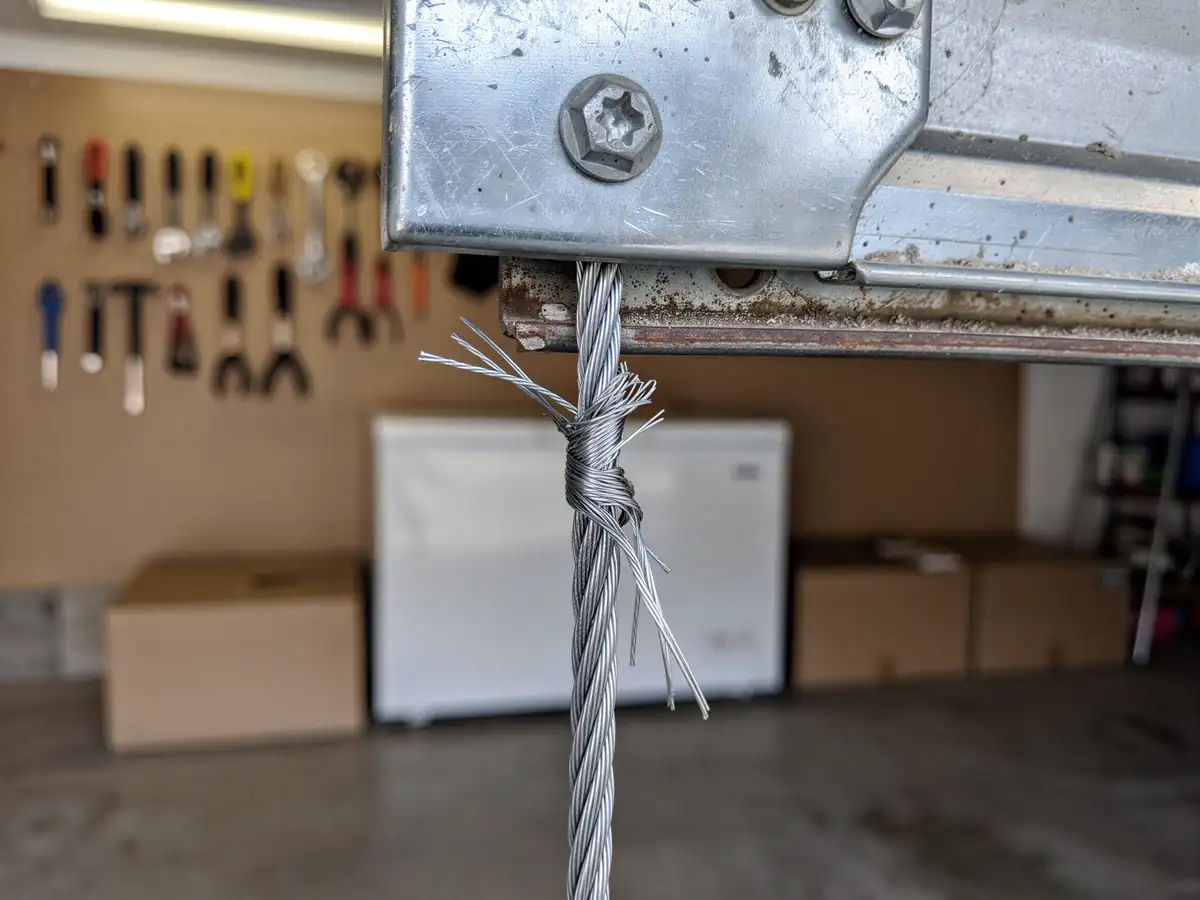
The fault we see most in Richmond is a cable that's jumped the drum or frayed where it wraps the bottom bracket, leaving the door cocked to one side or stuck halfway up the track. On a double door, one cable going slack while the other holds tension is what bends a track and tears a roller bracket loose, so a cable job that gets caught early is cheap and a cable job that gets ignored becomes a track-and-roller job too.
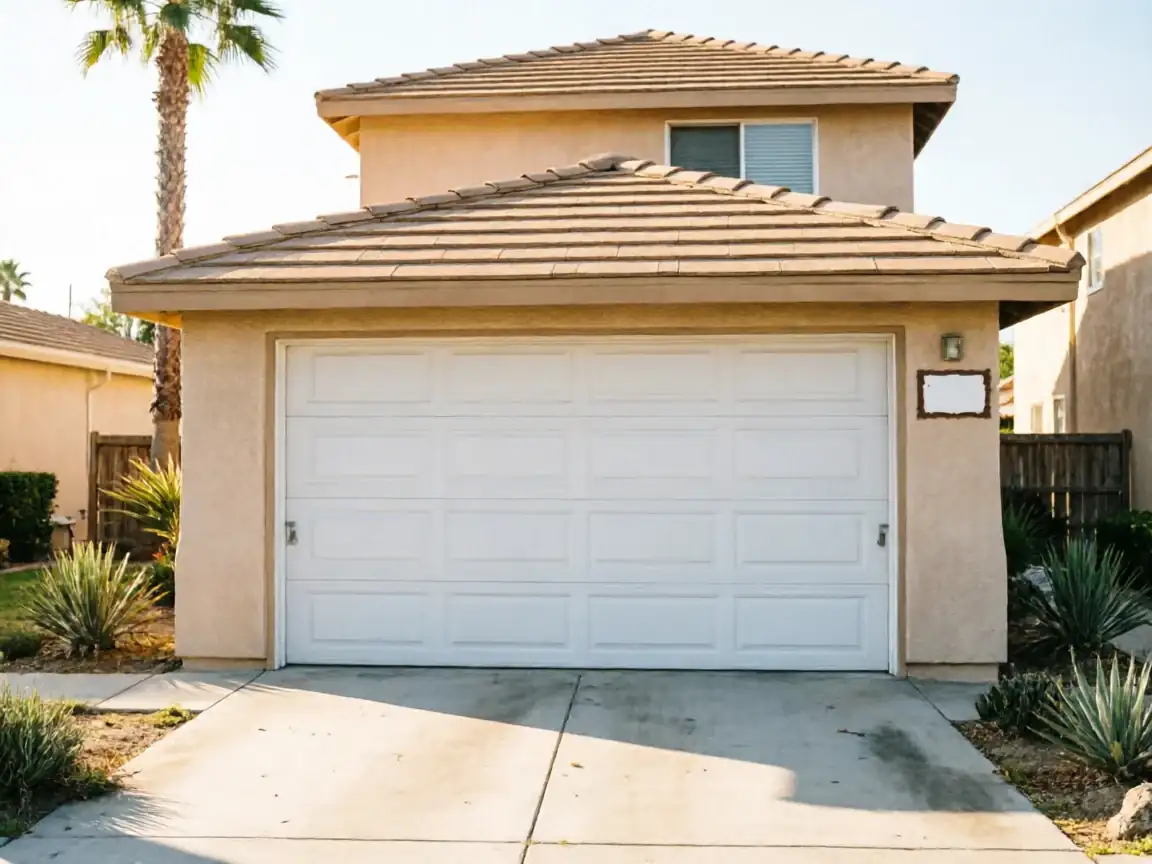
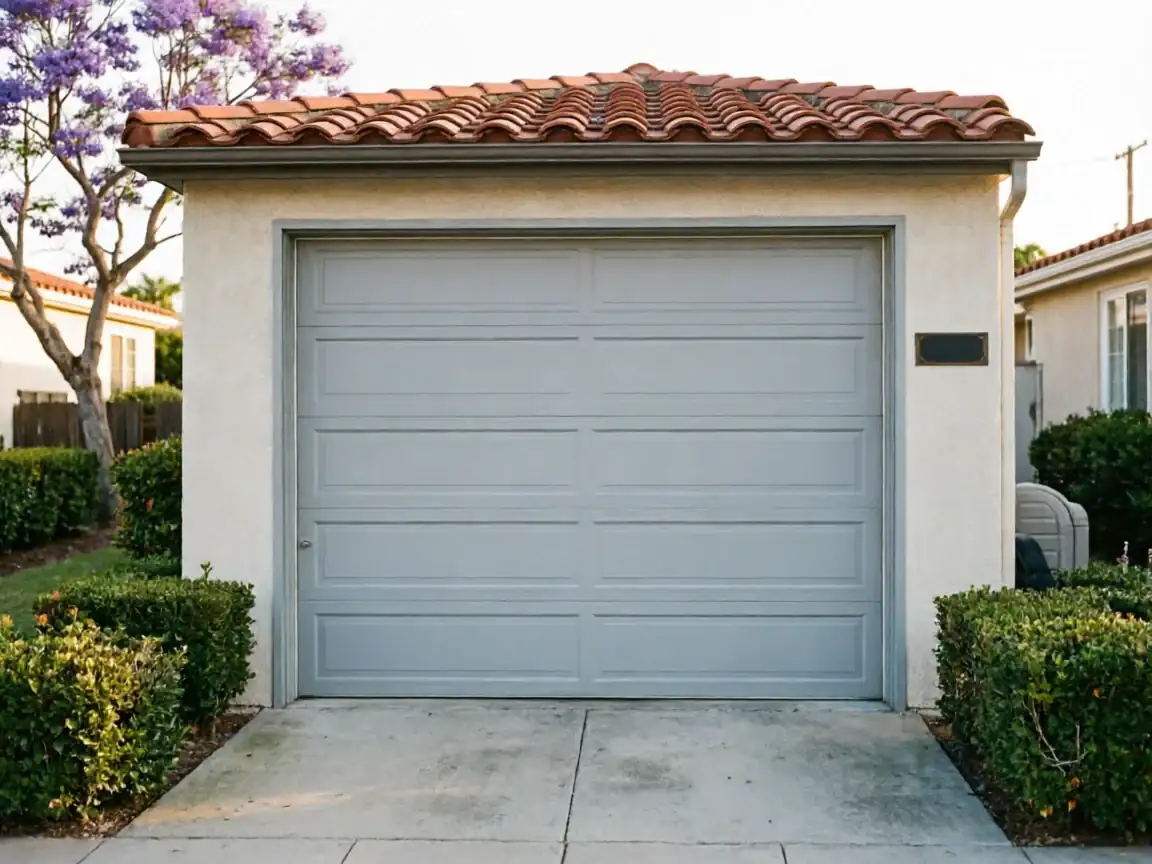
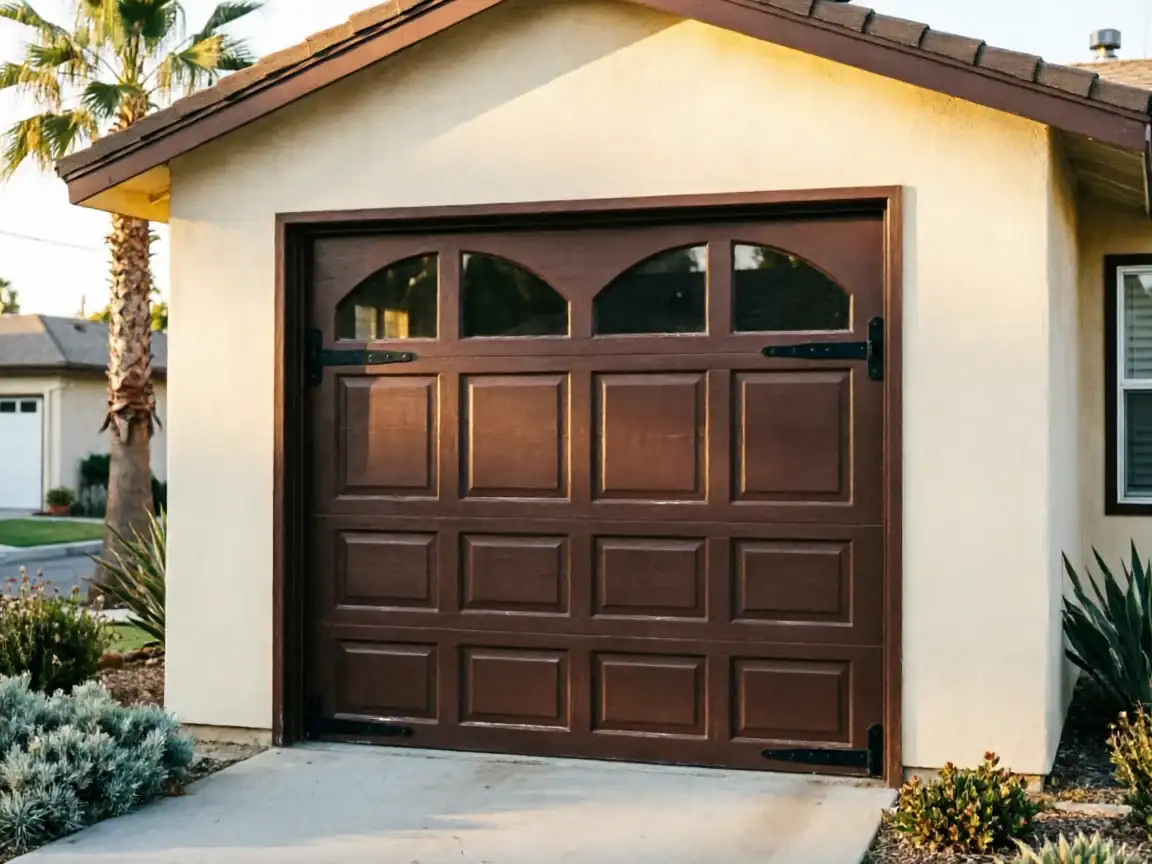
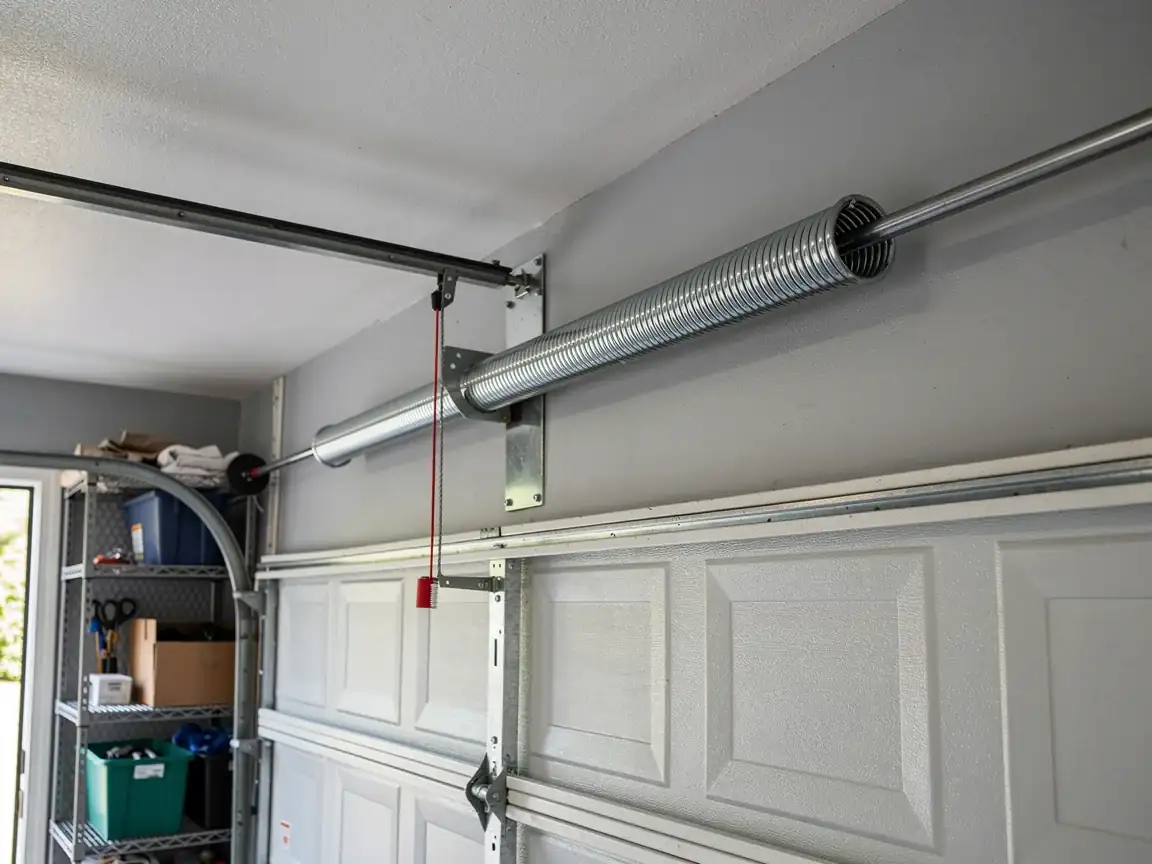
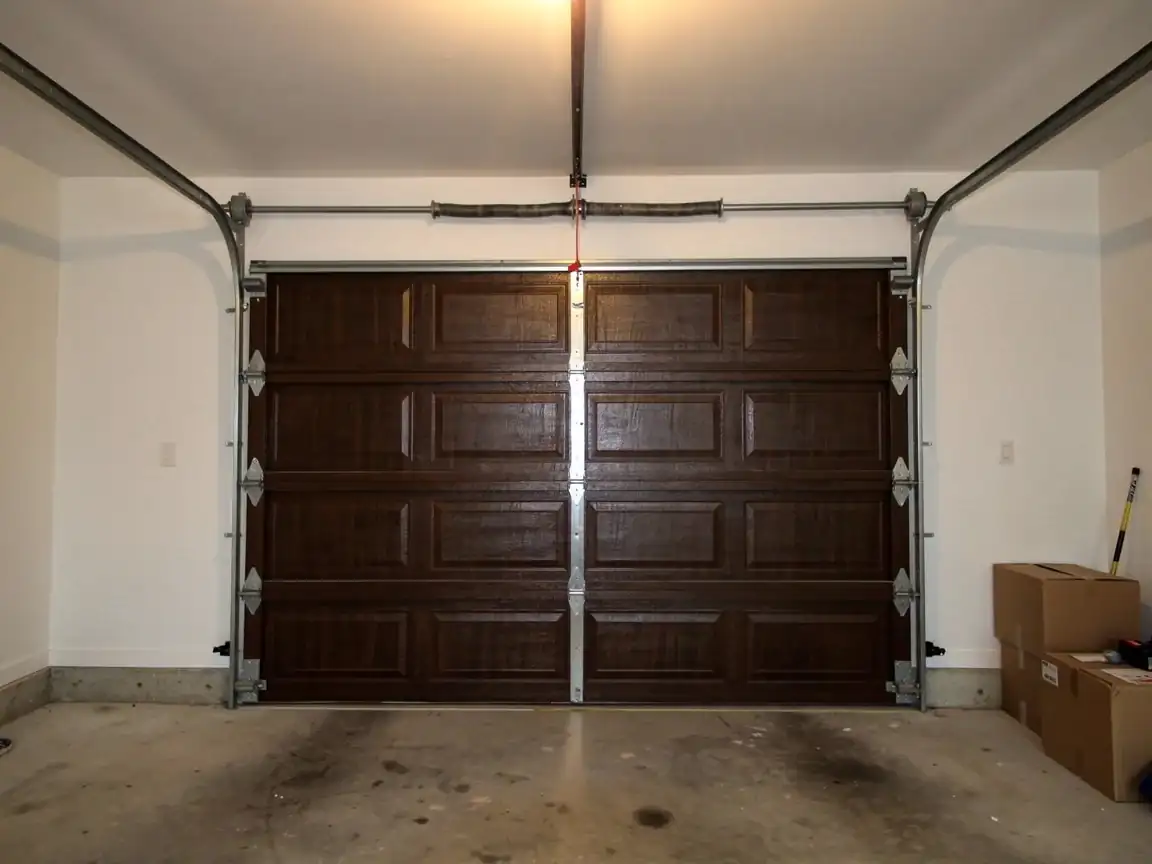
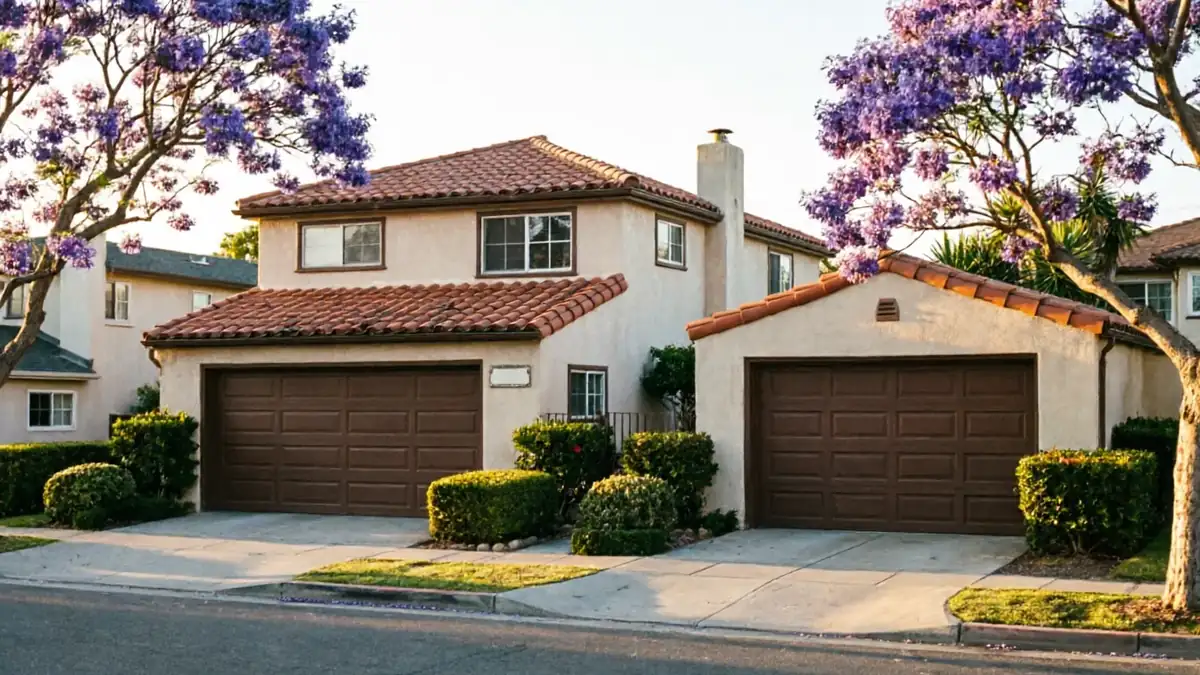
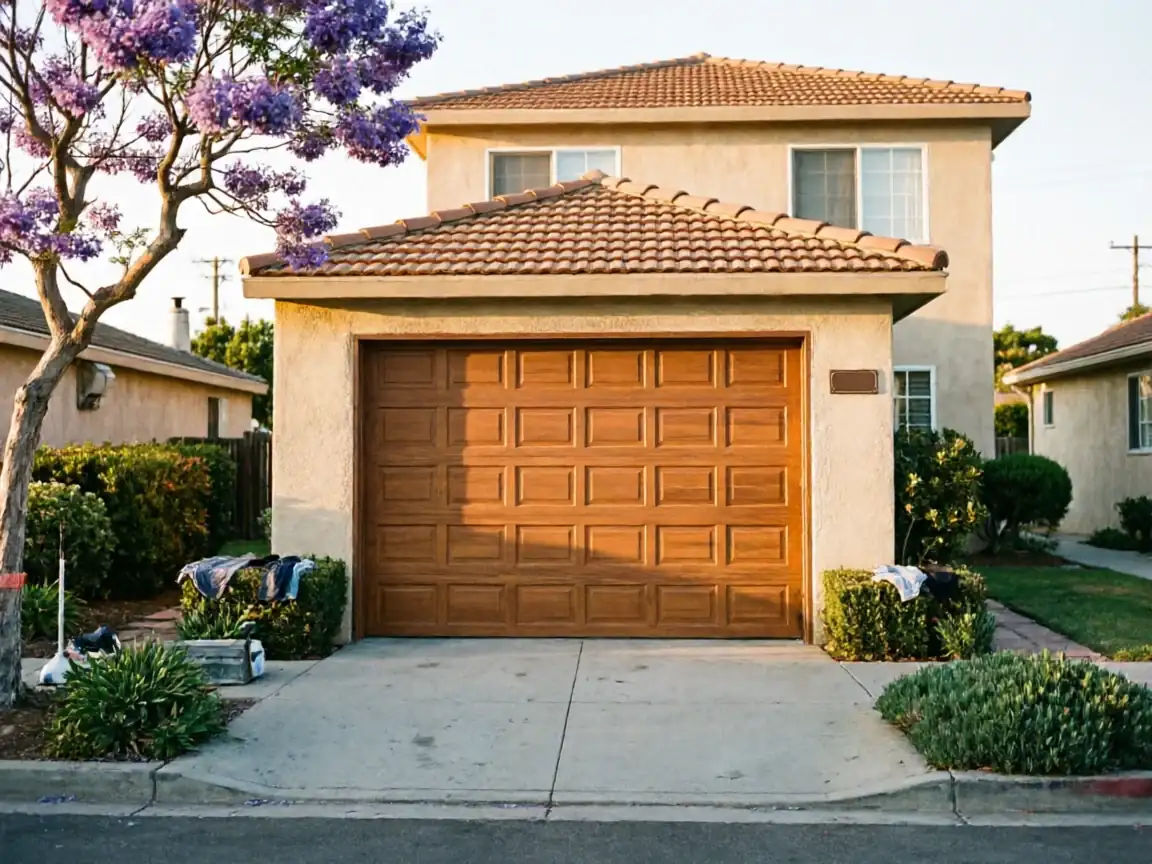
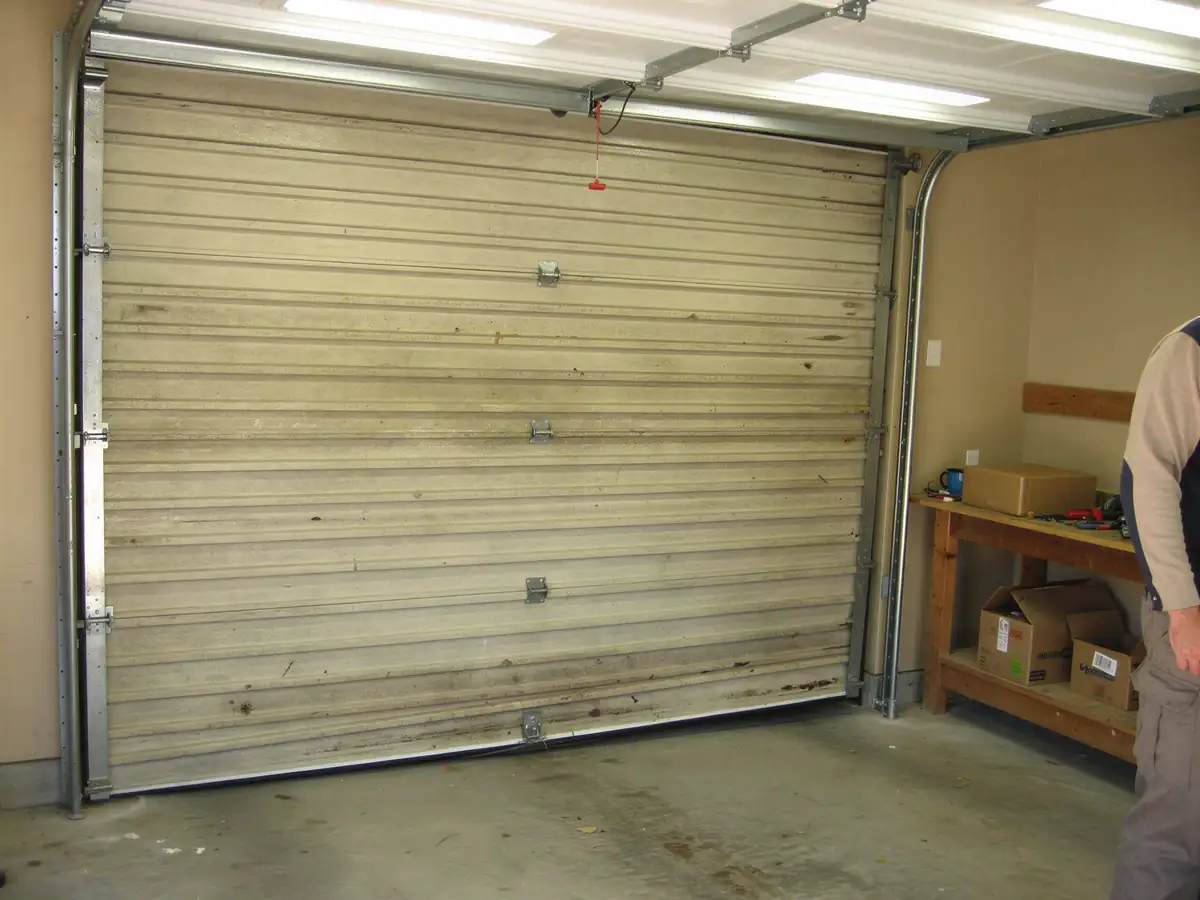
Richmond's housing went up mostly in the same window as the rest of the Oakland service area, median year built 1965, which means a lot of these garages still run the extension-spring setup from that era: springs stretched along the horizontal track, pulleys at each end, and a cable that does double duty holding the door up and guiding it straight. That hardware wasn't built for 60 years of salt air and fog off the Bay, and galvanized cable from the 1960s corrodes from the inside before it ever looks frayed on the outside. Mild year-round temperatures here mean the strands don't crack from heat the way they would inland - they rust and thin from damp, which is a slower failure but not a safer one.
Getting It Booked In
01
We run this job out of Oakland, about 15 miles down to Richmond
So we book cable repairs by appointment rather than same-day walk-ups. Tell us whether it's one cable or both, whether the door is a single or a double, and whether it's stuck up, stuck down, or hanging crooked - that tells us which drums and cable length to load before we leave the shop. A door stuck halfway with one cable snapped is not something to force by hand or by opener; the other cable is holding more weight than it was built for and can go next.
15 miles
02
We don't stock a depot in Richmond
So if the job turns out to need a part we didn't bring - an odd-length torsion shaft, a bracket size that's been discontinued - that's a second trip. We'd rather tell you that up front than pad the first visit guessing.
What the Repair Takes
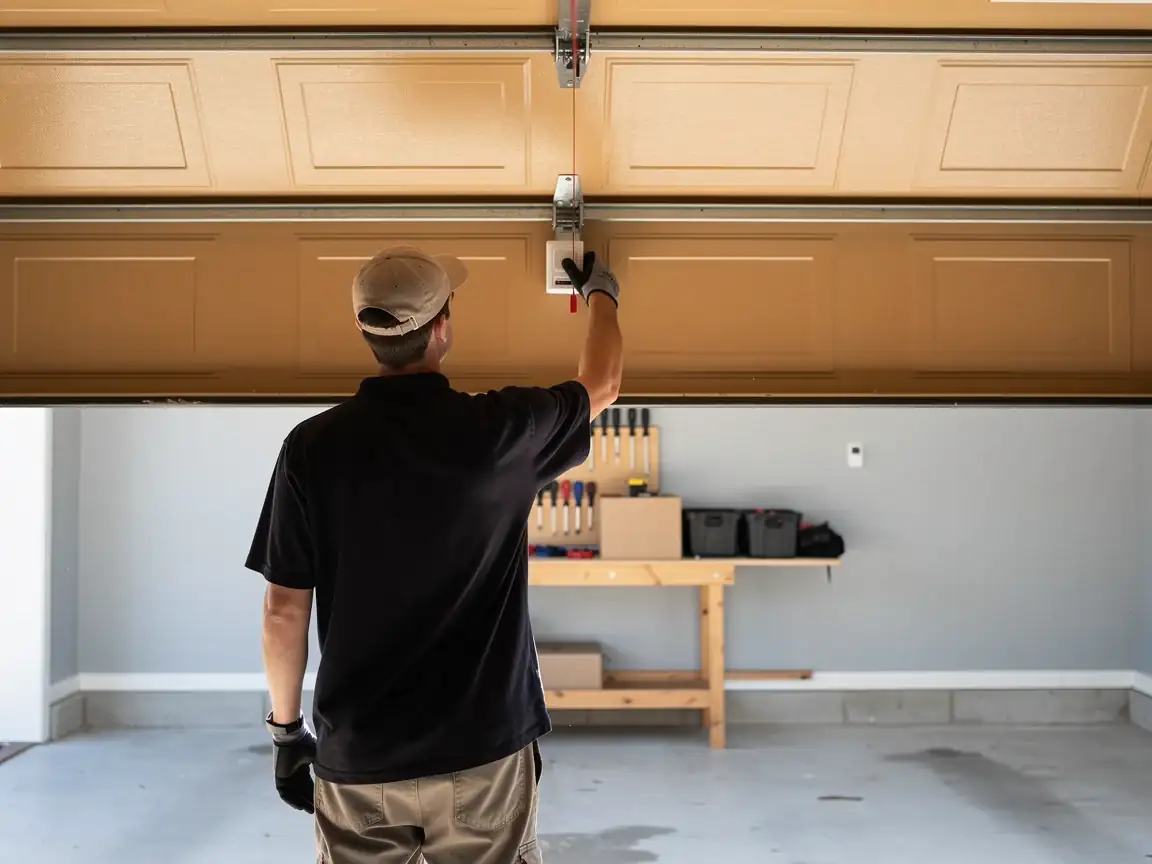
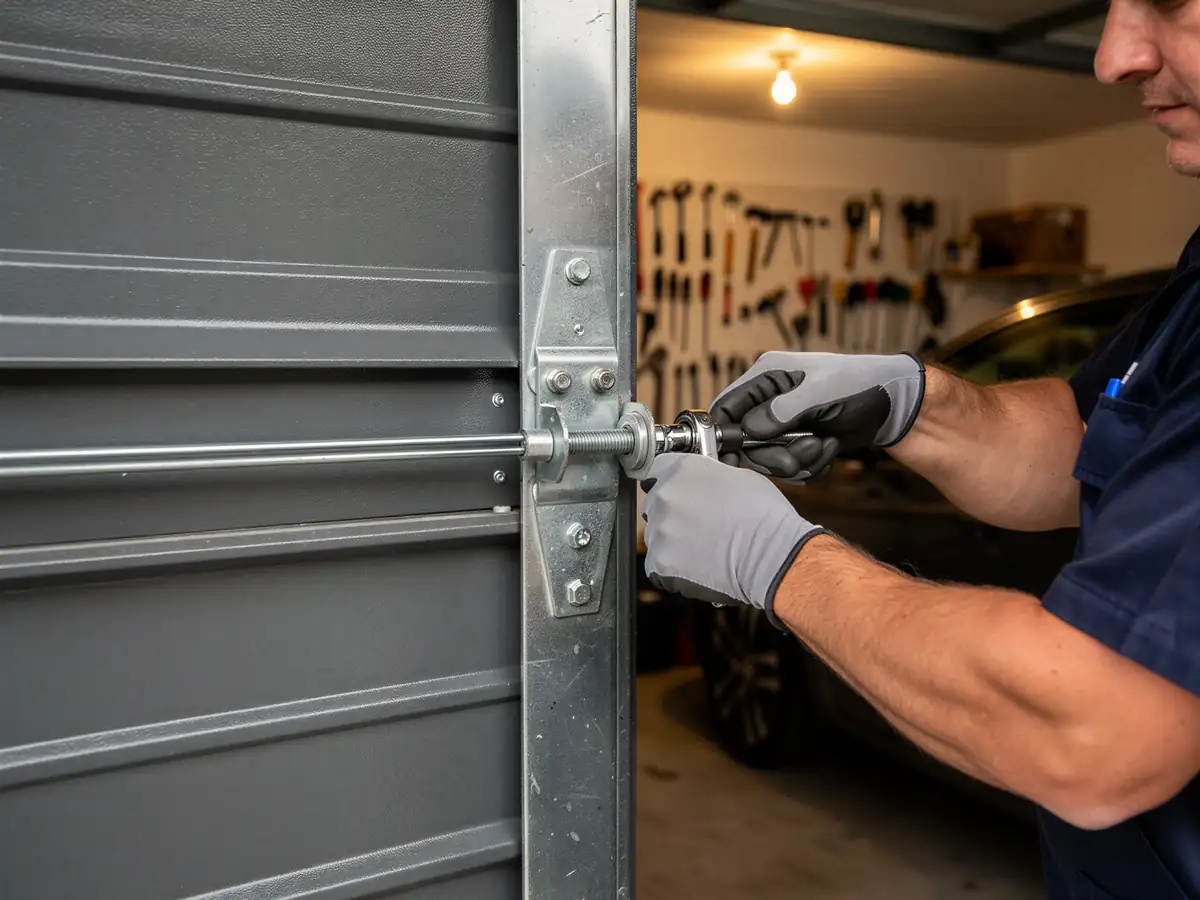
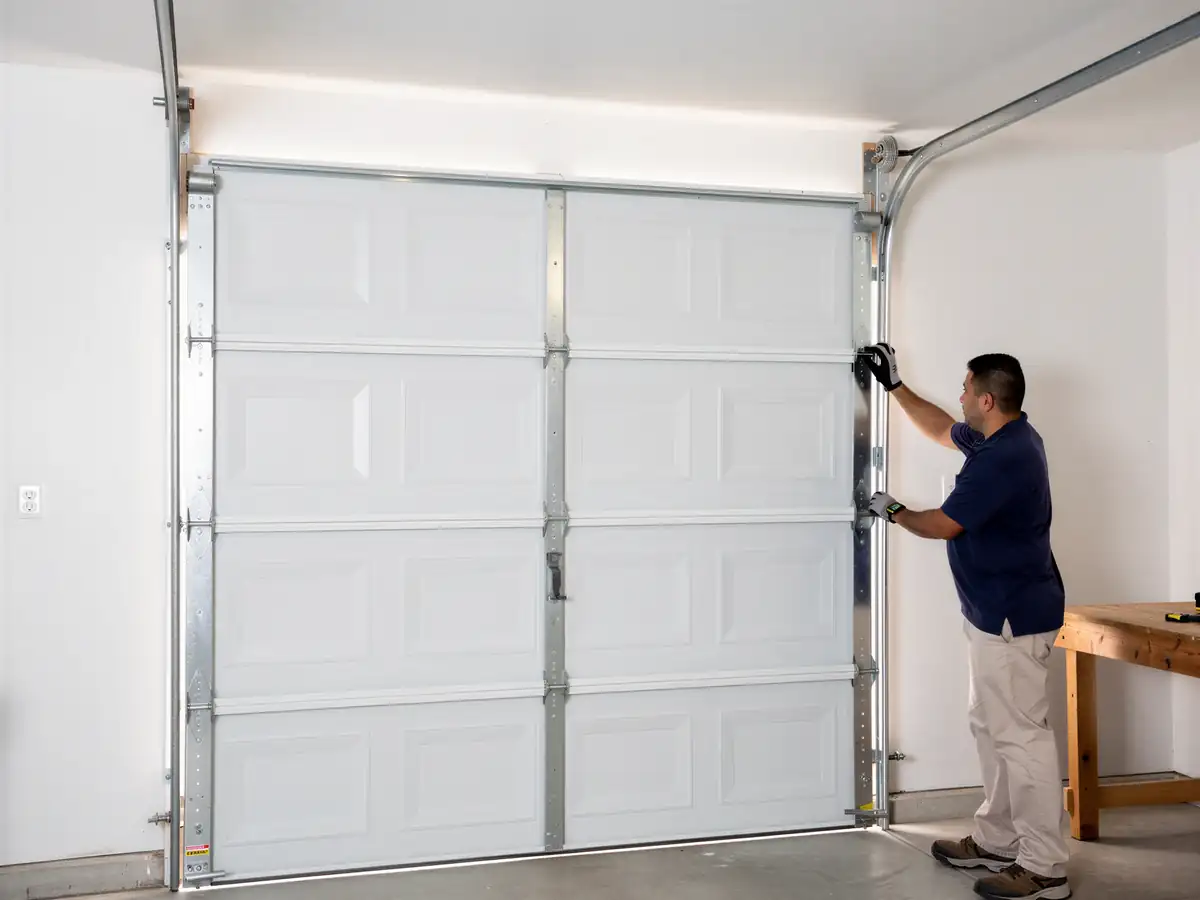
Cable repair on a Richmond garage, most of the time, means pulling tension off the springs safely, running new galvanized aircraft cable to match the original gauge, and reseating it on the drum or pulley without introducing a kink that'll fray again in a year. On the 1960s extension-spring doors common across this part of the service area, that's usually a same-visit fix once we're on-site with the right cable length.
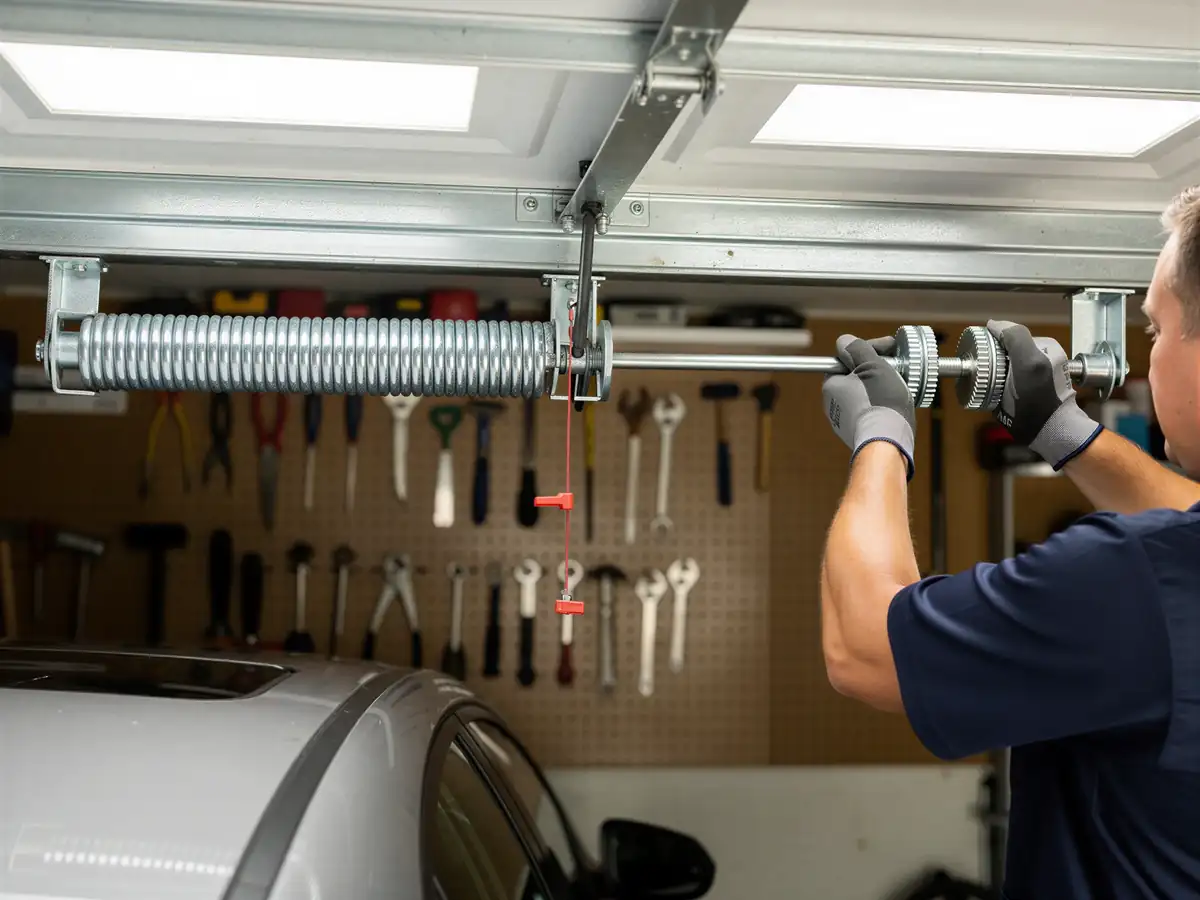
If the door is on torsion springs instead - more common in homes built later in that 1938-2008 range - the cable work means dropping the torsion drums off the shaft, which takes winding bars and has no safe shortcut by hand. Either way, we replace both cables even if only one has failed, because a cable from the same install date that hasn't broken yet has still had the same decades of damp air on it.
Parts We Carry
We carry galvanized cable in the common gauges and lengths used on both extension and torsion setups, along with standard drums, pulleys, and bottom-bracket hardware, on the truck out of Oakland. For a door built in the 1960s window that matches most of this area's housing stock, that covers the repair in one visit.
What we don't carry is a fix for a door where the cable failure is really a symptom of something older underneath - a rusted-through torsion shaft or a bent track from years of running on a bad cable. If that's what we find when the cover's off, replacement of that section is usually the honest answer rather than patching cable onto hardware that's already failing elsewhere.
How it works
From “it’s stuck” to “it’s fixed”
01
Tell us what’s wrong
Describe the symptom - won’t open, loud bang, opener runs but the door won’t move.
02
On-site diagnosis
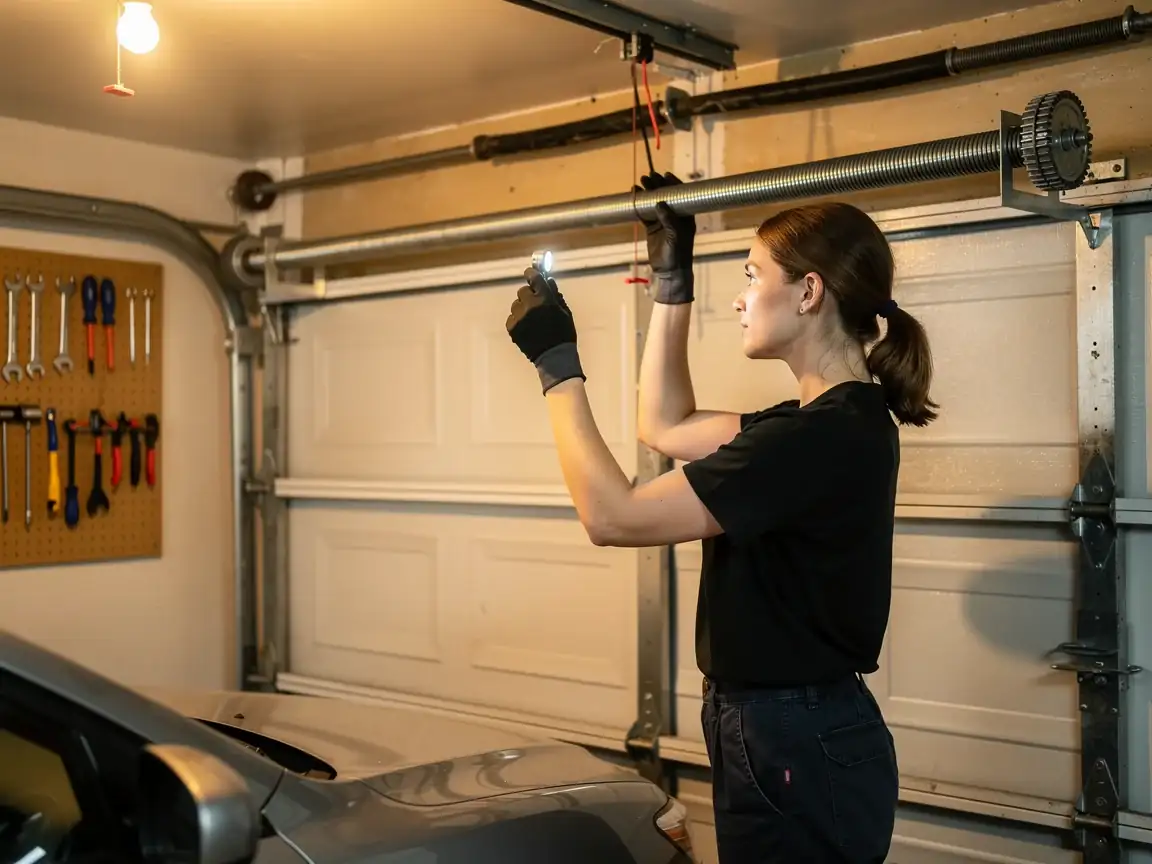
A technician tests the door under power and by hand and finds what actually failed.
03
Clear, up-front plan
You get the fix that’s needed and what drives the cost - before any work starts.
04
Repaired & tested
The repair is done, the door is set true and tested, and the work area left clean.
Not sure which repair your door needs in Oakland, CA? Describe what it’s doing - every job starts with a diagnosis.
Straight answers about garage door repair in Oakland. Still unsure? Ask us directly.
Why did my garage door cable snap with no warning?
Most cable failure isn't sudden - it's corrosion working through the strands over years until the last bit of metal gives. Richmond's damp, mild climate corrodes cable from the inside, so it can look fine until the day it isn't. If your home dates to the 1960s build era common here, the original cable has likely had decades to thin out.
Can I drive the door if only one cable is broken?
No. If one cable breaks, the other is carrying the full weight the pair was built to share, and it can snap next under an opener motor forcing the door. Leave the door where it sits and call for the cable to be replaced in pairs before you try to move it either way.
Do you keep a branch in Richmond for faster repairs?
No. We run this work out of Oakland, about 15 miles away, and book Richmond cable repairs by appointment rather than same-day drop-in. We load the cable, drums, and pulleys for the job before we leave so the trip covers the repair in one visit when possible.
Is cable repair different for extension-spring versus torsion-spring doors?
Yes. Extension-spring doors, common in Richmond's 1960s housing, route cable over end pulleys and can often be re-cabled in one visit. Torsion-spring doors need the drums dropped off the shaft with winding bars, which takes more care but is still usually a same-visit repair once we're on-site.