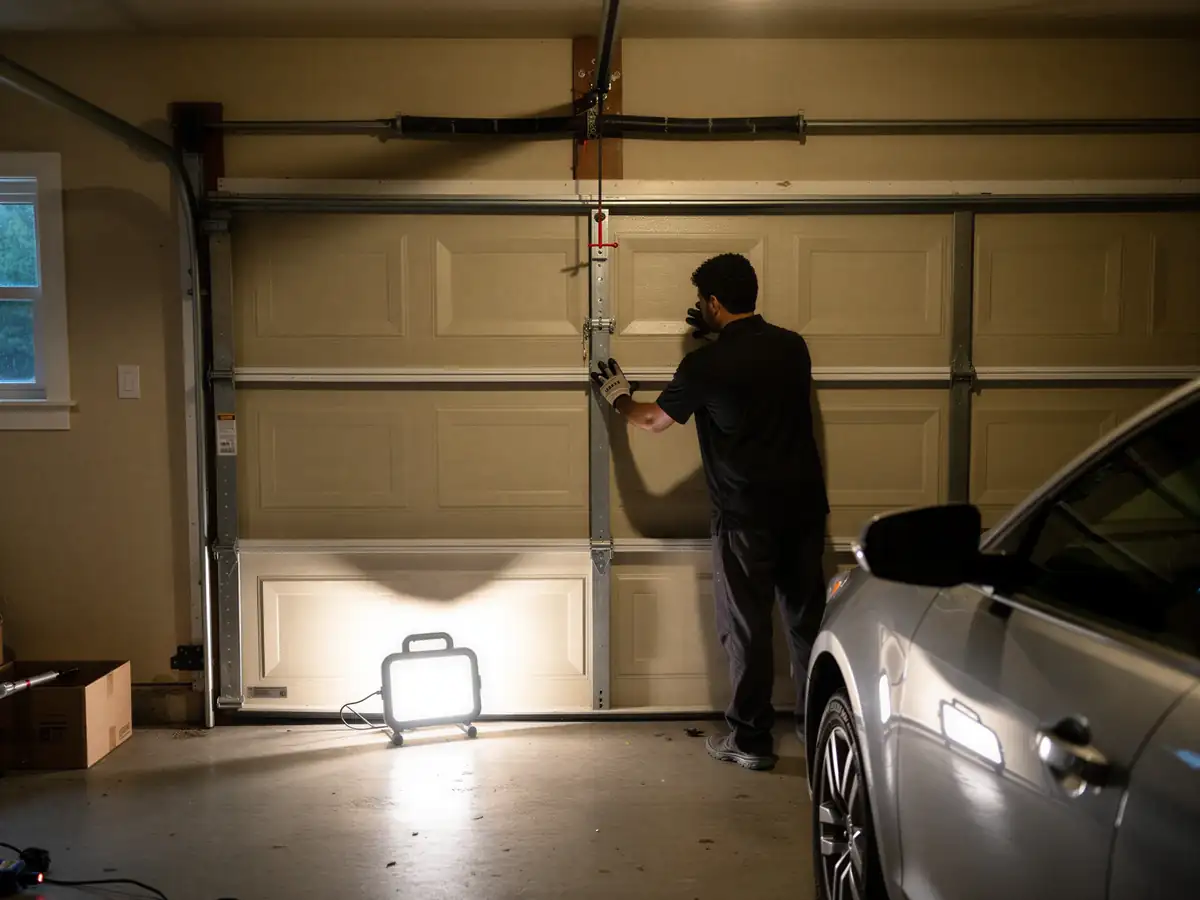
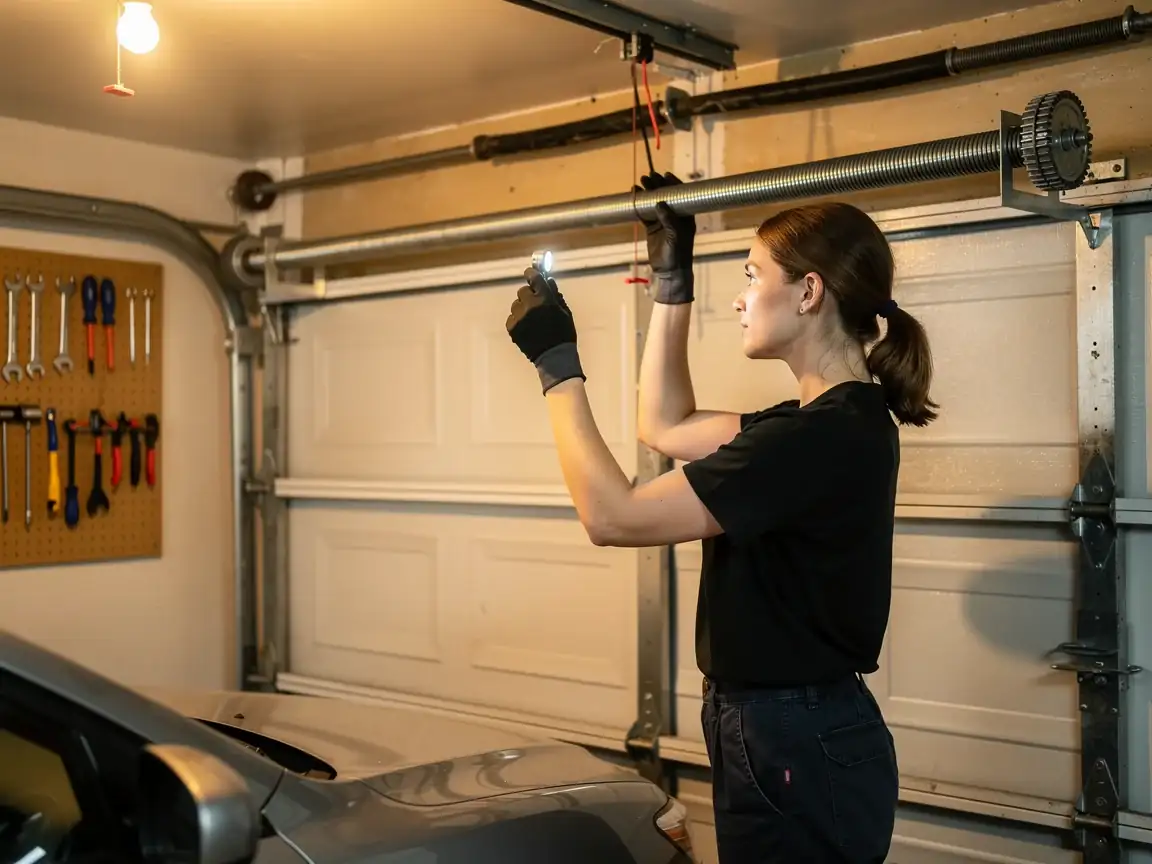
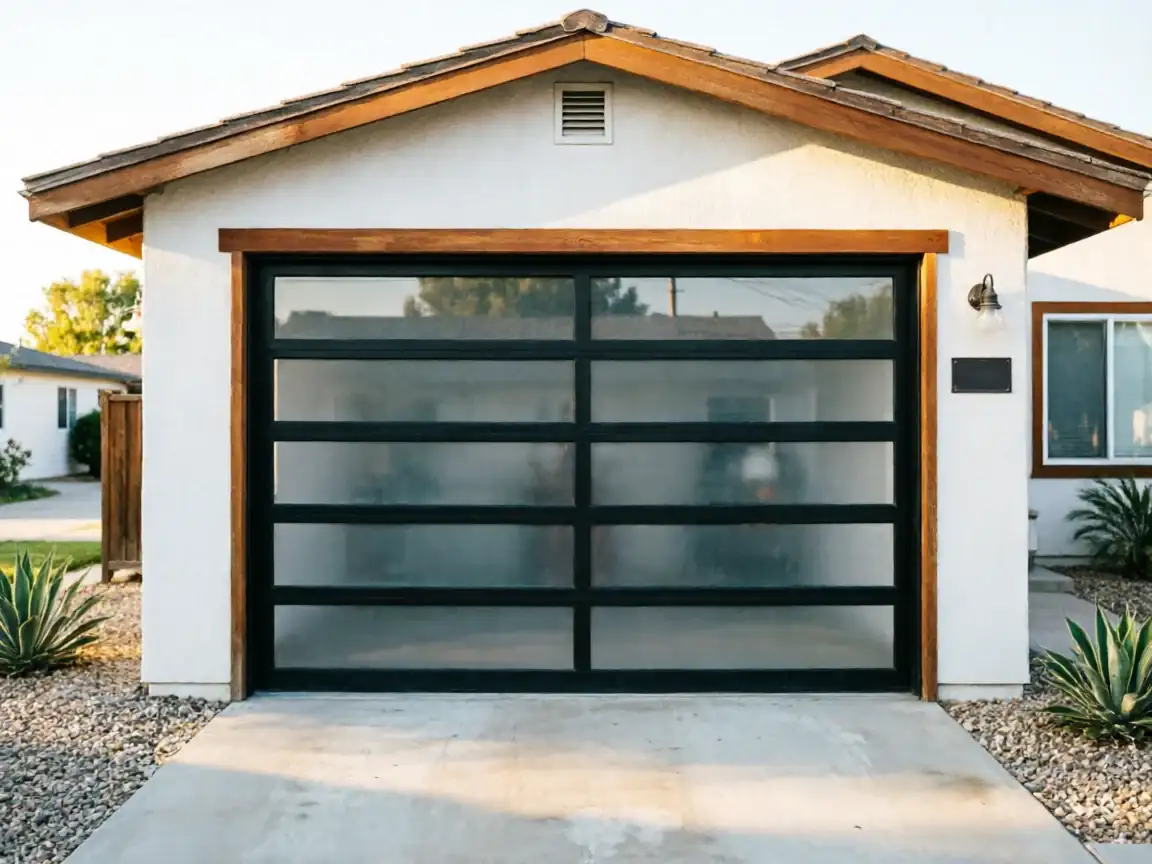
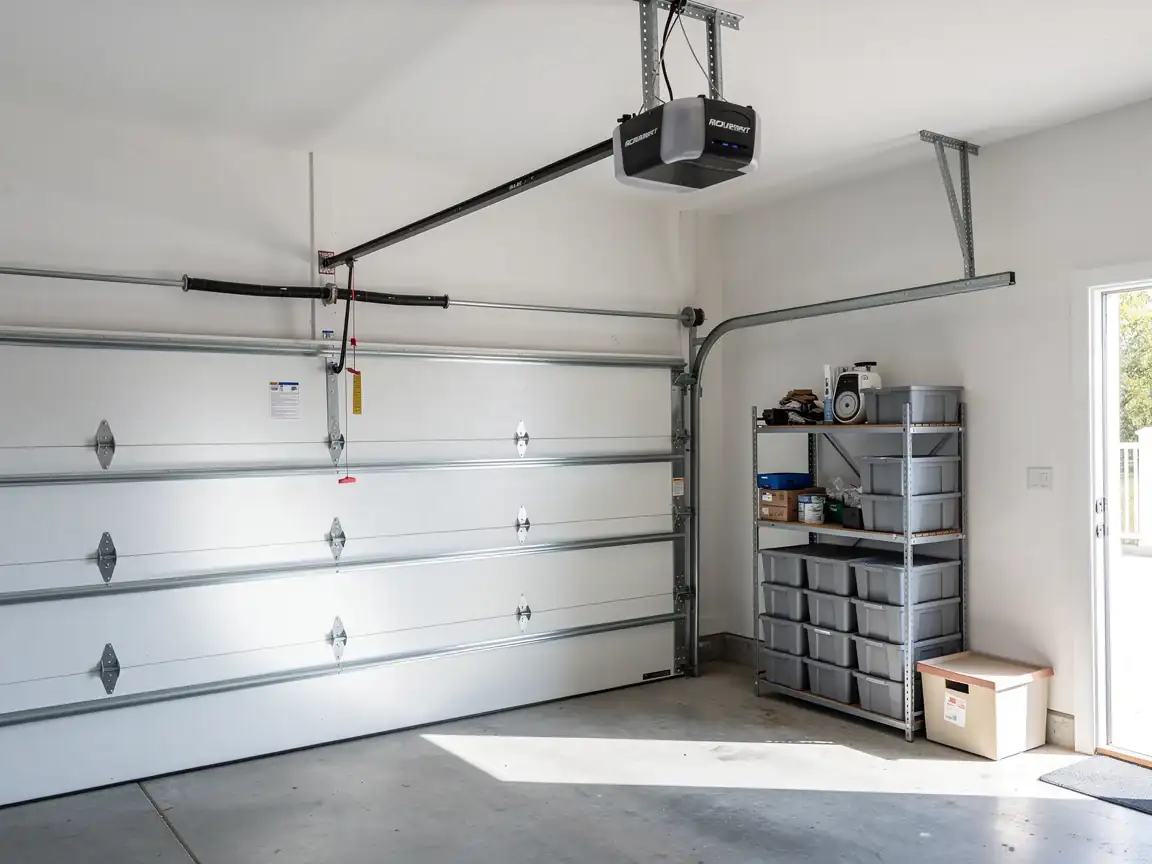
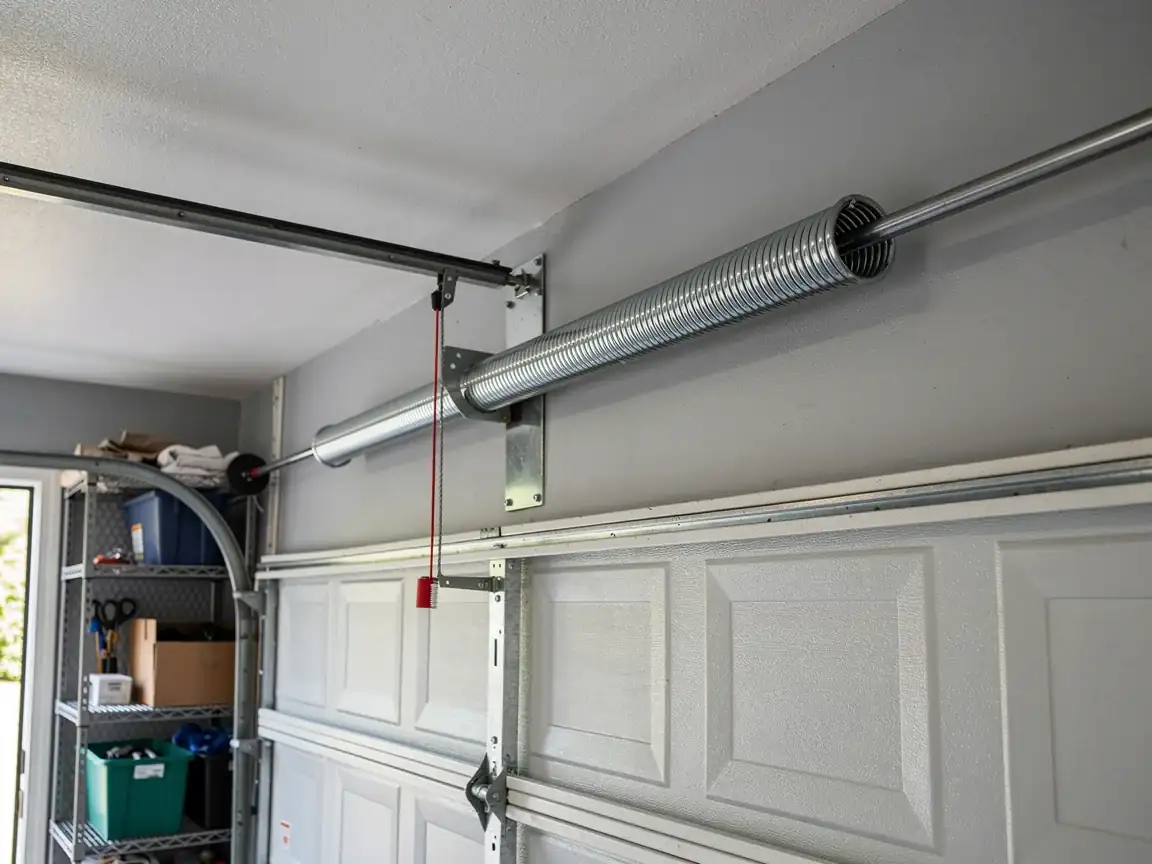
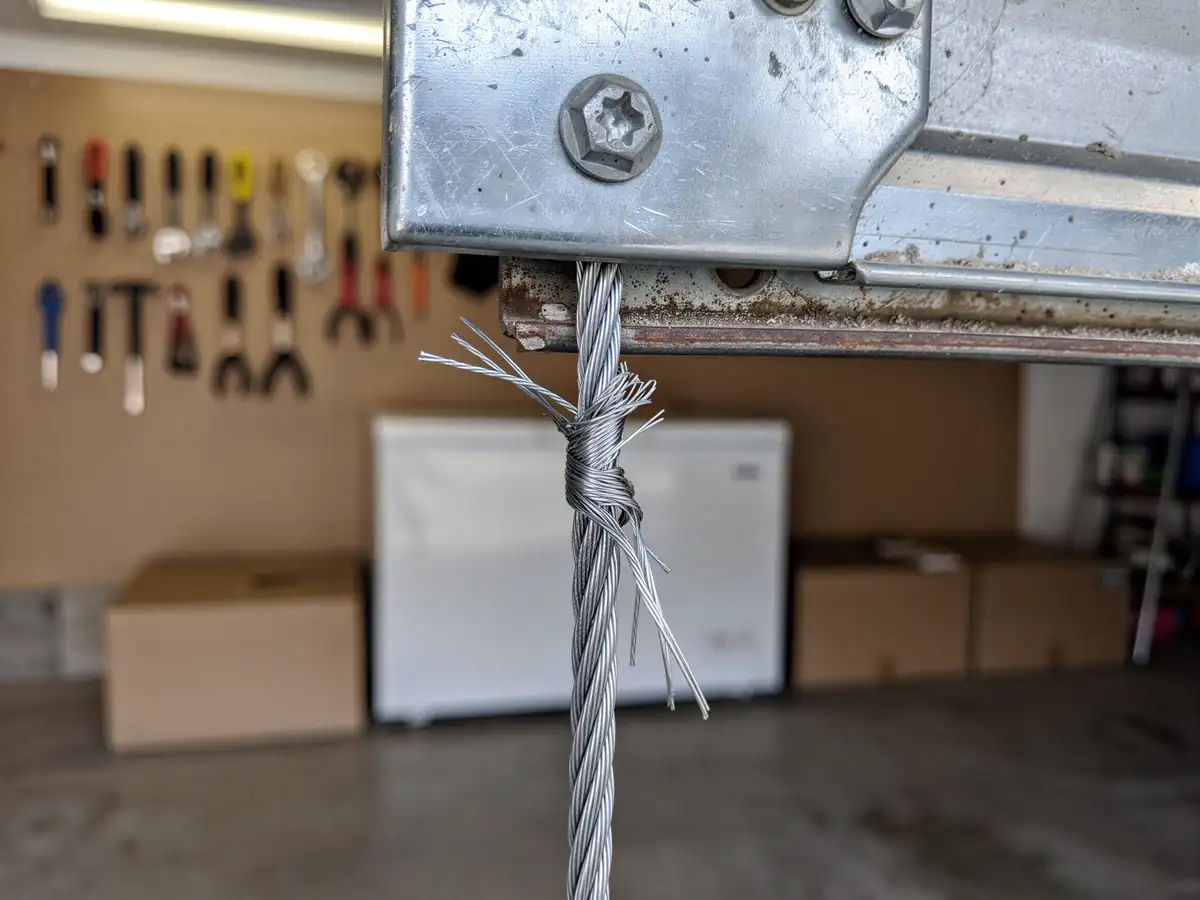
We run this call from Oakland, fifteen miles west of Richmond, so there's no local branch to dispatch from and we won't pretend otherwise. When you call, we ask what the door is doing - stuck down, stuck up, off the track, cable snapped - because that tells us what's riding in the truck before it leaves. A broken torsion spring on a double door is a different load-out than a cable that's jumped the drum.
We don't quote a response time here, because fifteen miles of traffic on a weekday afternoon is not the same fifteen miles at 7am on a Saturday, and a promise we can't keep is worse than no promise. What we can tell you: once the truck's moving, it's moving straight to you, no stops at a Richmond depot that doesn't exist.
If what you've got isn't an emergency - a noisy opener, a panel that's dented but still closing - that's a different call and a different visit; see other garage door work in Richmond. For the broader emergency service we run out of Oakland, the Oakland emergency repair page covers what counts as urgent and what can wait a day.
What the Repair Takes
01
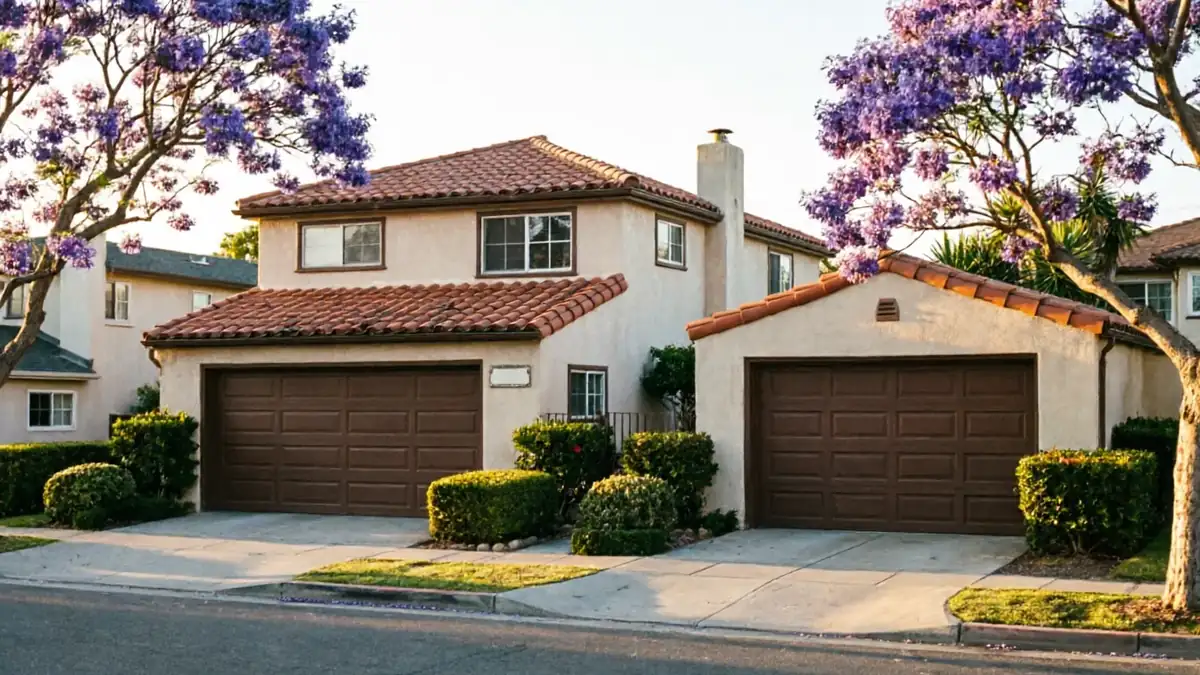
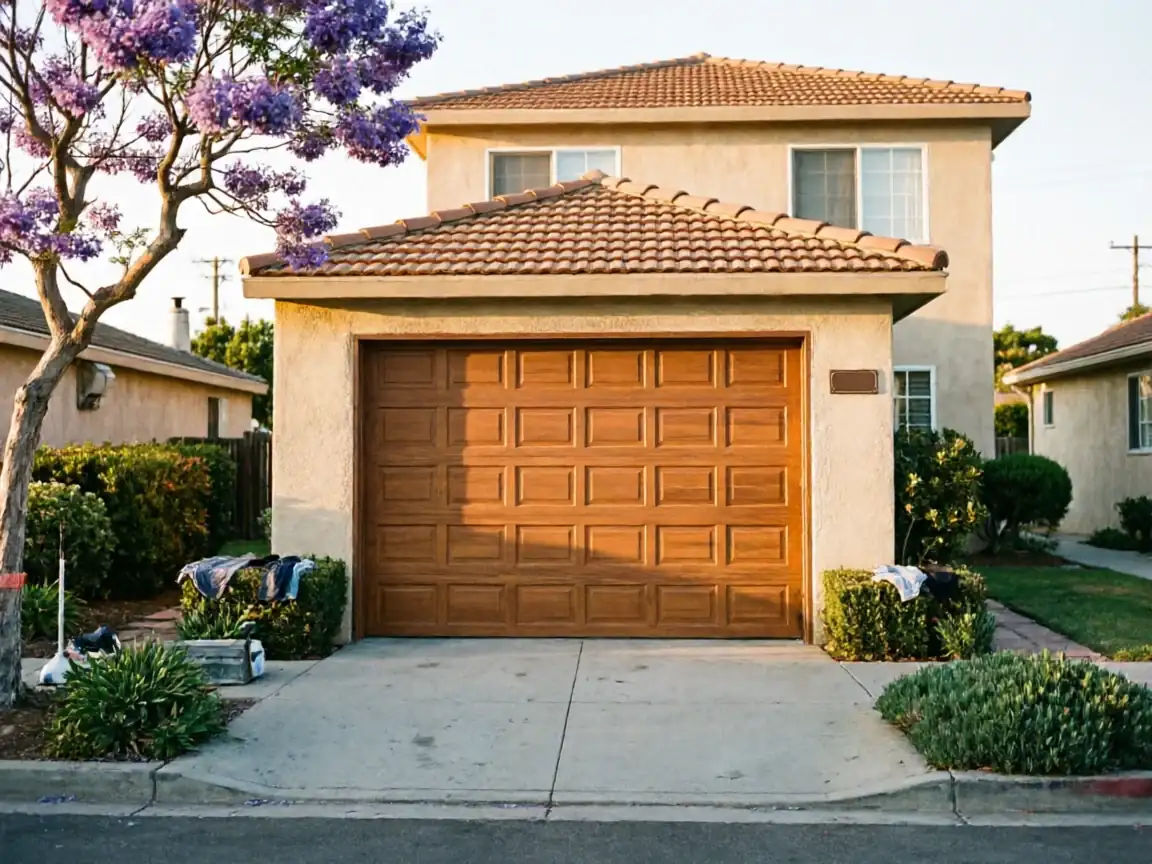
Richmond's housing stock centers on 1965
And that one number explains most of what we find on an emergency call here. A door installed around that year was almost certainly hung with steel rollers in a steel track, a single torsion spring sized for a lighter door than what's probably been bolted onto it since, and hardware that's never once been swapped - just tightened, lubed, or ignored.
02
The mild temperate climate on this side of the bay is actually on your side here
We're not fighting rust-through on tracks or rot in jambs the way a repair crew in a harsher climate would be; what fails on a 1960s Richmond door is fatigue, not weather. Metal that's flexed fifteen thousand times eventually cracks, whether or not it ever saw a drop of rain.
03
That means the repair itself is usually mechanical and straightforward once we're on site
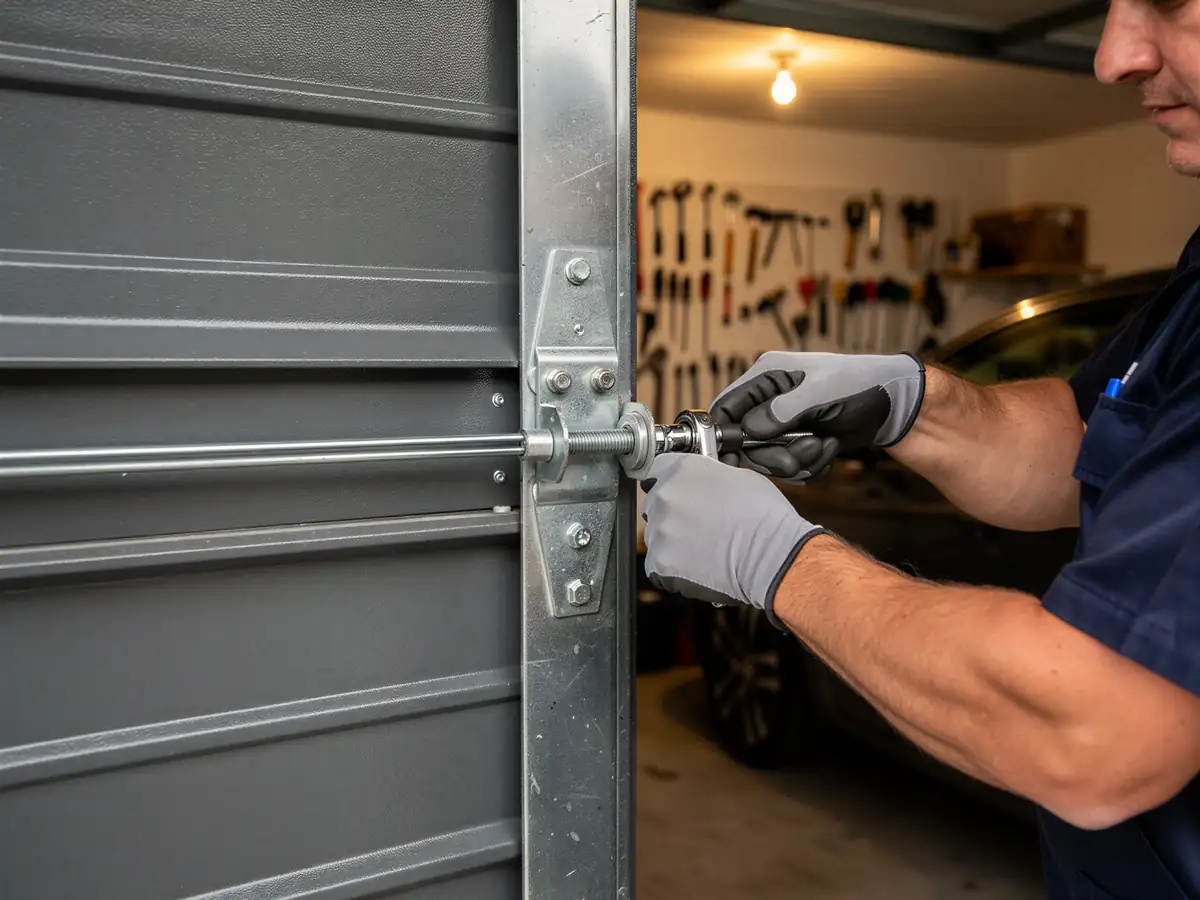
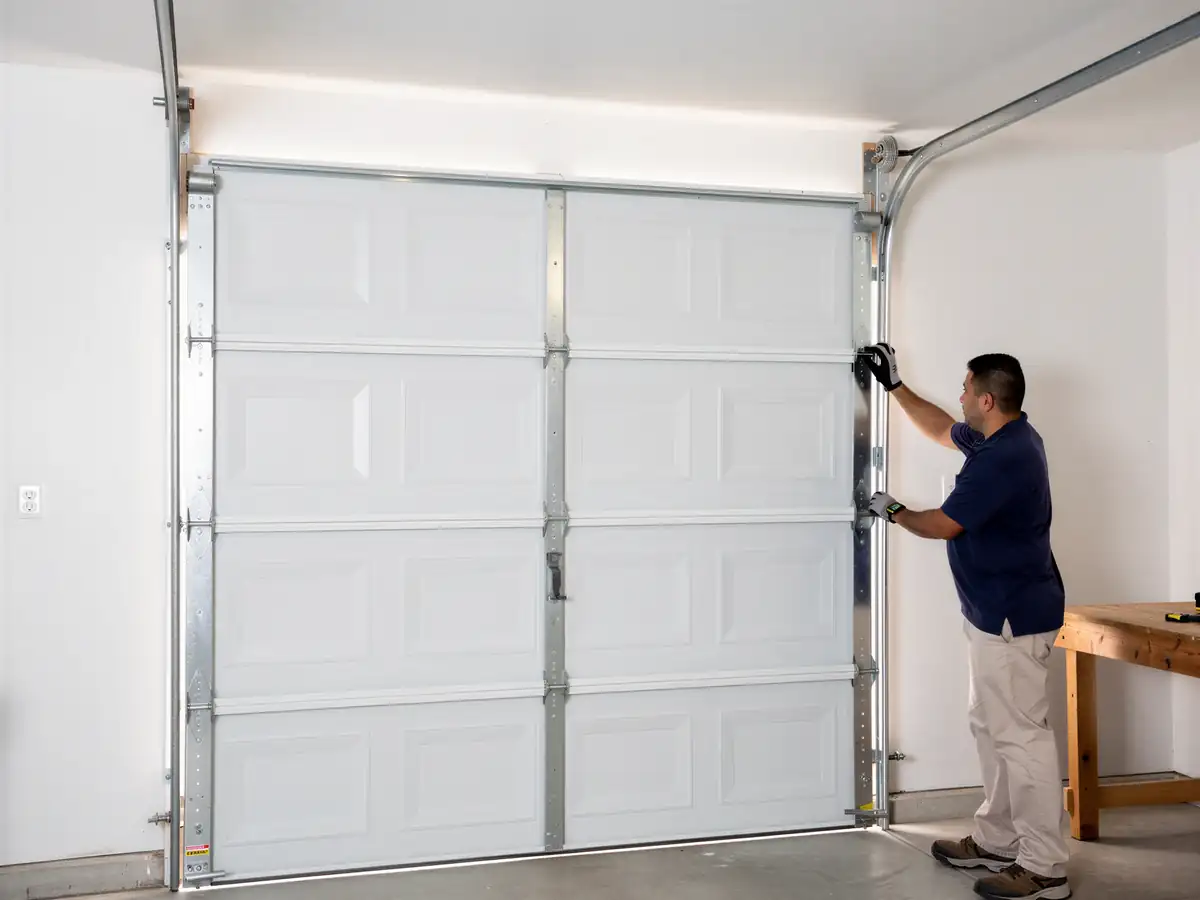
Spring replacement, cable re-run, roller swap, track realignment. What takes the time isn't the wrench work, it's matching the part to hardware that was never standardized the way modern doors are.
The Symptom
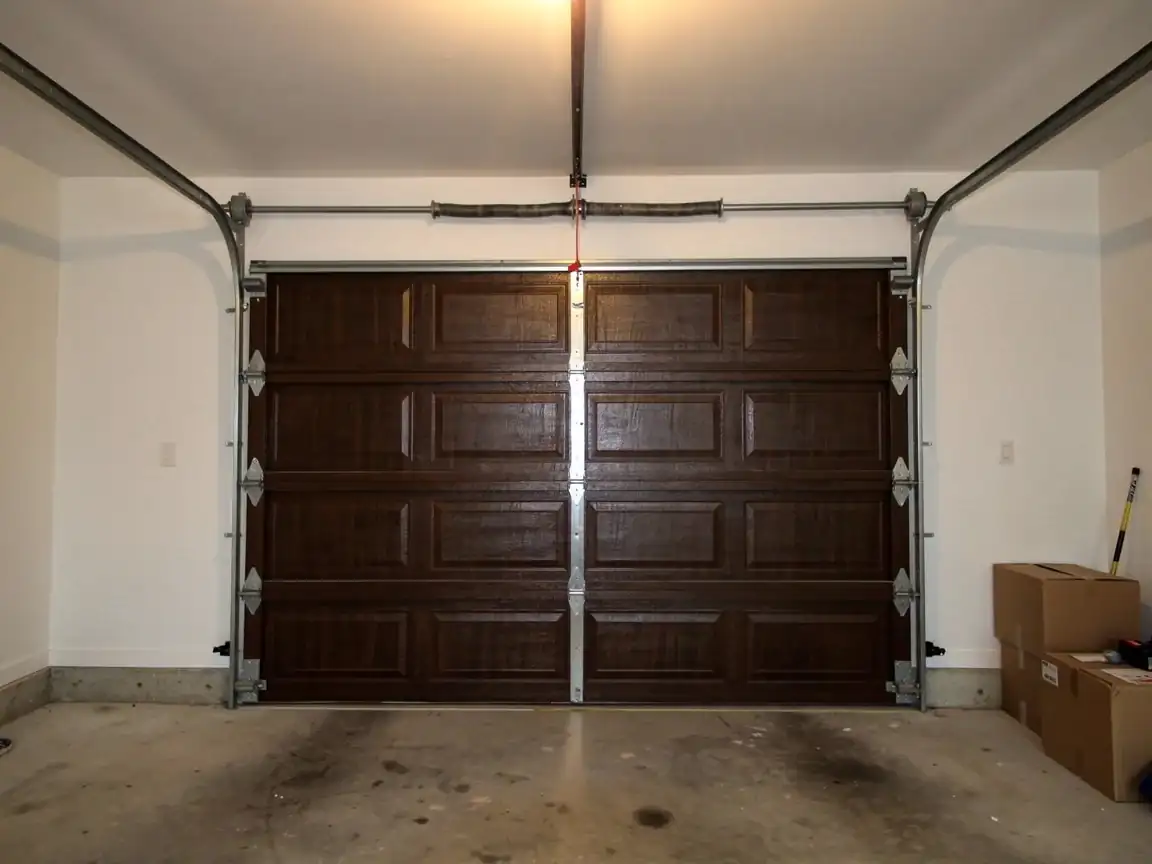
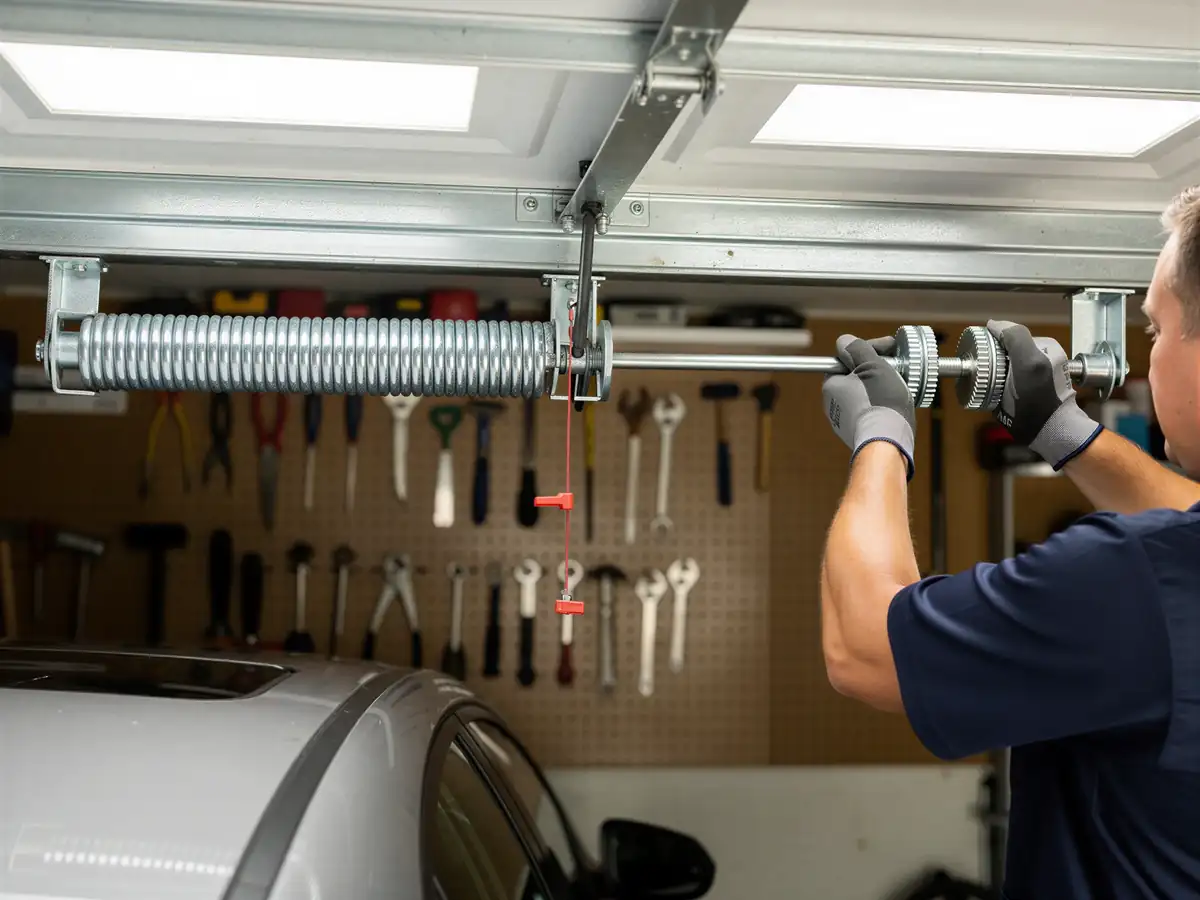
The call we get most from this part of the service area starts the same way: the door comes down fast and hard at the last foot of travel, sometimes slamming instead of settling. That's a torsion spring losing tension, and on a door built around 1965 it's rarely the spring's first failure - it's just the first one anyone noticed, because the others got caught as a noisy stretch rather than a full stop.
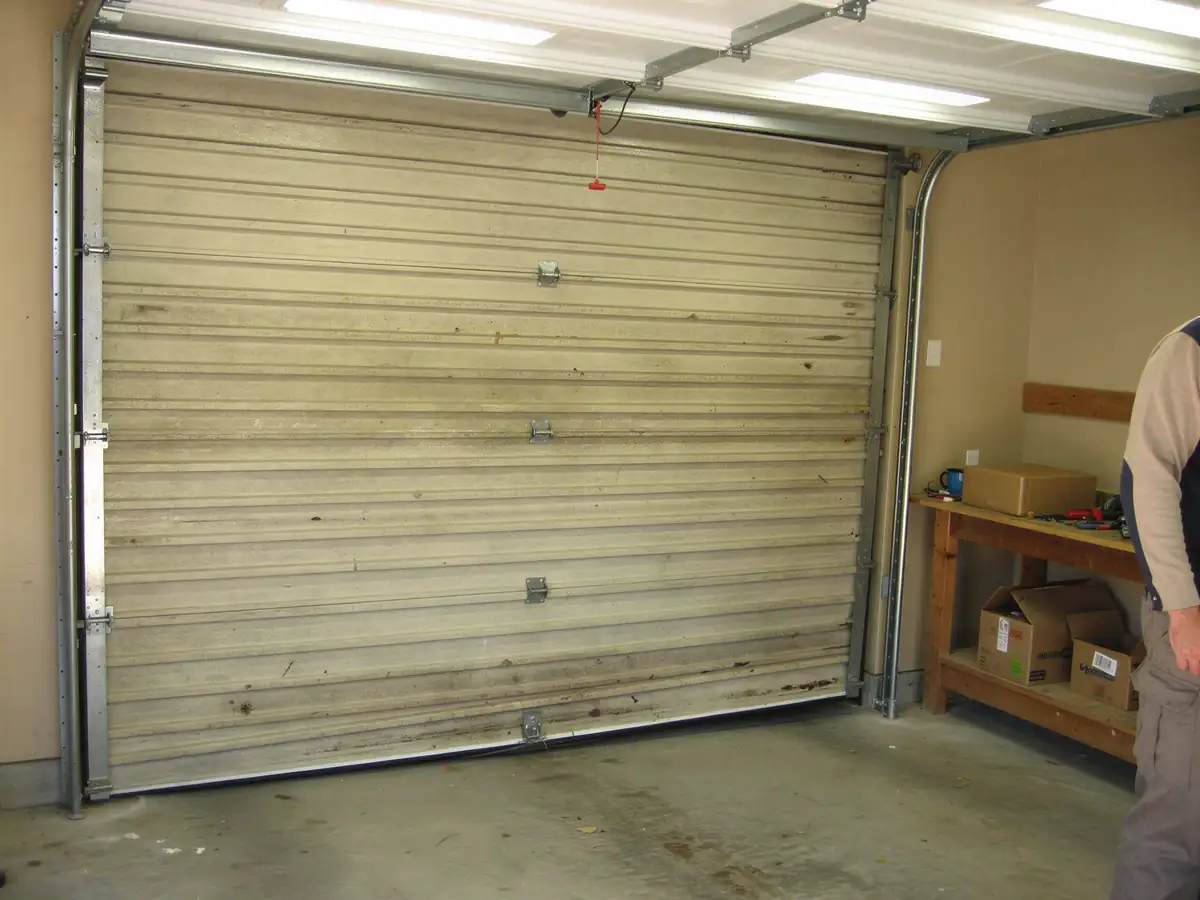
The second most common symptom is a door that binds a few inches off the floor and won't go further either direction. On original steel-roller hardware from that era, that's usually a roller that's worn oval instead of round, catching in a track that's narrowed slightly from decades of the same metal-on-metal contact.
We can't diagnose over the phone with certainty - a bound door can be a roller, a bent track, or a spring that's already snapped and just hasn't let the door drop yet. What we can rule in or out before the truck leaves is whether this is a same-day safety issue (a door stuck open, a door that's dropped and trapped a car) versus one that can wait.
Parts We Carry
We stock the parts that fail most on doors from Richmond's build era: standard torsion springs in common sizes, galvanized lift cable, steel and nylon rollers, and drum sets sized for the single-spring systems that were typical through the 1960s and 70s. That covers the large majority of emergency calls in this part of the service area.
What we don't carry on the truck is anything for the handful of houses built well before or after that window - this area's homes date anywhere from 1938 to 2008, and a one-piece door from the early end of that range uses hardware nobody manufactures new anymore. If that's what's on your house, the honest answer is that first visit is diagnosis and the fix might mean a special order, not a same-day repair. We'd rather tell you that up front than have the truck sit there while we improvise.
How it works
From “it’s stuck” to “it’s fixed”
01
Tell us what’s wrong
Describe the symptom - won’t open, loud bang, opener runs but the door won’t move.
02
On-site diagnosis
A technician tests the door under power and by hand and finds what actually failed.
03
Clear, up-front plan
You get the fix that’s needed and what drives the cost - before any work starts.
04
Repaired & tested
The repair is done, the door is set true and tested, and the work area left clean.
Not sure which repair your door needs in Oakland, CA? Describe what it’s doing - every job starts with a diagnosis.
Straight answers about garage door repair in Oakland. Still unsure? Ask us directly.
How fast can someone get to Richmond from Oakland for an emergency?
We run this call from Oakland, about fifteen miles away, and we don't quote a fixed time because traffic and the day of the week change it. When you call, we ask what the door's doing so the right parts are already loaded before the truck leaves.
Is my door's hardware likely original?
If your house dates to around 1965, which is typical for this part of the service area, there's a good chance the torsion spring, rollers, and track have never been replaced - just maintained or ignored. That's often exactly what's failing.
Do you have a branch in Richmond?
No. We work out of Oakland and travel to Richmond for calls. There's no local depot, which is why we're upfront about travel time rather than promising a number we can't guarantee.
Can you fix a door that's slammed shut and won't move?
Usually, yes - that's most often a broken torsion spring losing tension on the way down, which is a common failure on doors from this area's 1960s-era hardware. Don't force the door open by hand; the spring may still be under load.