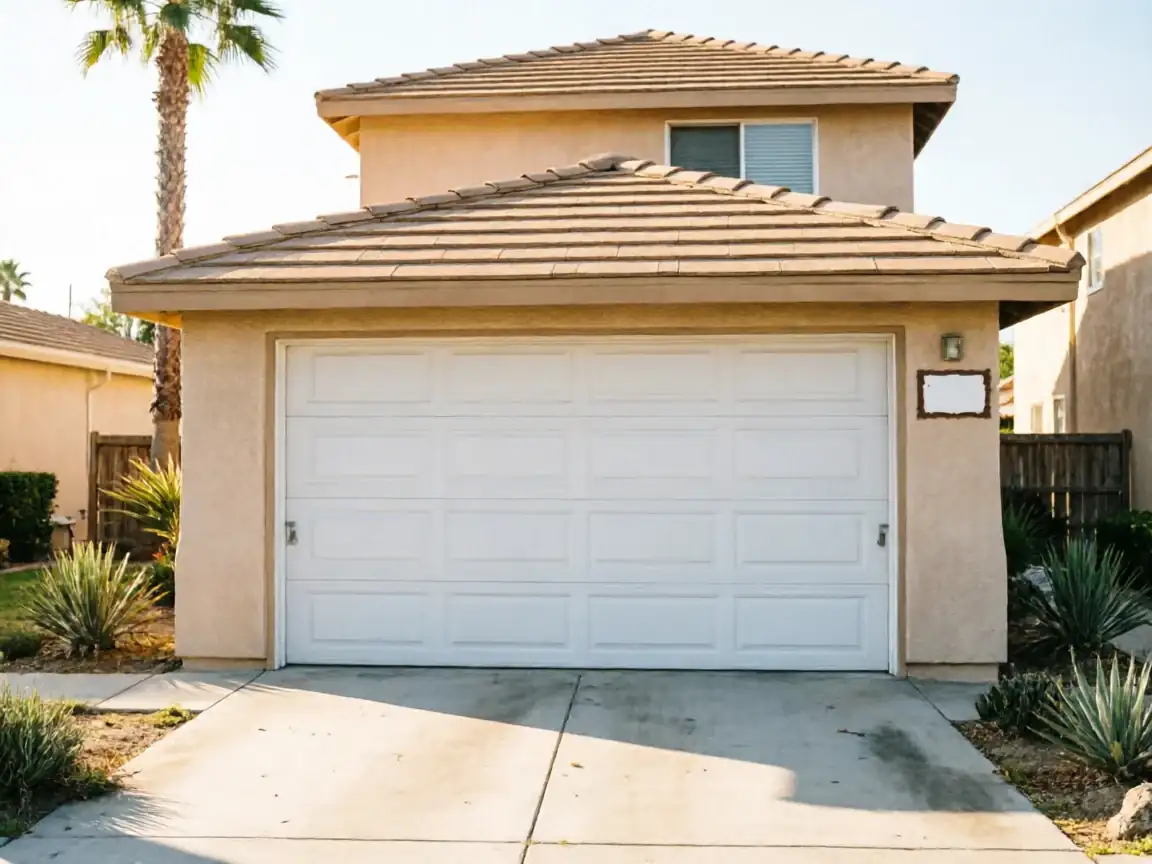
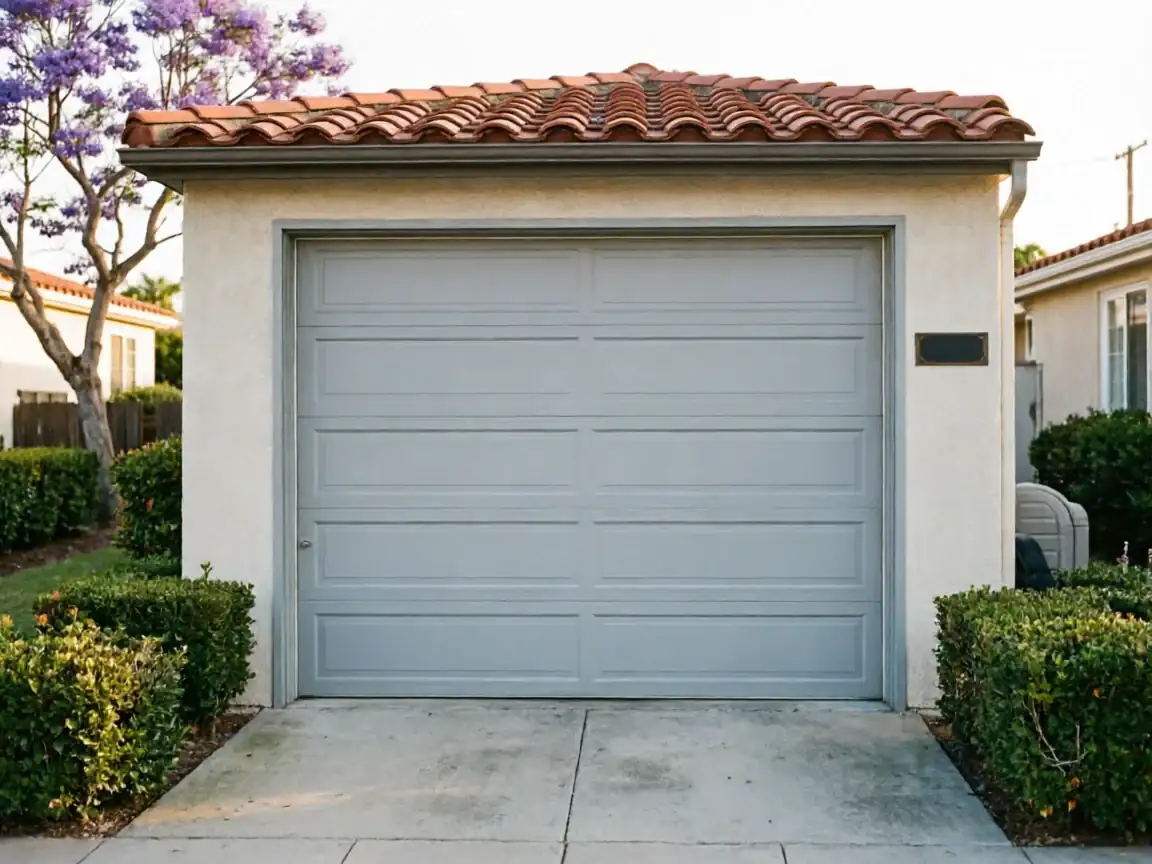
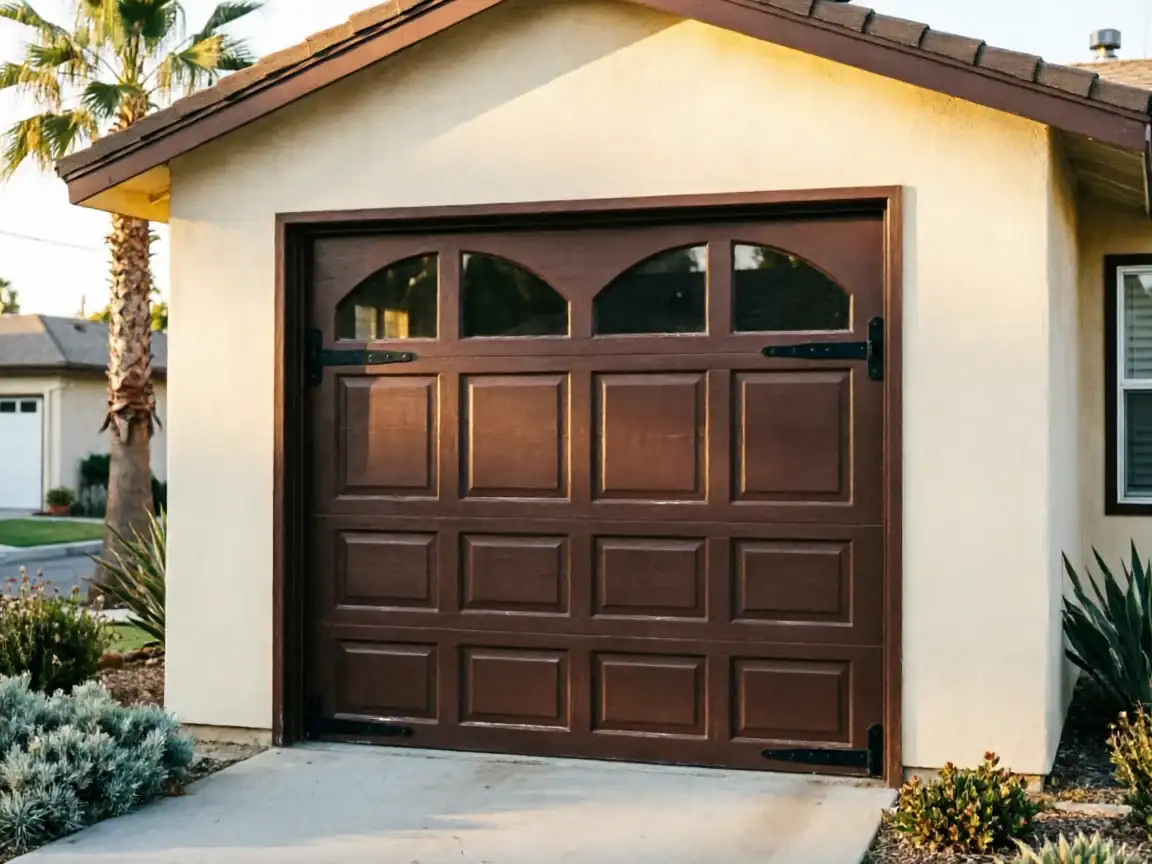
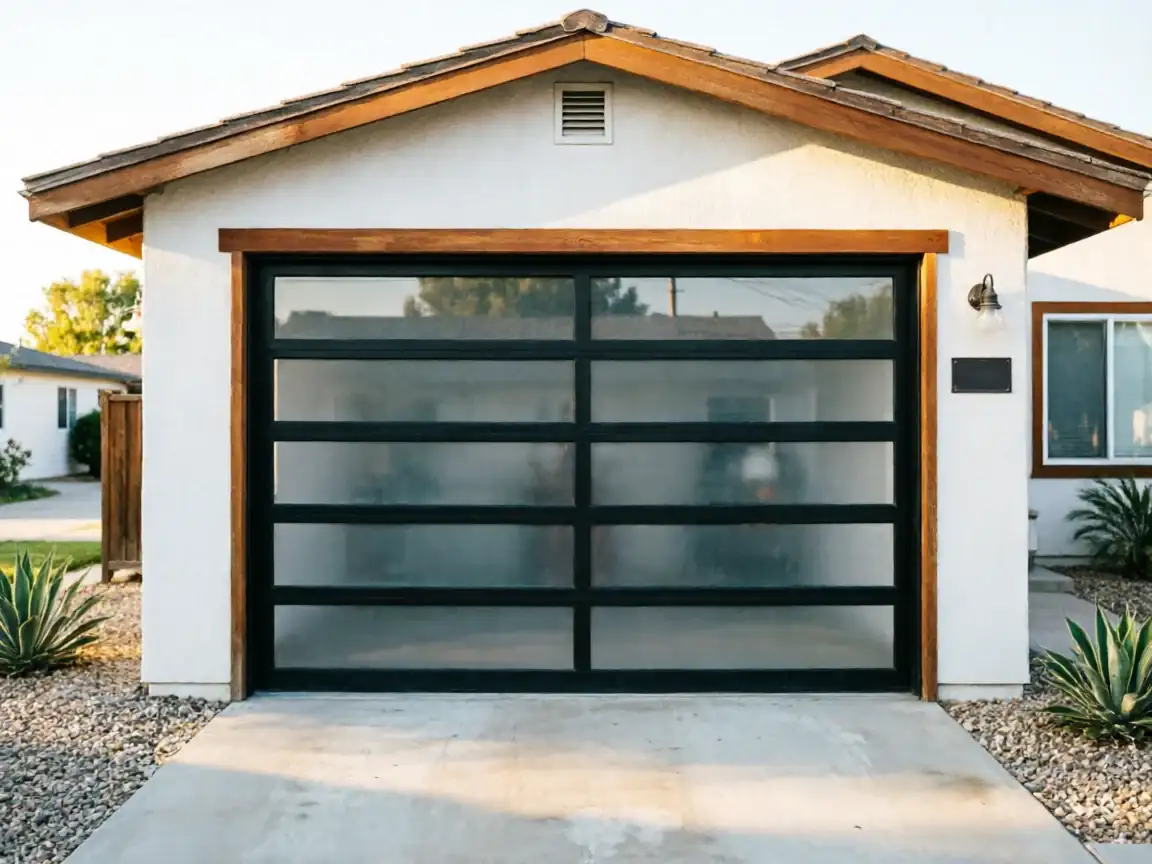
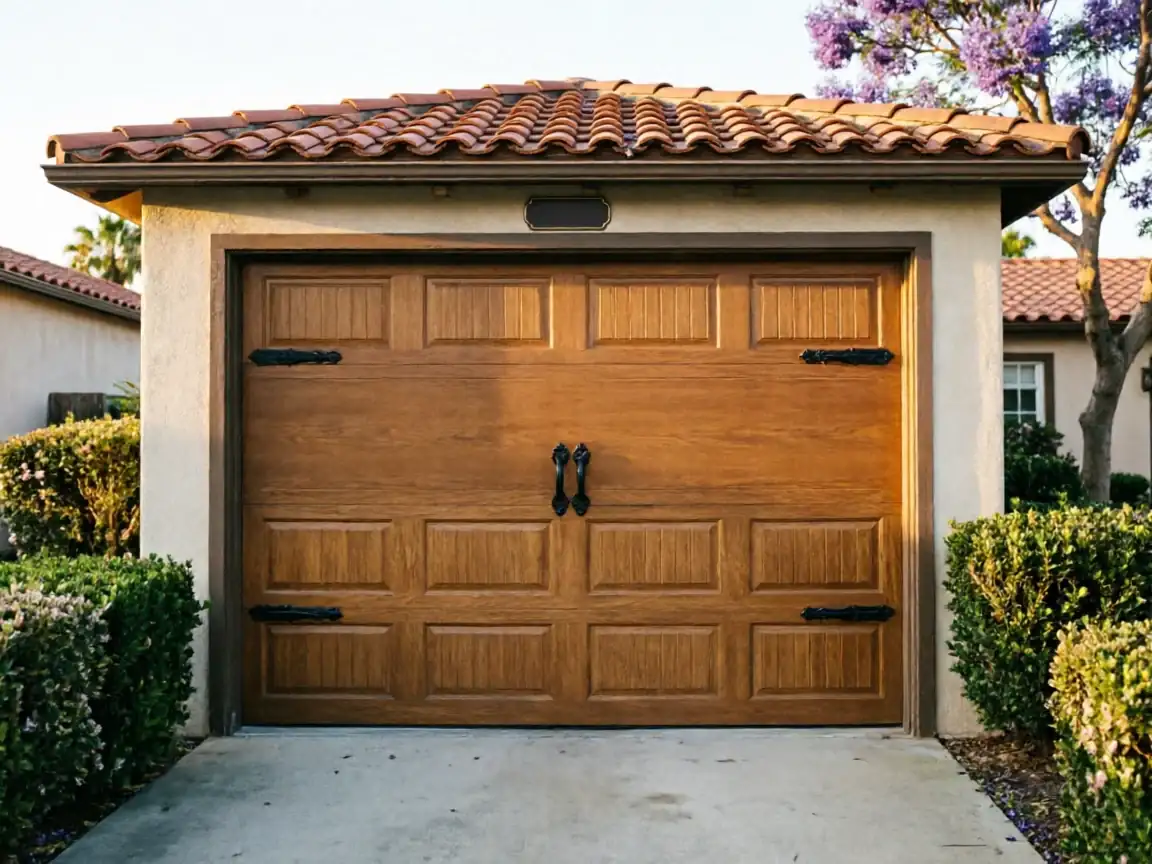
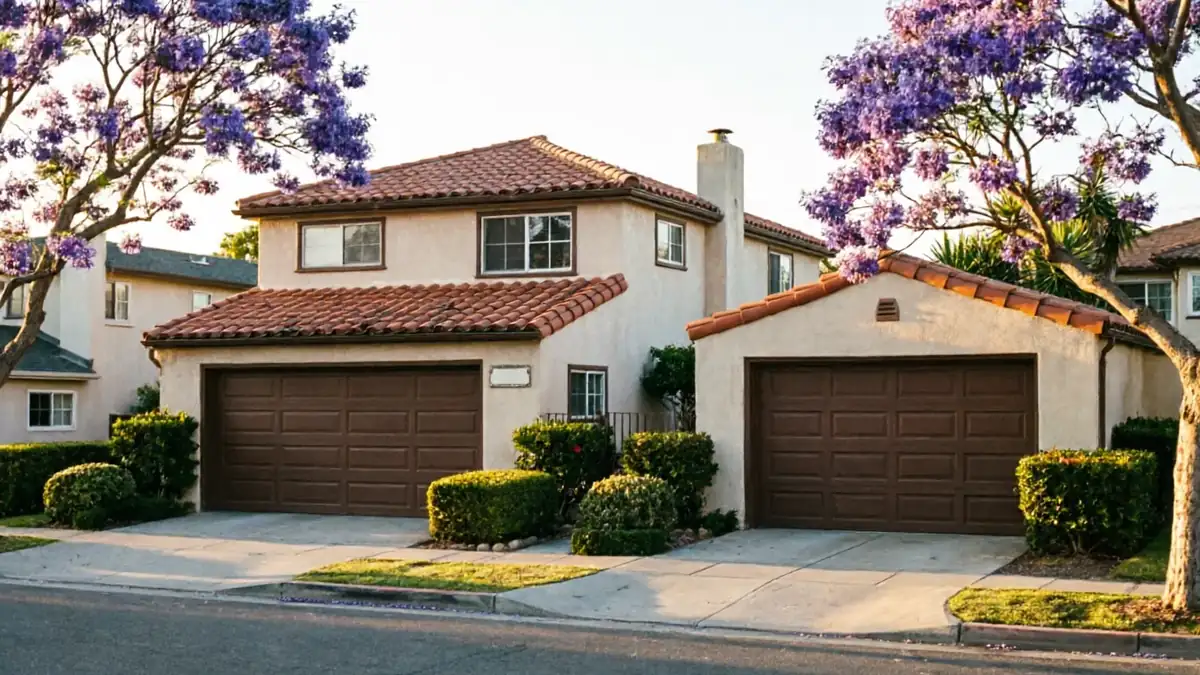
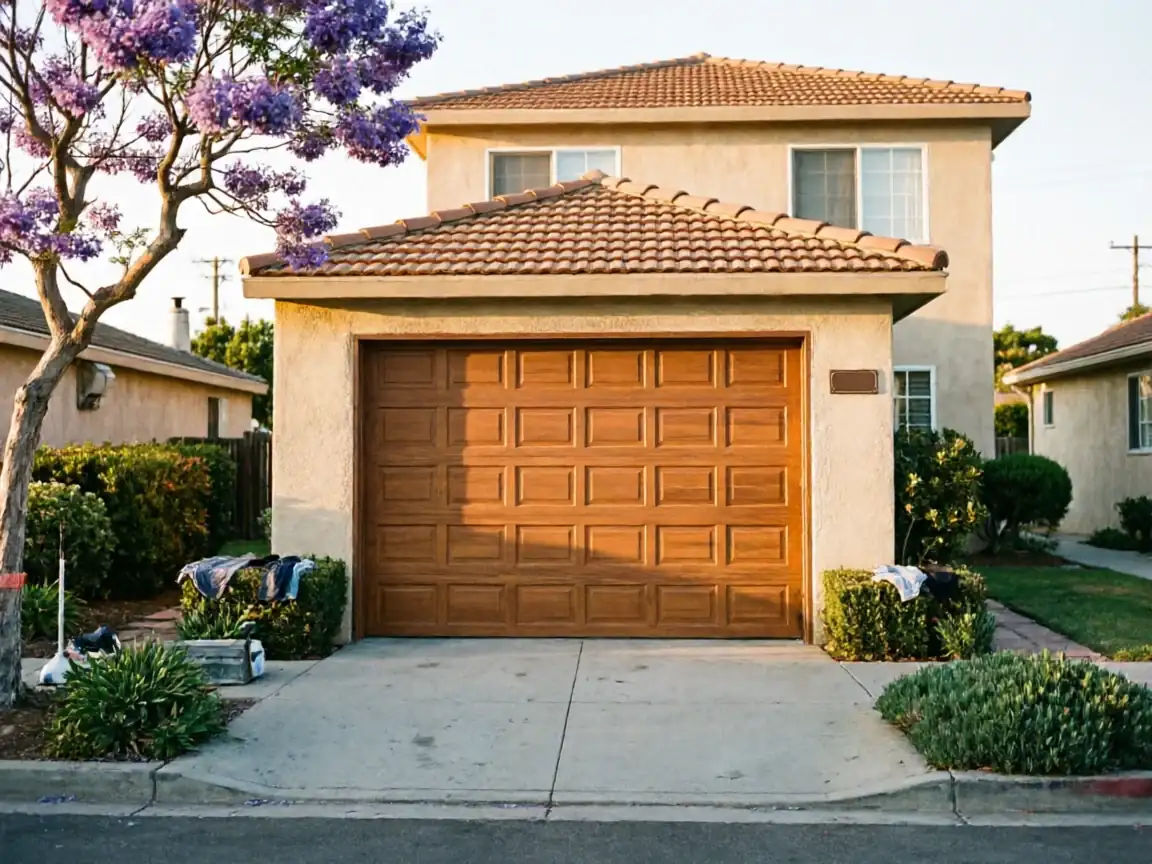
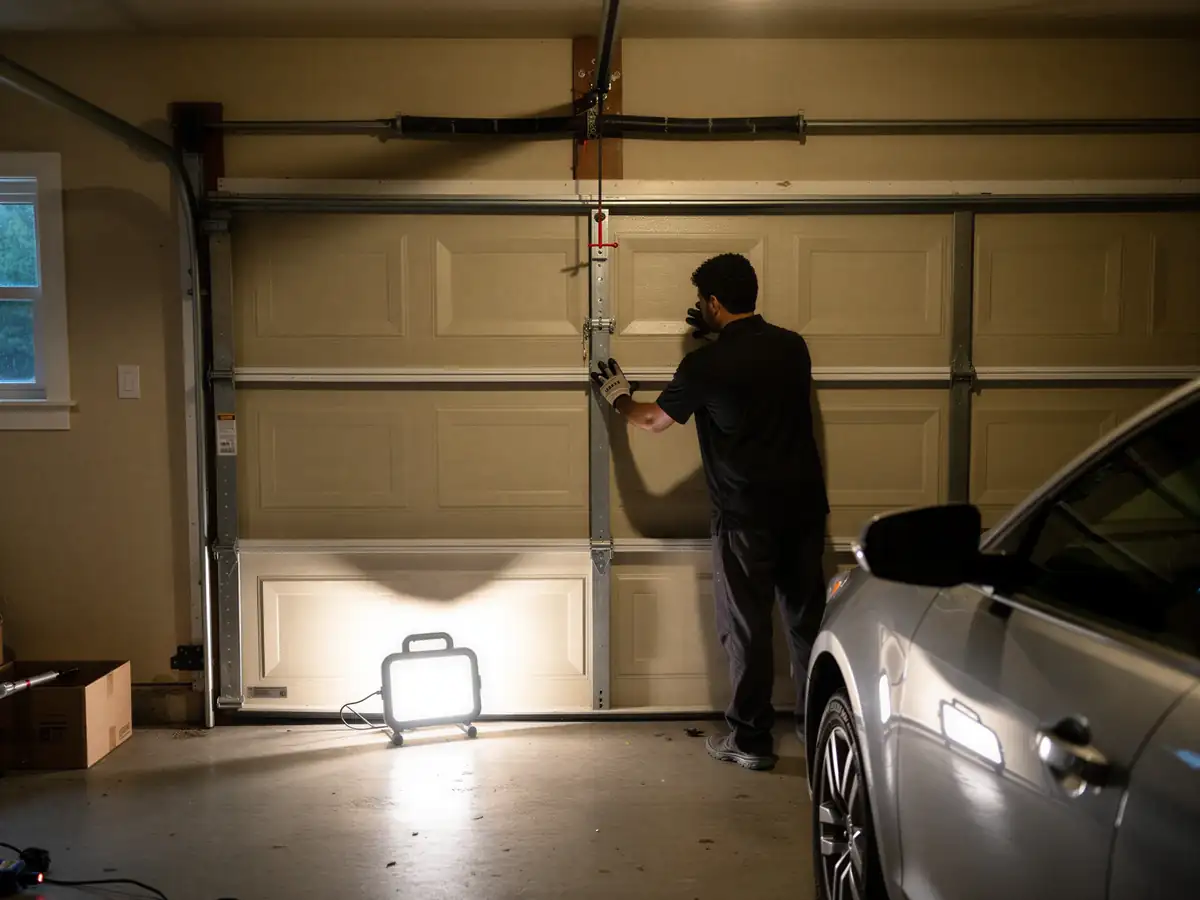
Emeryville homes mostly went up after 1987, later than most of Oakland's stock. That later build date changes what trips a door off its tracks and what the fix takes.
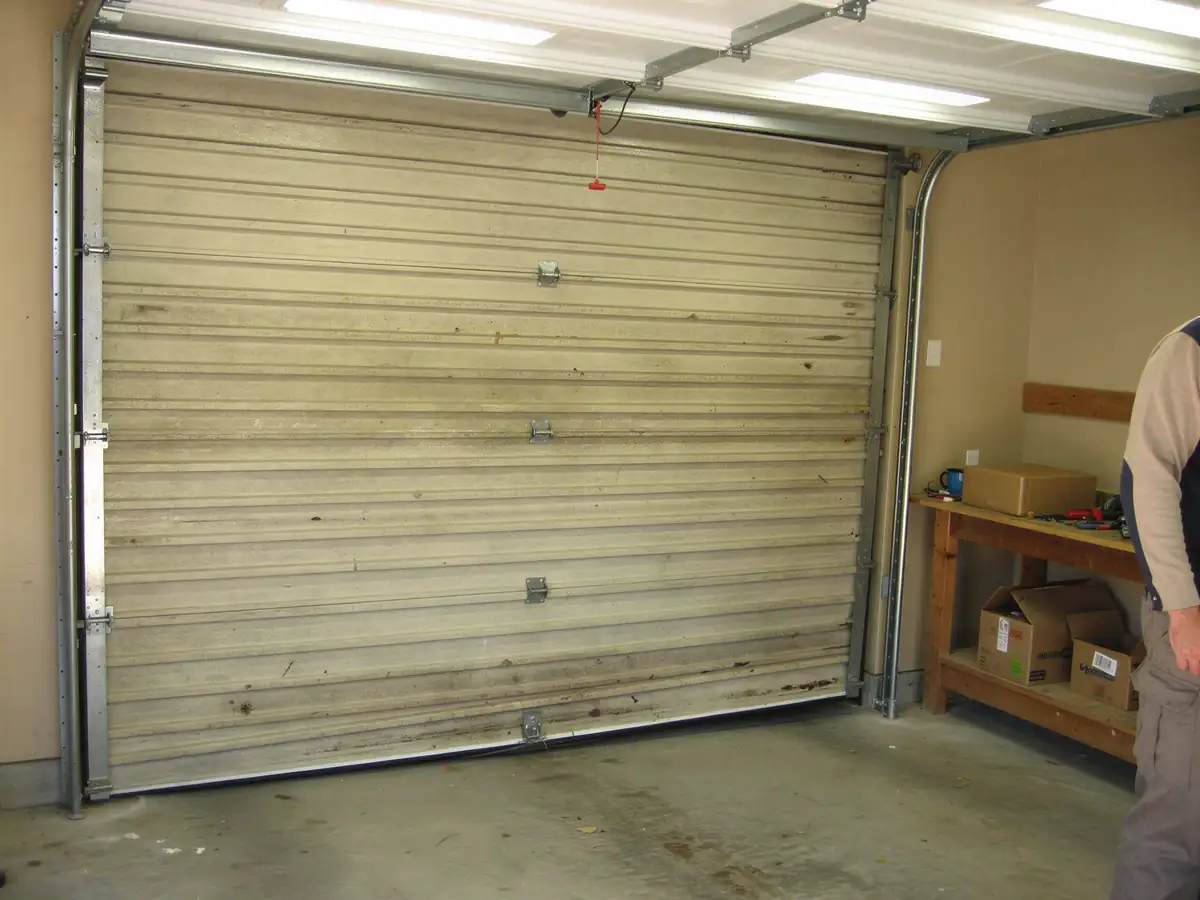
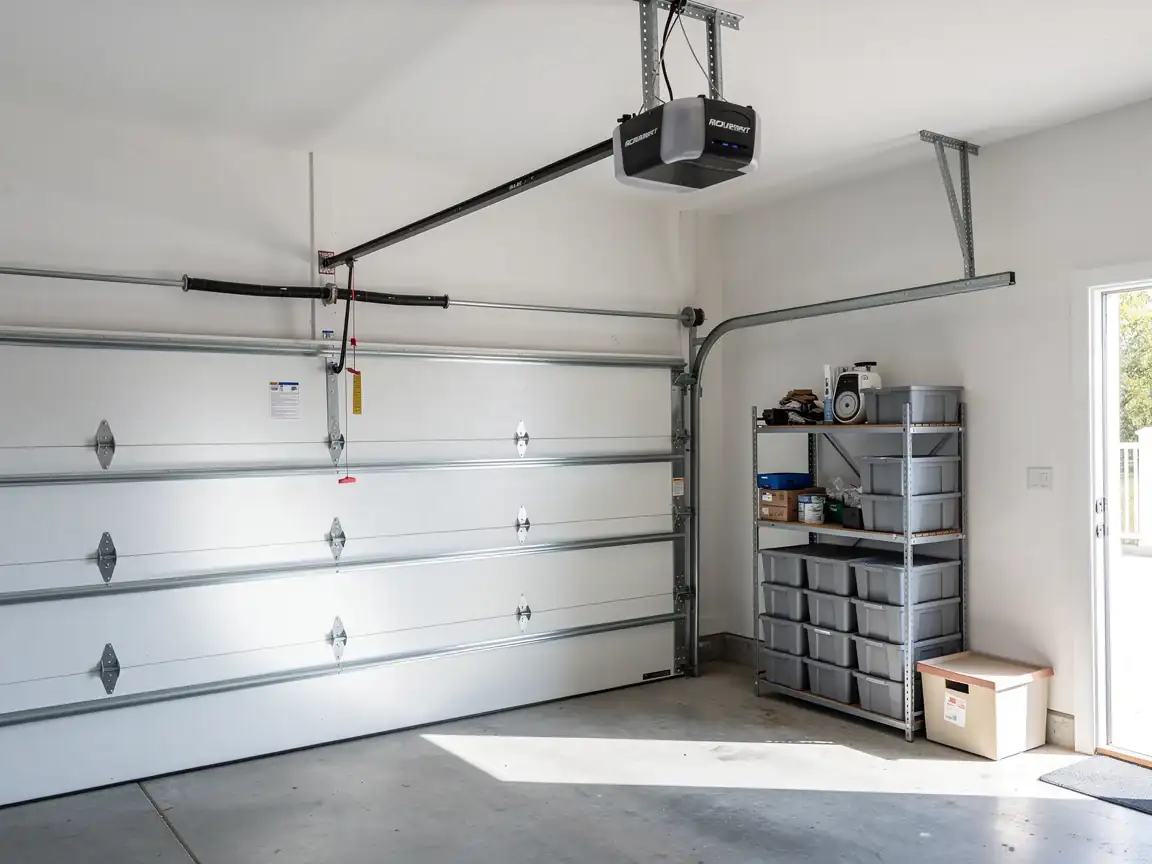
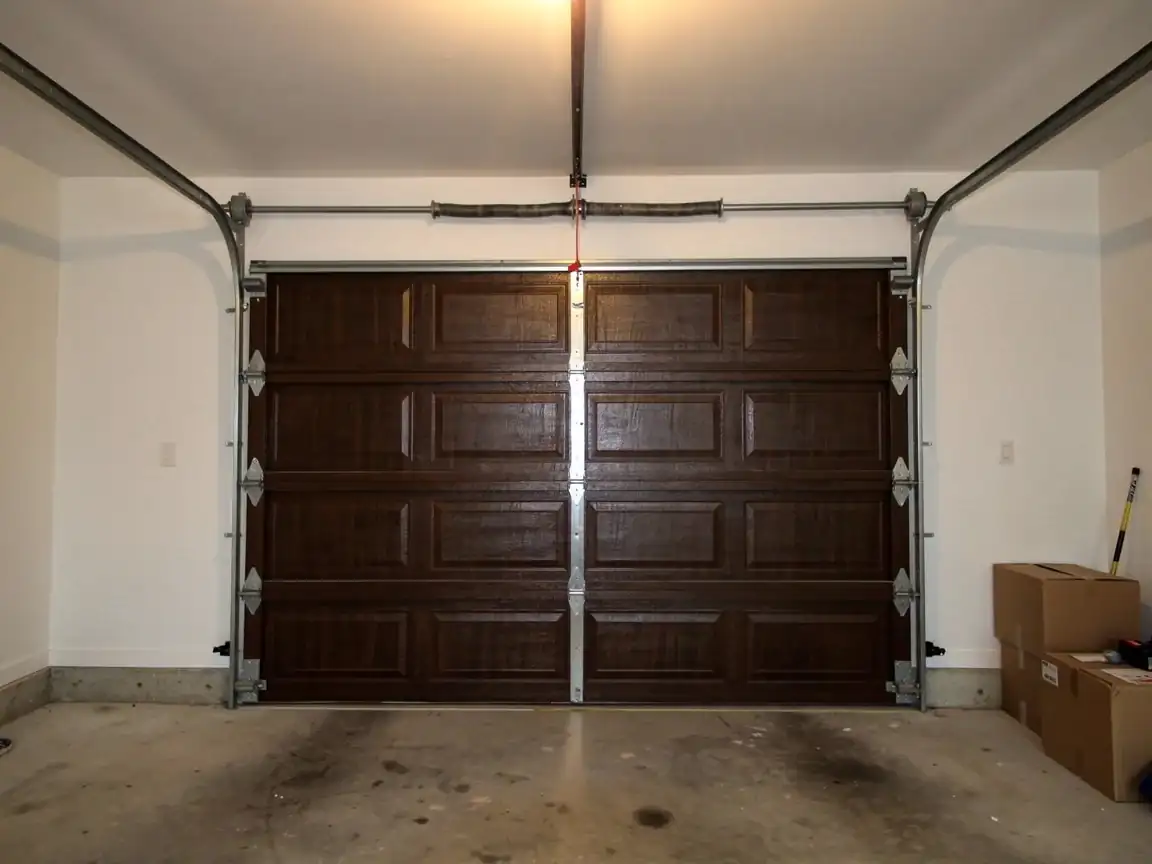
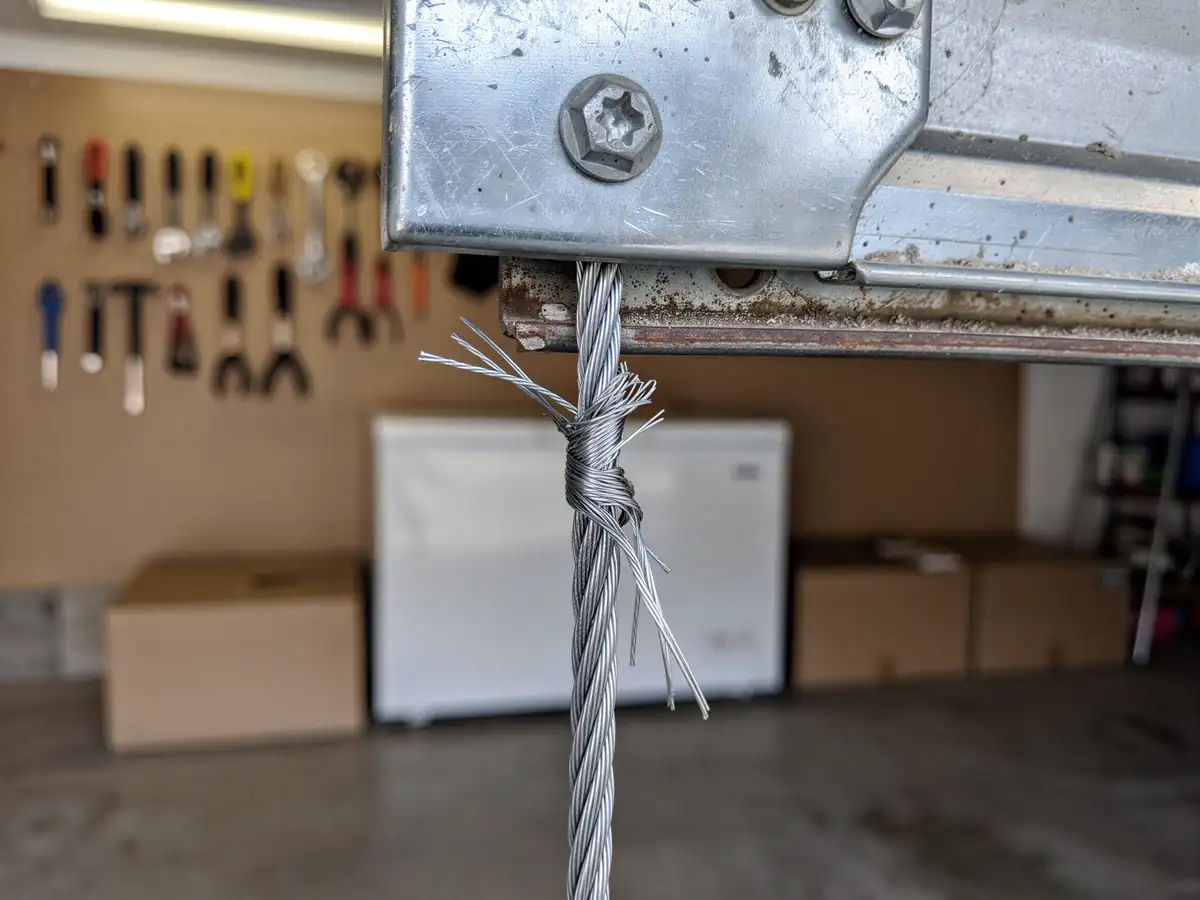
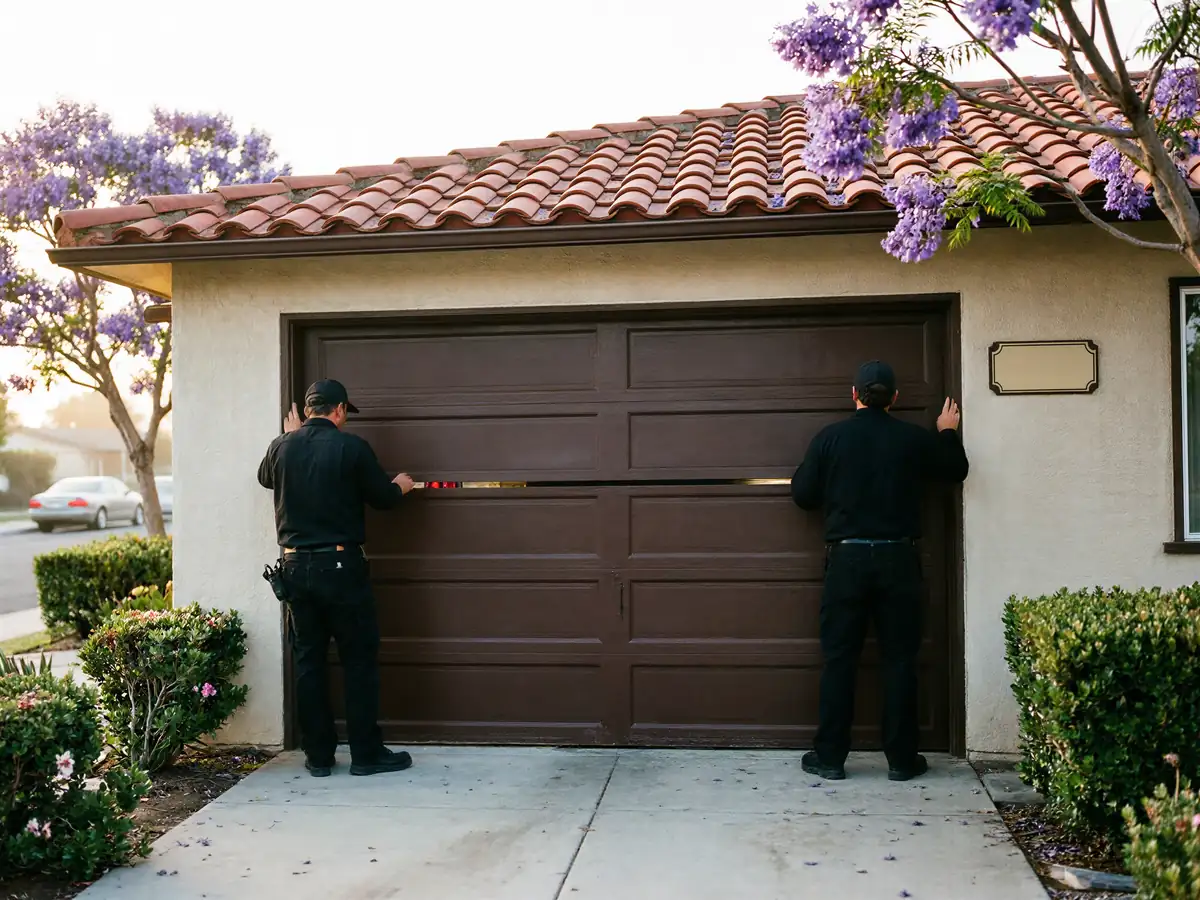
Emeryville's housing stock is younger than most of the neighborhoods we cover out of Oakland - the median build year here is 1987, two decades newer than the 1965 median across the wider service area. That matters for an off-track door because newer construction usually means factory steel sectional doors on roller tracks sized for a lighter panel, not the heavier wood or older steel doors common in pre-1960s Oakland stock. When one of these doors jumps the track, it's rarely the track itself that's bent out of shape first - it's more often a roller that's worn through its nylon sleeve, or a cable that's slipped off a drum because a hinge bracket loosened. The door will hang crooked on one side, bind halfway up, or pop a roller out of the vertical track entirely and leave the panel resting against the frame instead of inside it. If the door still closes but scrapes or grinds along one track, that's a warning sign, not yet a full derailment - worth a call before it becomes one.
What the Repair Takes
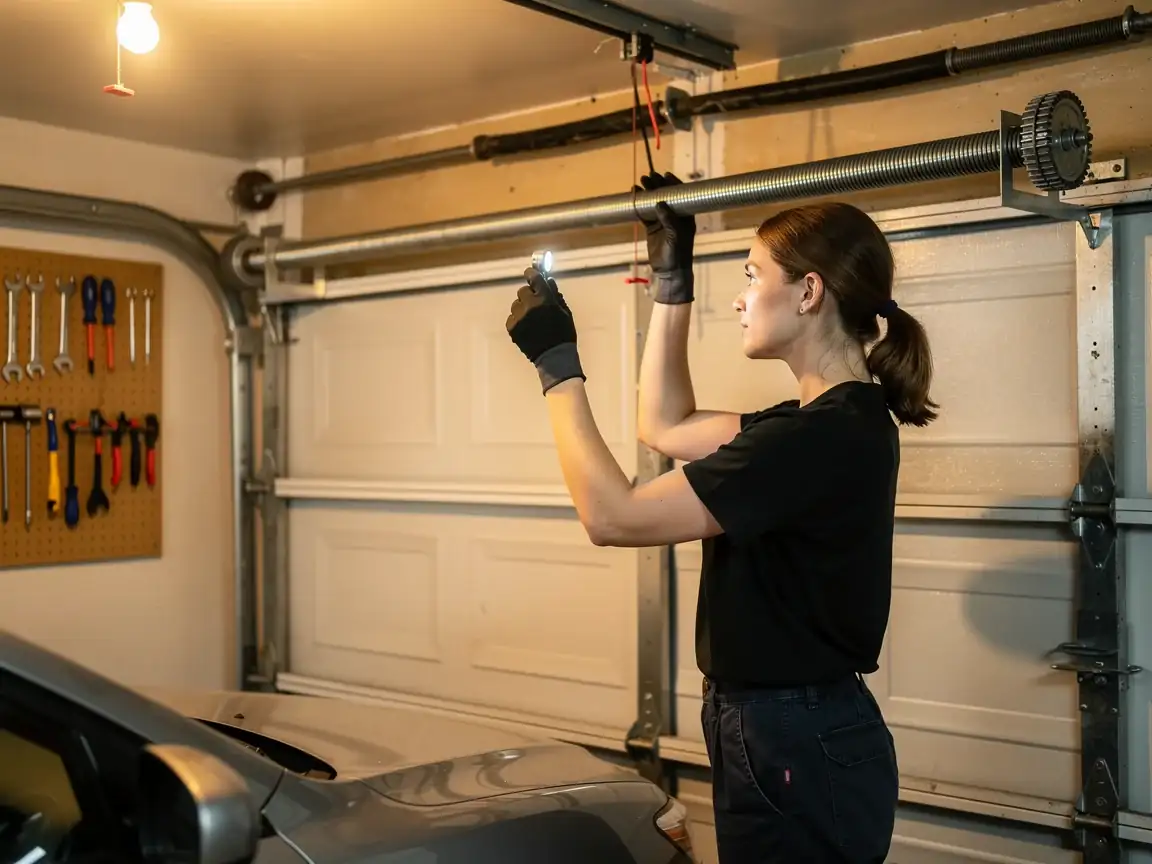
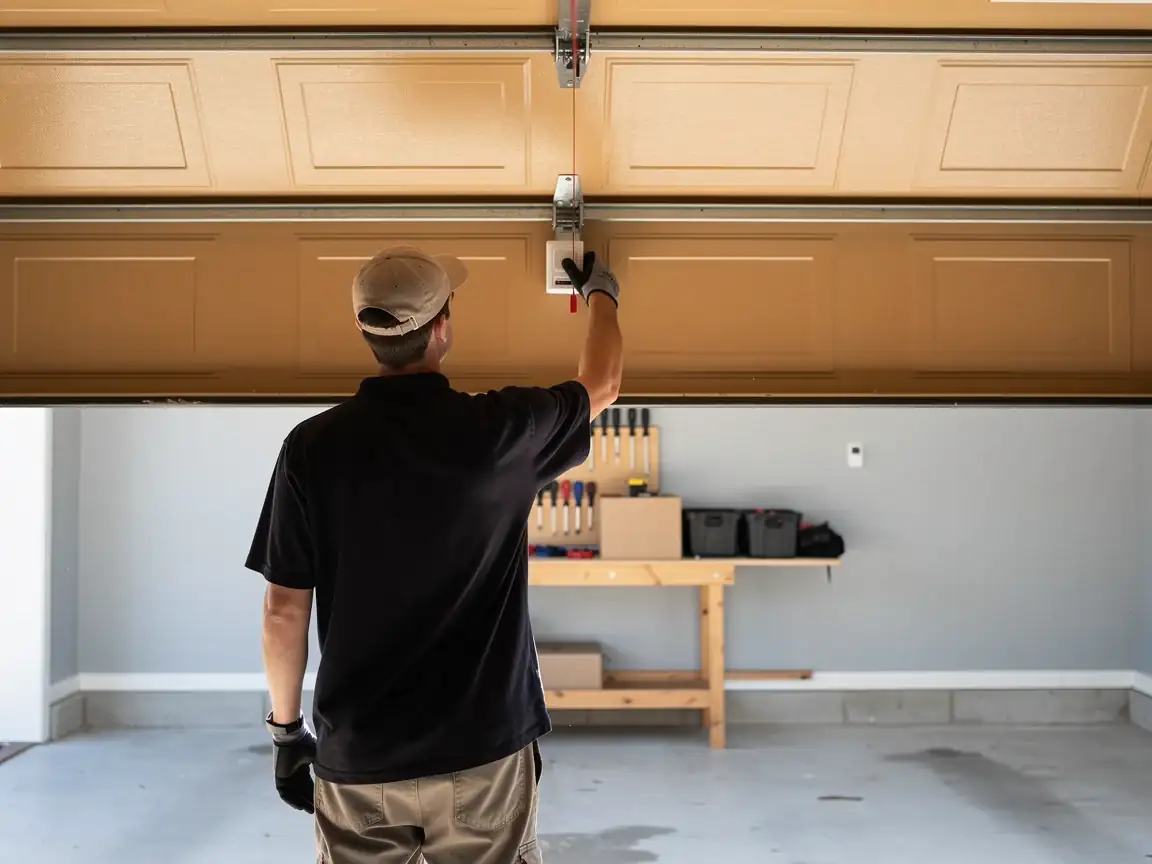
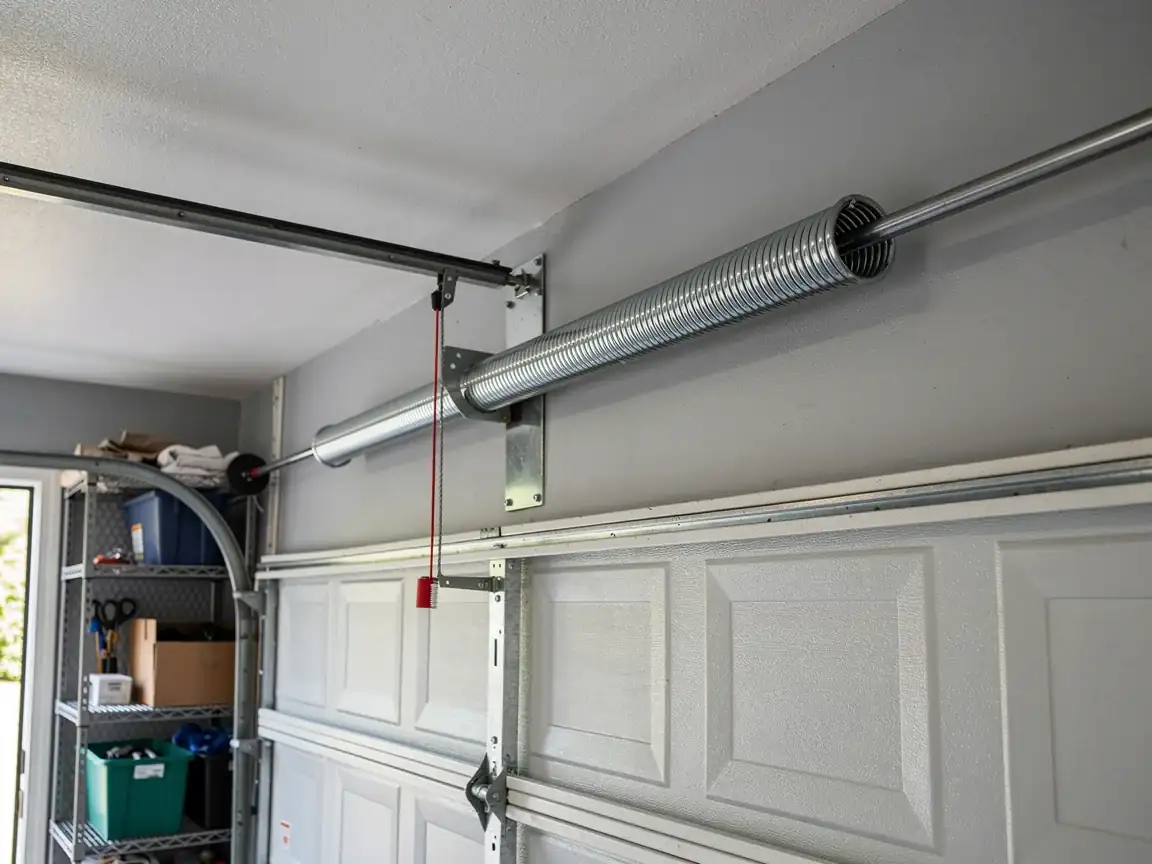
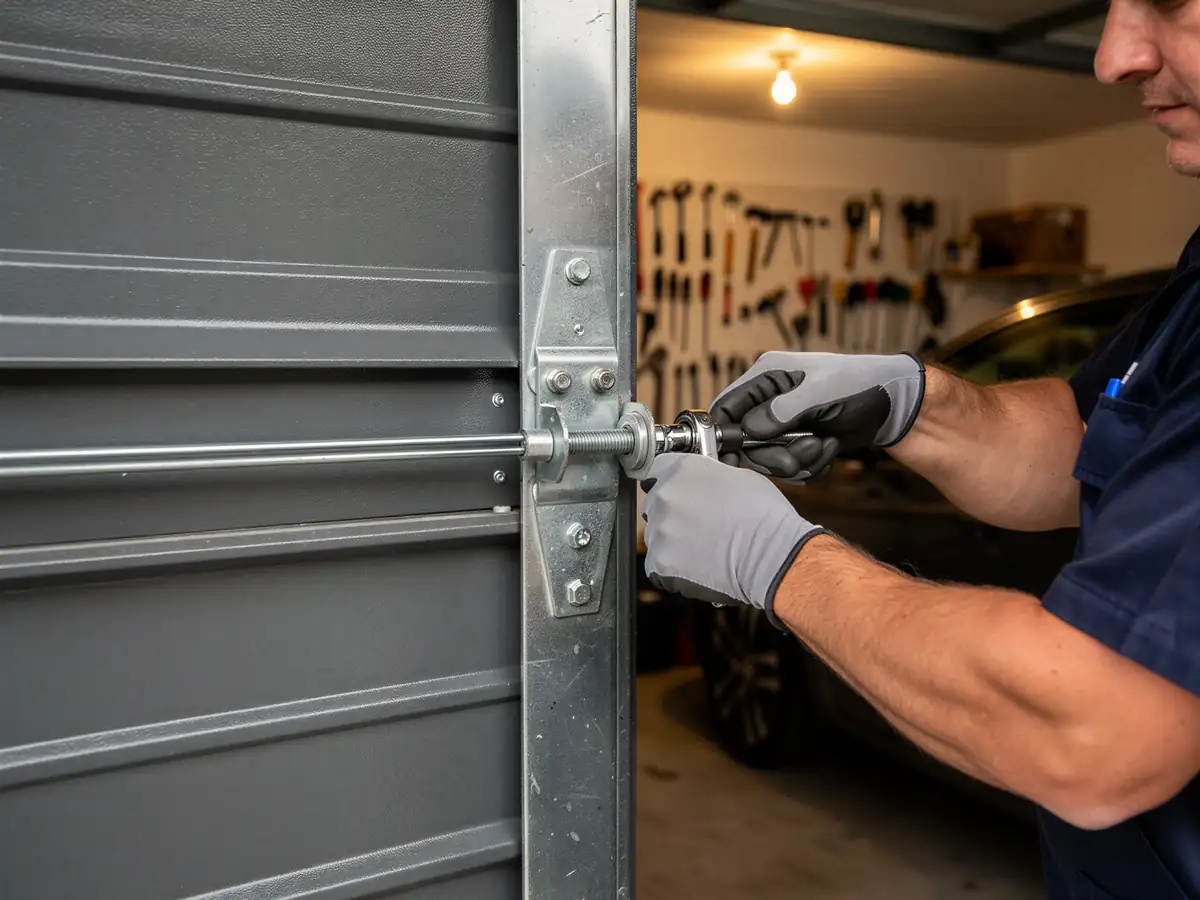
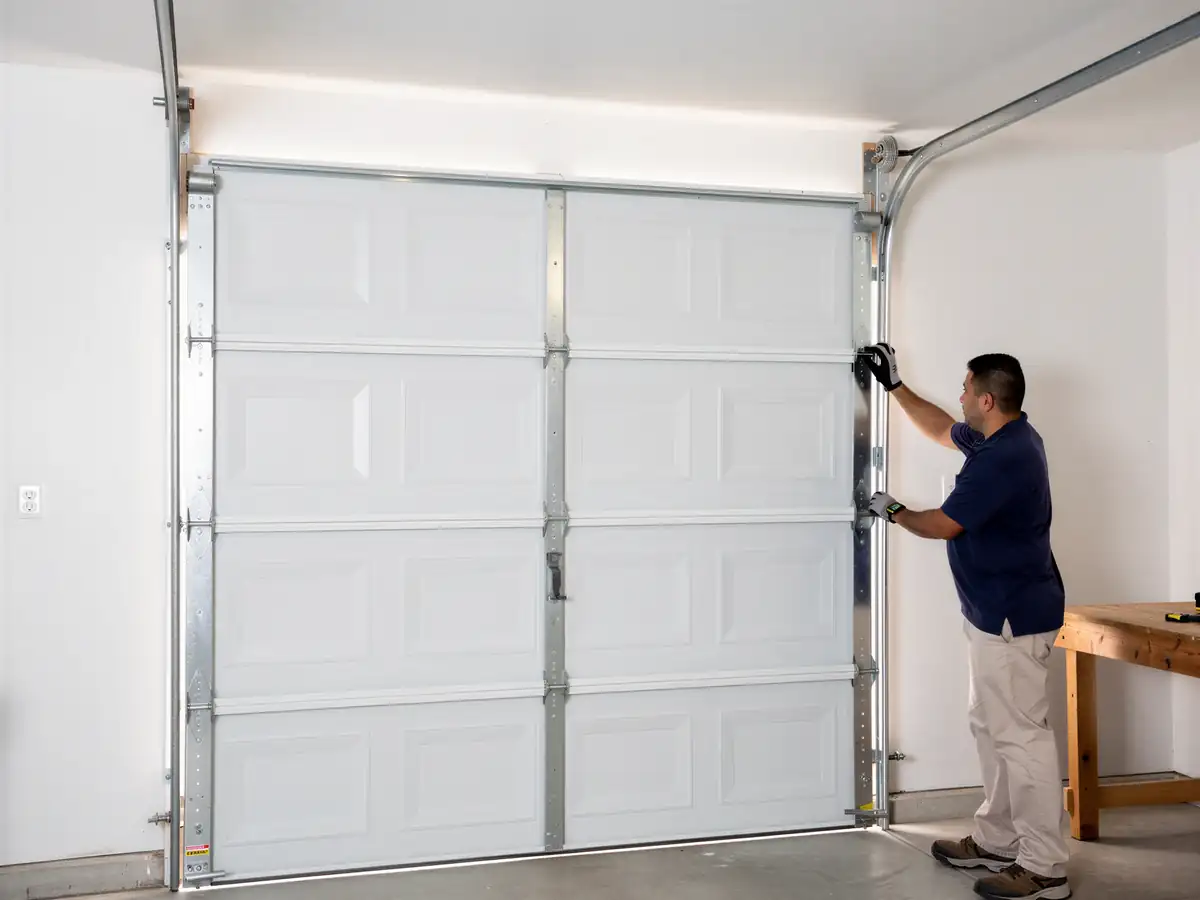
Re-seating a door that's come off a track sized for 1980s-era residential construction is usually a matter of releasing tension safely, walking the roller back into the channel, and checking that the track itself wasn't spread or dented in the process - bent track has to be straightened or swapped, not just bent back by eye. On newer builds like most of what's in Emeryville, the rollers and brackets are usually standard sizes, which keeps parts and labor straightforward. We do check the opener's travel limits and force settings afterward, since a door that's been running off-track for even a day or two will often throw the opener's sensors out of alignment too. One honest limit here: if the track is torqued badly enough that the wall bracket has pulled away from the framing, that's a structural fix beyond a track adjustment, and we'll tell you straight if that's what we're looking at rather than patch it.
Why It Happens Here
Emeryville sits about 6 miles from our Oakland base, and the mild temperate climate across the whole area means this region doesn't see the freeze-thaw cycles that crack tracks or stiffen hardware elsewhere in the country. So when a door comes off track here, it's almost never weather-driven - it's wear. With a median build year of 1987, a lot of these doors and their original hardware are now in their third decade or more of daily use, which is right around when nylon rollers start to crack and original steel tracks develop a slight bow from years of a door riding slightly off-center. Households in Emeryville are fewer and more compact than the broader service area's 536,537 households, and that generally lines up with smaller garages and single-car doors rather than double-wide - a door type that's simpler to re-track but just as prone to a worn roller letting go without warning.
Parts We Carry
For a door built in the late 1980s or later, we carry standard-size steel rollers (both nylon and sealed-bearing), replacement track sections in the common residential gauges, and the brackets and fasteners that hold track to framing. We stock these because they fit the bulk of what we see on doors from this era - we don't keep obsolete parts for older one-piece or wood doors on hand, since that's a smaller share of what's actually installed in a neighborhood built out mostly after 1987. If your door turns out to need a part outside that common range, we'll say so and give you a straight answer on lead time rather than guess.
How it works
From “it’s stuck” to “it’s fixed”
01
Tell us what’s wrong
Describe the symptom - won’t open, loud bang, opener runs but the door won’t move.
02
On-site diagnosis
A technician tests the door under power and by hand and finds what actually failed.
03
Clear, up-front plan
You get the fix that’s needed and what drives the cost - before any work starts.
04
Repaired & tested
The repair is done, the door is set true and tested, and the work area left clean.
Not sure which repair your door needs in Oakland, CA? Describe what it’s doing - every job starts with a diagnosis.
Straight answers about garage door repair in Oakland. Still unsure? Ask us directly.
Why did my garage door come off the track if nothing hit it?
On a door from this era, it's usually a worn roller or a loose bracket rather than an impact. The roller sleeve cracks with age, lets the wheel wobble, and eventually it walks out of the track channel on its own - no collision needed.
Is a door that came off track in Emeryville a bigger job than elsewhere in the area?
Not generally. Housing here is newer on average, which usually means standard-size rollers and track rather than the older, heavier hardware found on pre-1960s doors elsewhere in the service area - that tends to make the repair more routine, not less.
Do you have a shop or branch in Emeryville?
No. We run out of Oakland, about 6 miles away, and travel to Emeryville for calls. There's no local depot here.
Can I push the door back onto the track myself?
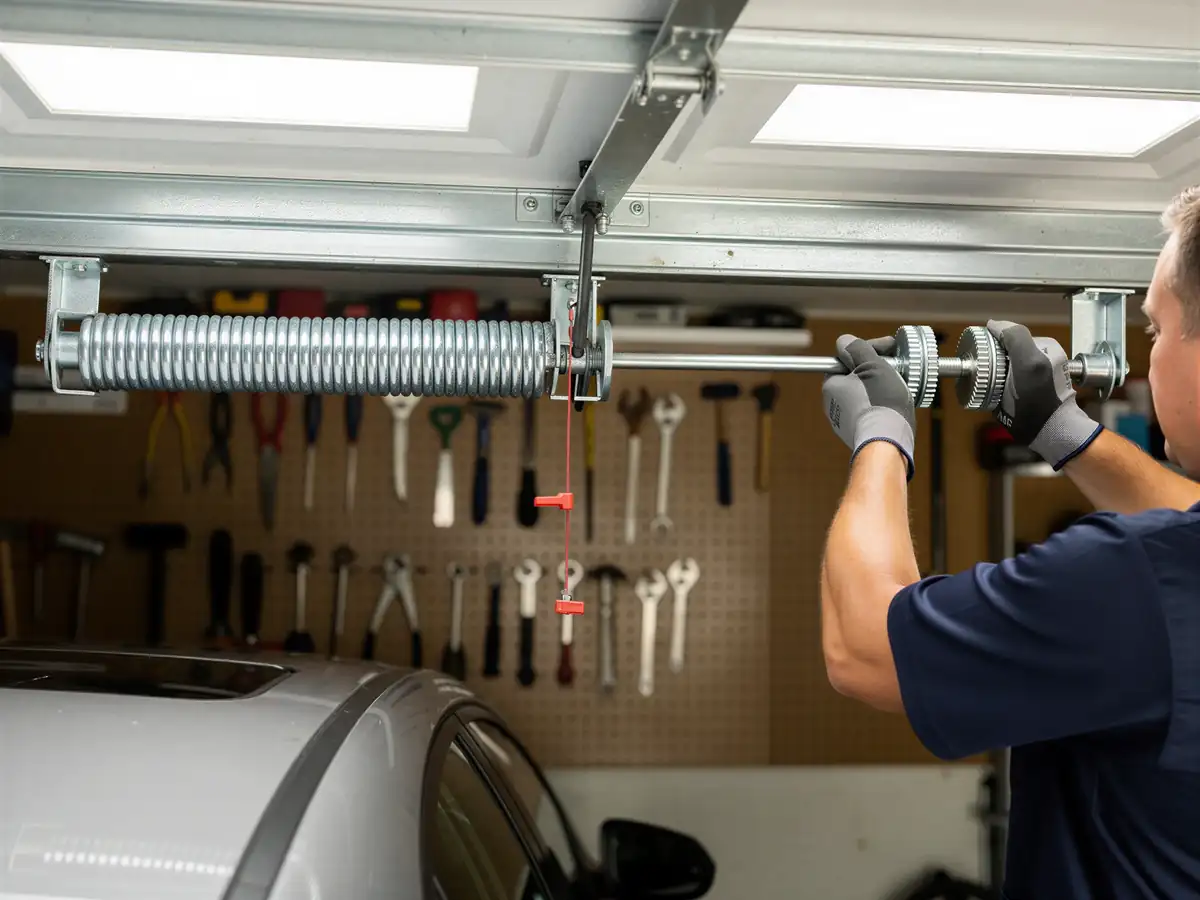
We'd rather you didn't. A door under spring tension that's partway off track can shift suddenly, and the cables and springs involved are not something to handle without releasing tension safely first.