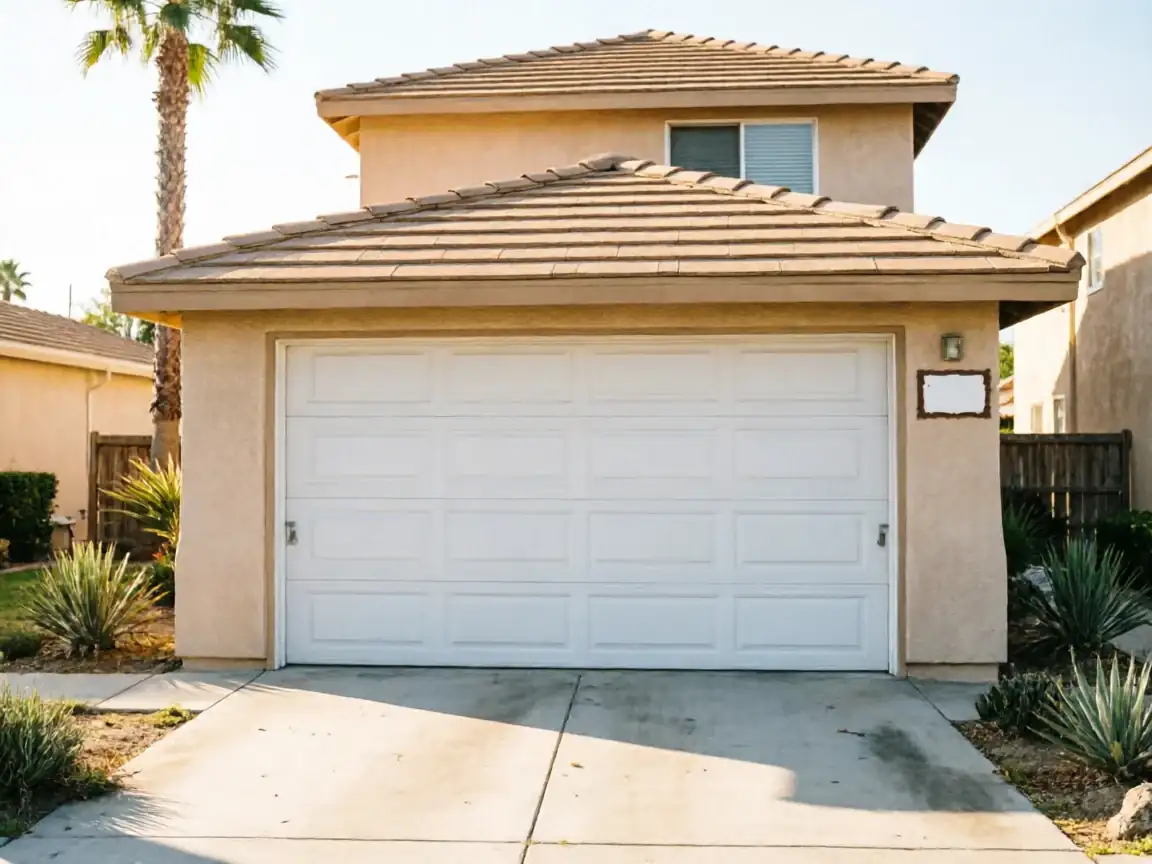
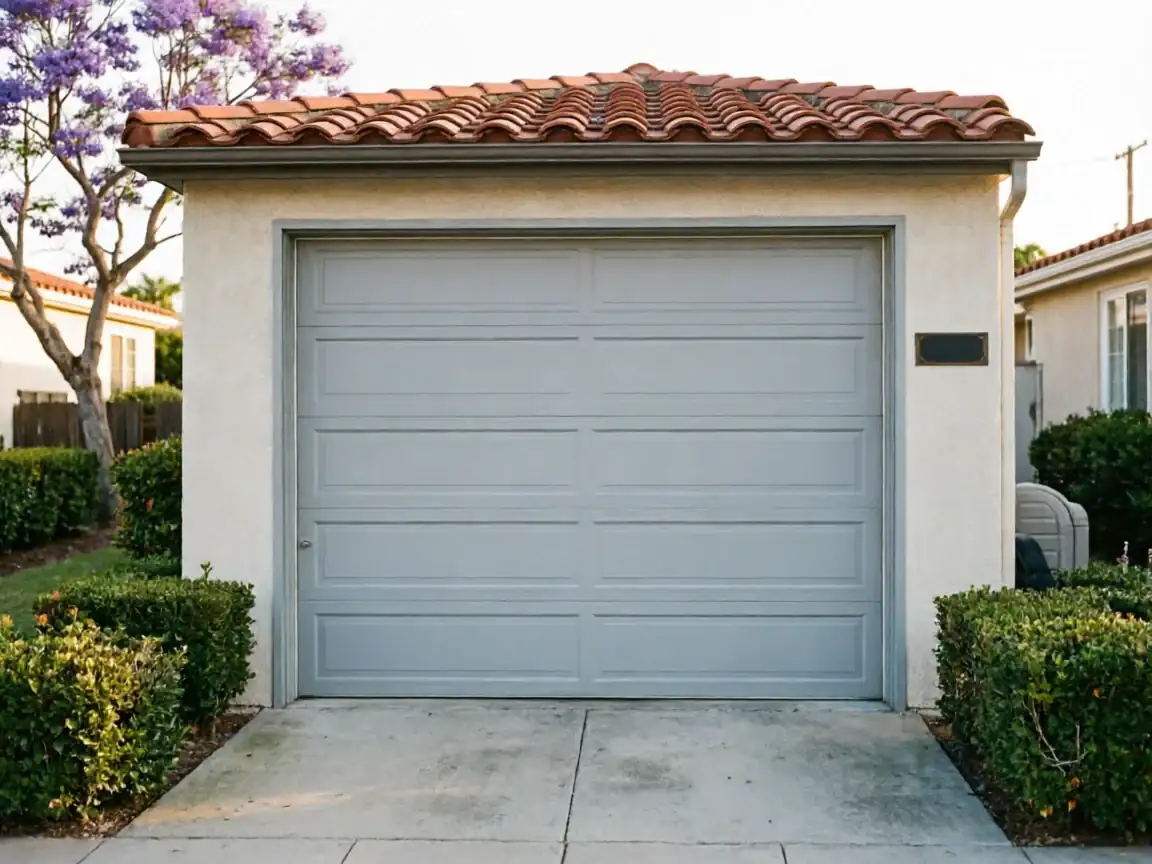
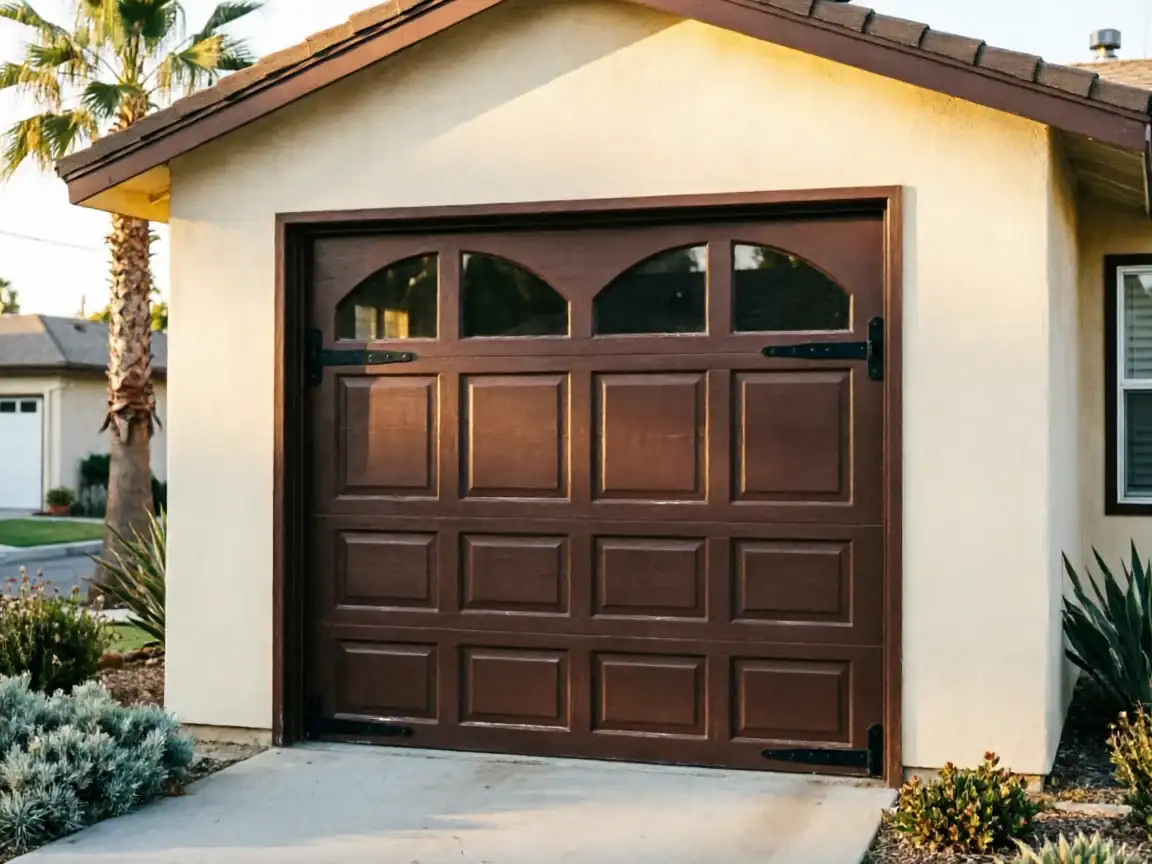
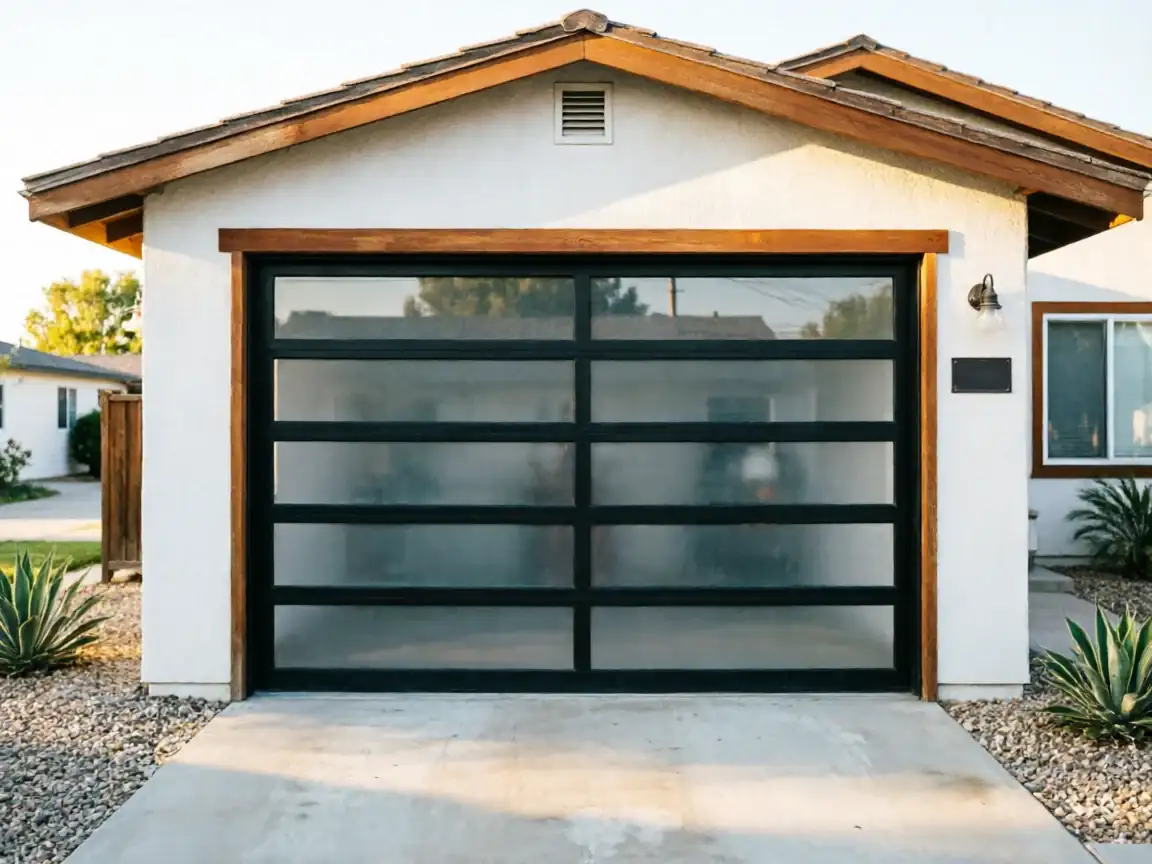
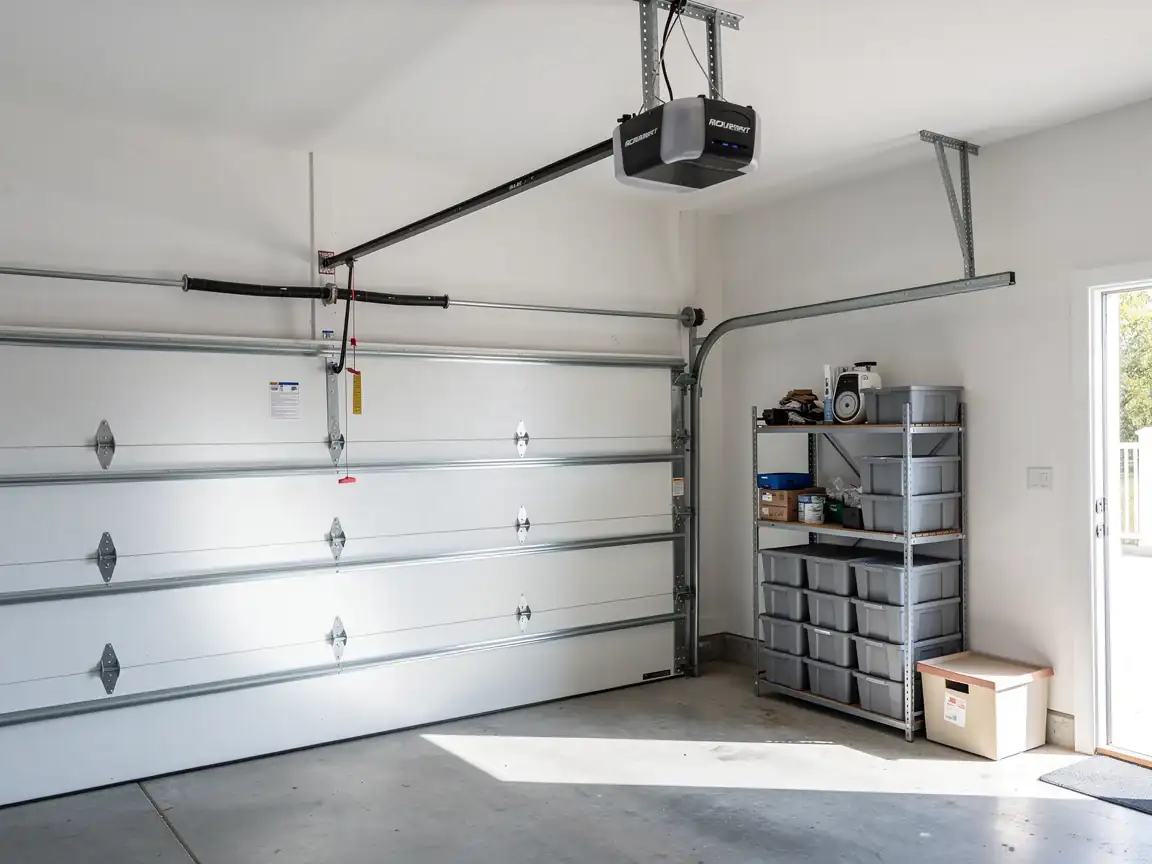
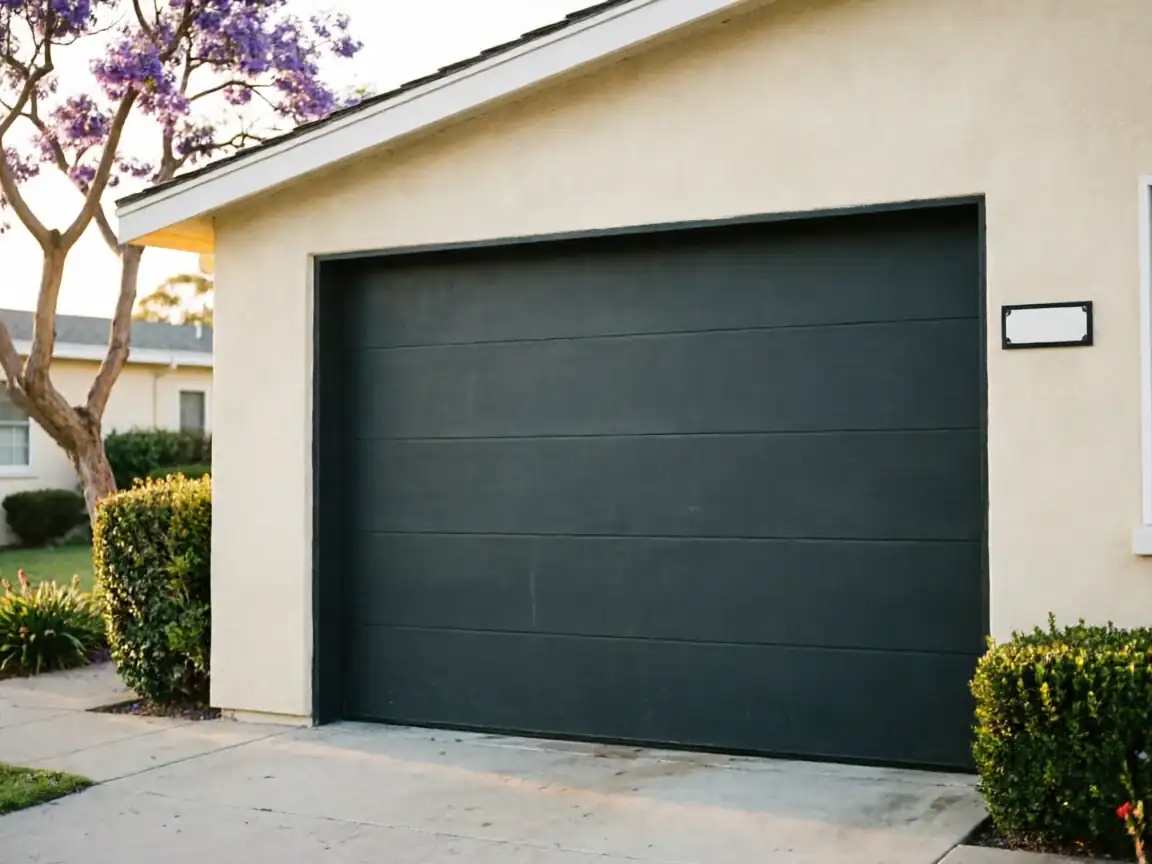
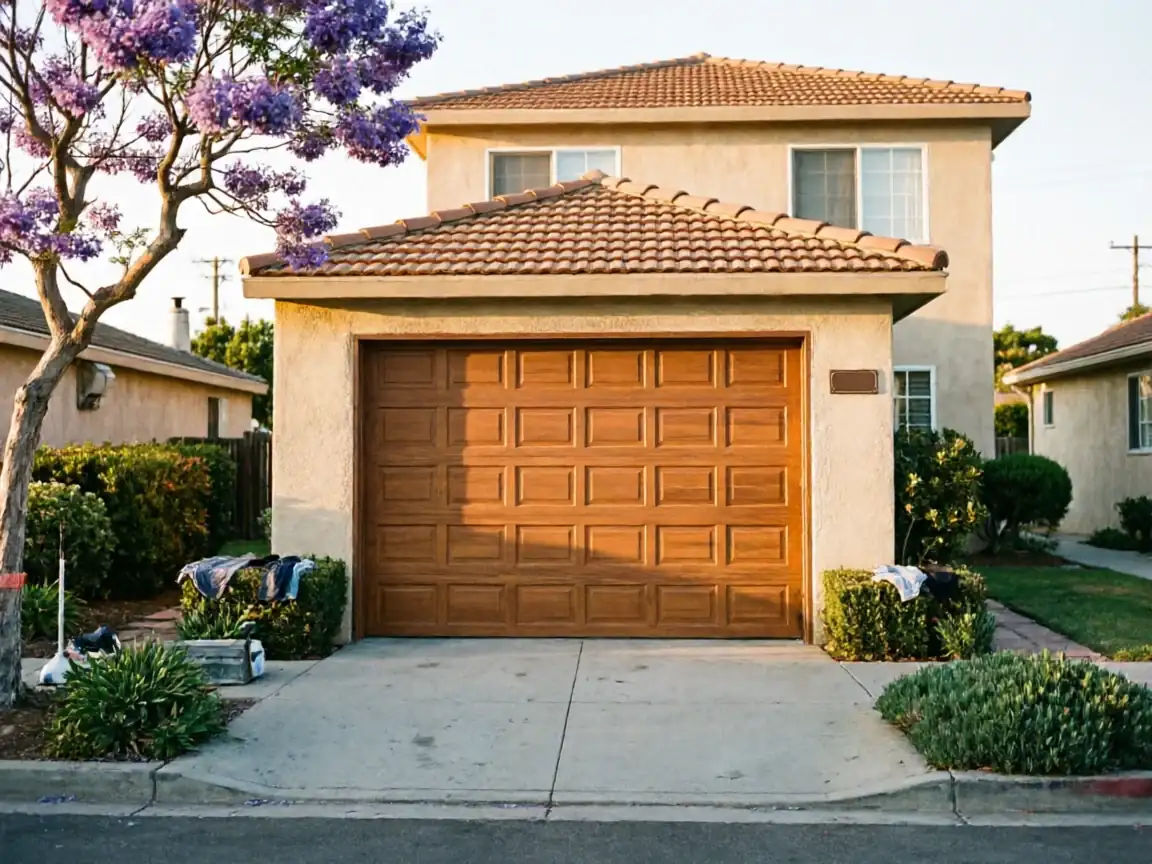
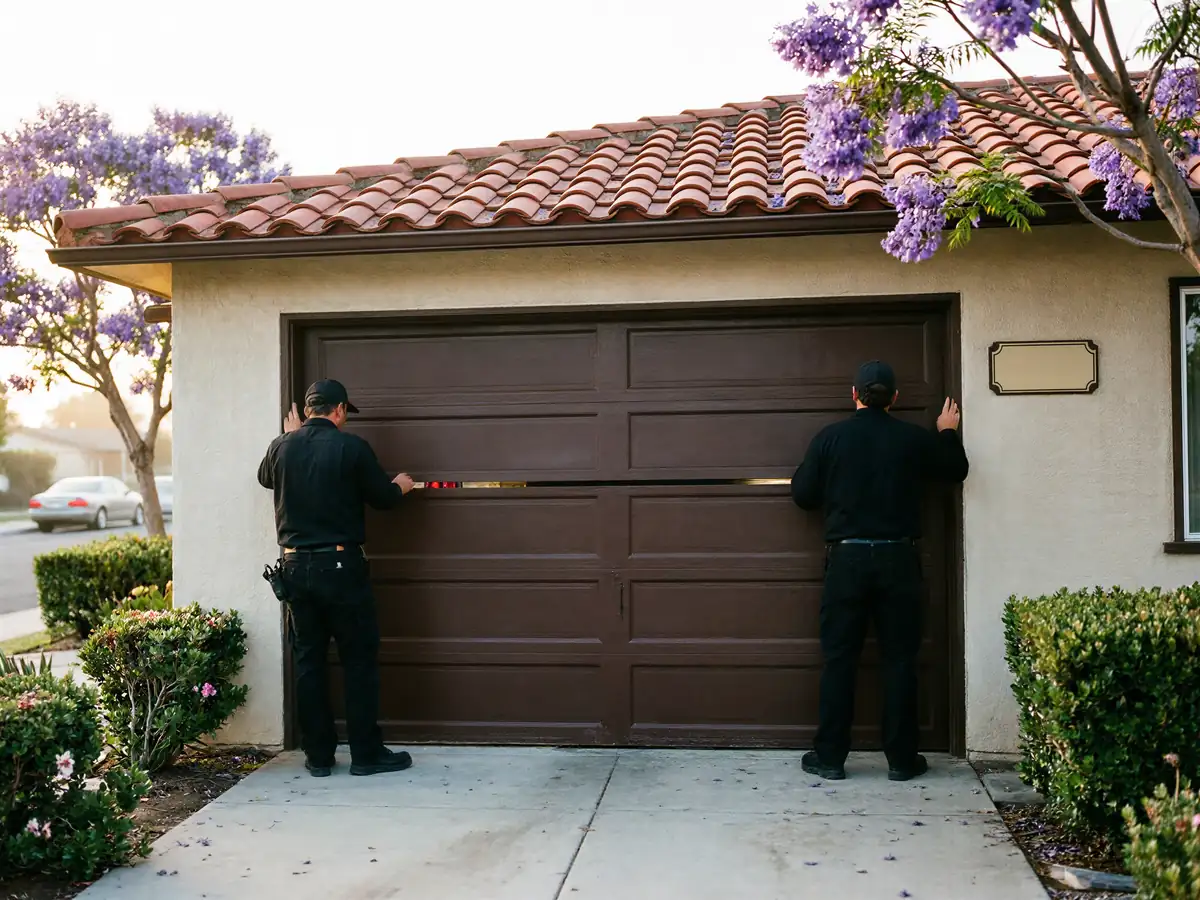
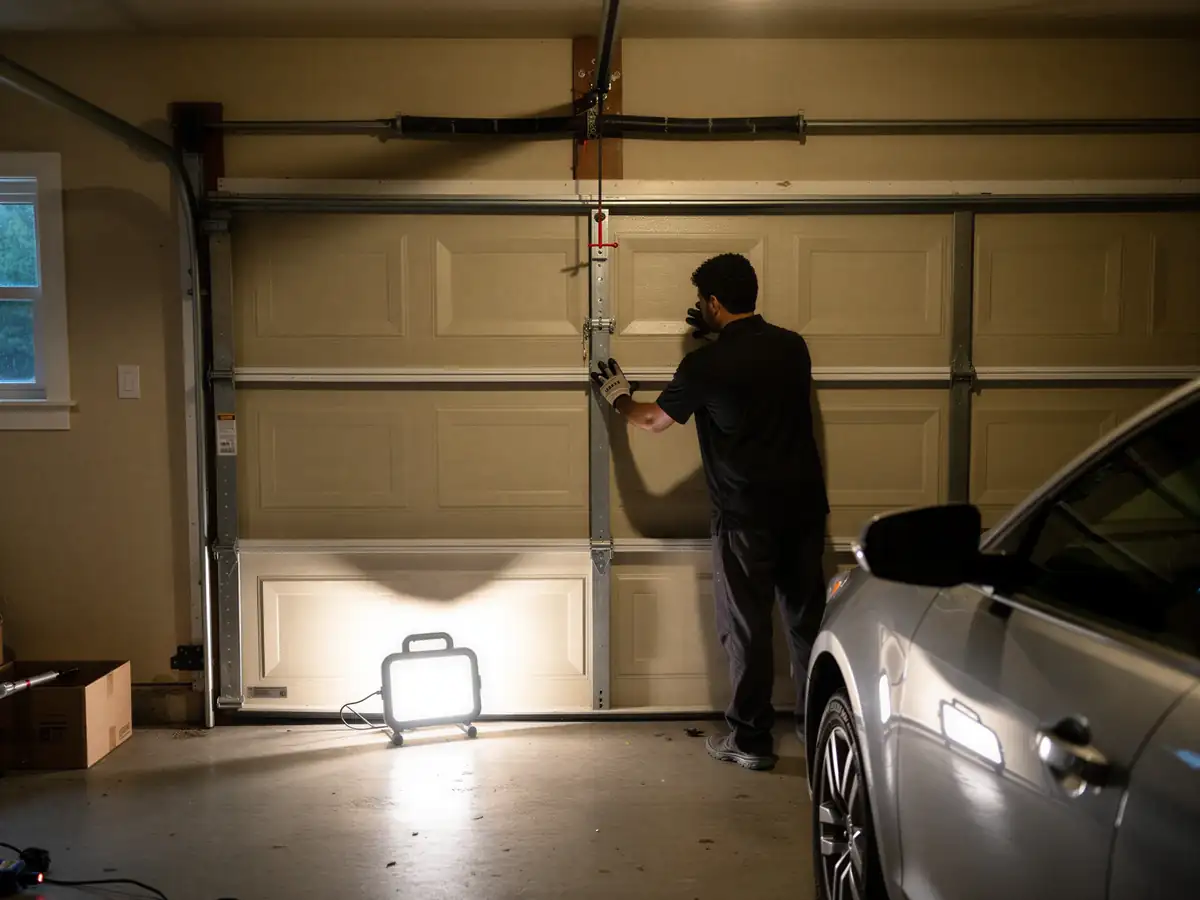
Emeryville homes mostly went up in the late 1980s, later than the rest of the Oakland service area. We repair the steel sectional doors and chain-drive openers that era left behind.
Emeryville's median household income sits at $120,302, lower than the wider service area's $148,801, and that number decides more repair calls than people expect. On a door built in the late 1980s, a cracked bottom panel or a worn weatherstrip is a parts-and-labor fix, usually a few hundred dollars. A seized torsion spring or a stripped opener gear on the same door is still worth fixing. But when the springs, the track, and the opener all fail inside the same year, on a door that's pushing forty years old, that's the point where a homeowner here has to weigh a repair bill against a new door - and at this income level, that line gets crossed sooner than it would on a higher-income block. We'll tell you straight which side of that line your door is on before we quote anything.
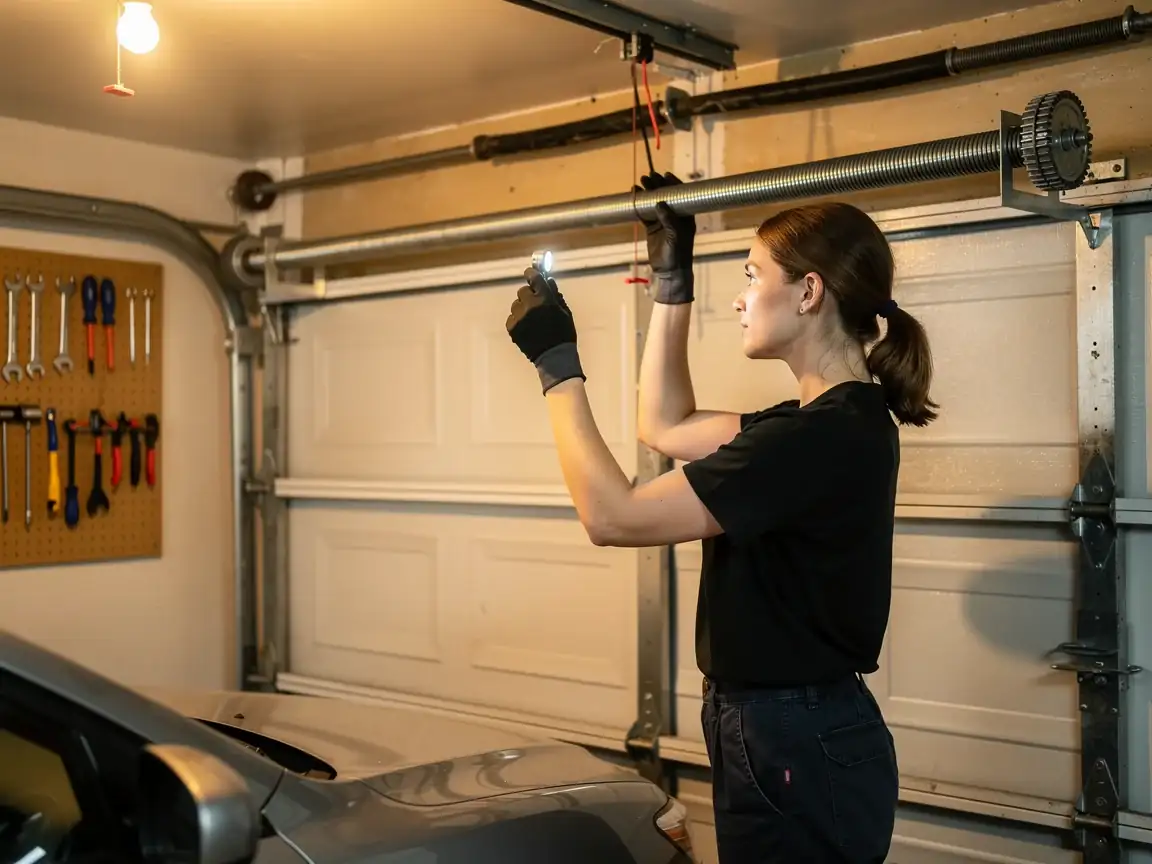
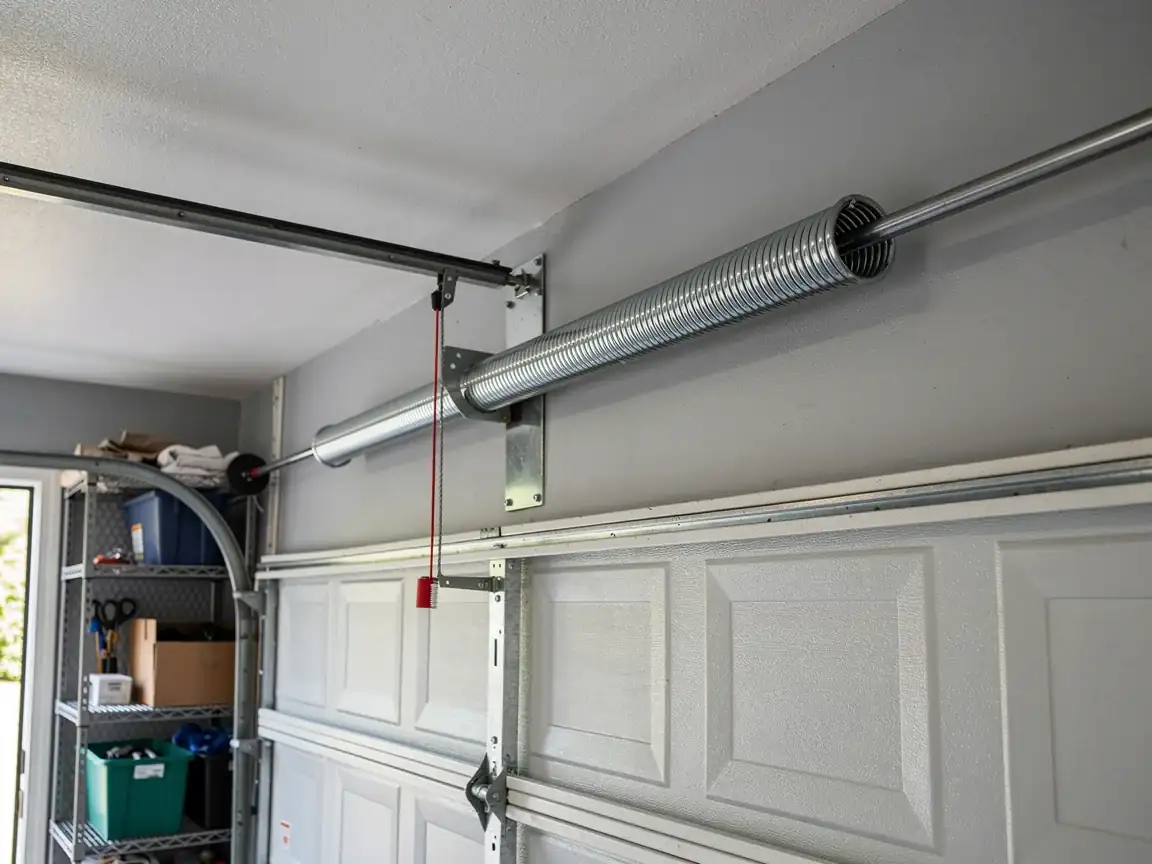
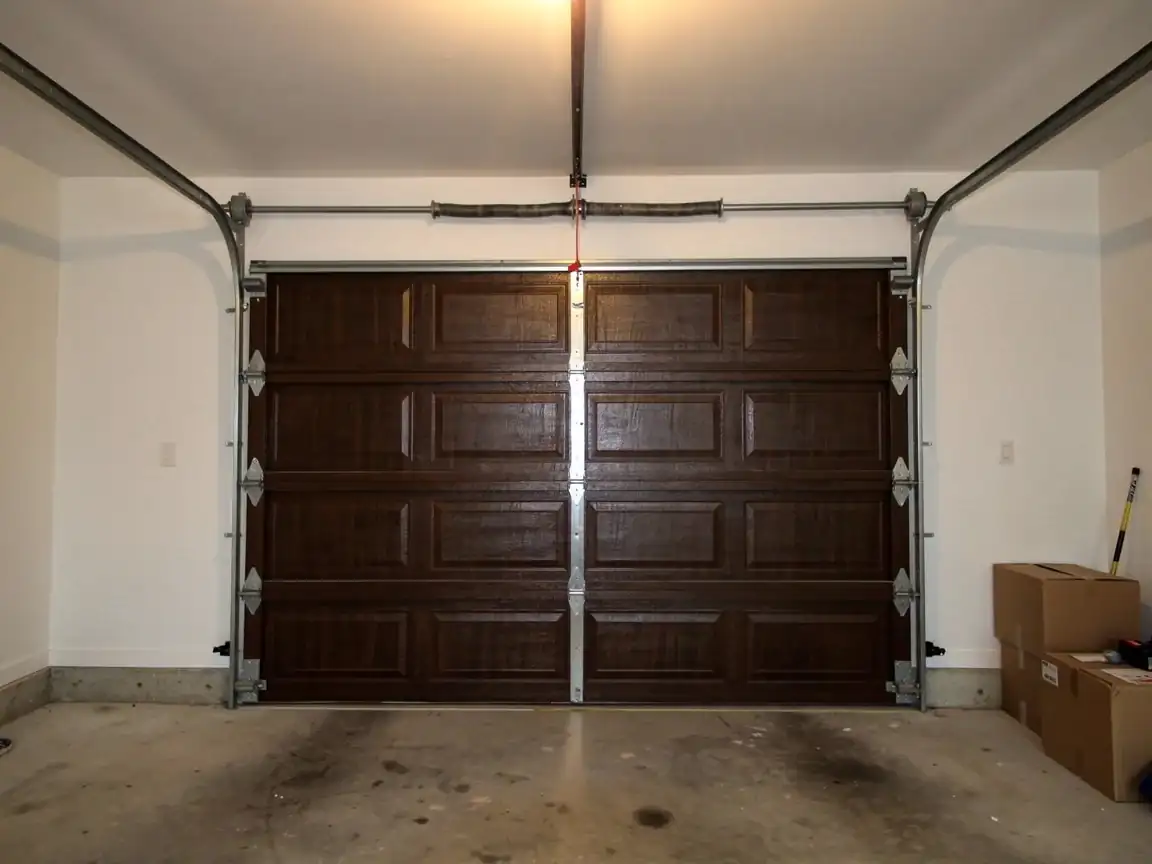
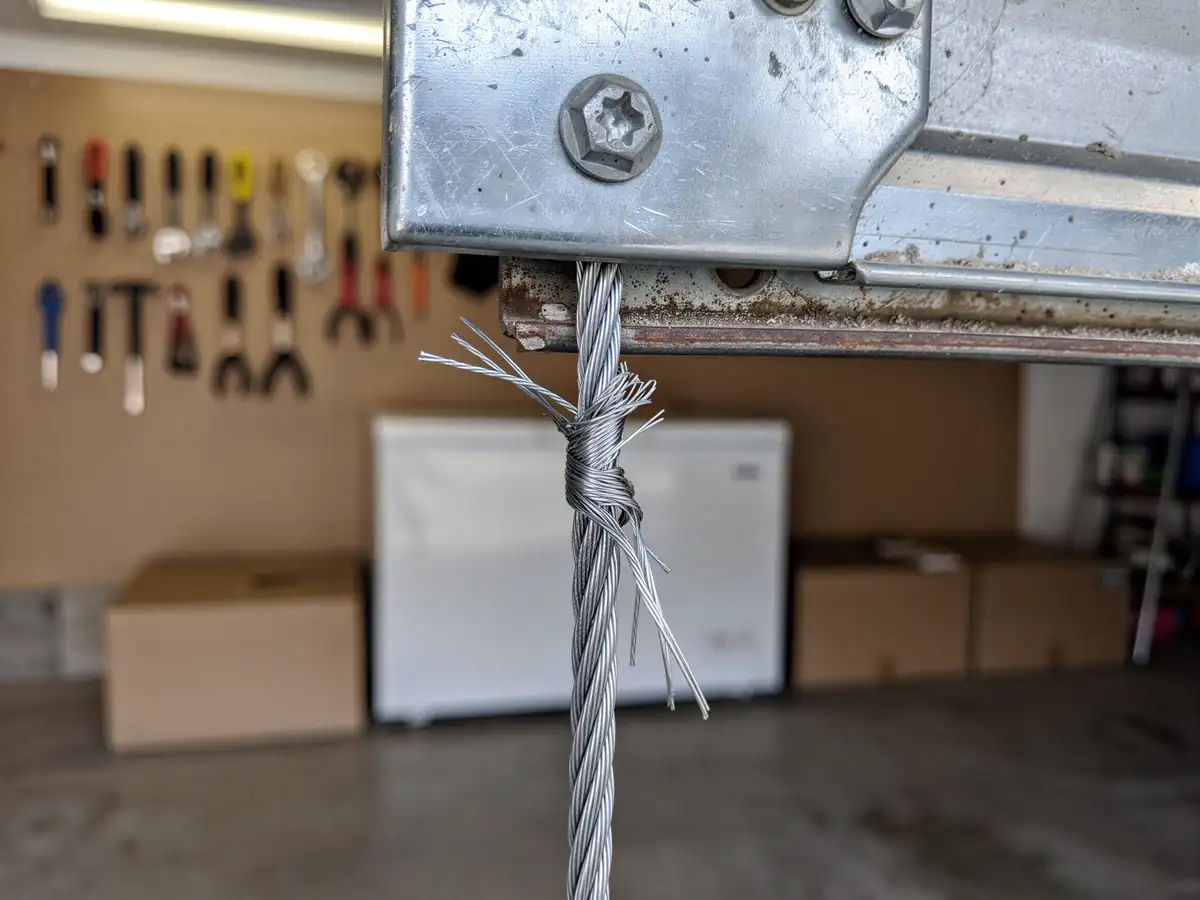
The symptom itself is usually simple: the door won't open past a foot before the opener clicks and reverses, or it drops the last six inches with a bang instead of settling. Both point to spring tension, not the opener itself, on doors from this era.
What the Repair Takes
01
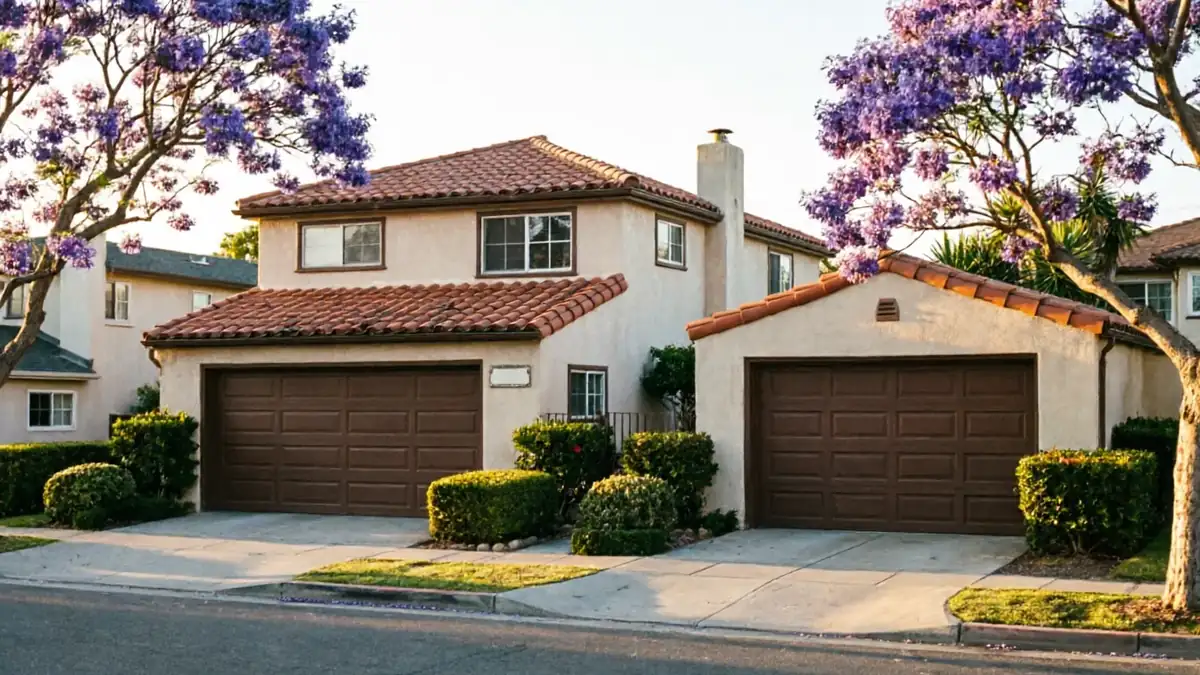
Most Emeryville houses were built around 1987
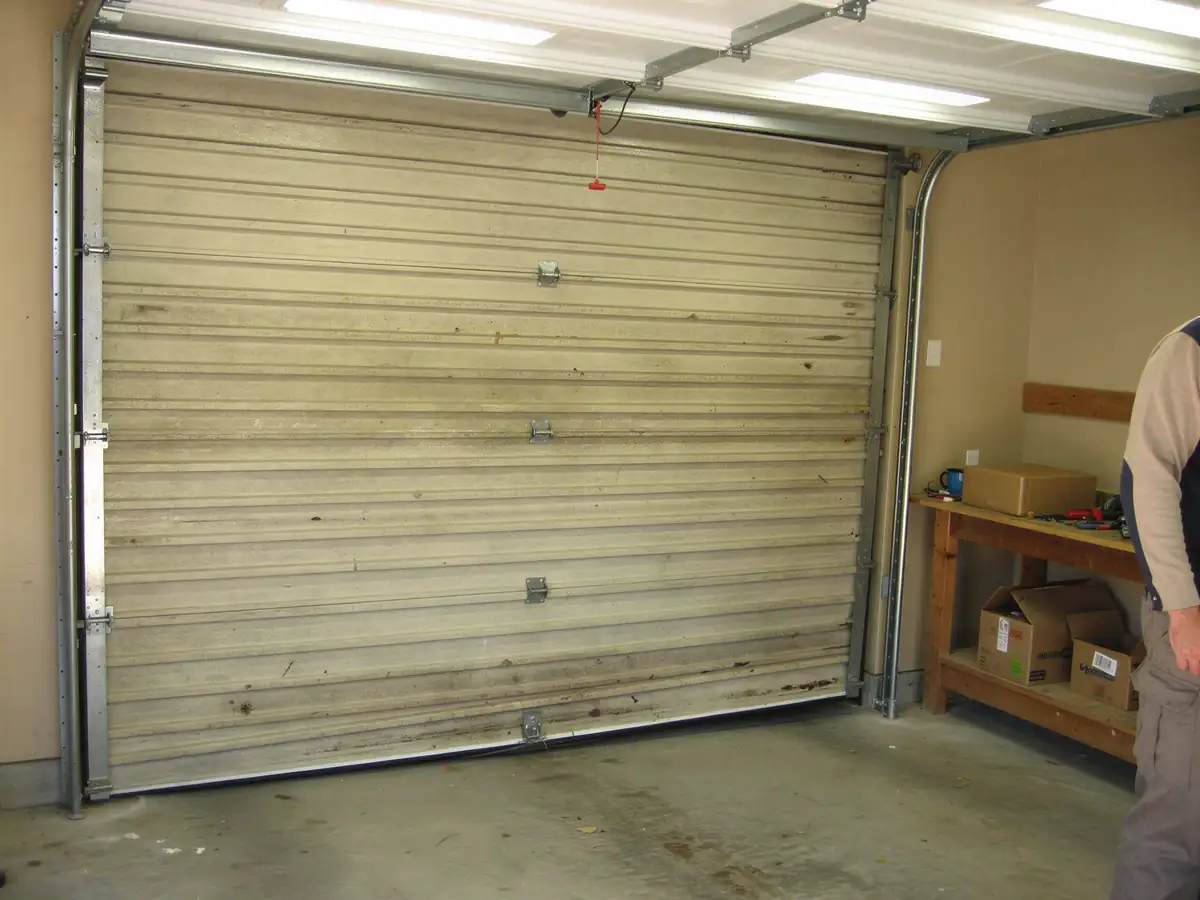
Which puts the garage door and opener squarely in the first generation of steel sectional doors with factory-installed chain-drive openers - newer than the 1960s stock that dominates much of the rest of the Oakland service area. That means torsion springs sized for lighter steel panels, nylon rollers that have usually outlived their plastic, and openers with circuit boards instead of the older relay-and-timer logic.
02
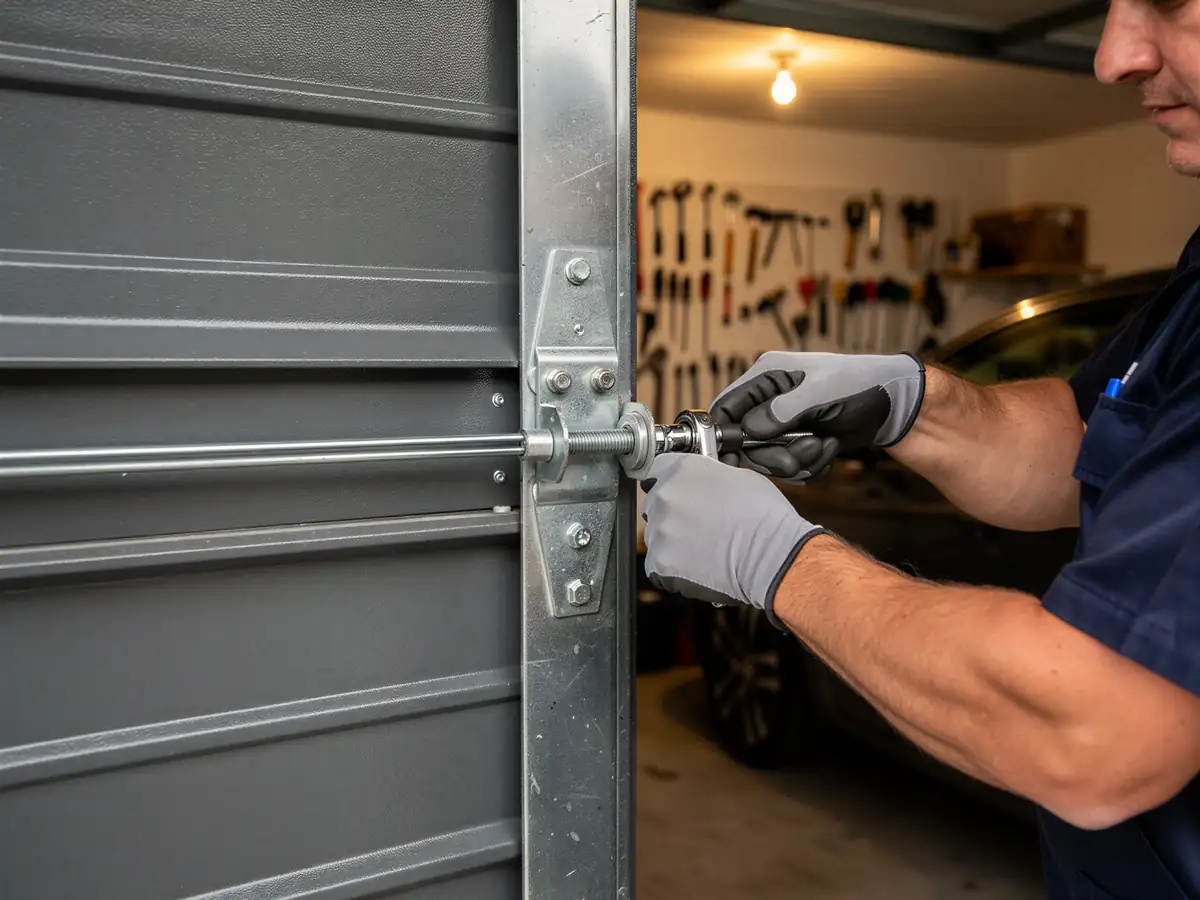
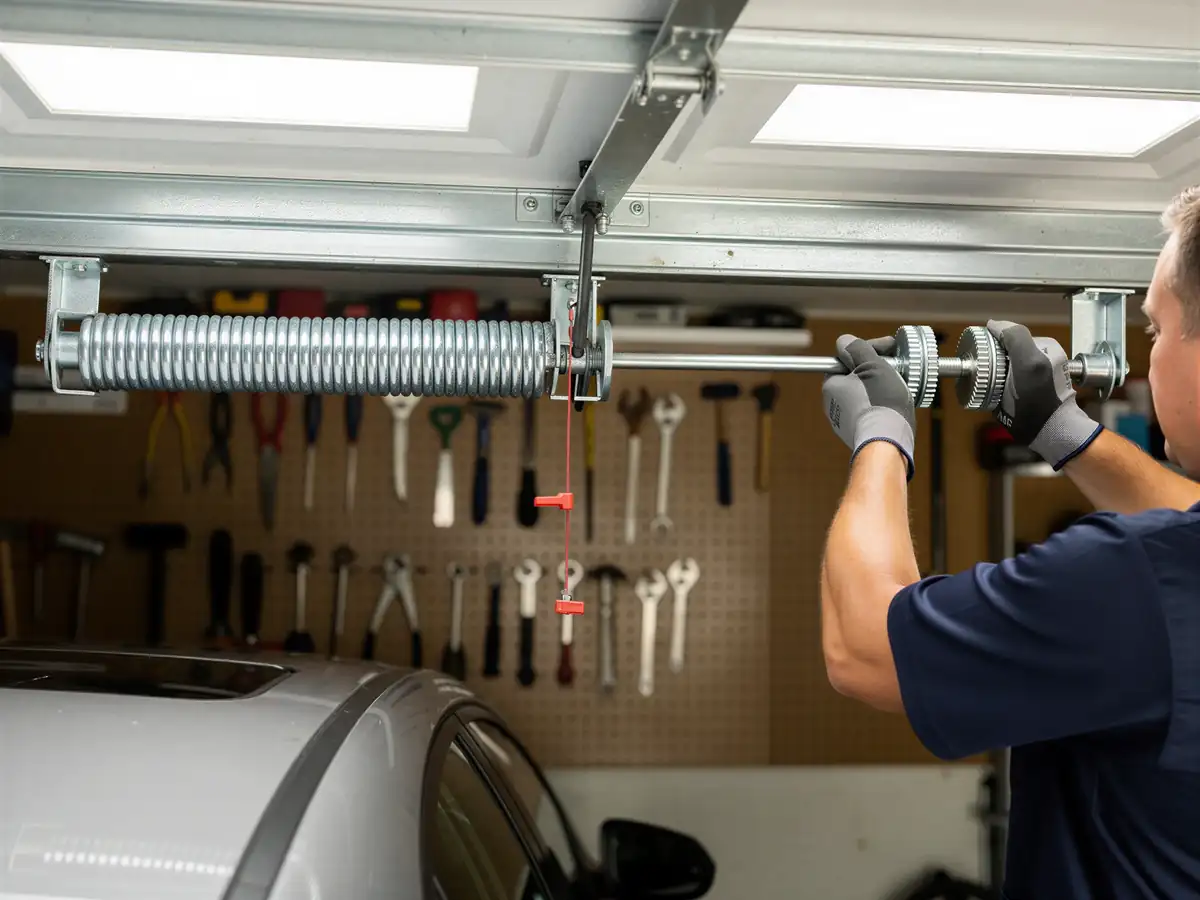
A spring swap on one of these doors is a same-visit job once we're on site
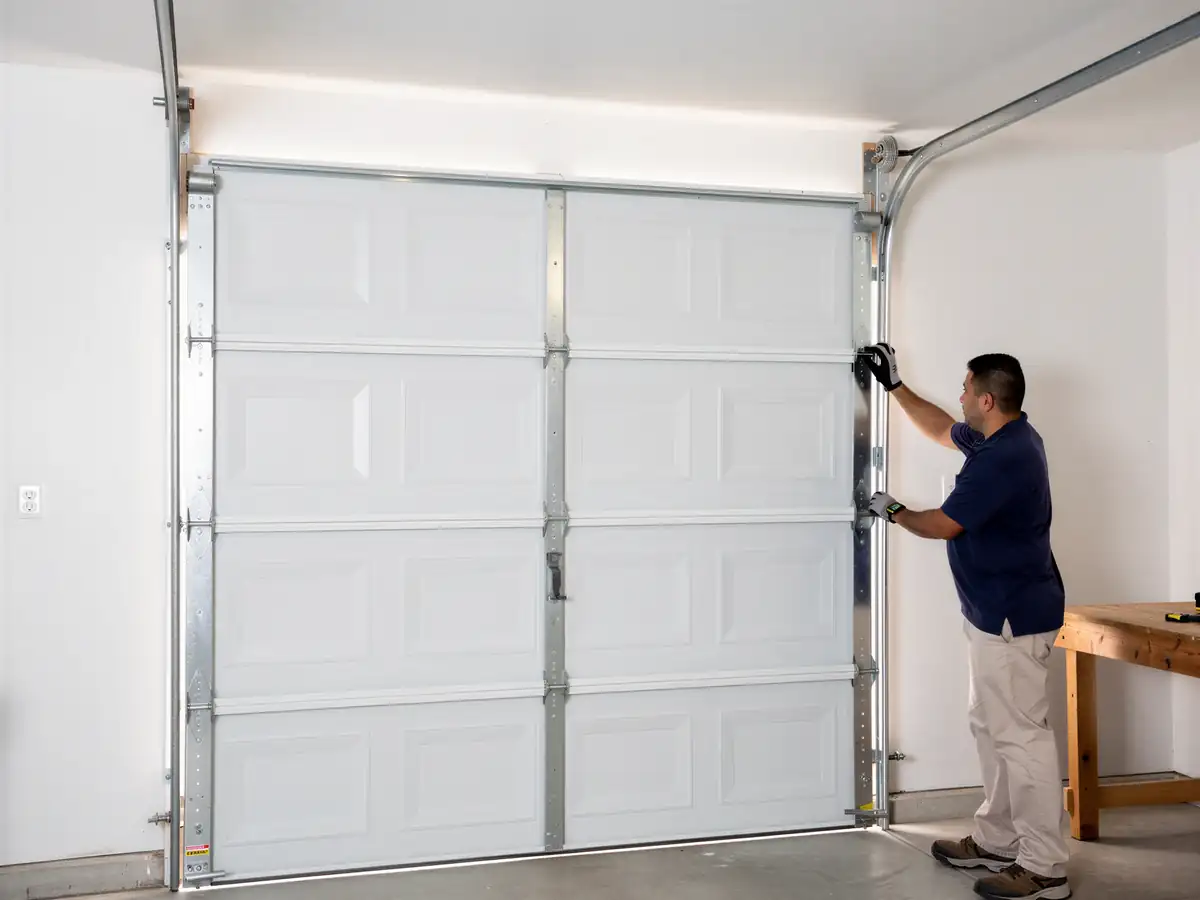
Match the wire gauge and wind to the original, set the drums level, and test the balance so the opener isn't doing the lifting. Roller and hinge replacement is just as routine. Circuit board failure on an opener this age is the one that sometimes costs more to diagnose than to fix - if the board's gone and the model's been discontinued, we'll say so rather than chase a part that doesn't exist anymore.
Why It Happens Here
The mild temperate climate across this part of the Bay doesn't put much stress on garage door hardware - no deep freeze-thaw cycle, no salt air corrosion inland. What ages these doors is mileage and the plastic parts that were standard in late-1980s construction: nylon rollers, light-gauge extension springs on single doors, plastic idler pulleys on the opener's chain drive. None of that was built to run thirty-plus years, and in a town built out in roughly the same decade, a lot of those parts are failing at the same time across the same streets.
We drive the 6 miles out from Oakland for these calls regularly enough to recognize the pattern: it's rarely storm damage or a one-off accident. It's the original hardware finally giving out, all at once, because the houses around it went up together.
Parts We Carry
On the truck we carry torsion and extension springs sized for standard steel sectional doors, the nylon rollers and hinges that wear out on 1980s-era doors, and chain and belt-drive opener parts for the common models from that period. Weatherstrip and bottom seal stock covers the sizes used on doors from this build era too.
What we don't carry, and won't pretend to: proprietary circuit boards for openers that have been out of production for years, and custom panel sizes for doors that were never a common model to begin with. If your door needs one of those, we'll tell you on the visit instead of ordering a part that may never show up, and we'll lay out what replacement looks like instead.
How it works
From “it’s stuck” to “it’s fixed”
01
Tell us what’s wrong
Describe the symptom - won’t open, loud bang, opener runs but the door won’t move.
02
On-site diagnosis
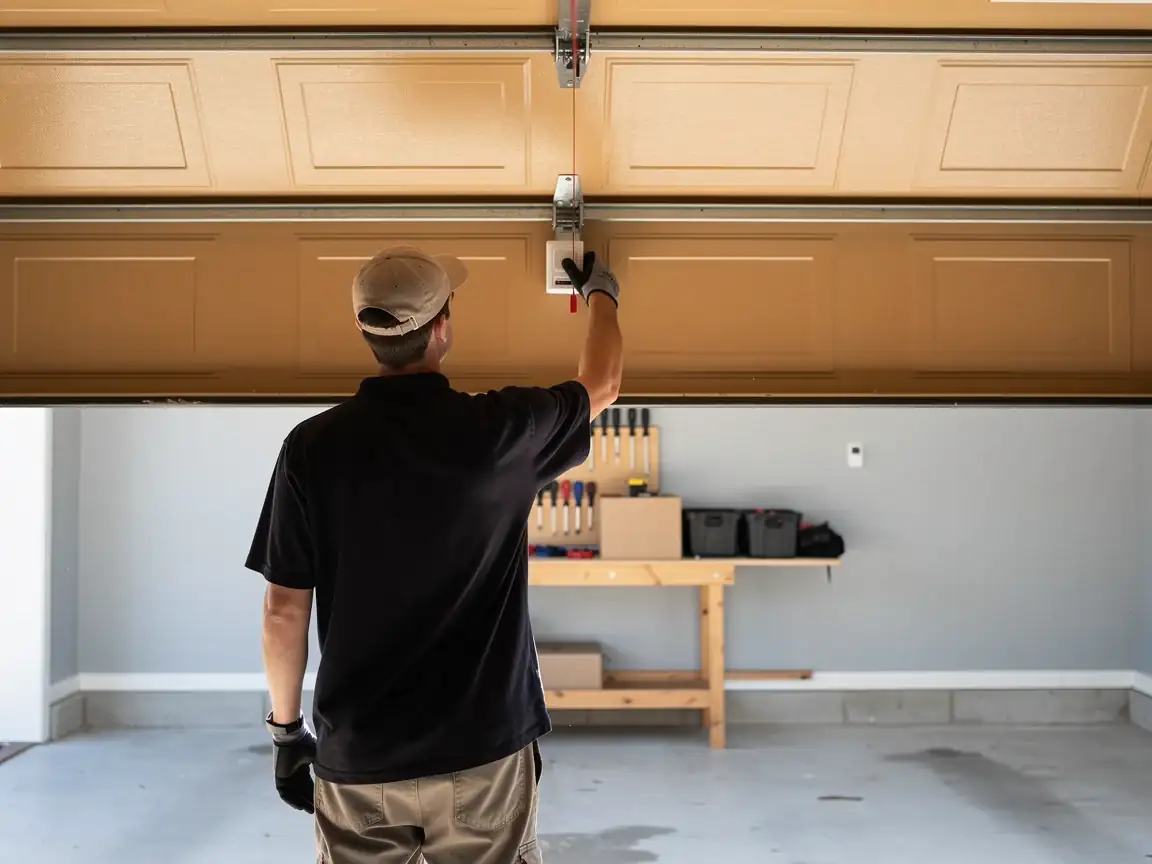
A technician tests the door under power and by hand and finds what actually failed.
03
Clear, up-front plan
You get the fix that’s needed and what drives the cost - before any work starts.
04
Repaired & tested
The repair is done, the door is set true and tested, and the work area left clean.
Not sure which repair your door needs in Oakland, CA? Describe what it’s doing - every job starts with a diagnosis.
Straight answers about garage door repair in Oakland. Still unsure? Ask us directly.
Is it worth repairing a garage door from the late 1980s?
Usually yes, if it's one fault - a spring, a roller set, a sensor. Where it stops making sense is when the springs, track, and opener are all failing in the same visit on a door this age. At that point we'll walk you through the repair cost against a new door rather than patch three things at once.
Do you have a shop in Emeryville?
No. We're based in Oakland and drive the 6 miles out for calls here. We don't keep a local branch or stock in Emeryville, so every job comes off the truck.
Why does my opener's circuit board keep failing?
Boards from openers built in the late 1980s are old enough that failure is normal wear, not damage. Some models are discontinued, and we'd rather tell you that up front than order a board that never arrives.
Does Emeryville's weather affect garage doors much?
Not much. The climate here is mild and doesn't bring the freeze-thaw or salt exposure that wears down hardware faster elsewhere. Most failures we see are from age and plastic parts giving out, not weather.